REVIEW · BALLESTAS ISLANDS
From Paracas: Ballestas Islands & Paracas National Reserve
Book on GetYourGuide →Operated by JD ADVENTURE TRAVEL · Bookable on GetYourGuide
Paracas and Ballestas in one outing feels like two different worlds. You start on the water with sea lions and penguins around the rocky islands, then switch gears to the Paracas National Reserve where desert meets bright blue ocean and the scenery looks almost impossible.
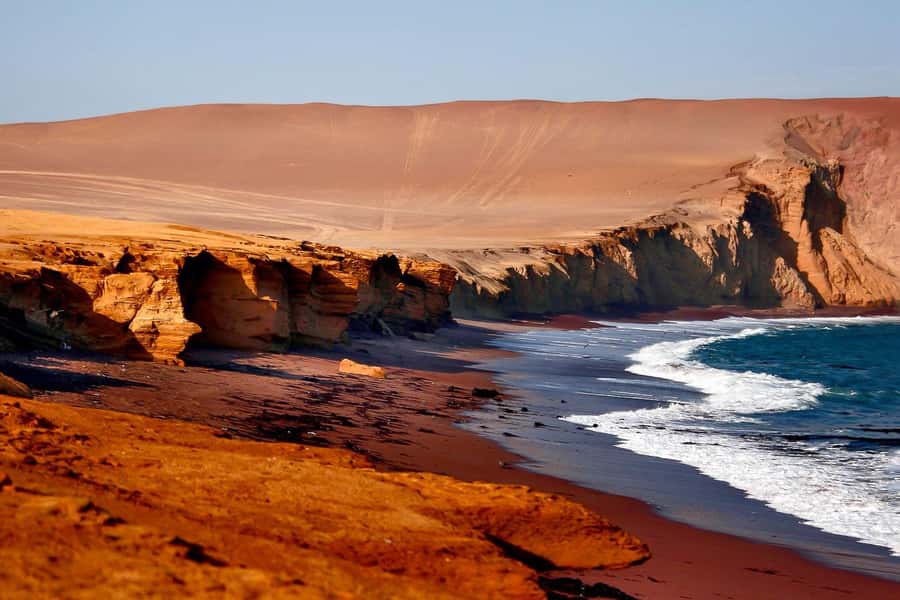
I really like that this tour mixes animals with geology. The boat portion is built around wildlife spotting, while the reserve drive takes you to places like the Cathedral rock formation and the maroon-sand beaches of Playa Roja and Lagunillas—the kind of views you won’t get from the highway.
One thing to consider: the boat is fast and can get cold or splashed, and you may want motion-sickness meds if you’re sensitive.
In This Review
- Key points to know before you go
- How the 5-hour combo works (and why it feels efficient)
- Getting from Paracas hotels to the pier quickly
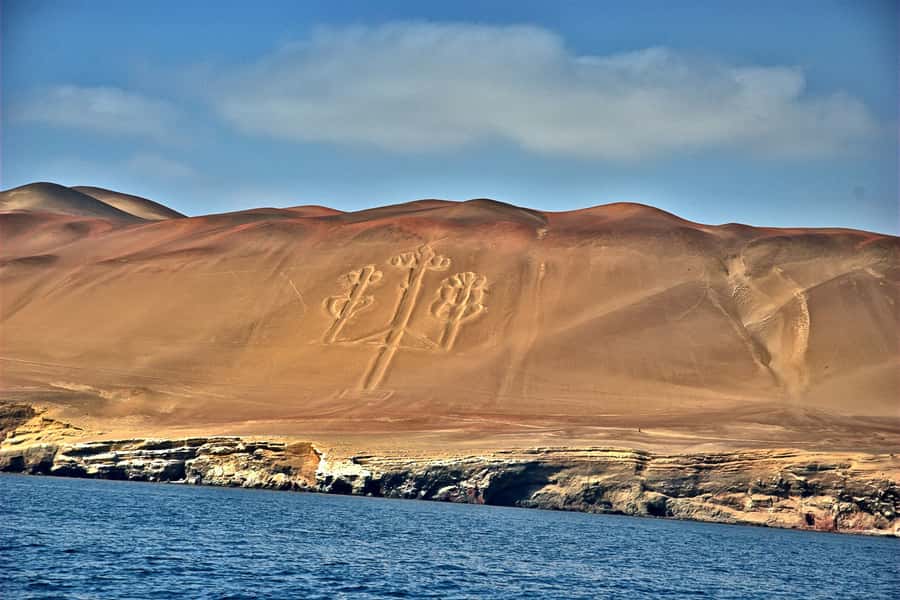
- Speedboat to Ballestas and the Candelabro glyph on the peninsula
- Wildlife spotting on Islas Ballestas: what you’re likely to see
- Paracas National Reserve by van: Cathedral, cliffs, and two maroon-sand beaches
- The short local café break (and why timing matters)
- Price and value: what $60 really buys (plus the cash entrance fees)
- What to bring for sun, salt spray, and maroon-sand photos
- Guide quality: why this tour earns praise
- Who this tour suits best (and who should think twice)
- Should you book this Paracas and Ballestas tour?
- FAQ
- How long is the tour from Paracas to Ballestas and Paracas National Reserve?
- What price is the tour, and what’s included in that cost?
- Are entrance fees included?
- Do I need to bring cash?
- What languages will the guide speak?
- Is hotel pickup available everywhere in the region?
- Do I need ID?
- What should I wear and bring for the day?
- What’s not allowed during the tour?
- Is this tour suitable for young children or pregnancy?
Key points to know before you go
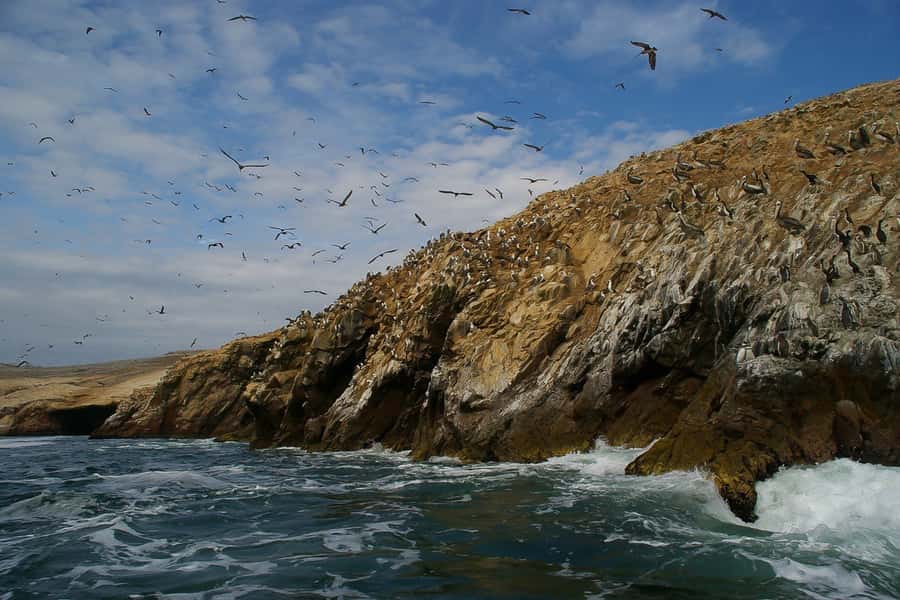
- Ballestas wildlife in a short time: sea lions, penguins, pelicans, and blue-footed boobies (and sometimes more)
- The Candelabro stop: a mysterious carved glyph on the Paracas Peninsula you’ll see from the water
- Reserve scenery that’s all contrast: high sandstone cliffs, desert roads, and bright ocean nearby
- Cathedral + red-sand beaches: stop at major viewpoints like the Cathedral area and Playa Roja/Lagunillas
- Guides can make or break it: many reviews praise guides like Olenka and Eduardo for clear explanations and pacing
- Plan for the boat: you might get wet and need sun protection and eye protection
How the 5-hour combo works (and why it feels efficient)
This is a tight schedule by design: about 5 hours total, with hotel pickup in Paracas/Pisco, a quick van ride, and then a speedboat ride out to Ballestas. You’re not spending a full day slowly wandering—this is a focused “see the key sights” outing.
The payoff is that the tour hits two “Peru” flavors back-to-back. Ballestas is about marine life close to shore, usually with constant action—sea lions hauled out, birds circling, penguins diving and surfacing for food. The reserve portion is slower and more visual: you’re driving viewpoints, looking at rock formations, and taking in that odd mix of arid desert and ocean.
If you’re the type who wants maximum wow per hour, this format fits. If you hate rushing, you’ll want to manage expectations: there’s a lot packed in, and you’ll likely spend your time moving between photo stops rather than lingering all day.
Getting from Paracas hotels to the pier quickly
Pickup is included from Paracas and Pisco, but only from hotels within Paracas town centre. If you’re staying outside that area—like Santa Cruz or San Andrés—you’ll need to arrange an added transfer cost (listed as 30 soles).
That matters because it keeps things simple. You’re not trying to navigate local transport on your own, and you won’t be stuck figuring out how to reach the harbor on time. The tour also includes drop-off back to your hotel at the end.
What I’d do in practice: give yourself a little buffer with timing, especially if you’re staying near the edge of pickup coverage. A few minutes of delay at the start can tighten your day even more once you’re out on the water.
Speedboat to Ballestas and the Candelabro glyph on the peninsula
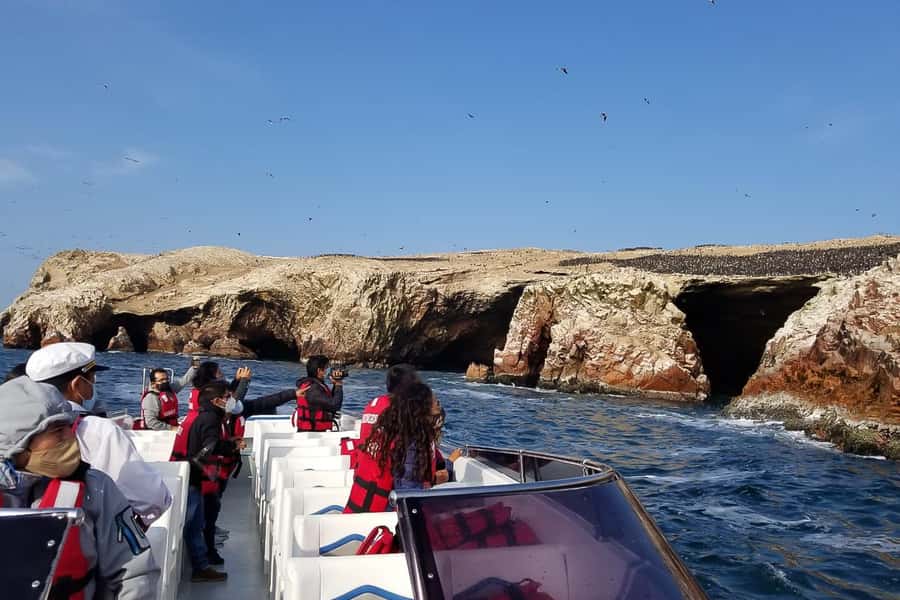
After pickup, you go to the pier and board a speedboat. The water portion is the core of the Ballestas experience, with about 2 hours on the sea built into the schedule.
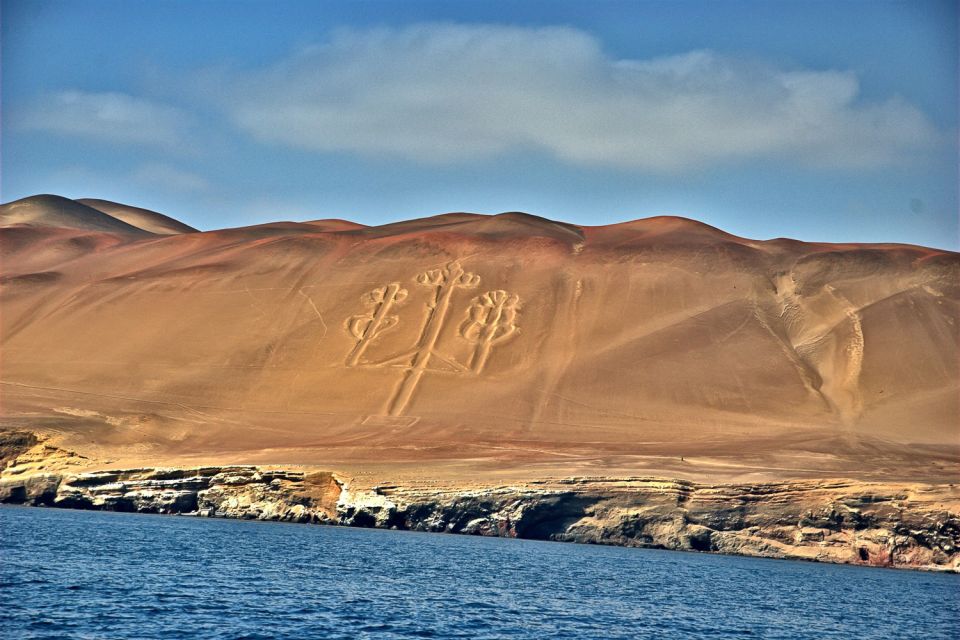
On the way, you’ll stop at the Paracas Peninsula to see the Candelabro—a large carved glyph on the island’s side. The tour doesn’t promise answers here; the whole point is that its purpose and creator remain a mystery. That’s exactly why it’s worth including: it adds human intrigue to an otherwise wildlife-and-rocks outing.
One practical detail: boat visibility and narration can vary. Your guide is listed as Spanish/English, but a couple reviews suggest the boat narration may lean toward Spanish at times. If you don’t understand Spanish well, I’d still go—just know that the real value is often in what your guide explains overall, plus what you can see with your own eyes when you’re close to wildlife.
Wildlife spotting on Islas Ballestas: what you’re likely to see
Ballestas gets described as Peru’s version of the Galápagos, and the basic reason is simple: the islands are packed with animals that don’t feel shy about the boats nearby.
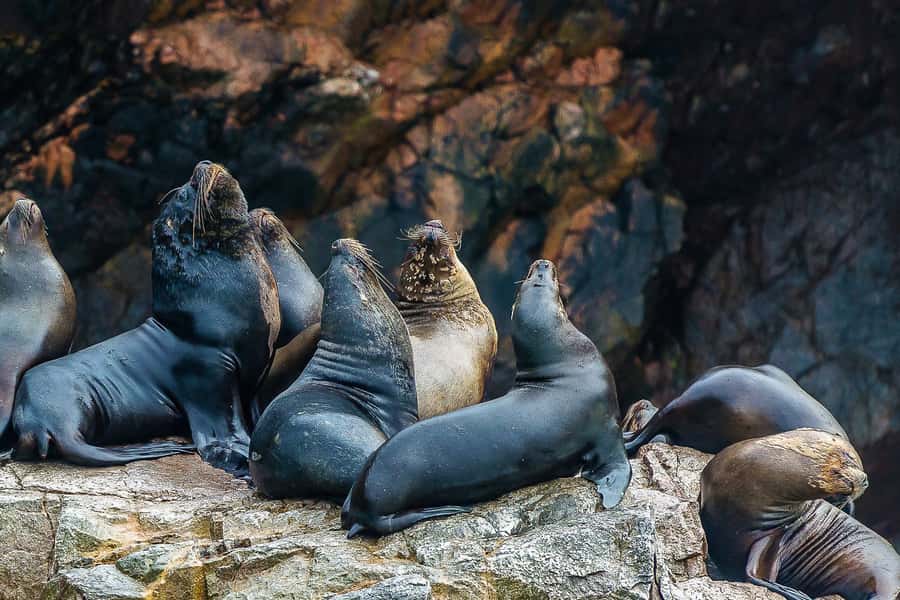
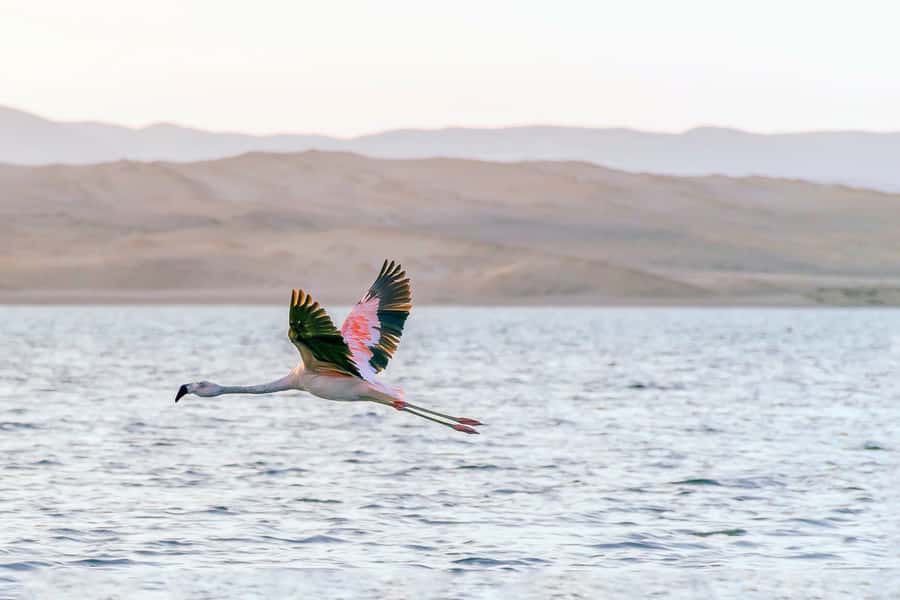
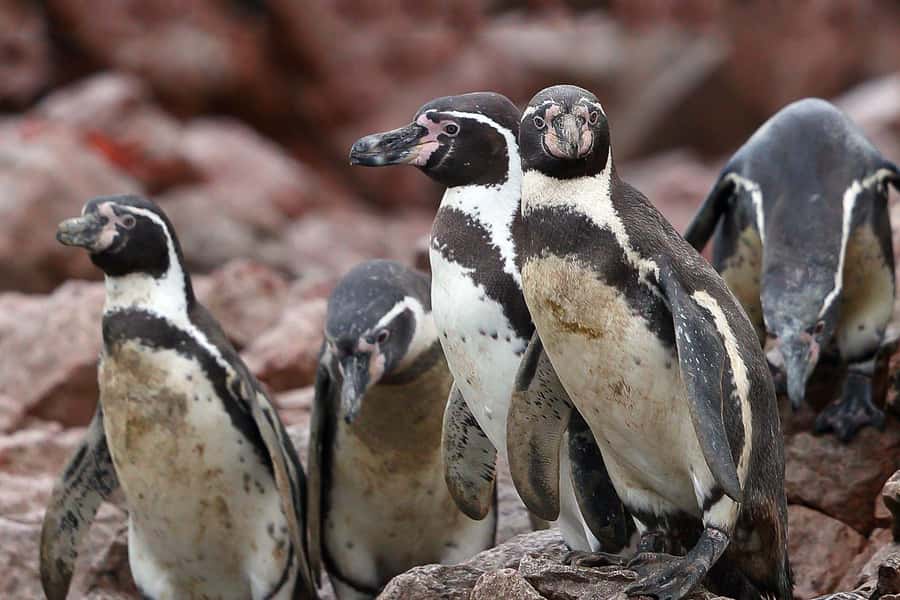
Expect to see thousands of sea lions hauled out on the rocky shores. You’ll also have a strong chance at spotting penguins—especially since the tour is timed to the region’s wildlife highlights. Around the islands, birds like pelicans and blue-footed boobies are also part of the standard experience, and some reviews mention extra sightings such as dolphins and even a whale.
Here’s how to make your wildlife time pay off:
- Keep your attention split between the shore and the water. Sea lions are obvious at rest; penguins are quick bursts—watch where they surface.
- Don’t fixate on one spot. The boat routes you through different angles, and the best views often come after you think you’ve already “seen everything.”
- If you’re prone to motion sickness, take steps before you leave. One review explicitly recommends taking motion sickness medicine in advance—because a speedboat can feel splashy and fast.
If the weather is rough, sightings can shift. That doesn’t mean the trip is a failure; it just means animals might be positioned differently along the coast or closer to shore.
Paracas National Reserve by van: Cathedral, cliffs, and two maroon-sand beaches
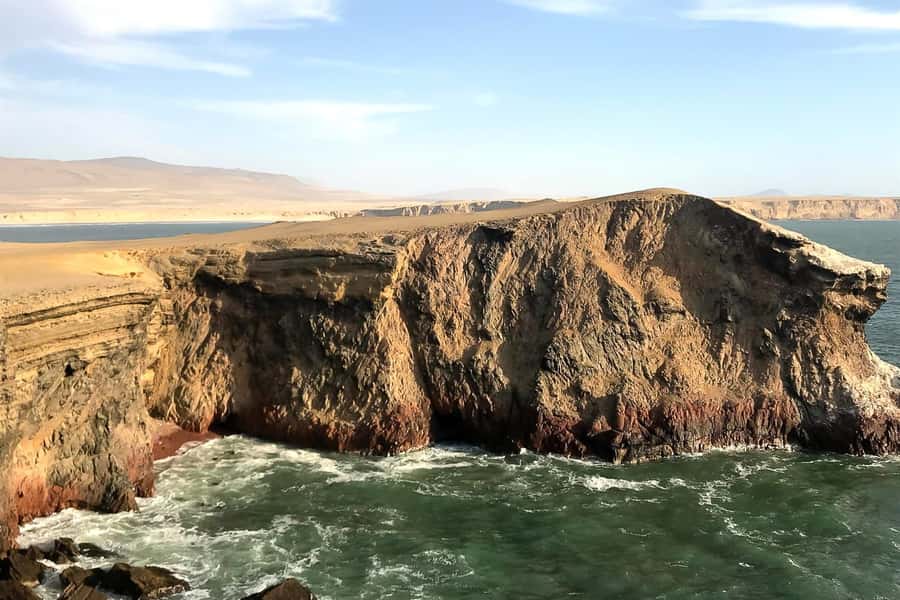
Once you’re done with Ballestas, you return to the pier and drive into Paracas National Reserve. This is where the scenery changes from active sea life to a desert setting that feels almost otherworldly—sand and high sandstone cliffs right next to the ocean.
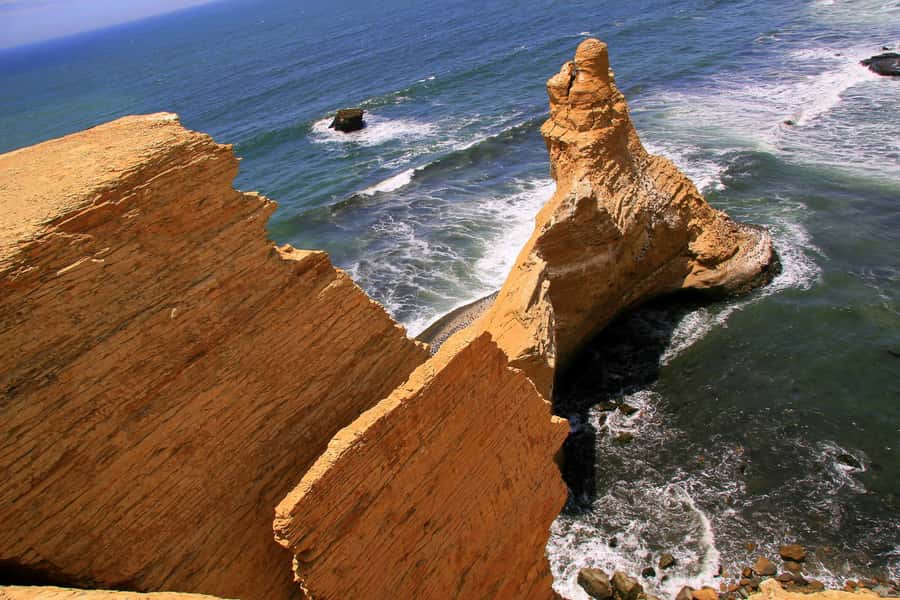
A big stop is the Cathedral, an area where a vast rock formation once stood but was destroyed by a cataclysmic earthquake. The geology isn’t just background here; it’s part of the story your guide will connect to how the region changed.
Then you move on to the beaches:
- Playa Roja: maroon-colored sand that gives the shoreline a strong, unusual color tone.
- Lagunillas Beach: another one-of-a-kind stretch of red sand where you can watch the ocean and take in the contrast between saltwater and desert tones.
This reserve portion is also where many reviews say the guide’s skill really matters. People praise guides like Olenka and Eduardo for explaining what you’re seeing and keeping the pacing calm—stopping at viewpoints long enough for photos, and adjusting if you’re more focused on scenery than on bird lists.
The short local café break (and why timing matters)
Your schedule includes a stop at a local café with free time for about 30 minutes. This is a practical buffer between the intense water portion and the reserve drive.
The biggest value of this break is energy management. Your day starts early, you’re exposed to sun, and the boat can be cold if you get splashed. Even if you don’t plan a full meal, use that time to:
- grab a drink
- use the bathroom
- decide what you want to buy later (if you’re trying to avoid paying again during the reserve portion)
Keep your plans simple. This tour is built around set stops, so if you leave the group or disappear for too long, you can end up stressed when it’s time to move on.
Price and value: what $60 really buys (plus the cash entrance fees)
The listed price is $60 per person, and it covers a lot of the “hard parts” of a day trip:
- hotel pickup and drop-off in Paracas and Pisco
- bilingual guide in English/Spanish
- boat tour to Ballestas Islands
- transportation for the reserve portion
- a bottle of water
What’s not included is important: entrance fees are paid locally at the harbor main gate, and it’s cash only. Adult entrance fee is listed as 22 Peruvian Soles per person, and kids are 16 Peruvian Soles. There’s also an option to pay in USD 7 per person.
So is it good value? For most people, yes—because you’re paying for the full “two-ecosystems” experience with transport, guiding, and the boat component handled for you. If you tried to piece it together on your own, you’d still need to solve pickup, harbor logistics, and coordinating the reserve drive.
My advice: budget slightly above the sticker price. Bring soles so the entrance fees don’t become a scramble. And if you’re traveling with kids, double-check the kid entrance fee before you go so you don’t get surprised at the gate.
What to bring for sun, salt spray, and maroon-sand photos
The essentials are listed, and they’re exactly what you’ll use:
- Passport or ID card
- Comfortable shoes (you’ll step around viewpoints and harbor areas)
- Sunglasses
- Sun hat
- Sunscreen
Because the tour includes a speedboat, consider extra practical items based on how this day can feel:
- Wear layers. Even in warm coastal areas, a wet boat can make you chilly. A few reviews mention getting splashed and feeling cold due to being soaked.
- If you’re motion-sickness prone, handle it in advance. One review specifically suggests taking medicine beforehand.
- Bring something to protect your phone/camera. Salt spray and splashing are real possibilities on fast boats.
For what not to bring, the rules are clear: pets, oversize luggage, smoking, and large bags aren’t allowed. Keep it light so you don’t lose time at the pier.
Guide quality: why this tour earns praise
This experience gets repeatedly strong marks for a simple reason: you spend time with guides who can turn sightseeing into understanding.
In the reviews you shared, names come up again and again. People praise guides like Olenka, Eduardo, and Pablo for explanations that feel clear, engaging, and tied to what you’re actually seeing out the window. Others mention drivers like Jorge and Jose for smooth handling and good coordination.
You’ll also notice a pattern in feedback: guides are often described as taking time at allowed viewpoints rather than rushing you through. In the reserve portion especially, reviews mention you can spend as long as you want at stops within reason, with the guide still keeping things organized.
That matters to you because Paracas can feel like “desert plus ocean” at first glance. A strong guide helps you see the details: why the rock formations matter, what to look for on the shoreline, and how the animal presence connects to the region.
Who this tour suits best (and who should think twice)
This tour is ideal if you want:
- wildlife without planning a multi-day itinerary
- unique desert scenery with red-sand beaches
- a guided experience that connects geology and nature
- a half-day schedule that fits well around other Peru travel
It’s not suitable for children under 5, pregnant women, or wheelchair users—and there’s a note in the activity details saying wheelchair accessible, which conflicts with the “not suitable” statement. If you need accessibility accommodations, contact the operator first and ask them to clarify the real-world situation for the specific departure.
Also consider health and comfort. The speedboat ride plus desert driving means it’s not a sit-back-and-do-nothing day. It’s active, and the boat portion can feel rougher than you might expect.
Should you book this Paracas and Ballestas tour?
If you’re in Paracas with limited time and you want the headline sights—sea lions, penguins, the Candelabro, then the reserve’s Cathedral and red-sand beaches—this is a strong booking choice. The $60 price makes sense when you factor in pickup, the boat component, and guided reserve transport, especially since reviews frequently highlight how guides handle pacing and explanations.
I’d book it if you:
- love wildlife and birdwatching
- want big scenery changes in one outing
- can handle a boat ride and want to plan for splashes/cold
I’d think twice if you:
- get motion sick easily and haven’t planned for it
- need a very gentle, slow tour with lots of downtime
- have restrictions related to pregnancy or mobility (and you haven’t confirmed accommodations)
If you do go, bring soles for the entrance gate, pack sun protection, and consider motion-sickness support. That combination turns a potentially messy boat morning into a smooth day that’s genuinely worth the effort.
FAQ
How long is the tour from Paracas to Ballestas and Paracas National Reserve?
The duration is listed as 5 hours.
What price is the tour, and what’s included in that cost?
The price is $60 per person. Included are hotel pickup and drop-off in Paracas and Pisco, a bilingual guide (English/Spanish), the boat tour to Ballestas, transportation for the reserve tour, and a bottle of water.
Are entrance fees included?
No. Entrance fees are paid locally at the harbor main gate in cash only. Adult fee is 22 Peruvian Soles and kids are 16 Peruvian Soles. You can also pay USD 7 per person.
Do I need to bring cash?
Yes. The entrance fees are cash only at the harbor main gate, and it’s recommended that you bring Peruvian Soles (or you can pay USD 7 per person).
What languages will the guide speak?
The tour guide is listed as Spanish and English.
Is hotel pickup available everywhere in the region?
Pickup is included from hotels within Paracas town centre only. If you stay in another town such as Pisco, Santa Cruz, or San Andrés, you may need an additional transfer cost (listed as 30 soles) if arranged.
Do I need ID?
Yes. You should bring a passport or ID card.
What should I wear and bring for the day?
Bring comfortable shoes, sunglasses, a sun hat, and sunscreen.
What’s not allowed during the tour?
The rules say pets, oversize luggage, and smoking are not allowed, and alcohol and drugs are also not allowed.
Is this tour suitable for young children or pregnancy?
It’s listed as not suitable for children under 5 and pregnant women. It also lists wheelchair users as not suitable, even though wheelchair accessibility is mentioned elsewhere—so it’s worth confirming directly with the operator if you have accessibility needs.