REVIEW · PUNO
Puno: Lake Titicaca, Uros, and Taquile Full-Day Tour
Book on GetYourGuide →Operated by Machupicchu Adventour · Bookable on GetYourGuide
Lake Titicaca isn’t a museum day. You get a boat trip on the world’s highest navigable lake, then you meet the people who built their lives right on the water. I like how the tour mixes craft, daily life, and scenery into one smooth day rather than rushing through checklists.
My two favorite parts: the Uros floating islands made from local cane, and the time on Taquile where Quechua communities keep working social customs and hand-weaving traditions. A guide with strong English—Fausto is one of them—helps a lot, because you actually understand what you’re seeing and what questions to ask.
One thing to consider: this is a full-day pace with several boat rides and a decent walk, so if you’re not into early starts or motion on the water, plan accordingly and bring the right clothes.
In This Review
- Key points to know before you go
- Lake Titicaca by Speedboat: the day starts fast from Puno
- Uros Floating Islands: cane-made islands and a closer look at daily life
- Spending time with Uros hosts: what to ask and how to make it real
- Taquile Island: Quechua social systems, weaving, and a serious walk
- The Taquile walking portion: how to pace yourself
- Lunch in Taquile: simple, included, and part of the day
- The boat rides and timing: what the schedule feels like
- Price and value: why $42 can make sense here
- What’s included (and what’s not) so you can plan smoothly
- Who this tour is best for (and who might skip it)
- Should you book this Lake Titicaca Uros and Taquile full-day tour?
- FAQ
- What does the tour include?
- How long is the Lake Titicaca day trip?
- Where does pickup happen?
- Is lunch provided?
- What language is the guide available in?
- What should I bring?
- Are large bags allowed?
Key points to know before you go
- World-high navigable lake boat ride that sets the tone fast from Puno
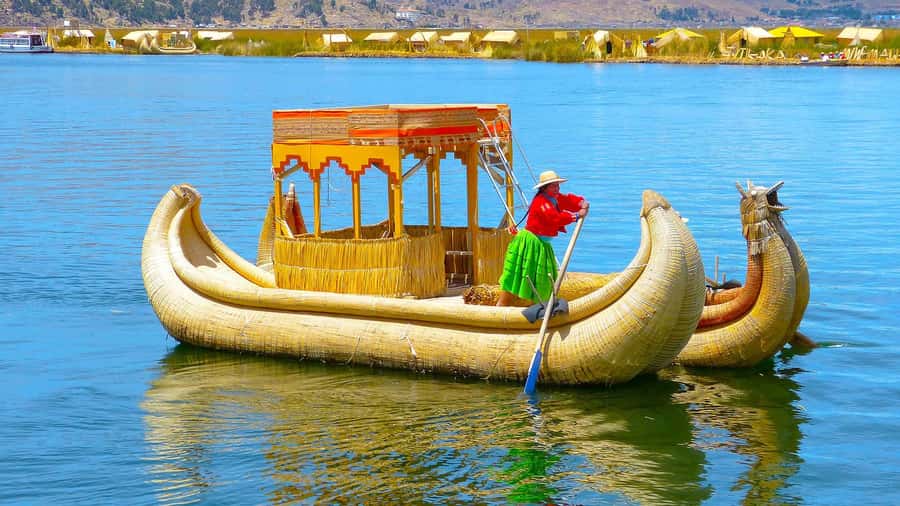
- Uros floating islands built from local sugarcane, with homes and boats made the same way
- Taquile Quechua culture plus guidance on hand-weaving and social organization
- Lunch in Taquile during your visit, included in the tour price
- About 6 kilometers of walking through hills and archaeological areas on the island
- Guide language support in English or Spanish with a live guide
Lake Titicaca by Speedboat: the day starts fast from Puno
Most of your time begins with movement. After pickup from your accommodation in central Puno, you’ll ride by van for about 25 minutes, then switch to a speedboat for the longer stretch across the lake.
That combination matters because it turns the trip into a true day out, not a slow sightseeing loop. You’re out on Lake Titicaca early enough to enjoy the water, the light, and the boat views, and it helps the tour fit Uros and Taquile without dragging.
You can also read our reviews of more tours and experiences in Puno

Uros Floating Islands: cane-made islands and a closer look at daily life
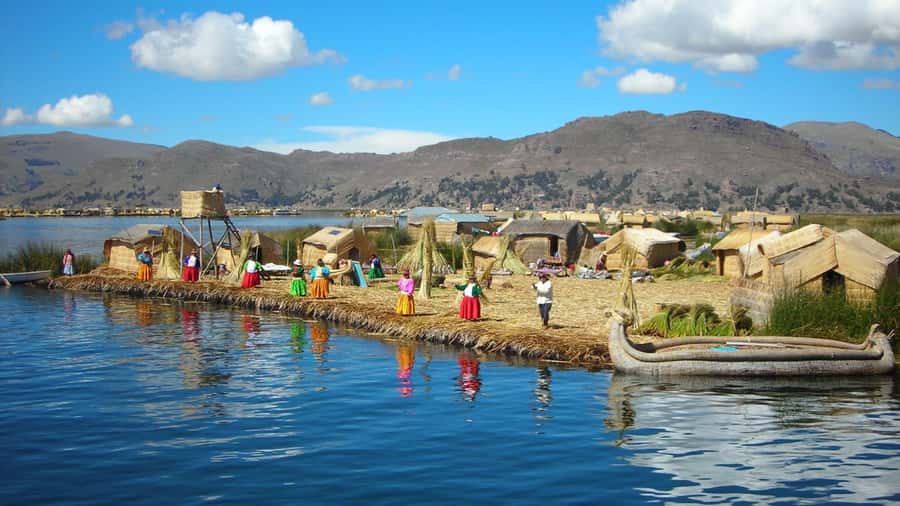
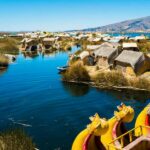
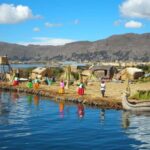
Your first big stop is the Uros floating islands, which are built from a local type of sugarcane. This isn’t just a photo platform—your guide walks you through how the islands work and why the material matters for keeping things stable on water.
You’ll have guided time plus free time, and the schedule typically includes photo stops and a chance for shopping. That matters because Uros crafts are often part of the island’s economy, and the little purchases can also help you justify the time spent learning from the community rather than treating it like a quick roadside stop.
Here’s the practical takeaway: expect to spend time getting oriented, asking questions, and talking with people who live there. The experience becomes more meaningful when you remember these aren’t staged sets—they’re homes and workspaces, built and maintained in a specific way for the conditions of the lake.
Spending time with Uros hosts: what to ask and how to make it real
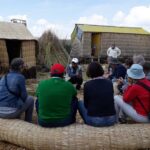
I love how the tour gives you enough interaction time, not just a drive-by view. On Uros, the people are warm and welcoming, and when your guide is strong—like Fausto, with very good English—you can understand stories about daily life instead of only catching a few keywords.
When you’re there, ask about what they use the cane for beyond the obvious. Homes and boats made from the same material isn’t a trivia fact; it’s the foundation of how they manage living on the lake. If you’re the curious type, you’ll come away with a better sense of routine: what needs attention, what changes with weather, and how they keep the islands going.
One small consideration: with island visits, conditions can shift quickly. Bring comfortable clothes and keep your expectations flexible—this is real life on water, not a controlled environment.
Taquile Island: Quechua social systems, weaving, and a serious walk
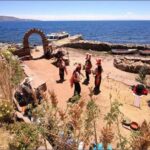
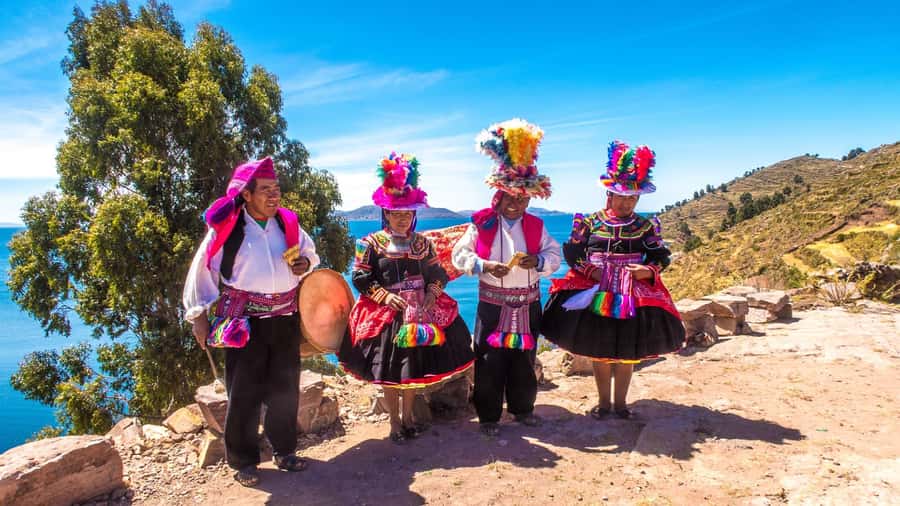
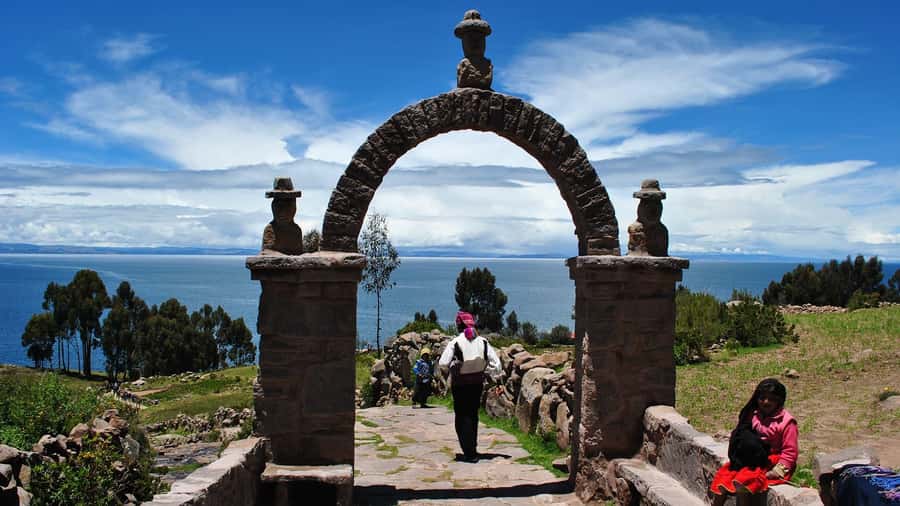
After Uros, the tour heads to Taquile Island, inhabited by Quechua speakers with distinct social systems and strong weaving traditions. Your time there is longer than a simple stop: you’ll get guided time, free time, and a lunch break in the village.
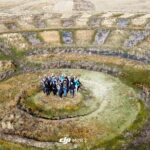
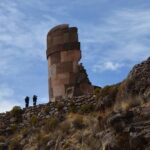
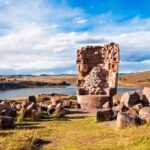
This is also where the day turns into active exploration. You’ll walk through the hills and visit archaeological sites across the island, and the island is about 6 kilometers long, so you’re not just standing around.
What I like about Taquile is that the culture isn’t treated as scenery. The guide connects the weaving to community life and social organization, which helps you understand why these crafts persist.
The Taquile walking portion: how to pace yourself
The schedule includes a walk plus time for photo stops and exploring. If you’re used to flat city walking, you’ll want to take the hills slowly. Choose breathable layers, wear footwear with grip, and plan on moving at a steady pace rather than rushing for the best angles.
Also, because you’re on a lake island, wind can matter. Even on a bright day, conditions can feel cooler than you expect, especially near water. If you pack like you’re going for a hike, you’ll feel more comfortable during the hills and the archaeological areas.

Lunch in Taquile: simple, included, and part of the day
Lunch is included while you’re on Taquile, and it’s one of the big value points of this tour. You get a traditional meal in the village, which makes the visit feel more grounded than just wandering for photos.
I’d treat this as a midday reset: eat, rest your legs, then continue your walk with better energy. If you’re sensitive to altitude or travel fatigue, that break is useful because it gives your body a moment to settle before the next boat ride back.
The boat rides and timing: what the schedule feels like
Your day moves in big blocks: van transfer, speedboat outbound, Uros time, speedboat to Taquile, Taquile time, then the return by speedboat to Puno. In total, it’s a full-day commitment, typically around the kind of schedule where you’re busy from pickup to arrival back in Puno.
Also note the plan includes time labeled for sunrise during the Taquile stop. Even if you don’t treat it like a dramatic movie moment, it’s a clue that your day may begin early and you could be outside in cooler morning conditions. Dress for morning chill, not just midday sun.
If you get motion sickness, speedboats can be bouncy. It’s not a dealbreaker, but it’s worth planning—bring whatever helps you normally, and keep your focus on stable seating and the horizon when possible.
Price and value: why $42 can make sense here
At $42 per person for a full day, the value is mostly in what’s included: boat transportation, entrance fees, a professional guide, and lunch. You’re not only paying for transport—you’re paying for guided interpretation and access to two distinct cultural stops on the same day.
If you tried to DIY this yourself, you’d spend time figuring out routes and coordinating visits between Uros and Taquile. Here, you get a structured timeline, and the guide helps you understand what you’re seeing while you’re there—especially useful on Taquile, where social systems and weaving traditions need context.
The main cost you’ll still pay separately is personal snacks, drinks, and anything you choose to buy at Uros. So if you’re budgeting, set aside a small amount for crafts and keep your day bag light.
What’s included (and what’s not) so you can plan smoothly
Included features are straightforward and practical: Uros floating islands visit, Taquile Island visit, lunch in Taquile, all entrance fees, transfer from your hotel in central Puno, boat time, and a professional guide.
Not included items are also clear: meals not mentioned as included (other than your lunch) and accommodation in Puno. Pickup/drop-off at the bus station or airport isn’t part of the package, so you’ll want to start and end with your hotel.
One more practical rule: no luggage or large bags. If you have a big backpack, you’ll need a strategy—either a smaller daypack arrangement or storing your larger bag at your lodging before you get picked up.
Who this tour is best for (and who might skip it)
This tour fits well if you want a single-day mix of culture and scenery. It’s great for first-timers to Lake Titicaca who don’t want to spend extra nights coordinating two islands.
You’ll likely enjoy it most if you:
- like meeting people and learning how communities live, not just looking
- enjoy guided explanations, especially when the guide speaks clearly (Fausto’s English comes up for a reason)
- can handle a walk on hills, plus some time outdoors by the water
You might reconsider if you dislike boats or you’re not comfortable with walking several kilometers. In that case, you could still enjoy parts of the lake, but you’d want a gentler itinerary than this one.
Should you book this Lake Titicaca Uros and Taquile full-day tour?
I’d book it if you want the classic pairing of Uros + Taquile with lunch included, guided interpretation, and real time to talk and walk. The combination is the point: Uros shows how life is built on water with cane-made homes, while Taquile adds Quechua culture, weaving, and a countryside route with archaeological stops.
Go for it with realistic expectations: it’s an active day with speedboats and a hillside walk. Bring comfortable clothes, keep your bag small, and plan for an early-morning feel. If you do those things, you’ll get a memorable cultural day that’s hard to replicate on your own.
FAQ
What does the tour include?
It includes visits to the Uros floating islands and Taquile Island, lunch in Taquile, all entrance fees, hotel pickup in central Puno, boat transport, and a professional live guide.
How long is the Lake Titicaca day trip?
The tour duration is listed as 1 day.
Where does pickup happen?
Pickup is from your accommodation in Puno (specifically your hotel in Puno city center).
Is lunch provided?
Yes. Lunch is included during your visit to Taquile.
What language is the guide available in?
The live tour guide is available in English and Spanish.
What should I bring?
Comfortable clothes are recommended.
Are large bags allowed?
No. The tour does not allow luggage or large bags.