REVIEW · PUERTO MALDONADO
Tambopata National Reserve Tour 3 Days
Book on GetYourGuide →Operated by Paradise Yakari · Bookable on GetYourGuide
Rainforest nights make it unforgettable.
I love how this trip mixes big wildlife moments with hands-on activities like the canopy walk and kayaking. You’ll be in Madre de Dios for bird and butterfly-rich habitat, plus the world-famous-style spectacle of the Macaw clay lick at Cachuela. One consideration: the pacing has some downtime, and lodging/food quality can be uneven.
You’ll start from Puerto Maldonado and move through the reserve with a small group capped at 15. It also runs best from March to November for better animal sightings, so planning matters if you’re chasing the rare stuff.
In This Review
- Key things I’d circle on your calendar
- Where this Tambopata trip actually starts (and why it matters)
- Day 1: Puerto Maldonado to Paradise Amazon Ecolodge and the first wildlife hits
- Day 2: Sandoval Lake hike, rowboat wildlife, and a nocturnal night walk
- Day 3: Cachuela clay lick, native family life, and Madre de Dios fishing
- Biodiversity you can feel: birds, butterflies, and the simple thrill of spotting movement
- Price and value: what $260 usually covers here
- The small-group advantage (and where it can affect your day)
- Lodge reality check: meals, cleanliness, and what to keep in mind
- Who this Tambopata tour suits best
- Should you book it? My honest take
- FAQ
- What does the tour include besides the guide?
- How long is the Tambopata tour?
- What language will the guide speak?
- Where do you get picked up?
- Is the tour good for solo travelers?
- What’s not included in the price?
Key things I’d circle on your calendar
- Canopy walk and zipline for a top-down view of the forest
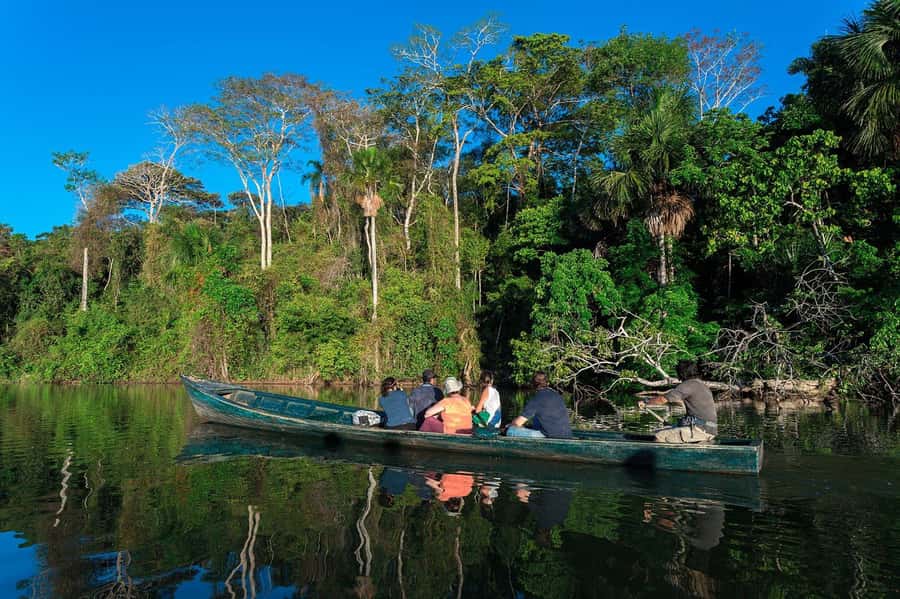
- Sandoval Lake + rowboat ride for close wildlife viewing on the water
- Parrot and parakeet clay lick at Cachuela for intense, early-morning bird action
- Monkey Island visit to spot primates in a natural setting
- Night walk and night spotting to trade daytime sightings for nocturnal life
- Native family visit and sport fishing for more than just animals
Where this Tambopata trip actually starts (and why it matters)
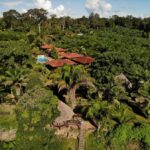
This tour begins in Puerto Maldonado, then you’re transferred to Paradise Amazon Ecolodge inside the Tambopata area. That matters because most of the best wildlife time happens when you’re already in the reserve zone—not still grinding through transit on day one. By the time you’re doing canopy views, paddling, and lake exploring, you’ve lost less time to getting there.
You’ll also travel with a professional guide who speaks English (and Spanish as well), and the group stays small (up to 15 people). In a wildlife setting, that’s not just comfort. A smaller group can mean easier movement during hikes, smoother timing for lake boat rides, and less pressure when everyone’s trying to spot movement in the trees.
You can also read our reviews of more tours and experiences in Puerto Maldonado
Day 1: Puerto Maldonado to Paradise Amazon Ecolodge and the first wildlife hits
Day 1 is all about getting into rainforest rhythm quickly. After pickup in Puerto Maldonado (hotel or airport), you head to the lodge area and settle in at Paradise Amazon Ecolodge.
Next comes a classic rainforest stack:
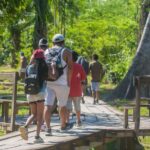
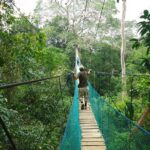
- Canopy walk and ziplining: You get above the forest floor, which helps you notice bird calls, wing movement, and the way the canopy is layered.
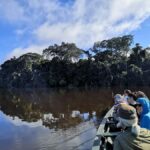
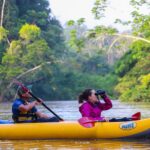
- Kayaking: This is a calmer way to watch shoreline life and scan for animals without the noise of bigger boats.
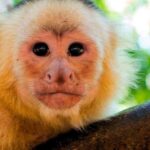
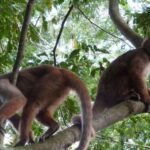
- Monkey Island: You’ll visit this for primate activity, which tends to be one of those moments where you realize the reserve is alive in more ways than one.
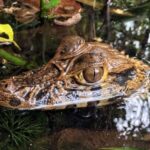
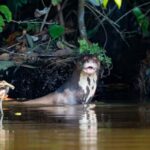
You’ll also have meals provided across the day, and the night program includes the chance to see caimans. That night viewing slot is exactly why I like this itinerary: it doesn’t treat nighttime as optional. You’re out when nocturnal animals are more likely to show up.
One practical note: Day 1 packs in a lot, so if you’re someone who gets tired quickly, you’ll want to pace yourself between activities. The goal is to see a wide range of habitats—canopy, water, and river edges—without turning it into one long sprint.
Day 2: Sandoval Lake hike, rowboat wildlife, and a nocturnal night walk
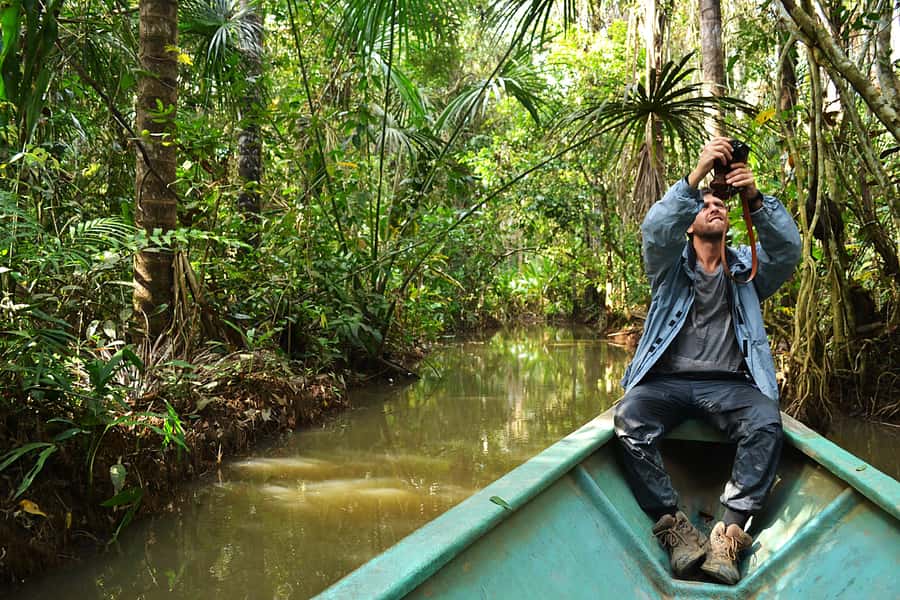
Day 2 starts early in the best way: you wake to bird sounds and settle into breakfast before heading toward Sandoval Lake. The hike portion is where you start reading the forest. Even without perfect sightings every minute, you’re walking through the kinds of growth that feed birds and insects, and that helps you understand what you’re seeing later around the water.
Once you reach the lake area, the focus shifts to slower, more deliberate wildlife watching:
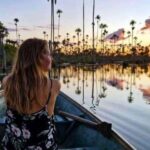
- Observing flora and fauna around Sandoval Lake
- A rowboat trip for closer wildlife viewing
Rowboats are useful here because you can stay quieter and get a better look at what’s near the waterline. If you’re hoping to see animals without constantly craning your neck, this part is a big win.
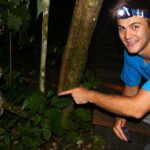
Then comes another high-value wildlife block: a night walk. This is when the forest changes tone. You’re no longer chasing daytime birds only—you’re looking for nocturnal animals and the signs they leave behind.
If you love wildlife photography, this day gives you more variety than you might expect from a simple lake trip. You’ve got hike time, water time, and night time, all in one loop.
Day 3: Cachuela clay lick, native family life, and Madre de Dios fishing
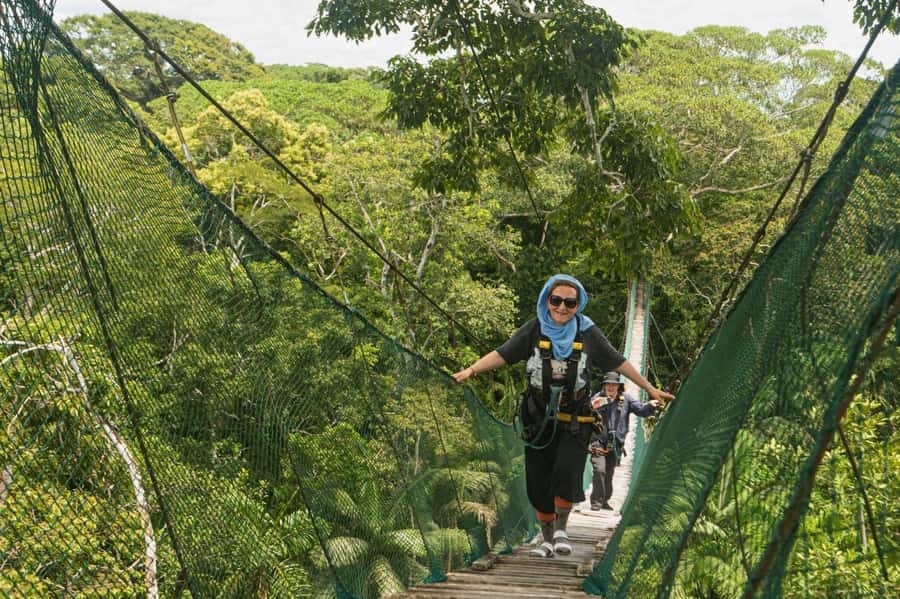
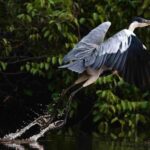
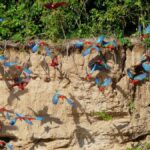
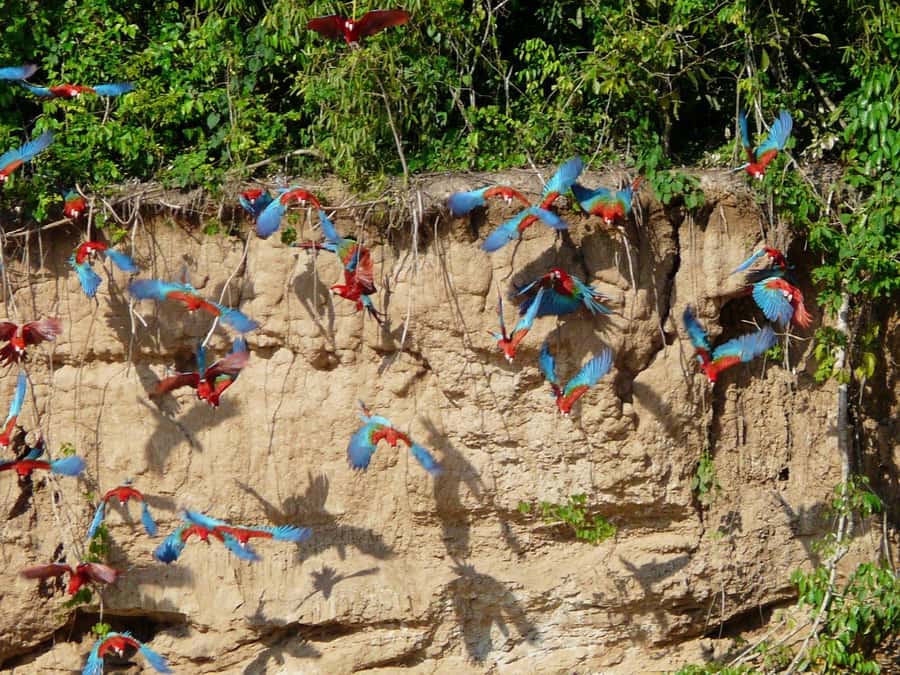
Day 3 is the day many people remember most. It centers on parrot and parakeet clay lick at Cachuela, a major attraction in the reserve area. Clay licks tend to concentrate activity, which means your odds improve compared with random searching in the forest. If birds are what you came for, this stop is built for that.
From there, you’ll shift from birds to people and local tradition with a visit to a native family. This isn’t just a cultural checkbox. It gives context for how the rainforest fits into daily life, and it helps you understand that the reserve isn’t only a place for wildlife—it’s also part of human history and livelihood.
After that, you move to sport fishing on the river Madre de Dios, followed by a traditional lunch. I like including this because it breaks up the wildlife-only rhythm. You’re still in the reserve ecosystem, but the activity changes how you notice the environment—current, water behavior, and river edge life.
Finally, you transfer back toward Tambopata for departure.
Biodiversity you can feel: birds, butterflies, and the simple thrill of spotting movement
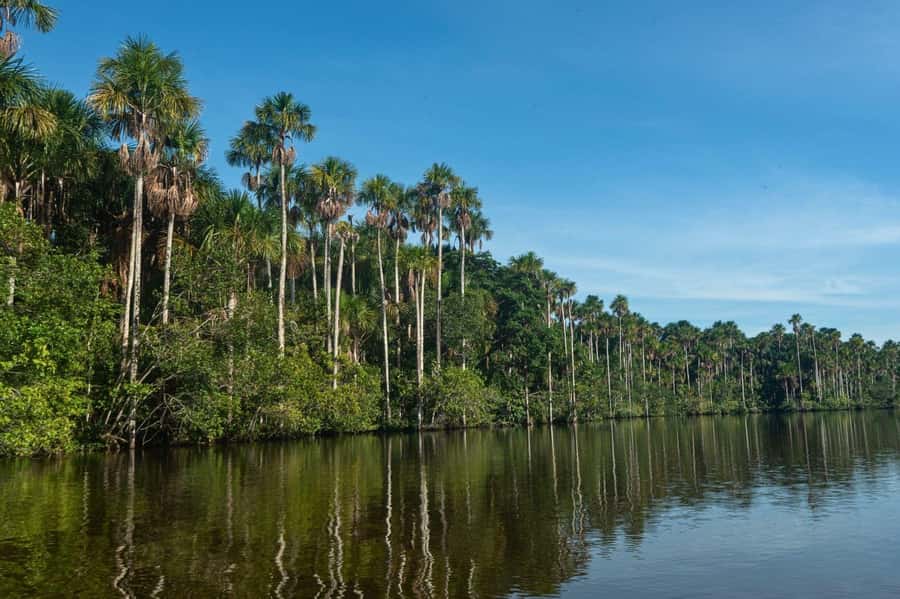
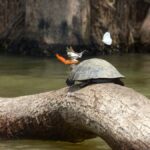
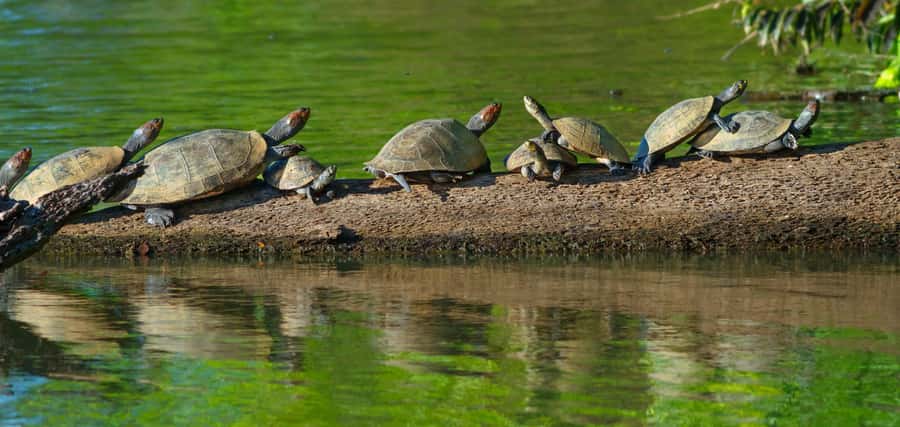
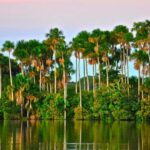
Tambopata is famous for biodiversity, and the tour is designed around what you can actually see during a short visit. Madre de Dios is associated with large counts of birds and butterflies—so when you’re out there hiking, paddling, or scanning the canopy, it’s not just a hope. You’re in habitat that supports a lot of life.
What I find especially meaningful on this kind of tour is that the schedule keeps returning you to the same idea from different angles:
- From above with the canopy walk
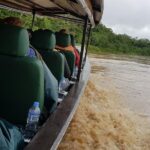
- From the water with kayaking and the rowboat
- From concentrated activity zones like the clay lick
- From nighttime programs with the caiman chance and night walk
That repetition helps your brain learn the forest. Once you start recognizing how animals move through layers—waterline, branches, near shore—you’ll get better at spotting even when you’re not getting a guaranteed highlight every hour.
Price and value: what $260 usually covers here
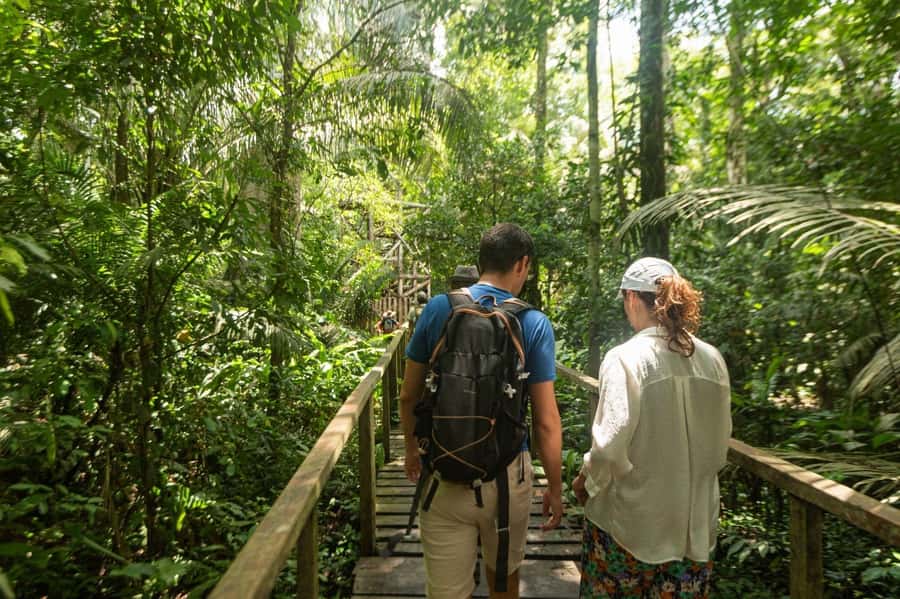
At $260 per person for 3 days, this tour can feel like a bargain or a splurge depending on what you expected to pay separately.
The value case here is that the package includes:
- transfers (airport/lodge/airport or bus terminal)
- a professional guide
- entrance to the Tambopata National Reserve
- accommodation
- meals (2 breakfasts, 3 lunches, 2 dinners)
- specific activities like canopy/zipline, Monkey Island, clay lick, native family visit, and fishing
In rainforest regions, that kind of bundle matters because costs often spread out across many lines: park entry, guided outings, boat time, and lodge nights. When those are already included, you can plan without guessing what will cost extra once you’re there.
Still, I’ll balance that with what can affect your experience: one review flagged issues tied to lodge cleanliness and food quality, and another noted downtime in the schedule. That doesn’t mean every stay is bad, but it does mean you should mentally budget for some variability when you’re staying in a remote ecolodge setting.
The small-group advantage (and where it can affect your day)
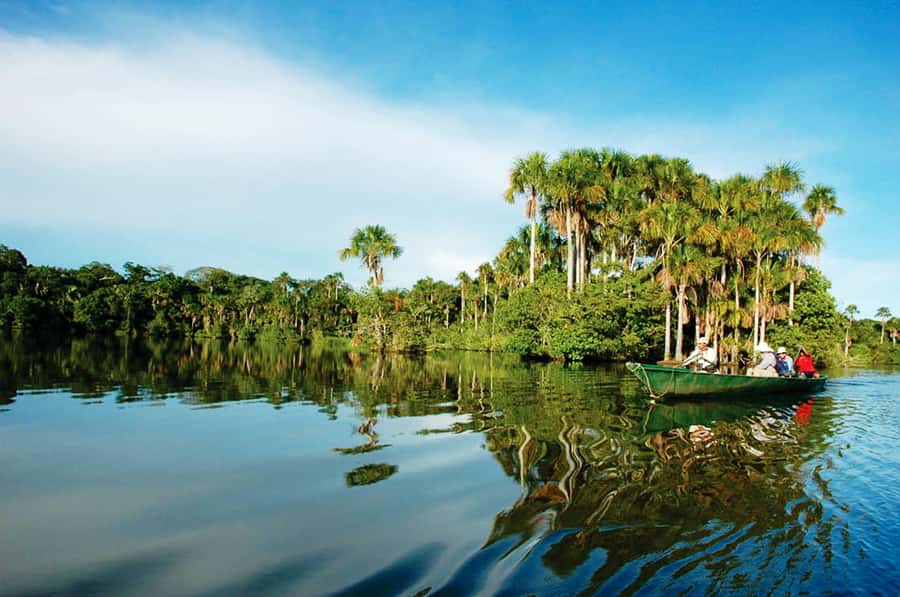
This trip limits the group to 15 people, which I consider a real plus in the Amazon. Less crowding helps on:
- canopy walk and zipline logistics
- moving as a unit during hikes
- scanning for wildlife while people aren’t bumping around you
If you prefer a quieter experience and you don’t want to fight the crowd for the best viewing angle at the lake or during night activities, small-group tours like this tend to make the experience feel more personal.
But small-group travel also means timing matters. When you have people who need more time getting back from a hike, or when visibility shifts, the schedule can feel slightly stop-start. That ties into the downtime issue someone noted—some parts of a rainforest day are simply waiting for the right conditions.
Lodge reality check: meals, cleanliness, and what to keep in mind
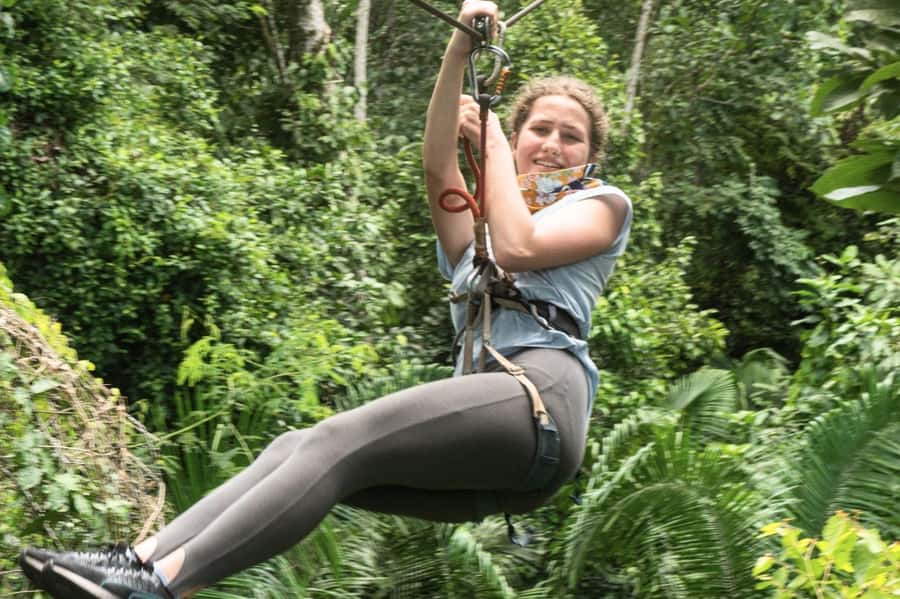
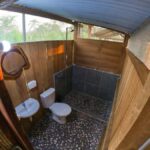
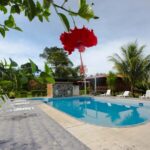
Remote rainforest lodges can differ a lot in day-to-day comfort. One experience gave a low score and cited cleanliness problems like algae buildup in the pool and rooms not being cleaned during the stay. The same review also said food quality and quantity needed improvement.
At the same time, another experience rated it highly, calling the trip great and praising the guides and the fact that 3 days felt like the right length. That contrast tells me the tour can deliver big value when everything clicks, but lodge standards may not be consistent for every booking.
So how do you handle that fairly? I’d treat the ecolodge as part of the adventure, but also go in prepared to adjust:
- If cleanliness and food quality matter a lot to you, consider asking questions before booking about lodge maintenance standards.
- Plan your expectations around the fact that wildlife viewing and guided activities drive the tour, not hotel-style luxury.
Who this Tambopata tour suits best
This tour fits best if you want a guided rainforest sampling that hits multiple habitats in only 3 days:
- You’re a solo traveler who likes companionship but still wants a small group
- You want structured wildlife viewing without planning logistics yourself
- You care about both day and night activity (including caiman chance and night walk)
- You enjoy variety: canopy, water, clay lick birds, and fishing
It’s also well aligned for people visiting March to November, when conditions generally improve for animal sightings in this region.
One note: it’s not suitable for people over 95 years old, based on the tour’s stated limitations.
Should you book it? My honest take
If your priority is seeing wildlife and getting hands-on rainforest experiences, I’d say this tour is worth booking. The combination of canopy/zipline, Sandoval Lake (including the rowboat), the Cachuela clay lick, and night activities gives you a strong shot at memorable sightings in a short time.
If you’re extra sensitive to lodge comfort, cleanliness, and consistent food, slow down before you commit. The tour does include accommodation and meals, but experiences show those details can vary.
My practical advice: book if you’re excited about the reserve itself and the structured itinerary. Skip it (or ask lots of questions first) if you’re booking mainly for resort-level standards.
FAQ
What does the tour include besides the guide?
It includes transfers between the airport/bus terminal and the lodge, entrance to Tambopata National Reserve, accommodation, meals (2 breakfasts, 3 lunches, and 2 dinners), plus activities like Monkey Island, canopy and zipline, Sandoval Lake visit with a rowboat trip, the Cachuela clay lick, a native family visit, and sport fishing.
How long is the Tambopata tour?
The tour runs for 3 days.
What language will the guide speak?
The guide offers English and Spanish.
Where do you get picked up?
Pickup is included in Puerto Maldonado, either from your hotel or from the airport.
Is the tour good for solo travelers?
Yes. It’s designed for solo or group travelers and operates as a small group limited to 15 participants.
What’s not included in the price?
Other personal expenses and travel insurance are not included.
If you want, tell me your travel month and whether you care more about birds, night wildlife, or comfort at the lodge—I’ll help you decide if this schedule matches your style.