REVIEW · CUSCO
Super Sacred Valley with Transfer to Ollantaytambo
Book on GetYourGuide →Operated by Exploor Trip E.R.L · Bookable on GetYourGuide
A long day, but it tells a complete Sacred Valley story. I love how this route strings together Inca-era ruins with daily Andean life, so you’re not just looking at stone—you’re seeing how people lived and worked. I also like the craft-and-market stop at Chinchero, where the shopping feels tied to place, not just a quick souvenir run.
One thing to consider: it’s a packed itinerary with several stops, plus entrance fees that are not included. If you’re the type who wants extra time at monuments, you might feel the schedule pushing you forward.
In This Review
- Key highlights worth getting excited about
- Cusco Pickup to the Sacred Valley: a full-day route that moves fast
- Chinchero at 3,780 meters: church art, Inca roots, and textile shopping
- Moray’s circular terraces: how farming experiments look on the ground
- Maras Salt Mines: 4,000+ wells still producing the same thing
- Urubamba lunch: where the day resets between major sites
- Ollantaytambo fortress-city: ending your day where the trains run
- Price and value: is $35 a smart deal for this day?
- What to pay attention to on the day (so it feels smooth, not rushed)
- Who this tour suits best
- Should you book Super Sacred Valley with Transfer to Ollantaytambo?
- FAQ
- How long is the tour?
- Where do you get picked up and where do you end?
- Which places does the tour visit?
- Is lunch included?
- Are entrance fees included?
- What languages is the guide?
- Is there free cancellation?
- Can I reserve without paying right away?
Key highlights worth getting excited about
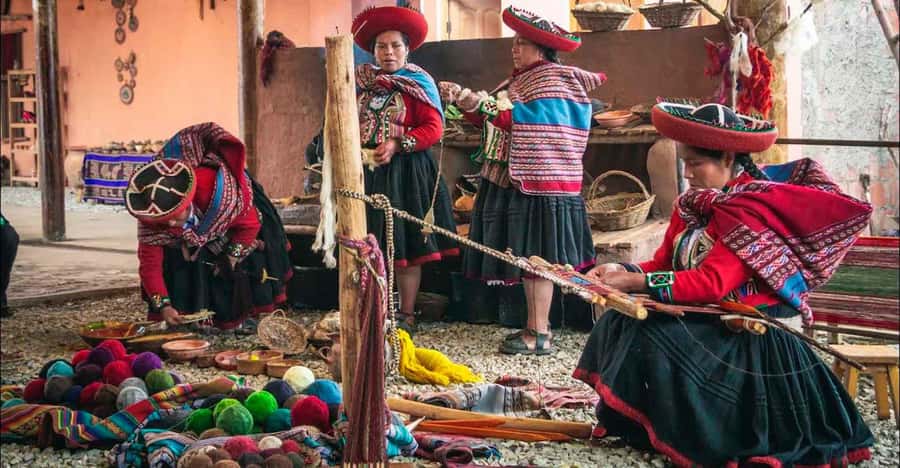
- Chinchero’s craft market: color, textiles, and a culture that still trades through tradition
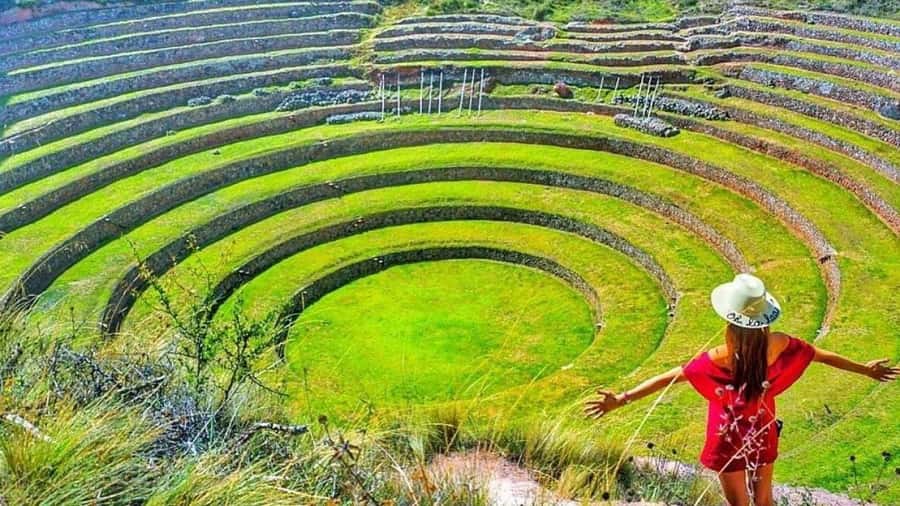
- Moray’s circular terraces: an ancient agricultural research setup you can still visualize
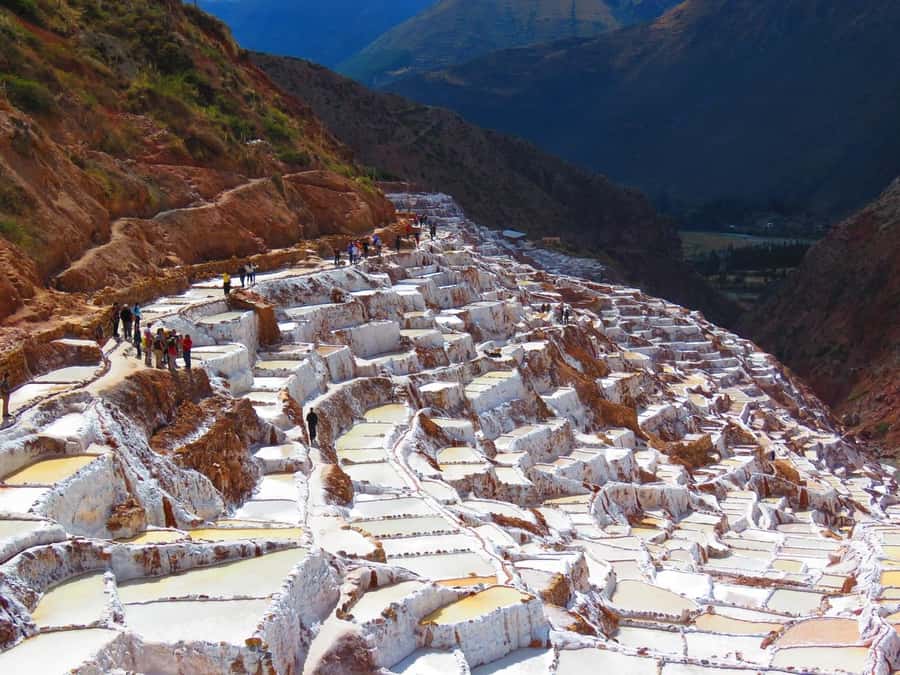
- Maras Salt Mines (4,000+ wells): everyday salt production on a huge scale
- Urubamba lunch: a break in a real town, not a tourist-only bubble
- Ollantaytambo transfer: you end near the train station so the next step is simpler
Cusco Pickup to the Sacred Valley: a full-day route that moves fast
This is a one-day circuit built for people who want the headline Sacred Valley sights without spending extra nights. You start with a hotel pickup in central Cusco, then head into the Sacred Valley area where the mountains and villages set the mood right away. Even before you reach the first major stop, you’ll notice the sense of “this has been revered for a long time.” The region has been important since before the Incas, and that context gives the rest of the day more meaning.
The trade-off of a single-day format is simple: you’re switching gears constantly—town, ruins, terraces, salt flats, lunch, then another big historic site. If you’re traveling on a tight schedule (or you’re planning around a train from Ollantaytambo), this is exactly the kind of day that earns its keep.
You can also read our reviews of more tours and experiences in Cusco



Chinchero at 3,780 meters: church art, Inca roots, and textile shopping
Chinchero sits at 3,780 meters above sea level, so it’s a good moment to slow your breathing and take in the altitude before you move on. This town is one of those places where you feel the overlap between Andean life and colonial-era influence.
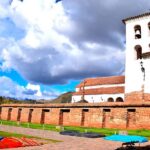
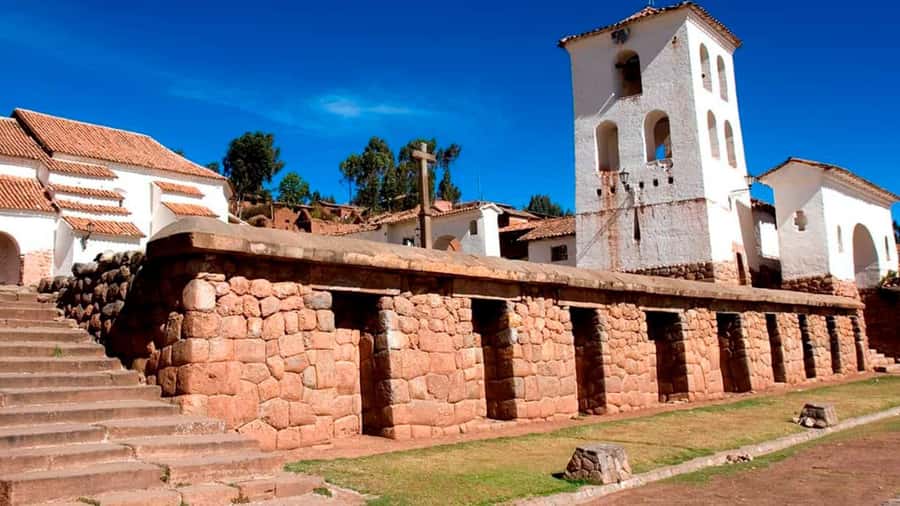
What you get here is more than a “look at the ruins” stop. You’ll explore the town’s archaeological areas, plus a 17th-century colonial church. The church reportedly features canvases from the Cusco School, which matters because it’s a specific artistic tradition, not just generic church decoration. If you like connecting art to place, this is one of the stops where it clicks.
Then comes the practical fun: a typical market where Andean fabrics are exchanged and you can buy textiles. I like markets like this when the trading feels like a normal local rhythm. Here, the market isn’t just background—it’s part of Chinchero’s identity, so shopping feels connected to the landscape and community.
Possible drawback: market time can be a magnet. If you’re hoping to spend most of the day only on monuments, plan to set your expectations. Bring patience. And if textiles are your priority, decide your budget early so you don’t get pulled into comparisons later.
Moray’s circular terraces: how farming experiments look on the ground
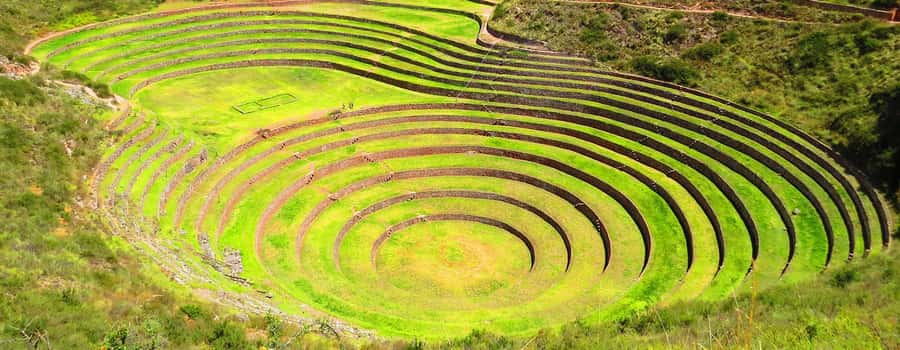
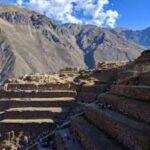
Next up are the circular agricultural terraces of Moray. This is one of those Sacred Valley stops that feels like a puzzle piece from an older world. The terraces served as an ancient agricultural research center, and you can still see the logic of the design when you’re standing there.
Why this stop is worth your time: it shifts your idea of what “Inca ruins” means. You’re not only looking at ceremonial stonework. You’re seeing engineering tied directly to food production. The circular layout helps explain how they could test conditions and manage growing—turning agriculture into something closer to experimentation than routine farming.
I also think Moray is mentally refreshing in the middle of the day. After markets and churches, it gives you a strong visual form and a clear function. Your guide can help translate what you’re seeing into how it would have worked, and a good explanation really matters here.
Maras Salt Mines: 4,000+ wells still producing the same thing
Then you head to the Maras Salt Mines, a site with more than 4,000 wells. The salt flats here are described as among the highest in the world, and the salt produced is one of the ones valued in gastronomy—so yes, this isn’t just a scenic stop. It has a direct link to something people still use.
What I like about Maras: it’s easy to understand what’s happening without needing a complex diagram. The wells, the layout, and the way the mines operate create a sense of continuity. Even if you don’t know the technical details, you can tell this is a working system.
A quick reality check for your planning: the tour mentions that entrance to the Maras salt mines is not included. So you’ll want to factor in extra costs on top of the tour price. Also, bring comfortable shoes. This isn’t a smooth museum floor, and you’ll want to move safely to get good views.
Urubamba lunch: where the day resets between major sites
After the salt flats, you go to Urubamba for lunch at a typical restaurant in the area. This is one of the most underrated parts of the itinerary, because lunch time is where the day either feels manageable or starts to drag.
The good news: this stop is about local flavors. The tour is designed to help you taste the typical flavors of the region, not just grab something convenient. For me, that’s the point of including lunch as part of the package—you remove decision fatigue and you get a chance to eat something that fits the Sacred Valley setting.
One practical suggestion: don’t over-order if you’re sensitive to altitude or you plan to keep moving right after. Eat what you need, hydrate, then save your energy for the final big historic stop.
You can also read our reviews of more tours and experiences in Cusco

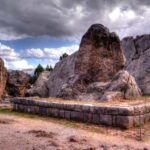
Ollantaytambo fortress-city: ending your day where the trains run
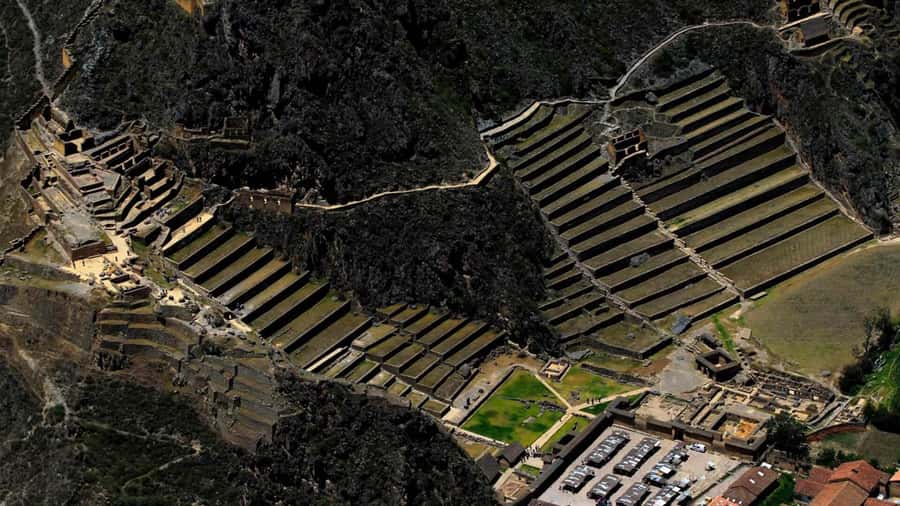
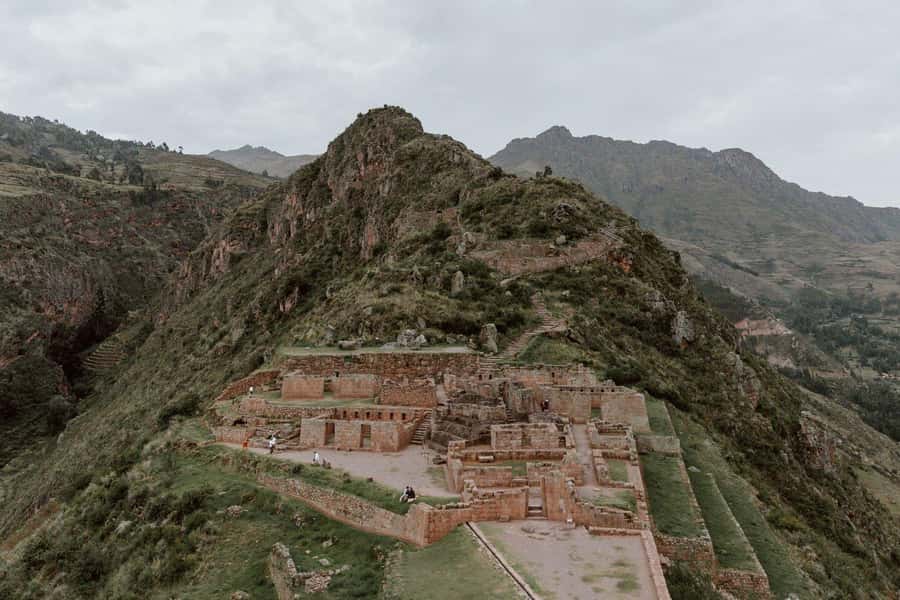
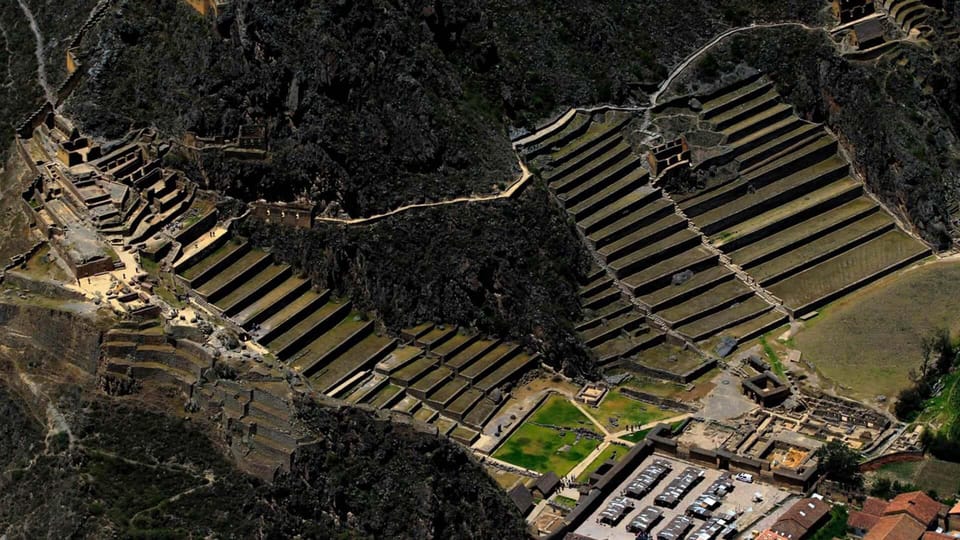
Finally, you arrive at Ollantaytambo, described as a living Inca city in the Sacred Valley. This isn’t only “ruins on a hill.” Ollantaytambo is known here for its strategic military, religious, and administrative fortress role, and the town’s layout supports that story.
What to watch for during your time there: the way the area feels built for control—positioning, defenses, and how the site connects to town life. Even if you don’t memorize every term, you’ll feel that strategic purpose while you’re walking.
The tour also does something very helpful for logistics: you’ll be dropped off near the Ollantaytambo train station. That matters if your next day involves trains. You won’t need to scramble for transport right at the end of a long day, which is often when travel plans get messy.
Small caution based on real-world experience: when you’re at the end of a circuit, some operators can be strict about movement and timing. If you’re traveling with multiple bags, keep your essentials accessible and be ready to move efficiently when it’s time to start the Ollantaytambo portion.
Price and value: is $35 a smart deal for this day?
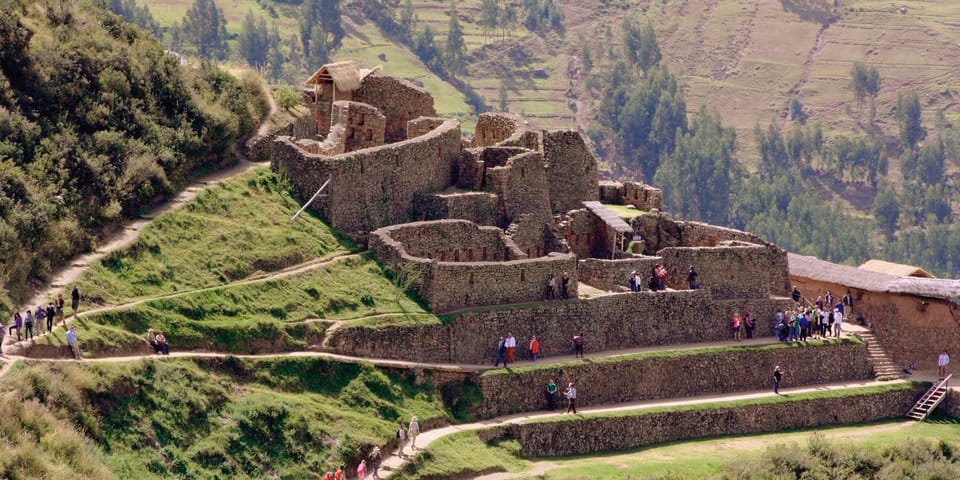
The price listed is $35 per person for a 1-day tour. For a day that covers Chinchero, Moray, Maras salt mines, and Ollantaytambo—plus pickup, transport, and lunch—that can be a solid value, especially if you want one operator handling everything end-to-end.
But value isn’t just the sticker price. A couple of important extras aren’t included: entrance fees to archaeological sites and entrance to the Maras salt mines. So your all-in cost will be tour price plus those site fees. Before you commit, I’d do one quick check in your planning: set aside a budget for entrances so you’re not surprised mid-day.
The other “value” factor is the guide. This tour runs with a live tour guide in English or Spanish, and that’s not a minor perk. In places like Moray and Ollantaytambo, a good explanation helps you read the site beyond its surface.
What to pay attention to on the day (so it feels smooth, not rushed)
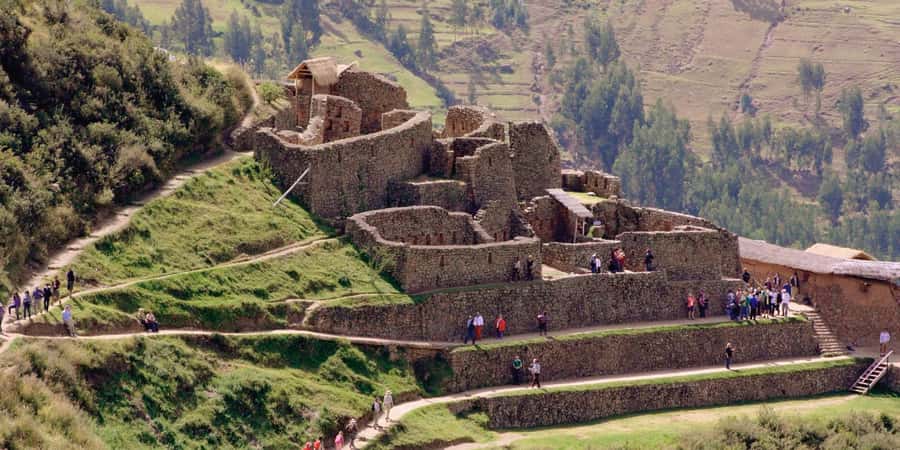
This itinerary is designed to move, and that can be great—if you prepare. Here’s what I’d focus on:
Altitude and pacing
- Chinchero is at 3,780 meters, and the Sacred Valley area can still feel demanding if you’re not used to elevation. Take it easy on the first major stop.
- Hydrate early. Don’t wait until you feel wiped out.
Entrance fees
- You’ll need to budget for archaeological site entrances and Maras salt mines entrance since those are not included.
Markets and shopping time
- The Chinchero market is part of the experience, especially if you want Andean fabrics and local crafts. If you dislike shopping stops, tell yourself in advance so you don’t resent the time.
Your bag setup
- The tour includes transport, but it also includes transfers and final drop-off near the train station. Keep your day bag small and easy to carry. If you’re rolling with extra luggage, make your life simple: pack essentials in a way you can handle quickly.
Who this tour suits best
This is a strong match if you:
- Want a one-day Sacred Valley highlights plan from Cusco
- Are traveling toward Ollantaytambo and want to end near the train station
- Care about understanding agriculture, salt production, and daily Andean life—not just big monuments
- Prefer a guided day with transport handled for you
It may be less ideal if you:
- Hate schedule-heavy days and want slow, long stops
- Don’t want any shopping at all (Chinchero’s market is a real part of the day)
- Have trouble moving efficiently, especially at the end when everyone funnels toward the Ollantaytambo portion and train-area drop-off
Should you book Super Sacred Valley with Transfer to Ollantaytambo?
If you’re trying to get the Sacred Valley done in one day and you like your history tied to how people live, I’d book it. The route covers the right mix: Chinchero’s market and colonial church art, Moray’s agricultural research terraces, Maras’s 4,000+ salt wells, and Ollantaytambo’s strategic Inca presence—then you finish near the station.
Just go in with two expectations set: entrance fees are extra, and the day is packed. If those points fit your style, this tour is a practical, high-value way to connect Cusco to Ollantaytambo with a lot of meaning stuffed into one itinerary.
FAQ
How long is the tour?
It’s listed as a 1-day experience. You’ll be able to check starting times based on availability.
Where do you get picked up and where do you end?
You get picked up from your hotel in central Cusco. At the end, you’ll be dropped off near the Ollantaytambo train station.
Which places does the tour visit?
You’ll visit Chinchero, Moray, the Maras Salt Mines, Urubamba for lunch, and Ollantaytambo.
Is lunch included?
Yes. Lunch is included in Urubamba at a typical restaurant in the area.
Are entrance fees included?
No. Entrance fees to archaeological sites are not included, and entrance to the Maras salt mines is also not included.
What languages is the guide?
The guide is offered in English and Spanish.
Is there free cancellation?
Yes. Free cancellation is offered up to 24 hours in advance for a full refund.
Can I reserve without paying right away?
Yes. You can reserve now and pay later to keep plans flexible.