REVIEW · CUSCO
Cusco: Cultural Walking Tour with Local Guide⭐⭐⭐⭐⭐
Book on GetYourGuide →Operated by Andean World Explorer · Bookable on GetYourGuide
Cusco on foot makes the layers click. This walking tour threads together the Plaza area, Qoricancha, and San Blas, and I love how the professional guide keeps everything understandable as you move from viewpoint to viewpoint. One consideration: it’s 138 minutes of walking, and entrance fees are not included.
I also like the small detour that most city tours skip—a visit to a luthier where you hear traditional music and learn what you’re listening to. You’ll pass the famous 12-angled stone too, which is a great shortcut for understanding how precise Inca builders were.
If you need step-free routes, plan ahead. This experience isn’t marked as suitable for wheelchair users, and it’s not intended for people over 70.
In This Review
- Key things you’ll notice on this Cusco walking tour
- Walking from the Main Square: where Cusco starts
- Qoricancha and the old Inca palace complex
- The 12-angled stone: a small stop with big payoff
- San Blas streets and the Inca-colonial street walk
- Luthier visit and traditional music you can actually understand
- Price and timing: why $1.20 can still be a good deal
- Who this tour suits best (and who should skip)
- Practical tips for a smoother 138-minute stroll
- Should you book this Cusco walking tour?
- FAQ
- Where does the tour start?
- How long is the Cusco cultural walking tour?
- How much does it cost?
- Is a guide included?
- What language is the tour guide?
- What sights or stops are included?
- Are entrance fees included?
- Is the tour wheelchair-friendly?
- Is it suitable for older travelers?
- What’s the cancellation policy?
Key things you’ll notice on this Cusco walking tour
- Main Square start: You begin near the Inca fountain in the central plaza area.
- Qoricancha focus: The route kicks off with the former Inca palace complex.
- 12-angled stone: A quick stop that pays off big when you’re learning masonry details.
- San Blas neighborhood: You get a feel for Cusco’s traditional streets beyond the main monuments.
- Inca + colonial streets: The walk shows how the city changed over time.
- Luthier and traditional music: You’ll hear instruments explained, not just music played.
Walking from the Main Square: where Cusco starts
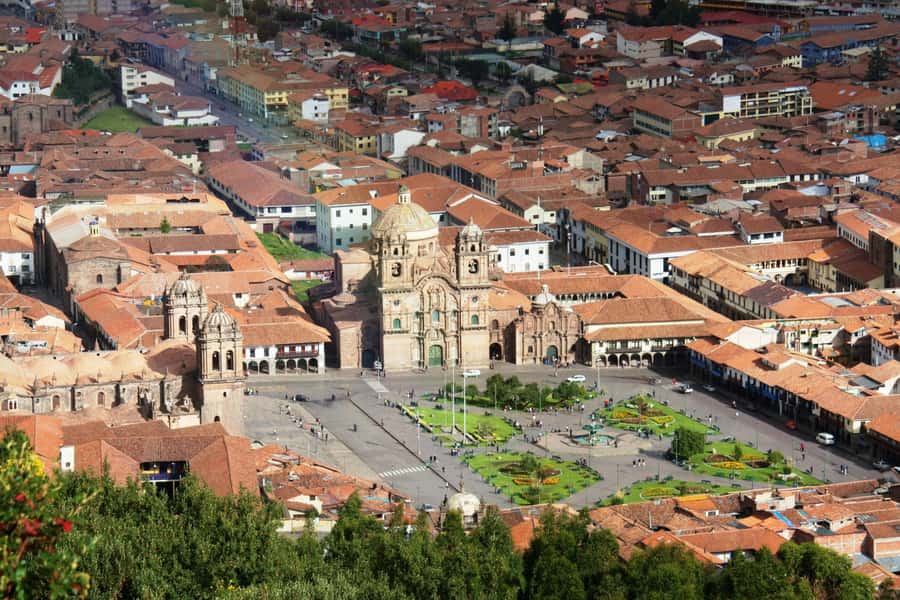
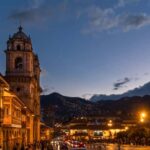
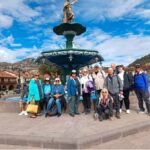
The tour starts in the heart of Cusco, near the main square and close to the Inca fountain. Even if you’re arriving jet-lagged, this is a smart way to orient yourself because the center gives you an instant “map in your head.” You’ll get that sense of how the streets fan out from the Plaza area, and you’ll learn where to look when you notice different styles of walls, doorways, and street corners.
I like that the meeting point can vary by option, but the key idea stays the same: you’re guided right away from a clear landmark in the main square area. That matters in Cusco because the streets can feel twisty until you see how they connect to the big sights.
This is also where you’ll likely feel the pace of the tour. It’s not a bus day, and you won’t be trying to “win the city” in 20 minutes. If you’re arriving from altitude or you’re sensitive to walking, pace yourself early so the afternoon doesn’t turn into a slow grind.
You can also read our reviews of more walking tours in Cusco


Qoricancha and the old Inca palace complex
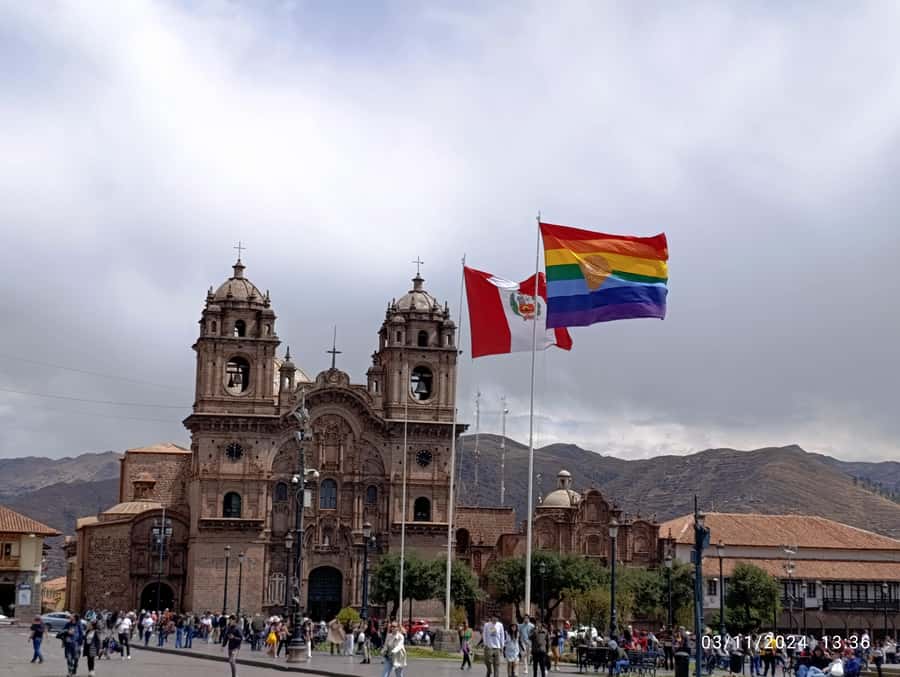
One of the best parts is starting with Qoricancha, the ancient Inca palace complex. It sets the tone fast. You don’t just see a single monument; you start learning how Cusco used to function and why certain places mattered to the Inca. And because it’s early in the route, it helps everything else on the walk make more sense.
Even if you’ve visited other Inca sites before, this stop is still valuable because Qoricancha is a reminder that Cusco wasn’t only “ruins on hills.” It was a living, planned city center with heavy symbolic weight. When your guide points out what to notice, you’ll start seeing patterns: where stonework looks deliberate, where transitions happen, and how later buildings relate to earlier ones.
A practical note: entrance fees are not included. So if there’s a paid portion at Qoricancha during your tour, you’ll want a small amount of cash or a card ready—whatever the guide suggests.
The 12-angled stone: a small stop with big payoff
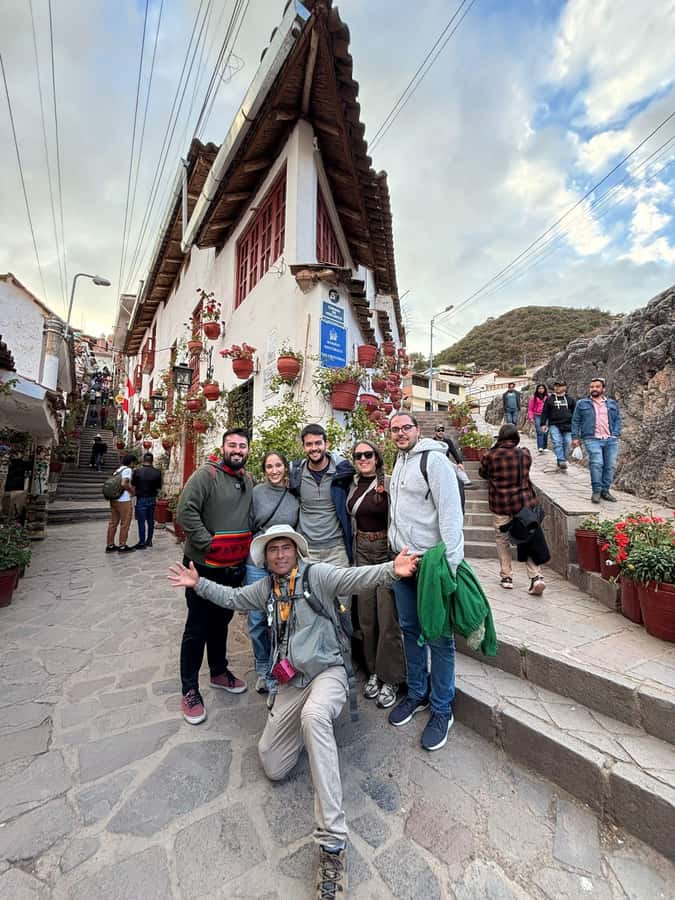
You’ll also see the famous 12-angled stone. It’s one of those places that seems almost too simple until you notice the precision. The point isn’t just that it’s “weird” or “cool.” It’s that Inca stonework was built to fit with almost surgical accuracy, and this is a visible example.
What I like here is how a good guide turns a quick photo stop into a learning stop. As you stand near it, you can train your eye to spot why the corners, the edges, and the fit matter. Even if you don’t memorize the details, you’ll walk away with a better sense of what made Inca construction so durable.
This also helps with the rest of the route because you’ll begin to connect what you see to what you hear. When the guide explains how the city grew and changed, you’ll understand what’s Inca and what came later in a more grounded way.
San Blas streets and the Inca-colonial street walk
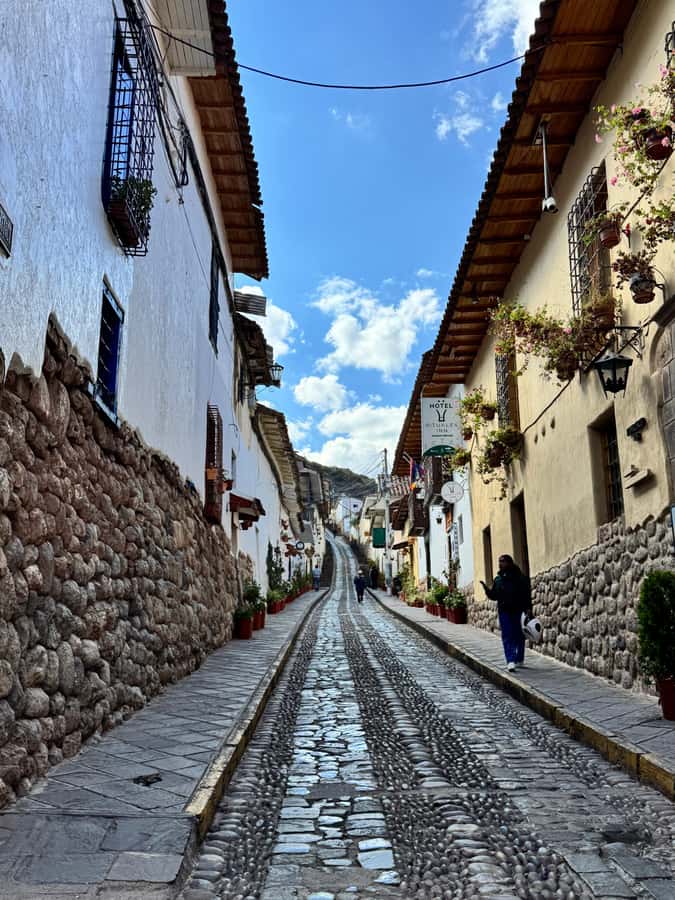
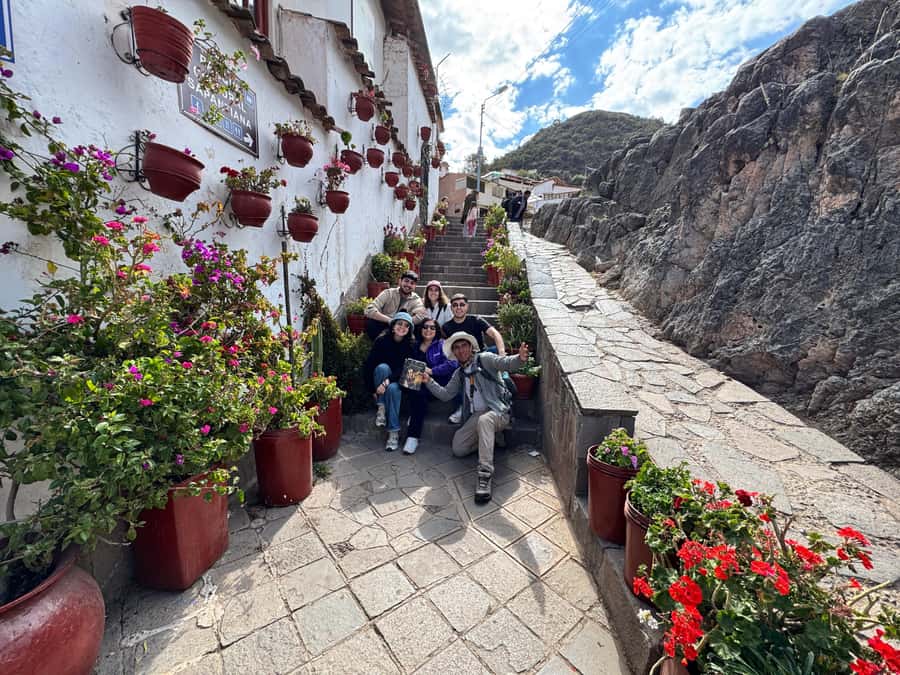
Next comes San Blas, a traditional neighborhood you’ll experience on foot. This part of the tour feels different from the big monuments because it’s street-level Cusco. You’ll be walking through Inca and colonial streets, which is a big clue about the city’s layers.
I like that you’re not only hopping between sightseeing stops. You get the texture: the street angles, the way buildings sit next to each other, and the visual reminders of different building periods. The guide’s commentary makes these transitions easier to spot, instead of leaving you to guess which era you’re looking at.
San Blas also makes the tour feel more “local” than “sightseeing,” even though you’re still seeing major highlights. And because this is a walking route, you tend to notice small cues—doors, walls, and how the neighborhood rises and bends—that a quick shuttle ride would miss.
Luthier visit and traditional music you can actually understand
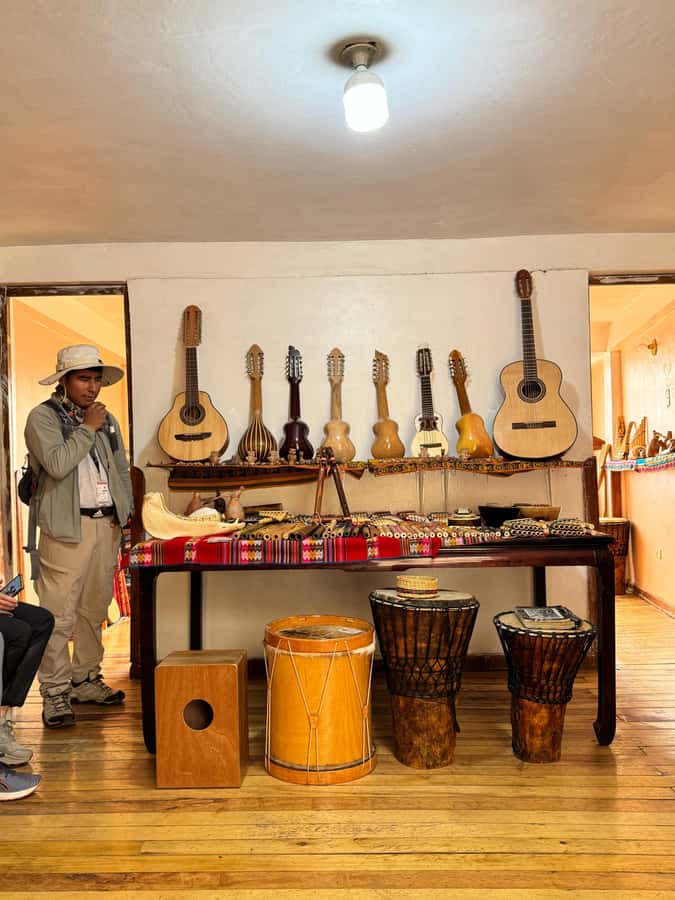
Here’s where the tour gets extra memorable: you’ll visit a luthier and enjoy traditional music while the guide explains the instruments. This is one of the few walking tours in Cusco that adds a hands-on cultural stop instead of just another viewpoint.
A luthier visit matters because it slows you down. You get a chance to connect the sound to the maker and the design, and that turns background music into something with detail. When your guide explains how the instruments work, you’re not just hearing notes—you’re learning what shapes the music and why certain instruments sound the way they do.
In recent bookings, guides named Ernesto and Nilo have been singled out for strong explanations, especially around the instruments and what to listen for. That’s a good sign if you want more than generic commentary. Look for a guide who can talk clearly and keep the group moving without rushing the learning.
Music is also a great altitude-friendly moment. It’s not “work,” and it gives you a chance to rest your legs while still staying part of the story of the city.
You can also read our reviews of more guided tours in Cusco





Price and timing: why $1.20 can still be a good deal
Let’s talk value. The price listed is $1.20 per person, and that’s so low it almost feels unreal. The catch is simple: entrance fees are not included. So your total cost depends on what paid stops are expected during your specific route.
Even with that caveat, this can still be good value because you’re getting:
- A professional, expert guide for 138 minutes
- Multiple major Cusco sights in one walk
- A cultural add-on (the luthier and traditional music)
A guided walking tour often saves you time. Instead of sorting out where to go and what to look for, you follow someone who can point out what matters and explain it while you’re on the move. In a place like Cusco, where the streets are old and the layers overlap, that kind of help is worth a lot.
Timing matters too. With 138 minutes, you get enough time to see highlights without feeling like you’ve been out all day. If you’re planning hikes later, this is a nice “reset” activity that builds context for the rest of your trip.
Who this tour suits best (and who should skip)
This experience is a good match if you want a guided introduction to Cusco’s key spots without needing a car. It’s also ideal if you like city walking tours where the guide helps you read the details instead of just naming places.
You’ll likely enjoy it most if you:
- Want a structured route starting from the main square
- Care about Inca and colonial street layers
- Enjoy music and want context, not just a performance
On the other hand, it’s not suitable for wheelchair users, and it isn’t intended for people over 70. That’s about the walking and general physical demands, and it’s smart to respect that.
If you’re traveling with mobility limits, you might prefer a different Cusco format that offers more frequent breaks and less walking—because this one is built around a continuous stroll.
Practical tips for a smoother 138-minute stroll
Cusco is at altitude, and even a short walk can feel heavier than it does at sea level. Wear comfortable shoes you trust. You’ll be stepping over uneven pavement and navigating older streets, so plan for traction.
Bring a light layer. Even if the days are sunny, temperatures can shift quickly. If you’re sensitive to cold, a thin jacket helps you stay comfortable through the music stop and any shade you pass.
Also, keep an eye on entrance fees. Since they’re not included, carrying a small buffer for paid entries is smart. Ask the guide early what costs to expect so you’re not scrambling at the door.
Finally, arrive a little early to the main square area so you’re not stressing. The meeting point is near the Inca fountain, but the plaza is busy and options can vary. Give yourself a cushion, then let the guide do the organizing.
Should you book this Cusco walking tour?
I’d book it if you want an efficient, guided way to understand Cusco’s layout and layers—Inca stonework, colonial change, San Blas streets, plus an extra cultural moment with a luthier and traditional music. The strong guide component is a real selling point here, and recent guide names like Ernesto and Nilo are associated with clear explanations.
Skip it if you need step-free accessibility or if 138 minutes on foot would be too much. Also be ready for entrance fees that aren’t included.
If you’re building your Cusco day by day and want a tour that gives you real context before you roam on your own, this is an easy yes.
FAQ
Where does the tour start?
The meeting point is in the main square area, near the Inca fountain. The exact meeting point may vary depending on the option booked.
How long is the Cusco cultural walking tour?
The duration is 138 minutes.
How much does it cost?
The price is listed as $1.20 per person.
Is a guide included?
Yes. The tour includes a professional, expert, and friendly tour guide.
What language is the tour guide?
The live tour guide is available in Spanish and English.
What sights or stops are included?
The tour covers the main square area, Qoricancha, the 12-angled stone, San Blas, Inca and colonial streets, plus a luthier visit with traditional music.
Are entrance fees included?
No. Entrance fees are not included.
Is the tour wheelchair-friendly?
No. It is not suitable for wheelchair users.
Is it suitable for older travelers?
The activity is not suitable for people over 70.
What’s the cancellation policy?
You can cancel up to 24 hours in advance for a full refund.