REVIEW · CUSCO
Cusco: Walking Tour with a Local Guide
Book on GetYourGuide →Operated by Free Walking Cusco Tour · Bookable on GetYourGuide
Cusco feels magical once you learn the routes. I like the way this tour connects Inca legends to the streets you can actually walk, and I love how Qoricancha makes the Sun part of the story, not just a name on a sign. The big trade-off is simple: you will be on cobblestones and doing a moderate amount of walking, so wear shoes you trust.
At 150 minutes, it’s long enough to get your bearings and short enough to still feel free the rest of the day. You start near Calle del Medio, meet your guide in a green T-shirt, and then move through Cusco’s key stops with explanations in English or Spanish.
What makes this one worth it is the focus on the texture of the city. You get landmark time, but you also end in San Blas to see artisan life and everyday Cusco rhythms.
In This Review
- Key highlights worth planning around
- Why this walking route beats wandering alone
- Finding the meeting point near Plaza de Armas (and starting smoothly)
- Plaza de Armas: colonial architecture with Inca legends in the background
- Loreto Street stroll: artisan workshops and colonial facades
- Qoricancha (Temple of the Sun): why the Sun mattered
- Cusicancha and Inka Roca Street: the story of a palace that became a church
- San Blas: artisan lanes, churches, and a smart finish at the mirador
- Price, timing, and what you really get for $15
- Who should book this Cusco walking tour
- Should you book? My practical call
- FAQ
- How long is the Cusco walking tour?
- Where is the meeting point?
- What languages are available on the tour?
- What should I bring?
- Is pick up or drop off included?
- Is the tour wheelchair accessible?
- Can I smoke or use flash photography?
Key highlights worth planning around
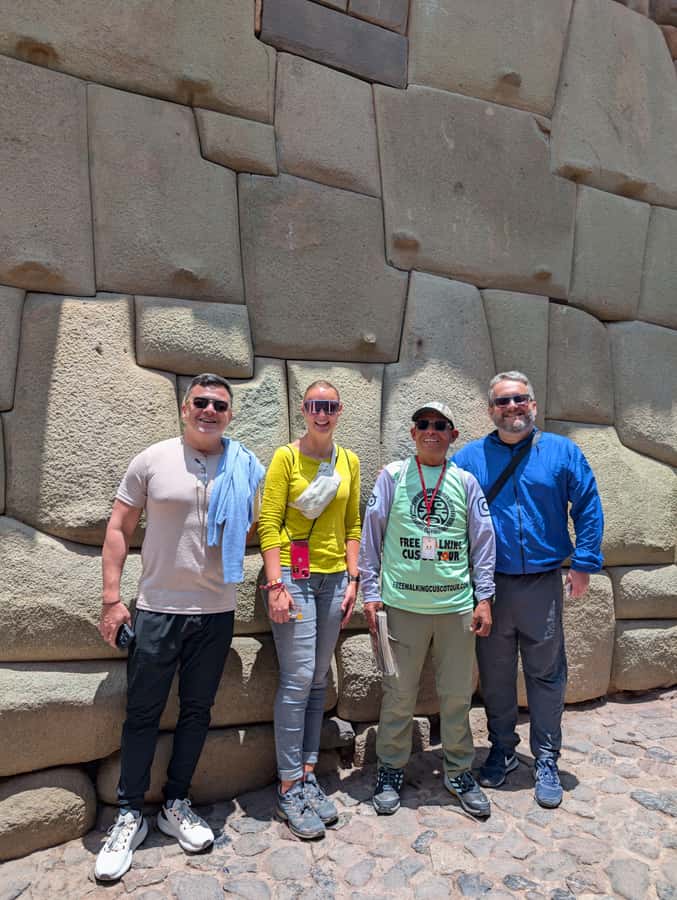
- A route that stitches Plaza de Armas to San Blas without making you study a map all day
- Qoricancha, the Temple of the Sun, explained through Inca meaning and Inca architecture
- Loreto Street and Inka Roca Street, where colonial architecture sits right beside local shop life
- Cusicancha (Inka Palace) now functioning as a church, showing Cusco’s layers over time
- Mirador de San Blas finish, so your last moments feel like a payoff, not a scramble
Why this walking route beats wandering alone
Cusco can feel like a puzzle box. Streets twist, walls look similar at first glance, and suddenly you realize you are reading stone without any guidance. This tour helps you put names to places, but more importantly, it gives you a way to understand how the Inca and colonial worlds overlap in the same neighborhoods.
I particularly like the balance of big storytelling stops and smaller street-level moments. You get the kind of context that makes Plaza de Armas more than a photo spot, and it also helps the smaller lanes feel meaningful instead of random. If you want a first-day experience that makes the city easier to enjoy later, this format fits.
One practical consideration: it is not a sit-and-rest tour. Plan for time on uneven pavement and short climbs. If you are not a fan of walking, Cusco will still challenge you, even with a guide.
You can also read our reviews of more walking tours in Cusco
Finding the meeting point near Plaza de Armas (and starting smoothly)
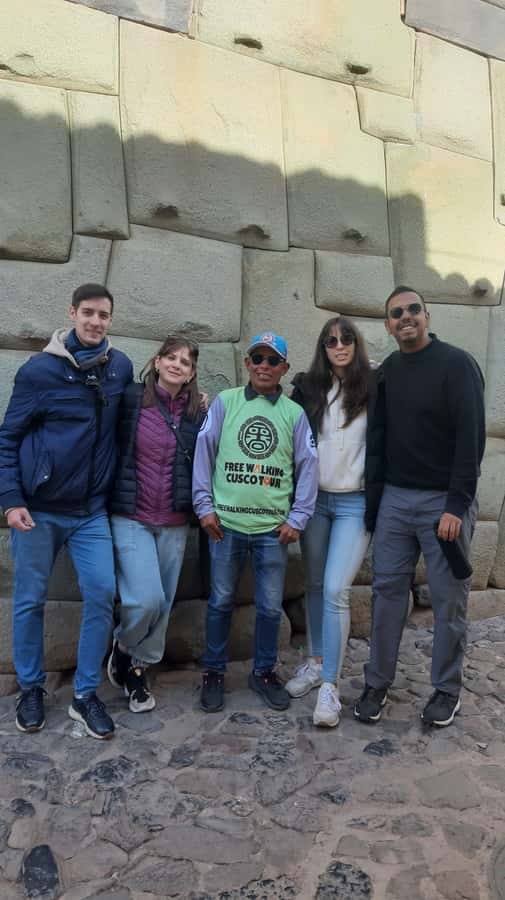
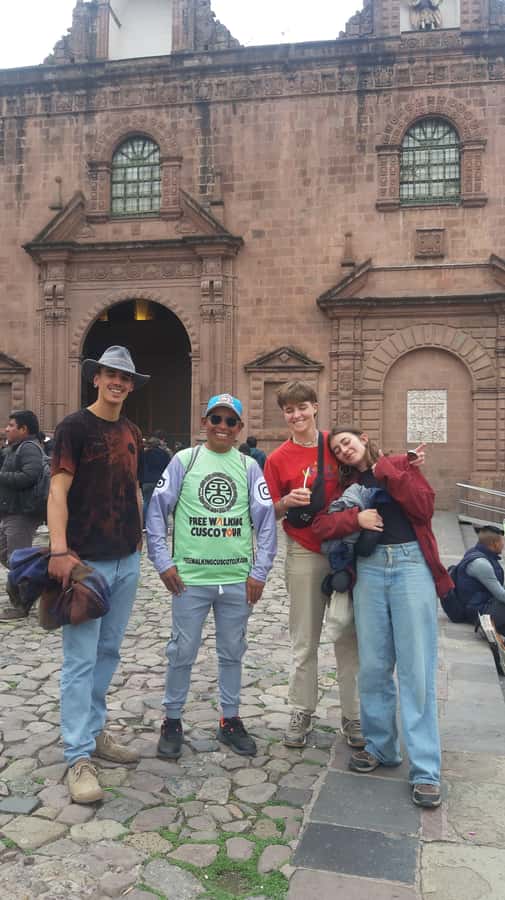
You’ll meet between Calle del Medio and Plaza de Armas. Look for a guide wearing a green T-shirt. If you’re using GPS, the coordinates are -13.5170627, -71.9795113.
This matters more than it sounds. Cusco’s center is busy, and the tour only works if you start on time. The meeting point is close enough that you can regroup easily if you arrive early, but you should still show up with a little buffer.
You do not get pickup or drop-off. You are expected to make your own way to the plaza area, then the walk takes care of the rest. Bring water and plan to sip during the route, not just at the end.
Also, since this is a walking tour with photo opportunities, keep your camera ready—but skip flash. Flash photography is not allowed, and smoking is not allowed either.
Plaza de Armas: colonial architecture with Inca legends in the background
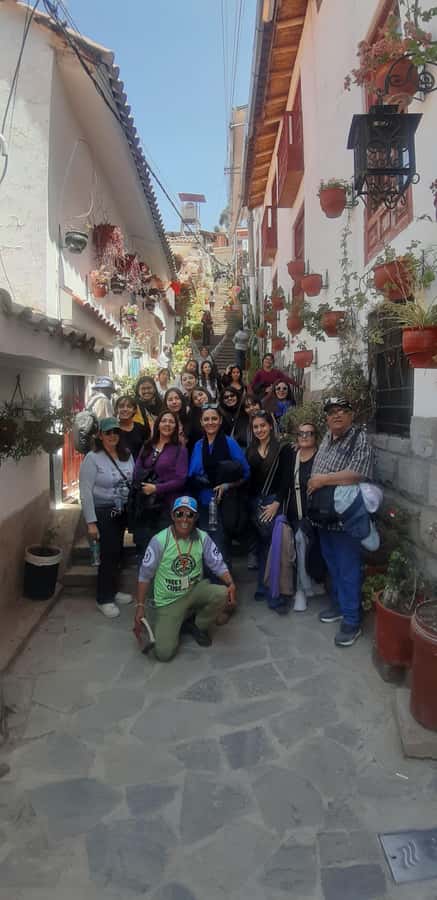
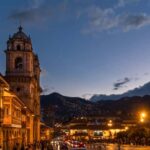
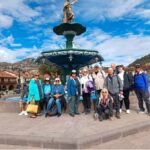
The tour begins with the heart of Cusco: Plaza de Armas. Expect to learn how the plaza became a stage where colonial buildings and Inca stories share the same space. From street level, you can see the big European-style facades, but the guide’s explanations help you connect those walls to the deeper timeline of the city.
This stop is useful for two reasons. First, it gives you orientation fast. Second, the Inca legends woven into what you’re seeing change how you experience the place. Instead of treating the plaza like a landmark you pass through, you start noticing the layers.
A small tip: take a moment before you start moving to look around slowly. If your guide points something out, you’ll likely be able to find it again while you’re walking later. That’s the difference between sightseeing and learning your way around.
Loreto Street stroll: artisan workshops and colonial facades
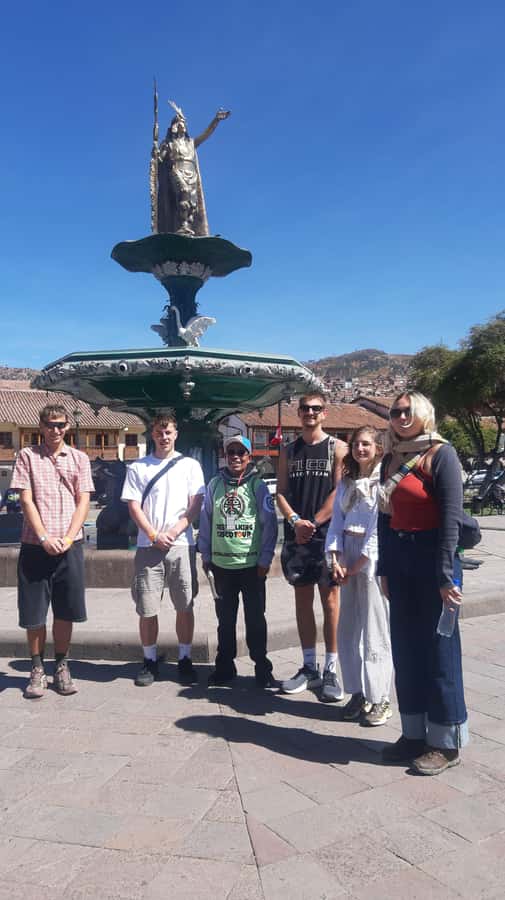
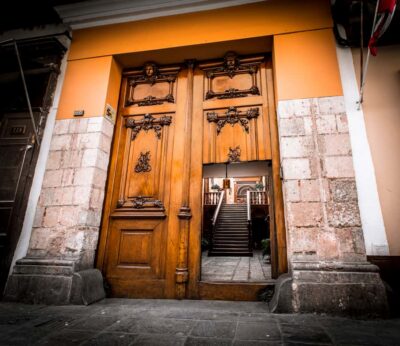
From the plaza area, you head toward Loreto Street. This section is about the city’s texture: narrow streets, colonial architecture, and everyday shop life. You’ll see how local businesses and crafts operate in close proximity to historic buildings.
Why I like this part: it’s where Cusco starts to feel lived-in rather than staged. The guide doesn’t just name streets; the explanations help you understand why this kind of street pattern and building style matters in a city that grew through major cultural change.
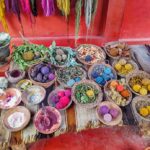
You’ll also notice artisan workshops. Even if you don’t plan to buy anything, it’s a chance to watch craftsmanship up close and understand why San Blas later feels like a natural continuation of the day, not a random detour.
Qoricancha (Temple of the Sun): why the Sun mattered
Next up is Qoricancha, also spelled Coricancha, known as the Temple of the Sun. This is one of the most important stops on the route, not just because it’s famous, but because the guide focuses on meaning.
You’ll learn about the importance of the Sun in Inca culture, and you’ll see Inca architecture integrated into the site. In Cusco, that connection between spiritual ideas and stone is hard to fully grasp from photos. With a guide, it becomes clearer why this site holds weight in the Inca worldview.
A practical plus: the tour includes skipping the ticket line at the main attraction. That can save you time in a city where queues can eat into your day. With a guided timeline, you also avoid the common traveler problem of arriving right as energy and attention are spent.
Bring your focus here. If you rush, you’ll miss the point. Give yourself a few quiet minutes to look, then listen when your guide explains what you’re seeing.
You can also read our reviews of more guided tours in Cusco

Cusicancha and Inka Roca Street: the story of a palace that became a church
After Qoricancha, you move to Inka Palace Cusicancha, an Inca palace and temple that is now a church. This stop is a strong reminder that Cusco’s history is not one clean period. It’s layers stacked on layers, shaped by conquest, reuse, and changing religious life.
What makes this section valuable is the way it helps you read the architecture as evidence of different eras. Even without being a history expert, you’ll understand the concept: certain sacred spaces kept their importance while the outward face shifted.
Then you walk along Inka Roca Street, a narrow cobblestone lane with colonial houses and real local life happening around you. This is the stretch where you can feel Cusco as a working city, not a museum. The guide’s commentary helps you notice details that most people skip, like how daily rhythms play out in streets that trace older patterns.
If you get tired, slow down slightly during this part. You are not racing from one photo to the next. The value is in noticing small things while you’re still comfortable enough to pay attention.
San Blas: artisan lanes, churches, and a smart finish at the mirador
The tour ends in San Blas, a neighborhood known for artisan life. You’ll see artisan workshops and colonial churches, plus the everyday life of Cusqueños. This is where the tour’s earlier storytelling pays off. Loreto Street and Inka Roca set the stage, and then San Blas gives you the feeling that crafts and community are part of Cusco’s identity, not just a tourist souvenir line.
Your final stop is the Mirador de San Blas. This finish is a good idea because you end with payoff: views help you lock in what you just learned and remember where you were standing while the guide explained key ideas.
Two practical notes for San Blas:
- Cusco sun can still hit hard even when it feels mild. You’ll be happiest if you already have sunscreen and a hat on.
- Take one extra minute at the mirador before you pack up your bag. That pause helps the whole walk feel complete.
Price, timing, and what you really get for $15
At $15 per person for 150 minutes, the value is mostly about local interpretation. You’re not just paying for access to a few sites. You’re paying for a guide who can connect plaza-level landmarks, major temple symbolism, and neighborhood street life into one coherent walk.
This price point is especially good if it’s your first time in Cusco and you want to avoid spending half the day trying to figure out what you are actually looking at. It’s also a solid option if you want a guided experience without committing to a full day.
Timing-wise, 150 minutes is a sweet spot. You can do it early and still have energy for the rest of your itinerary, or you can do it mid-day and use the landmarks as reference points later.
Included in the experience:
- A professional live guide
- The structure and pacing that keeps the walk from turning into aimless wandering
Not included:
- Pick-up or drop-off
- Food and drinks
So treat this like a “get your bearings” experience. Plan your meals around it, not during it.
Who should book this Cusco walking tour
This is a great fit if you:
- Want an efficient introduction to Cusco’s main Inca and colonial storylines
- Prefer walking with a guide over trying to plan everything alone
- Enjoy seeing where locals actually live and work, especially in artisan neighborhoods like San Blas
- Like learning through city layout, not just museum facts
You might want to reconsider if you:
- Have mobility limits that make cobblestones and moderate walking hard
- Expect a no-walking experience. This one is a walk.
If your guide happens to be Enrique, you can benefit from a calm pace and clear explanations, which helps when you’re listening while walking through narrow streets.
Should you book? My practical call
Book this tour if you want Cusco to start making sense quickly. It’s priced well, lasts just long enough to be useful, and covers the key visual story beats: Plaza de Armas, Qoricancha, Cusicancha, then the daily-life side of the city in San Blas.
Skip it if you need a low-movement option or you can’t handle uneven sidewalks. Cusco’s cobblestones don’t care about good intentions.
If you do book, come with comfortable shoes, water, and your sunscreen/hat ready. And arrive at the meeting point on time so you get the full benefit of the guide’s pacing.
FAQ
How long is the Cusco walking tour?
The tour duration is 150 minutes.
Where is the meeting point?
You meet between Calle del Medio and Plaza de Armas. Look for the guide wearing a green T-shirt.
What languages are available on the tour?
The live guide speaks Spanish and English.
What should I bring?
Bring comfortable shoes, a hat, sunscreen, and water.
Is pick up or drop off included?
No, pick up and drop off are not included.
Is the tour wheelchair accessible?
No. It is not wheelchair accessible and is not suitable for people with mobility impairments.
Can I smoke or use flash photography?
No. Smoking and flash photography are not allowed.