REVIEW · PUERTO MALDONADO
Puerto Maldonado: Jungle Night Tour with Sloths & Tarantulas
Book on GetYourGuide →Operated by Tambopata living jungle · Bookable on GetYourGuide
Dark jungle nights are pure adventure. This Puerto Maldonado tour turns the Tambopata reserve into a real-life wildlife search, using guided night walking to find tarantulas and sloths when animals become active. I like that it’s built around small-group attention and expert spotting, not just a quick stroll with a flashlight.
Two things I’d call out right away: you get full jungle-ready gear (including rubber boots and a rain poncho), and the guides focus on nighttime wildlife behavior, so you’re not just hoping for animals to show up. One consideration: animal sightings are never guaranteed, and on some nights sloths or other animals may be harder to find than tarantulas.
In This Review
- Key highlights you’ll care about
- Night Walking in Tambopata: Why This Feels Different
- From Puerto Maldonado to Tambopata National Reserve
- What the Guide Does at Night (and Why It Changes Your Odds)
- Tarantulas, Sloths, and the Other Nightlife You Might See
- Stop by Stop: What You’ll Do During the Two Hours
- Pickup in Puerto Maldonado
- The Tambopata National Reserve night session
- Return back to Puerto Maldonado
- Gear That Actually Matters: Boots, Poncho, Repellent, and Light
- Wildlife Etiquette: Staying Close and Respecting the Night
- Price and Value: Is $45 Fair for a Night Search?
- Who This Tour Fits (and Who Should Skip It)
- The Real Drawback: Wildlife Is Wild
- Should You Book This Puerto Maldonado Jungle Night Tour?
- FAQ
- FAQ
- How long is the jungle night tour?
- Where does the tour start and end?
- Is transportation to and from the jungle included?
- What is included in the price?
- What animals are you looking for?
- What should I bring?
- Are flashlights provided?
- Is the tour suitable for children?
- Is it suitable for pregnant women or people with mobility issues?
- Can I cancel for a full refund?
Key highlights you’ll care about
- Small group of up to 5 for tighter spotting and less crowding at night
- Tambopata National Reserve night walking when nocturnal animals are out to feed
- Tarantulas + sloths are a core goal, not a random bonus
- Guide-led search with flashlights, plus tips to avoid disturbing wildlife
- Hot, humid conditions mean you’ll dress like you mean it (long sleeves and pants)
Night Walking in Tambopata: Why This Feels Different
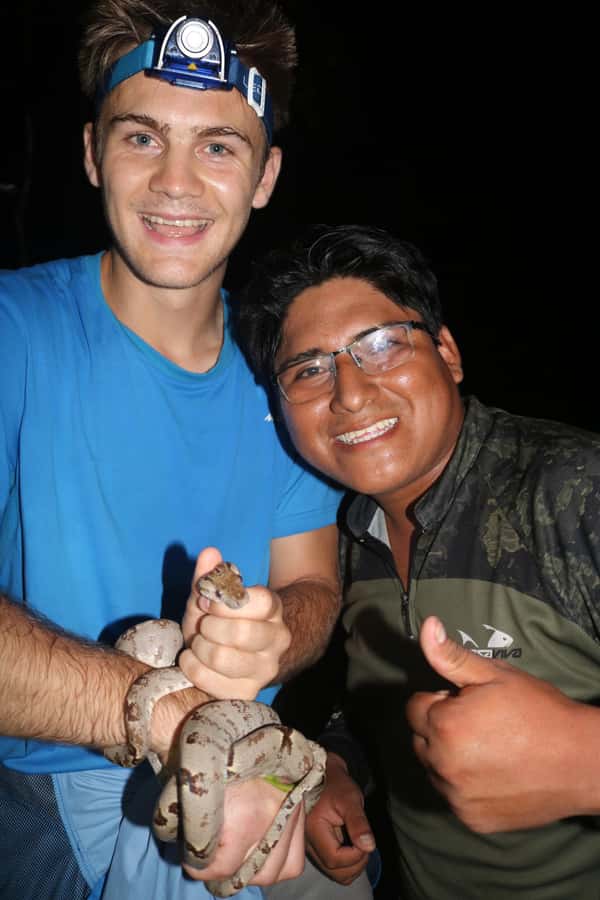
Daytime in the jungle can look calm, but the animals are busy hiding. Heat and daytime predator activity push many species to stay out of sight, which is why you can feel like you’re watching an empty stage.
When night falls, the stage changes. Nocturnal animals come out with different movement patterns, different hunting routines, and different levels of risk. That is exactly what makes a night walk valuable: you’re seeing the jungle on its own schedule, not ours.
This tour also has a side bonus many people forget to plan for: less light pollution than big cities. When the guide pauses and you get a moment to look up, the sky can be striking, and it’s a nice reset between the action on the ground.
You can also read our reviews of more evening experiences in Puerto Maldonado
From Puerto Maldonado to Tambopata National Reserve
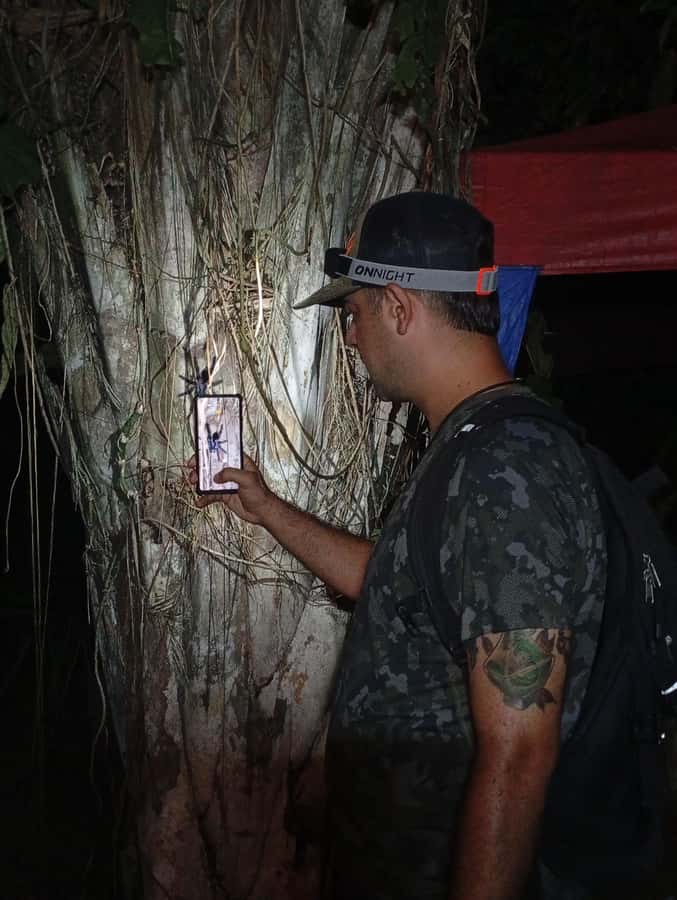
Your trip starts with pickup in Puerto Maldonado and return back to town after the walk. That matters because night jungle tours can eat your time fast if you have to handle transport yourself.
Once you’re in the reserve area, the main event is a game drive-style night session timed for wildlife activity. You’re not racing around the jungle at high speed. The point is searching slowly enough to read what you’re seeing: eye shine, movement in leaf litter, insects on the wing, and the stillness that often means an animal is nearby but watching you back.
A small-group format helps here. With fewer people, the guide can keep everyone close and manage spacing so you don’t trample through the same spot again and again while missing the first signs of activity.
What the Guide Does at Night (and Why It Changes Your Odds)
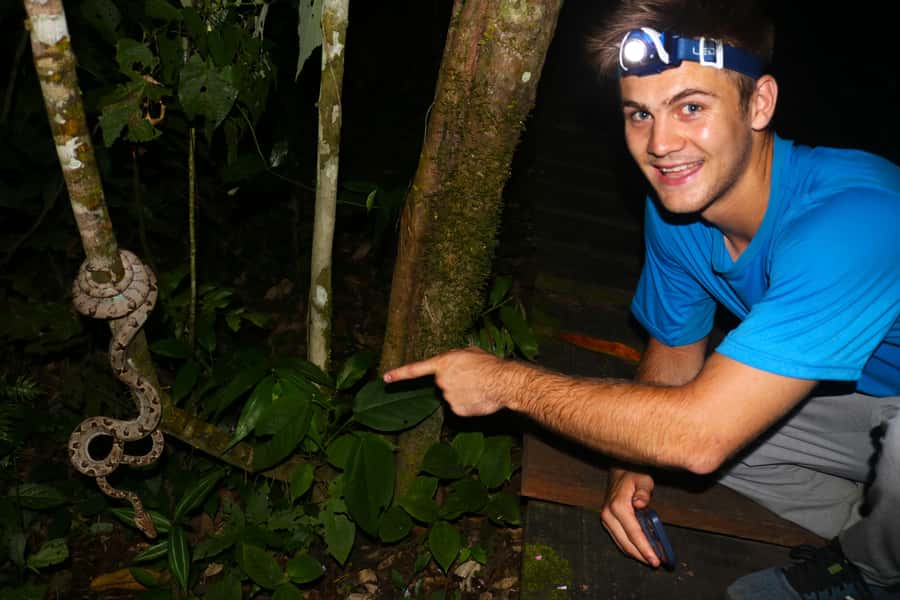
This is a guided search for specific animals: tarantulas and sloths are top targets, along with other nocturnal life you might spot while you’re out. The value isn’t just the flashlight. It’s the guide’s ability to interpret signs in low light.
You’ll walk using the light provided and/or your own. The guide helps you spot animals in different ways: not only by finding them directly, but by noticing movement patterns and knowing where animals are likely to be feeding or resting.
One review point that really matches the real-world jungle experience is that tarantulas are often easier to find than sloths. Sloths can be there one minute and practically invisible the next, especially if they’re tucked into the wrong angle or choosing a quieter spot that night. On nights when sightings are slower, the guide’s job is still to keep the walk interesting, and that’s where humor and knowledge can make the difference. I especially like that this tour is led by guides who explain what you’re seeing and why it’s happening.
Tarantulas, Sloths, and the Other Nightlife You Might See
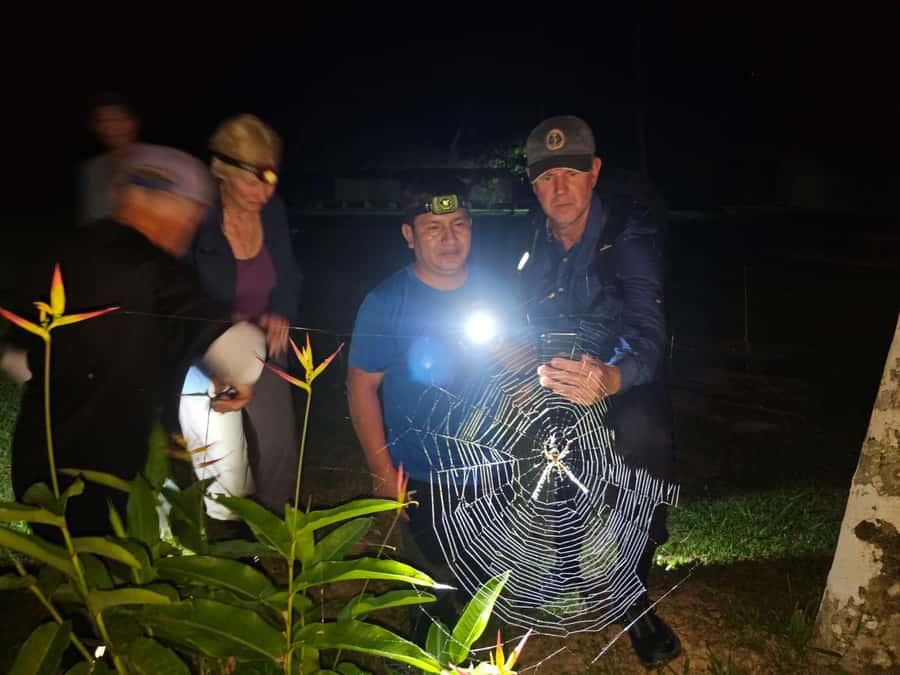
The headline animals are tarantulas and sloths, and the tour is clearly designed around the thrill of finding them in the dark. You’re looking for movement in the understory, sometimes near the ground, sometimes higher up depending on the animal.
Here’s the honest expectation-setting: tarantulas tend to be a reliable draw for night-walk wildlife. They move in ways that stand out under light, and they’re the kind of animal that can make you go quiet fast because you realize how close they are.
Sloths are a different story. They’re real, but they’re also slow and often well camouflaged. If you’re going specifically for a sloth photo, aim to treat it as a goal, not a guarantee. I’d still book if sloths are your dream animal, because even when the sloth is missed, the walk can still deliver great moments.
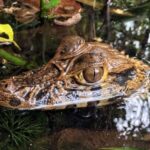
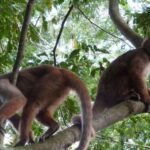
And the “other stuff” is not fluff. On some nights, people have seen night monkeys, caimans, frogs, and a spread of insects. That’s the jungle doing what it does best: showing you a full food web, not just one species.
Stop by Stop: What You’ll Do During the Two Hours
Even though your evening is short, it’s structured to keep the search efficient.
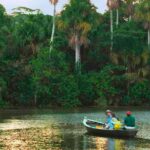
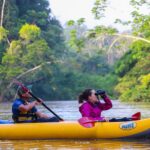


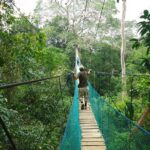
Pickup in Puerto Maldonado
You’ll get picked up from your hotel area and brought into the tour. Night tours are easier when the logistics are handled, and this one keeps you off the streets at night until it’s time to start moving in the jungle.
The Tambopata National Reserve night session
This is the core of the experience, about 2 hours of night searching in the reserve area. You’ll walk while your guide scans the ground, the low branches, and the places animals might use as paths or feeding zones.
The goal is simple: find tarantulas, spot sloths if you’re lucky, and notice everything else moving in the dark. The walk is also when you may catch luminescent insects like fireflies and other small nocturnal creatures that don’t show up in daytime.
Return back to Puerto Maldonado
After the hunt window ends, you’ll head back. This is a practical benefit: you’re not left figuring out late-night transport or getting back in the dark alone.
Gear That Actually Matters: Boots, Poncho, Repellent, and Light
Night jungle tours sound easy until you factor in humidity, insects, and mud. This one handles several key comfort needs for you.
You’re provided with flashlights, rubber boots, and a rain poncho. That trio is a win because it reduces what you have to pack and helps you move safely in slippery ground.
Still, don’t ignore the items they ask you to bring:
- long sleeves and pants for insect protection
- insect repellent
- water
- biodegradable sunscreen
- a flashlight (even with provided lights, having your own can be helpful if you like a specific beam)
One tip I’m glad they highlight: avoid using white light flashlights. White light can disturb wildlife, and it can also make it harder for your eyes to adjust to what the guide is showing. If you want the best odds of quality sightings, follow the guide’s lighting guidance closely.
Wildlife Etiquette: Staying Close and Respecting the Night
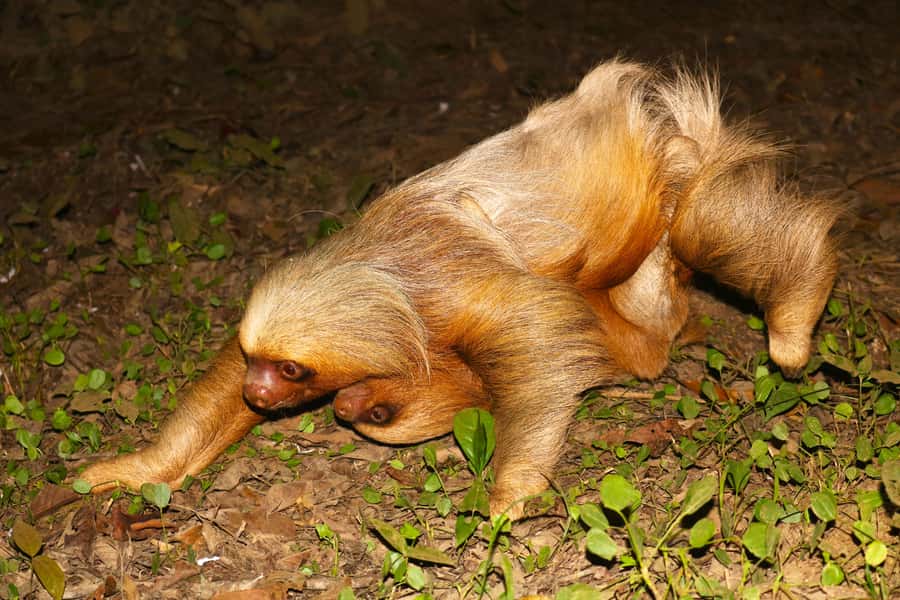
The jungle at night isn’t just a photo backdrop. Animals are active because they need to feed and move. If you wander away, you miss guidance cues, and you also increase the chance of stepping into places you shouldn’t.
A few habits that make the tour better:
- stay close to the guide
- follow instructions about where to stand and when to pause
- keep your light controlled so you don’t flood the area with harsh beams
This is how you get calm, focused spotting instead of chaos.
Also, remember that night walks are physical. Even a short walk can feel intense in heat and humidity, so water and breathable long clothing matter.
Price and Value: Is $45 Fair for a Night Search?
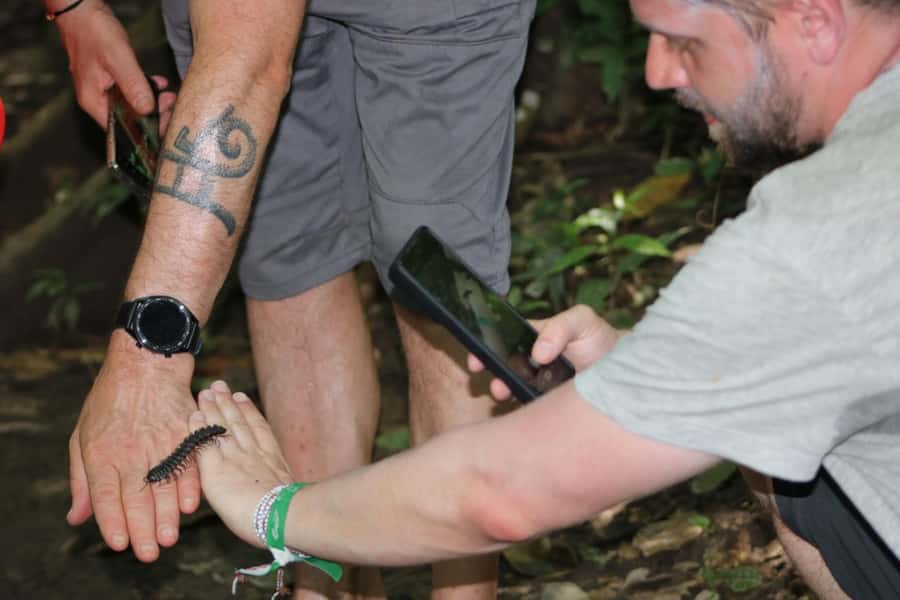
At $45 per person for a roughly two-hour night experience, the value is tied to what’s included and what you’re buying: expert time, entrance fees, and essential gear.
You’re getting:
- pickup and return from your hotel area
- an accredited guide
- entrance fees
- flashlights, rubber boots, and a rain poncho
What you’re not getting is also clear: transportation to and from the jungle area beyond pickup, plus meals and drinks. In other words, you’re paying for the guided wildlife portion and gear, not for a full-day travel package.
Compared to tours that require you to scramble for footwear or buy basic supplies on arrival, this feels like a reasonable deal for what you get. It also helps that the group is limited to 5 participants, which often means you get more attention during spotting and less waiting while the guide deals with everyone’s questions.
Who This Tour Fits (and Who Should Skip It)
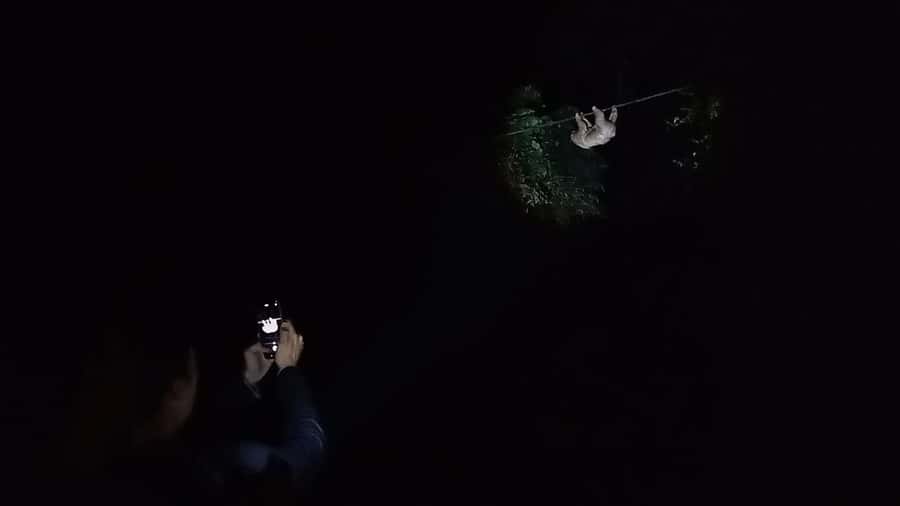
This tour is best for you if you want a focused night wildlife search. You’ll enjoy it most if you like slow, patient looking and don’t need constant action to stay interested.
It’s also a great match for:
- animal lovers who enjoy the hunt as much as the sight
- people okay with short walks and humid conditions
- couples or small groups who want a close guide connection
It’s not suitable for:
- children under 6
- pregnant women
- people with mobility impairments
- wheelchair users
If any of those apply, you’ll want to choose a different style of wildlife activity that fits your needs.
The Real Drawback: Wildlife Is Wild
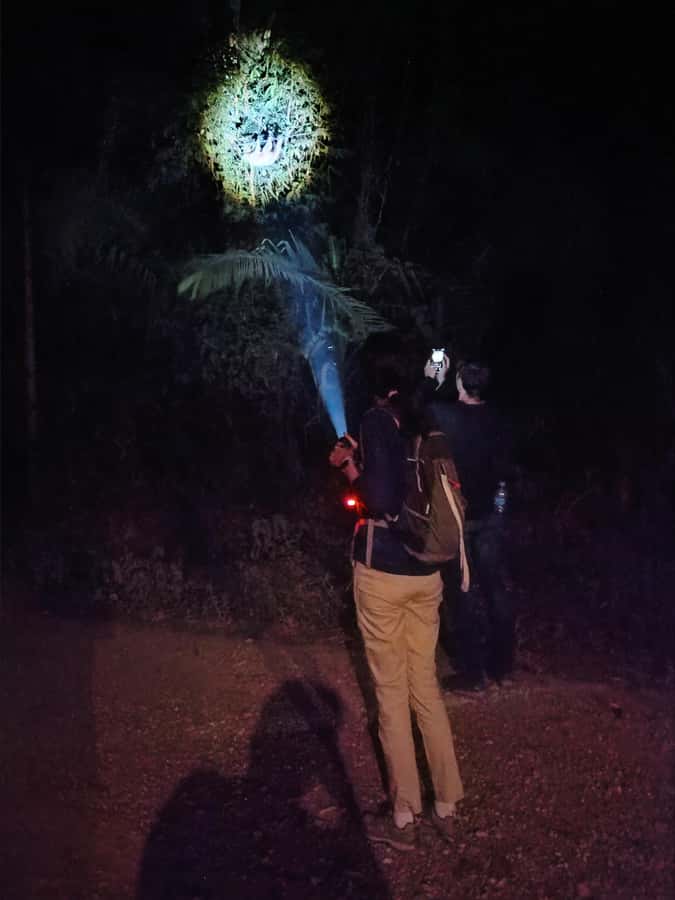
Here’s the main thing to accept: sloths and some other species can be harder to find than tarantulas. Some nights the focus animals may be missed, and the walk becomes more about insects, frogs, and general nocturnal movement.
I like that this tour doesn’t pretend it’s a guaranteed zoo run. The upside is that when animals do show up, the experience feels earned because you’re searching properly, with the guide doing the work.
If your expectations are realistic—tarantulas are a strong bet, sloths are possible—you’re much more likely to enjoy every quiet pause and every sign in the dark.
Should You Book This Puerto Maldonado Jungle Night Tour?
If you want an active, guided night walk in the Tambopata area and you’re excited about tarantulas and the chance of a sloth, I think this is a smart booking. The small group size, included boots and poncho, and pickup convenience reduce the usual friction that makes night tours stressful.
I’d only hesitate if you:
- need guaranteed sloth sightings
- can’t handle hot, insect-heavy outdoor time
- have mobility needs that make uneven nighttime ground unsafe
Otherwise, book it, dress right, and trust the guide’s rhythm. When the jungle turns on at night, this is the kind of tour that helps you see it on its terms.
FAQ
FAQ
How long is the jungle night tour?
The duration is 2 hours. Starting times are listed based on availability.
Where does the tour start and end?
Pickup is from your hotel in Puerto Maldonado, and you return back to Puerto Maldonado at the end.
Is transportation to and from the jungle included?
Pickup and return from your hotel are included, but transportation to and from the jungle is listed as not included.
What is included in the price?
The tour includes an accredited guide, entrance fees, flashlights, rubber boots, and a rain poncho, plus hotel pickup and return.
What animals are you looking for?
The night search is designed to help spot tarantulas and sloths, and you may also see other nocturnal wildlife such as snakes, frogs, and small mammals.
What should I bring?
Bring comfortable shoes, water, biodegradable sunscreen, insect repellent, and a flashlight. Wear long sleeves and pants to protect against insect bites.
Are flashlights provided?
Yes. Flashlights are included, and it’s still listed as something you should bring. Follow your guide’s lighting instructions during the walk.
Is the tour suitable for children?
No. It is not suitable for children under 6 years old.
Is it suitable for pregnant women or people with mobility issues?
No. It’s not suitable for pregnant women, people with mobility impairments, or wheelchair users.
Can I cancel for a full refund?
Yes. Free cancellation is available up to 24 hours in advance for a full refund.