REVIEW · HUARAZ
Pastoruri Glacier
Book on Viator →Operated by Scheler Artizon Trek · Bookable on Viator
Pastoruri Glacier is the Andean walk that matters. This day trip from Huaraz strings together real small-town stops, high-altitude nature, and a glacier visit with lagoons you can actually see from near the trail. I especially like the mix: Lake of Seven Colors plus cave paintings before you get to the glacier.
One more thing I like is the way the route builds in altitude context with natural highlights like Puya Raimondi. The main drawback to weigh is time pressure: after a long drive and a walk at altitude, lunch doesn’t land until later in the day, so you’ll want to plan food and energy carefully.
In This Review
- Key things to know before you go
- Pastoruri Glacier and Huascarán National Park: what you’ll actually see
- The drive from Huaraz: Recuay, Ticapampa, Catac, and plant stops
- Recuay, Ticapampa, and Catac: culture stops that aren’t just scenery
- Lake of Seven Colors and cave paintings: a smart breather before the glacier
- The glacier walk to Pastoruri and lagoons: pace yourself at altitude
- Price and logistics value: $30 is only part of the math
- Timing and the long day: when to eat, when to snack, when to rest
- Should you book this Pastoruri Glacier day trip?
- FAQ
- How long does the Pastoruri Glacier day trip take?
- What time does pickup start?
- Is hotel pickup included?
- What is the price per person?
- Do I need to pay the Huascarán National Park entrance fee?
- What fitness level do I need for the glacier walk?
Key things to know before you go
- Hotel pickup + guided day: you’re not stuck figuring out logistics on your own.
- Lots of high-altitude moments: you’ll be moving around at well over 5,000 meters.
- A short but real glacier walk: expect about 40 minutes to 1 hour on foot, depending on how you pace.
- National Park entrance is separate: the Huascarán ticket costs extra and varies by nationality.
- Group size stays small-ish: up to 29 people, which helps keep things moving.
- Weather doesn’t pause the plan: the tour runs in all conditions, so dress like you mean it.
Pastoruri Glacier and Huascarán National Park: what you’ll actually see
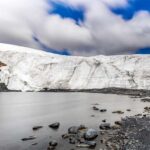
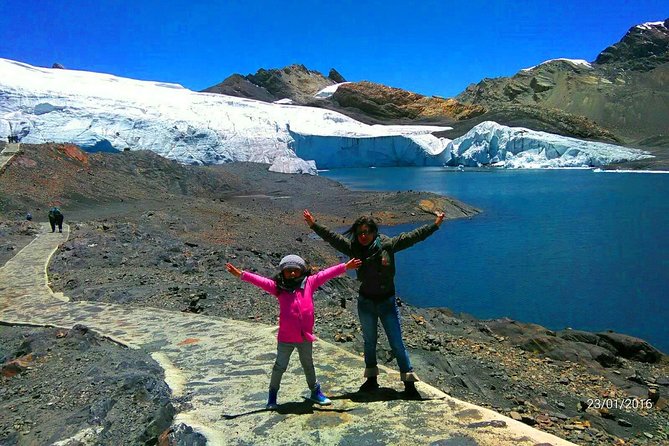
Pastoruri Glacier sits inside the wider Huascarán National Park, and the experience is very much about scale and altitude. You’re not doing a technical climb. You’re doing a guided visit to glacier formations and nearby lagoons, which means the payoff is in the view and the time you spend looking closely at ice, rock, and meltwater textures.
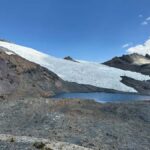
Also, don’t expect a huge, dramatic ice sheet like some older photos you might have seen online. One traveler put it plainly: the walk is worth it, but you’re seeing what remains. That reality is part of why the day feels meaningful. You’re seeing the glacier up close, not reading about it.
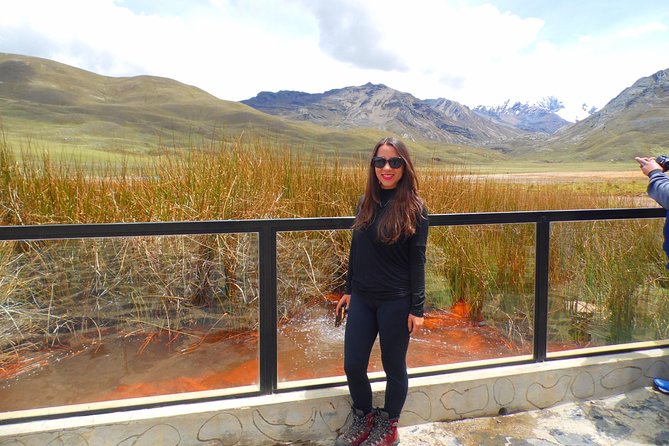
The park setting is where the day makes sense. You’re walking in an Andean environment where plants and geology look tough enough to survive a bad day. And the tour doesn’t just drop you at the glacier. It places you in the bigger ecological story first, with plant stops and lake scenery that help you notice what “high altitude” really means.
If you’re coming from sea level, the key is to treat this as a nature-and-views day, not a performance day. Take it slow on the trail and look around while you catch your breath.
You can also read our reviews of more tours and experiences in Huaraz.
The drive from Huaraz: Recuay, Ticapampa, Catac, and plant stops
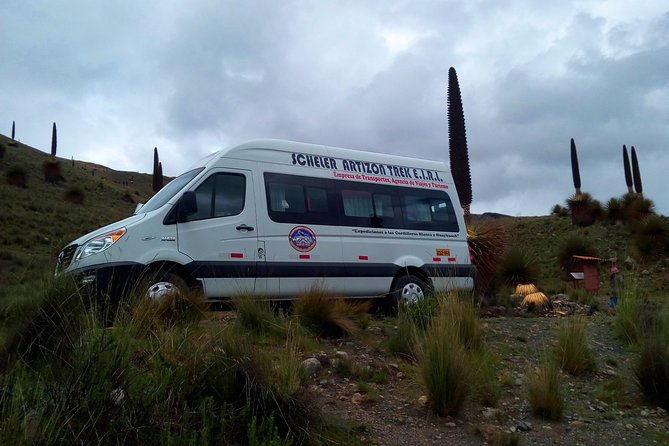
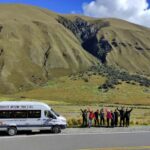
Starting around 8:30 am, you’ll get picked up from your hotel and then head out of Huaraz toward the southeast of Callejón de Huaylas. This isn’t a straight shot. The route passes through traditional towns like Recuay, Ticapampa, and Catac, and those stops help make the day feel less like a drive-thru.
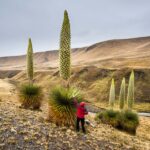
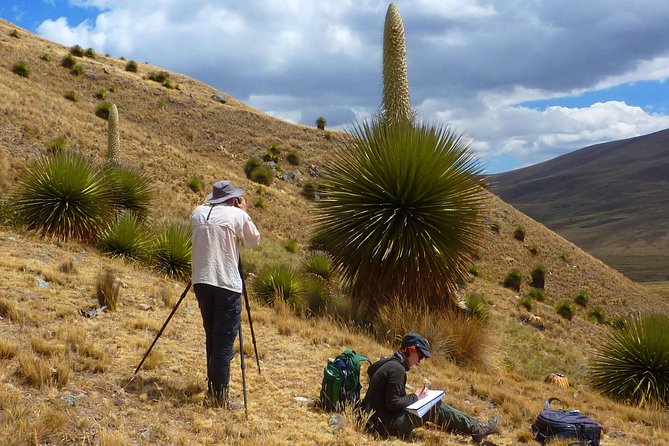
On the way, you’ll also have a couple of nature stops that are clearly designed for what you’ll notice at elevation. You’ll visit Puya Raimondi, which is famous as the highest exponent of Andean flora. Even if you’ve never heard the name before, it’s one of those plants that makes you stop and re-think what “vegetation” looks like in cold, thin-air conditions.
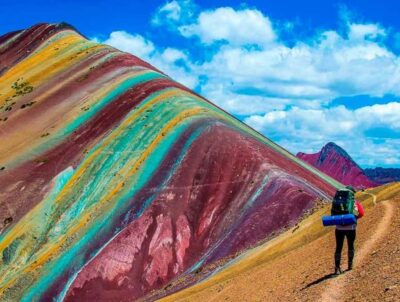
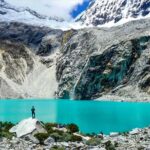
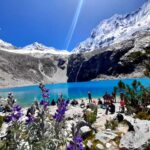
You’ll also pass the gasified waters of Pumapampa and then reach Pumashimin Lake, known as the Lake of Seven Colors. That sequence is smart. It breaks up the bus time with short, memorable moments so you don’t feel like you’re only waiting to arrive.
Practical note: the driving portion is long. That can be totally fine if you pack snacks and use the ride time to acclimate. If you’re prone to motion sickness, consider preparing—this is mostly a seated day until you start walking.
Recuay, Ticapampa, and Catac: culture stops that aren’t just scenery
The tour doesn’t just point at towns. It uses them as real markers along the route into the national park area. The “traditional towns” part matters because it changes the vibe from pure nature outing to a day that touches how people live in the region.
Here’s what you can expect. You’ll pass through Recuay, then continue toward Ticapampa and Catac, and later you’ll have lunch in either Ticapampa or Catac. In other words, you’re not eating in some far-away tourist bubble. You’re eating where the day naturally routes you.
That matters if you’re visiting Huaraz for the first time and want more than just glacier photos. Small towns like these also give you a chance to notice the textures of daily life at altitude—buildings, roads, and how people dress for cold. Even if you don’t do a formal town tour, the feeling is still there.
The potential downside is timing. Because the itinerary is packed, you shouldn’t plan on wandering for hours. This is a guided day trip. You’ll get moments, not a full cultural immersion.
So if your priority is slow, open-ended wandering, you may feel the schedule move fast. If your priority is seeing multiple high-altitude highlights in one long day, this structure works well.
Lake of Seven Colors and cave paintings: a smart breather before the glacier
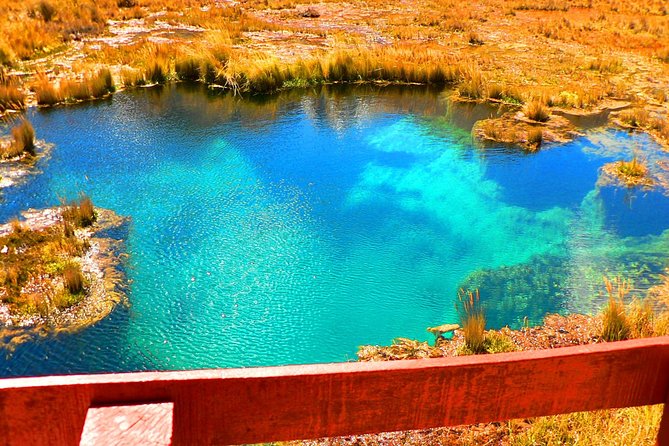
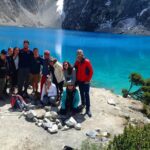
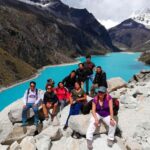
One of my favorite parts of this day is the order. You don’t go straight from the bus to the ice. You stop at Pumashimin Lake, the Lake of Seven Colors, and then you see cave paintings nearby.
This matters because it gives your brain a chance to shift gears. Glacier days can get one-note fast. Lake colors and ancient art reset your focus. You go from plant life and geology to something more human—marks made long ago, preserved in a high-altitude setting.
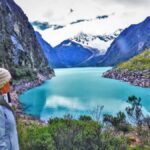
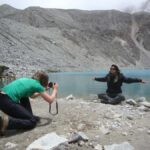
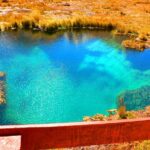
The lake itself is the kind of place that rewards patience. Colors can look different depending on light, cloud cover, and how the water sits. You might not have time for a photo essay, but you’ll have enough to look and let your eyes do the work.
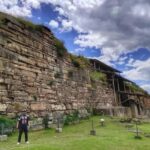
Then comes cave paintings. Even when you can’t identify every detail, it adds meaning to the trip. You’re not just visiting a natural feature. You’re standing in a wider region where humans have observed and left traces over time.
If you’re the type who hates rushing, don’t worry—you’re not sprinting through this section. It’s built into the park approach, and it helps make the glacier walk feel like the final chapter rather than the entire story.
The glacier walk to Pastoruri and lagoons: pace yourself at altitude
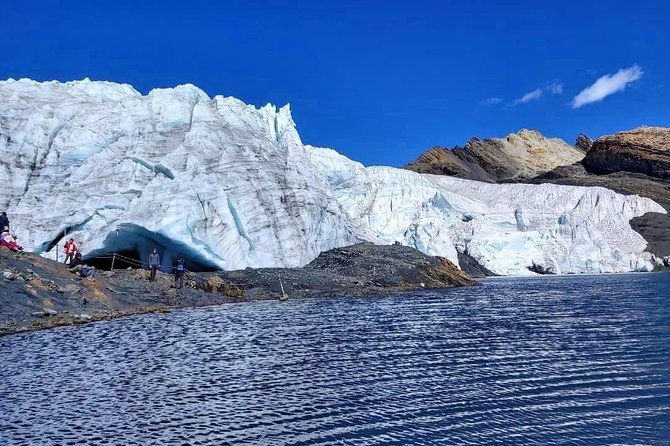
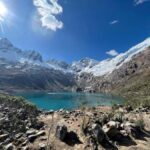
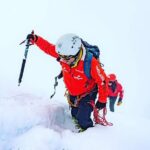
After arriving at the parking area, you walk roughly 40 minutes to 1 hour to reach Pastoruri Glacier. The point isn’t speed. The point is to see formations and the lagoons up close and to have time to look.
Altitude is the real boss fight here. The experience operates in all weather, and you’ll be around more than 5,000 meters / 17,900 feet. That means breathlessness, slower steps, and feeling colder than you expect can all happen fast. Even if you feel fine at the start, take regular micro-pauses. Your body will thank you.
Dress appropriately for cold and wind. Even if the day starts clear, conditions can shift. The tour specifically notes it runs in all weather conditions, so you’re not waiting out storms—you’re dressed for them.
One practical tip that comes from experience: if you’re worried about having enough energy to truly enjoy the glacier view, consider the idea of saving your legs. A traveler recommended horseback to avoid spending all your time walking. The tour itself doesn’t spell out riding as part of the official package, so treat that as an option you might explore locally on the day rather than something to count on in advance.
Bottom line: plan to move slower than normal. You’ll get more out of the ice and lagoons if you’re not trying to “win” the walk.
Price and logistics value: $30 is only part of the math
At $30.00 per person, this trip can feel like a solid bargain for a full day out of Huaraz. You’re getting group transportation, a professional guide, and hotel pickup. For a day trip that’s this long and this altitude-heavy, those inclusions matter. You’re paying for someone to handle the route and timing, not just sightseeing.
But here’s the honest part: you’ll still need to budget for the Huascarán National Park entrance ticket, which is not included. The listed prices are S/ 30 (for foreigners) and S/ 12 (for Peruvian citizens with DNI), and it’s valid for 1 day. Lunch and drinks also aren’t included, so factor in a meal stop in Ticapampa or Catac.
So the real value question is this: do you want an all-in guide-led day with transportation from Huaraz and pre-planned natural stops? If yes, $30 starts to look fair, especially given the maximum group size of 29. Smaller groups often feel more manageable when you’re moving on a schedule.
If your plan is to independently cobble together transport and you’re fine doing your own route planning, the $30 may not feel like a must-have. But most first-timers in Huaraz benefit from letting a guide handle the sequence—especially when altitude and weather can complicate everything.
Timing and the long day: when to eat, when to snack, when to rest
The day starts with pickup at 8:30 am. Depart from Huaraz around 9:00 am and then spend hours driving and stopping: towns, Puya Raimondi, Pumapampa waters, Lake of Seven Colors, and cave paintings. You reach the glacier area after that, then you return to the bus.
Lunch is scheduled around 3:00 pm in Ticapampa or Catac. That timing is the main reason this tour might feel tiring. If you’re hungry at noon (normal), waiting until 3:00 can feel long, especially while your body is already working harder at altitude.
My practical advice: pack snacks that won’t freeze solid. Keep water accessible. And don’t treat this like a discipline challenge. Eat small amounts during the ride and pauses so lunch doesn’t feel like a shock to your system.
Another timing consideration is energy. The glacier walk is not extremely long, but it’s at altitude and in cold conditions. If you show up under-fueled, you’ll spend your “enjoyment time” focusing on breath and balance instead of the view.
Also, note the ending: you’ll typically roll back into Huaraz at about 5:00 pm. It’s a day trip with a lot of motion and not much downtime. If your legs tend to cramp at elevation, you might want a lighter evening plan afterward.
Should you book this Pastoruri Glacier day trip?
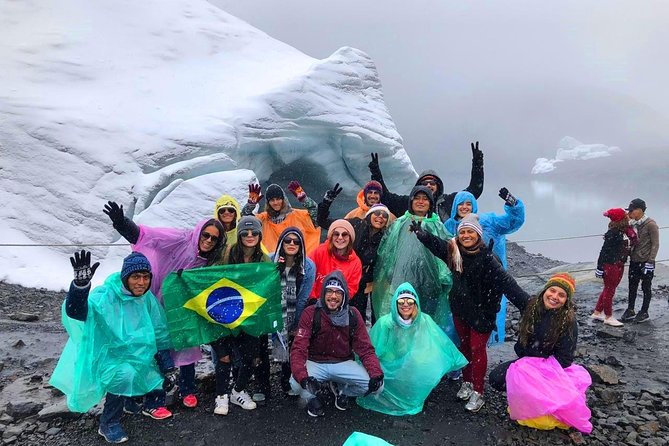
Book it if you want a guided, one-day hit of Huascarán National Park highlights: Lake of Seven Colors, cave paintings, and a real visit to Pastoruri Glacier with time to appreciate glacier formations and lagoons. It’s a good match if you’re newly arrived in Huaraz and want structure.
I’d be cautious if you’re sensitive to long days or if you know you struggle with late meals at altitude. You’ll feel the schedule. And because the tour runs in all weather, bring gear that handles wind and cold.
One more decision tip: confirm pickup and meeting instructions clearly with the provider before the day. A small number of people have reported confusion around where to wait for the bus, so having the right pickup point in writing can save stress.
If you go in with the right mindset—slow steps, snacks on hand, warm layers—this tour delivers the kind of unforgettable high-altitude view that’s hard to recreate on your own.
FAQ
How long does the Pastoruri Glacier day trip take?
It runs about 8 to 9 hours.
What time does pickup start?
Pickup starts at 8:30 am.
Is hotel pickup included?
Yes, hotel pickup is included.
What is the price per person?
The price is $30.00 per person.
Do I need to pay the Huascarán National Park entrance fee?
Yes. The entrance ticket is not included. It’s listed as S/ 30 for foreigners (valid for 1 day) and S/ 12 for Peruvian citizens with DNI (valid for 1 day).
What fitness level do I need for the glacier walk?
The tour asks for a moderate physical fitness level, and you’ll walk about 40 minutes to 1 hour from the parking area to the glacier.