REVIEW · HUARAZ
Climbing Mateo – Your first 5 thousand
Book on Viator →Operated by Andean Raju Expeditions · Bookable on Viator
Mateo is a real 5,000-meter moment. A private guide, technical gear, and a sunrise push in Huaraz make this more than a box-check. I love that the climb is purpose-built for first-time 5,000ers—with support, equipment, and a clear plan. You get crampons, harness, helmet, and an ice axe so you’re not improvising on snow and ice.
Two things I especially like: you climb with a certified mountain guide (English or Spanish), and you have included meals during the climb. That combination matters at 3,000+ meters and up, when feeling steady beats feeling stubborn. The one real consideration is timing and conditions: the day starts at 3:00 am, and this trip depends on weather.
If you’re comfortable with early mornings and you can handle altitude, Mateo is an unforgettable goal. If not, you might feel rushed, especially on a cloudy or low-visibility morning where the climb can feel harder for first-timers.
In This Review
- Key highlights you’ll actually use
- Mateo and the Contrahierbas Sur: the first 5,000 done right
- The 3:00 am Huaraz start: why the schedule matters
- From moraine hike to summit push: how the day unfolds
- Gear that actually fits the job (and why it changes everything)
- Lunch on the mountain: energy without fuss
- Price and value: what you’re paying for at $120
- Weather and altitude reality checks (the stuff that decides the day)
- Who Mateo is best for (and who should choose another target)
- Should you book Climbing Mateo – Your first 5 thousand?
- FAQ
- What time does the tour start?
- Where does the tour take place?
- How long is the experience?
- How much does it cost?
- What climbing gear is included?
- Are meals included?
- Is the Huascarán National Park entrance fee included?
- What happens if the weather is bad?
Key highlights you’ll actually use
- Private climbing with a certified guide in English or Spanish, with step-by-step support
- Technical gear included for you: crampons, harness, ice axe, mountain boots, and helmet
- Sunrise-focused schedule to reach the summit in the morning for big views
- Huascarán National Park access via Quebrada Ulta in Carhuaz, with a moraine approach
- Lunch during the climb (including a vegetarian option) so you’re not rationing energy
- Ropes and snow safety gear for the group: ice screw, snow stakes, carabiners, and more
Mateo and the Contrahierbas Sur: the first 5,000 done right
Mateo sits in the high Andes zone that climbers talk about with a mix of respect and relief. It’s an “accessible” mountain in the sense that it’s a classic target for people trying their first time at this height—not a casual hike, but a climb designed for a milestone.
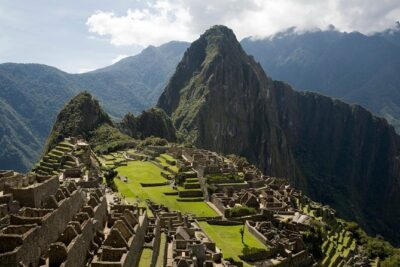
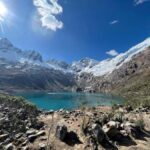
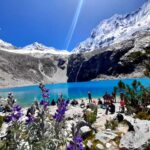
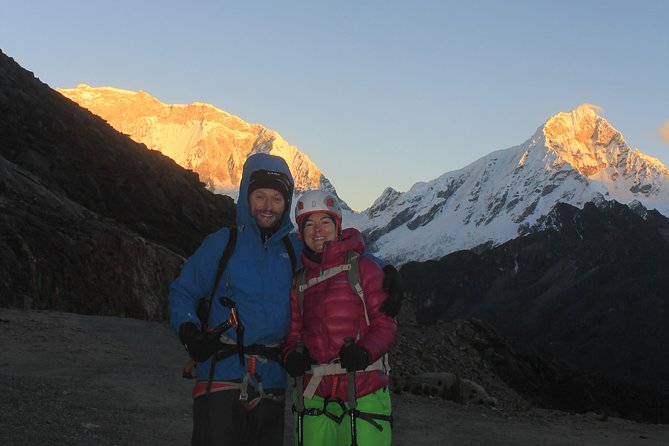
The bigger point? This is inside Huascarán National Park, in the Quebrada Ulta area. You’re not just climbing a peak. You’re moving through a protected Andean landscape where the views are built for that early-morning summit window. On a clear morning, you can see a spread of big-name peaks in the region, including Chopicalqui, Contrahierbas, Huascarán, and Ulta. It’s the kind of panorama that makes the uncomfortable parts feel worth it.
And because the guiding is certified and the trip is private, you’re not stuck in a one-size-fits-all rhythm. That matters for first-timers, where your biggest challenge is usually not strength—it’s coordination, balance, and getting comfortable with icy gear.
You can also read our reviews of more tours and experiences in Huaraz.
The 3:00 am Huaraz start: why the schedule matters
This is the kind of tour where the start time is a feature, not a problem. You leave at 3:00 am from Huaraz, and you’re in motion early enough to reach the summit during the morning and catch sunrise.
Why that matters:
- You climb in cold, stable hours, when snow conditions can be more predictable.
- You get morning light for route-finding and for the views you came for.
- You avoid spending half the day guessing what the mountain is about to do.
You’ll also use private transport. The pickup is described as near public transportation, so you shouldn’t be hunting for an obscure meeting spot, but it’s still smart to arrive early enough to be ready when the van leaves.
Plan for this mentally: the early wake-up is real. If you’re the type who needs a slow ramp-up, build in a solid night before. If you try to “wing it” with sleep, altitude, and cold all at once, Mateo will feel harder than it needs to.
From moraine hike to summit push: how the day unfolds
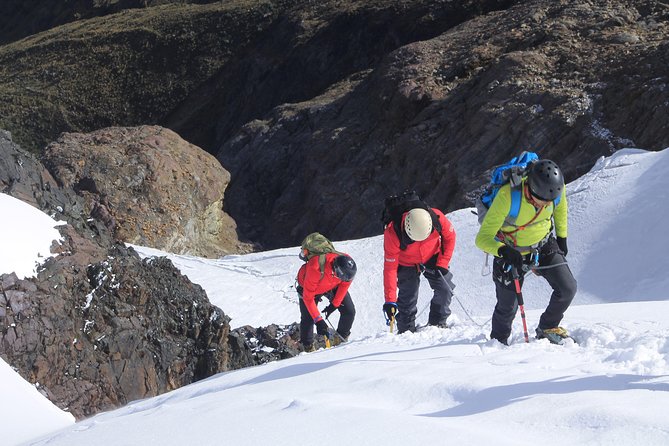
The day has two main physical phases once you’re in the approach area.
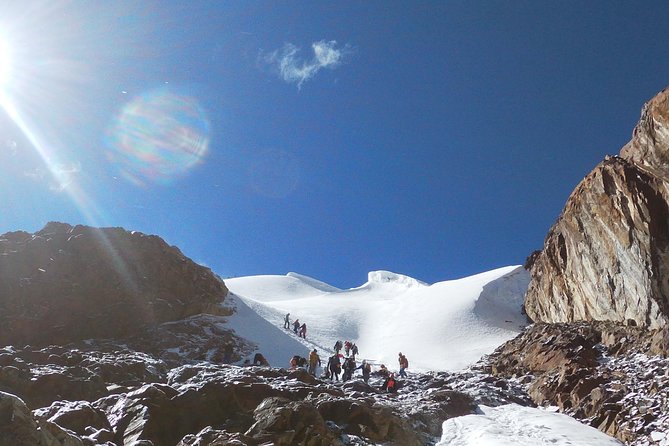
First comes a moraine hiking approach of about 1 hour. Moraine terrain can feel uneven and gritty—part hike, part careful footing. For a first 5,000m attempt, this segment is useful. It lets you settle your breathing, test your footing with boots, and get comfortable before the technical climbing focus starts.
Then comes the ascent: about 1 hour 30 minutes to reach the summit. That climb time is not long in “clock minutes,” but it’s the kind of effort where small things matter: pacing, spacing your breaths, and staying calm when snow gets steeper or firmer.
A practical way to think about it:
- Treat the approach as your warm-up.
- Treat the ascent as controlled effort, not a sprint.
- Keep an eye on your posture and foot placement—this is where crampons do their job.
If the day is clear, the summit feels like a payoff. If the skies are not clear, the climb can feel more demanding for a first-timer because visibility and the “rhythm cues” you get from big views disappear. It’s still doable with the right guide and gear, but go in expecting that not every sunrise will be crystal clear.
Gear that actually fits the job (and why it changes everything)
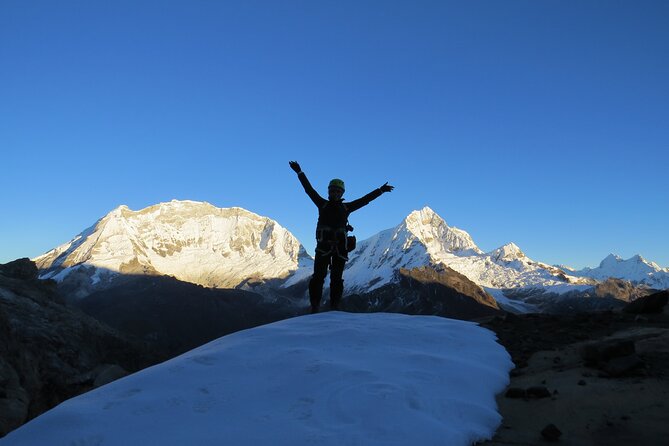
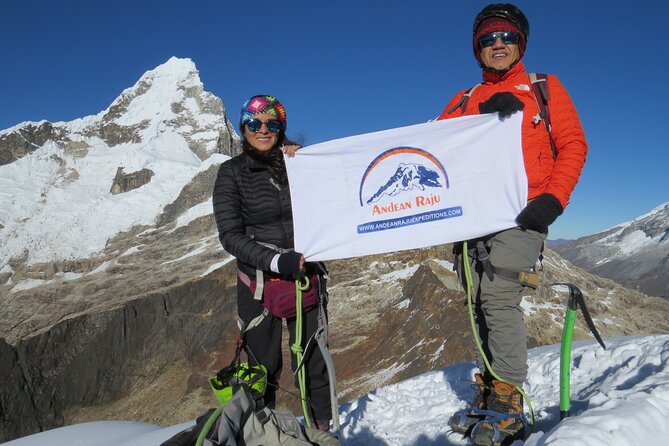
I love that this tour doesn’t hand you a dream and wish you luck. It provides technical equipment for personal use—including crampons, a harness, a helmet, an ice axe, and mountain boots.
That’s a big deal for beginners. Crampons change how your feet move. Harnesses change how you feel when you’re secured. An ice axe changes your ability to control your balance on steeper snow. When that gear is included, you avoid the common first-timer problem: wrong sizes, wrong setup, or missing pieces at the worst possible time.
For the climbing itself, there’s also group technical equipment like ropes, ice screws, snow stakes, and carabiners. That’s the difference between “we hope it’s safe” and “we build safety into the plan.”
One extra detail that came through strongly is the guide attention to your comfort and readiness. In particular, Pablo’s help stood out because he arranged good shoes for the ascent and worked to get climbers into their best shape for the day. That’s exactly what you want from a guide on a first attempt: not just technical knowledge, but practical support so you can focus on the climb.
Lunch on the mountain: energy without fuss
This climb includes meals during the climbing, with a vegetarian option. Getting food as part of the day matters because altitude fatigue can make you forget simple basics: fuel + hydration.
I like the way this is built into the experience. Instead of wondering whether you remembered snacks or whether you’ll feel lightheaded later, you get support in the middle of the effort. You’ll still want to bring your own basics—especially things like a headlamp and sunglasses—because those are not included.
For the rest of your meals beyond what’s provided during the climb, you should plan on handling those yourself. The trip clearly focuses on getting you fed during the active period, not on covering every meal of your entire day.
Price and value: what you’re paying for at $120
At $120 per person for a private climbing day, you’re not just buying a ticket. You’re buying:
- A certified mountain guide (English or Spanish)
- Private transport
- Technical gear for you (crampons, harness, helmet, ice axe, and boots)
- Group safety equipment
- Meals during the climb
- A basic first aid setup and ongoing support
Also note the booking pattern: it’s often booked about 15 days in advance on average. That tells me Mateo isn’t a last-minute impulse climb for most people, which makes sense. High-altitude trips depend on weather and timing, so planning ahead is part of the value.
If you were to rent gear separately, arrange a guide, and figure out safe logistics on your own, you’d likely spend more (and you’d take on more risk and complexity). Here, the price is mostly paying for safety systems and readiness—things beginners shouldn’t have to bargain hunt for.
Weather and altitude reality checks (the stuff that decides the day)
This is one of those tours where conditions are not a footnote. It’s explicitly weather-dependent.
If the weather is poor, the trip may be canceled. In that case, you’re offered either a different date or a full refund. Since this tour is timed for sunrise and morning summit conditions, cloud cover and visibility can change how hard the day feels—especially if it’s your first snow climb. One of the most consistent lessons from real climbing experiences is simple: your first summit day is already hard enough when everything is new.
Altitude is another factor. The tour description says most travelers can participate, but “most” doesn’t mean “effortless.” You’ll do a moraine approach plus a 1.5-hour ascent at elevation. If you’re coming from sea level or you haven’t had time to adapt, you should take altitude seriously and move conservatively.
Practical mindset: you’re not racing the mountain. You’re learning how to work with it.
Who Mateo is best for (and who should choose another target)
This tour is a good match if you:
- Want your first serious climb experience around 5,000 meters
- Are okay with a very early start and cold conditions
- Want private guiding so you can ask questions and get corrected on technique
- Appreciate having gear sorted for you instead of figuring it out yourself
It’s less ideal if you:
- Can’t handle early wake-ups and a long pre-dawn day
- Are uncomfortable with snow/ice skills and want a purely hiking-style challenge
- Are relying on last-minute flexibility—because the trip depends on weather and has strict non-refundable handling if you cancel for personal reasons
The sweet spot is beginners who are motivated, physically prepared, and ready to follow guide instructions closely.
Should you book Climbing Mateo – Your first 5 thousand?
If your goal is your first 5,000-meter summit, this is one of the cleaner ways to do it: private guiding, technical gear included, and a schedule that targets the morning sunrise window. The guide support also seems to be the heart of the experience, with Pablo’s name repeatedly associated with safety, preparedness, and practical help like good footwear.
I’d book it if you can commit to the early start, accept that weather is a deciding factor, and you’re ready for a real climb—not a stroll. If you want a forgiving plan with lots of daylight and low risk, look for a different style of hiking.
FAQ
What time does the tour start?
The start time is 3:00 am.
Where does the tour take place?
The climb is in the Huaraz, Peru area, inside Huascarán National Park in the Quebrada Ulta (Carhuaz).
How long is the experience?
It’s listed as about 1 day (approx.).
How much does it cost?
The price is $120.00 per person.
What climbing gear is included?
You get technical equipment for personal use: crampons, harness, ice axe, mountain boots, and a helmet. Group equipment like ropes, an ice screw, snow stakes, and carabiners is also provided.
Are meals included?
Meals during the climb are included, with a vegetarian option. Breakfast and later meals outside the climb are not listed as included.
Is the Huascarán National Park entrance fee included?
No. The entrance fee is S/. 30.00 Soles.
What happens if the weather is bad?
If it’s canceled due to poor weather, you’ll be offered a different date or a full refund. If you cancel for personal reasons, it is non-refundable.