REVIEW · HUARAZ
Huaraz: Pastoruri Glacier Day Trip
Book on GetYourGuide →Operated by Scheler Trekking & Expediciones Perú · Bookable on GetYourGuide
Pastoruri looks impossible until you see it up close. This 9-hour Huaraz day trip strings together small Andean towns, Huascarán National Park, and a walk to the Pastoruri Glacier and icy lagoons, plus stops at the Lake of Seven Colors and nearby cave paintings.
I love how the day is paced: you get culture and context on the way, then the mountains hit. One caution: the cold and altitude are real, and the glacier walk can feel demanding if you’re not used to high elevations or moving on uneven ground.
In This Review
- Key things that make this Pastoruri trip worth your time
- From Huaraz Through Callejón de Huaylas Towns
- Huascarán National Park: Lake of Seven Colors and Cave Paintings
- The 40–60 Minute Walk to Pastoruri Glacier (and Altitude Reality)
- Comfort, Photos, and How Lunch Fits In
- Price and What’s Included (Park Tickets Are the Big Add-On)
- What to Bring for Snow, Rain, and Cold High-Andes Air
- Who Should Book This Day Trip From Huaraz?
- Should You Book the Pastoruri Glacier Day Trip?
- FAQ
- How long is the Pastoruri Glacier day trip from Huaraz?
- How long do you walk to reach the Pastoruri Glacier?
- Are Huascarán National Park entrance tickets included?
- Is lunch included?
- Is hotel pickup included, and where do I wait?
- What languages are available for the guide?
- What should I bring for this tour?
- Is this tour suitable for everyone with health issues?
- Is free cancellation available?
Key things that make this Pastoruri trip worth your time
- Town stops that feel like part of the journey: Recuay, Ticapampa, and Catac help you understand the region before the hike.
- Pumashimin Lake (Lake of Seven Colors): you’re not just driving by water; you’re visiting it in the Huascarán National Park setting.
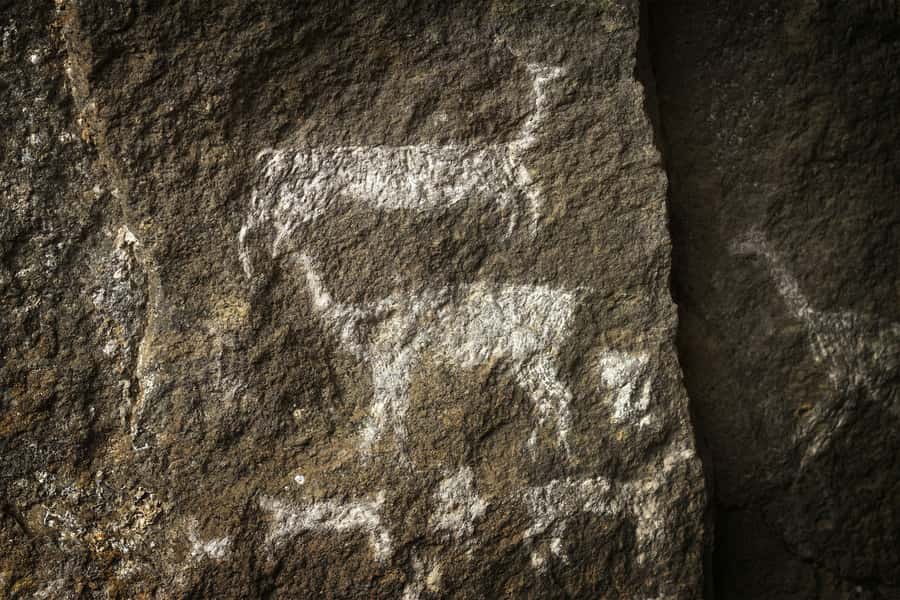
- Cave paintings nearby: an extra cultural stop that turns the day from scenery-only into history + place.
- A 40–60 minute glacier walk: enough time to feel like you earned it, without turning it into a full trekking day.
- Lagoons with big scenery energy: the day includes glacier lagoons, and some trips also feature a hot-water lagoon stop.
- Private option with lunch handled for you: unlike the shared option, lunch can be organized by the guide and driver.
From Huaraz Through Callejón de Huaylas Towns
This trip starts with hotel pickup in central Huaraz, and the local partner will message you the exact pickup time the day before. Plan to be ready in the lobby about 10 to 30 minutes before that window. It’s a small detail, but it keeps the whole day moving.
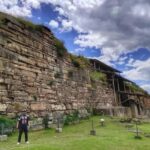
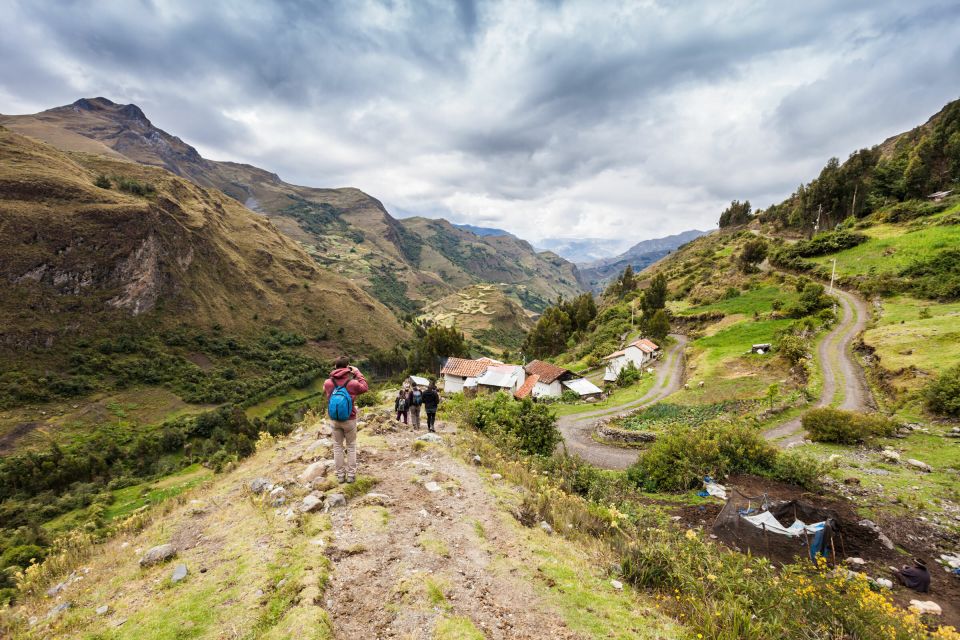
Once you’re on the road, you head southeast through the Callejón de Huaylas. The bus route doesn’t just go from point A to point B. It passes through traditional towns like Recuay, Ticapampa, and Catac, which matters more than it sounds. On glacier days, most people fixate on the final photo. Here, the in-between stops help you understand why these mountain communities live the way they do.
These town stops also break up the drive mentally. The day is only 9 hours, but you still feel it in the body—altitude, cold air, and long stretches seated in a vehicle. Having a few chances to look around and stretch helps you arrive in the park more steady and ready.
You’ll then reach Huascarán National Park, where the day shifts from “getting there” to “this is the reason you came.” That transition is one of the best parts of the itinerary design: you’re not thrown straight from the city into thin air and ice.
You can also read our reviews of more tours and experiences in Huaraz
Huascarán National Park: Lake of Seven Colors and Cave Paintings
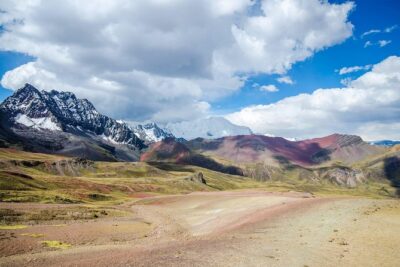
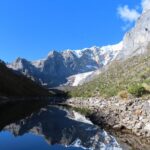
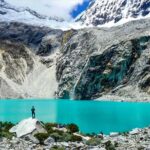
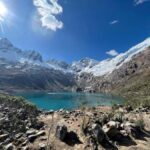
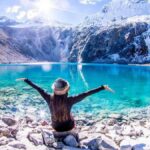
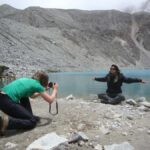
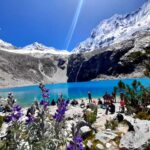
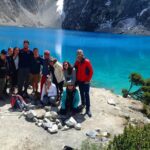
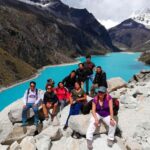
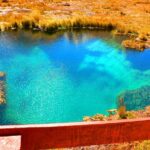
The main natural anchor here is Pumashimin Lake, often called the Lake of Seven Colors. The idea is simple: you visit the lake inside Huascarán National Park and take time to appreciate how the water and depth can show different tones. It’s the kind of place where the view can change as you shift your position, so it’s worth slowing down instead of rushing to the single best camera angle.
Right near the lake area, you also stop for nearby cave paintings. This is a big quality upgrade compared to day trips that only stack wildlife-photo stops. Cave paintings connect the modern landscape to the people who lived there long before tourists arrived. Even if you don’t read every symbol, you’ll feel the difference immediately: it’s not just scenery; it’s a record.
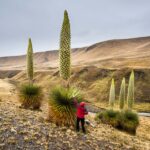
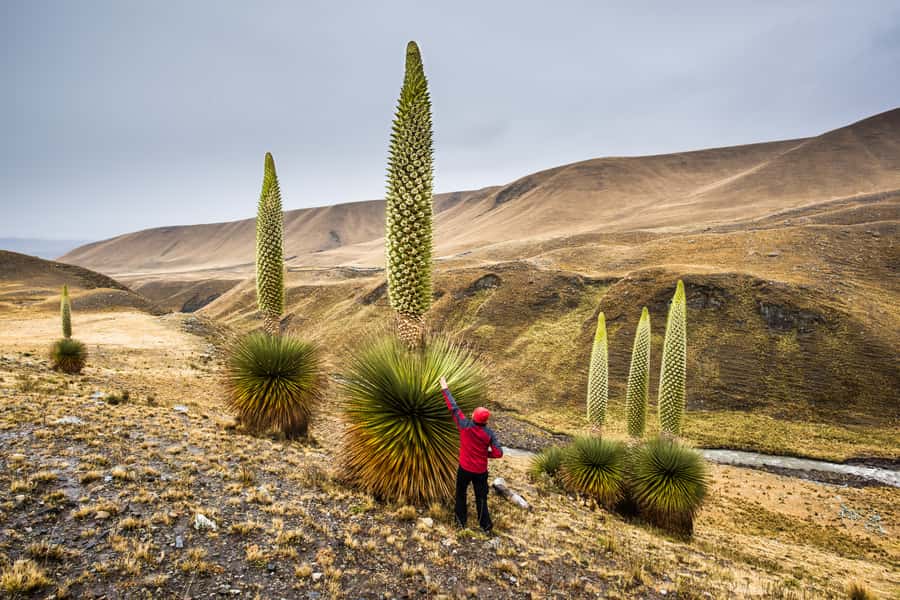
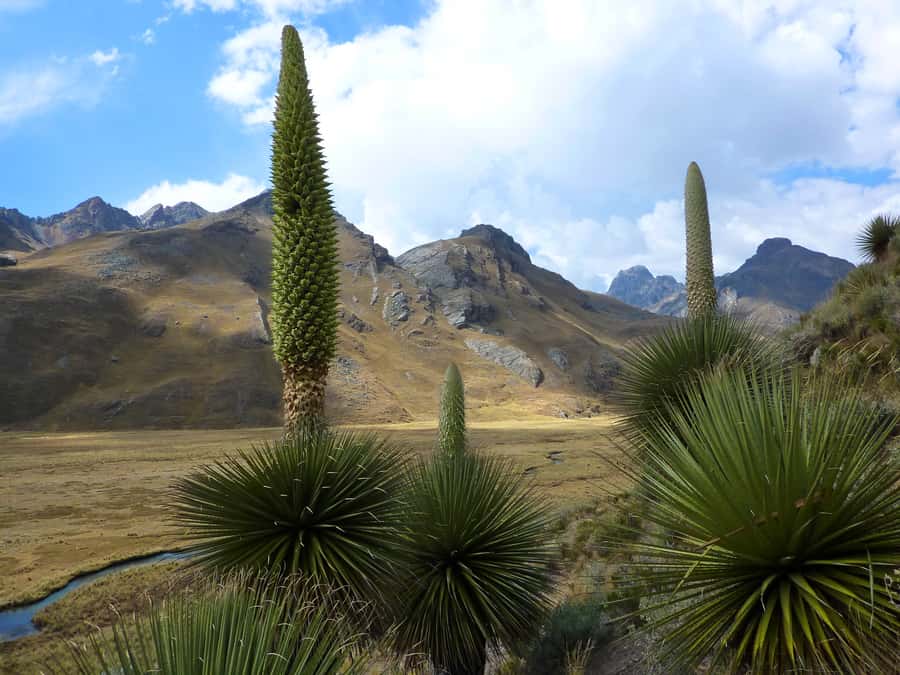
The park stop also gives you your first real sense of the mountain environment. The experience includes time to discover the flora and fauna of the region. You probably won’t be doing safari-style spotting, but you can expect chances to notice local plants and signs of wildlife from viewpoints and along the route.
Two practical tips for these park moments:
- Bring cash for anything that isn’t included, since you may want snacks or small drinks during the day.
- Expect cool, changeable light. In the high Andes, clouds roll through fast, and it changes how the water and glacier look.
This combo—lake + cave art + park ecology—turns a glacier day into a fuller hike-and-culture loop. It’s one reason the overall experience is rated so high for people who want more than a single stop.
The 40–60 Minute Walk to Pastoruri Glacier (and Altitude Reality)
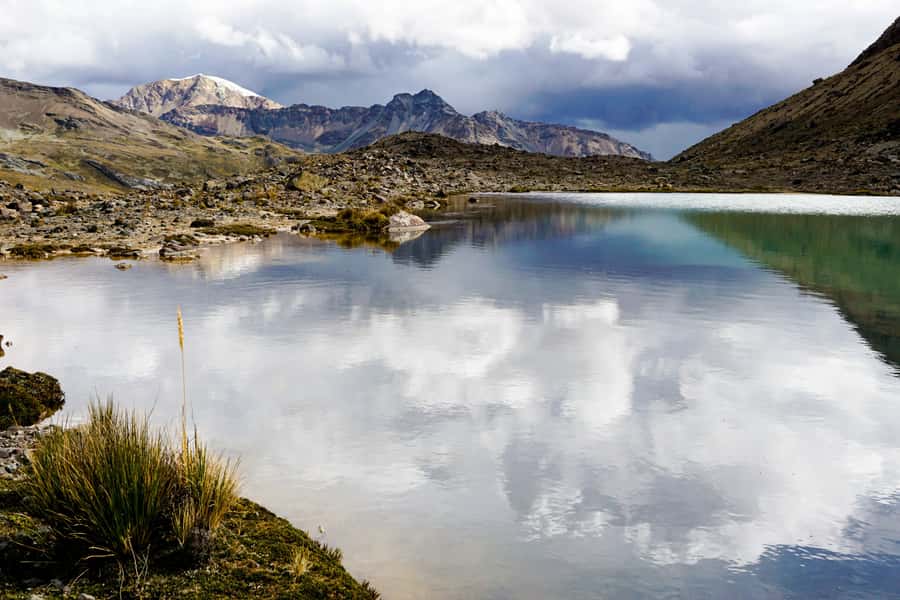
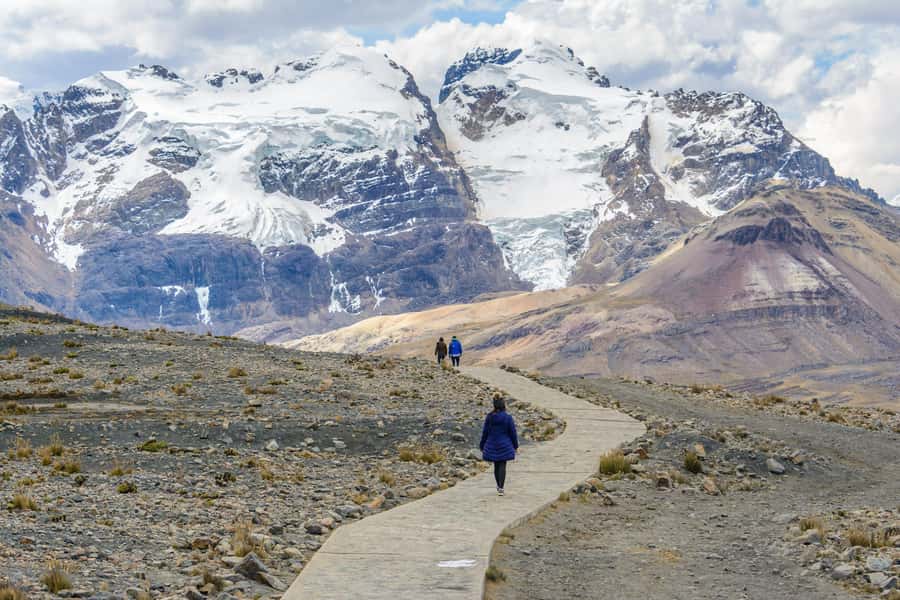
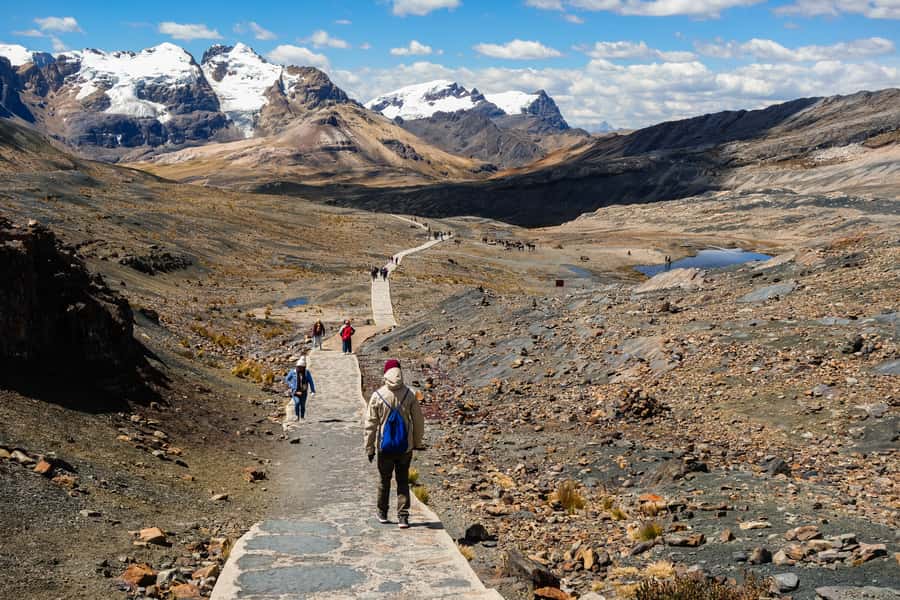
After the park visit, you trek for about 40–60 minutes toward the Pastoruri Glacier. That time window is a sweet spot: long enough to feel like you truly reached something special, but not so long that an entire day is just walking.
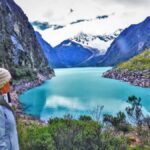
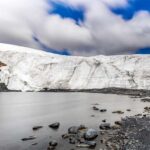
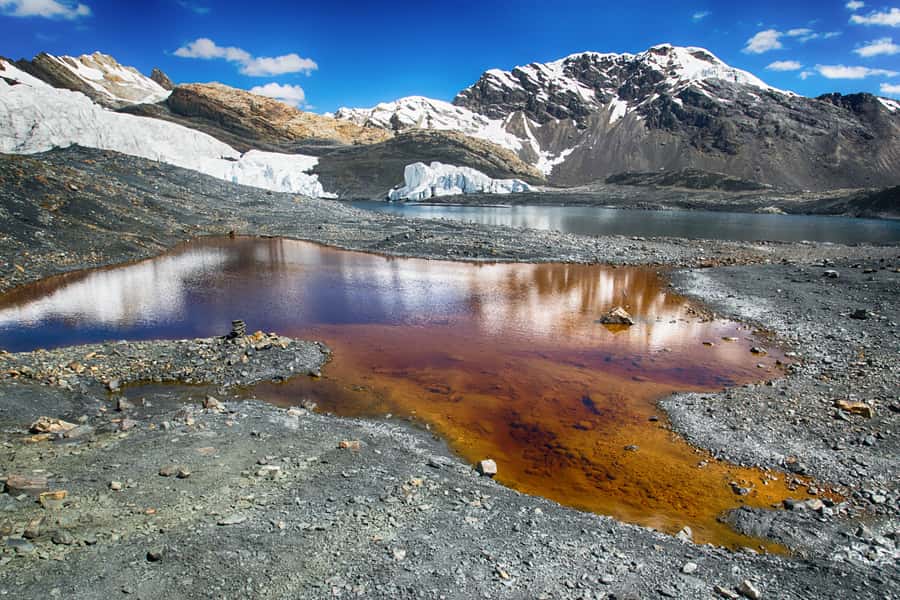
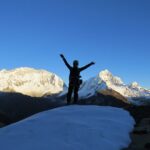
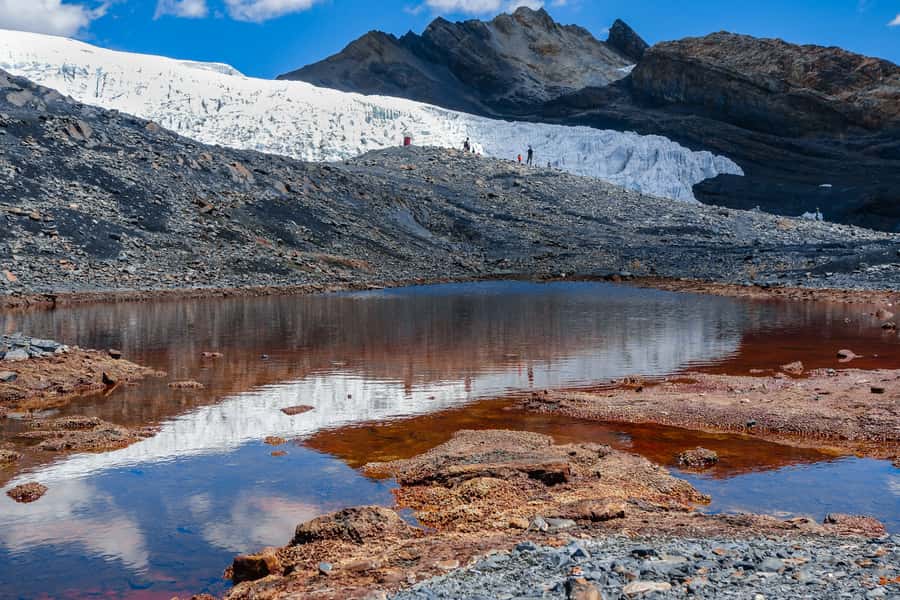
As you approach, the goal isn’t speed. You’ll want time to appreciate glacier formation and the lagoons in the area. This is where a good guide helps. The glacier can look like one big block of white from a distance, but up close you can start seeing the structure—how the glacier sits in the terrain, how the ice meets water, and why the surrounding shapes matter.
Now for the part you should plan around: altitude. Huaraz already puts you higher than sea level, and the glacier area is even higher. The tour isn’t described as extreme trekking, but it’s still a high-altitude environment, and cold can make exertion feel harder.
A real-life detail that stands out from the experience is that some groups get assistance from horses in the area, especially for people carrying kids or heavier items. That means the day is designed with practical help in mind, not just “walk and figure it out.” Still, you should be honest with yourself. If you struggle with breathing or get lightheaded at altitude, don’t treat this as an easy stroll.
Also consider what the day asks of you in motion:
- Bus ride (long sitting)
- Park time (standing)
- Trek (moving at altitude)
- Return drive
- Lunch and back to Huaraz
That’s why I tell people to come prepared for cold and wind, even if the morning looks calm.
Comfort, Photos, and How Lunch Fits In
Once you return from the glacier area, the trip heads to Ticapampa or Catac for lunch. In the shared tour, meals are not included; lunch costs about 35 soles per person at a restaurant in one of those towns.
This is a practical moment in the day because it resets you. You’re coming off cold, higher air, and a bit of exertion. A real meal helps you enjoy the last stretch back to Huaraz instead of feeling stuck in fatigue.
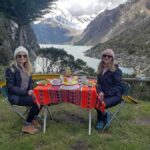
If you choose the private option, lunch changes. Lunch is included, and it’s served by the guide and driver. One review detail that really captures the feel: private groups can have a meal set up in a quiet scenic place at very high altitude, with hot drinks and full service. That’s not just comfort—it’s a chance to experience the mountains in a slower, more personal way.
There’s also a small, thoughtful private-group touch: the bus can stop in a quiet area with a scenic view. Again, it’s not about adding more “stuff.” It’s about giving you space to look, breathe, and let the scenery land.
If you’re traveling as a family, this kind of flexibility is a big deal. One account highlights that the tour supported a range of ages and included help for carrying needs. That doesn’t mean it removes all difficulty, but it suggests the operators plan for real-world situations.
And for anyone focused on photos: the best images happen when you stop chasing the perfect shot and instead pause long enough to let light and weather do their thing. This itinerary gives you those pauses without dragging out the day.
Price and What’s Included (Park Tickets Are the Big Add-On)
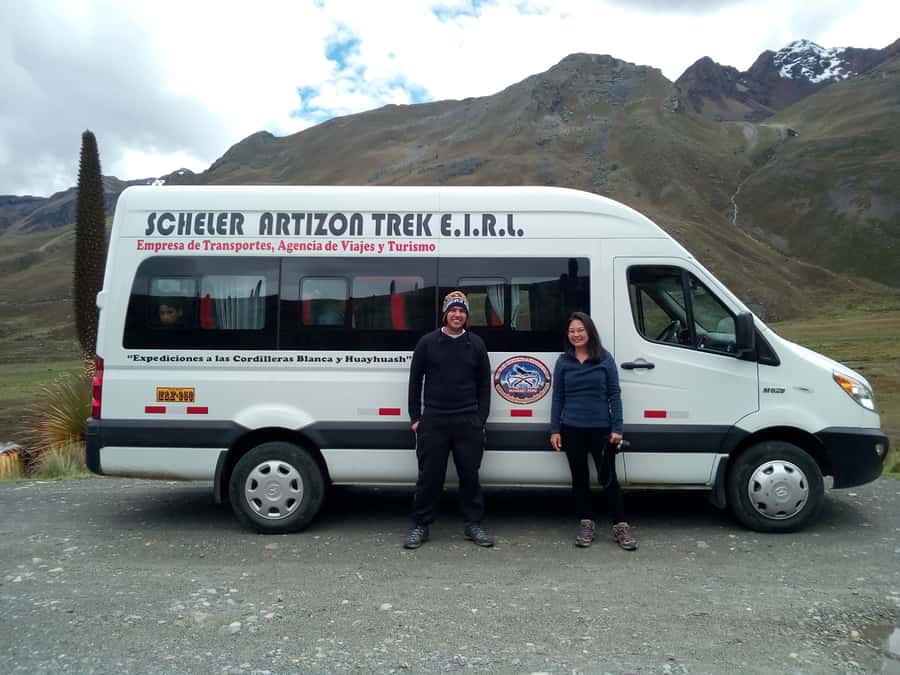
The published price is $265 per group. Value-wise, what you’re really paying for is not just the sightseeing—it’s the coordination: pickup, tourist transportation, and a live guide in English and Spanish. For a glacier day, that structure matters because the schedule has to work at altitude and in changing conditions.
Here’s the catch: you’ll likely add the Huascarán National Park entrance ticket on top. The entry fee is listed as:
- S/ 30 for foreigners (valid for 1 day)
- S/ 12 for Peruvian citizens with DNI (valid for 1 day)
Lunch is the second variable:
- Private option: lunch is included.
- Shared option: lunch is typically extra, around 35 soles per person.
So if you’re doing shared, your real day cost is the tour price plus the park entry plus lunch. If you’re doing private, you still add the park entry, but you don’t add lunch.
My take on value:
- If you want the easiest day and don’t want to manage logistics yourself, paying for transportation + guide is the smart move on a glacier route.
- If you’re comfortable handling a bit of extra cost for entry fees and meals, this becomes a strong option because the day covers more than one highlight: lake views, cave paintings, and a glacier walk.
Also, bring cash. The guide can’t run your entire day if you’re short on what’s required at the park and for lunch when it’s not included.
What to Bring for Snow, Rain, and Cold High-Andes Air
This day is high and can be cold, even when conditions seem manageable. The tour specifically suggests you bring:
- Passport or ID card
- Rain gear
- Snow clothing
- Cash
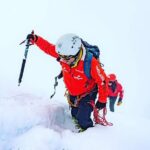
That list is worth treating like a checklist, not a suggestion. Pastoruri is a glacier environment, and weather can shift. Rain gear helps if you hit mist or passing showers. Snow clothing helps with wind chill and cold air that lingers near ice and higher elevations.
You’ll also want layers. A simple system works: warm base layer, insulation layer, and an outer shell. You’re moving during the trek but also standing during park stops and waiting for transport.
And one “leave it at home” note: pets are not allowed. If you’re planning around that for a family trip, double-check before you book.
Finally, remember you’re dealing with altitude. Hydration and pacing matter. Even if the trek is only 40–60 minutes, altitude fatigue can sneak up if you try to power through.
Who Should Book This Day Trip From Huaraz?
This is a strong fit if you want a full highlights day without turning it into a multi-day trek. You’ll cover:
- Traditional towns in the region
- Huascarán National Park
- Pumashimin Lake (Lake of Seven Colors)
- Cave paintings
- A glacier walk with time to see lagoons
It’s also a good choice if you want a guide who can explain what you’re seeing. The tour uses a live guide in Spanish and English, which helps you connect place names and natural features instead of just collecting photos.
Who should be cautious:
- The tour is explicitly not suitable for people with heart problems. Altitude and exertion are part of the experience, even if it’s paced.
- If you’re prone to altitude sickness, treat this as a serious medical planning item, not a casual day trip.
For families, this tour can work well because there’s evidence of practical help (including assistance like horses in the area). Still, plan for cold, uneven ground during the glacier walk, and the fact that the day is packed.
Should You Book the Pastoruri Glacier Day Trip?
Book it if you want a clean, structured day that hits the big three—Lake of Seven Colors, cave paintings, and a real Pastoruri Glacier walk—while still giving you cultural stops along the way. The private option also looks worth it if you prefer lunch handled for you and more time to enjoy views at a slower pace.
Skip it (or talk to a medical professional first) if altitude is a serious issue for you or if you know heart conditions will make high elevation unsafe.
If you’re a traveler who likes tours that are organized but not robotic, this one makes sense. The best part is that you’re not just going for an ice photo. You’re going for a day that explains the place, shows multiple highlights, and builds toward the glacier with a route that feels like it belongs in the Andes—not just a detour to get a postcard.
FAQ
How long is the Pastoruri Glacier day trip from Huaraz?
The tour duration is listed as 9 hours.
How long do you walk to reach the Pastoruri Glacier?
You trek for approximately 40 to 60 minutes to the Pastoruri Glacier.
Are Huascarán National Park entrance tickets included?
No. Entrance tickets are not included. The listed costs are S/30 for foreigners and S/12 for Peruvian citizens with DNI, both valid for 1 day.
Is lunch included?
Lunch is included only with the private option. For the shared option, lunch is not included and costs about 35 soles per person at a restaurant in Ticapampa or Catac.
Is hotel pickup included, and where do I wait?
Pickup is included from central Huaraz. You should wait in your hotel lobby 10 to 30 minutes before your scheduled pickup time.
What languages are available for the guide?
The live tour guide is available in Spanish and English.
What should I bring for this tour?
You should bring a passport or ID card, rain gear, snow clothing, and cash.
Is this tour suitable for everyone with health issues?
The tour is not suitable for people with heart problems.
Is free cancellation available?
Yes. You can cancel up to 24 hours in advance for a full refund.