REVIEW · HUARAZ
Ancash: Lagoon Route 69 – trekking guide |Full day|
Book on GetYourGuide →Operated by Uyuni Experience EIRL · Bookable on GetYourGuide
Laguna 69 delivers dramatic color and high-alpine views in one full day. The trek to this glacial lake is famous for a reason, with turquoise scenery and a jaw-dropping look up toward snow-capped Chacraraju. If you like hikes where the drive is part of the story, the Llanganuco Valley route adds a second layer of scenery before you even start climbing.
I particularly like the way the schedule gives you time to adjust: a sunrise-style departure from Huaraz, breakfast near the national park, then a photo stop at Chinancocha before the hike proper. The trek itself is well-paced for a one-day visit, with an ascent of about 3 hours and a descent of around 2, so the day feels achievable even when the altitude is doing its thing. One possible drawback: English support may be thinner than you expect, and the return timing can run later than the stated arrival.
In This Review
- Key points I’d focus on before you go
- Why Laguna 69 (Route 69) feels so special in Huascarán National Park
- 5:00 a.m. departure from Huaraz: the long drive that pays off
- Llanganuco Valley warm-up: Chinancocha and Orconcocha on the way in
- Cebollapampa trail start: what the 3-hour ascent really means
- The viewpoint-to-lake moment: why the turquoise hits hardest here
- Descent back to Cebollapampa: the “only 2 hours” warning
- Guide language (English/Spanish) and how to protect your experience
- Small-group format (max 15): quieter hiking, better odds of fitting your pace
- What to pack for a full-day glacier-lake trek starting at 5:00 a.m.
- Price and value: what you’re really buying for your full day
- Should you book Laguna 69 Route 69?
- FAQ
- Where is this trekking tour located?
- How long is the experience?
- What time does the tour depart from Huaraz?
- How long is the hike, and what does it include?
- Are guides available in English?
- Can I cancel for a full refund, and is pay-later available?
Key points I’d focus on before you go
- Iconic Laguna 69 turquoise: the payoff is the color plus the steep mountain backdrop
- Llanganuco Valley warm-up: quick stops at Chinancocha and Orconcocha keep the day interesting before the climb
- Clear trail timing: about 3 hours up and 2 hours down helps you plan your effort
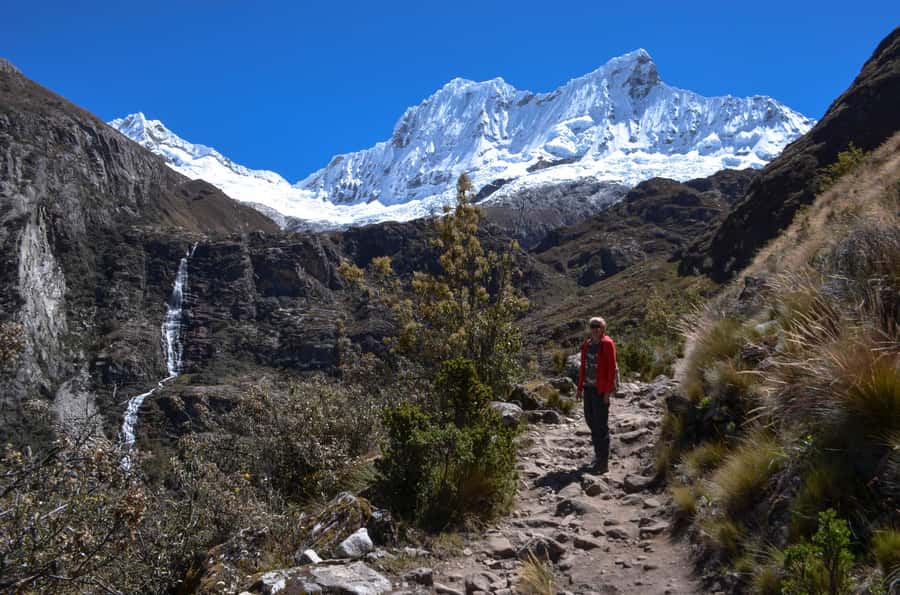
- Big Chacraraju views: you’ll get a clear look toward 6,108 m snow-capped peaks
- Small-group hiking: limited to 15 participants, which usually means less crowd pressure
Why Laguna 69 (Route 69) feels so special in Huascarán National Park
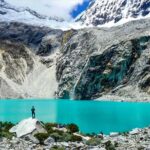
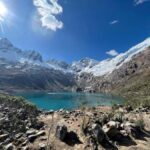
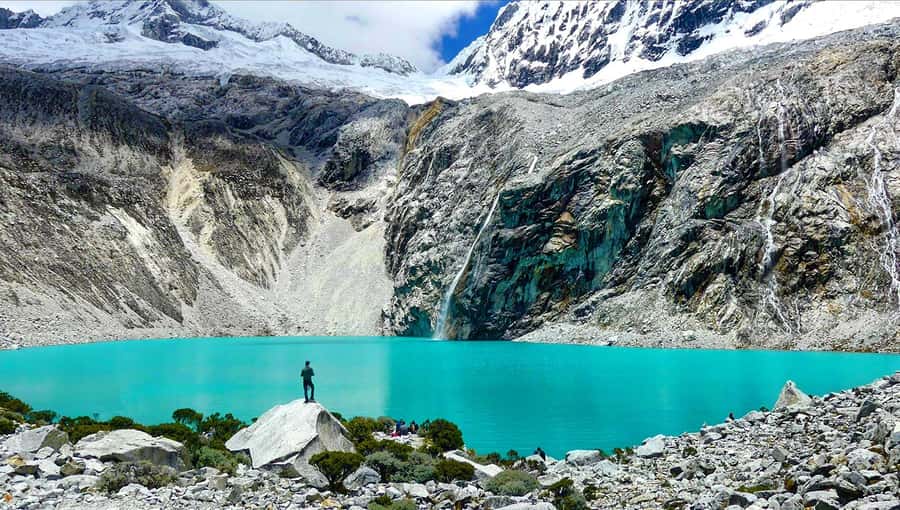
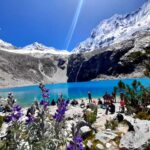
Laguna 69 sits inside Huascarán National Park, and it’s widely treated as one of the most impressive day treks in the Cordillera Blanca region. What makes it stand out is simple: it’s a glacial lake with that intense, bright turquoise tone that doesn’t look like photos once you’re there. It hits best when you slow down and really look—especially when the mountains line up in the background.
The other part of the “wow” factor is Chacraraju. You’re not just staring at water; you’re looking up at a dramatic snow-capped peak, listed at 6,108 meters. That height detail matters because it signals scale. Even if you don’t track altitudes all day, your body feels the altitude and your eyes notice the seriousness of the mountains.
Also, this hike isn’t a “walk in a straight line and done” situation. You’re climbing, dropping, and then walking from a viewpoint down toward the lake area. That extra movement turns it from a quick stop into an actual outing—one that feels like it belongs in a national park, not a roadside photo pull-off.
You can also read our reviews of more tours and experiences in Huaraz.

5:00 a.m. departure from Huaraz: the long drive that pays off
The day starts early: around 5:00 a.m., leaving Huaraz by tourist transportation (private or shared). The route heads north, passes through Yungay, and then turns into the national park approach. If you’ve ever wondered why so many Peru day hikes start before sunrise, this is your answer: the early timing helps you reach the trailhead and enjoy the hike before the day heats up and visibility changes.
You’ll stop for breakfast in Huashao, at a tourist restaurant near the park. I like this structure because it gives you one real chance to eat before the climb, rather than trying to force breakfast right at 4:45 a.m. in your hotel room.
One thing to keep in mind: you’ll be on a vehicle for much of the morning. That’s not a dealbreaker—many people enjoy the scenery windows on the way to Llanganuco—but it does mean your day is built around driving. If you’re the type who wants only walking time, this may feel like more “transfer” than you expected. Still, the payoff is that your hike comes with a built-in scenic road trip through the Callejón de Huaylas corridor.
Llanganuco Valley warm-up: Chinancocha and Orconcocha on the way in
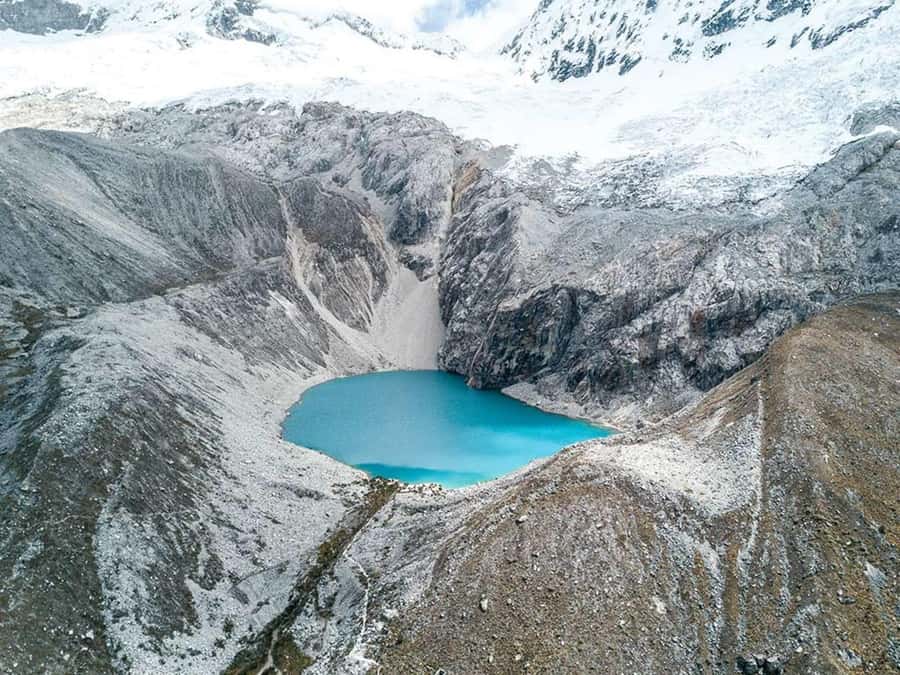
Before you step onto the trail, the itinerary threads you through the Llanganuco Valley area, including stops at Chinancocha and Orconcocha. These are not just random lakes on a route—they act like a preview, so you start thinking in terms of glacial scenery and high mountain textures before you reach Laguna 69.
In Chinancocha, there’s a brief stop of about 10 minutes for photos. Ten minutes sounds short (because it is), but it works in practice: enough time to get your bearings, take your first lake photos, and then move on. If you’re traveling with someone who wants to stop longer for photos, this is where you’ll have to manage expectations. The day is tightly built around the main hike.
The visit to Orconcocha keeps your eyes oriented toward mountain water patterns along the valley. Even if you don’t get a long stay there, it adds a sense that Laguna 69 isn’t an isolated destination. It’s part of a chain of glacial lakes and valleys inside Huascarán National Park, and that context makes the final viewpoint feel even more earned.
Cebollapampa trail start: what the 3-hour ascent really means
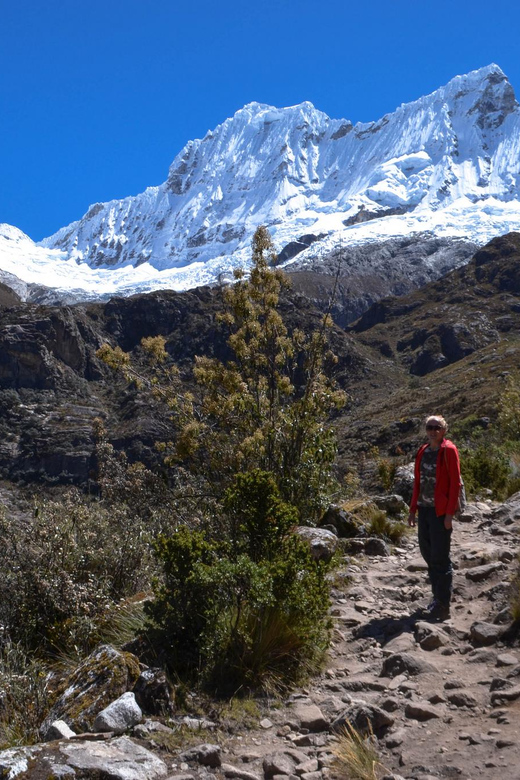
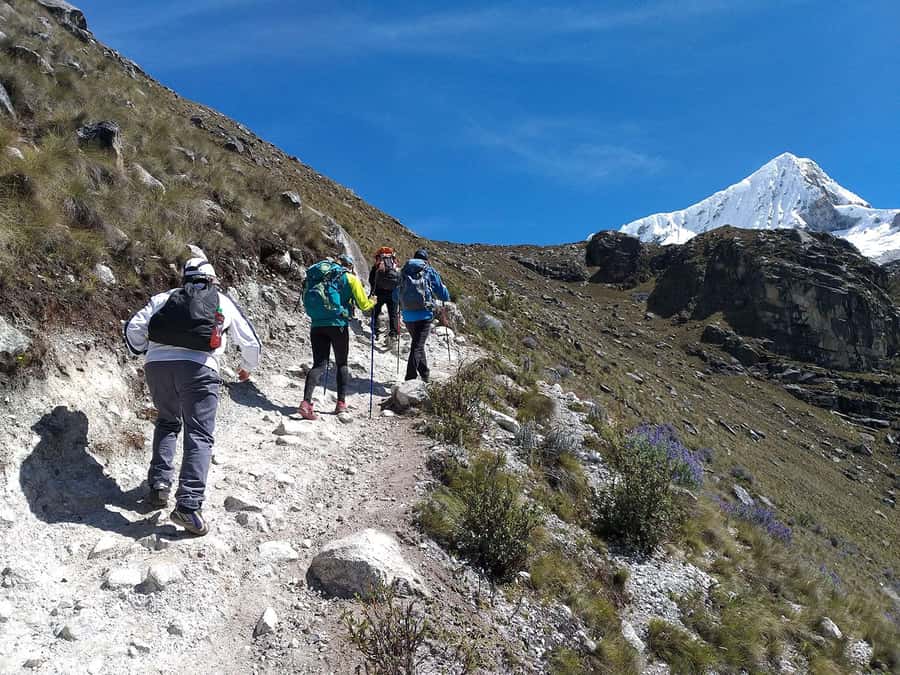
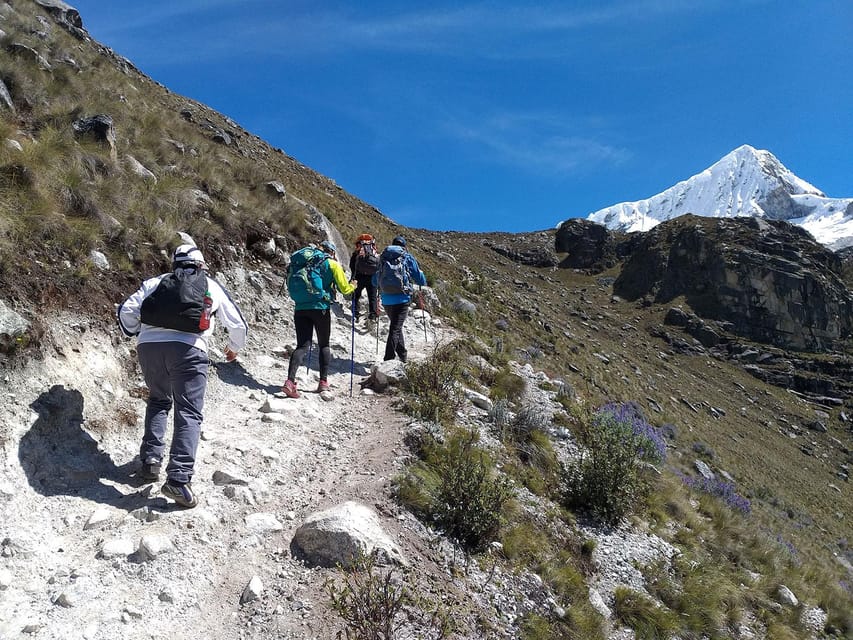
Once you reach Cebollapampa, that’s where the trek begins in earnest. The schedule calls for an ascent of about 3 hours, which is a useful planning marker. It suggests a steady uphill effort rather than a frantic sprint. Translation: you should expect to breathe harder, take short breaks as needed, and keep your pace controlled.
This is also where mental strategy matters. The climb is long enough that you’ll feel the altitude and the slope, but short enough that smart pacing keeps it enjoyable. I recommend you treat the ascent like a conversation with the mountain: slow, steady, and rhythmic. If you start too fast in the first hour, the second hour will remind you.
You’ll be moving through impressive scenery around the trail—exact details can vary with weather and visibility, but the general idea is clear: you’re in an alpine corridor where views open up as you gain elevation. On these hikes, the best advice isn’t flashy gear; it’s pacing and attention. Look up from time to time, not just down at your footing.
The viewpoint-to-lake moment: why the turquoise hits hardest here
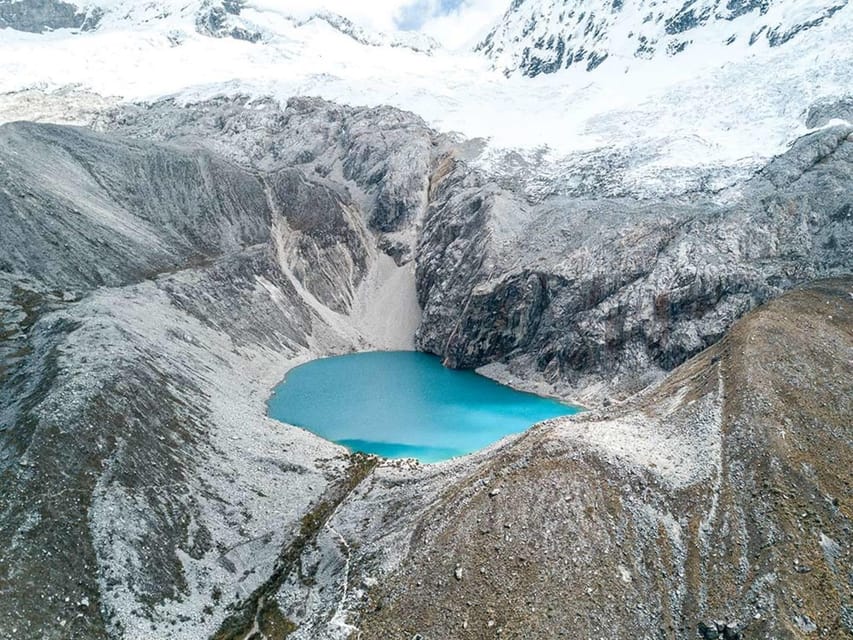
After the climb, you arrive at Laguna 69 and get the big payoff. The standout feature is the lake’s spectacular turquoise color, paired with that imposing backdrop toward Chacraraju. This combination is what makes Laguna 69 so often recommended: water color you can’t stop staring at, plus a mountain wall feeling that makes you slow down and look longer than you planned.
You’ll also have the experience of walking from the viewpoint to Lake 69. That detail is more important than it sounds. A lot of hikes end right at the viewpoint, then you turn around. Here, you’re moving closer. That changes the perspective and makes the lake feel like a real destination rather than a distant picture.
Plan for moments where you just stand and let it sink in. The schedule gives you time to contemplate the view, and that’s the whole point of this hike. If you rush for photos, you miss the best part: the color looks different depending on where the light hits, and with the mountains in frame, your brain keeps recalculating how big everything is.
You can also read our reviews of more hiking tours in Huaraz
Descent back to Cebollapampa: the “only 2 hours” warning
After the lake stop, you return to Cebollapampa, where your transportation will be waiting. The descent is listed at about 2 hours. This can feel deceptively easier than the climb, but don’t treat it like a casual walk. Going downhill can be tougher on your knees and ankles because your muscles are working differently than on the way up.
This is the part of the day where your planning needs to shift from effort to control. Keep your steps shorter, watch your footing, and take breaks before you’re tired enough to slip into bad form. If you’re using trekking poles, this is typically where they help most—but you’ll need to bring them only if you already know how to use them comfortably.
Once you’re back at Cebollapampa, the day turns back into logistics: the bus ride and the return to Huaraz. The itinerary says you arrive around 6:00 p.m. on the way back following the same route. In the real world, small delays can happen—especially with road timing and group management—so keep the evening flexible if you have plans right after.
Guide language (English/Spanish) and how to protect your experience
This tour lists a live tour guide in English and Spanish. In an ideal world, you’d get clear, balanced translation so everyone follows the story and the safety info. But there’s a practical risk for English speakers: the guide may end up explaining more in Spanish than you want, particularly when the day gets busy and people ask questions.
So here’s how you protect yourself: if English support is crucial, don’t just rely on the headline language. Ask ahead whether the guide will provide full explanations in English throughout the trek, not only bits of it. If you’re comfortable catching the basics in Spanish, this won’t be as stressful. If you’re not, it’s worth clarifying before you book.
The same goes for timing. The day is usually built around a return by early evening, but the drive back can run longer than the advertised arrival. If you’re taking an overnight bus or making tight dinner plans later, I’d give yourself cushion.
Small-group format (max 15): quieter hiking, better odds of fitting your pace
With a small group limited to 15 participants, you’re less likely to feel like you’re herding cats on the trail. That matters on a hike like this, where the climb pace can vary by person, and where frequent “stop and start” can slow down everyone.
Small-group size also tends to improve the overall vibe. You’ll have more space to take photos without needing to squeeze around a crowd. It can make the viewpoint and lake moments feel more personal, even though Laguna 69 is popular.
That said, a small group doesn’t mean you control the schedule. The itinerary includes timed stops—like the brief 10-minute photo moment—so your best experience comes from going with the flow and using the time you have wisely at each stop.
What to pack for a full-day glacier-lake trek starting at 5:00 a.m.
You’re hiking in Huascarán National Park conditions, which typically means cold mornings and big temperature swings throughout the day—even when the sun is out. So pack for layers, not one “magic temperature” outfit.
At minimum, you’ll want:
- Layering basics (a warm mid-layer and a wind-resistant outer layer)
- Hiking shoes or boots with grip for uneven ground
- Gloves and a hat for early morning chill
- Water (and a few snacks for when hunger hits during the ascent)
- Sunscreen and sunglasses since high-altitude sun can be intense
Even though your hike is “only” one day, it’s still a proper mountain outing. Bring what keeps you comfortable for the climb and the downhill fatigue. If you’re the type to get cold easily, treat the morning as the key risk window.
Price and value: what you’re really buying for your full day
I can’t see the exact price here, but I can still help you judge value. A Laguna 69 day trek like this is usually worth it when the package saves you the headache of logistics: early transportation, trail support from a live guide, and a planned route that takes you through the Llanganuco Valley before the hike.
You’re also not just paying for the final lake. You’re paying for:
- the morning drive into Huascarán National Park
- the structured warm-up stops at Chinancocha and Orconcocha
- the guided trek timing (about 3 hours up / 2 hours down)
- the return ride to Huaraz so you’re not stuck arranging transport at the end of a long day
If you’re comparing options, the biggest value signal is whether the guide actually supports you on-trail and whether the schedule is realistic for your group. If English clarity is important for you, confirm that before you commit. If you’re okay with Spanish or with your own navigation instincts, you’ll likely enjoy the trek more because the scenery does most of the work.
Should you book Laguna 69 Route 69?
If you want one day that delivers serious views—Laguna 69’s turquoise color plus a clear mountain backdrop toward Chacraraju—this hike is a strong choice. The combination of a scenic valley drive, quick lake stops, and an actual uphill-and-downhill trek makes the day feel like more than a checklist item.
I’d book it if you’re physically comfortable with a 3-hour ascent and a 2-hour descent, and if you can handle early-morning start times. I’d also book it if you enjoy small-group hiking (max 15) where you can take your time at the important moments.
I’d hesitate only if you’re relying on the guide for detailed English explanations throughout the whole hike, or if you have strict timing constraints later the same evening. In those cases, ask pointed questions before you go, and build in buffer time for the return.
FAQ
Where is this trekking tour located?
It’s in Ancash, Peru, within Huascarán National Park.
How long is the experience?
The tour duration is listed as 1 day.
What time does the tour depart from Huaraz?
The departure from Huaraz is scheduled for around 5:00 a.m.
How long is the hike, and what does it include?
The hike includes an ascent of about 3 hours and a descent of about 2 hours, with time at Laguna 69. You’ll also walk from the viewpoint to the lake.
Are guides available in English?
Yes. The tour lists a live guide in English and Spanish.
Can I cancel for a full refund, and is pay-later available?
Yes. There is free cancellation up to 24 hours in advance for a full refund, and it’s offered with a reserve now & pay later option.