REVIEW · HUARAZ
From Huaraz: Tour to the Pastoruri Glacier and Puya Raimondi
Book on GetYourGuide →Operated by Turismo iPeru · Bookable on GetYourGuide
Glacier time starts with bubbly springs. This full-day route is interesting because it mixes big views of the Cordillera Blanca with a one-hour hike to Pastoruri Glacier, plus a detour to carbonated water at Puma Pampa. The main drawback to consider is the lunch stop: it is not included, and the meal/service quality can be hit or miss.
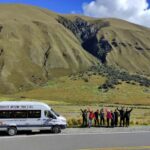
You’ll get picked up in Huaraz between 8:30 and 9:15 AM and ride out with a guide who works in English and Spanish. Plan on a long day with several walks and viewpoints, and bring rain gear even if the morning looks sunny.
Key highlights you will actually care about
- Puma Pampa carbonated water: see the source tied to the region’s natural springs
- Cordillera Blanca mountain stops: Parco gives you early scenic payoff
- San Patricio Cave and Pato Cocha Lake: a nature-and-scenery mix with local wildlife spots
- Puya Raimondi sightings: you’ll pass through the area where these famous plants grow
- Pumapashimin Lagoon to Pastoruri: your hike is about an hour, then you descend and continue
- Long day, clear endpoint: back in Huaraz between 6:30 and 7:00 PM
In This Review
- The big picture: a long glacier day with real variety
- Pickup in Huaraz and the route pace you should expect
- Parco viewpoints: seeing the Cordillera Blanca before you hike
- Pato Cocha Lake: a calm nature stop with wild ducks
- San Patricio Cave: a sidebar that adds intrigue
- Puma Pampa’s carbonated water source: the odd detail you’ll remember
- Puya Raimondi: famous high-Peru plants on the way to Pastoruri
- Pumapashimin Lagoon hike: the main effort (about one hour)
- Pastoruri Glacier: viewpoints, then time to descend
- The lunch stop at a tourist restaurant: go in with realistic expectations
- Skipping tickets and having a guide: what you’re really buying
- Price and value: $31 isn’t the whole cost
- Comfort, safety basics, and who should skip it
- Should you book the Pastoruri and Puya Raimondi day tour?
- FAQ
- What time does pickup happen in Huaraz?
- How long is the tour?
- Is the entrance ticket included?
- Are meals included?
- What languages will the guide speak?
- What should I bring?
The big picture: a long glacier day with real variety
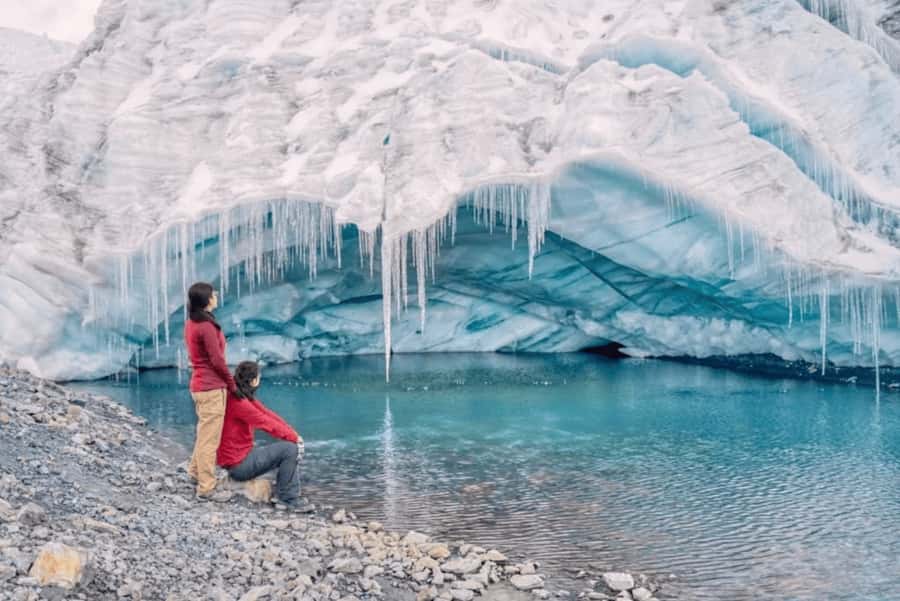
This is not just a glacier bus ride. You’re out roughly 570 minutes (about 9.5 hours), and the day is built around changing scenery: viewpoints, lakes, a cave stop, the carbonated water source, then a hike to a glacier.
That mix matters because Pastoruri is the headline, but the route also gives you “connective tissue” to understand the high Andes around Huaraz. If you only go straight to the ice, you miss the rest of the story. If you like tours that move at a steady pace while still stopping for photos, this one fits.
You should also know the tour uses guided stops rather than a free-form itinerary. That is good for time management. It also means you don’t control the rhythm—so if you hate rushing, keep that in mind.
Pickup in Huaraz and the route pace you should expect
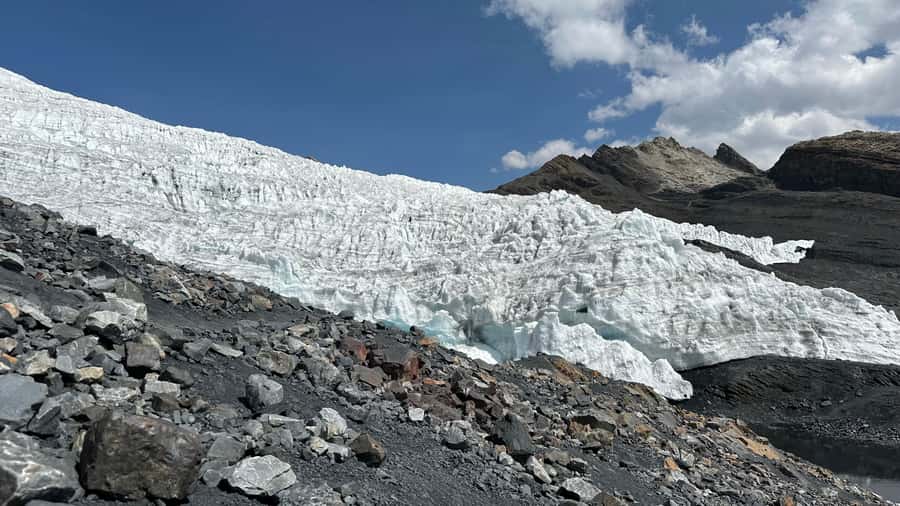
Pickup is scheduled between 8:30 and 9:15 AM, and your return is 6:30 to 7:00 PM. A day like this is easier when you treat it as one big block: snacks, water, and patience.
One practical note: pickup and drop-off can be imperfect. In one case, someone was left a short walk from the hotel and had to walk nearly 20 minutes to get back. You might not have the same experience, but I’d suggest confirming your exact pickup point with the operator when you book, especially if you’re staying in a small street or an area with confusing access.
You can also read our reviews of more tours and experiences in Huaraz.
Parco viewpoints: seeing the Cordillera Blanca before you hike
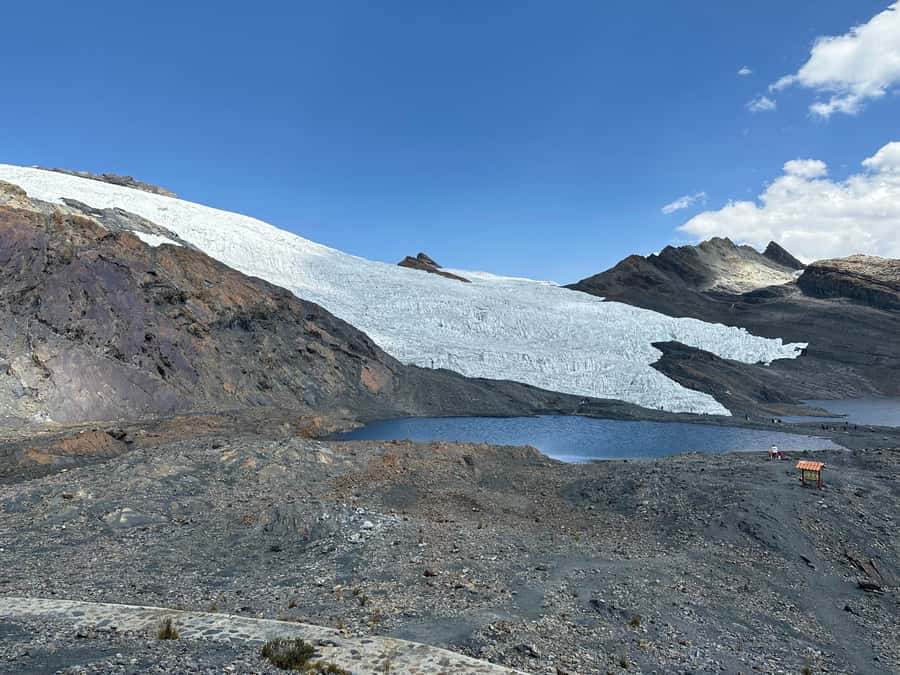
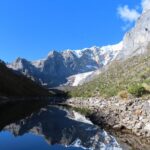
The first major scenery stop is Parco, where you’ll admire the mountains of the Cordillera Blanca. This matters because it sets expectations. From the start, you’re seeing the kind of scale that makes Pastoruri feel believable rather than random.
Think of Parco as your warm-up for altitude-and-weather reality. Even if the hike is your main effort, the views come from the whole day, not just the glacier moment. You’ll also have a chance to get your bearings and figure out what kind of photos you want—wide shots of ridgelines or tighter shots near the peaks.
Pato Cocha Lake: a calm nature stop with wild ducks
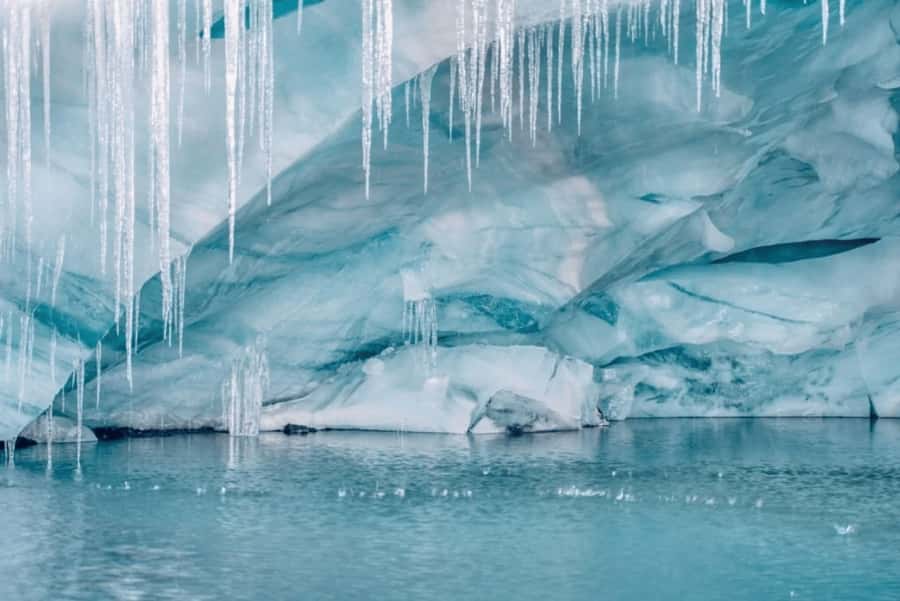
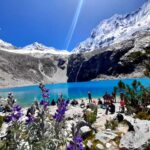
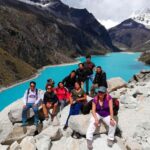
Next, you’ll visit Pato Cocha Lake, known for local wild ducks. This stop is quieter than the glacier part, which is exactly why it works. After driving and mountain viewpoints, a slow lake moment helps you reset before the more physical segment.
I like stops like this because they keep the day human-scale. You’re not only looking up. You’re watching movement at water level—birds, shoreline shapes, and the way light changes over the surface.
San Patricio Cave: a sidebar that adds intrigue
Your route includes the San Patricio Cave. This is the kind of stop that gives the day texture. A glacier hike can be purely visual, but a cave adds a different angle: geology and temperature shifts.
The cave stop can be short compared with the hike, but it’s often the thing that breaks up the day in your memory. If you enjoy odd stops—things that feel less standard than just lakes and peaks—this one is worth it.
Puma Pampa’s carbonated water source: the odd detail you’ll remember
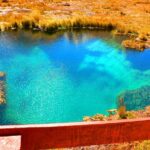
One of the highlights is Puma Pampa, famous for a carbonated water source. This isn’t the usual “pretty waterfall” stop. It’s a more specific natural feature, and it makes the tour feel anchored in the region’s real phenomena.
If you’re curious about how nature creates small marvels, this is a good moment to pay attention. Even if you don’t know the science, you’ll see why the stop is singled out: it’s a distinct attraction on the route, not just a quick photo pull-off.
Puya Raimondi: famous high-Peru plants on the way to Pastoruri
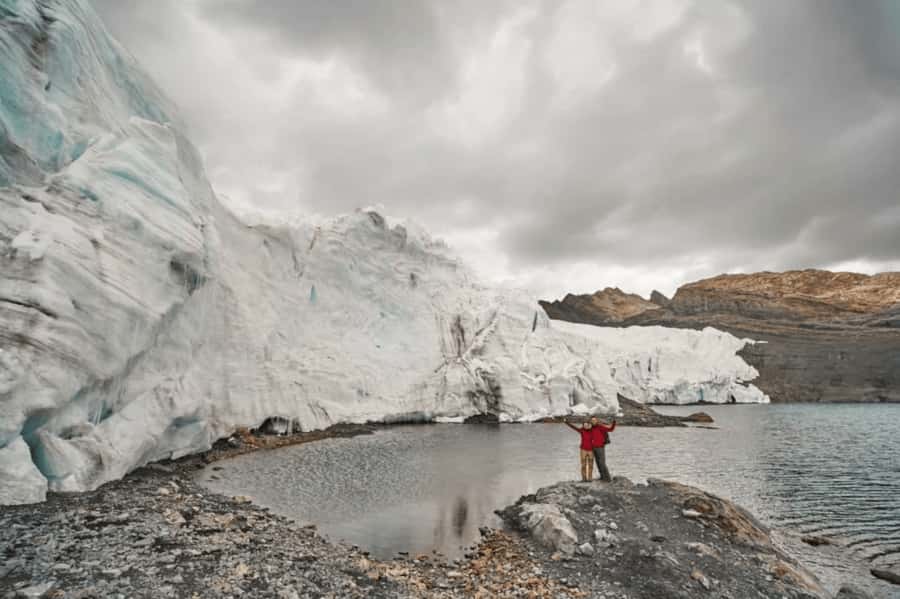
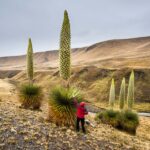
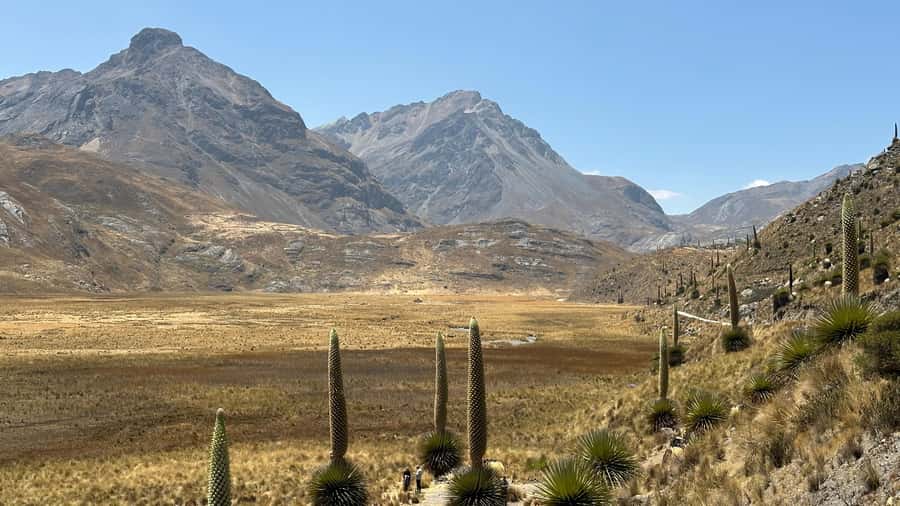
You’ll also be visiting the area tied to Puya Raimondi, a plant that people travel to see in Peru. In a day like this, it’s easy for vegetation to become background, but Raimondi deserves attention because it’s not ordinary.
Use this time to look closely at the way the plant forms and how it fits into the harsh high-altitude environment. If you’re the type who reads labels and looks for patterns, you’ll enjoy this stop more than you might expect.
Pumapashimin Lagoon hike: the main effort (about one hour)
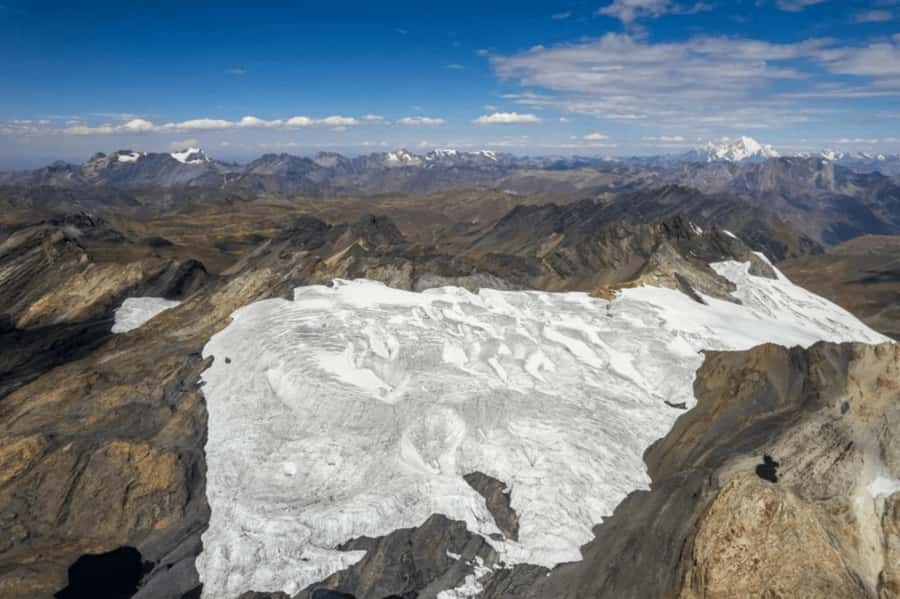
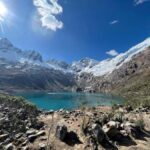
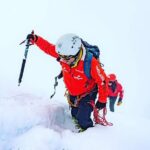
Now we get to the core experience: from Pumapashimin Lagoon, you’ll do an about one-hour hike to reach the Pastoruri Glacier.
Here’s what I’d plan for:
- Shoes matter. Comfortable shoes are the priority, because this is a hike segment, not a stroll.
- Weather can change. Rain gear is recommended, and I agree. Glacier areas can get misty and damp.
- Expect a payoff at the end. The glacier moment is the reason you’re doing this hike.
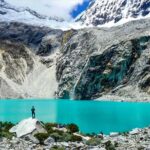
What I like about this design is that the glacier isn’t dropped on you out of nowhere. You walk from a lagoon setting, so the final view connects water and ice. Also, Pastoruri is described as part of a climate change route, so the glacier visit feels like more than a photo opportunity. Even without a long lecture, the framing matters: you’re seeing a real environmental focal point.
Pastoruri Glacier: viewpoints, then time to descend
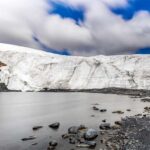
Once you arrive, you’ll marvel at the glacier, then descend and continue to the next part of the day. The tour is structured so you don’t only sprint through. You get time to look, take photos, and feel the scale.
A practical tip: keep your eyes on the ground and on the glacier in turns. Conditions near ice can be slippery, and if the weather shifts, visibility can change fast. I’d rather you arrive steady than rush your shots and slip.
The lunch stop at a tourist restaurant: go in with realistic expectations
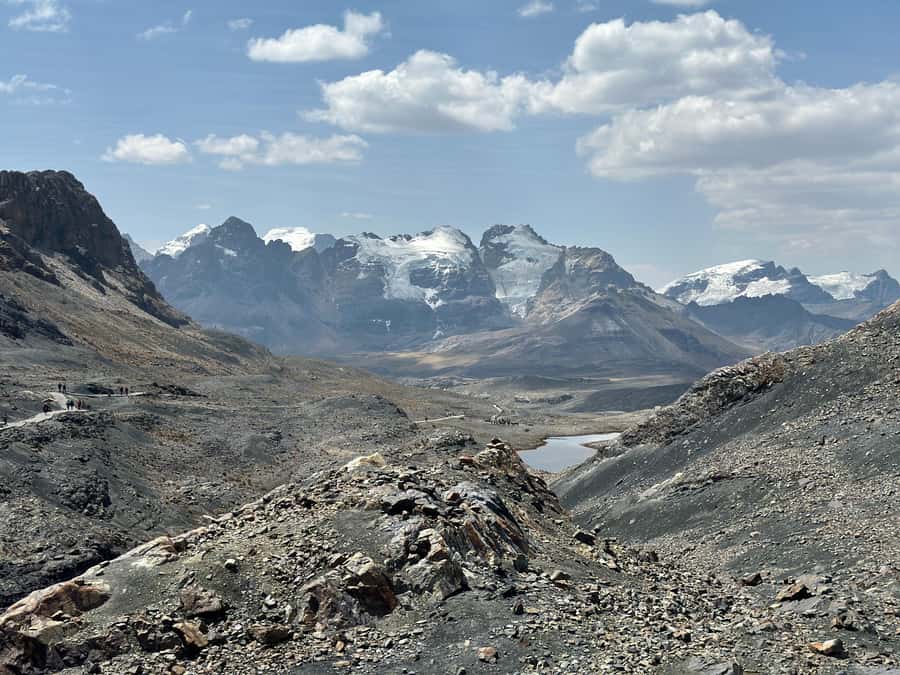
After the glacier, you’ll proceed to a tourist restaurant for lunch. Meals are not included, so you’ll pay for food separately.
One review flagged the lunch location as the weakest point, with complaints about service and food hygiene. I can’t guarantee what you’ll experience, but it’s enough to change how you should plan. If you’re sensitive about food quality or hate waiting for rude service, you may want to bring a backup plan mindset—like carrying a small snack or keeping your expectations modest.
This is also where the day’s timing can matter. If you’re hungry after a hike, you might feel more frustrated by slow or mediocre service. Prepare accordingly.
Skipping tickets and having a guide: what you’re really buying
You’ll have transportation and a live tour guide. The guide is listed for English and Spanish, though some tours note the guide may speak a little English—so don’t assume full English narration the entire time. For me, the guide’s value here is simple: they help manage the day and keep your stops connected.
The tour also notes skip the ticket line, which helps on high-traffic days. Still, there is an admission ticket you’ll pay separately: S/30 (about US$8). That extra cost isn’t huge, but it is real money you should budget in before you go.
Admission and meals add up, so let’s talk value.
Price and value: $31 isn’t the whole cost
At $31 per person, the base price is decent for a full-day tour that includes transportation plus a guide, and that gets you to multiple named stops.
But you should factor the extras:
- Admission ticket: S/30 (US$8) not included
- Meals: not included
So your real “out-the-door” budget depends on lunch. Even then, the day has a lot packed into it: multiple stops (Parco, Pato Cocha, Puma Pampa, San Patricio Cave, Puya Raimondi area), plus the big hike and glacier visit.
Where the value shines is the mix. You’re not paying just for Pastoruri. You’re paying for a whole arc of scenery and natural features in one go, without having to map everything yourself from Huaraz.
Comfort, safety basics, and who should skip it
This tour is designed for people who can handle a long day with a hike segment. It is not suitable for wheelchair users.
From the practical side, bring:
- Comfortable shoes
- Rain gear
That’s the official list, and I agree with it. The hike part makes shoes non-negotiable.
I’ll also mention a note from one review: the person recommended not taking children because some participants got sick and had to be taken for medical attention, which created an uncomfortable detour. I’m not saying that will happen to you, but it does support a clear guideline: if you’re traveling with kids, consider whether they can handle a long day, a hike, and changing conditions without getting overwhelmed.
Also keep in mind the day includes several walking segments. Even if the glacier hike is around an hour, the rest of the stops often involve standing, short walks, and moving between viewpoints.
Should you book the Pastoruri and Puya Raimondi day tour?
If you want a Pastoruri Glacier visit with more than just the ice, I’d say yes, especially if you like tours that cover lakes, caves, and unique natural features. The carbonated water source at Puma Pampa and the hike from Pumapashimin Lagoon are the kind of details that make this feel like a full experience rather than a single stop.
I’d pause before booking if:
- You’re very picky about lunch quality and hygiene, given the lunch stop feedback
- You need a tour that goes easy on children or on anyone prone to getting sick on hikes (there’s at least one reported case of serious discomfort)
- You can’t manage walking and a one-hour hike segment
If you’re an adult traveler making a one-time trip from Huaraz and you want the glacier plus the surrounding highlights, this tour is a strong match. Just budget for the S/30 admission, plan your meal expectations, and show up with solid shoes and rain gear.
FAQ
What time does pickup happen in Huaraz?
Pickup is scheduled between 8:30 AM and 9:15 AM. You should wait in the hotel lobby about 10 minutes before the scheduled pickup.
How long is the tour?
The total duration is about 570 minutes (roughly 9.5 hours).
Is the entrance ticket included?
No. You pay an admission ticket of S/30 (about US$8).
Are meals included?
No. Lunch at a tourist restaurant happens during the tour, but meals are not included in the price.
What languages will the guide speak?
The tour lists English and Spanish for the live guide.
What should I bring?
Bring comfortable shoes and rain gear.