REVIEW · CUSCO
From Cusco: Titicaca Lake – Full day tour with sleeper bus
Book on GetYourGuide →Operated by Runas Trip Peru · Bookable on GetYourGuide
Reed islands and an overnight bus in one go. This Titicaca route makes the long travel part of the experience, with Uros time that actually explains daily life plus a family lunch on Taquile that feels less like a scripted stop and more like a real connection. I also like the 160° reclining seats on the sleeper bus, because it helps you arrive early enough to spend the day on the lake instead of stuck in transit. Main drawback: the trip can run warm and basic on the bus, and you should double-check return pickup details so you’re not left hunting for your ride in Cusco.
Expect a full 36-hour loop: late pickup in Cusco, early arrival in Puno, speedboat hops to Uros and Taquile, then another overnight bus back.
In This Review
- Key things I’d circle before you book
- How the 36-hour Cusco–Puno–Titicaca circuit actually feels
- The sleeper bus (160° seats): comfort, heat, and what to pack
- Puno early morning: breakfast, shower access, and resetting
- Uros Floating Islands: what you’ll learn on the totora reeds
- Taquile Island: market browsing, a real walk, and lunch with family
- Speedboat time: thrilling views, and why it helps the schedule
- Free afternoon in Puno: use it, don’t just wait
- Price and value: is $119 fair for what you get?
- Logistics that can make or break your day (so you feel in control)
- Who this tour suits best (and who should reconsider)
- Should you book this Titicaca tour?
- FAQ
- FAQ
- How long is the full tour?
- Where does the tour start in Cusco?
- What does the tour include for transportation?
- What meals are included?
- Is the reed boat ride included on Uros?
- Do I need to pay a boarding tax?
- Is there free time, or is it nonstop?
- How much walking is involved on Taquile?
- What should I bring for the day?
Key things I’d circle before you book
- A small group (up to 16) means more time with your guide and less crowding on the boats
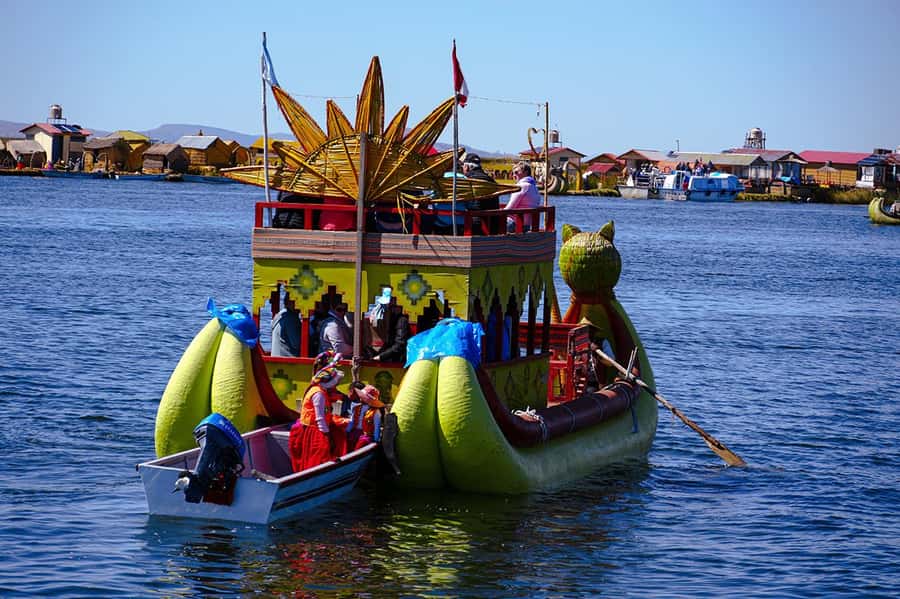
- Uros reed islands with a guided visit and a chance to learn how totora-based homes work
- Taquile market time plus a family lunch, with a real walk up and around the island
- Two overnight stretches on the sleeper bus, which can be comfy or just plain warm depending on your night
- Optional extras cost extra, especially the reed boat ride (15 soles)
How the 36-hour Cusco–Puno–Titicaca circuit actually feels
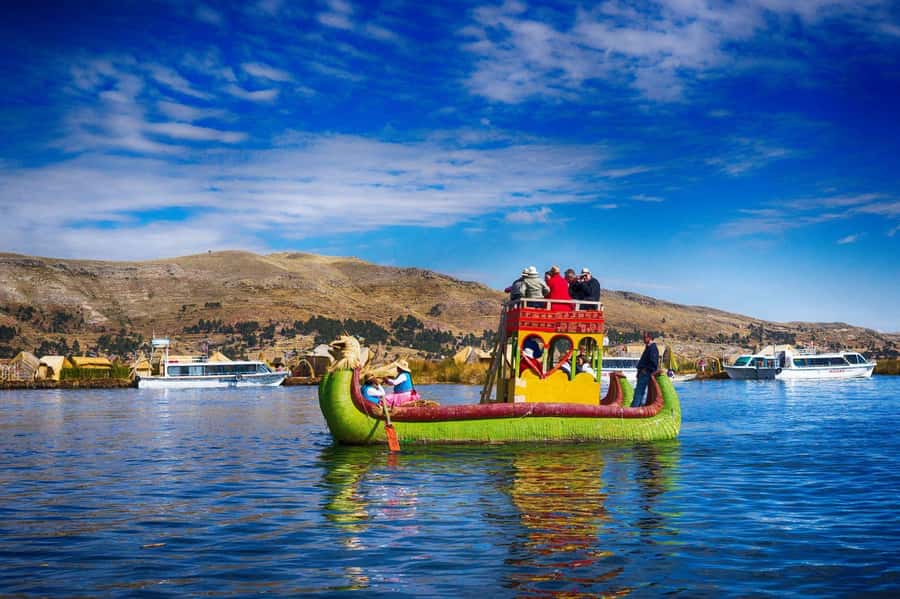
This tour works like a relay race. You trade a normal day trip for a loop that’s spread over 36 hours, using overnight bus travel to protect your daylight for Lake Titicaca itself. That timing matters, because the main sightseeing is on water and on islands, so maximizing the lake hours is the whole point.
You start with a pickup from the historic center of Cusco at 9:00 PM. Then it’s off to Puno in the early morning, with breakfast and a short break before the boats. You’ll return to Cusco the next morning around 5:30 AM, so you’re back before your day really begins.
The big vibe: you’ll be moving most of the time—boats, short walks, and transfers. If you like steady momentum and don’t mind being on the move, this is a great match. If you want a slow, chill pace, you may find the schedule tight.
You can also read our reviews of more tours and experiences in Cusco



The sleeper bus (160° seats): comfort, heat, and what to pack
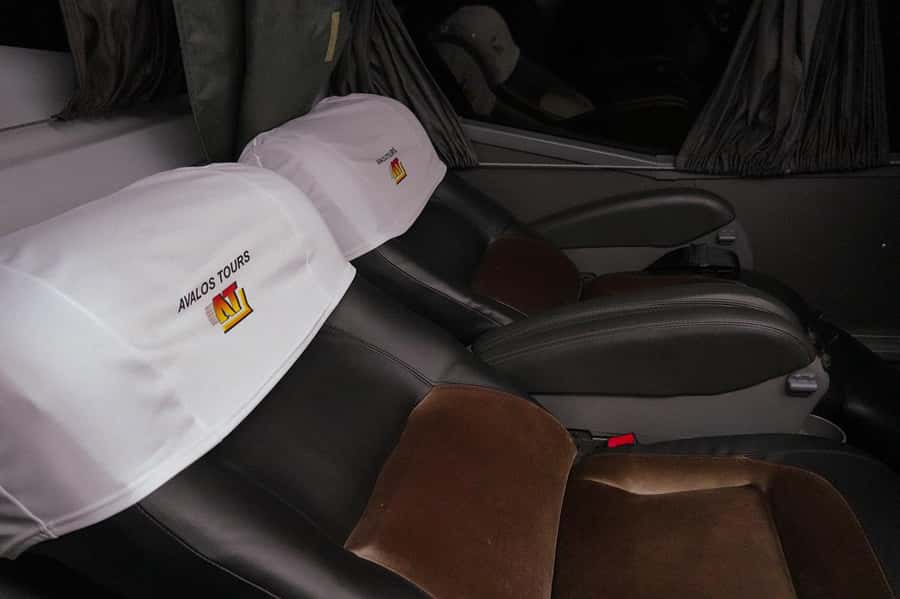
The sleeper bus is the backbone of this itinerary. It has 160° reclining seats, which is a big deal in terms of actual rest, especially at altitude where you’ll want energy for walking on Taquile. Several people found the seats comfortable, and the overnight timing can make the whole trip feel efficient.
That said, buses aren’t hotels. Some travelers reported the first night running hot, and others noted the bathroom area can be pretty bare-bones—no toilet paper or soap was mentioned. Also, don’t assume dinner is part of the deal, because it isn’t. You may also want to bring your own water, since a few guests wished they’d been given a bottle.
Here’s what I’d pack for the bus night so you’re not improvising:
- Warm layers (night air and high altitude can shift fast)
- A small toiletries kit (hand wipes or sanitizer, plus anything you need for the bathroom)
- A refillable water bottle (drinks aren’t included)
- Earplugs or headphones if you’re a light sleeper
Puno early morning: breakfast, shower access, and resetting
When you arrive in Puno early, you get breakfast and a chance to freshen up. The plan includes time to rest before heading to the port, and there’s mention of a hostel where you can store bags and take a shower. That’s genuinely useful, because otherwise you’d go from overnight bus sleep to island sightseeing without a chance to reset.
A few caution notes from real-world experience: one person said the option to shower wasn’t truly free and required booking a room, so I’d plan like it might cost extra. If shower access is important to you, ask ahead so you know what’s covered.
Also, the tour’s rhythm matters here. Puno is more than just a bus stop on this itinerary; it’s your staging area for Uros and Taquile. By the time the afternoon rolls around, you’ll have some free time to walk around Puno’s historic center.
Uros Floating Islands: what you’ll learn on the totora reeds
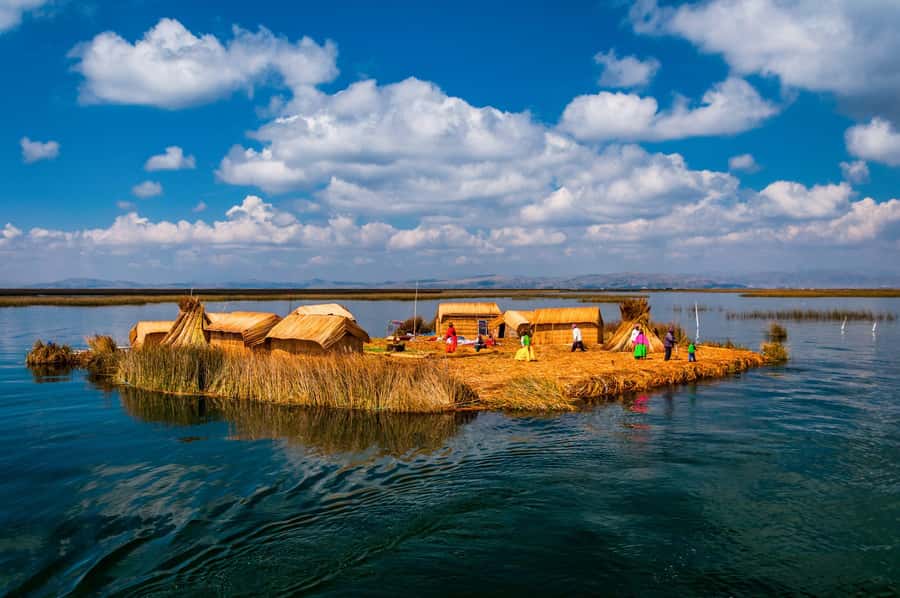
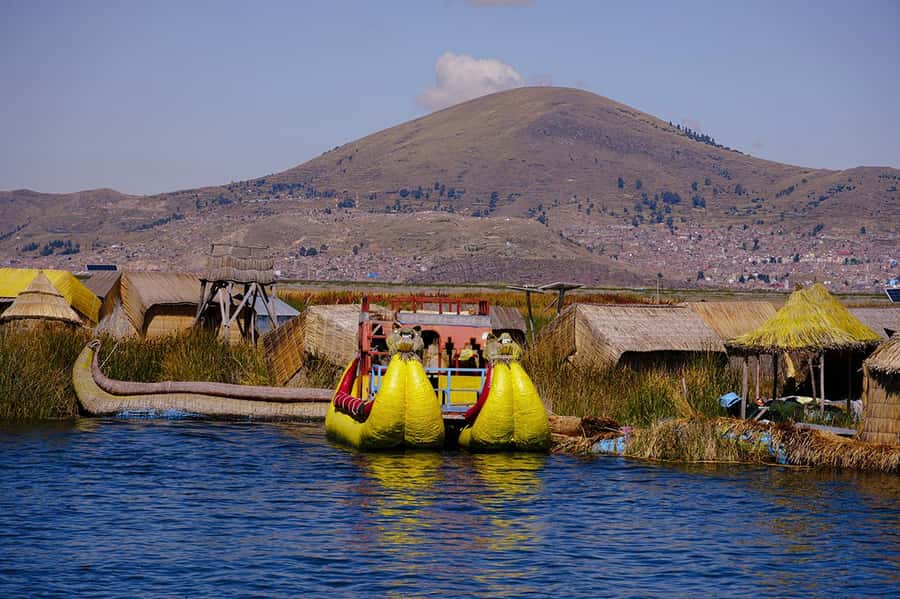
After the breakfast window, you head to the port and hop on a speedboat for the short ride to the Uros floating islands. This is where the lake really shows off: rugged high plateaus, big open water, and that dramatic feel of being surrounded by mountains.
On Uros, you’ll get a guided visit and photo stops, plus the chance to meet a local family and hear how traditions and everyday routines work. For many people, this is the most memorable part because it’s not just about structures—it’s about people living with the lake, adapting with it, and making communities on it.
There’s also an optional extra: the reed boat ride (15 soles). Since it’s not included, you’ll want to decide on the spot whether you want that additional experience. If you’re low on cash, you can still get plenty from the guided visit alone.
One more reality check: one guest felt pressure to buy crafts after being brought into people’s spaces. That doesn’t mean it will happen to you, but it does mean you should go in mentally prepared. If you don’t want to shop, keep your boundaries kind and clear.
Taquile Island: market browsing, a real walk, and lunch with family
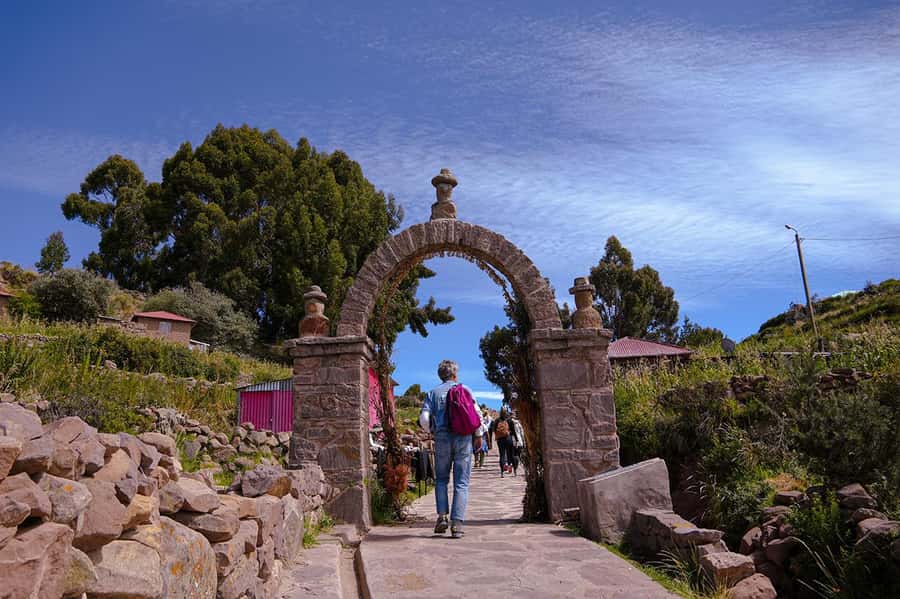
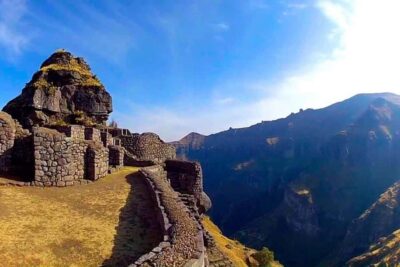
Taquile is where the trip shifts from lake-side curiosity to island rhythms. You’ll transfer to Taquile by speedboat and then spend time exploring with a guide. Expect rolling hills and terraced fields, plus cliff edges dropping down toward the water.
You’ll also do a walk—around 40 minutes. It’s not described as long or technical, but it is a walk. Wear warm shoes, and don’t treat it like a flat stroll. The altitude plus the effort can surprise you, especially if you didn’t acclimatize in Cusco first.
A highlight here is the market and souvenir stops. You’ll have time to take photos of colorful goods and shop for handcrafted items. This is one of the better places on the itinerary to get something small that actually connects you to the island’s craft traditions.
Then comes lunch with a local family. This is one of the best “value moments” on the tour because you’re not just eating—you’re part of the social setting of the island. Multiple people said the lunch was incredible, and one person contrasted it positively with the more uncomfortable craft-selling pressure they felt elsewhere.



Speedboat time: thrilling views, and why it helps the schedule
Lake Titicaca is big, and boats save you from wasting hours. Speedboats mean you get quicker hops between Uros and Taquile and still see the lake’s scale. You’ll be gliding across open water, watching mountains and high plateaus slide past, and it’s a reminder that this is not a postcard lake—it’s an environment people live in.
The trade-off is simple: boat time means you’re exposed to wind and changing temperatures. Warm layers help, and sunglasses are worth it. If you’re prone to motion discomfort, you’ll want to prepare with what works for you.
Free afternoon in Puno: use it, don’t just wait
After lunch and island time, you’ll have free time in Puno to get to know the historic center. This is a good chance to stretch your legs, grab a snack you actually want (drinks and dinner aren’t included), and reset before the next overnight bus.
If you’ve never been to Puno, this break can make the difference between a “tour day” and a trip with texture. Even a short walk around the main area helps you feel like you’ve arrived somewhere, not just passed through.
Price and value: is $119 fair for what you get?
At around $119 per person, you’re paying for a lot of logistics that would otherwise eat your time. You get hotel pickup and drop-off in Cusco’s historic center, sleeper bus transport to and from Puno, an English- and Spanish-speaking guide, speedboat transfers, continental breakfast, and lunch with a local family.
The parts that add up quickly on your own are:
- Overnight transport (and the trouble of coordinating it)
- Port transfers and speedboat fees
- Guided island visits that explain what you’re actually seeing
- Meals included on the day (breakfast and family lunch)
Now the extras to budget for:
- Return boarding tax: 1.50 soles per person
- Totora boat ride: 15 soles (optional)
- Drinks and dinner (not included)
So the value is strongest if you want the guided structure and don’t want to piece together buses and boats yourself. If you’re a solo traveler on a tight schedule and want the route handled end-to-end, this pricing makes sense.
If you’re picky about bus comfort or you’re sensitive to hot rides, the value can feel lower. The tour earns its price by protecting your sightseeing time, not by turning the bus into a luxury experience.
Logistics that can make or break your day (so you feel in control)
A recurring theme in feedback is not the quality of the sights—it’s clarity around transfers. A couple of people said return pickup wasn’t clearly communicated and that they weren’t brought back to their Cusco hotel as expected. Another person said nobody showed up upon reaching Cusco early morning, though they were eventually refunded after contacting the operator.
That means you should do one smart thing: confirm where you’ll be dropped and how you’ll connect once you arrive back in Cusco. If you have a specific need—like getting to your hotel quickly—send a message ahead of time and get it in writing.
Also, one guest noted that the overnight bus involves public transportation connections and that it wasn’t fully explained. That doesn’t show up as a universal issue, but it’s a reason to arrive calm and ready to follow directions from your guide/contacts.
Who this tour suits best (and who should reconsider)
This is best for you if:
- You’re okay with an overnight bus as part of the adventure
- You want guided Uros and Taquile time without coordinating boats and transport
- You like meeting local families and hearing real routines, not just walking past sights
- You appreciate a small group setting (up to 16)
It might be less ideal if:
- You need a quiet, low-movement itinerary
- You’re uncomfortable with basic bus conditions (heat, bathroom basics)
- You strongly dislike any craft-selling pressure and want everything to feel hands-off
Solo travelers can feel comfortable with this setup, and at least one person praised the support through WhatsApp. Having a local contact available helps when timing matters.
Should you book this Titicaca tour?
I’d book it if your goal is a guided Titicaca highlights loop that includes Uros reed islands and Taquile, while using the overnight bus to avoid losing an extra day. The included breakfast and family lunch help the price feel grounded, and the combination of speedboat time plus guided explanations is a solid way to experience Lake Titicaca in limited time.
I’d hesitate only if you know you’re sensitive to heat on overnight transport, or if you need ironclad, no-questions return-to-hotel handling. In that case, message the operator before you go and get clarity on the Cusco drop-off plan.
FAQ
FAQ
How long is the full tour?
The tour runs for about 36 hours, including the overnight bus rides.
Where does the tour start in Cusco?
Pickup is from your hotel in the historic center of Cusco at 9:00 PM.
What does the tour include for transportation?
You get sleeper bus transportation to and from Puno, plus speedboat transfers to Uros and Taquile.
What meals are included?
You’ll have a continental breakfast in Puno and lunch with a local family on Taquile.
Is the reed boat ride included on Uros?
No. The totora boat ride costs an additional 15 soles.
Do I need to pay a boarding tax?
Yes. A return boarding tax is listed as 1.50 soles per person.
Is there free time, or is it nonstop?
There’s free time in Puno during the afternoon to get to know the historic center.
How much walking is involved on Taquile?
There is a walk of around 40 minutes on Taquile Island.
What should I bring for the day?
Bring passport or ID card, warm clothing, sunglasses, a hat, and warm shoes.