REVIEW · PUERTO MALDONADO
Tambopata Rainforest Night Walk & River Exploration
Book on GetYourGuide →Operated by Tambopata Wild · Bookable on GetYourGuide
Amazon night sounds better than day. This Tambopata night tour is built around one idea: the rainforest runs on a different schedule, and a good guide helps you catch it in action. You start with a river glide, then switch to a flashlight-led trail where wildlife is often easier to notice once your eyes adjust.
I especially like two parts. First, the guide work—when you meet Jesús, the whole outing feels organized and informative, with a calm pace that doesn’t rush the forest. Second, you get flashlights and printed wildlife guides, which means you can actually connect what you’re seeing to a name (and keep photos from turning into a blurry guessing game).
One thing to watch: night tours can be weather- and timing-dependent, and one person felt the outing didn’t last as expected and the sightings were limited. If rain hits early in the day, it can change what’s out after dark, so I’d go in with flexible expectations and good rain gear.
In This Review
- Key takeaways before you go
- Why Tambopata night feels different than daytime walks
- The 4:00 PM river ride: switching from evening light to full night
- Jungle trail walk with flashlights: tarantulas, spiders, frogs, and more
- What makes the guide’s role so important (and why Jesús stands out)
- Photography at night: getting close without making it worse
- Small group dynamics: up to 6 people, less chaos
- Timing and sightings: the one thing that can change everything
- Price and value: what $55 buys you in the Amazon
- What to bring (and what to leave at home)
- Logistics that actually matter: pickup and what happens when you arrive
- Who this Tambopata night walk is for (and who should skip)
- Should you book this Tambopata Wild night tour?
- FAQ
- How long is the Tambopata Night Walk & River Exploration?
- What time does the tour start?
- Is hotel pickup included?
- What languages is the tour offered in?
- What’s included in the tour price?
- Is food included?
- What should I bring, and are there restrictions?
Key takeaways before you go
- 4:00 PM start on the Tambopata River: you shift from late light to full night on the water.
- Flashlight-led jungle trail: tarantulas, spiders, lizards, and giant ants are part of the plan.
- Frogs and night-only amphibians: expect brighter colors once your flashlight hits leaf level.
- Cecropia trees and sloths: you may spot sloths resting as evening turns to dark.
- Printed identification guides: useful when you want to learn the names, not just see movement.
- Small group (up to 6): easier tracking when everyone is focused and quiet.
Why Tambopata night feels different than daytime walks
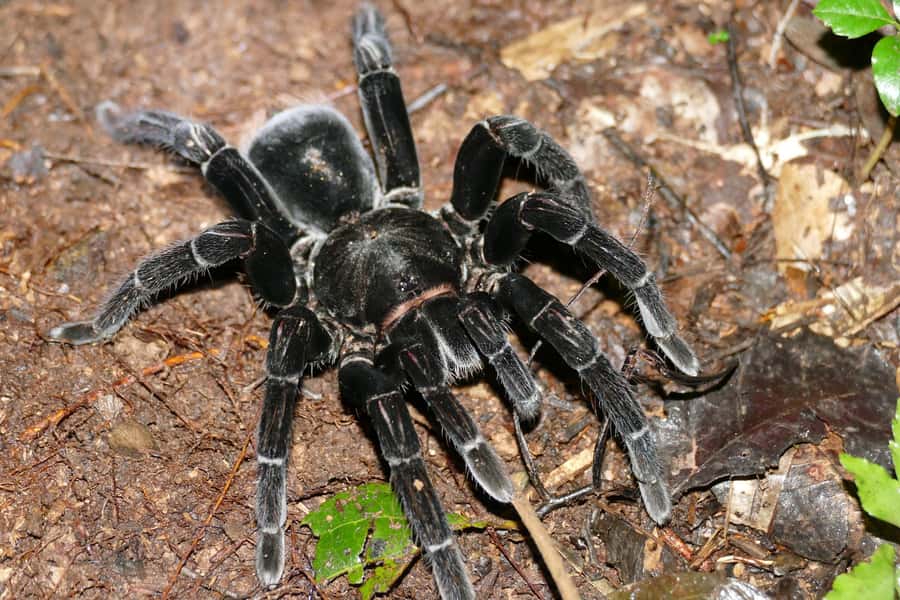
Daytime rainforest is all motion and noise. At night, the action gets smaller, slower, and more specific—built around feeding, hiding, and calls you don’t hear when the sun is up. That’s why this format works: you get a boat segment for the river’s nighttime life, then a trail segment for forest-floor and canopy-edge creatures.
I love how the tour doesn’t treat the night like a scary theme park. It treats it like a real ecosystem with real patterns. When your guide points something out, you learn what to look for next—eye-shine along the water, body shapes on trunks, movement on leaf edges.
And yes, it can be a little spooky in the best way. Not the horror-movie kind. More like the moment you realize the forest is busy without asking your permission.
You can also read our reviews of more tours and experiences in Puerto Maldonado.

The 4:00 PM river ride: switching from evening light to full night
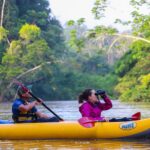
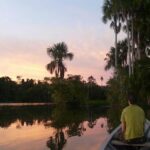
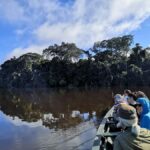
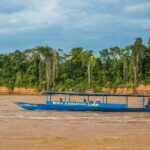
Your experience starts late afternoon with a relaxed boat ride along the Tambopata River. This timing matters because you’re not trying to see everything at once in total darkness. You first get the dimming light through the trees, and that’s when animals you’d miss at night can still be visible.
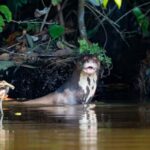
On the water, you might spot sloths hanging out in cecropia trees. You’re also in the zone where caimans show up as glowing eyes by the river. It’s not constant, but when it happens, it’s memorable—one of those moments where you suddenly understand why people bring binoculars even on a boat.
Even if you don’t see a big animal, the river ride still does its job. It sets your night rhythm: you hear different calls, your eyes start adjusting, and you learn how the jungle sounds at night—chirps, rustling leaves, and the occasional splash that turns your attention toward the waterline.
Jungle trail walk with flashlights: tarantulas, spiders, frogs, and more
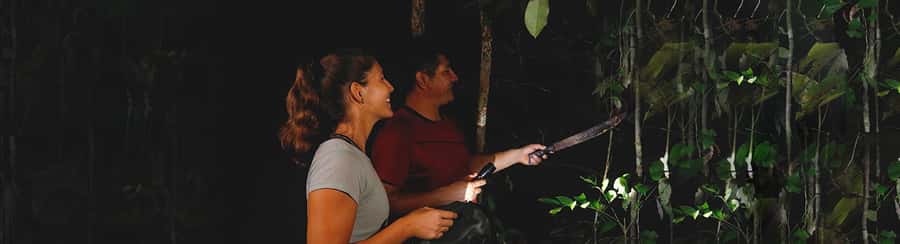
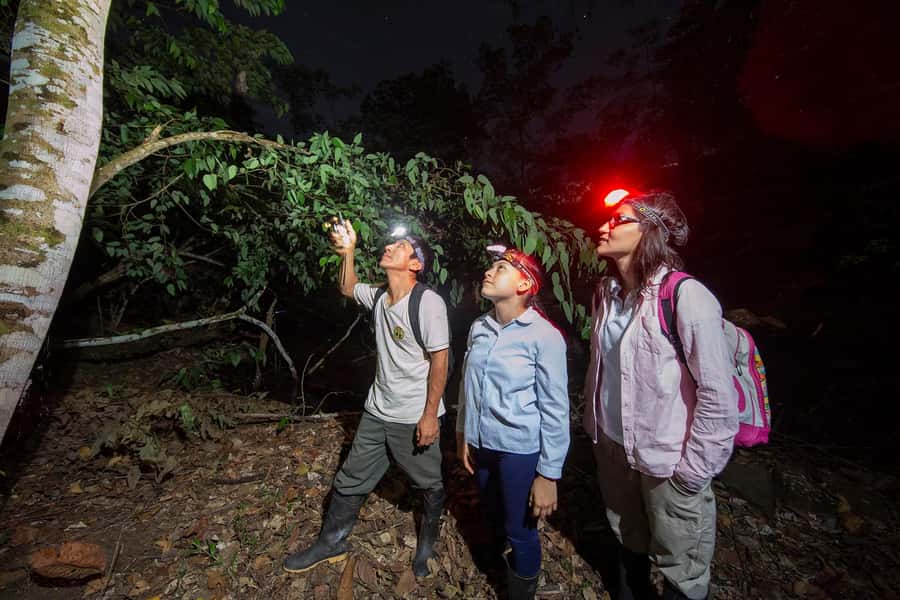
Once you reach the jungle trail, your guide hands you flashlights and night-walk setup. You’re not just walking forward with a light held like a torch. You’re learning how to scan slowly, how to look at angles, and where night creatures tend to appear.
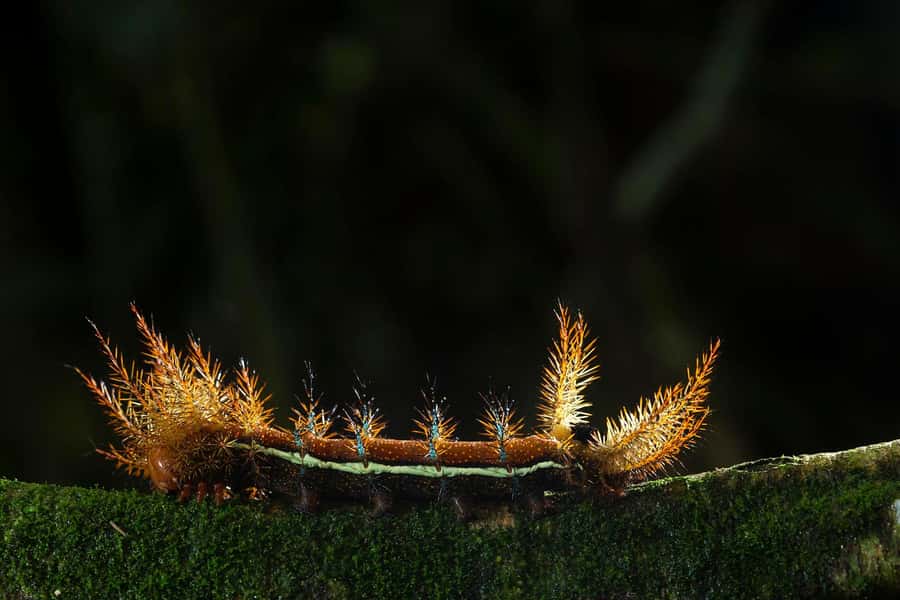
This is where the tour leans into insects and small wildlife—exactly the kind of sightings that happen when you move quietly and stay alert. You may see tarantulas near burrows, spiders catching flashlight beams, and lizards that blend into tree trunks like they were painted there. Giant ants can be busy too, moving leaves and creating a constant background activity you’ll notice once you slow down.
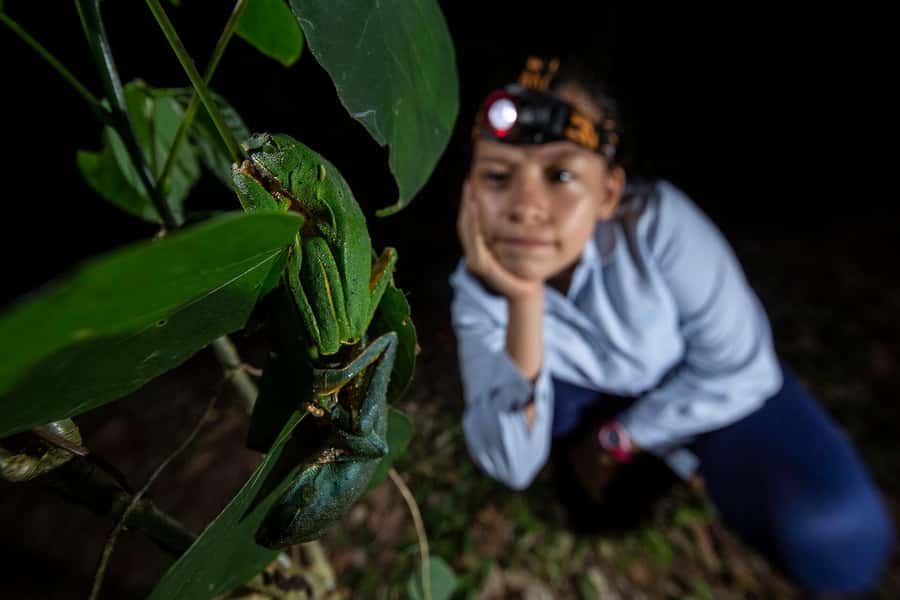
The highlight for many people is the frogs. At night, amphibians can become easier to find because they’re active and you can spot them at leaf or branch level. When the guide hits the right angle, you get a clear view of how colorful they can be—small shapes that would be invisible in daytime clutter.
And then there’s the extra layer: you may also notice details on the forest floor, including hints of bioluminescent fungi. Even if you only catch brief glows, it changes the whole feel of the walk. The forest stops being a dark blur and becomes a place with texture.
What makes the guide’s role so important (and why Jesús stands out)
This tour lives or dies by the guide’s pace and spotting skill. You’re in dense jungle at night. The difference between a good night and a disappointing one often comes down to how quickly someone can interpret tiny signs—movement behind leaves, eye-shine near the bank, or why a certain spot is worth revisiting.
In one firsthand-style account, the guide Jesús was on time at the hotel and spoke French well while explaining what was happening in the ecosystem. That matters because the goal isn’t just sighting. It’s understanding why the creature is there and how to spot it again.
You also get wildlife identification support in the form of printed guides. That turns the night walk into something you can remember after you’re back in town, instead of only remembering vibes.
Photography at night: getting close without making it worse
If you like photos, this tour is set up for it. The combination of flashlights, low-light movement, and animals that pause long enough to be seen can create great close-ups—spiders, frogs, and textured forest details.
Here’s how I’d approach it so you don’t ruin the experience for the animals (or the group):
- Use short bursts, not long video that keeps light blasting the same spot.
- Focus on one subject at a time. Night shots can get chaotic fast.
- Keep your flashlight movements gentle. Quick sweeping lights can scare off the very creatures you want to see.
- If your camera has trouble focusing, switch to manual focus and move slower rather than cranking brightness.
The guide usually knows where the best viewing angles are, so follow their cues and you’ll spend time taking photos you can actually use.
You can also read our reviews of more evening experiences in Puerto Maldonado
Small group dynamics: up to 6 people, less chaos
A small group capped at 6 participants is not a minor detail. At night, space matters. More people means more lights, more noise, and more bodies blocking sightlines. With fewer people, your guide can help everyone track the same animal without turning the trail into a traffic jam.
It also helps you ask questions. If you want to know what you’re looking at—bird calls, frog species, or how tarantulas behave—there’s time to get answers without rushing.
And because this tour includes both river time and a jungle trail, small-group attention makes the transitions smoother. You don’t lose people to confusion when the light changes and the sounds shift.
Timing and sightings: the one thing that can change everything
The tour is listed as 3 hours total, starting at 4:00 PM. In real life, night tours can feel different depending on weather and how active the animals are.
One person reported that the timing felt shorter than expected and the sightings were limited. Another noted that rain earlier in the day reduced their chances late on, but they still felt the atmosphere and night jungle experience were worth it.
My practical takeaway: don’t treat this as a guaranteed animal checklist. Treat it like a guided hunt for what the rainforest decides to show you that night. If it’s been raining, expect fewer active sightings or more time spent waiting for movement that eventually appears.
The best defense is simple: bring your rain gear, move with the group, and give your eyes time to adjust.
Price and value: what $55 buys you in the Amazon
At about $55 per person for a 3-hour guided outing, you’re paying for more than the ride. You’re paying for:
- Round-trip hotel pickup and transport to the port
- A river boat segment in the late afternoon/evening window
- Night-walk gear (flashlights and equipment)
- A guide working through dense darkness to locate wildlife
- Printed identification guides for learning value after the walk
Is it worth it? For me, it’s a good value if you like nature and you want a structured way to see nocturnal life. If you’re expecting the kind of wildlife show where every minute delivers a new animal, you might feel shortchanged when the forest goes quiet.
That’s where tour style matters. This one is education-plus-exploration, with wildlife sightings that can range from insects and frogs to sloths and caimans when luck and timing align.
What to bring (and what to leave at home)
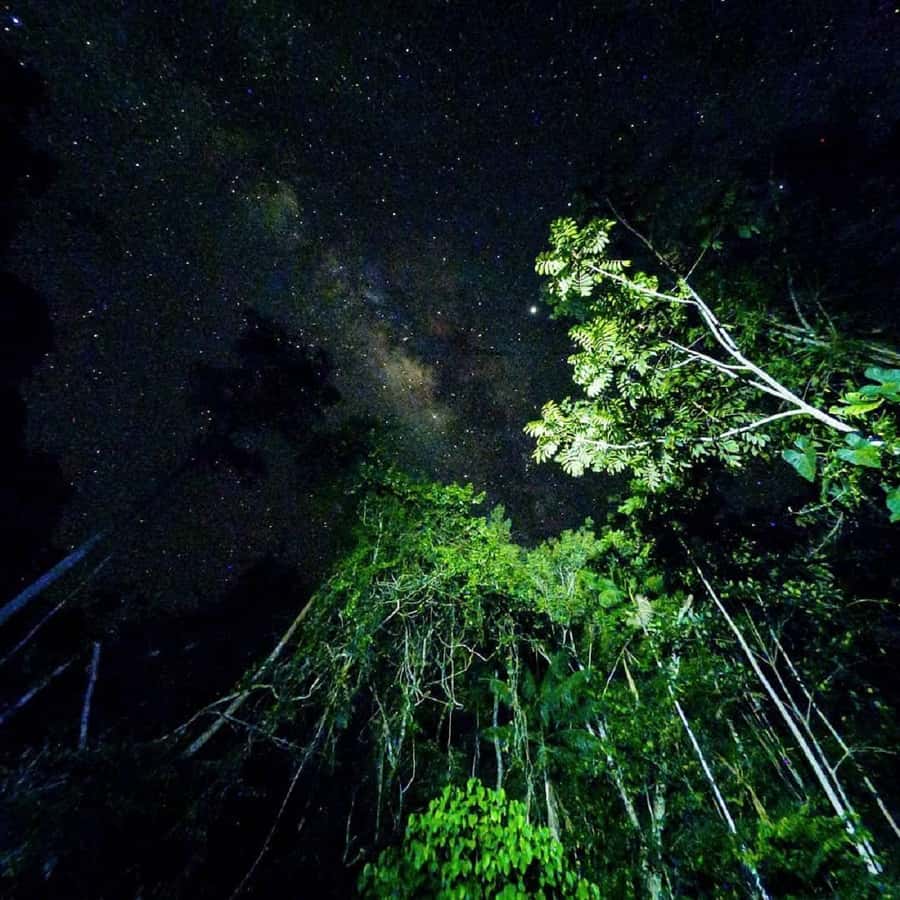
This is a rainforest night. Comfort affects your ability to see.
Bring:
- Water
- Rain gear
- Long-sleeved shirt
- Long pants
- Insect repellent
- Outdoor clothing that dries fast
Wear:
- Lightweight, quick-dry clothes
- Clothing that helps you blend in or at least doesn’t scream bright colors
- Shoes or sandals suitable for walking on uneven, damp ground (avoid bare feet)
Avoid bringing:
- Pets (assistance dogs allowed)
- Alcohol and drugs
- Anything that encourages noise or fire
- Strollers or wheelchairs that are not foldable
- Fireworks or explosive substances
Also note: this isn’t ideal for motion sickness. If you know boats make you nauseous, take that seriously. And if you have insect allergies, skip it—this is an insect-rich environment by design.
Logistics that actually matter: pickup and what happens when you arrive
Pickup is included from your accommodation in Puerto Maldonado. You wait at the hotel reception at the specified time, then a taxi takes you to the port. From there, you board the boat for the excursion. After the tour, the taxi brings you back to your hotel.
This matters because you’re not just planning your arrival. You’re planning a late-afternoon departure to match the rainforest’s rhythm. If you show up late to pickup, you can miss the best light window and the easy-to-spot animals that show up before full darkness.
Food isn’t included, so eat earlier. This outing is short enough that you’ll feel the hunger, and you don’t want to start scanning leaves while your stomach is growling.
Who this Tambopata night walk is for (and who should skip)
Best fit:
- You love wildlife and want the nighttime side of the Amazon
- You like learning what you’re seeing, not just snapping pictures
- You’re okay with slow, quiet searching for movement
- You want a small group experience with guide support and identification help
Skip or reconsider if:
- You get motion sickness easily
- You have insect allergies
- You’re unwilling to be outdoors in damp conditions
- You need a tour where every minute is guaranteed to deliver a big animal
This is most rewarding for people who enjoy the details: the frog on the leaf, the spider in the flashlight beam, the ant trail, and the moment the river goes still and then lights up with eye-shine.
Should you book this Tambopata Wild night tour?
I think it’s a strong choice if you want a genuinely guided, night-focused rainforest experience with real learning value. The guide-led boat-to-trail format, the small group size, and the flashlights + printed ID guides make it feel like a structured way to see nocturnal life without guesswork.
Book it if you’re ready for variable sightings and you bring rain gear. Don’t book it if motion sickness or insect sensitivity is a concern, because this is exactly the kind of environment you can’t control.
If you want a night in the Amazon that feels hands-on and specific, this is the right style.
FAQ
How long is the Tambopata Night Walk & River Exploration?
The experience is listed as 3 hours.
What time does the tour start?
The journey begins at 4:00 PM.
Is hotel pickup included?
Yes, round-trip hotel pickup is included from your accommodation in Puerto Maldonado.
What languages is the tour offered in?
The guided portion is offered in English, Spanish, and French.
What’s included in the tour price?
It includes round-trip hotel pickup, flashlights and equipment for the night tour, a guided night walk, and printed guides for wildlife identification.
Is food included?
No. Food and beverages are not included.
What should I bring, and are there restrictions?
Bring water, rain gear, a long-sleeved shirt, long pants, outdoor clothing, and insect repellent. You should also follow the rules about no alcohol or drugs, no making noise or fire, and no pets (assistance dogs allowed).