REVIEW · AREQUIPA
Tour + Hike to the Sillar Route and Culebrillas in Arequipa
Book on GetYourGuide →Operated by AREQUIPA EXPLORER Y ACTIVIDADES TURISTICAS · Bookable on GetYourGuide
Ashlar, petroglyphs, and volcano views in four hours. I love how the Sillar Route quarries teach you to read Arequipa’s signature stone, and the walk through Culebrillas canyon puts you right in front of Wari petroglyphs. You also get viewpoint stops that frame the volcanoes and the Chilina Valley so the scenery makes sense fast.
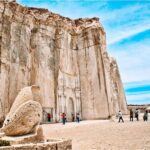
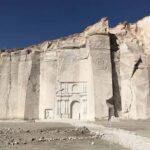
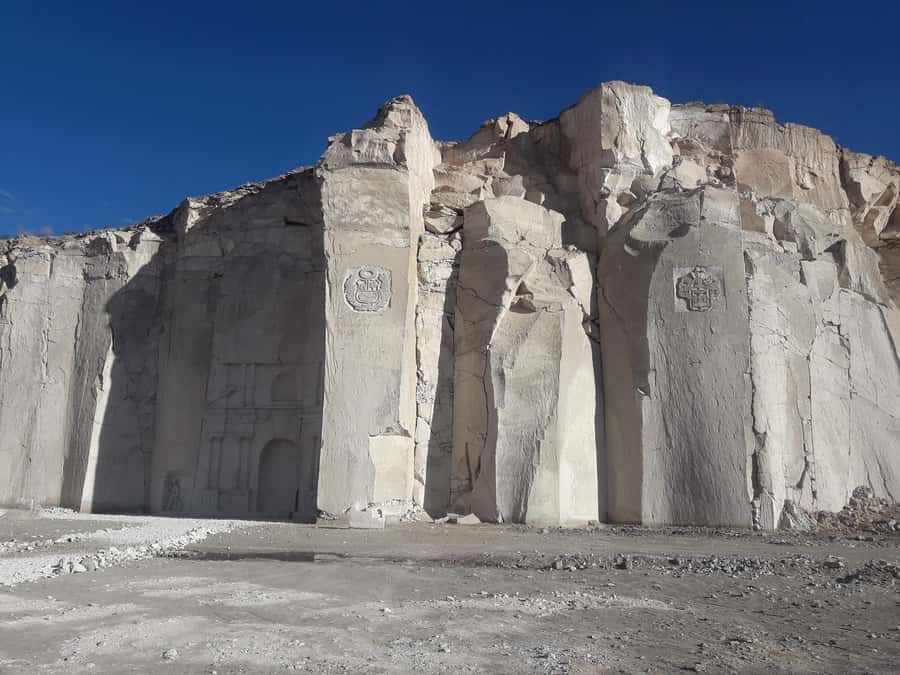
At Añashuayco Quarry, you’ll see a place that’s still working and learn how ashlar is extracted and used. The visit includes the astonishing mega carving of the Church of the Company of Jesus, made by the stonemasons themselves. One possible drawback to plan around: the van ride may include loud local music, and some playlists can be adult or offensive, so headphones are a smart move.
The pace is short but varied: a guided visit with photo stops, then a canyon hike that’s only about 20 minutes on foot. The tour runs in English/Spanish, and you’ll be back near the main area of Arequipa by early afternoon.
In This Review
- Key points before you go
- Sillar Route Basics: Why Arequipa’s Stone Is More Than Pretty
- Añashuayco Quarry and the Megacarving You Have to See to Believe
- Hands-On Stone Work: Watching, Then Trying Cutting a Block
- Quebrada de Culebrillas: A Short Canyon Hike to Wari Petroglyphs
- Apachetas, Volcano Viewpoints, and the Andenerias Feel
- Price and Logistics: Is $14 Worth It Plus 10 Soles?
- Should you book this tour?
- FAQ
- How long is the Sillar Route and Culebrillas tour?
- What is included in the $14 price?
- Are entrance tickets included?
- Where is the meeting point?
- Are there different departure times?
- What languages is the guide?
Key points before you go
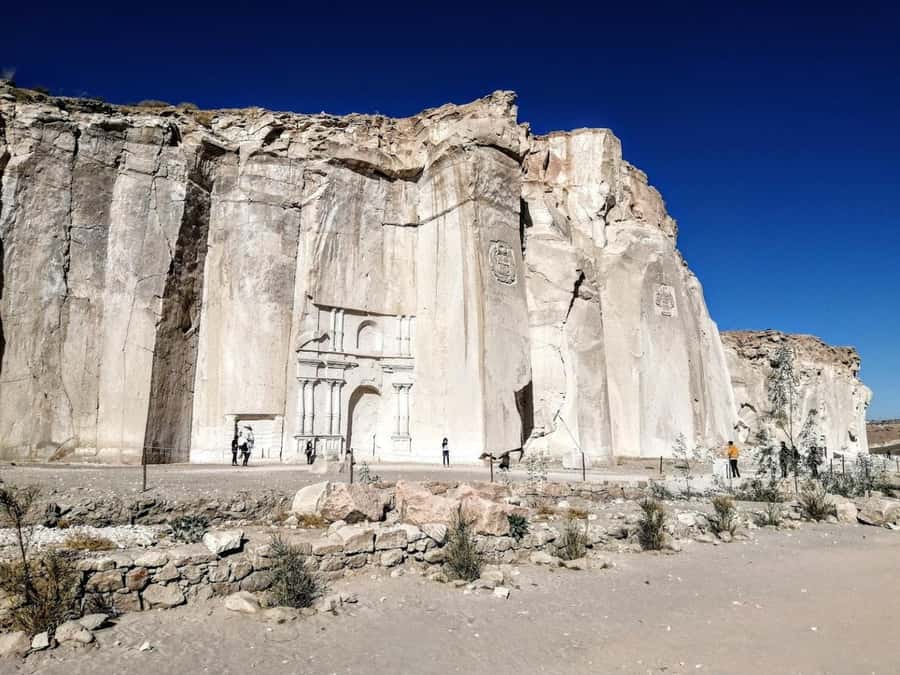
- Active Añashuayco Quarry with working stonemasons and visible ignimbrite walls
- Megacarving of the Church of the Company of Jesus, created by the masons themselves
- Culebrillas canyon walk through 15 to 20 meter walls and a climb in the canyon depth
- Wari petroglyphs inside the canyon, more than a thousand years old
- Apachetas—stacked stones tied to gratitude toward nature and good-luck symbolism
- Volcano viewpoints that pair the route with the Andes setting (with seasonal variation)
Sillar Route Basics: Why Arequipa’s Stone Is More Than Pretty
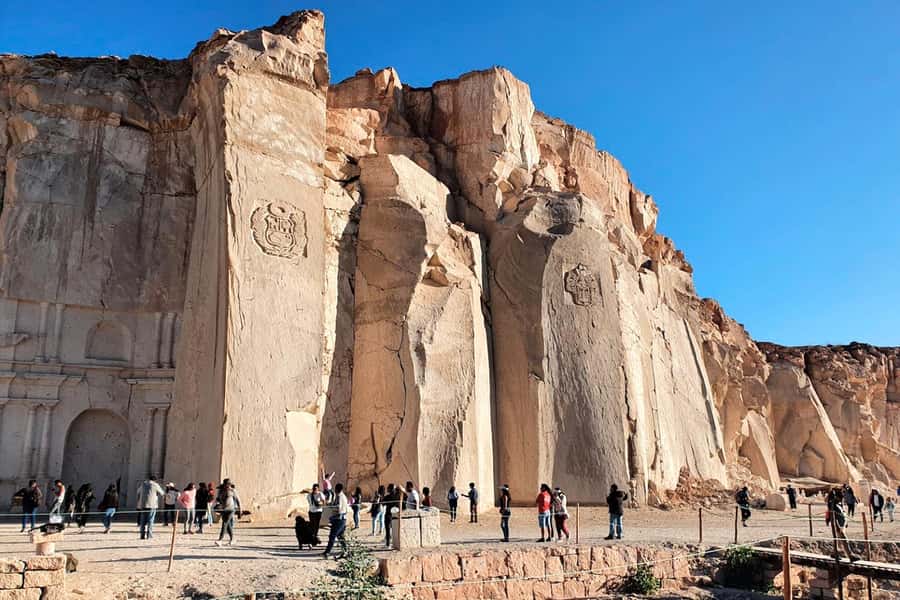
Arequipa’s most famous building material is sillar, a pale stone tied directly to volcano ash. This tour helps you understand the connection in plain terms: where the material comes from, how it gets extracted, and why it became the go-to stone for the city’s look.
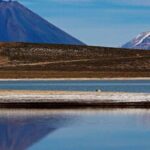
Before you reach the quarries, you start with a strategic viewpoint stop. From here, the guide orients you toward the Volcanoes and the Chilina Valley, so when you later see carved cliffs and ashlar layers, the geology feels less abstract. Depending on the season, the tour can swap in another traditional volcano viewpoint first, which is a nice touch because it keeps the route responsive to what’s most visible on the day.
This is also a tour about living culture, not just scenery. Even though you’ll be looking at cliffs and rock faces, the focus stays on the people who still work this stone. That makes the stops feel practical and grounded, especially if you’ve been to Peru where older ruins get all the attention.
One small thing to watch: because you’re driving between viewpoints, quarries, and a canyon, you’re not just “walking around.” Plan to stay alert during van segments and enjoy the breaks as part of the experience.
You can also read our reviews of more hiking tours in Arequipa
Añashuayco Quarry and the Megacarving You Have to See to Believe
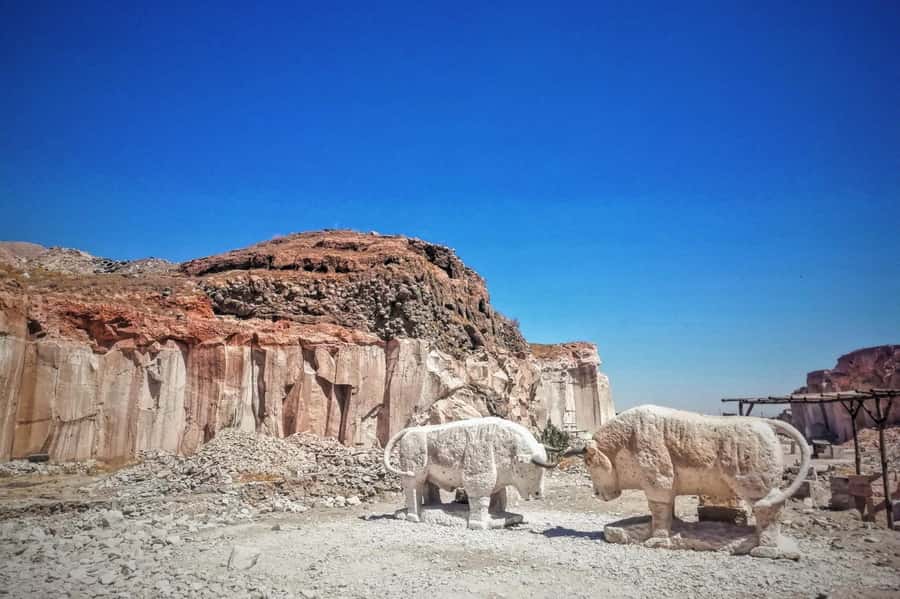
The main anchor stop is Añashuayco Quarry, reached after about 45 minutes from the start point. You’ll arrive during a time when stonemasons start early and work in active cycles, which changes the feel of the visit. This isn’t a quiet museum quarry. It’s a working extraction site where you can actually see the process happening close up.
Inside the quarry, the guide points out the immense canyon-like space and ignimbrite walls—cliffs formed by extraction for ashlar. The key idea you’ll walk away with is simple: ashlar isn’t pulled from a random place. It’s tied to where volcanic ash settled and later got transformed, then quarried into blocks used in construction.
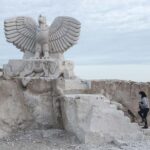
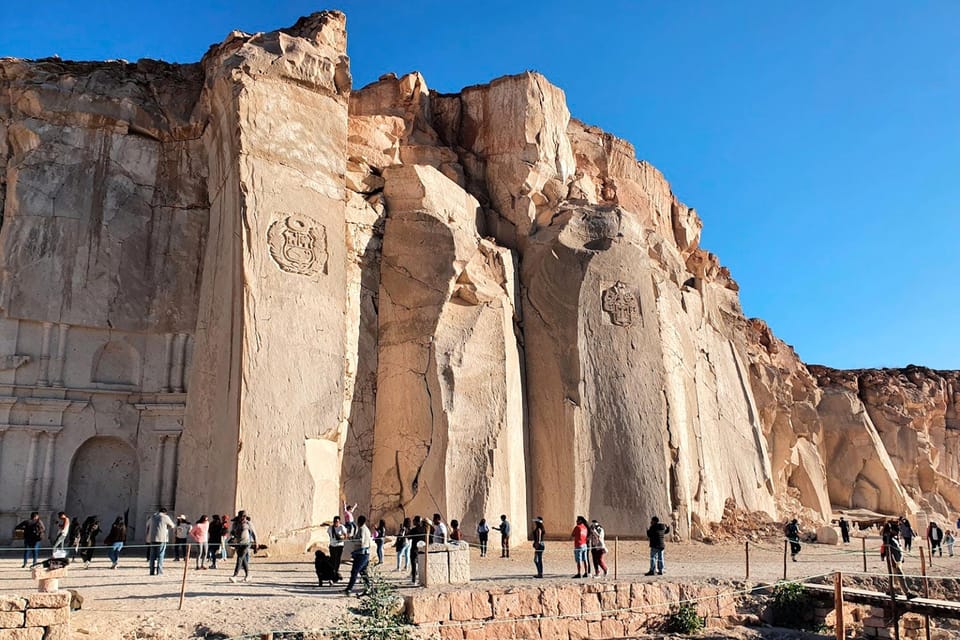
And then there’s the megacarving. In Añashuayco you can see a large-scale carving of the Church of the Company of Jesus, made by the stonemasons themselves. That detail matters because it shows what happens when practical labor meets community identity. You’re not just seeing extraction; you’re seeing artistic skill expressed in the same stonecutting craft.
You’ll typically get time for photos and a guided explanation focused on how ashlar has been used over time. The guided piece is what turns the big visuals into understanding, so even if you normally skip lectures, lean in here for the “how and why” parts.
Hands-On Stone Work: Watching, Then Trying Cutting a Block
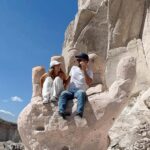
One reason this stop feels more memorable than typical quarry visits is the human scale. The experience includes the chance to visit one of the stonemasons so they can explain their daily work. You see how repetitive motions become precision, and how rock shape and cutting technique matter.
Even better, the tour can include a hands-on moment: you may be able to experiment by cutting one of the stone blocks yourself. It’s not about becoming a stonemason in one afternoon. It’s about getting enough contact with the material to understand why the craft is hard, slow, and skilled.
If you choose to try it, do it with the right mindset. Wear shoes you’re comfortable getting a little dusty in, and expect this to be more physical than “standing and watching.” The reward is that you’ll later look at the carved cliffs and think, oh, now I get why these shapes take effort.
This is also a good moment to ask your guide questions. If you’re curious about how sillar construction affects heat retention, light color, or city aesthetics, this is the kind of group that can answer in a way that feels connected to what you’re seeing—not just general facts.
Quebrada de Culebrillas: A Short Canyon Hike to Wari Petroglyphs
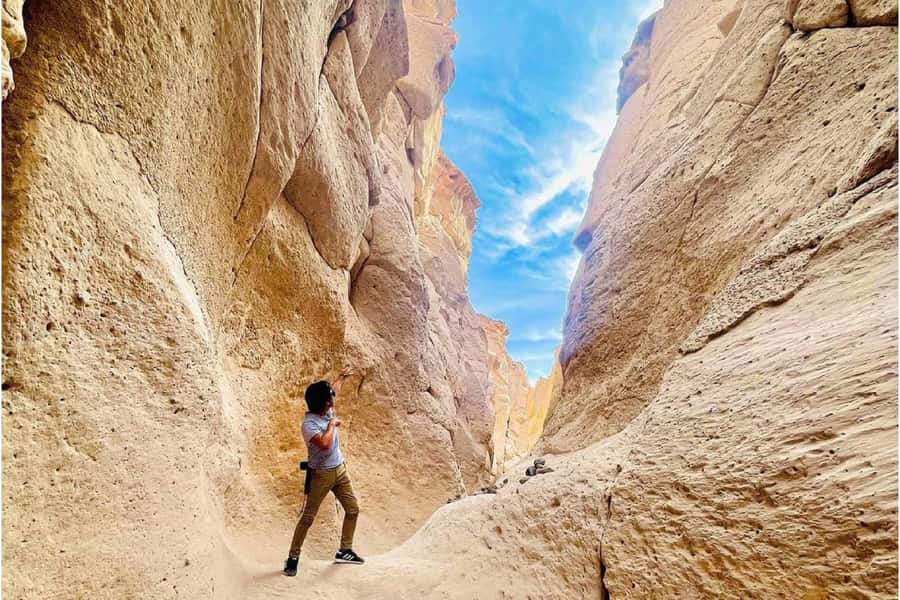
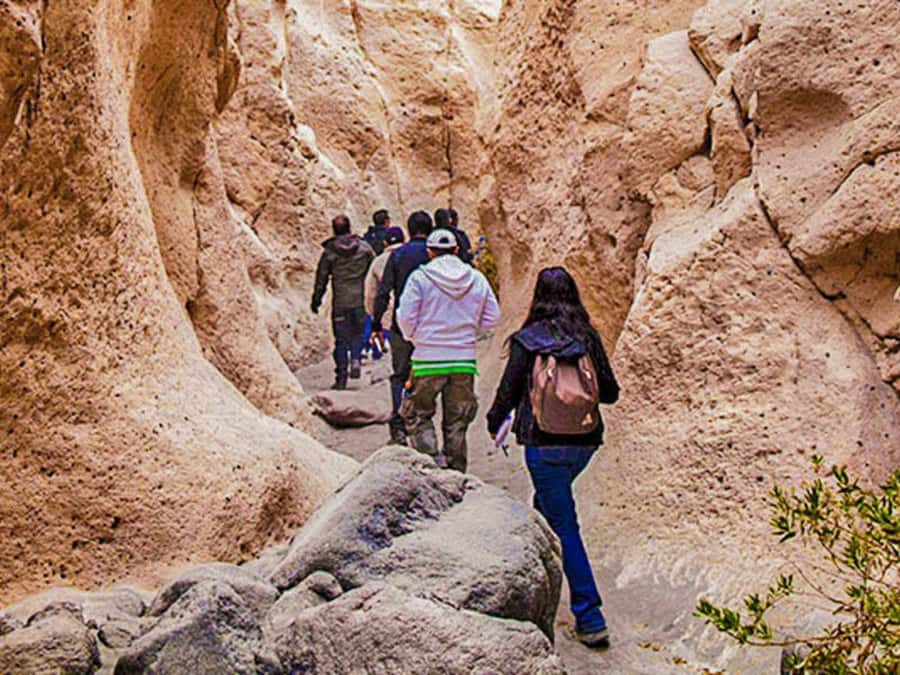
After Añashuayco, you head to Quebrada de Culebrillas, about 30 minutes away. Here the focus shifts from geology and craft to a canyon shaped by water—narrow walls, a walking route, and the sense of stepping into older layers of meaning.
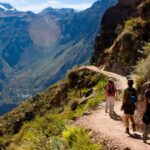
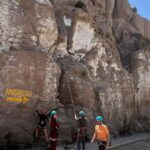
You’ll take a walk of about 20 minutes inside the canyon. The canyon walls are typically 15 to 20 meters tall, and as you go deeper, the walls rise around you. It’s not a long hike, but the changing height can make the canyon feel more dramatic than you’d expect from a short route.
At the far end, the big payoff is the petroglyphs made by the Wari culture, said to be more than a thousand years old. This is where the tour’s pacing pays off. You’re not just seeing carvings in the abstract—you’ve walked through the same physical setting where those marks would have been part of a landscape people understood over generations.
As you move back, you’ll also notice other cultural elements described as you return toward the city. The guide points out petroglyph context and ties it to the canyon’s formation, which helps you connect the marks to the place instead of treating them like random artifacts.
Practical note: because you’re walking inside a canyon, you’ll want to bring water and take your time. It’s not a strenuous trek, but it can feel cooler or enclosed depending on conditions.
Apachetas, Volcano Viewpoints, and the Andenerias Feel
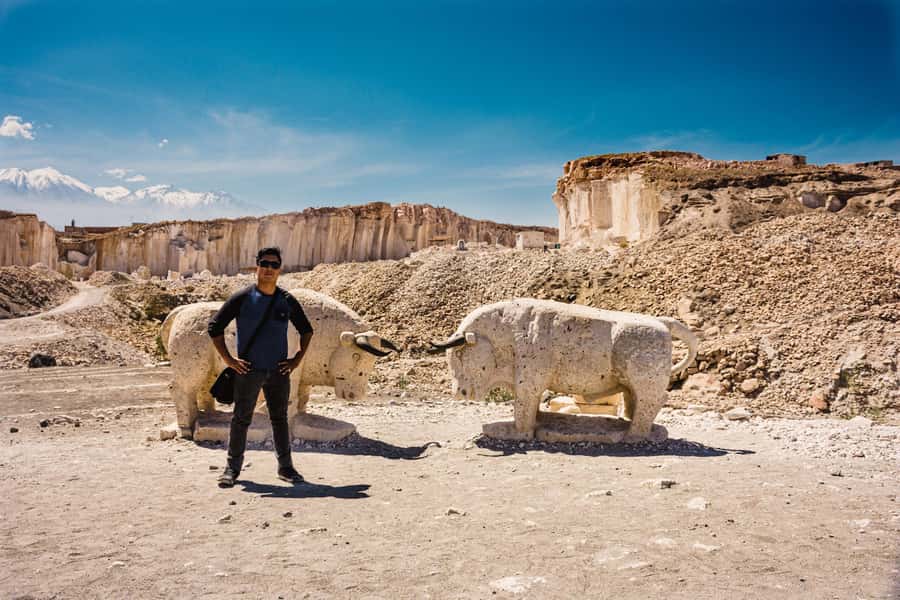
On the way back toward Arequipa, the tour builds in stops that change your perspective again. You’ll observe Apachetas, stone formations stacked one on top of another. In the guide’s explanation, they’re a symbol of gratitude toward nature, and they’re also treated as a good-luck attraction—so you get a quick moment of meaning, not just photo time.
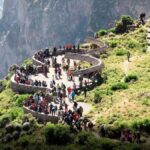
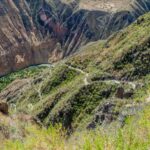
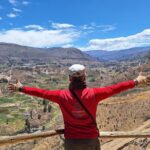
Then you reach a final viewpoint stop around the Mirador de los Volcanes area, with about 20 minutes for a break, photos, and guide context. This is where you see volcanoes again, tying back to the first strategic viewpoint. You’ll also get that “Andenerias viewpoint” style framing—terrace-like patterns and mountain geometry described through what you can see from where you’re standing.
These viewpoint segments are brief, but they’re worth paying attention to. They help you interpret the earlier quarry visuals. When you understand where the volcano ash came from and how the valley sits in relation to it, the entire route clicks together.
If you’re traveling with kids or you’re trying to keep a light day, this is also the part that can feel easiest. You’re standing, looking, snapping a few pictures, and letting the guide do the heavy lifting in explaining the terrain.

Price and Logistics: Is $14 Worth It Plus 10 Soles?
This tour costs $14 per person for transport and a professional guide, with a total duration of about 4 hours. You should budget extra for ticket entrance fees of 10 soles, which are not included.
So, is it good value? For me, the “yes” comes from the combination of three things that rarely happen together in one half-day: a working quarry experience, a canyon hike with cultural markings, and viewpoint stops that actually connect to what you’re seeing. If your time in Arequipa is tight, this format is efficient without feeling rushed.
It’s also a smart pickup if you like learning through doing. The quarry visit isn’t just looking at stones from far away. It includes stonemason explanations and a chance to try cutting a block, which gives you a better sense of what turns rock into construction material.
Timing-wise, the standard run starts at 09:15 am and returns you to central Arequipa around 1:30 pm, dropping you near the main area (you’ll be left near the main square). There’s also an afternoon 2:00 pm shift, which is useful if you prefer cooler morning light or a later start.
One more consideration: the van ride is part of the experience. It includes breaks and scenic pacing, but it can also mean extended sitting in the vehicle. If you’re sensitive to motion or long commutes, plan accordingly and keep water handy.
Should you book this tour?
If you want a compact Arequipa experience that mixes stonecraft, a canyon walk, and volcano viewpoints in just a few hours, I’d book it. It’s especially worth it if you enjoy tours that explain how something in the city (sillar stone) connects to the land outside it.
Skip it if you strongly dislike participating in hands-on activities or if you’re sensitive to what might play on the van audio. The route is not long, but it is varied, and the tour’s personality includes a cultural feel that may show up in the ride.
FAQ
How long is the Sillar Route and Culebrillas tour?
It lasts about 4 hours.
What is included in the $14 price?
Transport and a professional guide are included.
Are entrance tickets included?
No. Entrance tickets cost 10 soles.
Where is the meeting point?
The meeting point is the main office at C. Álvarez Thomas 115, on the same corner. The listed coordinates are -16.4003911, -71.537034699999.
Are there different departure times?
Yes. There is a 9:15 am shift and also a 2:00 pm afternoon shift.
What languages is the guide?
The tour offers live guiding in English and Spanish.