REVIEW · AREQUIPA
Tour to the Salinas Lagoon and National Reserve in Arequipa
Book on GetYourGuide →Operated by AREQUIPA EXPLORER Y ACTIVIDADES TURISTICAS · Bookable on GetYourGuide
Waking up early pays off here. I love how this day trip stacks volcano viewpoints in Chiguata with the salt-flat mirror photos of the Salinas area. You’re not stuck watching scenery from a bus window—there are real stops for walking, wildlife spotting, and guided time at the lagoon and reserve. One possible drawback: the drive is long and rough in places, and the altitude can hit faster than you expect.
The best part for me is the mix of salt production and wildlife. You’ll see the working feel of the Salinas salt flats and then get a calmer change of pace with the lagoon and high Andean fauna. Still, if you’re sensitive to motion sickness or altitude, plan smart (layers, water, and slow breathing help a lot).
In This Review
- Key highlights from the Chiguata to Salinas route
- The 6:00 am start: what the schedule gets right (and what to watch)
- Chiguata’s volcano mirador: the best first jolt of drama
- Breakfast stop on the way: useful, but not included
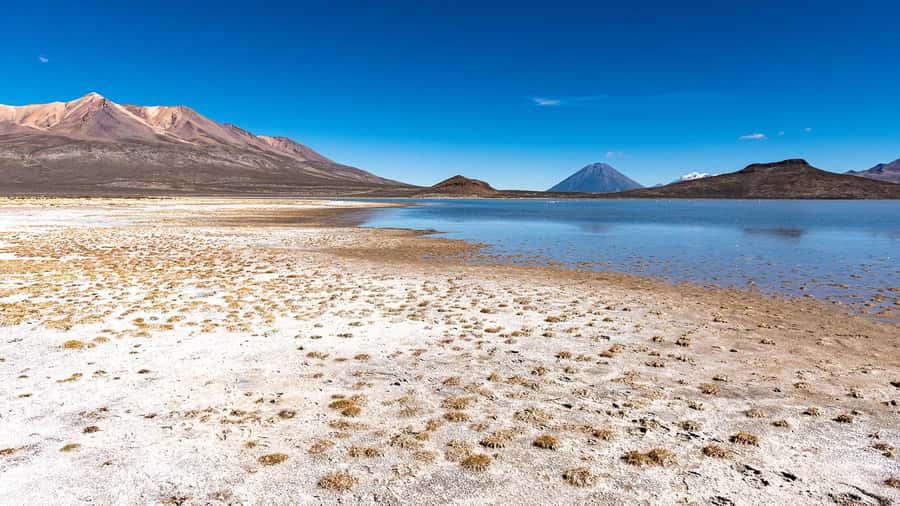
- The salt flats at Salinas: why this place looks unreal in photos
- Laguna de Salinas: reflections, free time, and the mirror effect
- High Andean camelids and birds reserve: the wildlife break you’ll remember
- Optional mini thermal wells: small soak, not a full spa day
- The road back: bumpy terrain and the altitude hangover
- Price and value: what $27 includes, and what you’ll probably pay extra
- Guides and group vibe: when the guide makes the day easier
- Who should book this tour (and who should skip it)
- Should you book the Salinas Lagoon and National Reserve tour?
- FAQ
- FAQ
- How long is the tour to Salinas Lagoon and the National Reserve?
- What time do we depart and when do we return to Arequipa?
- Is pickup included?
- What’s included in the price?
- What’s not included?
- Is breakfast included?
- Are there extra payments once at the lagoon or reserve?
- Is there time for the mini thermal wells?
Key highlights from the Chiguata to Salinas route
- Chiguata volcano mirador: panoramic views early in the day, when light is usually kind to photos
- Salt flats with saltpeter atmosphere: wide open views that make the whole area feel otherworldly
- Salinas Lagoon water-mirror effect: classic reflection conditions when the surface is calm
- High Andean camelids and birds: chances to spot llamas/alpacas and high-altitude bird life
- Optional mini thermal wells time: a small add-on if you want warm water later in the outing
The 6:00 am start: what the schedule gets right (and what to watch)
This is an 8-hour outing built around distance and altitude. The day begins with a pickup in Arequipa (from central hotels), then a short safety briefing before you head out by van. You’re leaving early enough to reach Chiguata and the first viewpoints while the light and skies are still doing their best work.
What I like about the timing: you get the volcano views before you commit to the salt flats and the lagoon. That sequence keeps the day from feeling like one long loop of the same color. Also, the order matters for photos—reflections on the salt flats and lagoon look best when you’re not rushing, and you usually aren’t, because the tour includes structured time at each major stop.
What to watch: you’re dealing with the 4,400–4,800 m range on this kind of route (depending on where the group goes and how you acclimate). Some people get altitude symptoms fast, especially if they arrived in Arequipa only recently or came from another high-intensity travel day.
My practical advice: plan your Arequipa day before this trip so you’re not already exhausted. If you know you’re altitude-prone, eat lightly, hydrate, and take it slow when you step out.
You can also read our reviews of more tours and experiences in Arequipa.
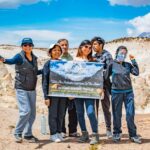
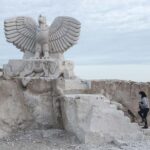
Chiguata’s volcano mirador: the best first jolt of drama
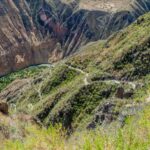
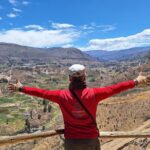
You reach Chiguata around 7:30 am and then go to the Mirador de los Volcanes around 9:00 am. This is your early “wow” moment, the part that makes people keep talking about the day long after the salt flats fade from memory.
Expect wide views of the surrounding volcano silhouettes from a viewpoint stop. You’re not doing a steep climb here, but you are at altitude, and it’s exposed. Bring a jacket you can zip up—wind at height can make you feel colder than the morning air suggests.
If you’re the type who likes a guided explanation, this part gives you that foundation. And if you’re more of a photographer, you’ll likely appreciate the pause-long enough to find angles and let your breathing settle after the drive.
A small reality check: the viewpoint is special, but the tour’s real star is what comes next. Think of Chiguata as your “set the scene” chapter, not the full story.
Breakfast stop on the way: useful, but not included
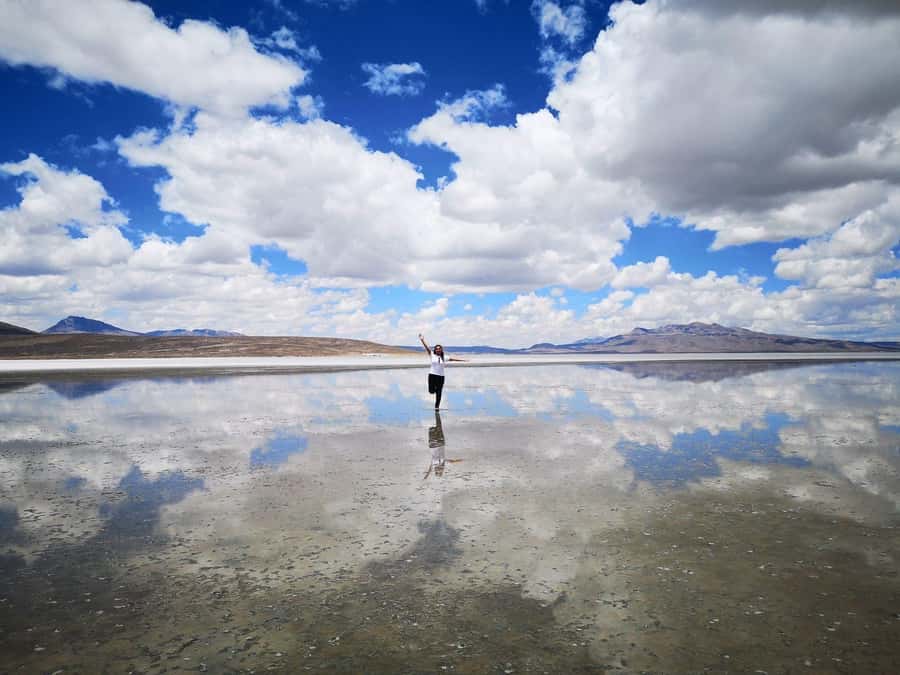
Right after you’ve moved through the Andes area, there’s a breakfast stop (roughly a 30-minute window). Here’s the key: food isn’t included. So while the schedule gives you time to eat, you should come ready to pay for breakfast at the stop if you want it.
One review detail stands out for planning: breakfast has been cited around 10 soles if you choose to order there. If you’d rather skip and go straight to views, that’s totally doable—just keep water and snacks in mind so you don’t run low before the salt flats.
Bring cash. You’ll thank yourself later when small entrance fees or optional add-ons pop up.
The salt flats at Salinas: why this place looks unreal in photos
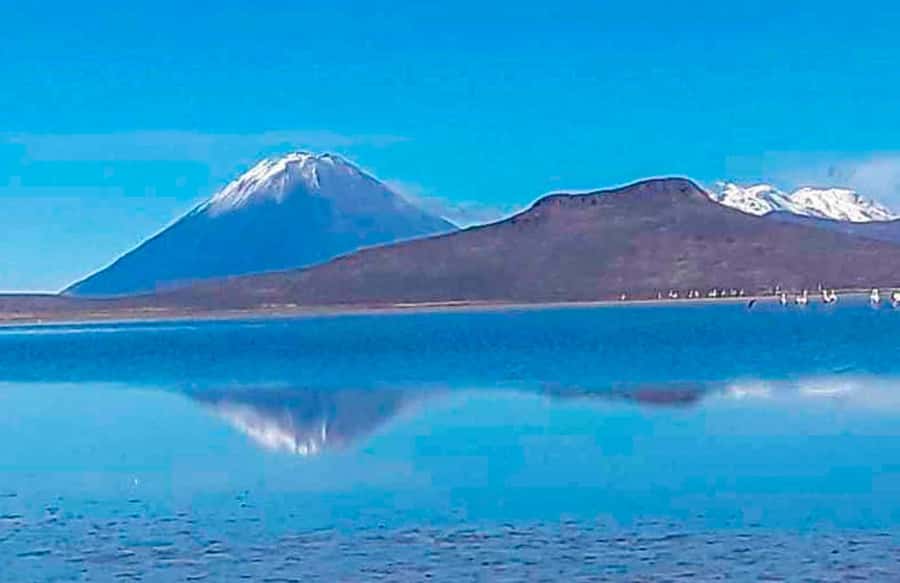
This is the heavy-hitter portion of the tour. Around 10:00 am you arrive at the extensive salt flat area of the Salinas reserve. The tour includes guided time here, plus time for photos and exploring the wider atmosphere of saltpeter production.
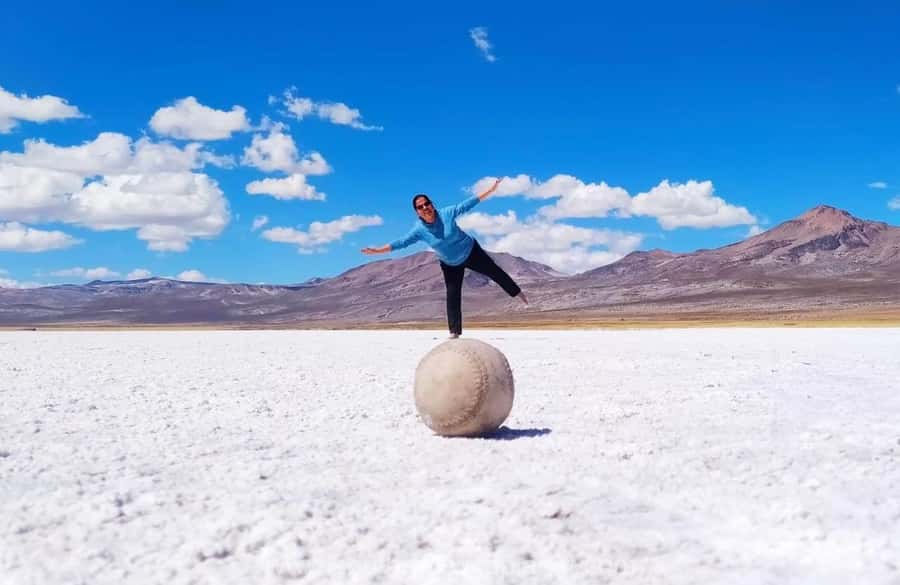
Why it’s so memorable: the salt flats aren’t just a background. They create a surface that turns the world into geometry—horizon lines, bright reflections (when conditions allow), and huge empty space that makes volcanoes and sky look bigger than they should.
If you care about photography, treat this like a photo workshop without calling it one. Walk slowly, find where the ground texture changes, and use the volcanoes as scale. A zoom lens helps, but even your phone can do well if you’re careful about composition.
What I’d consider a drawback: it can feel like a lot of “same scene” if you’re only visiting for wildlife. The salt flats are the point. If you want both nature and animals, don’t worry—you’ll get that later in the lagoon reserve. But keep your expectations aligned for the salt-flat chunk.
Laguna de Salinas: reflections, free time, and the mirror effect
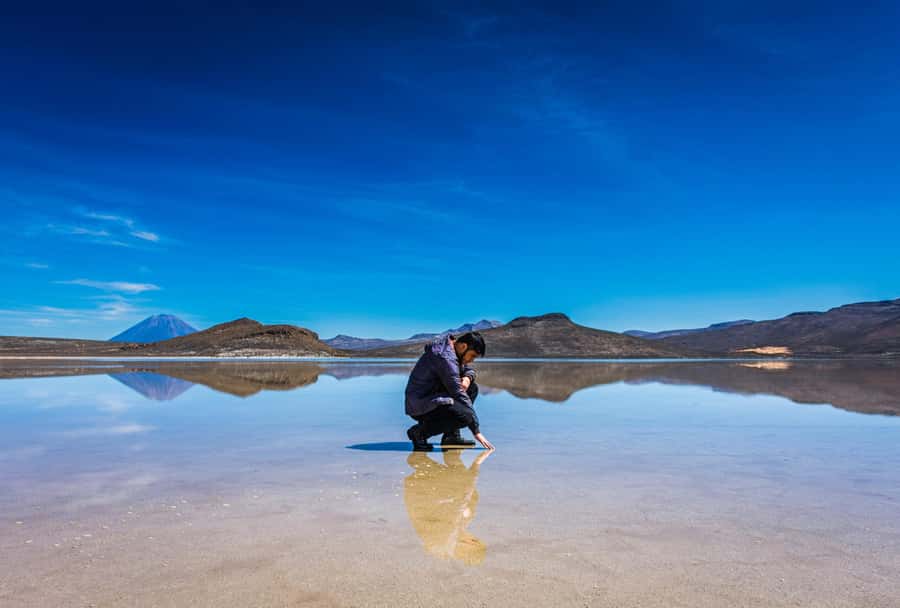
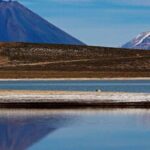
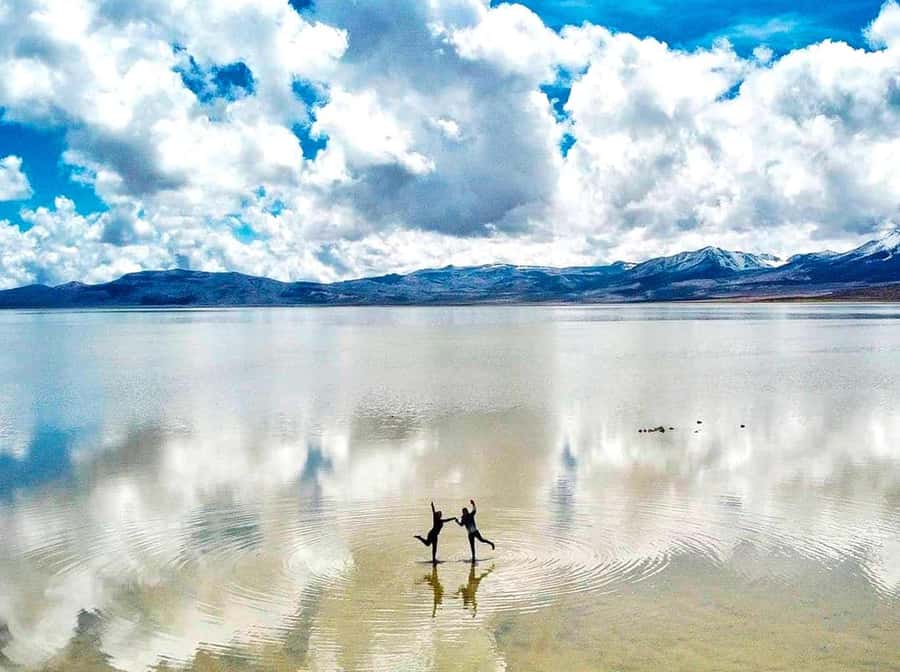
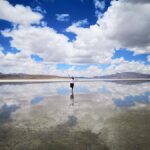
Around 10:30 am you move on to the Laguna de Salinas. This is where the tour earns the word mirror. You’ll see water reflection effects that can make the lagoon look doubled, especially when the surface is calm.
The tour gives guided time plus free time so you can take it in at your own pace. This is also where people tend to slow down without being told. The colors and the stillness can be surprisingly calming after the wide, bright salt flats.
Important planning note: entry-related small payments may apply. While the tour itself doesn’t include the tourist ticket, additional entry fees have been cited for lagoon access in some cases (for example, 6 soles). That’s why having cash on hand matters even if the tour price already feels low.
Time here is limited by the schedule (you still need to reach the reserve and make the return drive). So aim to arrive ready to look, not ready to wander for hours.
High Andean camelids and birds reserve: the wildlife break you’ll remember
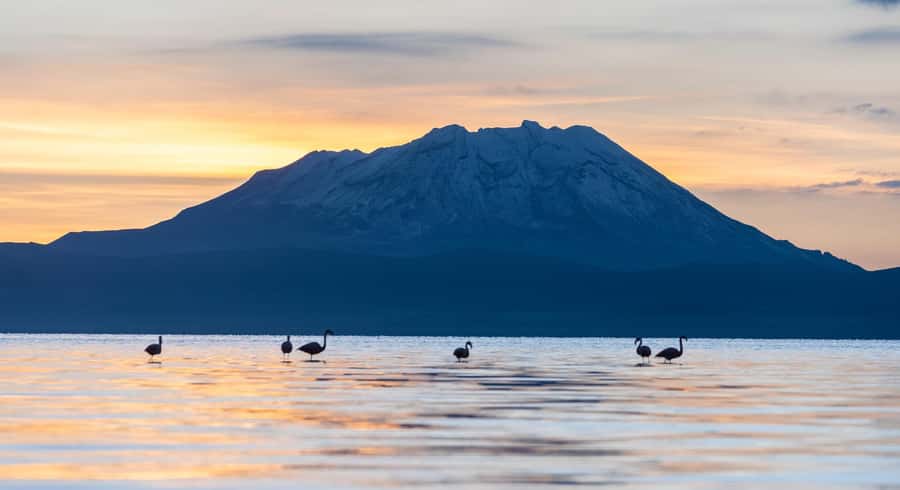
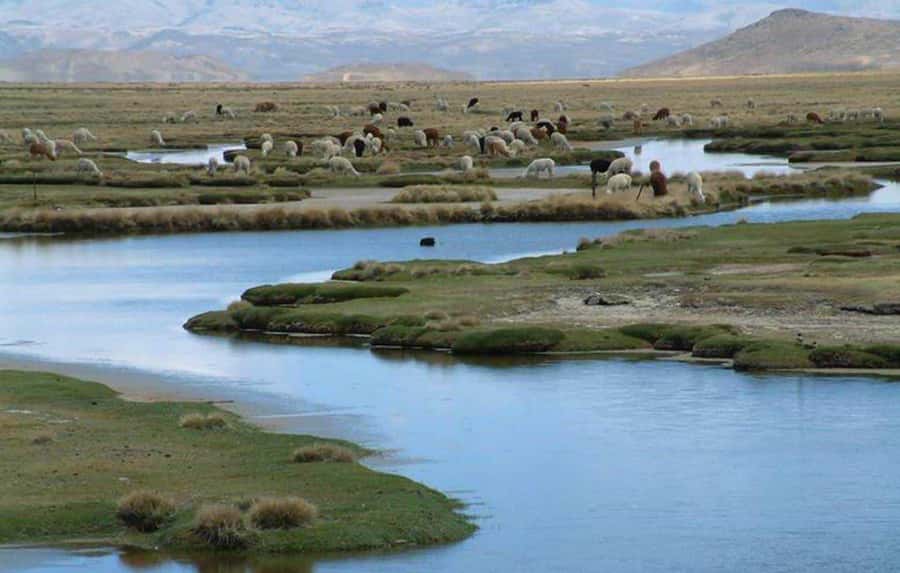
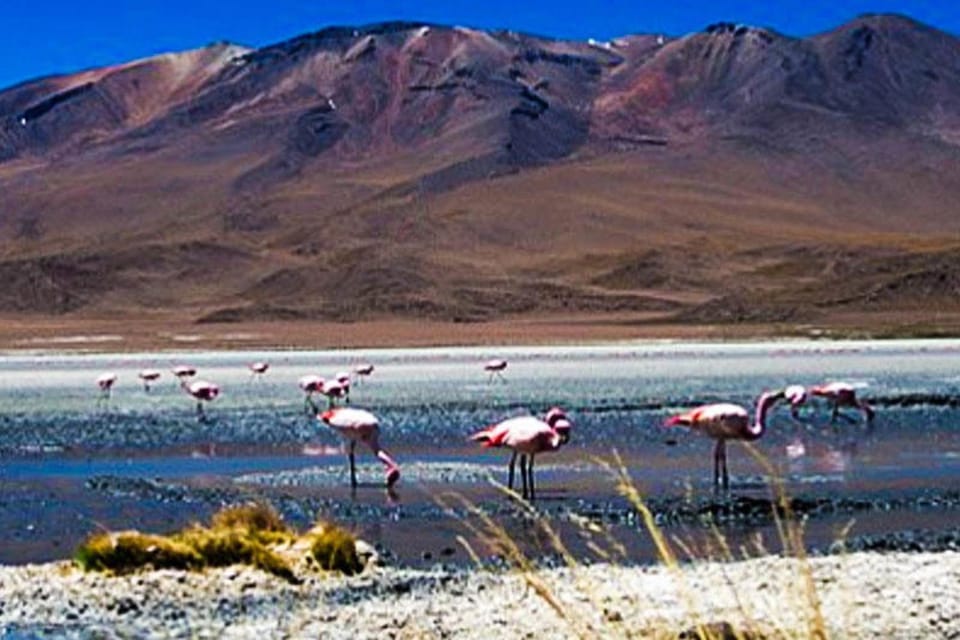
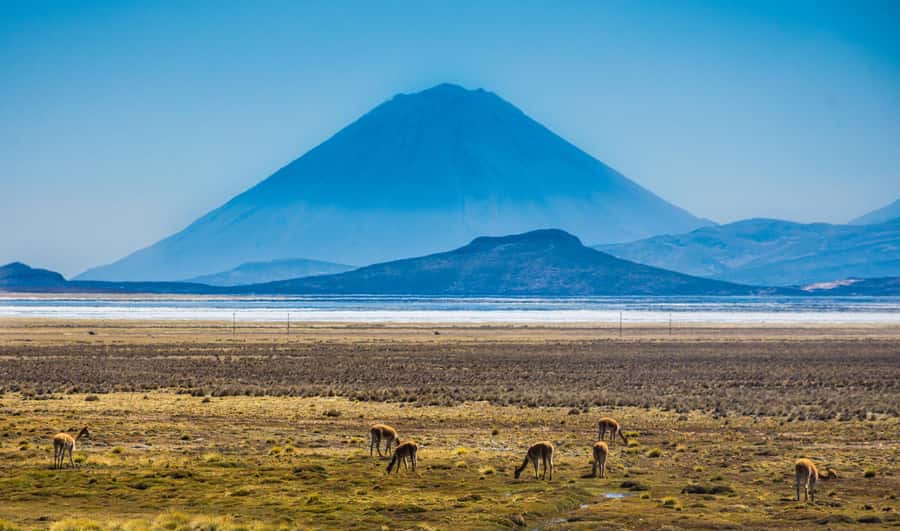
Around 11:00 am, you visit the High Andean camelid and bird reserve. This is the part that breaks the scenery into something more alive.
What you’re likely to see:
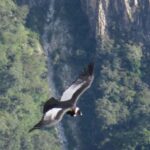
- Camelids (you may spot llamas and alpacas, plus other local animal life depending on where the guide takes your group)
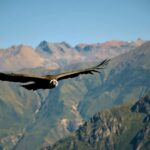
- High Andean birds adapted to life at altitude
If you’re hoping to photograph animals, don’t expect easy, close-up zoo-style encounters. This is more about catching them in their natural rhythms—standing, grazing, occasionally looking up—against a huge sky.
One reason this stop gets strong marks: it gives balance to the day. After salt and reflections, you get texture from animals and behavior, and the guided talk helps you connect what you’re seeing to the place’s altitude ecology.
Optional mini thermal wells: small soak, not a full spa day
The schedule includes optional time around 11:30 for mini thermal wells. This is a “if you want it” moment—so you’re not forced into it.
Based on what’s shared, this part is more like a quick thermal break than a major destination by itself. If you like warm water and don’t mind that it’s modest, it can be a nice change of pace before you head back toward Arequipa. If your priorities are volcano views and the lagoon photos, you might prefer to spend every minute you can outside where the light and reflections are happening.
If you do choose the thermal stop, still dress for the outdoors. Warm water doesn’t automatically solve the wind-at-altitude problem when you’re walking back to the van.
The road back: bumpy terrain and the altitude hangover
After the reserve and the optional thermal time, you start your return around noon. You arrive back in Arequipa around 1:30 pm.
This return matters because the drive can feel intense. The roads can be curvy and uneven—dirt/gravel segments and sharp turns show up in descriptions. So if you get carsick easily, this isn’t the day to test your luck. Bring your usual motion-sickness tools (meds, ginger, or whatever works for you).
Also, altitude can create what I call a hangover effect: you might feel okay during the morning, then get a headache or fatigue later. Keep sipping water on the way back and don’t treat the early start like it’s just “an early bedtime”—your body may not agree.
Price and value: what $27 includes, and what you’ll probably pay extra
The price is listed at $27 per person for the day. That’s a good deal considering you get:
- A bilingual guide (Spanish/English)
- Tourist transport by van
- Pickup from central hotels
- Permanent assistance
But it’s not all-inclusive in the way a “one price covers everything” tour is. Food isn’t included, and a tourist ticket (listed as 10 soles) is also not included. Then, once you’re in the field, small additional costs can show up depending on access and what you choose to do.
In real-world planning terms, the money you may want to budget for includes:
- Breakfast at the stop if you want it (often cited around 10 soles)
- Possible small lagoon-area entry fees (cited around 6 soles in one case)
- Optional extras like feeding camelids (cited at 5 soles)
- Optional activities on site such as ATV rental (cited at 30 soles)
So is it good value? I think yes, because the main experience is largely what you see and photograph, and the tour supplies the transport and the guiding structure. Just don’t treat the $27 as a full “no cash needed” guarantee.
Guides and group vibe: when the guide makes the day easier
What consistently elevates this trip is how guides handle the flow of the day and the photo time. Several guide names are mentioned in accounts of this route—Sonny, Jefrey, Toni, Uriel, Fernando, Roni, Francisco, Mateo, Hanss, and Mario—and the shared theme is practical help: pacing, explanations, and taking care with pictures.
That matters because at altitude and in wide-open areas, it’s easy to waste time. A good guide keeps you moving to the right viewpoint at the right moment, and helps you avoid the slow drift that can happen when everyone’s focused on their own camera.
Also, some guides are specifically described as helpful with altitude discomfort. If you’re unsure how you’ll react, having that kind of on-the-spot support is a real value add.
Who should book this tour (and who should skip it)
Book this tour if you want:
- Iconic Andean scenery: volcano viewpoints plus salt-flat and lagoon reflections
- Wildlife time without hiking for hours
- A structured day with guided stops and enough free time to enjoy photos
You might skip or approach carefully if:
- You’re very sensitive to altitude or car sickness. The drive and the height can be rough for some people.
- You’re expecting a long, in-depth “nature class.” This is more about seeing the big sights with guided context than doing a deep, long trek.
If you’re an alpaca/llama fan, you’ll likely enjoy the camelid reserve. If your top priority is thermal bathing, the mini thermal wells are optional and likely won’t satisfy a full spa mindset.
Should you book the Salinas Lagoon and National Reserve tour?
If you can handle early mornings and you pack for altitude and bumpy roads, I’d say yes. This trip is strong when your goal is photos, wide-open views, and a wildlife stop that actually breaks up the salt-sky theme.
My final decision rule for you: book it if you’re the kind of person who loves mirrors on water, salt-white terrain, and big volcano silhouettes. Skip it if you need comfort-first transport or you’re not comfortable at height.
FAQ
FAQ
How long is the tour to Salinas Lagoon and the National Reserve?
The duration is 8 hours.
What time do we depart and when do we return to Arequipa?
You depart at 6:00 am and arrive back in Arequipa around 1:30 pm.
Is pickup included?
Yes. Pickup is included from central hotels, with specific pickup instructions depending on whether you’re in a hotel or an apartment.
What’s included in the price?
The tour includes a Spanish/English guide, tourist transport, permanent assistance, and hotel pickup.
What’s not included?
Food is not included, and the tourist ticket (10 soles) is not included.
Is breakfast included?
No—food isn’t included. There is a breakfast stop on the way, so you’d need to pay for breakfast if you want to eat there.
Are there extra payments once at the lagoon or reserve?
A tourist ticket is not included, and small additional entry fees have been cited for lagoon access in some cases. Having cash is smart.
Is there time for the mini thermal wells?
Yes, the schedule includes optional time for the mini thermal wells around 11:30.