REVIEW · AREQUIPA
From Arequipa: Sillar Route Trek
Book on GetYourGuide →Operated by AREQUIPA EXPLORER Y ACTIVIDADES TURISTICAS · Bookable on GetYourGuide
Stone tells Arequipa’s story. The Sillar Route Trek turns Arequipa’s building stone into a moving, living lesson, with quarry workers in action, a canyon walk, and big volcano-and-valley viewpoints.
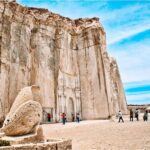
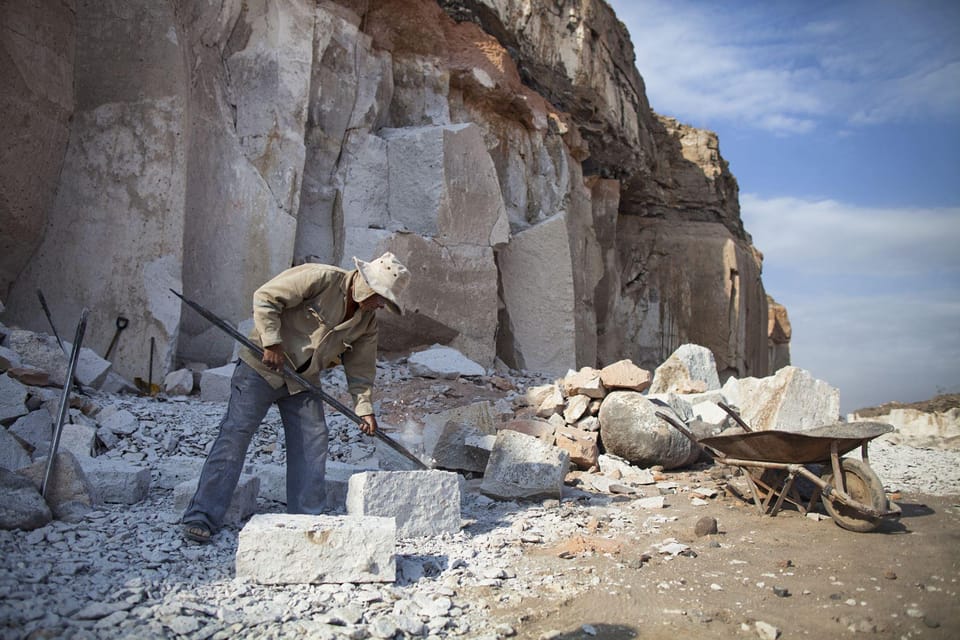
I especially like seeing the Añashuayco Quarry while it’s still in operation. You get history in plain language, scale cues for the immense ignimbrite cliffs, and even a chance to try cutting a stone block yourself with the stonemasons.
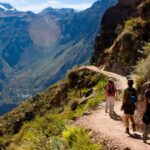
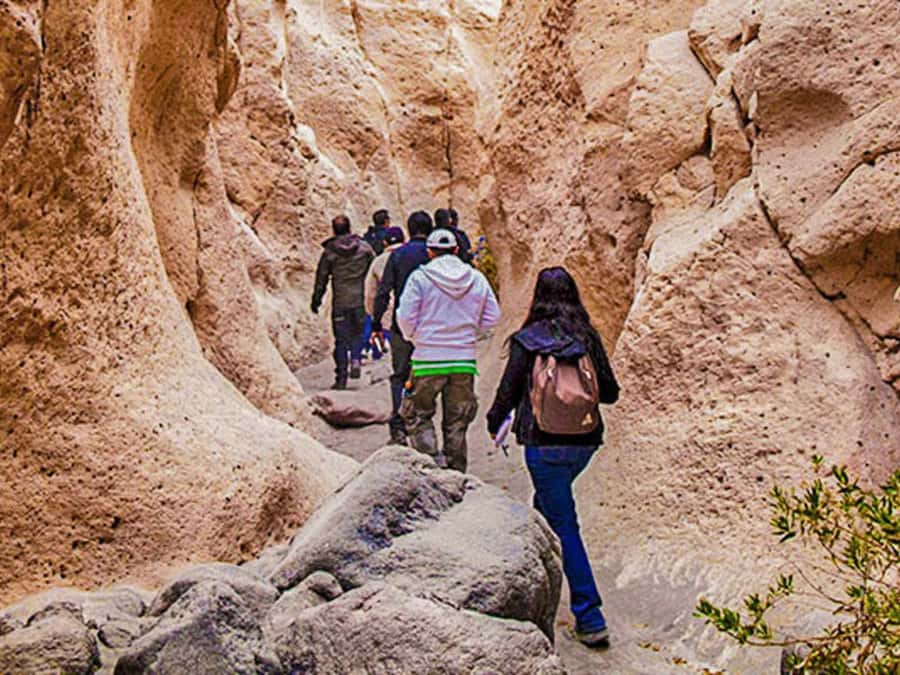
My other big win is the Culebrillas Canyon section. You walk through a narrow canyon with tall walls, then you reach Wari petroglyphs more than a thousand years old and end with the Apachetas stone stacks. The main drawback to plan for: the canyon walk is real walking, so wear close shoes and don’t expect a flat, stroller-friendly path—one group review noted some people struggled with the canyon portion.
In This Review
- Key things that make this trek worth your half-day
- Why Arequipa’s Sillar Route matters (and how it’s different from a sightseeing stop)
- Where you start in Arequipa and what the first van ride sets up
- Añashuayco Quarry: mega carving, real work, and a short hands-on moment
- Culebrillas Canyon walk: narrow walls, Wari petroglyphs, and Apachetas energy
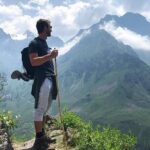
- Mirador de los Volcanes: photos, a short guided story, and the Chilina Valley payoff
- Timing, transport style, and what you’ll actually pay
- Morning vs afternoon: when the light makes the stone feel different
- Who should book this Sillar Route Trek (and who might want a different option)
- Tips that will make your trek easier (and more comfortable)
- Should you book the Sillar Route Trek?
- FAQ
- How long is the Sillar Route Trek?
- What is the price?
- What’s included in the cost?
- Are entrance tickets included?
- Where do I meet the group?
- Does the tour run only in the morning?
Key things that make this trek worth your half-day
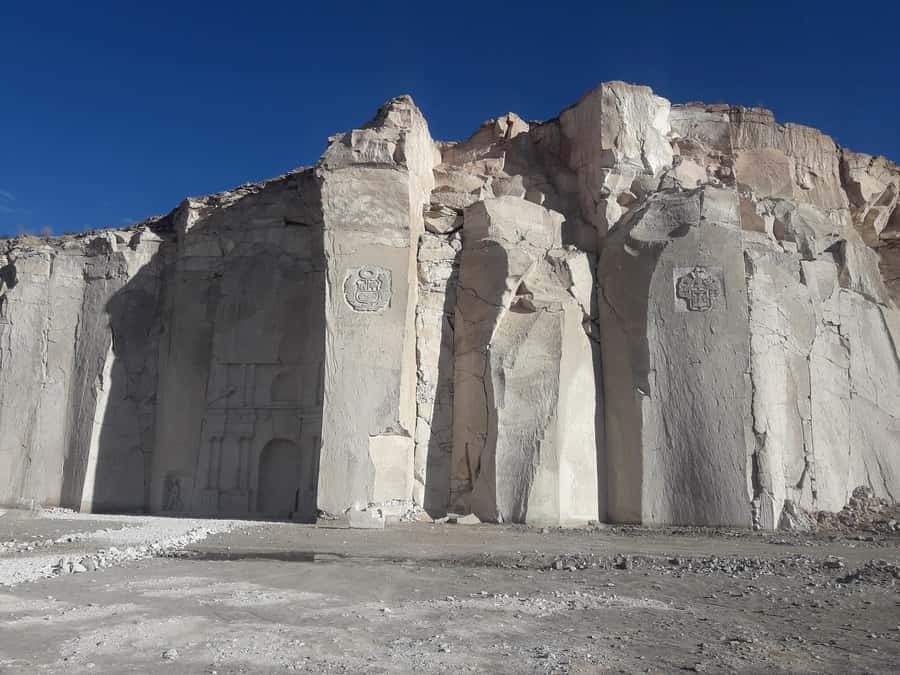
- Working quarry time at Añashuayco with stonemasons working very early and guiding you on what you’re seeing
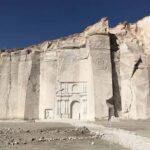
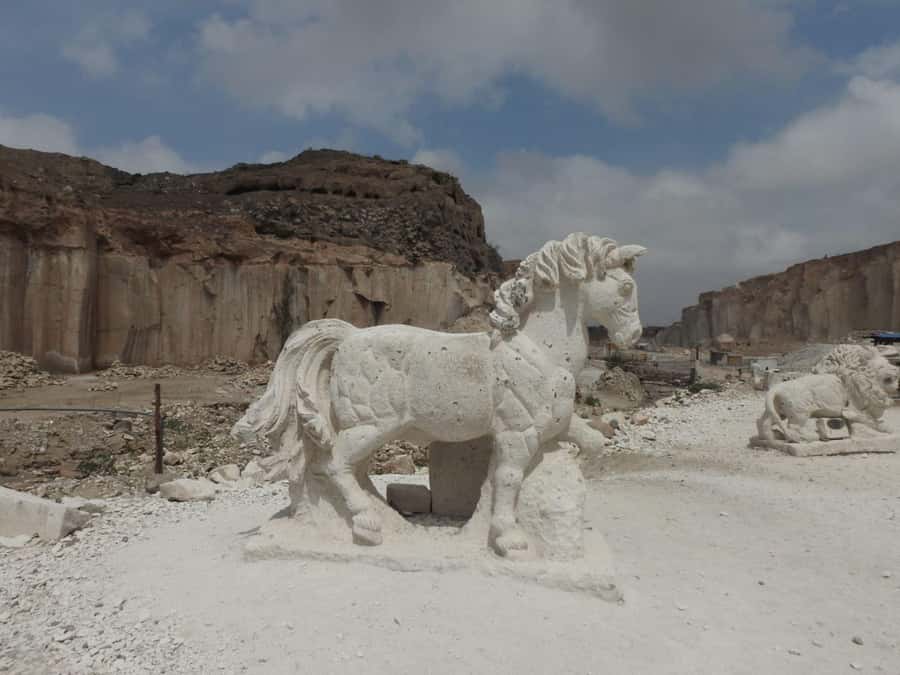
- Mega carving inside the quarry featuring the Church of the Company of Jesus motif made by local stoneworkers
- Culebrillas Canyon walk through a narrow channel where walls rise and the setting feels dramatically enclosed
- Wari petroglyphs in the canyon, plus Apachetas stone stacks symbolizing gratitude and good luck
- Volcanoes and Chilina Valley viewpoints with photo stops and short guided interpretation
Why Arequipa’s Sillar Route matters (and how it’s different from a sightseeing stop)
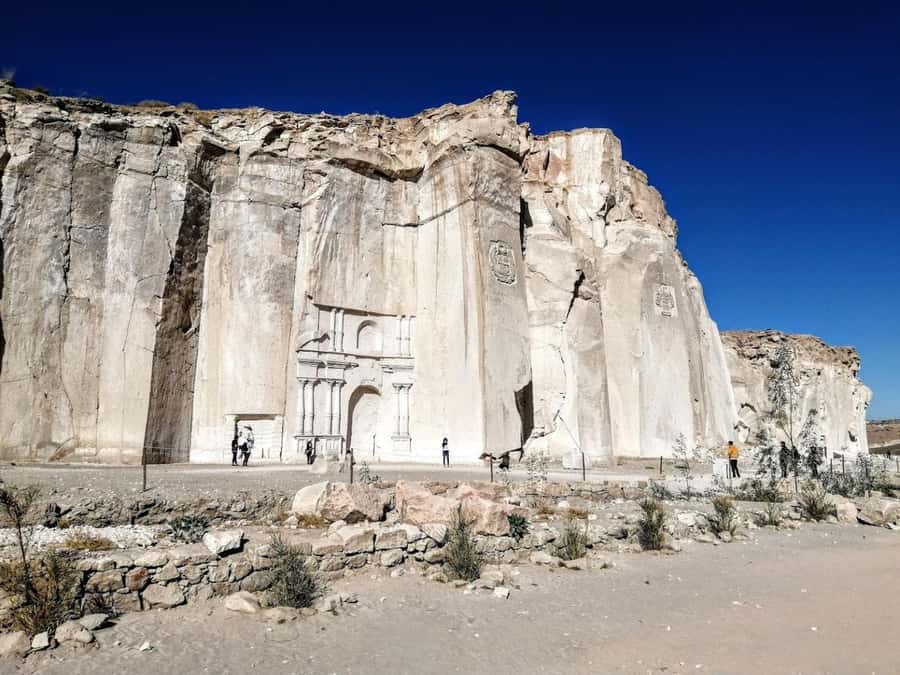
Arequipa’s famous stone isn’t just a backdrop here. This Sillar Route Trek is built around how ashlar (the block stone) is extracted and used, with the story told right in the places where it happens. That’s the key difference: you’re not just looking at pretty cliffs—you’re learning the chain from quarrying to the way the city is built.
I like the way the guide ties it together. At the quarry, you’ll hear production history and the purpose of the stone, not just dates and names. Then the stops keep reinforcing the theme: the scale of the extraction walls, the human craft inside the quarry, and the cultural layers tucked into the canyon.
And for value, the timing helps. At 4 hours, you get multiple sites without burning a whole day. The price is also refreshingly low for a guided outing with transport—especially when compared with the cost of piecemeal taxi rides and solo visits.
You can also read our reviews of more hiking tours in Arequipa
Where you start in Arequipa and what the first van ride sets up
The tour’s day begins at the meeting point at C. Álvarez Thomas 115. After you check in, you head out with a van, and the guide sets expectations before you reach the main viewpoints.
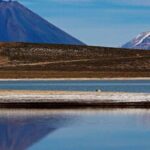
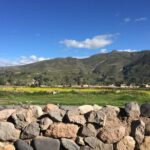
Around 9:15 AM, you start toward the Sillar Route sites. One part of the early portion is a strategic viewpoint stop where you can see the volcanoes and the Chilina Valley. The order can vary by season—sometimes you get an alternate viewpoint at the start—so you’re not always repeating the exact same photo angle year-round.
This first leg matters because it gives context before you hit the stone. You’re reminded you’re in high-country terrain shaped by volcano systems and erosion, not just a city with quarries outside it. It also helps you orient your photos: once you’ve seen the valley scale, the later canyon and quarry walls hit harder.
Tip: if you’re doing the morning shift, keep your sunscreen ready early. Arequipa sun can show up fast once you’re out of town.
Añashuayco Quarry: mega carving, real work, and a short hands-on moment
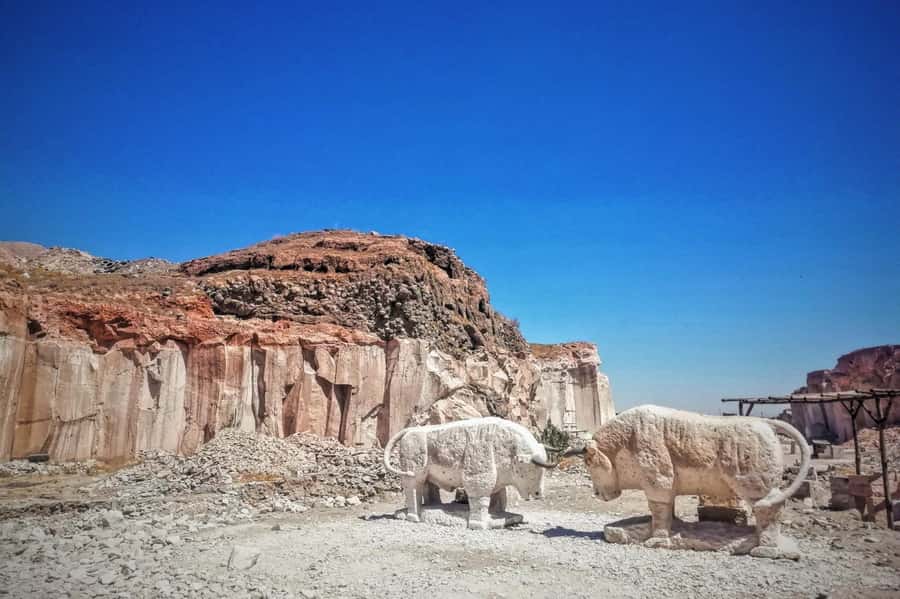
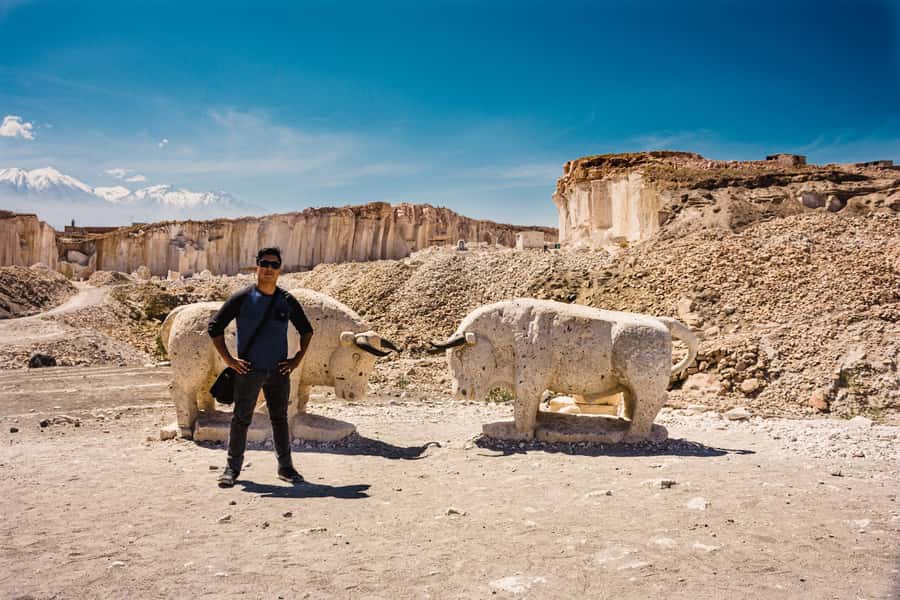
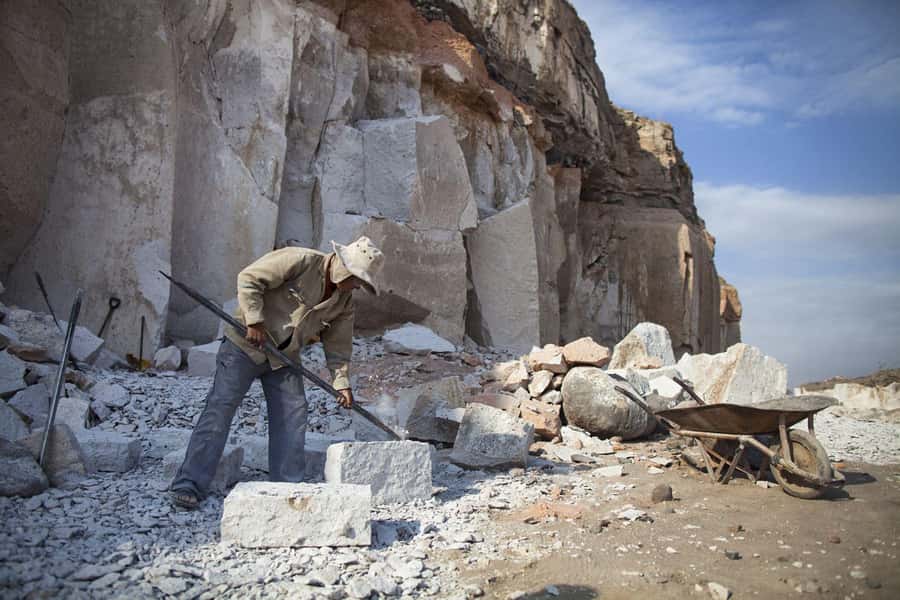
The heart of the morning is Añashuayco Quarry, about 45 minutes on site. You’ll reach it after a van transfer (the schedule puts it roughly 45 minutes from the quarry arrival point) and the timing is built around how the quarry operates. Several reviews mention stonemasons working very early, and you can feel that rhythm when you arrive.
Here’s what you’ll notice right away:
- You’re seeing a canyon-like view formed by extraction, with very tall ignimbrite walls (described as several meters high).
- You get an explanation of how ashlar production works and why this stone has been used over and over in Arequipa’s stone masonry.
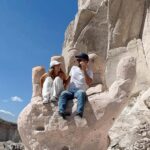
- You’re not limited to watching from the sidelines. The guide explains what you’re looking at, and you may get to visit a working stonemason area and even try cutting one of the stone blocks yourself.
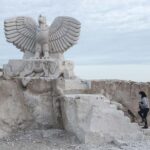
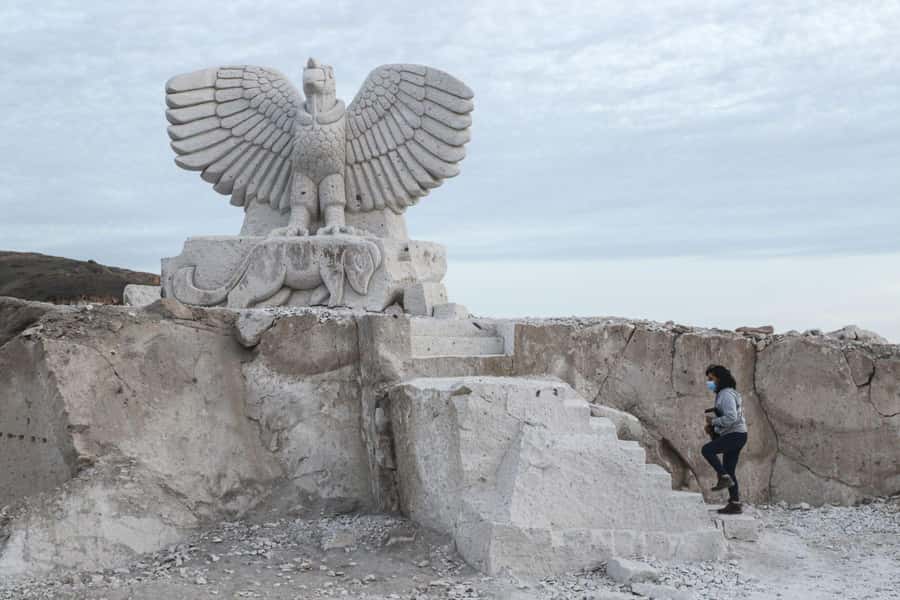
The stop also includes a standout visual: a mega carving of the Church of the Company of Jesus, made by the stonemasons themselves. It’s the kind of detail that changes the vibe of a quarry—from industrial extraction into something closer to local public art and craftsmanship.
How long is enough? The stop length is 45 minutes plus the guide’s interpretation. Reviews are mixed on timing, with one person wishing they’d had more time at the Sillar Route section because photo lines ate into the schedule. So if you’re the type who takes a lot of photos (or you’re traveling at peak times), it’s smart to be intentional: take your main shots early, then use the remaining minutes for the hands-on and deeper explanation.
What to watch for: the quarry is a working site. Even when it feels visitor-friendly, it’s still a stone extraction area, so keep an eye on where you step and follow the guide’s cues.
Culebrillas Canyon walk: narrow walls, Wari petroglyphs, and Apachetas energy
Next comes Quebrada de Culebrillas, a short transfer away. Once there, you’ll do a walk of about 20–25 minutes inside the canyon.
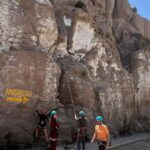
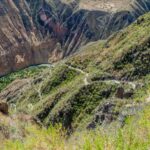
This is the part I think most people remember because it’s physical and sensory. As you enter, the canyon walls rise—described as about 15 to 20 meters—and the walk shifts from open-air to a tighter, more enclosed feel. It’s also short enough that you don’t need trekking gear, but it is enough that you’ll want shoes with grip.
Then you reach the cultural payoff: petroglyphs made by the Wari culture, said to be more than a thousand years old. That’s a strong moment because it’s not behind glass. You’re standing in the same kind of canyon setting where people long ago marked the stone.
When the walk ends, you’ll also observe Apachetas, stone formations stacked one on top of the other. In this tour’s framing, they’re a symbol of gratitude toward nature and also tied to good luck. People describe a bit of a mystical feeling here, and I can see why: it’s simple, quiet, and tied to Andean patterns of respect for the land.
One consideration: canyon conditions and crowd levels can affect comfort and pace. A few reviews flag that the canyon can be busy with other tour groups. If you’re sensitive to crowds or prefer slow, quiet exploration, you’ll likely enjoy the walk more if you focus on your own rhythm and keep moving with the group after the initial photo burst.
Mirador de los Volcanes: photos, a short guided story, and the Chilina Valley payoff
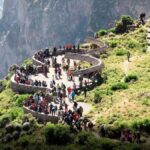
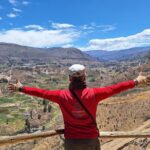
After the canyon, the tour heads to Mirador de los Volcanes. This stop is shorter—about 25 minutes—and it’s structured as a photo stop with a guided explanation.
What you’re getting here is the “big picture” conclusion. You’ll see volcano views again, and this viewpoint ties back to that early strategic stop. If you’re the kind of traveler who likes the feeling of narrative closure, this works well: the morning started with wide valley context, then you moved into human craft, then into a cultural canyon, and now you land back on mountain scale.
Photo advice: don’t only shoot from the main spots. If the guide offers options, it’s worth trying another angle because the valleys can change with light. For the afternoon shift especially, reviews mention that the light can turn the rock setting into something more cinematic.

Timing, transport style, and what you’ll actually pay
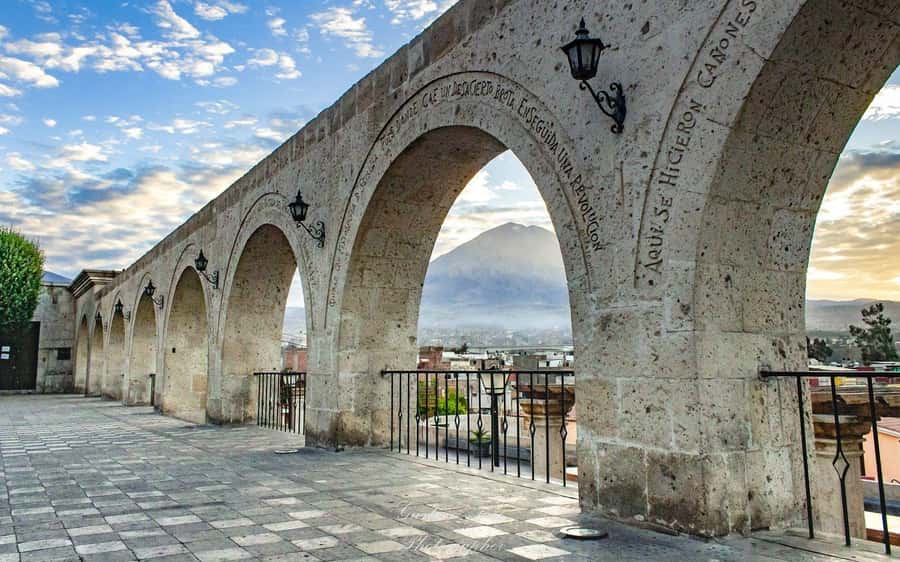
This is a half-day outing that runs about 4 hours. The morning schedule starts at 9:15 AM and returns you to central Arequipa around 1:30 PM, with drop-off near the main square area. There’s also a 2:00 PM afternoon shift, which is useful if you want softer light later.
What’s included:
- Transportation (van)
- A guide (English and Spanish)
What’s not included:
- Entrance tickets to the places, listed as 18 soles total
Practical note: at least one review flags the importance of having cash in soles for tickets and purchases, and the tour notes confirm entry fees aren’t part of the base price. I’d plan ahead so you’re not stuck trying to solve money at the last moment.
Transport comfort: several reviews describe the bus as comfortable but not necessarily air-conditioned. You may also experience an open-air or open-top feel depending on the vehicle. That’s not bad for photos, but it does mean bring sun protection and be ready for the wind at viewpoints.
Group size: one review mentions around 25 people on a group. That’s large enough that you won’t get a super slow, private pace, but small enough for you to still hear the guide.
Pacing reality check: most stops feel structured and on time, and reviews highlight punctuality and solid timing. Still, two common “human factors” show up in feedback:
- Photo lines can reduce time at the quarry.
- A viewpoint stop can feel a bit like a standard photo moment compared to the quarry and canyon.
If you want the most “hands-on” time, focus your energy at Añashuayco and the canyon walk.
Morning vs afternoon: when the light makes the stone feel different
If you have a choice, the afternoon 2:00 PM shift is often the better fit for people who care about light. Reviews specifically mention better sunset light on the rocks and recommend the afternoon session for that reason.
The tradeoff is timing back into town. One review mentions traffic back into the city can be slow. So if you’re also juggling dinner reservations or a later plan, keep a bit of buffer time.
My rule of thumb:
- Choose morning if you want to get it done, then wander Arequipa calmly.
- Choose afternoon if your priority is photography and you like that end-of-day glow.
Either way, the walking amount stays similar, and the quarry-and-canyon structure is the same backbone.
Who should book this Sillar Route Trek (and who might want a different option)
This works best if you:
- Want to understand how Arequipa’s stone is produced, not just where to take pictures
- Like guided interpretation that connects sites to culture and craft
- Have only half a day and still want more than one meaningful stop
It’s less ideal if:
- You have limited mobility or expect a fully flat, easy walk. The canyon section is short, but it’s still uneven walking. At least one review specifically notes that some participants couldn’t walk the mini canyon well.
- You’re extremely photo-driven and hate group pacing. The quarry can get busy, and waiting for angles can eat into your free time.
If you’re traveling with a friend who loves history and another who loves scenery, this tour is a good middle ground: quarries for craft, canyon for atmosphere, viewpoints for mountain scale.
Also, if you care about guides, the reviews highlight strong guiding performance. Names mentioned include Jose Jose, Mike, Alexandra, Alexa, Roni, and Julia. English-level support appears solid, with guides described as switching languages to keep everyone included.
Tips that will make your trek easier (and more comfortable)
Based on what’s been flagged in feedback, pack like it’s a canyon day, not a city museum:
- Wear close-toed, grippy shoes for uneven ground in the canyon
- Bring sunscreen and a hat
- Bring insect repellent (especially for the canyon area)
- Keep your water handy (the walking isn’t long, but the sun at altitude adds up)
Photo tip: if you’re waiting for the perfect shot at Añashuayco, do your first quick set early. Then you can use the rest of the time for explanations and hands-on activities without feeling rushed.
Should you book the Sillar Route Trek?
Yes, if your time in Arequipa is tight and you want a tour that connects craft, geology, and local culture in a way that actually makes sense. For the low base price and the inclusion of transportation plus a live guide, it’s good value—especially once you consider that the stops include both a working quarry and a canyon walk with ancient petroglyphs.
I’d hold back only if you know you won’t enjoy walking through a canyon setting or if you strongly dislike group pace and photo crowds. In that case, you might prefer a more flexible sightseeing plan.
If you do book, go in with the right mindset: this isn’t just a drive-by. It’s a short, focused run through the stone, the craft, and the cultural marks left on the rocks around Arequipa.
FAQ
How long is the Sillar Route Trek?
It lasts about 4 hours.
What is the price?
The price is listed as $12 per person.
What’s included in the cost?
Transportation and a live guide are included.
Are entrance tickets included?
No. Entrance tickets are not included and are listed as 18 soles total.
Where do I meet the group?
The meeting point is the main office at C. Álvarez Thomas 115 (you check in there and your name is put on the list).
Does the tour run only in the morning?
There’s also an afternoon shift noted for a 2:00 PM start time.