REVIEW · AREQUIPA
3-Day Colca Canyon trek with Professional Guide
Book on Viator →Operated by Peru Baby Lama Adventures · Bookable on Viator
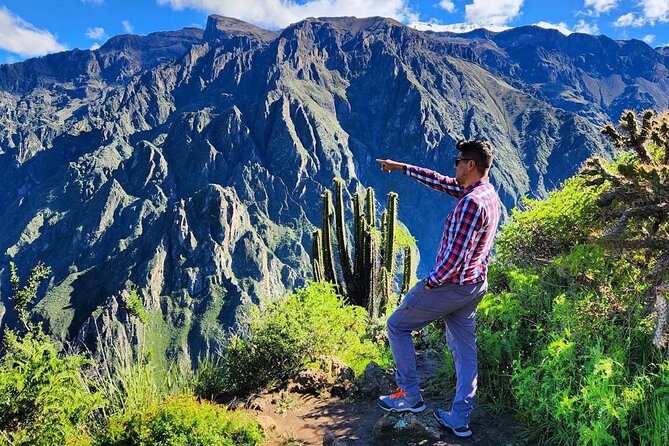
Condors float above a steep drop. This 3-day Colca Canyon trek gives you big Cruz del Condor views plus real time hiking down into the canyon and staying in small villages, not just doing a quick photo stop. You’ll also have guides who talk about what’s around you, from plants and animals to how people live down there.
One thing to plan for: it starts brutally early (3:00 am), and the first day involves a steep, hot descent. If you’re not used to rocky downhill and long sun exposure with little shade, you’ll want to come ready with the right shoes and trekking poles.
In This Review
- Key things I’d book this for
- Why 3 Days Works Better in Colca Canyon
- The 3:00 am start: worth it, but don’t wing it
- Cruz del Condor: condors, steep downhill, and a village night
- Oasis Sangalle: farmland communities and the calm after the hike
- Chacapi hot springs on day three: relax, then face the climb
- Guides and the small-group advantage (Markus, Ghersy, Jean Carlos, Jonathan, César…)
- Food and lodging: fuel that keeps you moving
- Cost and value: the $98 base plus the on-ground extras
- Practical tips that match the real difficulty
- Who should book this trek, and who should skip it
- Should you book this 3-day Colca Canyon trek?
- FAQ
- What time does the trek start?
- What is included in the tour price?
- What costs are not included?
- How physically demanding is the trek?
- How large is the group?
- Is hot springs admission included?
Key things I’d book this for
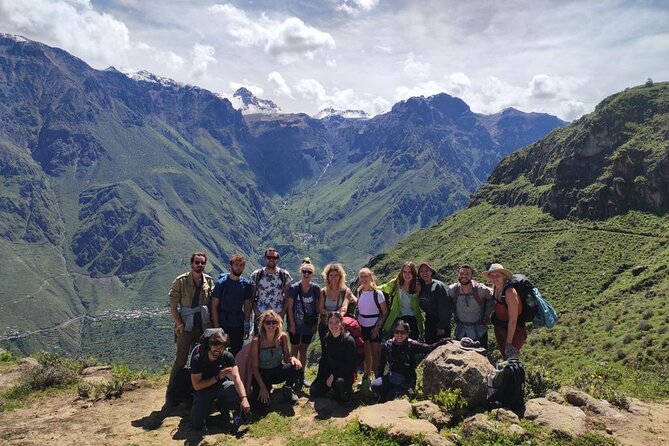
- Cruz del Condor timing: You’re up early to catch the condors and the canyon depth.
- More canyon time than the 2-day trek: You get extra hours for a calmer rhythm down in the Colca Valley.
- Sangalle Oasis pools: A break you actually feel in your legs after hiking.
- Pro guides in small groups: Max 10 people, and the pace is kept manageable.
- Simple, clean lodge stays: Basic cabins, good meals, and a proper night’s rest after each day.
Why 3 Days Works Better in Colca Canyon
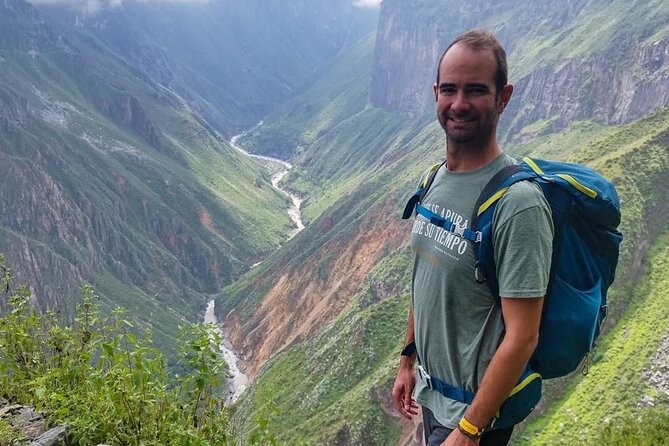
Colca Canyon is not a place you want to sprint through. Even when the hikes are planned carefully, you’re still going up and down a real canyon system with real altitude and real sun. The 3-day format helps because you’re not constantly rushing to hit every viewpoint and then turning around immediately.
In practical terms, the extra day gives you breathing room to enjoy the canyon bottom, wander between small communities, and slow down in the afternoon at the oasis. It also helps because the trek includes a particularly tough first descent. When you have two nights down in the canyon area, you recover better and you don’t feel like every meal and view is just a stop on the way to the next one.
This is also a good sign for photo fans. The famous views are there, but you’re not just passing them once. You have time for sunrise on the last morning too, which changes the mood of the whole canyon.
You can also read our reviews of more guided tours in Arequipa
The 3:00 am start: worth it, but don’t wing it
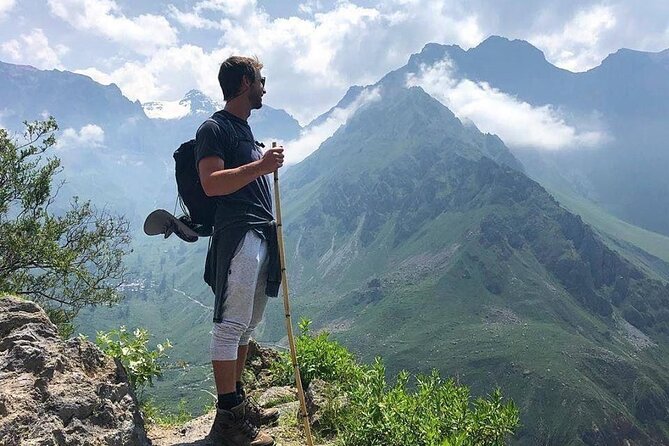
Your meeting point is set for a very early start (3:00 am). The upside is obvious: you’re in position for the condors and the big canyon panoramas before the day warms up too much.
The downside is human, not scenic. Early starts mean you should plan your sleep like a mini mission. If you’ve arrived in Arequipa the day before, don’t schedule late dinner plans that run long. Start hydrating ahead of time. And since your first day includes a long downward walk, you’ll want your feet feeling good before the descent begins.
Also, the trail conditions can include sections with little shade. One review specifically noted very hot conditions on day one, with limited shade. That’s your hint to bring sun protection seriously: hat or cap, sunglasses, and sunscreen. If you tend to get lightheaded in heat, carry water and drink steadily rather than waiting until you feel thirsty.
Cruz del Condor: condors, steep downhill, and a village night
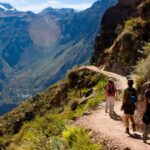
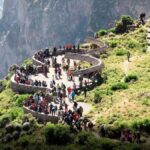
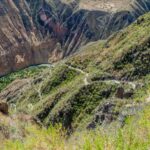
The trek’s first main moment is at Mirador Cruz del Condor. This is where you get the canyon depth and the condor flight that people come for. You’ll be walking into the canyon after the viewpoints, and you’ll spend about 4 hours hiking down the canyon that day.
That descent is the part most people feel. Reviews mention how steep it can be and how hot it gets, especially on the first day. So think of this first walking day as the one that sets your pace for the whole trek. If you go too fast on day one, your legs will feel it later—especially on day three when you’ll be climbing back up.
After the hike, you stay in a small village with views and very friendly local people. That part matters more than it sounds. You get a real sense of daily life in the Colca Valley, not just a lodge experience. The “basic but clean” vibe also shows up here in a practical way: you’ll sleep well because your body is ready for it.
A small tip from what I’ve learned about this style of trek: downhill feels easier when your footwear grips well. Wear hiking shoes built for uneven ground, and bring trekking poles if you use them. One review explicitly recommended poles and appropriate hiking shoes for the steep descent.
Oasis Sangalle: farmland communities and the calm after the hike
On the second day, you keep moving with about another 4 hours of walking. The route passes small communities where people still maintain traditions linked to agriculture and livestock. This is where the trek becomes more than scenery. You see how the canyon isn’t empty space—it’s a lived-in place with routines, fields, and animals.
Around midday, you arrive at Oasis Sangalle, where you can relax in natural pools inside the canyon. This is one of the smartest parts of the trek. After a day of hiking, your legs need a reset, and those pools are a simple way to do it without turning it into a big project.
The afternoon at Sangalle is also a mental break. People talk about “cozy afternoons” and the chance to chill in the canyon bottom. That matters because day three is early and demanding. If you treat day two like a full recovery, day three feels more manageable.
One more value point: walking through those communities gives context for what you saw from above on day one. Standing at Cruz del Condor, the canyon can look like a dramatic gap. Down in the oasis area, it turns into a working valley.
Chacapi hot springs on day three: relax, then face the climb
Day three begins very early with a climb out of the canyon. It’s the kind of morning where you feel the altitude and the effort before you even reach the hotter part of the day. Your final walking segment ends with time at Hot Springs Chacapi.
The hot springs admission is not included. You’re looking at about 5 USD per person for the baths. Your best move is to keep a little cash ready for this, so you’re not scrambling mid-day.
Time in the hot springs is short on paper—about 1 hour—but it’s the right length for most people. The goal isn’t a long spa day. It’s to loosen up muscles and return to “normal human” mode after the trek.
One review noted walking on the last day in darkness to see the sunrise. That’s a real possibility with early starts. If you’re doing this trek, I’d bring a headlamp. You don’t need drama—just practical light so your footing stays steady in low visibility.
You can also read our reviews of more hiking tours in Arequipa
Guides and the small-group advantage (Markus, Ghersy, Jean Carlos, Jonathan, César…)
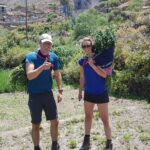
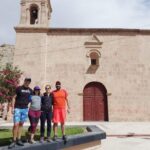
This trek caps at 10 travelers, and that matters. With a smaller group, it’s easier to keep everyone together without forcing one person to match another person’s stride. Multiple reviews praised the guides for pacing and for letting people walk at their own speed.
You’ll also benefit from a guide who pays attention to more than just the route. Several guide names came up in feedback, including Markus, Ghersy, Jean Carlos, Jonathan, Marcos, and César. Across the comments, the recurring theme is that the guide explains what you’re seeing—plants, animals, and local context. One review specifically mentioned a guide sharing information about flora and fauna, which is exactly the kind of detail that turns a hike into a story you can remember.
Look for the practical style in how they lead: stop timing for photos, managing the group on steep stretches, and giving enough guidance so you don’t feel lost even when the terrain changes.
If you value learning while hiking, this is a good fit. If you just want quiet and views, you can still get that—your guide will likely keep explanations brief and relevant rather than turning it into a lecture.
Food and lodging: fuel that keeps you moving
The package includes 3 breakfasts, 2 lunches, and 2 dinners. Lodging is part of the trekking experience too: you sleep in canyon-area accommodations, with descriptions like basic but clean.
Meals tend to be the kind of hearty food hikers need, and reviews mention generous servings. After long downhill or uphill segments, you want calories that actually satisfy, not just snacks.
Lodges can be simple, but several comments point out comfort and cleanliness. One review mentioned cabins with gardens and described them as cozy. Another mentioned stays at places like Posada Gloria and Tropical Lodge in Sangalle in the Sangalle area. You shouldn’t assume exact lodges for every departure, but it’s a good sign that the standards are consistent: clean rooms, decent food, and a place to rest properly.
If you’re sensitive to shared facilities or basic accommodations, read that carefully and plan expectations. This is a trek, not a five-star hotel tour.
Cost and value: the $98 base plus the on-ground extras
The listed price is $98 per person, and at face value it’s a low number for 3 days of guide-led trekking with meals and lodging. The catch is that you should budget for a few separate costs.
Not included:
- Colca park entrance: 20 USD per person
- Hot springs Chacapi: 5 USD
- Last day lunch: 45 soles
Included:
- Meals: breakfasts (3), lunches (2), dinners (2)
- Guided trekking with admission tickets noted as included on days 1 and 2
- A night or two in canyon-area stays
So how do you judge value? You’re paying for the hard parts: early starts, a pro guide, group coordination, and the structure that turns a steep trek into a manageable plan. When you add the entrance and hot springs costs, the total climbs, but you’re still getting a 3-day guided experience with food and lodging built in.
Also, one review mentioned arranging a transfer onward to Puno and noted that luggage could be stored at the trek start location. That suggests there may be add-on options depending on the date or package, but it’s not stated here as standard. If you care about traveling onward after Colca, ask during booking.
Quick note: the experience has free cancellation up to 24 hours before the start time. That’s helpful if weather or personal schedules are uncertain.
Practical tips that match the real difficulty
This trek says moderate physical fitness, and the reviews back up that it can feel challenging—especially day one. Here’s what you should take seriously.
- Use poles if your knees complain on steep descents. One review specifically recommended poles for the steep first day.
- Wear proper hiking shoes. Shoes that grip on uneven ground matter more than style.
- Treat heat like a factor, not background noise. One review noted very hot conditions with little shade. Sunscreen and hydration are not optional.
- Bring a headlamp. Because the last day can involve early walking in low light while you wait for sunrise.
- Expect a slow, careful pace. Reviews mention comfortable pacing and a guide who keeps the group together without rushing people.
If you go in with those basics covered, you’ll get more enjoyment out of every view and less frustration when your legs start negotiating with you.
Who should book this trek, and who should skip it
Book it if you want:
- A 3-day Colca experience with more time down in the canyon than the shorter options
- A guide-led hike with a small group (max 10) and flexibility in pace
- Condor viewing at Cruz del Condor plus time to relax at Sangalle
- A real feel for canyon life through walks past small communities
You might skip it if you:
- Don’t handle very early mornings well (3:00 am is non-negotiable here)
- Struggle with steep downhill walking, especially in heat
- Expect long hot spring time or luxury lodge comfort (the hot springs are about 1 hour, and lodging is described as basic but clean)
Should you book this 3-day Colca Canyon trek?
In my opinion, this is a strong pick if you want your Colca visit to feel complete. The best part is the balance: condors and canyon depth in the morning, hiking that’s challenging but structured, and proper time for recovery at Sangalle and then Chacapi hot springs.
If you do book, don’t treat the $98 price like the total cost. Plan for the Colca entrance (20 USD) and hot springs (5 USD) and budget for the last day lunch (45 soles). Also, come prepared for steep terrain on day one with good shoes and trekking poles if you use them.
Finally, since the group size is small and the guides like Markus, Ghersy, Jean Carlos, Jonathan, Marcos, and César show up with practical explanations and good pacing, you’re likely to get more from the trek than just walking and snapping photos.
FAQ
What time does the trek start?
The start time is 3:00 am.
What is included in the tour price?
It includes 3 breakfasts, 2 lunches, 2 dinners, guided trekking, and admission tickets on days 1 and 2.
What costs are not included?
You should plan for Colca park entrance (20 USD per person), Hot Springs Chacapi (5 USD), and last day lunch (45 soles).
How physically demanding is the trek?
The trek is designed for travelers with moderate physical fitness level, and the first day involves a steep downhill section.
How large is the group?
The maximum group size is 10 travelers.
Is hot springs admission included?
No, hot springs admission is not included, and it costs 5 USD per person.