REVIEW · AREQUIPA
Arequipa: The White City Origins – Sillar Route Half Day
Book on GetYourGuide →Operated by Tangol · Bookable on GetYourGuide
White stone has a real backstory. On this half-day Sillar Route tour, you follow the rock that built Arequipa and meet the people who still shape it, with a strong focus on the Sillar itself and how it gets extracted. I love that you get hands-on context from master stonecutters rather than just sightseeing from a viewpoint. The only drawback to plan for is extra costs once you’re there—entrance tickets and small payments are not included, and there’s no food on the schedule.
One of my favorite parts is seeing color variations in the quarry, especially the vivid Pink Sillar area, where sunlight hits the stone in a noticeably different way. Then you walk on narrow quarry paths to spot Culebrillas petroglyphs tied to the Wari culture, including animal figures around 30 meters up. If you’re the type who wants the absolute biggest views or a long day of stops, this 4-hour format may feel a bit short—but it’s a smart way to get the core story fast.
In This Review
- Key Points You’ll Actually Care About
- Sillar Route 101: Why Arequipa Looks the Way It Does
- Añashuayco Quarries: Pink Sillar, Workshops, and How Extraction Works
- Culebrillas Quarry: The Narrow Walls and Wari Petroglyphs
- Guides You Can Feel: Andreas and Fiorella’s Approach
- Price and Logistics: Is $23 Good Value for This?
- What to Bring for a Smooth, Sunny Walk
- Who Should Book This Sillar Route Tour
- Should You Book It?
- FAQ
- How long is the Sillar Route half-day tour?
- Where does the tour pick you up in Arequipa?
- Is the guide available in English and Spanish?
- What’s included in the price?
- Are food and drinks included?
- Are there entrance tickets or extra payments?
- Is there an entrance fee for the sites?
- What should I bring with me?
- What are the cancellation rules?
- Is the tour suitable for children?
Key Points You’ll Actually Care About
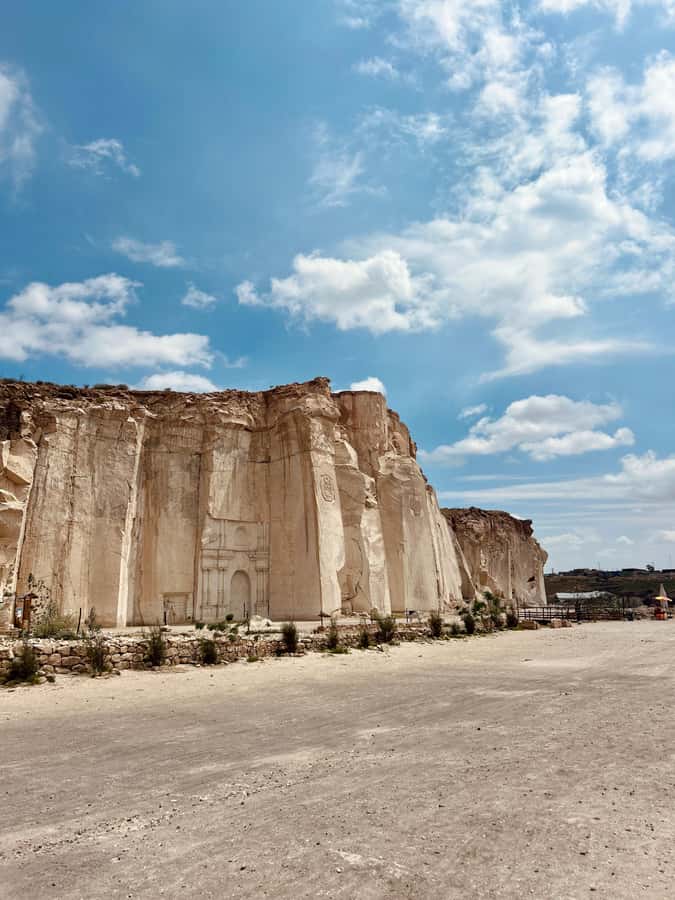
- Two quarries in half a day: Añashuayco first, then Culebrillas
- Pink Sillar: you’ll see how sunlight changes what you’re looking at
- Workshops and extraction: you don’t just watch the result, you learn how it’s made
- Wari petroglyphs at Culebrillas, on high walls with animal scenes
- Expert bilingual guides (Spanish and English) who connect stone to Arequipa’s culture
Sillar Route 101: Why Arequipa Looks the Way It Does
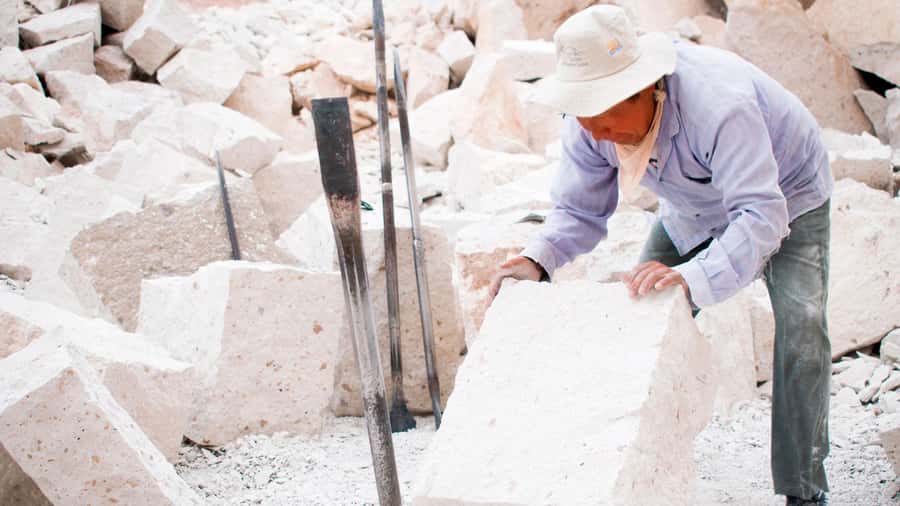
Arequipa is famous for its pale buildings, and that color isn’t random. Much of the city’s look comes from sillar, a distinctive stone used in construction across the city—Arequipa’s historic center is recognized as a UNESCO World Cultural Heritage site. On this tour, you get the practical answer to the question you’ve probably wondered at some point: where does that white stone come from?
The timing is built for people who want momentum. You’re picked up from centrally located hotels in the historic center, then you head out to the quarry zone in the direction of Cerro Colorado. Expect a walking-focused outing that stays concentrated around the places where sillar is cut and extracted—so you spend less time commuting and more time learning.
Because it’s only about four hours, you should treat it as a “core understanding” trip. You’re not trying to cover every single sillar quarry in the region. Instead, you’ll learn how the stone is sourced, processed, and connected to the city you see when you return.
You can also read our reviews of more city tours in Arequipa


Añashuayco Quarries: Pink Sillar, Workshops, and How Extraction Works
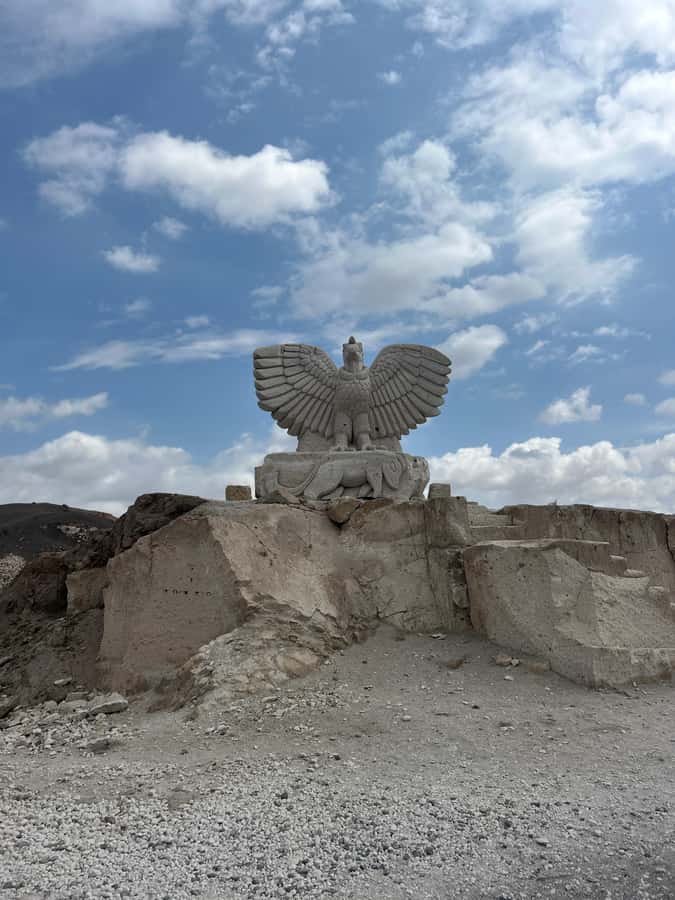
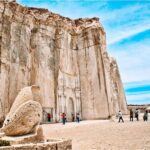
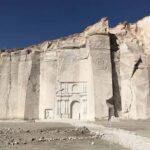
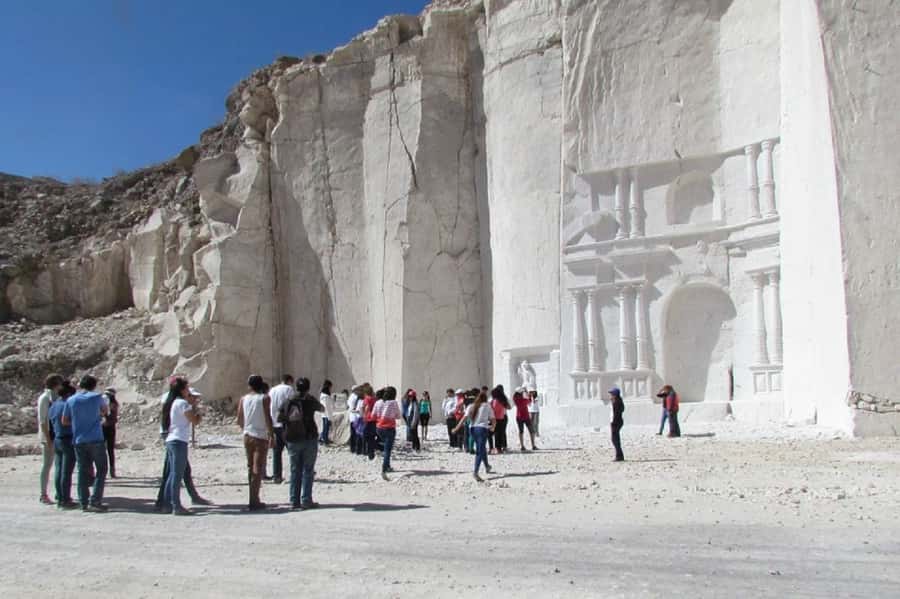
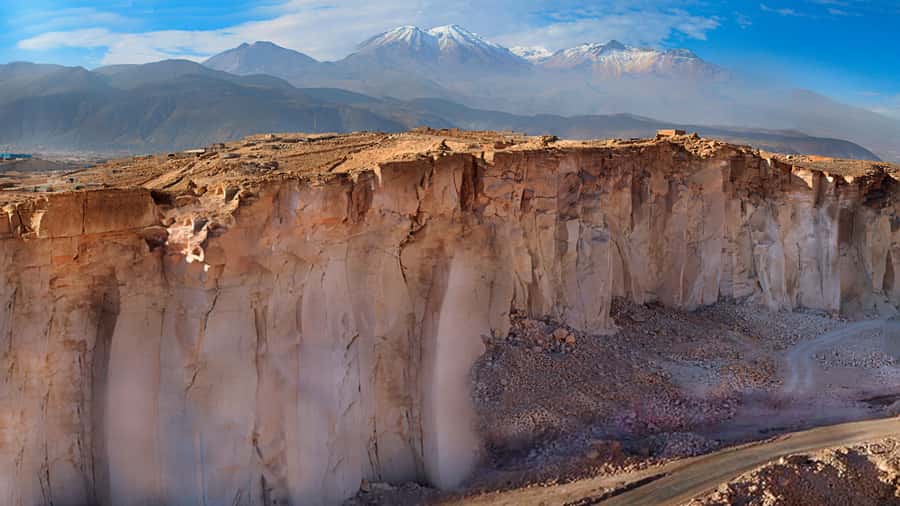
Your first major stop is the Añashuayco quarries, located at the foot of the Chachani Volcano and close to the Chili River. That setting matters because the quarry environment affects what you see: the rock layers, the color tones, and the working spaces where artisans do their craft.
Here’s what makes Añashuayco special:
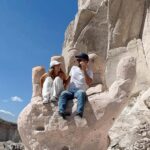
- You walk through areas where the stonecutters work, so you’re seeing a living production site rather than a museum display.
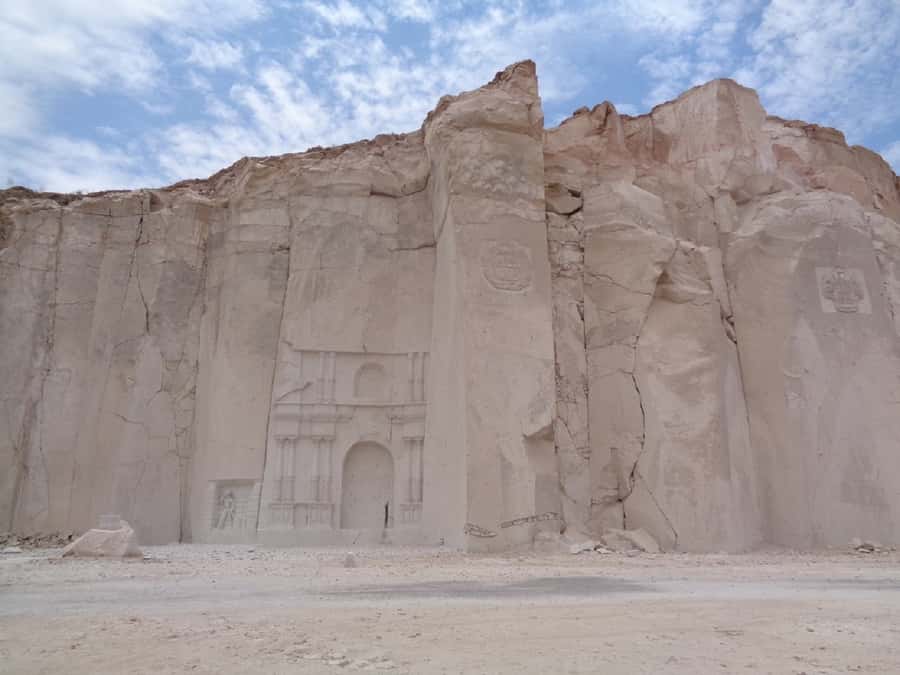
- You get to appreciate handcrafted pieces, including colonial facades and carvings made with sillar.
- You’ll focus on quarry sections that show Pink Sillar, a more intense pink color that appears when sunlight hits the combination of sillar, sand, and rocks.
Then comes the part that makes this tour worth doing even if you’ve already seen photos. You visit artisan workshops and learn how sillar is elaborated using ancestral tools. This isn’t just a lecture. You’ll also observe the process of sillar extraction, which is the “origin story” piece most people miss when they only visit a quarry overlook.
Practical note: you’ll likely have opportunities to buy handicrafts (optional). If you want a souvenir that doesn’t feel like mass-produced tourist clutter, this is the type of place to look—especially because the workshop context is right there with you.
One small planning heads-up: the tour includes guide, transportation, and pickup, but not the pay-at-the-site items. You may encounter entrance tickets (S/ 5.00 per person) and additional payments connected with master cutters, so keep some cash handy.
Culebrillas Quarry: The Narrow Walls and Wari Petroglyphs
After Añashuayco, you continue to the Culebrillas Quarry. This is a different kind of quarry experience—more dramatic and more “walk and look” than “stand and stare.”
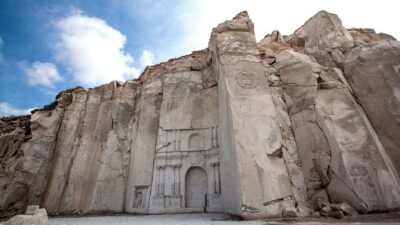
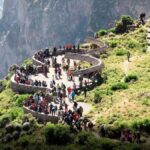
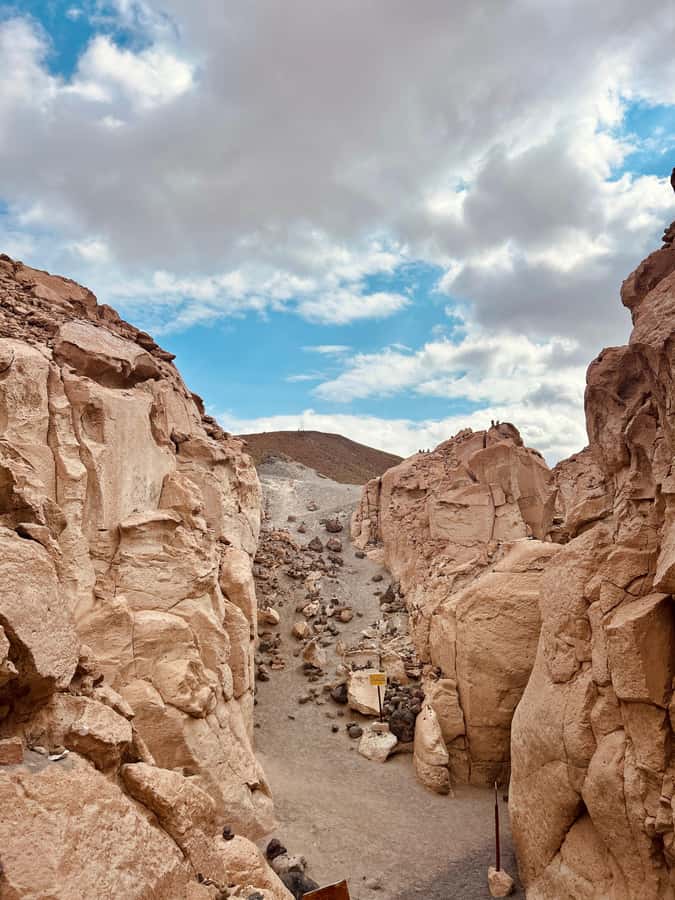
Culebrillas features a natural ravine formed by water and wind erosion. You’ll walk along narrow walls where the scale can surprise you. The petroglyphs are a highlight, and they’re tied to the Wari culture, which thrived between the 7th and 13th centuries AD.
What you’ll look for:
- Petroglyphs that depict animals such as birds, felines, and snakes
- Artwork height reaching around 30 meters
- A setting where you can connect the markings to the rock face you’re standing near
Why this stop works: it adds a layer beyond quarrying. It turns the quarry from a modern material source into a long-used cultural space. You’re essentially seeing how humans have worked with rock—first to communicate, and later to build.
This is also where the “guided” part matters most. If you’re left alone, it’s easy to miss the meaning of petroglyphs or struggle to spot smaller figures from the wrong angle. With a guide explaining what you’re seeing, the experience becomes much more than a quick photo stop.
Guides You Can Feel: Andreas and Fiorella’s Approach
A lot of quarry tours sound the same on paper. What changes the experience is the guide, and the best part here is how the guides connect the stone to Arequipa’s people and culture.
In one review, Andreas stood out as available and precise, with a clear passion for the Ruta de Sillar. The guide didn’t just stick to stone facts—he shared information about Peruvian culture, Arequipa, its people, and its districts. That matters because sillar isn’t just a material; it’s part of the local identity.
Another guide, Fiorella, was described as friendly and upbeat, bringing a communicative good mood to the walk. That kind of energy is more than personality. It makes the story easier to follow when you’re hearing about workshops, tools, quarry operations, and historic cultural context in a short time.
You’ll also have a bilingual professional guide in Spanish and English, which is a big deal if you want real explanations rather than a simplified script.
Price and Logistics: Is $23 Good Value for This?
At about $23 per person for a 4-hour tour, this is a solid value if your goal is to understand sillar’s origin and see more than one key quarry area. You’re paying for transportation, a bilingual professional guide, and pickup from centrally located hotels—so you’re not spending extra time figuring out how to get between working quarry sites.
What the price includes:
- Spanish and English professional guide
- Transportation
- First aid kit and covid kit
- Hotel pickup (from centrally located historic center hotels)
What to budget for separately:
- Food and drinks (not included)
- Ticket entrances (S/ 5.00 per person)
- Pay to master cutters (not included)
- Drop-off at the end (not included)
That last one can be a small surprise: you’ll return to the city center, but your hotel may not be the exact endpoint. In practice, that often just means planning for a short walk or an inexpensive ride from where you’re dropped back in town.
Also, no food or drinks are included. This is short enough that you can often manage without a full meal—just plan for what you’ll do before and after. Bring water if you like, and be ready for a bit of sun once you’re outside.
If you’re on a very tight schedule and your only goal is a single quarry, you might consider a direct taxi instead. But if you want the fuller story—workshops, pink sillar, extraction context, and the petroglyph stop—this half-day format tends to make more sense.

What to Bring for a Smooth, Sunny Walk
This is a walking tour, and the quarries are exposed to sun. I’d pack like this:
- Sunglasses and sunscreen (seriously, the glare can be real)
- A hat
- Comfortable clothes (you’ll move around on quarry paths)
- Cash (for entrance tickets and optional purchases)
- Passport (listed as a bring-along item)
If you’re sensitive to altitude or sun, Arequipa’s environment is something you should respect. Wear layers you can adjust and keep your breaks short and steady.
Who Should Book This Sillar Route Tour
This half-day tour is suitable for all ages, and children 2 and younger are complimentary if they sit on a parent’s lap. That makes it a good family option if your group can handle a few walks and some uneven quarry terrain.
It’s especially a good fit if:
- You want to understand why Arequipa looks white, not just admire it
- You like seeing how things are made—workshops, tools, and extraction process included
- You enjoy cultural layering, like connecting quarries to Wari-era petroglyphs
It may be less ideal if:
- Your time is so short that you only care about one specific quarry
- You prefer lots of sitting and fewer walks
In that case, a simpler, direct option could work better. But if you want the story in one efficient block, this is one of the more direct ways to get it.
Should You Book It?
Yes, I’d book it if you want sillar’s full “from source to city” story in about four hours. The mix of Añashuayco workshops and pink sillar, plus the Culebrillas petroglyph walk, gives you both material knowledge and cultural context—without wasting your day on long, unrelated detours.
Before you go, just plan for the practical bits: bring cash for entrance fees and any master cutter payments, and don’t assume food is part of the deal. If you’re comfortable with a short, guided walk and you like learning how local craftsmanship connects to the city’s identity, this tour is a smart use of time.
FAQ
How long is the Sillar Route half-day tour?
The tour lasts about 4 hours.
Where does the tour pick you up in Arequipa?
Pickup is included from centrally located hotels in Arequipa’s historic center. You should wait in the hotel lobby about 10 minutes before the scheduled pickup time.
Is the guide available in English and Spanish?
Yes. The tour offers a professional live guide in Spanish and English.
What’s included in the price?
Included are the guide, transportation, pickup from selected central hotels, and a first aid kit and covid kit.
Are food and drinks included?
No. Food and drinks are not included.
Are there entrance tickets or extra payments?
Yes. Ticket entrances are S/ 5.00 per person. There is also a pay to master cutters component that is not included.
Is there an entrance fee for the sites?
Ticket entrances apply and are listed as S/ 5.00 per person (local currency).
What should I bring with me?
Bring a passport, sunglasses, sunscreen, comfortable clothes, a hat, and cash.
What are the cancellation rules?
Free cancellation is available up to 24 hours in advance for a full refund.
Is the tour suitable for children?
Yes. It’s suitable for all ages, and children 2 and younger are complimentary if they sit on a parent’s lap.