REVIEW · AREQUIPA
Arequipa: Walk through the Historic Center of the City
Book on GetYourGuide →Operated by Huallata Experiences · Bookable on GetYourGuide
Volcano views start before you reach the top. This 2-hour walk in Arequipa’s White City mixes colonial sights with a final lookout over Misti and the other surrounding volcanoes.
I like the way the route is guided by locals who point out hidden corners you’d miss on your own, and it ends with local recommendations you can use right after.
One thing to consider: this is a walking-heavy experience, so if you want super-long stops at every doorway, you might want to manage your expectations.
In This Review
- Key Things to Know Before You Go
- Walking the Historic Center of Arequipa: What This Tour Really Delivers
- Meeting at Campo Redondo San Lázaro and Getting the Rhythm Right
- Cathedral Stop: The Icon That Sets the Whole Tone
- Colonial Cloisters: Where Quiet Detail Gets You
- Tambos: The Ancient Lodgings Part of Living Memory
- Cobblestone Streets, Legends, and Traditions You Can Actually Use
- The Final Viewpoint: How the Volcano Ring Changes Your Perspective
- Price and Value: $15 for a Local’s Eye, Not a Script
- Who This Tour Fits Best (and Who Should Skip It)
- Practical Tips to Make the Most of Your 2 Hours
- Should You Book This Historic Center Walk?
- FAQ
- How long is the Arequipa historic center walking tour?
- Where is the meeting point?
- How much does the tour cost?
- How big is the group?
- What languages are the guides available in?
- What will we see during the tour?
- Does the tour include a hike to the viewpoint?
- Is there free cancellation and can I pay later?
Key Things to Know Before You Go
- Small group (up to 6): easier questions, better pace, and more personal attention.
- Cathedral first: an iconic Arequipa anchor that sets the tone for the whole walk.
- Colonial cloisters + tambos: you’ll see more than just the big postcard buildings.
- Stories on cobblestones: legends and traditions are part of the walk, not an afterthought.
- English or Spanish guide: live guide, so you can ask what you’re actually curious about.
- Viewpoint finale over volcanoes: the walk culminates with a panoramic send-off.
Walking the Historic Center of Arequipa: What This Tour Really Delivers
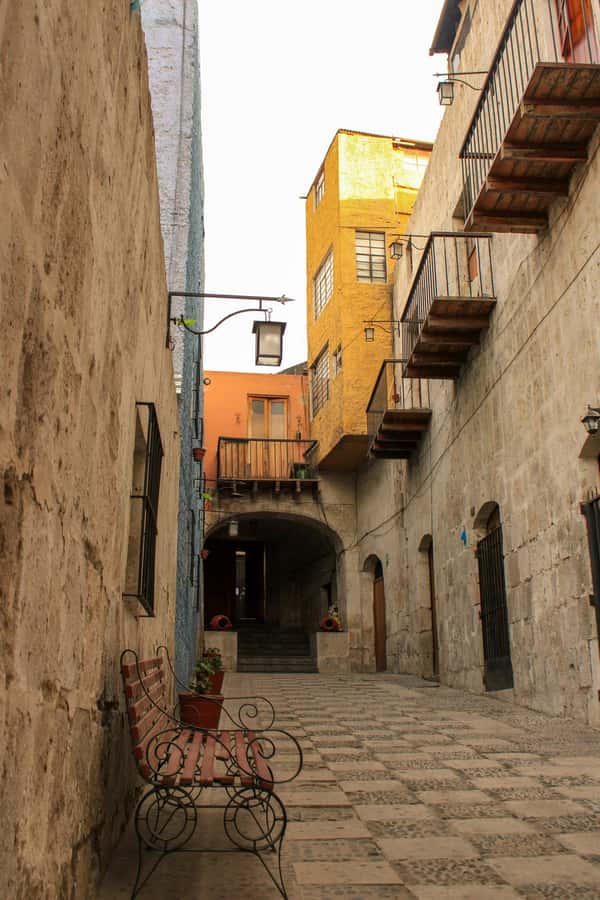
Arequipa’s historic center can feel like a quick photo stop at first. But this tour is built for slowing down—just enough to notice why the city looks the way it does, and how it works. You’re not just moving from one famous wall to the next. You’re learning how the places connect.
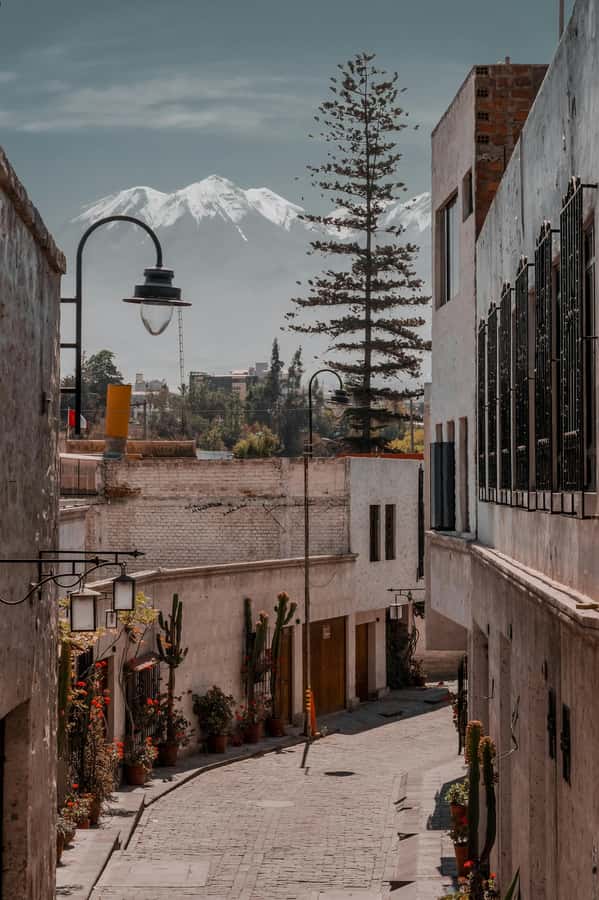
The big payoff is the combination of architecture + city storytelling, then a finish at a viewpoint where the city suddenly makes sense against the volcano ring. Misti is the headline, but you’ll also see references to Chachani and Pichu Pichu during the lookout.
And because the group is capped at 6 people, you’re less likely to get steamrolled by the pace of a larger crowd. In practice, that means it’s easier to ask questions when something grabs you—street design, building style, or why a place mattered.
You can also read our reviews of more walking tours in Arequipa
Meeting at Campo Redondo San Lázaro and Getting the Rhythm Right
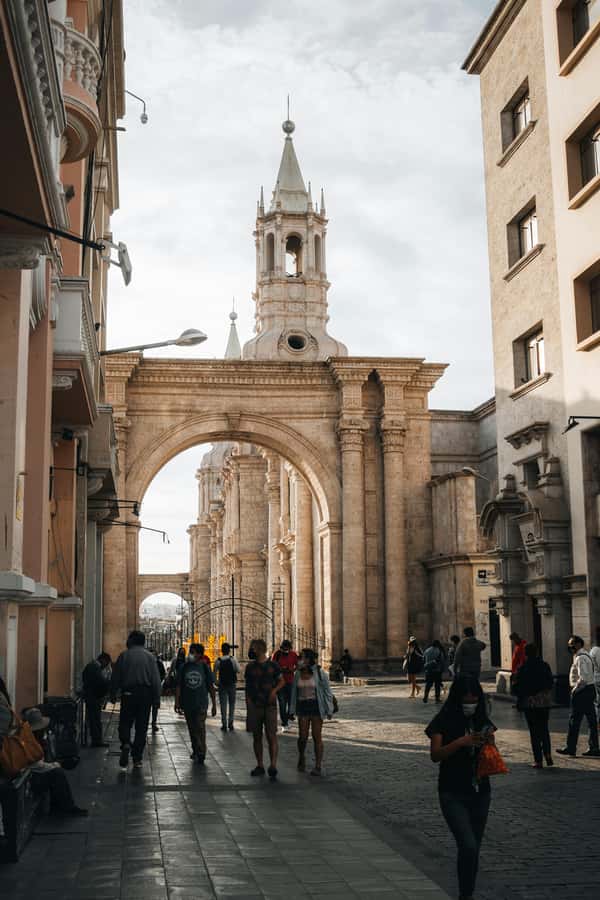
The meeting point is Campo Redondo San Lázaro, at coordinates -16.3934138, -71.5336117. Getting there early helps. Not for perfection—just so you can start relaxed and avoid that sprint that turns a walk into a chore.
This is scheduled as a 2-hour experience, and the walk includes a hike segment that’s described as about one and a half hours to reach the final viewpoint. Translation: you’ll need shoes you’re comfortable walking in, and you’ll want to plan your day so you aren’t rushing off to something else right after.
Morning and afternoon options are offered, which is handy. If you’re into softer light for photos, you can choose the timing that matches your energy and your schedule.
Cathedral Stop: The Icon That Sets the Whole Tone
Most Arequipa tours start with a big name. This one starts with a big reason. You begin by visiting the Cathedral, one of the city’s clearest emblems.
Why start here? Because once you see the Cathedral up close, the rest of the historic center stops looking like random colonial architecture. You start noticing themes: materials, design choices, and the way religious and civic life shaped the city.
It’s also a useful checkpoint for your guide’s style. A good local guide doesn’t just recite dates. They connect details—what you’re seeing now to what the building represented when it was built and how people moved through the space.
If you’re the kind of person who enjoys asking one question and getting a better answer than you expected, this is a good opening moment to do it.
Colonial Cloisters: Where Quiet Detail Gets You
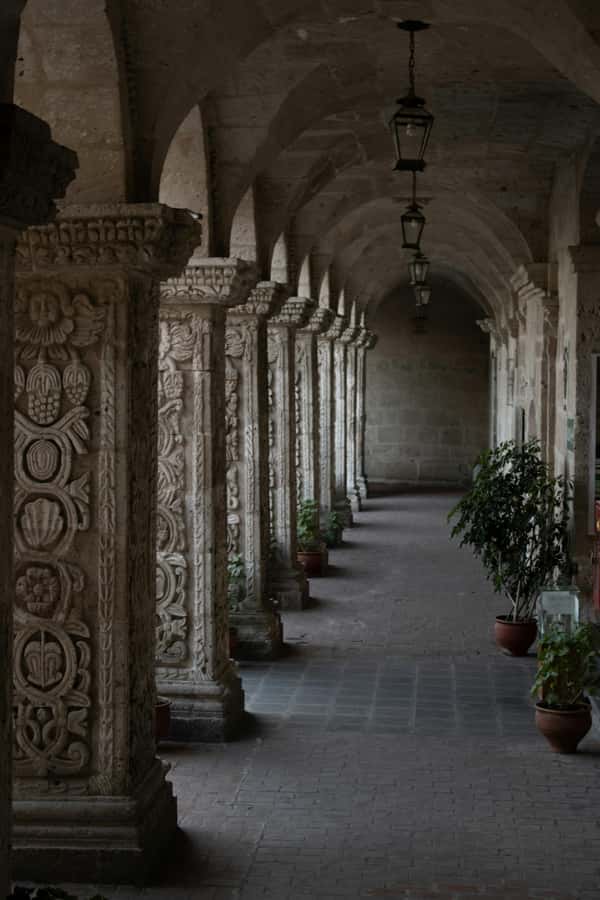
After the Cathedral, the tour continues into colonial cloisters. Cloisters can sound like a minor stop—until you’re standing inside and realizing how much atmosphere and purpose those spaces carry.
The value here isn’t only the visuals. It’s how the guide explains the history behind the architecture. Cloisters are designed for specific kinds of movement and reflection, and that helps you understand the rhythm of the institutions that shaped Arequipa.
A good guide also points out what most people miss when they hurry: small structural cues, layout logic, and how the space relates to the surrounding buildings. With this tour, that kind of detail shows up as stories and facts while you walk.
Tambos: The Ancient Lodgings Part of Living Memory
One of the tour’s standout additions is time in tambos, which are described as ancient lodgings. That’s an important detail because it moves the story beyond churches and official buildings.
Tambos help you understand the city as a place people traveled through, not just a place to look at. They link Arequipa to broader patterns of movement and trade across the region.
If you like learning how daily life worked—where people rested, how cities accommodated visitors, and what “lodging” meant long before modern hotels—this section adds perspective fast. It’s also a nice contrast after the more formal, ceremonial feel of cloisters.
You can also read our reviews of more city tours in Arequipa





Cobblestone Streets, Legends, and Traditions You Can Actually Use
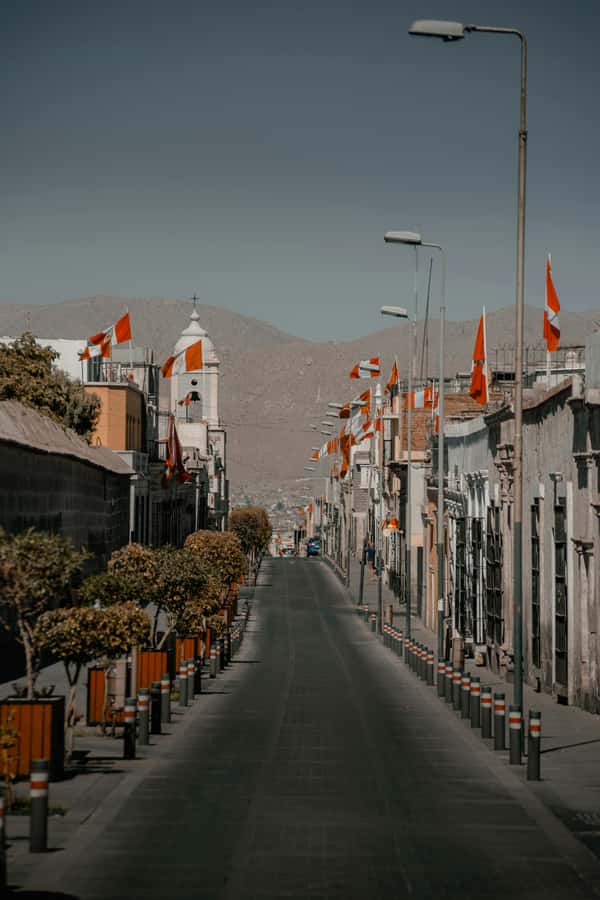
Between stops, you’re walking through cobblestone streets and picking up traditions and legends passed down through generations. This isn’t just trivia for its own sake.
Here’s why it matters for you: Arequipa’s historic center can be confusing if you only rely on signs and guidebooks. When a local guide explains what certain traditions represent, or why specific streets feel the way they do, you start “reading” the city instead of just passing through it.
Also, this tour tends to end with practical help. The guide provides recommendations in the city and even tips to do in Peru. That’s not fluff when you’re arriving with limited time. A strong local guide saves you from guessing where to go next.
In several cases, guides have offered follow-up help after the tour—one example includes sharing a WhatsApp number for later questions. That’s especially useful if you want help deciding between options around Arequipa.
The Final Viewpoint: How the Volcano Ring Changes Your Perspective
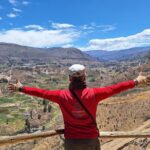
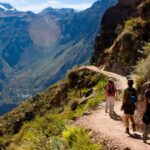
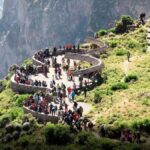
The tour culminates at a lookout point with a panoramic view of the volcanoes surrounding Arequipa, including Misti, Chachani, and Pichu Pichu.
This final climb is where the whole experience clicks. Earlier, you learn the city’s human story—buildings, cloisters, tambos, and the traditions that shaped local life. At the end, you’re reminded you’re also living inside a dramatic natural setting.
A viewpoint also makes a great payoff for the effort of the hike. Even if you don’t consider yourself a “hike person,” this is short enough to feel like a fun finish rather than a full day commitment, and it’s scheduled both in the morning and afternoon.
Some groups end with a relaxed rooftop-style moment for a drink. For example, there are references to enjoying pisco sours at the terrace/view spot. If that’s your thing, it’s a nice way to cap the tour without turning it into a rushed sprint.
Price and Value: $15 for a Local’s Eye, Not a Script
At $15 per person for a 2-hour small-group walk, the price works best when you want guided interpretation—not just a list of sights. You’re paying for someone local to connect the Cathedral, cloisters, and tambos into one story, and then help you land at the viewpoint with context.
The small group size (limited to 6) is part of what makes it good value. It’s easier to hear, easier to ask questions, and easier to get recommendations that match your interests. In at least one situation described, if other participants cancel, the experience can become more like a private or near-private walk—still the same idea, just with more attention.
Also, the tour includes 5 historical sites plus stories, legends, and curious facts. That’s not a guarantee you’ll love every stop, but it’s a sign the walk is structured, not random wandering.
The main drawback to watch for is pacing. One account called out lots of walking time without as much information along the way. That can happen on any walking tour, especially if the group moves quickly between points. If you prefer longer pauses and more time at each building, consider using this tour as a foundation, then planning return visits to your favorite stops afterward.
Who This Tour Fits Best (and Who Should Skip It)
This is a strong fit if:
- You’re seeing Arequipa for the first time and want an efficient way to understand the historic center.
- You like architecture but also want the human story behind it.
- You enjoy walking with a guide who can answer questions on the spot.
- You want recommendations for what to do next, not just a tour and goodbye.
It may be less ideal if:
- You want a stop-by-stop deep explanation at every location.
- You don’t like hikes or you want the day to stay mostly seated.
- You’re expecting a tour that feels like a museum visit rather than a city walk.
The good news is the tour is short. You’re not locked into half a day. It works well as an early arrival activity to help you navigate the city while everything is still new.
Practical Tips to Make the Most of Your 2 Hours
A few things can help you get more out of the experience, especially with a viewpoint finish:
- Wear comfortable shoes. Cobblestones are real and the walk includes a hike segment.
- Bring sun protection. Arequipa’s light can be strong, and you’ll have extended outdoor time.
- Have one or two questions ready. Ask about why a cloister layout matters or what a tambos system says about city life.
- If you enjoy food and drinks, ask where locals go afterward. Several guides share restaurant and bar recommendations, and some groups mention a pisco-sour-friendly rooftop finish.
- If you’re choosing morning vs afternoon, pick based on your energy. Both options exist, and the walk includes a steady climb toward the lookout.
Should You Book This Historic Center Walk?
If you want a smart introduction to Arequipa’s historic core—Cathedral, cloisters, tambos, and a volcano viewpoint—this is a solid choice. The combination of small group size, live English/Spanish guide, and city recommendations makes it feel like you’re getting more than a sightseeing circuit.
I’d especially book it if this is your first day in town. It gives you bearings fast: what to prioritize next, where to spend extra time, and how the city connects to the mountains around it.
Skip it only if you dislike walking and you need long indoor time, or if you expect each stop to be an extended lecture with minimal transit between locations. In that case, you may be happier with a more static museum-based plan.
FAQ
How long is the Arequipa historic center walking tour?
It’s listed as a 2-hour activity.
Where is the meeting point?
The meeting point is Campo Redondo San Lázaro, with coordinates -16.3934138, -71.5336117.
How much does the tour cost?
The price is $15 per person.
How big is the group?
It’s a small group limited to 6 participants.
What languages are the guides available in?
The live guide is available in English and Spanish.
What will we see during the tour?
You’ll start with the Arequipa Cathedral, explore colonial cloisters, enter tambos, and visit multiple historic sites, ending at a viewpoint.
Does the tour include a hike to the viewpoint?
Yes, the tour culminates at a lookout point, and the hiking portion is described as about one and a half hours, available in the morning and afternoon.
Is there free cancellation and can I pay later?
Yes—free cancellation is available up to 24 hours in advance for a full refund, and you can reserve now and pay later.