REVIEW · AREQUIPA
Arequipa Walking Tour and Santa Catalina Monastery
Book on GetYourGuide →Operated by PVTravel · Bookable on GetYourGuide
Santa Catalina Monastery makes Arequipa feel like a time machine. I like how the walk focuses on two unforgettable contrasts: the convent’s narrow, flower-filled alleys with centuries of original details, and then the Jesuit church scene at Plaza de Armas with its distinctive mestizo-style facade. One thing to consider: the whole experience is short (about 3 hours), so there’s less time to linger in every corner than you might want.
This tour runs in the late afternoon. You’ll get picked up from your Arequipa city-center lodging around 3:00 PM, then move through the monastery before switching gears to the main square area, finishing back around 6:00 PM. It’s a smart way to see major highlights without turning your day into a marathon.
A big part of the value here is the guide. A guide named Deyvis has been praised for being especially attentive and answering questions, and that kind of back-and-forth makes the architecture easier to read. Still, one past booking had a late start, so I’d plan your evening with a little breathing room in case timing slips.
In This Review
- Key Highlights You’ll Remember
- Santa Catalina Monastery: A Whole City Inside One Complex
- Walking Through Cloisters, Cells, and “Intrusive” Details
- Plaza de Armas and the Jesuit Church: Mestizo Architecture in Full View
- How the Guide Turns Architecture Into Something You Understand
- Timing and Comfort: Late Afternoon Is a Real Benefit
- Price and Value: What You Get for $56
- Who This Tour Fits Best (and Who Might Want Something Longer)
- Should You Book This Arequipa Walking Tour?
- FAQ
- How long is the Arequipa Walking Tour and Santa Catalina Monastery?
- What time does pickup happen?
- When will the tour end?
- What’s included in the price?
- What is not included?
- What languages are available for the live guide?
- How much does the tour cost?
- Do I get free cancellation?
- Is large luggage allowed?
Key Highlights You’ll Remember
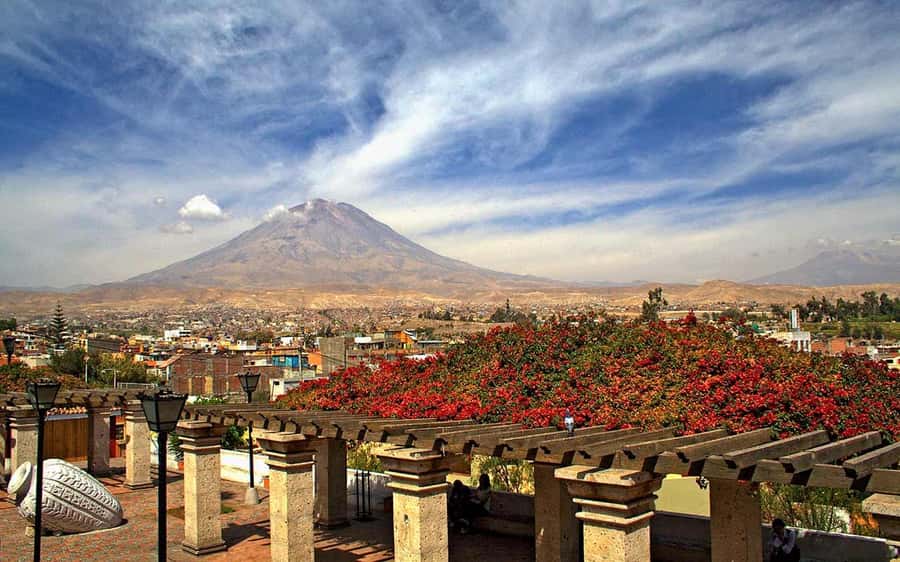
- Santa Catalina’s 4 centuries of architecture in one compact, walkable layout
- Color-heavy detail: painted walls, cloisters, and flowering corners
- Original convent furnishings you can actually see and understand in context
- Plaza de Armas Jesuit Church visit with mestizo facade details
- Guide Q&A style that helps the sights click faster
Santa Catalina Monastery: A Whole City Inside One Complex
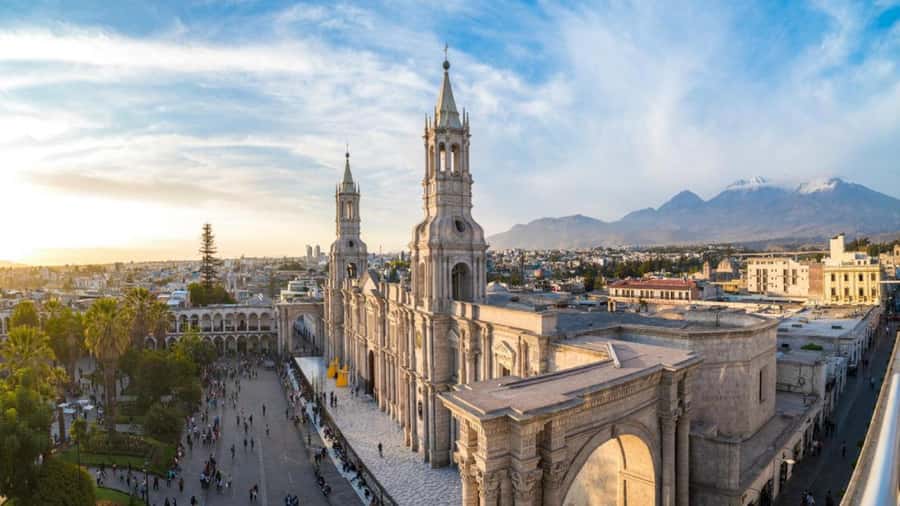
If you’ve only seen churches and museums, Santa Catalina can surprise you. This isn’t a single hall. It’s a working-style world of rooms, passages, and small streets, built up over time so you feel how daily life moved from one space to another. The monastery is known for four centuries of Arequipa architecture, and that time layering is part of what makes the place so readable while you walk.
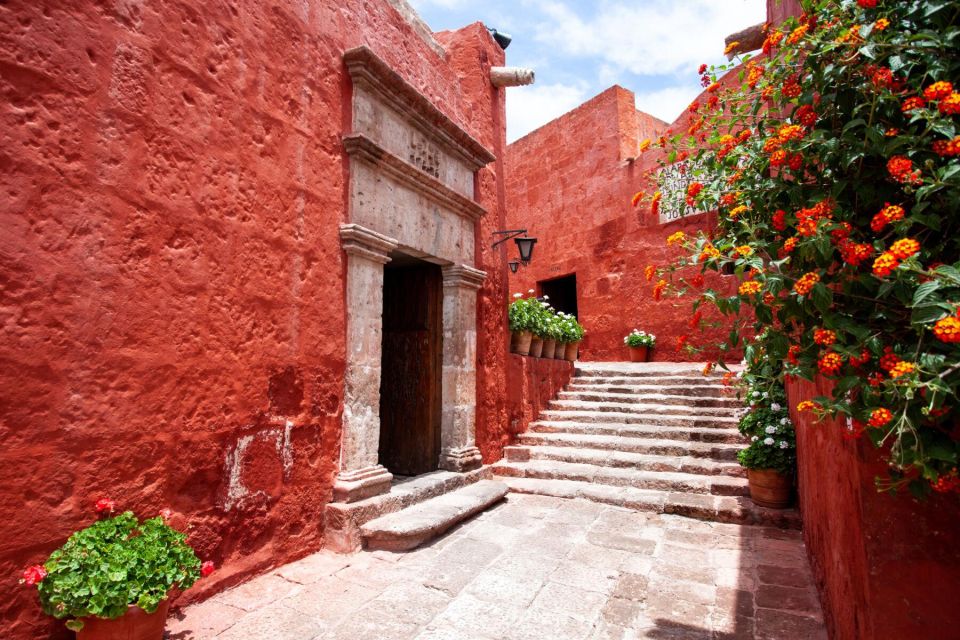
What you’ll notice right away is how tight the layout is. Narrow alleys connect cloisters and small open pockets, so you keep turning corners and finding another viewpoint. You don’t just look at a building. You follow routes that feel like getting gently lost on purpose.
And yes, the colors matter here. Inside, walls are described as being painted in fresh dyes, and colorful flowers show up throughout the courtyards and tucked-in corners. Even if you’re not a “photo first” person, those details help you slow down and pay attention to the spaces around you.
You can also read our reviews of more walking tours in Arequipa
Walking Through Cloisters, Cells, and “Intrusive” Details
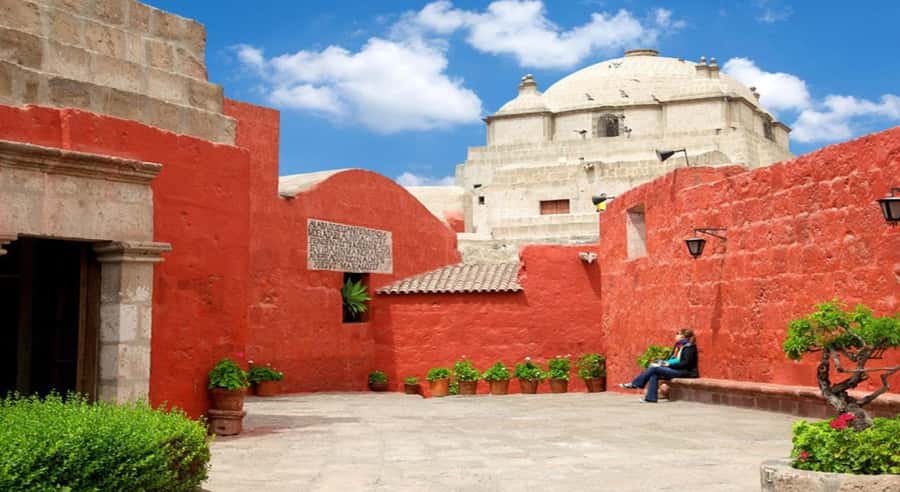
The monastery’s main draw is how it shows the convent’s living spaces. You’ll see the intrusive cells (small, enclosed rooms) and get a sense of how life would have been structured around shared courtyards. The feeling is part architectural, part human scale. Everything is close enough that you can imagine what it meant to move through those rooms and hallways day after day.
As you walk, look for three things that make the monastery click:
1) Streets and cloisters as transitions
The narrow corridors don’t feel random. They act like connectors, shifting you from one micro-world to the next.
2) Courtyard light and color
Those flower-filled pockets and painted walls make the space feel alive. In a place this compact, light changes how everything looks as you turn each corner.
3) Original furniture and the logic of rooms
The tour description notes that you’ll pass areas where the convent’s original furniture remains. Seeing the furnishings in place is one of the best ways to turn “historic building” into something understandable and grounded.
One practical note: you’ll walk through narrow paths. Comfortable clothes help, but the bigger win is calm pacing. Don’t rush. Let the layout unfold at human speed.
Plaza de Armas and the Jesuit Church: Mestizo Architecture in Full View
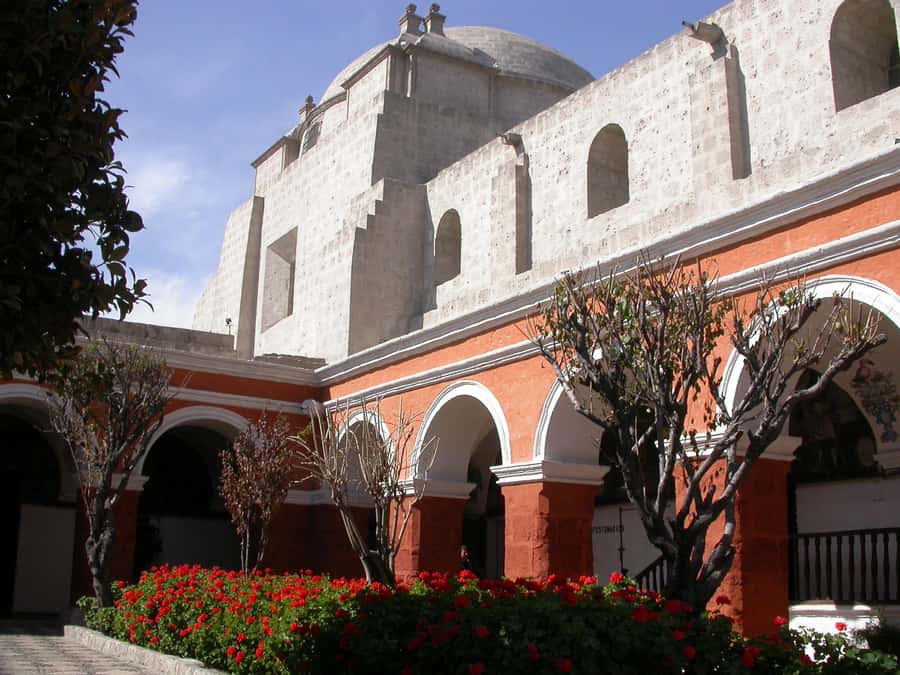
After Santa Catalina, the tour switches from enclosed quiet to the open, iconic heart of town. You’ll head to the Jesuit Church of the Company of Jesus at Plaza de Armas—a stop that’s both visually strong and easy to interpret.
The church’s facade is highlighted for its mestizo architecture. That matters because it’s not just European religious design dropped into a new place. It signals local influence and adaptation, which is exactly the kind of detail you should train your eye on when you’re in Arequipa.
Inside the frame of the main square, the church also has distinctive features you can spot without needing architectural jargon. The tour description calls out its cloisters and dome, which are the kind of elements that help you connect the church to the broader religious and architectural traditions of the region.
If Santa Catalina made you think about daily life and movement, this stop gives you a bigger picture. It shows how grand religious space worked in the city’s public center—less hidden, more ceremonial.
How the Guide Turns Architecture Into Something You Understand
The best walking tours don’t just point. They explain in plain language, and they keep the group moving at the right pace. This one includes a professional guide (English or Spanish), and the difference you’ll feel is in how the guide shapes your attention.
A guide named Deyvis has been praised for being knowledgeable and for taking time to answer questions. That’s not a small detail. In a place like Santa Catalina, questions help you see the logic behind the layout—why the spaces are where they are, how the courtyards function, and what to watch for as you move between cells and cloisters.
I’d use the question moment strategically:
- Ask what to focus on in each section of the monastery layout.
- Ask how the Jesuit church’s facade relates to local style at Plaza de Armas.
If your guide is good about answering, you’ll leave with a mental map instead of a list of pretty rooms.
Timing and Comfort: Late Afternoon Is a Real Benefit
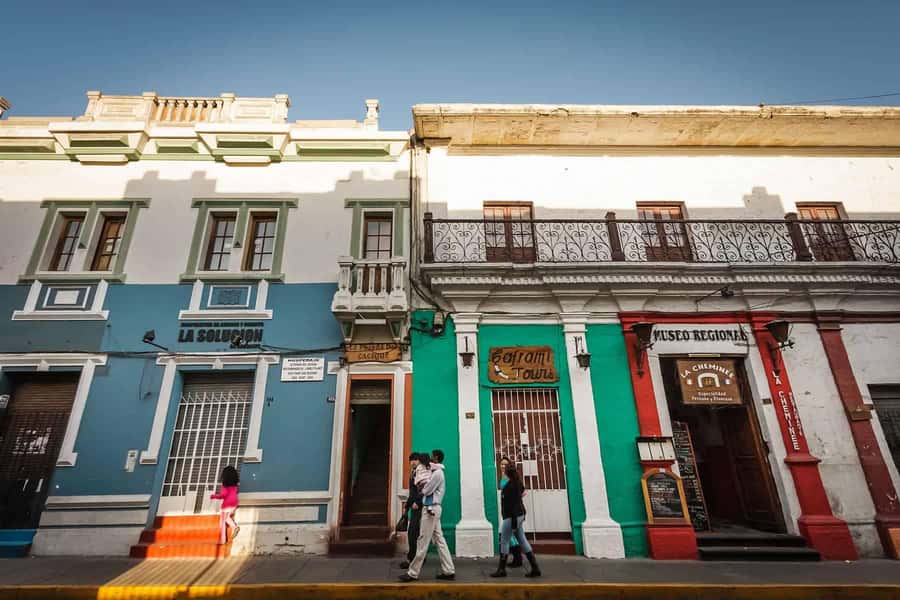
This tour is scheduled for the afternoon: pickup around 3:00 PM and return around 6:00 PM. That timing can be a win. You’re not forced into the hottest hours, and you still get enough daylight to enjoy both the monastery interiors and the open plaza area.
Since duration is about 3 hours, you should expect a focused route rather than slow wandering. Plan your day so this experience has breathing room before and after. One past experience had a late start, and the tour began about an hour later after contact with the provider, which is a reminder to keep your evening flexible.
Comfort tips that actually matter:
- Wear comfortable clothes (the tour specifically suggests this).
- Keep footwear comfortable for narrow paths and lots of turning corners.
- Avoid bringing luggage or large bags, since those aren’t allowed.




Price and Value: What You Get for $56
At $56 per person, the value is mostly in three things you don’t have to micromanage: hotel pickup in the city center, entrance fees, and a professional guide for the full walk.
If you were to DIY this, you’d still spend time figuring out where to enter, how long the visit takes, and which parts are most important to see. Here, the tour compresses the essentials into one smooth sequence: Santa Catalina first, then Plaza de Armas and the Jesuit church.
It’s also a good deal because the tour isn’t only “look at a building.” The monastery is described as full of small streets, cloisters, and original furniture—exactly the kind of site that’s easy to miss key meaning when you’re going solo.
Who This Tour Fits Best (and Who Might Want Something Longer)
This tour is a great fit if you want:
- A first-timer’s Arequipa highlight run
- A strong mix of enclosed historic life and main-square architecture
- Clear guidance so you don’t miss what’s important in Santa Catalina
It may be less ideal if you want:
- Plenty of quiet time to sit and read on your own
- A slow, museum-style pace with long breaks
- A photography-heavy session where you can stop and reset for each view for an extended period
Because the route is short, I’d treat it as a “best hits” foundation. Then, if you fall in love with either Santa Catalina or Plaza de Armas, you can come back later for a deeper, self-paced look.
Should You Book This Arequipa Walking Tour?
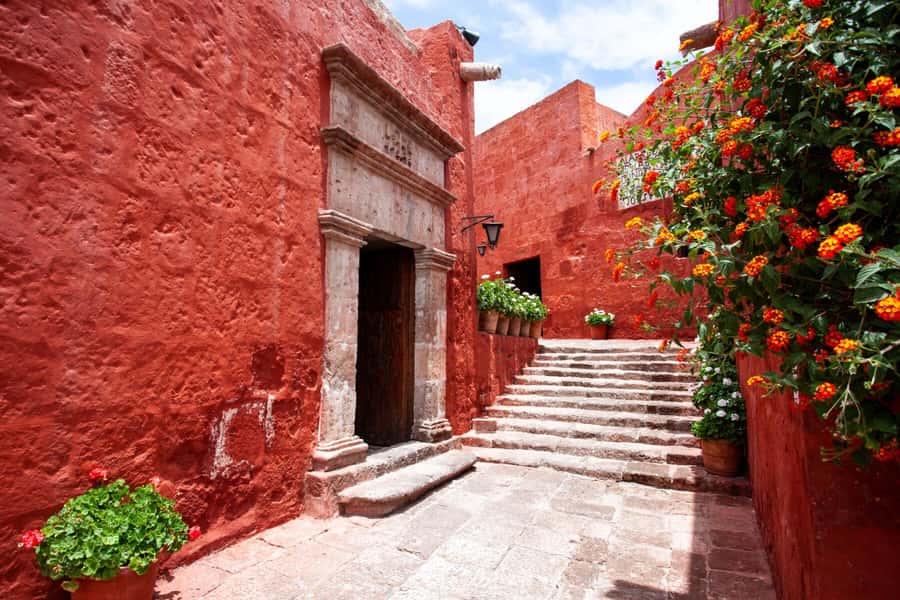
I think it’s an easy yes if you’re in Arequipa for a limited time and you want real context, not just sightseeing. Santa Catalina is the star: the mix of intrusive cells, narrow alleys, painted walls, and original furniture gives you a vivid sense of how the complex functioned over centuries. Pair that with the Jesuit church at Plaza de Armas and you get both the hidden, human-scale world and the grand city-center statement.
Book it if:
- You like guided walks where questions are welcome
- You want entrance fees handled and pickup taken care of
- You’re okay with a tight, focused 3-hour schedule
Skip it only if:
- Your schedule is strict and you can’t handle a late start if it happens
- You need lots of extra time to linger in one site
If you match those expectations, this is a strong, efficient Arequipa experience.
FAQ
How long is the Arequipa Walking Tour and Santa Catalina Monastery?
The tour lasts about 3 hours.
What time does pickup happen?
Pickup is around 3:00 PM from your accommodation in Arequipa city center.
When will the tour end?
You’ll be back in Arequipa around 6:00 PM.
What’s included in the price?
Pickup from your hotel in Arequipa city center, entrance fees, and a professional guide are included.
What is not included?
Meals are not specified in the itinerary, and accommodation in Arequipa is not included.
What languages are available for the live guide?
The live tour guide is available in English and Spanish.
How much does the tour cost?
It costs $56 per person.
Do I get free cancellation?
Yes. You can cancel up to 24 hours in advance for a full refund.
Is large luggage allowed?
No. Luggage or large bags are not allowed.