REVIEW · AREQUIPA
Half-day tour in Arequipa: Sillar route
Book on GetYourGuide →Operated by Libertrek Peru Travel Agency · Bookable on GetYourGuide
White stone, big views, and real craft work. This half-day route takes you from live Sillar quarries to viewpoints over El Misti, Chachani, and Picchu Picchu, with 360° photos as a big payoff. I love seeing stonemasons at work in Añashuayco, and I love the way the Culebrillas ravine stop adds Wari petroglyphs plus a hands-on Apacheta moment. The only real downside to plan around is that if you’re hunting lots of small souvenir figurines, you may feel the selection is limited.
You choose the visiting time, you get hotel pickup, and you return to Plaza de Armas. For $26 for 4 hours, this one is priced like a practical Arequipa hit: transport, a professional English/Spanish guide, and entrance tickets are covered, but there’s no food included.
In This Review
- Key Things You’ll Do on the Sillar Route
- A Half-Day Plan That Actually Works in Arequipa
- Pickup, Van Ride, and Choosing Your Start Time
- Ashlar Quarries and Sillar Craft: The Part You’ll Remember
- The Volcano Viewpoint: El Misti, Chachani, and Picchu Picchu Photos
- Añashuayco and the Mega Carving of the Compañía Church
- Culebrillas Ravine Walk: A Short Canyon, Then Wari Petroglyphs
- Apachetas: Building Your Own Stone Offering
- Price and Value: What $26 Really Covers
- What About the Souvenir Shops and Figurines?
- Who This Tour Is Best For
- Should You Book the Sillar Route?
- FAQ
- How long is the Sillar route tour?
- What is the price per person?
- Where does the tour start and end?
- Can I choose the time I visit?
- What languages are available for the guide?
- What stops will I visit during the tour?
- Is there walking during the tour?
- What’s included in the price?
- What should I bring?
- Is food included?
Key Things You’ll Do on the Sillar Route
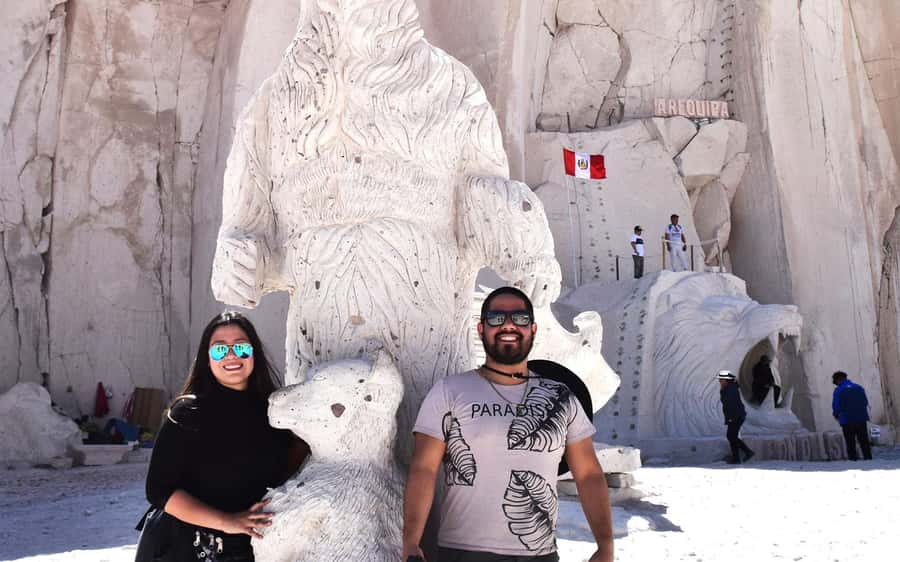
- Watch sillar stone work up close at an active quarry where stonemasons carry out their day-to-day jobs
- Get a panoramic volcano photo stop with views of El Misti, Chachani, and Picchu Picchu
- See a mega carving connected to the Compañía church, made by the same stonemason craft
- Walk part of the Culebrillas ravine for a short canyon experience and Wari petroglyphs
- Learn about Apachetas and build your own small stone offering
- Choose your departure time so you can fit it around other Arequipa plans
A Half-Day Plan That Actually Works in Arequipa
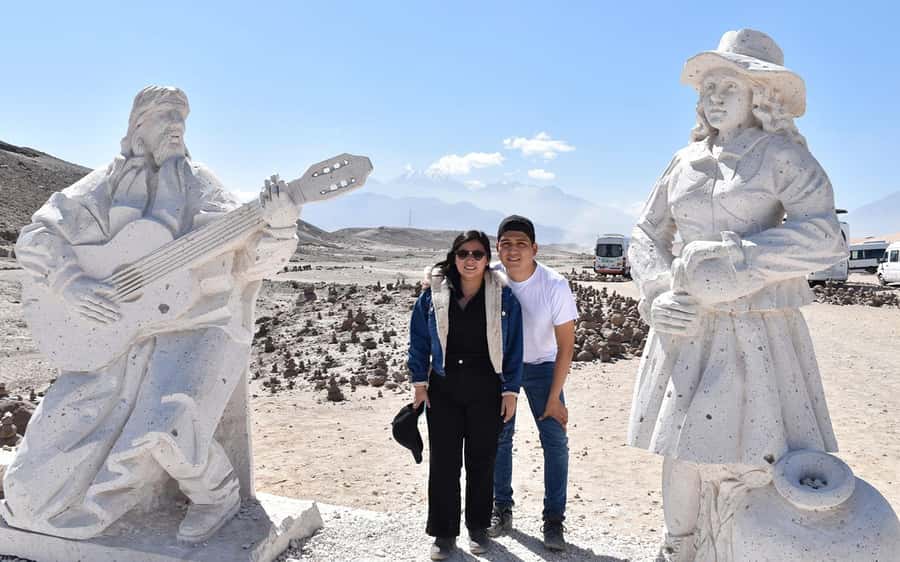
This is a tour built for people who want depth without taking over the whole day. In just 4 hours, you bounce between quarry craft, viewpoints, and a couple of culturally meaningful stops.
I like that the route feels like a progression, not a random checklist. You start with stone and technique, shift to scale and distance at the volcano viewpoint, then move into smaller details at the ravine walk and Apachetas.
You can also read our reviews of more tours and experiences in Arequipa.
Pickup, Van Ride, and Choosing Your Start Time
You’ll be picked up from your hotel in Arequipa based on the schedule you choose. Then it’s a van ride out to the Sillar quarries area, with about an hour of travel time each way.
That setup matters because Arequipa is spread out, and timing your start can keep you from burning daylight. If you’re also doing the city’s highlights, you’ll find this tour slotting neatly in either the morning or afternoon.
Your guide works in English and Spanish, which is a genuine plus in a place where stonework and local terms can get lost if you don’t have translation.
Ashlar Quarries and Sillar Craft: The Part You’ll Remember
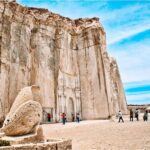
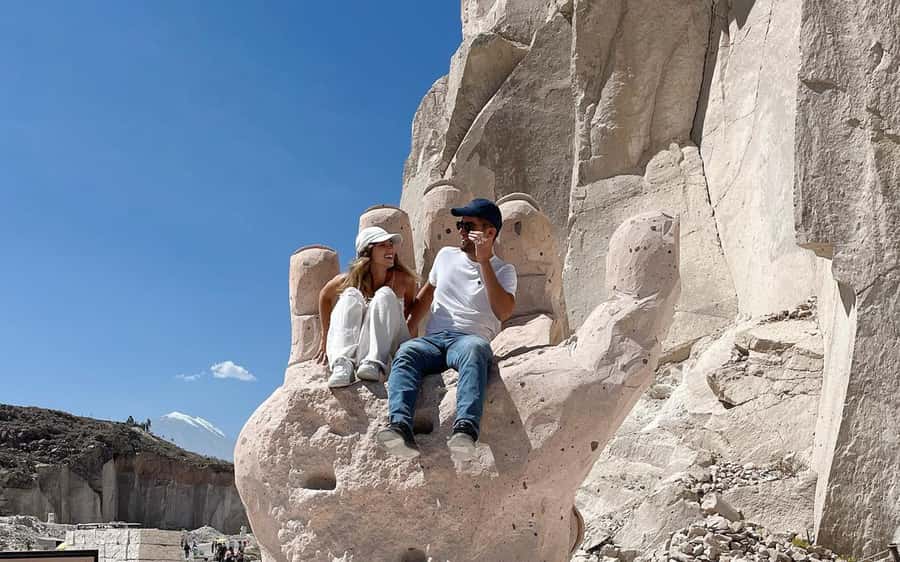
The heart of the experience is the ashlar quarries. This is where Arequipa’s signature building material comes from, and you’re not just looking at finished sculptures—you’re seeing how the work happens around you.
At Añashuayco, the quarry is currently in operation. That means stonemasons carry out their work activities while you’re there, so you get a real sense of living craft rather than a museum-only vibe.
You’ll also notice the scale right away. In the area you’ll see an immense Farallones Canyon, described as several meters high. Even from a distance, it gives you that Arequipa feeling of stone and sky doing most of the talking.
The Volcano Viewpoint: El Misti, Chachani, and Picchu Picchu Photos
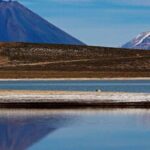
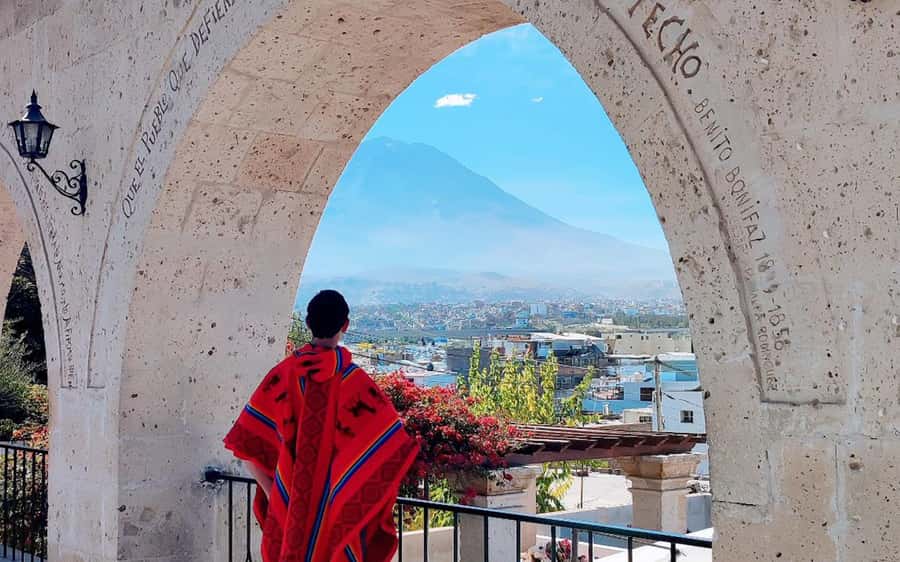
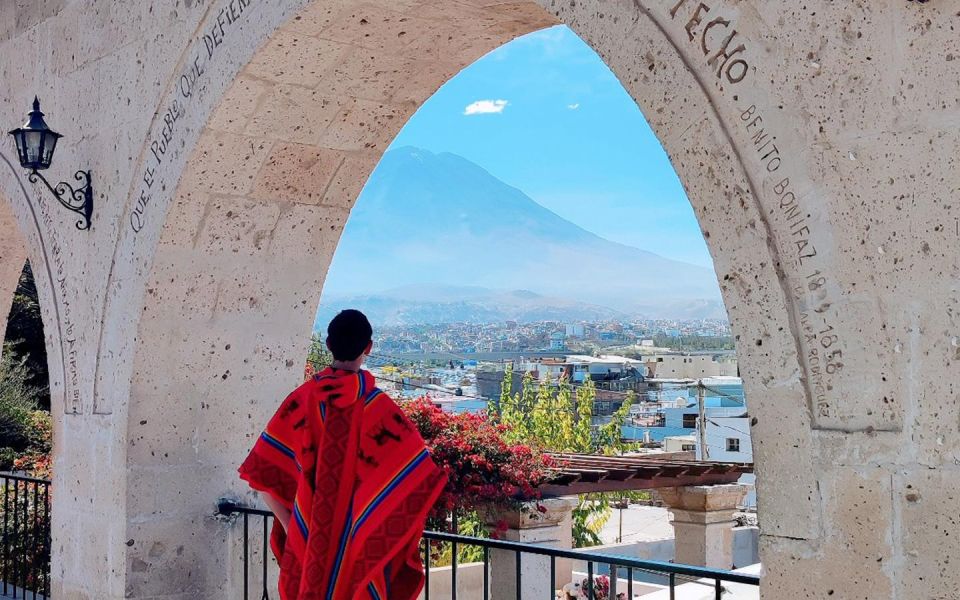
Between quarry time and the next stops, you’ll hit a volcano viewpoint built for photography. The views cover three volcanoes: El Misti, Chachani, and Picchu Picchu.
This is the moment to slow down and look around, not just through your camera screen. With the “360-degree panoramic photos” setup, it’s ideal for getting wide shots where the mountains, town silhouette, and open valley all fit together.
Practical tip: bring your camera gear-ready from the start. The best angles are the ones where you’re not fumbling with pockets, straps, or battery doors.
Añashuayco and the Mega Carving of the Compañía Church
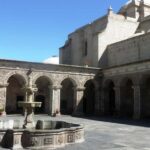
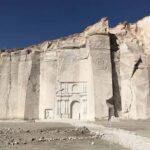
Once you’re at the quarry area, you’ll see a mega carving of the Compañía church. The tour highlights that the carving was built by stonemasons themselves.
To me, that detail is what makes this stop more than scenery. You’re seeing the same craft logic—cutting, shaping, working in monumental scale—applied to something that also has identity in the city.
There’s also a helpful contrast here: you go from huge canyon scale and quarry space to one focused subject. That keeps the day from feeling like only “wow, rocks.”

Culebrillas Ravine Walk: A Short Canyon, Then Wari Petroglyphs
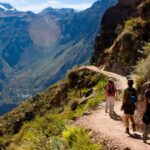
Next comes the Culebrillas ravine, with a short 20-minute walk through a small canyon. The walk is tied to water—this ravine originates from the passage of water—so you’re moving through a route shaped by natural flow, not just quarry paths.
At the end of that walk, you’ll see petroglyphs made by the Wari culture more than a thousand years ago. This is where the tour shifts into archaeology-as-you-go, meaning the experience stops being only about modern craftsmanship and starts connecting to deep time.
Wear shoes you actually trust. It’s not described as a long hike, but you are walking through a canyon environment, and comfortable footing makes everything easier.
Apachetas: Building Your Own Stone Offering
After the petroglyphs, you’ll observe the Apachetas, which are described as important stone formations where stones are placed one on top of another.
The guide will explain why these formations matter. Then you’ll get the experience of building your own Apacheta, so you’re not only learning—you’re participating in the ritual-style tradition of adding a stone.
This is one of the best-value parts of the day because it turns a cultural concept into something physical and memorable. You’ll walk away with a story you can tell, not just photos.
Price and Value: What $26 Really Covers
At $26 per person for 4 hours, you’re paying for more than a drive. The price includes hotel pickup, tourist transport, a professional English/Spanish guide, and entrance tickets.
That matters because quarry access and guided interpretation aren’t always bundled in other short Arequipa tours. Here, you’re also not on your own trying to figure out where the best viewpoints are.
What’s not included is food and any extras. So plan your timing like a half-day outing: you’ll likely want to handle snacks or a meal on your own before or after.
What About the Souvenir Shops and Figurines?
Stone craft also shows up in the commercial side of the route. You may find sculptures and stone figures offered during the tour stops, and that’s clearly one of the most praised elements of the day.
Just be aware of a tradeoff: some people can wish for more variety in small figurines. If souvenirs are your main goal, go in with realistic expectations and treat purchases as a bonus, not the main event.
Who This Tour Is Best For
This is a great fit if you want a fast, structured tour that mixes viewpoints with hands-on cultural experience. You’ll probably enjoy it most if you care about how places work—how stone is cut, how artisans do their craft, and how local traditions connect to the landscape.
It also suits people who like photography. The volcano stop is built for panoramic shots, and the quarry setting naturally offers strong angles and texture.
If you’re the type who wants a long, slow, deep dive into one site only, 4 hours may feel tight. The strength here is that it covers several distinct stops without turning into a full-day marathon.
Should You Book the Sillar Route?
I’d book it if you have half a day in Arequipa and you want a mix of live stone work, iconic volcano views, and a genuine cultural moment with Apachetas. The fact that the quarry is active, not staged, is a big reason this tour works.
I wouldn’t prioritize it if your main goal is a huge selection of small souvenirs or if you’re hoping for a long hiking-style experience. This route is short, photo-friendly, and culturally focused, with walking kept to manageable time.
If you want an efficient way to understand why Arequipa is famous for its stone, this is one of the most practical choices you can make.
FAQ
How long is the Sillar route tour?
The tour lasts 4 hours.
What is the price per person?
It costs $26 per person.
Where does the tour start and end?
It starts with pickup from your hotel in Arequipa and finishes at Plaza de Armas Arequipa.
Can I choose the time I visit?
Yes. The tour is a half-day route and you can choose the visiting time.
What languages are available for the guide?
The guide is available in English and Spanish.
What stops will I visit during the tour?
You’ll visit the ashlar quarries (including Añashuayco), a volcano viewpoint with views of El Misti, Chachani, and Picchu Picchu, the Culebrillas ravine walk for petroglyphs, and the Apachetas area.
Is there walking during the tour?
Yes. There is a short 20-minute walk through the Culebrillas ravine, plus time for guided walking during the stops.
What’s included in the price?
Hotel pickup, tourist transport, a professional English/Spanish guide, and entrance tickets are included.
What should I bring?
Bring comfortable shoes, a camera, comfortable clothes, and cash.
Is food included?
No. Food is not included, and there may be extras during the tour that you’ll pay for separately.