REVIEW · AREQUIPA
Cooking Class Typical Food in Arequipa
Book on GetYourGuide →Operated by Inspires Viagens · Bookable on GetYourGuide
Cooking your way through Arequipa feels personal. This class is all about hands-on prep of classic Peruvian dishes and local Arequipeño favorites, using local ingredients and practical methods, plus you get to sit down and taste what you make. You’ll also get time to chat with other participants and take photos in a garden-style kitchen setting.
I especially like that you’re not just watching. You’re doing the manual preparation for your starter, main course, and dessert, guided in English and/or Spanish. One possible drawback: at $57, it can feel pricey if you expected a lot more hands-on cooking time than chopping and assembly, like one criticism I saw suggested.
In This Review
- Key Things I’d Focus On Before You Book
- Entering the Garden Kitchen: What the 2-Hour Format Feels Like
- How the Menu Works: Peruvian, Arequipeño, or Marine
- What You Do in the Class: Starter, Main, Dessert (Without Guesswork)
- Arequipa Flavor Focus: Queso Soltero and Rocoto Relleno
- Classic Peruvian Staples: Causa, Lomo Saltado, and Ceviche
- Price and Logistics: Does $57 Make Sense?
- Who Should Book This Cooking Class (and Who Might Skip)
- My Decision Rule: Should You Book It?
- FAQ
- FAQ
- What dishes do you learn to make in this Arequipa cooking class?
- How long is the cooking class?
- What time does the class run in Arequipa?
- Do I get ingredients and tasting included?
- Is the instructor available in English and Spanish?
- Are drinks included?
- Is there free cancellation?
Key Things I’d Focus On Before You Book
- A full menu, not a snack lesson: starter, main course, and dessert are all part of the experience
- Menu choice depends on availability: Traditional Peruvian, Arequipeño, or Marine options may rotate
- A garden-style kitchen vibe: the space is set up for cooking plus sharing and photos
- Instruction in English and Spanish: you can follow comfortably in the language you prefer
- Value sits in what’s included: ingredients, tasting, and soft drinks/water are built into the price
Entering the Garden Kitchen: What the 2-Hour Format Feels Like
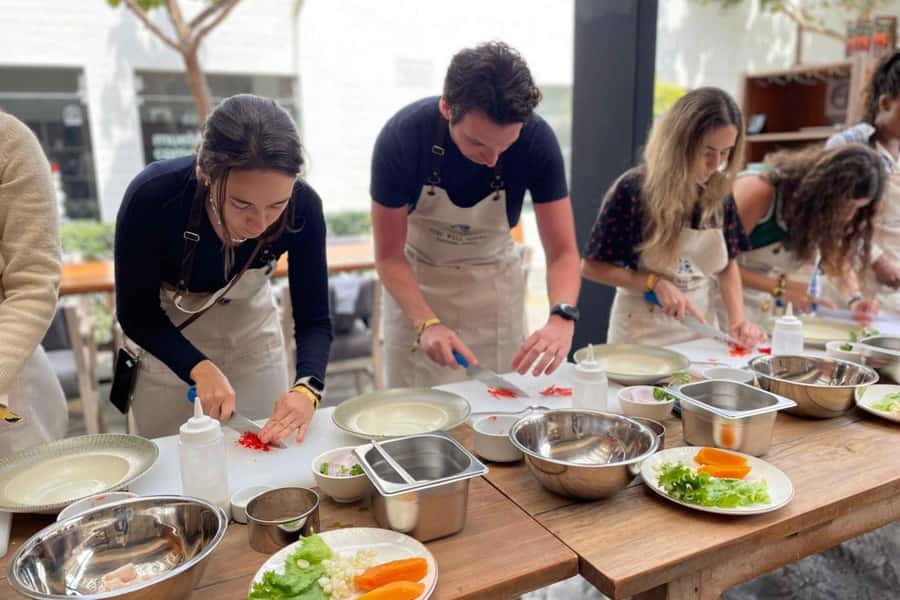
This is a straightforward cooking class with a clear goal: by the end, you’ll have made a complete Peruvian-style menu and understand how to recreate it later. The schedule runs Monday to Saturday, with sessions at 11 a.m. and 4 p.m., and the time window is listed as about 1 hour and 45 minutes (the overall duration is also stated as 2 hours). Either way, it’s long enough to get your hands busy, short enough that it won’t eat your whole day.
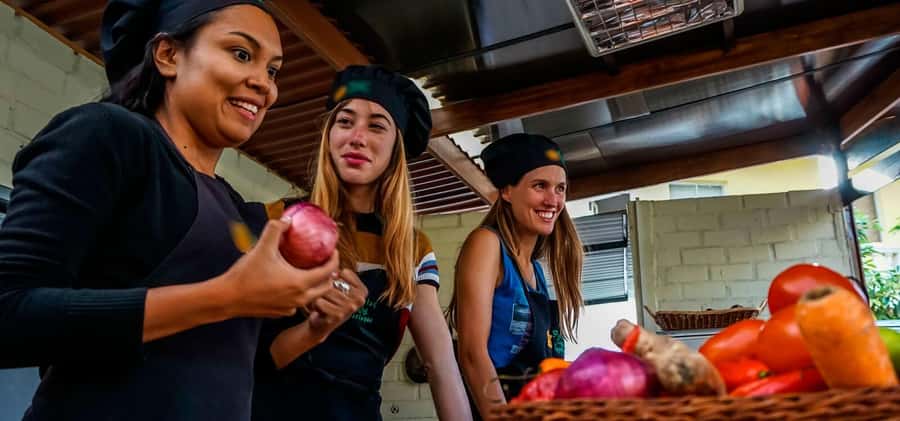
The setting matters here. You’re not cooking in a cramped corner. You’re in a large and safe kitchen environment with a beautiful garden backdrop where the experience encourages sharing and photos. That changes the feel from school-like to more relaxed and social, which is a big part of why cooking classes can be fun even when you don’t consider yourself a “cook.”
The class is also built around learning from an instructor from Inspires Viagens, who provides guidance in English and/or Spanish. That bilingual setup is useful in practice: you can follow along closely without struggling with key steps, and you’re more likely to ask questions when you’re genuinely confused.
One more practical point: the class includes soft drinks and water, and you’ll be tasting what you prepare. So you’re not walking in and immediately wondering where the calories come from.
You can also read our reviews of more food & drink experiences in Arequipa



How the Menu Works: Peruvian, Arequipeño, or Marine
The biggest thing to understand is that the menu isn’t one fixed set of dishes. It changes based on availability, and you’ll fall into one of three paths:
- Traditional Peruvian menu: causa, lomo saltado, and a dessert
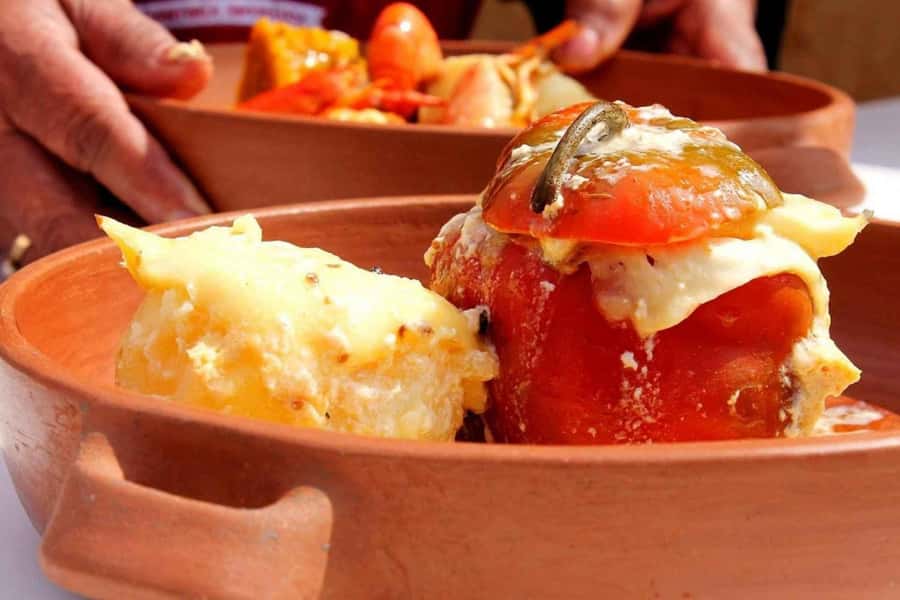
- Arequipeño menu: queso soltero, rocoto relleno, and a dessert
- Marine menu: ceviche, pescado a la chorrillana, and a dessert
Even if you don’t care which menu you get, the menu system is still valuable. You’re practicing a set of techniques and flavors that represent different sides of Peruvian food: central Peruvian comfort classics, Arequipa’s own identity, and seafood-forward dishes.
If you’re traveling to Arequipa, I’d treat the Arequipeño option as your main target. That menu is the one tied directly to local identity through dishes like queso soltero and rocoto relleno. It’s also the best way to avoid the feeling that you’re doing a generic Peru cooking class in a pretty city.
If seafood is your priority, the Marine menu is the obvious pick since it includes ceviche and pescado a la chorrillana. If you want a broader Peru sweep, choose the Traditional Peruvian menu for a mix that includes causa and lomo saltado.
The dessert is listed, but it’s not specified beyond that. That means you should go in open-minded. Think of dessert as part of the “take-home skills” goal: you’re learning the whole flow, not only the showpiece main.
What You Do in the Class: Starter, Main, Dessert (Without Guesswork)
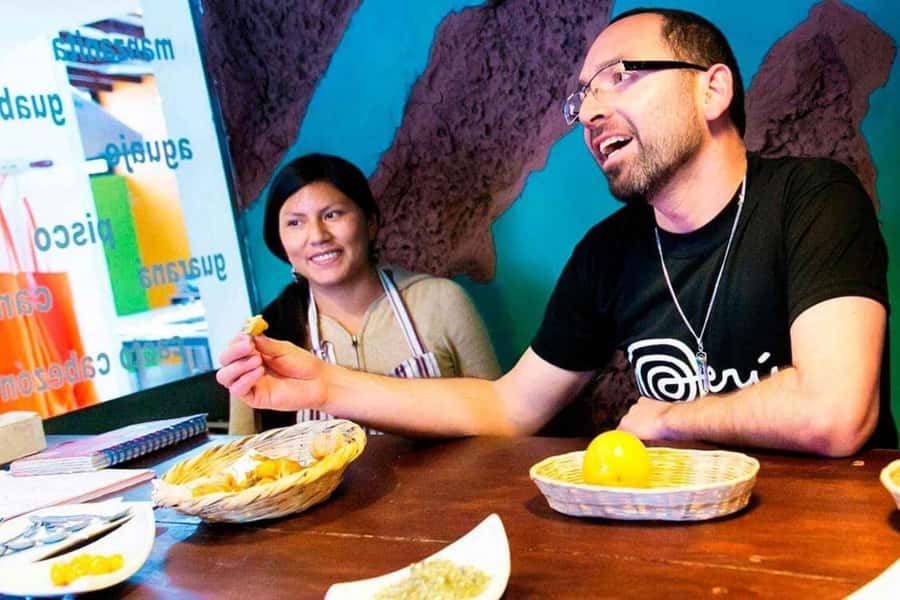
The core promise is practical instruction. You’ll follow the instructor’s directions to prepare your Peruvian menu using local ingredients and traditional methods. The class includes ingredients to make a starter, main course, and dessert, so you won’t spend time figuring out shopping lists or converting cooking steps in your head.
The experience also leans heavily on manual preparations. In other words, you should expect physical tasks: mixing, assembling, cutting, portioning, and working through steps until your dish looks like it belongs on a plate rather than a pile. This is where the value is either obvious or disappointing, depending on what you expected going in.
Here’s how I’d set your mindset: a cooking class is not the same thing as a full home-cooking evening where you cook from scratch for friends. This one is structured. That structure is good. It keeps you from getting lost and helps you finish a whole menu within the time limit.
It also explains why someone might feel the lesson was too focused on prep. If your hope was to do every single step with long cooking time and heavy stove work, you might want to ask questions early so you can get the most out of your hands-on time.
During the class, there’s also an expectation of sharing with other visitors and exchanging experiences. That matters because it turns the lesson into more than just cooking; you learn what others care about, where they’re from, and what they want to try later when they’re eating out in Arequipa.
And yes, you should plan for photos. The class calls out the opportunity to get unforgettable photos in the kitchen and garden environment. I’d treat photos as a bonus, not a distraction. Keep your attention on the steps first, then snap pictures when the instructor signals a pause.
Arequipa Flavor Focus: Queso Soltero and Rocoto Relleno
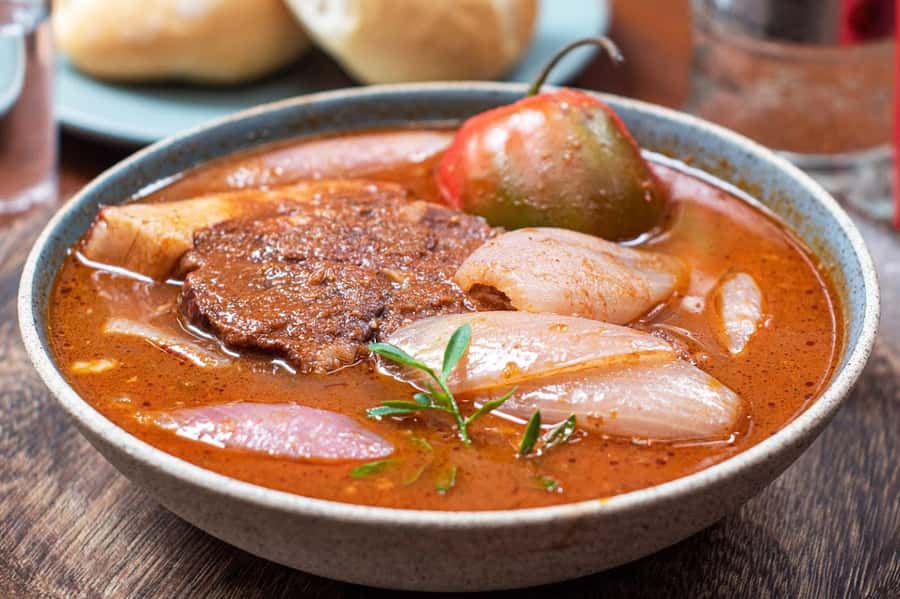
If you choose the Arequipeño menu, you’ll be learning dishes that anchor the cooking class to the region. Queso soltero and rocoto relleno are both listed as part of the Arequipeño path, which makes this option feel like it belongs in Arequipa rather than being easily swapped into any other Peruvian city.
This is where I like the logic of the class. You’re in a place known for its food identity, so you’re practicing that identity directly. The instructor’s job is to guide you through local ingredient choices and traditional methods, not just to teach you “generic Peruvian cooking.”
Even if you’re not 100% sure you’ll love every dish (you only know the menu names, not the full dessert details), the skill transfer is still real. You’re learning how these dishes are put together as a menu: starter, main, and dessert. That structure helps you later when you want to recreate flavors at home without guessing which step comes before the next.
Classic Peruvian Staples: Causa, Lomo Saltado, and Ceviche
If you go with the Traditional Peruvian or Marine menu, you’ll cover dishes that many people associate with Peru. The names alone show the range:
- Causa and lomo saltado on the Traditional Peruvian menu
- Ceviche and pescado a la chorrillana on the Marine menu
From a travel perspective, this is the payoff if you want the “I understand Peru’s food style” experience. You’re learning dishes that are commonly discussed across borders, but you’re doing it in Arequipa with local guidance. That blend is what makes the class feel more than a tourist activity.
I also like that the class includes a tasting at the end. The tasting doesn’t just reward you; it closes the loop. You’ll see how your version turned out, and that helps you remember which parts of the steps mattered.






Price and Logistics: Does $57 Make Sense?
At $57 per person for a class listed at around 2 hours, you’re paying for more than instruction. You’re paying for:
- ingredients for starter, main course, and dessert
- the use of a large and safe kitchen environment
- an instructor in English and/or Spanish
- the tasting
- soft drinks and water
That inclusion list is the key to judging value. If a class only teaches one dish and you’re expected to bring your own ingredients, $57 can feel high fast. Here, you’re getting a full menu workflow, plus the environment and guidance that make it possible to finish within the set time.
That said, the balance could tip depending on expectations. One criticism I saw was that the activity felt expensive for what sounded like mostly cutting. I don’t know how that experience unfolded hour to hour, but I do think it’s fair advice to yourself: decide what you want. If you want active cooking, not just prep, arrive with a willingness to get your hands busy and ask questions about technique as you go.
A good practical move: be ready to treat this as a guided cooking session with tasting—not a private chef tutorial. It’s a group-style classroom experience, and your money buys structure, ingredients, and instruction.
Who Should Book This Cooking Class (and Who Might Skip)
This is a great fit if you want a hands-on souvenir from Peru. The class explicitly frames your finished dishes as something you can enjoy making again at home. I like this idea because it turns your trip into skills, not only photos.
It’s also a good choice if:
- you want to learn classic Peruvian dishes and not just hear about them
- you prefer instruction in English and/or Spanish
- you like social activities where you share and swap food thoughts with others
- you enjoy cooking but don’t want to build a whole menu from scratch
You might think twice if:
- you’re only interested in watching chefs do everything and you’re not comfortable doing prep yourself
- you expect extensive stove time for every dish rather than a time-boxed class workflow
- you’re budgeting tightly and need a cheaper food experience in Arequipa
My Decision Rule: Should You Book It?
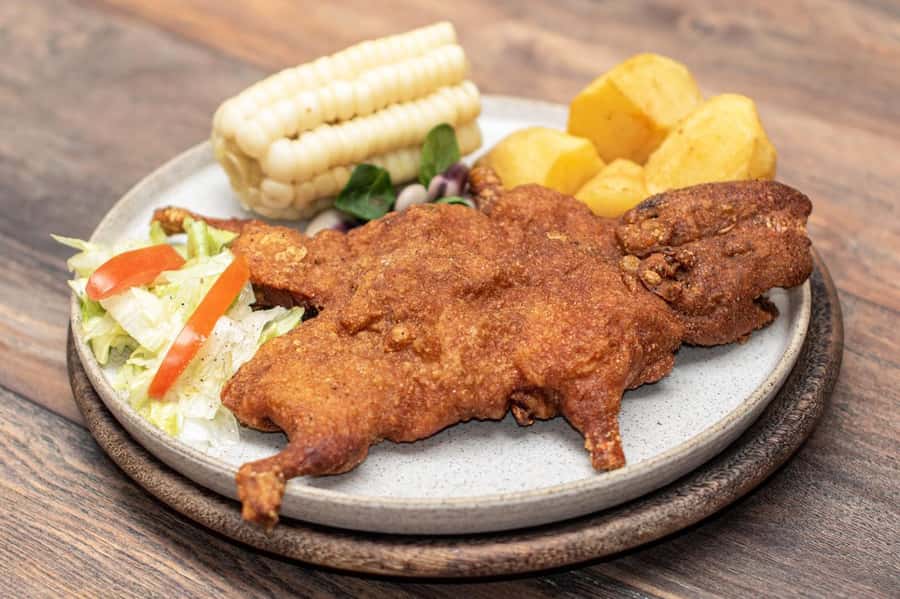
If you’re excited by the idea of making a complete Peruvian menu—and you’re happy to participate, not just observe—this class is an easy yes. The combination of local ingredients, traditional methods, instructor support in English/Spanish, and tasting makes it feel like a real cooking experience rather than a demo.
If you’re on the fence because of price, use this rule: $57 is reasonable when you actually eat what you make and when the ingredients are included for starter, main, and dessert. If you only wanted a quick appetizer activity, you could feel let down by how structured and menu-based it is.
FAQ
FAQ
What dishes do you learn to make in this Arequipa cooking class?
The class offers a menu based on availability. Options include Traditional Peruvian (causa, lomo saltado, dessert), Arequipeño (queso soltero, rocoto relleno, dessert), or Marine (ceviche, pescado a la chorrillana, dessert).
How long is the cooking class?
It’s listed as 2 hours, and the session time is also given as 1 hour and 45 minutes.
What time does the class run in Arequipa?
Sessions run from Monday to Saturday at 11 a.m. and 4 p.m.
Do I get ingredients and tasting included?
Yes. The class includes ingredients to prepare a starter, main course, and dessert, and it also includes tasting of the prepared food.
Is the instructor available in English and Spanish?
Yes. The instructor provides guidance in English and/or Spanish.
Are drinks included?
Soft drinks and water are included.
Is there free cancellation?
Yes. You can cancel up to 24 hours in advance for a full refund.