REVIEW · MACHU PICCHU
Salkantay trek to Machu Picchu – 5D/4N – Premium
Book on GetYourGuide →Operated by Grupo Conde Travel · Bookable on GetYourGuide
Salkantay to Machu Picchu is a tough walk with a big payoff, and it’s famous for a reason. You’ll trade polished sightseeing for a route that feels more rugged than the Inka Trail, with authentic camping in between and a proper Machu Picchu finish.
I really like how the day plan mixes long hiking stretches with real breaks, so you can settle into a rhythm. I also like the way the package handles the big logistics for you—like meals in camp and the return trip by train from Aguas Calientes.
One thing to think about: the trek runs on tight timing once you hit Machu Picchu ticket time, and if anything goes sideways, you may lose daylight. I’d go in ready to double-check ticket handling and ask exactly how your guide plans to manage it.
In This Review
- Key things to know before you go
- Salkantay instead of the Inka Trail: what you’re really buying
- The 5-day plan: what each day costs you (and gives you)
- Day 1: Cusco to Humantay Lake, then Basecamp Salkantay Pampa
- Day 2: Basecamp Salkantay Pampa to Chaullay
- Day 3: Chaullay to Lucmabamba
- Day 4: Lucmabamba to Llactapata, Hydroelectric, and Aguas Calientes
- Day 5: Machu Picchu citadel, then back to Cusco
- Premium camping details that actually change your comfort
- Price and value: does $510 make sense for Salkantay?
- How to handle the hiking effort without ruining the experience
- What to pack: the exact items that help on this trek
- Who this trek suits best (and who should skip it)
- My booking verdict: should you book this Salkantay trek?
- FAQ
- How long and how far is the Salkantay trek?
- Is camping included or just hotels?
- Will I have an English-speaking guide?
- Are meals included, and are vegetarian options available?
- Do I get tickets for Huayna Picchu or Montaña Machu Picchu?
- What’s included for getting back from Machu Picchu?
Key things to know before you go
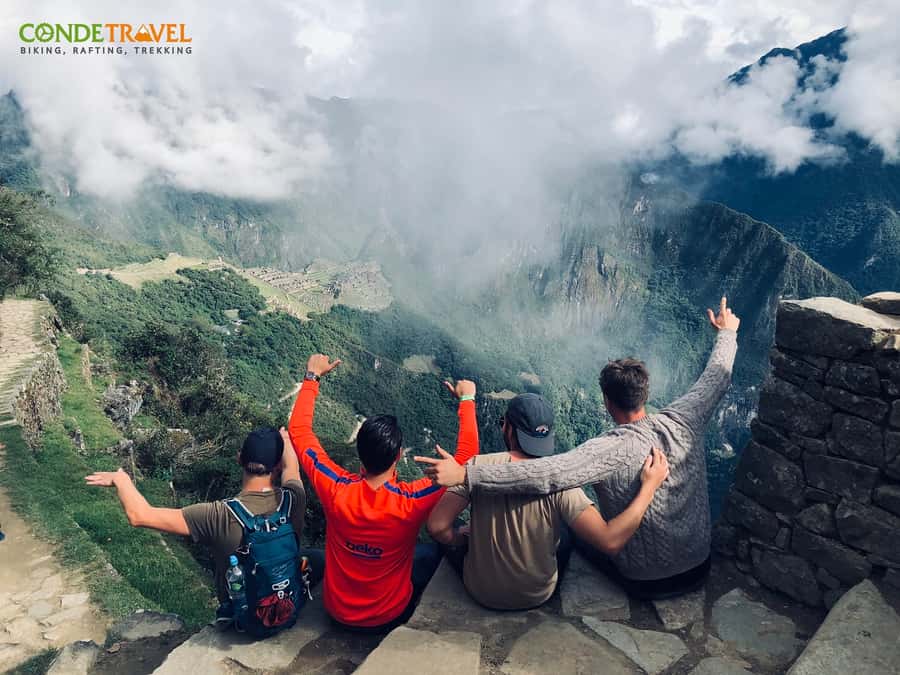
- Small group (up to 15) keeps the trek from feeling like a conveyor belt.
- 64 km / 39 miles over 5 days means real effort, not just a warm-up hike.
- 3 nights campsite + 1 night hotel gives you a mix of rugged and comfortable.
- Bilingual English guide + chef and assistants means you’re not hiking on an empty stomach.
- Machu Picchu bus + entrance included (but not Huayna Picchu or Montaña).
Salkantay instead of the Inka Trail: what you’re really buying
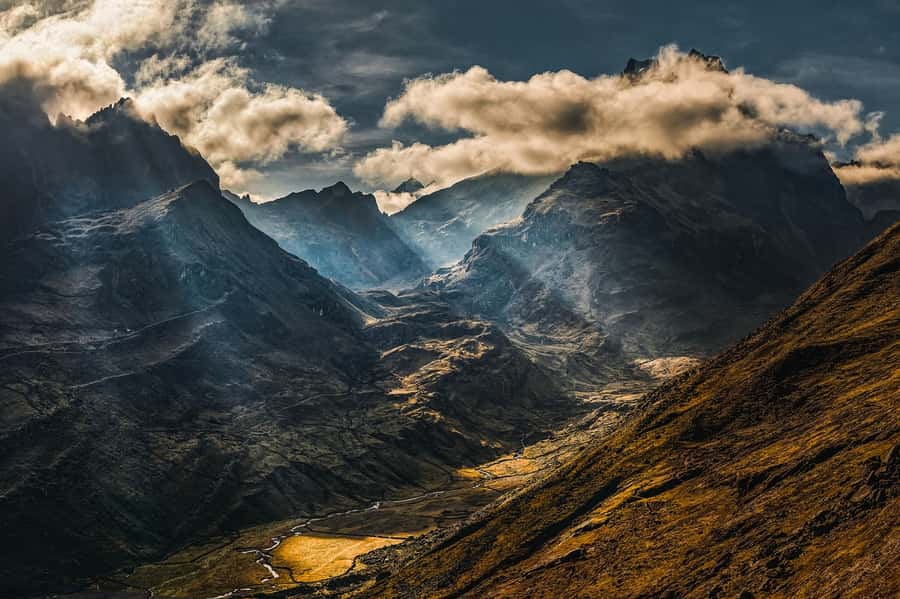
If you’re choosing Salkantay, you’re usually choosing variety. The route is popular as an alternative Inka Trail because it carries you through different environments instead of repeating the same view all day. You’ll spend real time on the trail, then land at Machu Picchu like you earned it.
The big “premium” value here is not fancy marketing. It’s the practical stuff you feel every day: a spacious dining tent and a kitchen setup, plus your sleeping bag included. After hours of hiking, those details matter more than you’d think.
You’ll also like the small-group pace. With up to 15 people, your guide can actually explain what you’re looking at and keep everyone moving at a similar speed—without turning the trek into a race.
You can also read our reviews of more tours and experiences in Machu Picchu.
The 5-day plan: what each day costs you (and gives you)
This is a 5-day / 4-night trek with moderate to challenging hiking. Your total hiking distance is about 64 km (39 miles), spread across five days with daily walking times that can run roughly 6 to 7 hours. That’s a lot of “being on your feet,” even when the route is well-managed.
You start in Cusco and end in Cusco, so you’re not only doing the trek—you’re also handling the return travel. The package includes transfers, plus the train ride back from Aguas Calientes to Ollantaytambo, and then transportation from Ollantaytambo to Cusco.
If you like structure, this itinerary gives it to you. If you like flexibility, you’ll still be fine, but you should know the schedule gets less forgiving once Machu Picchu time comes.
Day 1: Cusco to Humantay Lake, then Basecamp Salkantay Pampa
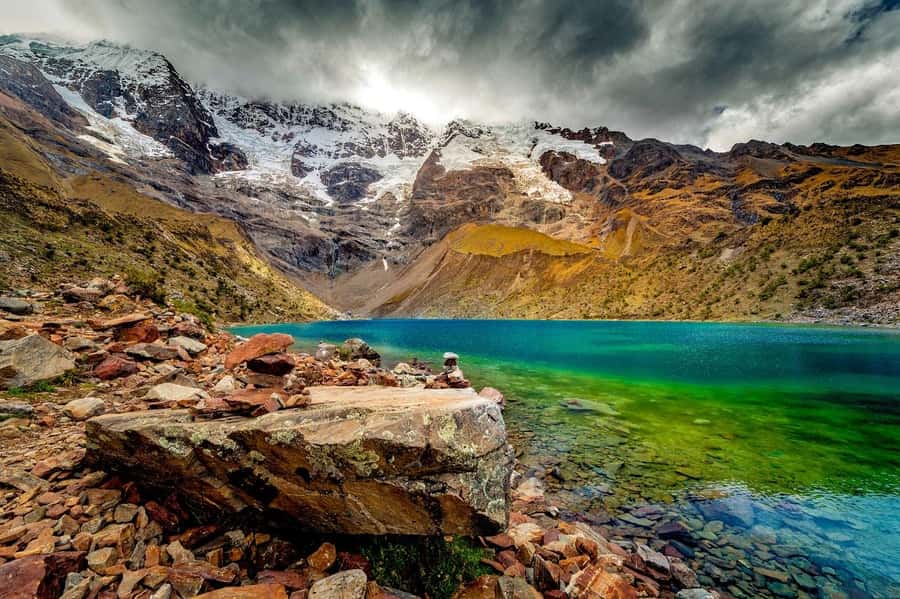
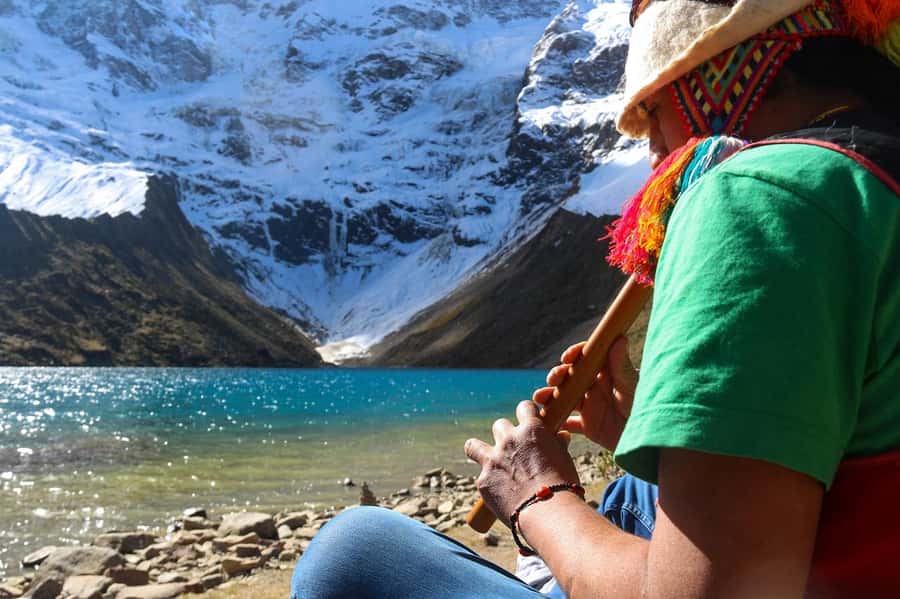
Day 1 is your long entry into the trek. You’ll go from Cusco to Humantay Lake, then keep walking to Salkantay Pampa basecamp, covering about 16 km and roughly 7 hours.
Humantay Lake is a great way to launch the journey because it’s a natural “checkpoint” early on. It also helps you mentally switch modes: you’re no longer just in Cusco—now you’re hiking toward the high country.
At the end of the day, your reward is basecamp life. The key detail: you’re going to sleep in a campsite for three nights, and this is where the experience becomes real. You’ll want to plan for cold and wind. Even if the sun is strong, night temperatures can surprise you—bring the snow clothing listed for a reason.
Day 2: Basecamp Salkantay Pampa to Chaullay
Day 2 keeps the pace. It’s another about 18 km for around 7 hours, from Salkantay Pampa to Chaullay.
Chaullay is one of those stopovers that’s more than a dot on a map. After day 1, the big win is learning your personal hiking rhythm—how fast you can go without burning out, and what snack timing works for you. Your guide and group pace matter here, and with a small group you’ll likely feel less scattered.
This is also where I’d watch your energy management. If you go out too fast on day 2, day 3 is when your legs start complaining. Aim for steady effort, and keep an eye on hydration. If you’re prone to getting tired at altitude or in cold weather, don’t wait until you feel bad—adjust early.
Day 3: Chaullay to Lucmabamba
Day 3 is about 16 km and around 6 hours, from Chaullay to Lucmabamba.
This day is where the trek typically starts feeling like it’s yours. By now, you know how your body responds to the walking time. You also know what your gear feels like after hours on dusty trails.
Lucmabamba is one of your key rest points. It’s not just a place to stop; it’s the moment the day-to-day camping routine becomes familiar. Since the package includes a chef, kitchen setup, and meals in camp, you can focus on hiking instead of logistics.
If you’re the type who needs predictable comforts—warm food, a dry place to organize gear—camping with an established setup helps. It’s also why the sleeping bag inclusion matters. You’re going to want to rely on the basics working every night.
Day 4: Lucmabamba to Llactapata, Hydroelectric, and Aguas Calientes
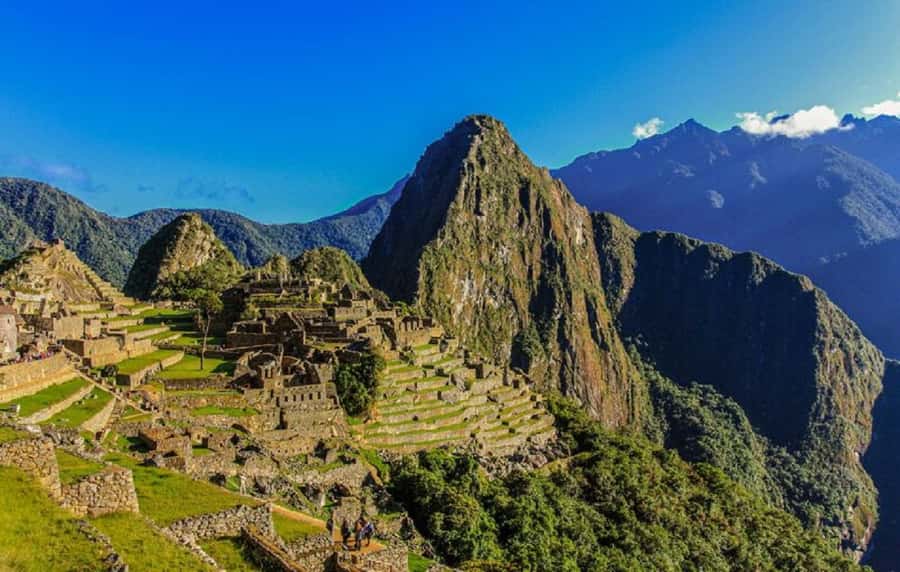
Day 4 is a turning point. It’s about 14 km for around 6 hours, from Lucmabamba to Llactapata, then onward via Hydroelectric to Aguas Calientes.
This is the day that gets you to the Machu Picchu staging area. Aguas Calientes is the practical base for your final visit. You’re trading campsite life for a night at a hotel in Machu Picchu Pueblo—included for you.
Llactapata is also an important moment on this trek. Even if you’re focused on walking, this stop adds a sense of arrival and route progression, not just grind. Hydroelectric is one of those names you’ll remember because it signals you’re close to the endgame.
Day 4 is also where you should be alert with your energy. Your hiking time is still meaningful, but the payoff is sleep in a hotel bed—real rest before Machu Picchu.
Day 5: Machu Picchu citadel, then back to Cusco
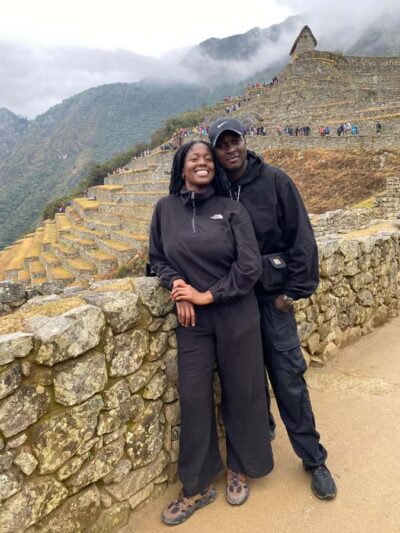
Day 5 is shorter on paper, but not in importance. You’ll go to Machu Picchu citadel, then continue onward to Cusco to end the trip.
This part is structured for you: your package includes a round trip bus to Machu Picchu citadel and includes your Machu Picchu entrance ticket. That means you’re not scrambling to sort transit and entry on your biggest day.
One caution: Machu Picchu timing is exact. If your day gets delayed, you feel it immediately. I recommend keeping your day-of focus tight—charged smartphone, passport ready, and a clear plan for meeting points—because the trek can be physically taxing even before you reach the citadel.
You should also know what’s included and what’s not for ticket types. Huayna Picchu and Montaña Machu Picchu are not included, so if those are on your wishlist, you’ll need to plan separately.
Premium camping details that actually change your comfort
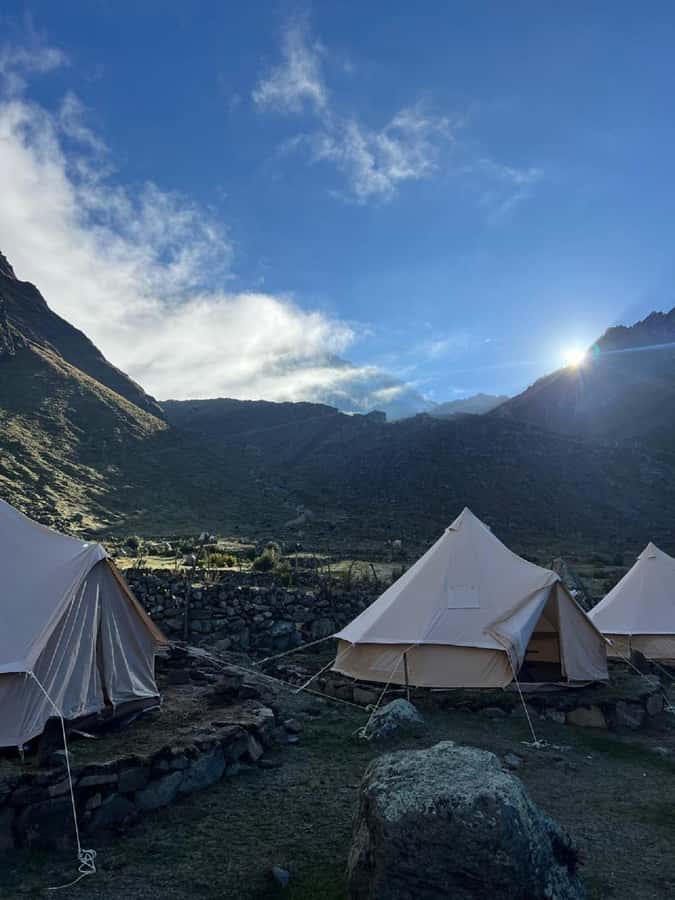
Let’s talk about what’s included that you can feel during the trek.
You get:
- 3 nights campsite with a spacious dining tent and kitchen
- Sleeping bag
- A professional bilingual guide (English)
- Chef and assistants
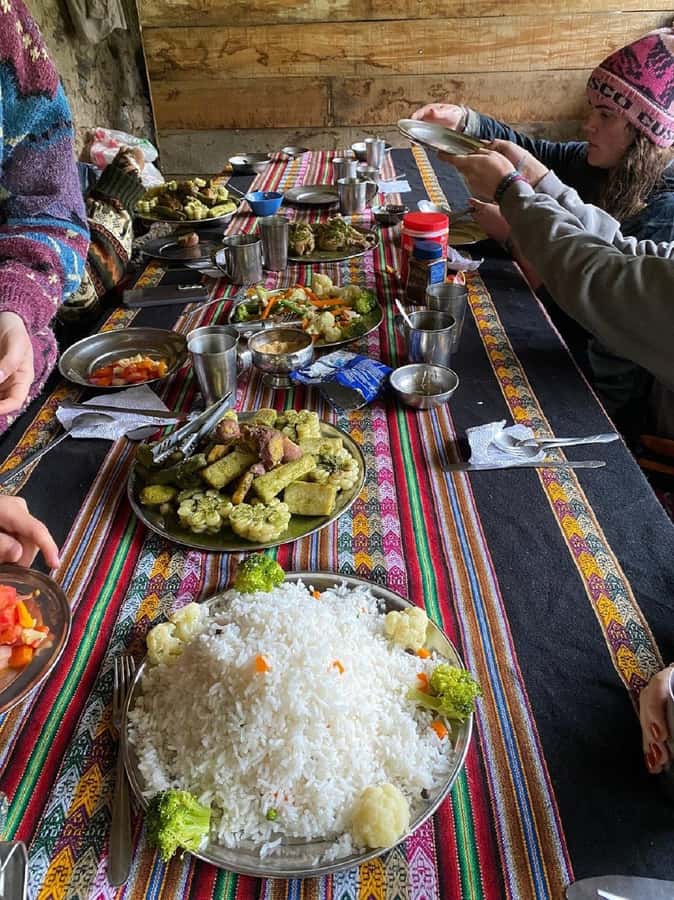
- Food as mentioned in the itinerary with vegetarian options
That combination is the difference between “surviving camping” and “enjoying the trek.” After a long day of hiking, you want meals that are reliable and hot enough to reset you. The dining tent and kitchen support that.
You also get group guidance and storytelling, not just directions. One guide name that comes up positively is Eduardo, praised for sharing information about nature, traditions, and the people you pass through. Even if your guide differs, you can still expect real commentary, not just route announcements.
Price and value: does $510 make sense for Salkantay?
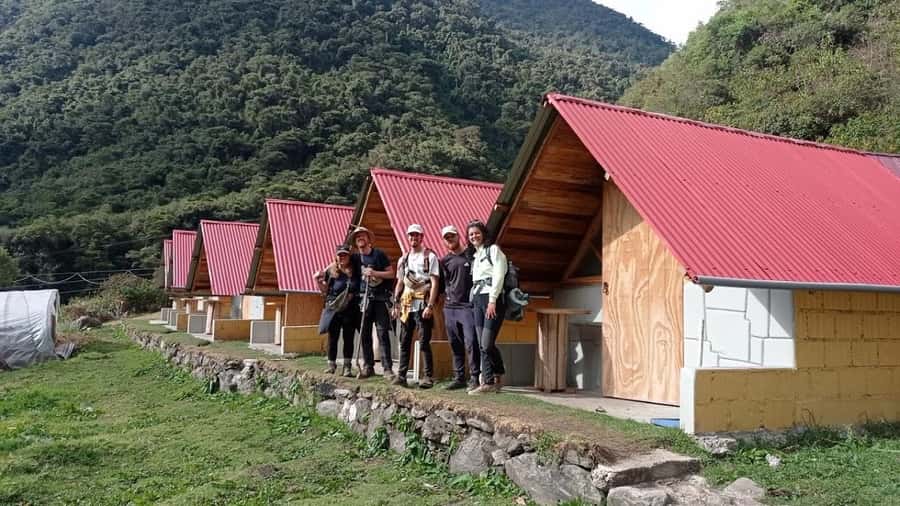
At $510 per person for a 5D/4N trek, you’re paying for a lot more than a walking route. This package includes big-ticket items that often add up fast on your own:
- Entrance ticket to the Mollepata–Salkantay route
- Machu Picchu entrance
- 3 nights campsite plus sleeping bag
- Hotel night in Aguas Calientes
- Train back from Aguas Calientes to Ollantaytambo
- Bus to Machu Picchu citadel (round trip)
- Bilingual guide + chef support
So the value isn’t just “you get a guide.” You also get transport connections that protect your time. Machu Picchu, train times, and bus routes don’t care about your travel plans, so having these built in is a real money-saver even if you never think about it.
The main risk to value is if the trek is poorly executed. If your group gets hit with delays, it can affect your overall Machu Picchu experience. I’d treat this trek like a high-demand itinerary: confirm the ticket process early, and ask how communication works if someone gets sick or falls behind.
How to handle the hiking effort without ruining the experience
This trek is listed as moderate to challenging. That’s accurate in the way that matters: you’ll hike enough each day that you need a plan.
A smart approach:
- Keep your pace steady instead of sprinting the first hour.
- Use a daypack that you can access quickly for snacks and layers.
- Don’t wait for the “I’m tired” moment to drink water.
Also, you’re walking about 64 km total. Even if the daily distances don’t look scary on paper, the cumulative effect hits. Good shoes and closed-toe comfort are essential since open-toed shoes aren’t allowed.
If you’re sensitive to cold, take seriously the “snow clothing” and “hat” guidance. Temperature shifts are part of Salkantay. Your body notices before your mind does.
What to pack: the exact items that help on this trek
Here’s your packing reality check based on what’s listed and what you’ll actually use.
Bring:
- Passport (needed for Machu Picchu entrance)
- Closed-toe shoes
- Hat
- Snow clothing (cold can be real)
- Biodegradable sunscreen
- Daypack
- Flashlight
- Charged smartphone
- Change of clothes
- Garbage bag
- Personal medication
- Cash
And keep in mind what you can’t bring:
- Oversize luggage
- Alcohol and drugs
- Open-toed shoes
- Electric wheelchairs or crutches
- Baby strollers
If you’re thinking about batteries or charging, plan for time on the trail and limited opportunities. A charged smartphone helps with photos, maps, and last-minute coordination.
Who this trek suits best (and who should skip it)
This trek is not a fit for everyone. The tour specifically lists it as unsuitable for:
- Children under 5
- Pregnant women
- People with back problems
- People with mobility impairments
- People with heart problems
- Wheelchair users
- People over 70
That doesn’t mean you can’t travel in Peru. It just means this particular Salkantay plan is built around steady walking and the physical rhythm of camping and altitude travel.
You’ll likely love it if:
- You want a camping experience with support (not total “roughing it”)
- You like a small group and a guide who talks
- You want Machu Picchu but also want the journey to feel like the main event
If you’re unsure about your endurance, treat this as a serious hiking trip, not a casual day hike.
My booking verdict: should you book this Salkantay trek?
I’d book this Salkantay 5D/4N Premium trek if you want value that includes the hard parts—Machu Picchu entry, round-trip bus, train back, campsite setup, and meals—while keeping the group small.
I’d hesitate if you need maximum certainty on day-of ticket handling or emergency communication, because trekking logistics can fall apart when delays stack up. Before you pay, ask clear questions:
- Who handles Machu Picchu tickets and when?
- What’s the plan if someone gets sick or needs urgent help?
- Will you keep the same guide for the full trek?
If you’re comfortable with moderate-to-challenging hiking, pack well, and stay calm when schedules tighten, this is a strong way to reach Machu Picchu without feeling like you skipped the best part of Peru.
FAQ
How long and how far is the Salkantay trek?
It’s a 5-day trek with 4 nights (5 days / 4 nights). The hiking distance is about 64 km (39 miles), with daily walking times listed around 6–7 hours depending on the day.
Is camping included or just hotels?
Camping is included for 3 nights (basecamp and campsite nights). You also get 1 night in a hotel in Machu Picchu Pueblo (Aguas Calientes).
Will I have an English-speaking guide?
Yes. The guide is listed as bilingual and English speaking.
Are meals included, and are vegetarian options available?
Yes. Food is included as mentioned in the itinerary, and vegetarian options are available. The first breakfast and the last day lunch and dinner are not included.
Do I get tickets for Huayna Picchu or Montaña Machu Picchu?
No. The Huayna Picchu entrance or Montaña Machu Picchu entrance are not included, but the main Machu Picchu entrance ticket is included.
What’s included for getting back from Machu Picchu?
After Machu Picchu, you’ll take the train back from Aguas Calientes to Ollantaytambo, plus transportation from Ollantaytambo to Cusco. Round trip bus to Machu Picchu citadel is also included.