REVIEW · MARAS
Maras Moray
Book on GetYourGuide →Operated by Libertrek Peru Travel Agency · Bookable on GetYourGuide
Cusco gives you altitude drama fast. This Moray and Maras day works because it’s efficient and scenic without eating the whole day. You get two of the region’s biggest “how did they even do that?” sights: the circular agricultural terraces at Moray and the stepped salt pools at Maras, plus a quick cultural stop in Chinchero for natural-dye textiles.
Two things I really like about this tour: you’ll learn what you’re seeing (not just pass by it), and the timing is built for a half-day pace. The route also includes a guide who can switch between languages—English and Spanish—so interpretation stays clear, not patchy.
One consideration: if it’s your first day in Cusco, the thin-air “heavy head” can make anything feel a bit quicker than you want. In one case, the guide’s pace of speaking felt fast until things settled—so if you’re acclimating, plan to take it slower when you arrive and ask questions early.
In This Review
- Key highlights to focus on
- Maras Moray from Cusco: what the half-day plan actually delivers
- The Chinchero textile stop: color, craft, and why it fits this day
- Moray terraces: circular farming experiments and mountain “power” in the story
- Maras salt mines: sodium chloride springs, 3,800 pools, and serious scenery
- Guides, languages, and the pace: what makes the day feel smooth
- Cost and value: what you’re paying for, and what you still need to budget
- Who should book this Maras Moray tour (and who should skip it)
- What to bring so the day feels easy
- Should you book Maras Moray?
- FAQ
- What time does the tour start?
- Where does pickup happen?
- How long is the Maras Moray tour?
- What languages are the guides?
- Is the tour physically demanding?
- Are entrance tickets included in the price?
- Do I need to buy food during the tour?
- Is the tour available every day?
- Is this tour suitable for people with mobility impairments?
Key highlights to focus on
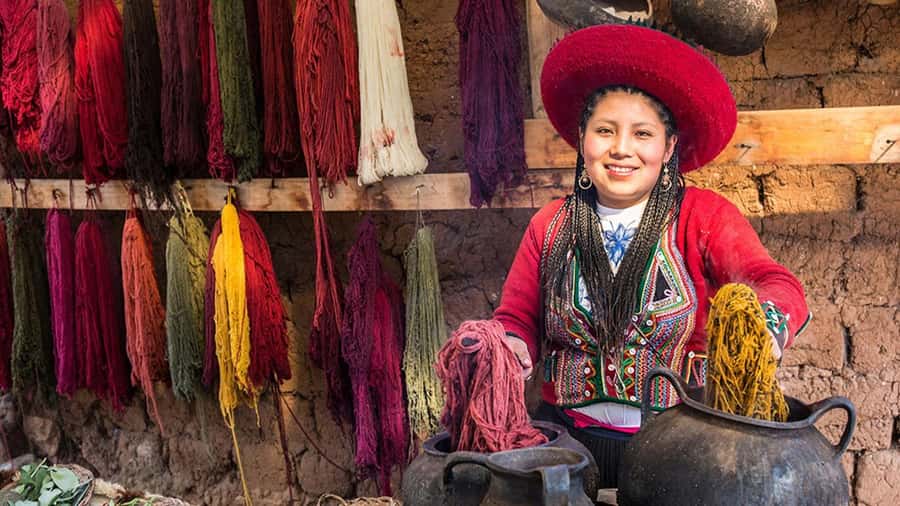
- Chinchero textile stop where natural dyes are explained and you can see how wool colors are made using materials from the region
- Moray’s circular terraces built for experimental Inca agriculture, not just decoration
- Domestication and crop experimentation themes: corn, potatoes, olluco, and more
- Apus in the landscape—mountains viewed as deities in Inca times, tied into the story you hear at Moray
- Maras salt mines at 3,000+ meters with water-fed sodium chloride and roughly 3,800 salt pools
- A half-day format (about 6 hours) that fits well if you don’t want a full day tour
Maras Moray from Cusco: what the half-day plan actually delivers
This tour is designed as a “big sights, not big suffering” kind of outing. You’re picked up around 08:30 from your hotel or accommodation, then you head out by transport toward Moray first. The whole experience runs about 6 hours, which makes it a smart choice when you’re trying to balance Cusco sightseeing with acclimatization.
I also like that the day has a clean rhythm: a cultural stop for context, then two technical landscapes (Inca farming science + salt production), and back to Cusco after. That order matters. When you see Moray first, you already get the idea that the Incas were testing and refining how they worked with the land. Then Maras makes sense as another kind of resource knowledge—water, minerals, and production on a steep hillside.
From a comfort standpoint, the tour doesn’t require heavy physical effort. Still, you’re at altitude, and you’ll be outside and moving around at each stop, so sports shoes and sunscreen aren’t optional ideas.
You can also read our reviews of more tours and experiences in Maras.

The Chinchero textile stop: color, craft, and why it fits this day
Before Moray, you stop in Chinchero, a town known for artisanal textile production. The focus isn’t just shopping. You can visit a textile center that explains how dyes are made from natural materials—using processes passed down through generations since Inca times.
Here’s why this stop is more than a quick break: it gives you a “slow” cultural contrast to the “engineering landscapes” coming next. At Moray and Maras, you’re learning how people shaped environments and resources. In Chinchero, you’re seeing how people shape fiber and color—also a long-term, practical science, not a random craft trend.
One useful detail: you may see how different wools—like llama or alpaca—can be dyed, and how the colors are obtained from natural ingredients. That makes it easier to appreciate local textiles later, whether you buy anything or not. If you’re trying to decide what’s worth attention in Peru, this kind of explanation helps you spot quality and tradition.
Potential drawback: if you’re expecting a lot of wandering time at Chinchero, don’t assume it’s built like a long village stroll. In one situation, the visit centered more on the alpaca wool and alpaca-process side (not a wide open “free walk” moment). So go in with the mindset of learning and observing, not exploring independently for hours.
Moray terraces: circular farming experiments and mountain “power” in the story
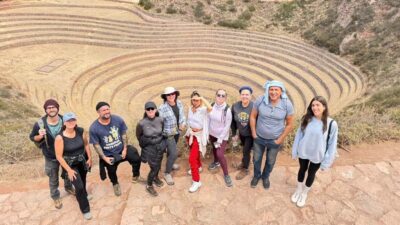
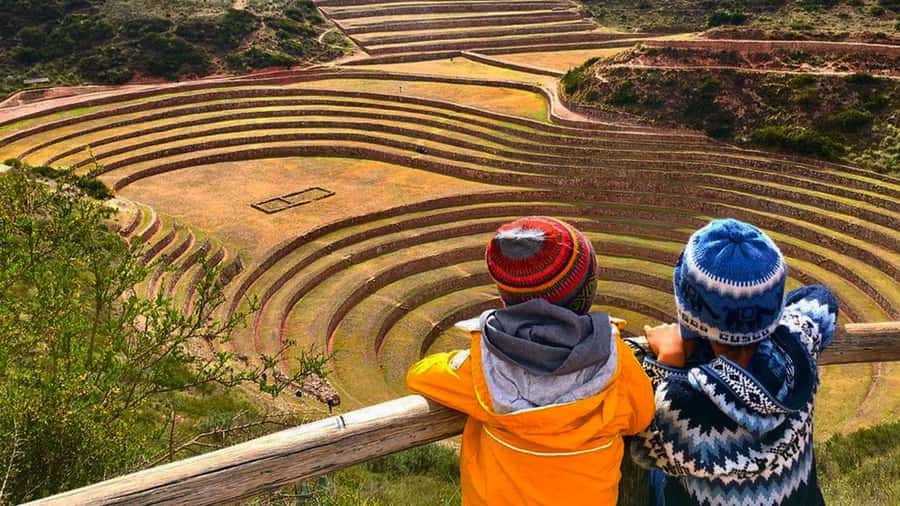
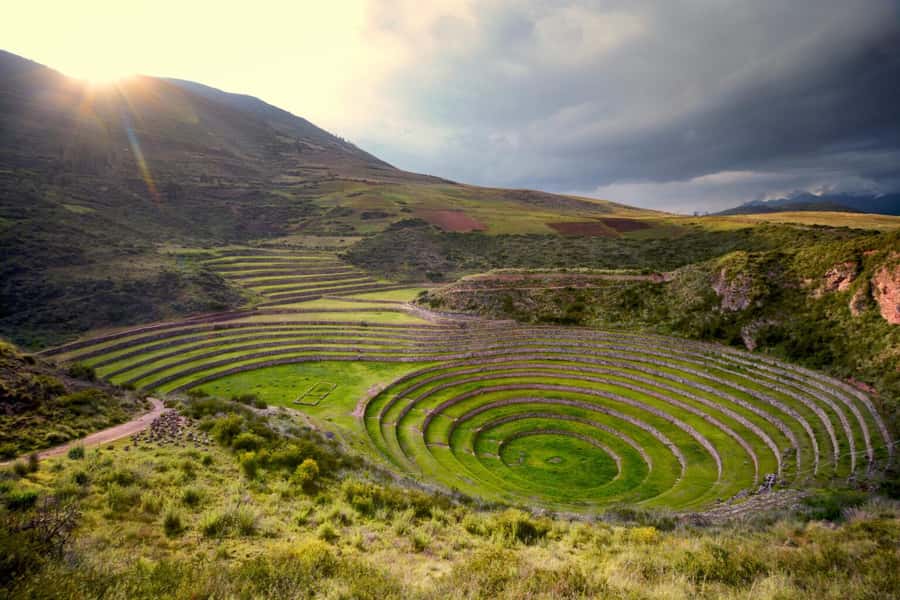
Next comes Moray, an archaeological park known for its circular terraces, which are unusual compared with other Inca constructions. These aren’t presented as a random architectural style. They’re explained as an experimental setup for testing conditions and improving agricultural varieties—especially corn, potatoes, olluco, and others.
The terraces matter because they’re about how environment affects crops. Different terraces can create different microclimates (think sun exposure, temperature differences, and wind). That’s a big part of why Moray is so fascinating: it feels like the Incas built a real research station, then used it to domesticate and refine what they grew.
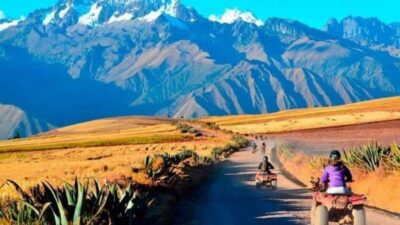
You’ll also get the mountain viewpoint story here. The surrounding snow-capped peaks are tied to the idea of apus—mountains considered deities in Inca times. Even if you’re not into religion, the framing helps you read the landscape like the people who lived there. It’s not just scenery; it’s meaning.
What to watch for at Moray
- Look for how the terraces are laid out in circles and levels. Your brain will start connecting the layout to the “testing” idea.
- Listen for how your guide explains plant variety experimentation. The more you understand the purpose, the more impressive the construction feels.
A small practical note from real-world pacing: on a first day in Cusco, some people can feel slower and foggier from altitude. If that’s you, try to ask for key explanations early, then take breaks for photos and slow breathing so the day doesn’t feel rushed.
Maras salt mines: sodium chloride springs, 3,800 pools, and serious scenery
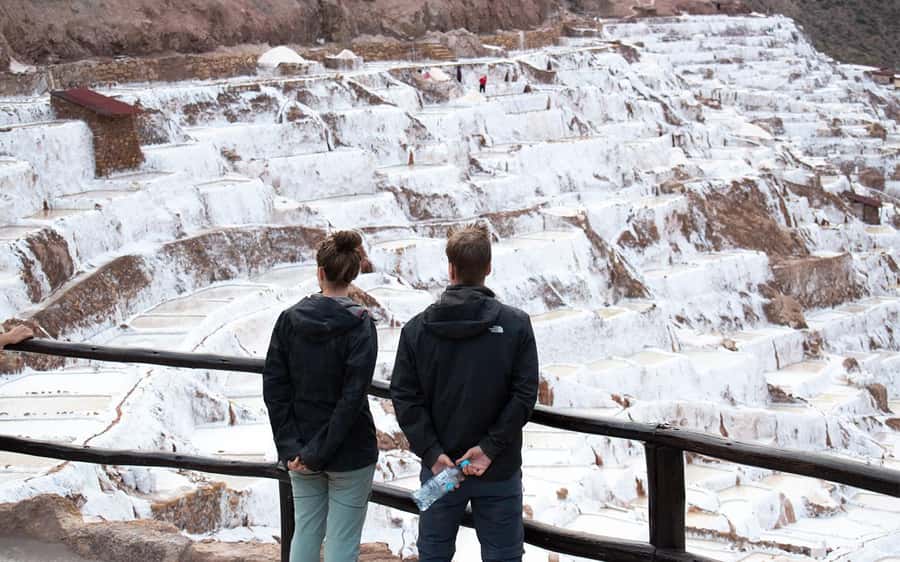
Finally, you reach Maras salt mines, one of the most visually striking places near Cusco. The core concept is simple and clever: water sources carry sodium chloride from the mountains, and that mineral-rich water enables salt production at over 3,000 meters above sea level.
What you’ll see is the production landscape—an expanse of about 3,800 salt pools laid across the hillside. The look is almost unreal: many small compartments that turn a mountain slope into a patterned saltworks. This is one of those locations where photos don’t capture the scale unless you stop and look longer. The view works best when you give your eyes time to map what you’re seeing.
Why it’s worth your attention
- It’s not just a pretty salt field. It’s a functioning process story: water, mineral content, and evaporation-style production logic.
- The scenery is part of the lesson. The location and steep terrain are essential to why the saltworks look the way they do.
You’ll want to come prepared for sun and wind. Even when the day feels “not too hot,” high-altitude light can be intense. Sunscreen and a camera you actually trust help a lot.
Guides, languages, and the pace: what makes the day feel smooth
This tour runs with a professional guide in English and Spanish, which is a big deal on a bilingual day trip. You won’t be stuck with one-language-only storytelling or awkward translation gaps.
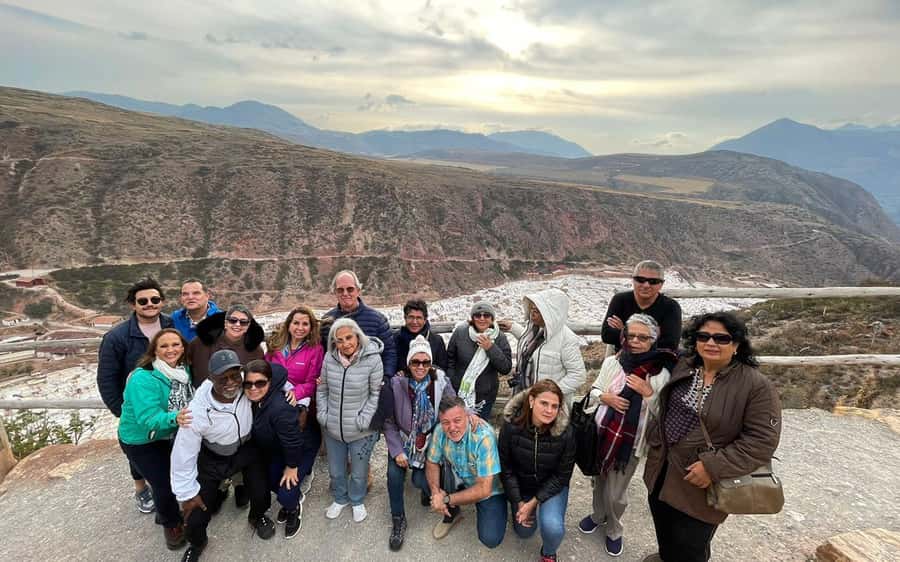
In one of the strongest guide examples, Raul handled English translation in a clear way and managed the group pace well. The guide also recognized that people were taking lots of photos and gave short stretches for wandering while continuing explanations for others in Spanish before switching to English for the group. That kind of pacing is exactly what makes half-day tours feel satisfying instead of stressful.
So what should you do to make the pace work for you?
- If you want photos, plan to ask for a quick walking moment rather than trying to force it mid-explanation.
- If you’re sensitive to altitude, slow your own rhythm even if the group moves quickly.
The route also includes scenic roadside viewpoints along the way. One improvement wish that came up was that it would be even better with one or two quick photo stops en route. You can’t count on extra viewpoint time beyond what’s scheduled, so if photos are your top priority, bring your patience and be ready to capture key moments fast.
Cost and value: what you’re paying for, and what you still need to budget
The tour price is listed at $18 per person, and the trip includes pickup, transport, and bilingual guiding. That’s a solid baseline for a half-day that covers both Moray and Maras.
But two entrance fees are not included:
- Tourist ticket: USD 20
- Entrance to Maras: USD 7
If you add those up, you’re looking at roughly $45 total per person before food. For many visitors, that still feels reasonable because you’re paying for access to major archaeological and natural-resource sites plus a guide who can explain both.
What I’d budget on top
- A snack and bottle of water are useful since it’s a half-day.
- Cash helps for any on-site payments or last-minute needs.
Who should book this Maras Moray tour (and who should skip it)
This is a great fit if you:
- Want two major sites (Moray + Maras) without committing to a full-day itinerary
- Like practical explanations—why things were built or how salt was produced
- Prefer a guided route that organizes your time for you, especially if it’s your first time in the region
It’s also a good option when you’re trying to plan around acclimatization. The total time is about 6 hours, so you’re not stuck away from Cusco all day while your body adjusts.
Skip it (or choose something else) if:
- You have mobility impairments, since it’s not suitable for that
- You need long, unstructured free time at each stop. This day is focused and scheduled, so independent wandering is limited compared with longer private tours
What to bring so the day feels easy
You’ll thank yourself for packing light, but smart. Here’s what’s specifically recommended:
- Camera
- Sports shoes
- Cash
- Sunscreen
- Passport or ID card
- Personal medication
You can bring a snack and a bottle of water too, which I recommend because it helps you avoid the “hungry + altitude” combo.
Should you book Maras Moray?
Yes, if you want a well-paced half-day that hits the two most famous nearby experiences with clear explanations. The value is strongest when you’re okay with a scheduled route, outside time, and paying the separate entrance fees for access.
Book it especially if you like learning how things work: why Moray’s circular terraces were used for agricultural experimentation, and how Maras salt production depends on mineral-rich water at high altitude. If you’re arriving in Cusco for the first time and feel altitude effects, go with a calm mindset, take breaks for photos, and don’t be afraid to ask the guide to slow down or repeat key points.
FAQ
What time does the tour start?
Pickup is scheduled for about 08:30 from your hotel or accommodation.
Where does pickup happen?
Pickup is included. You should wait at your hotel reception about 5 minutes before the scheduled time, and the guide will call your name.
How long is the Maras Moray tour?
The duration is about 6 hours.
What languages are the guides?
The live tour guide provides English and Spanish.
Is the tour physically demanding?
No. The tour does not require high physical effort.
Are entrance tickets included in the price?
No. Entrance to tourist points is USD 20, and entrance to Maras is USD 7. These are not included.
Do I need to buy food during the tour?
Feeding is not included. You can bring a snack and a bottle of water because the tour lasts half a day.
Is the tour available every day?
Yes, it is enabled every day of the year.
Is this tour suitable for people with mobility impairments?
No. It is not suitable for people with mobility impairments.