REVIEW · AGUAS CALIENTES
Huchuy Qosqo Trek To Machu Picchu
Book on GetYourGuide →Operated by Libertrek Peru Travel Agency · Bookable on GetYourGuide
Stargazing comes with your Inca hike. This Huchuy Qosqo trek is interesting because you’re not just chasing Machu Picchu—you start in the Cusco area, walk through Inca-linked sites, and end with a guided visit to the citadel. I like that the itinerary builds in customs and local life in Patabamba, not only monuments. I also like that the route includes a serious hike plus a trained guide who can explain what you’re seeing (including details shared by the guide Jhordy in a recent experience).
The one thing to think about first is effort. This trek requires great physical effort, with steep sections (including about two hours climbing on Day 1) and long walking days, so it’s not the best match if you want an easy stroll with minimal uphill.
In This Review
- Key points that matter before you book
- Cusco to Patabamba: the trek’s mood sets the tone
- Day 1 in detail: Tambomachay, Qoricocha Lake, and a Patabamba night
- Day 2: Huchuyqosqo’s Inca terraces and the walk toward Aguas Calientes
- Day 3: Machu Picchu Sanctuary Tour with a guided citadel visit
- Logistics and gear: what will make your hike easier
- What’s included that reduces stress
- Gear you’ll want (and what’s missing)
- Fitness reality check
- Price and value: does $490 make sense?
- Who this trek is best for
- Should you book Huchuy Qosqo Trek to Machu Picchu?
- FAQ
- What’s the duration of the Huchuy Qosqo Trek to Machu Picchu?
- What languages is the tour guide available in?
- Are meals included in the price?
- Where do you stay overnight?
- How do you get to Machu Picchu on Day 3?
- Can I cancel for a refund?
Key points that matter before you book
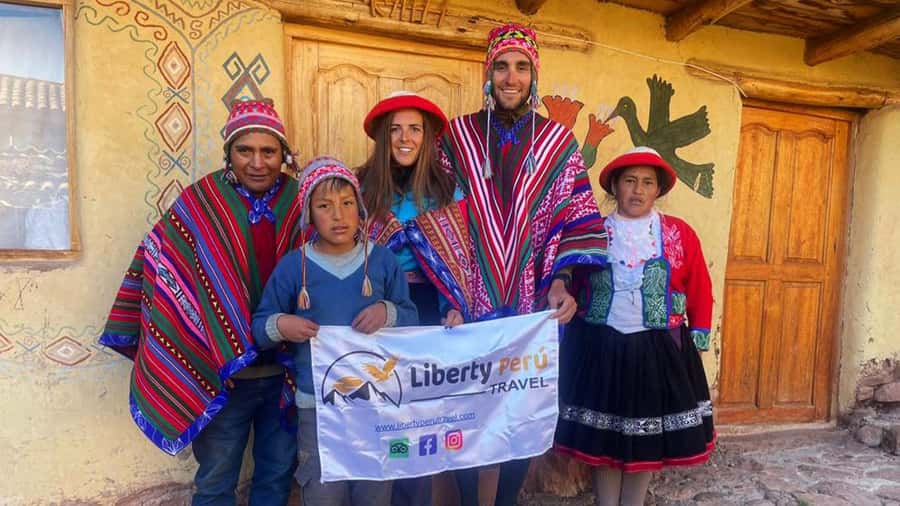
- Patabamba overnight under the stars: You arrive, get welcomed by locals, eat dinner, and sleep in a cozy community stay.
- Huchuyqosqo’s terraces and hydraulic system feel practical: You’ll learn how the Incas used the space for agriculture and water management.
- Guided Machu Picchu with focused stops: You won’t just walk the paths—you’ll get explanations of key areas like the Sun Temple and Intiwatana.
- Transportation is bundled: Hotel pickup, transfers, train, and Machu Picchu bus tickets are included so you’re not piecing it together last-minute.
- Safety support is built in: An emergency oxygen bottle, first aid kit, and even one horse in emergencies are included.
Cusco to Patabamba: the trek’s mood sets the tone
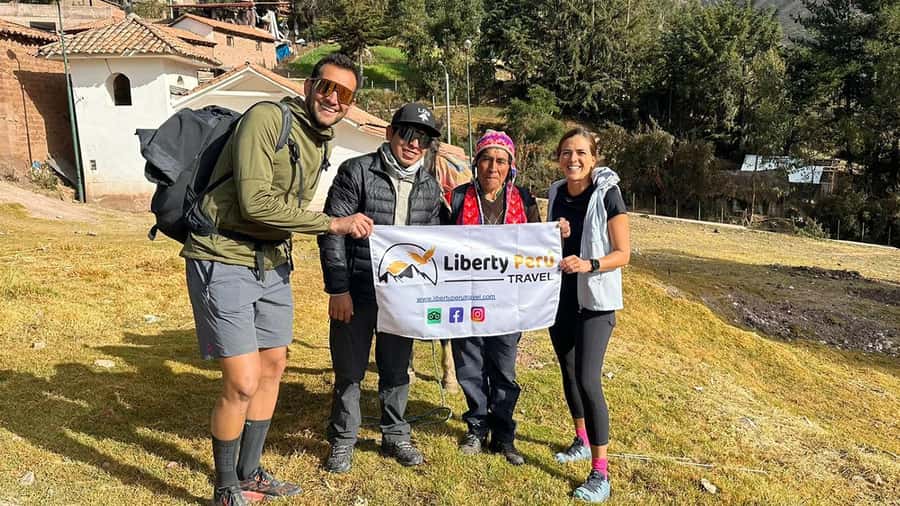
This tour works because it changes pace on purpose. Day 1 begins with a pickup in Cusco at 07:00 and immediately shifts you from city time into high-Andes hiking time. You’ll visit Tambomachay first, then start walking toward Huchuy Qosqo, so the trip feels like a route you’re moving through—not a checklist.
Another reason I like it: it takes you beyond the typical “train to Machu Picchu” routine. You’ll end Day 1 in Patabamba, where you get a community welcome, a traditional-style dinner, and a night under the stars. That kind of grounding matters when you’re about to see a place as famous as Machu Picchu the next day.
You can also read our reviews of more hiking tours in Aguas Calientes
Day 1 in detail: Tambomachay, Qoricocha Lake, and a Patabamba night
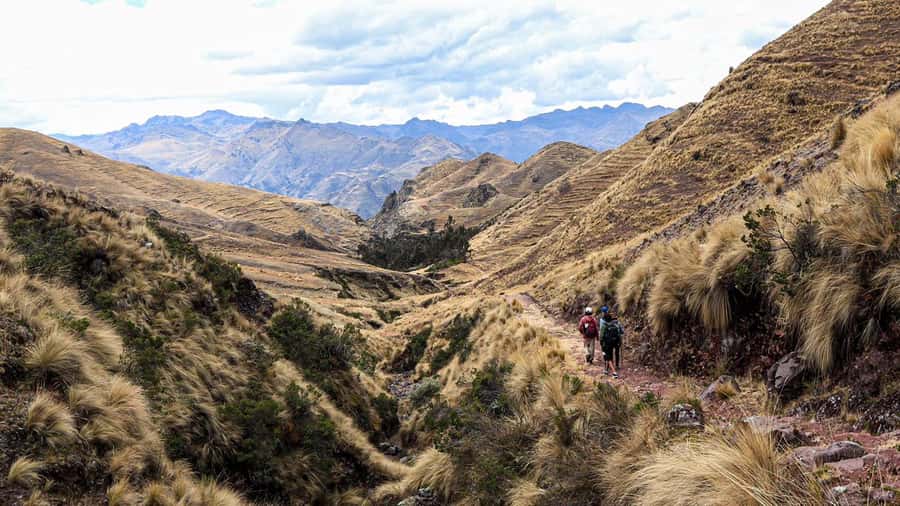
The first day is built around altitude views, Inca-era context, and a gradual change from climbing to descending.
After pickup in Cusco, you’ll stop at the archaeological center of Tambomachay before your hike begins. Then you climb for about two hours until you reach the first step, with free time to observe the city of Cusco from there. That break is useful—you get a moment to orient yourself, take photos, and catch your breath before the trail starts dropping.
From the high point, the route shifts into valley walking. You’ll descend into the valley to a small local town called Quesser Grande, then keep going toward Lake Qoricocha. Once you reach the lake area, you’ll have lunch and then continue along the lakeshore for about two more hours.
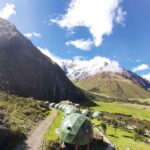
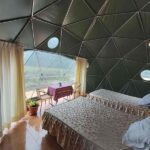
When you arrive in Patabamba, the day turns social. Residents welcome you and share their customs, and you’ll eat dinner there. You sleep in a local lodge/community setting for the night, under clear skies when the weather cooperates.
What to watch for on Day 1: You’ll be climbing early and walking for a long stretch after lunch. If your legs hate steep starts, plan to take your time on that first climb and don’t race the group.
Day 2: Huchuyqosqo’s Inca terraces and the walk toward Aguas Calientes
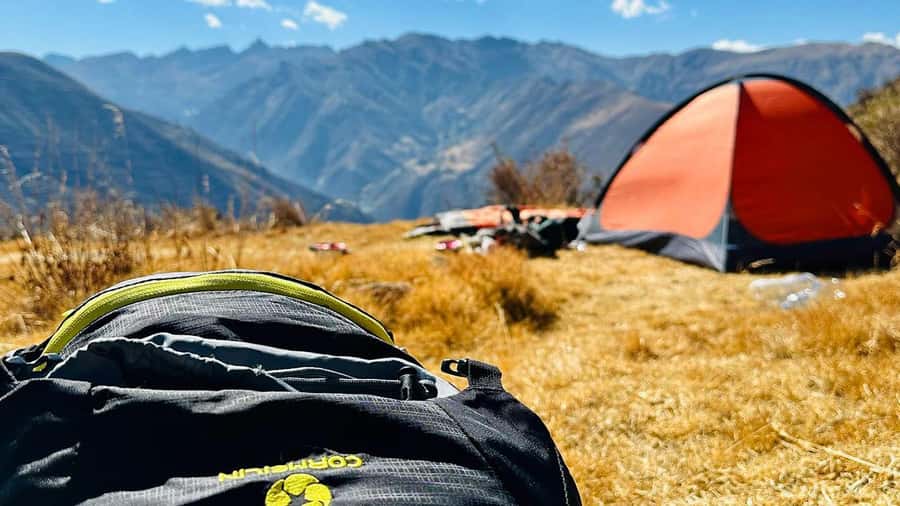
Day 2 is the “main archaeology” day, but it’s also a full trekking day that ends with you reaching the Machu Picchu base area.
You start with breakfast in Patabamba, then walk along a trail that passes different places and small towns. You’ll eventually reach Pukamarca for lunch, which helps break up the effort before the most scenic, most historic part.
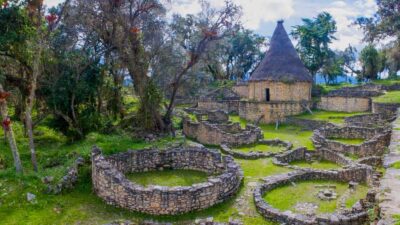
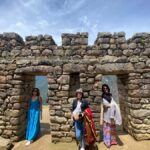
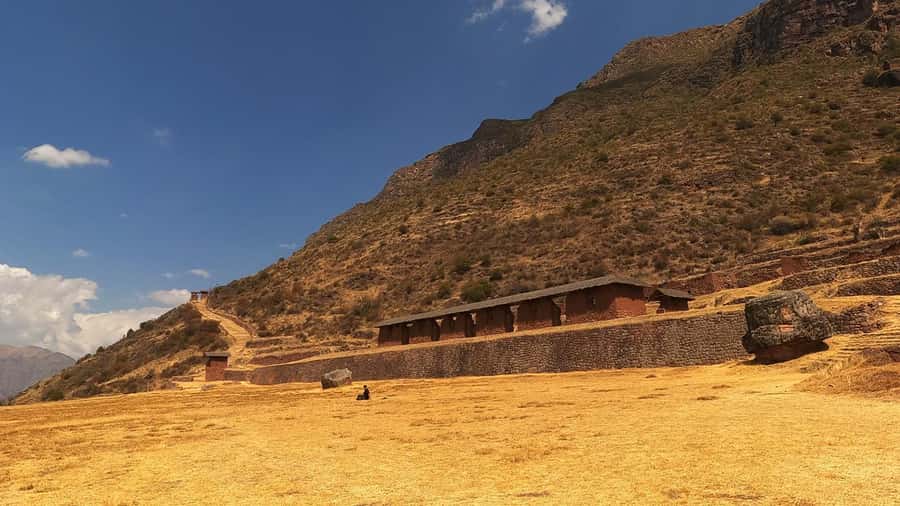
After lunch, you head toward the Puma punku canyon. The name is Quechua for the door of the puma, and the trail along this section leads you into an Inca path segment. From there, you’ll walk along an Inca trail to the Huchuyqosqo archaeological site—Little Cusco—where your guide takes over the interpretation.
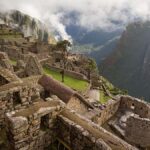
This is where the “guided” piece really matters. You’ll explore major areas including the Sacred Temples, the Inca terraces, and the agricultural terraces that were part of how the site functioned. The day is also designed so you’re not just scanning stones. You’ll understand why terraces were valuable and how they connect to farming and water handling in the Andes.
Once you’ve finished your time at Huchuyqosqo, you hike downhill toward Lamay. The downhill walk is about two hours, which often feels easier on the lungs but still hard on the knees. Then you take tourist transport to the Ollantaytambo train station.
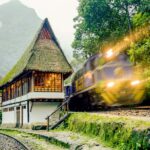
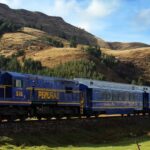
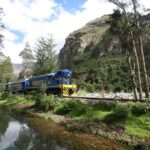
From Ollantaytambo, you ride the train for about two hours to Aguas Calientes. In Aguas Calientes, you check into your hotel for the night.
A practical note for Day 2 pacing: Day 2 mixes history with movement. Even if you love ruins, keep your energy for the walking segments between sites. The best photos often come when you’re not sprinting to keep up.
Day 3: Machu Picchu Sanctuary Tour with a guided citadel visit
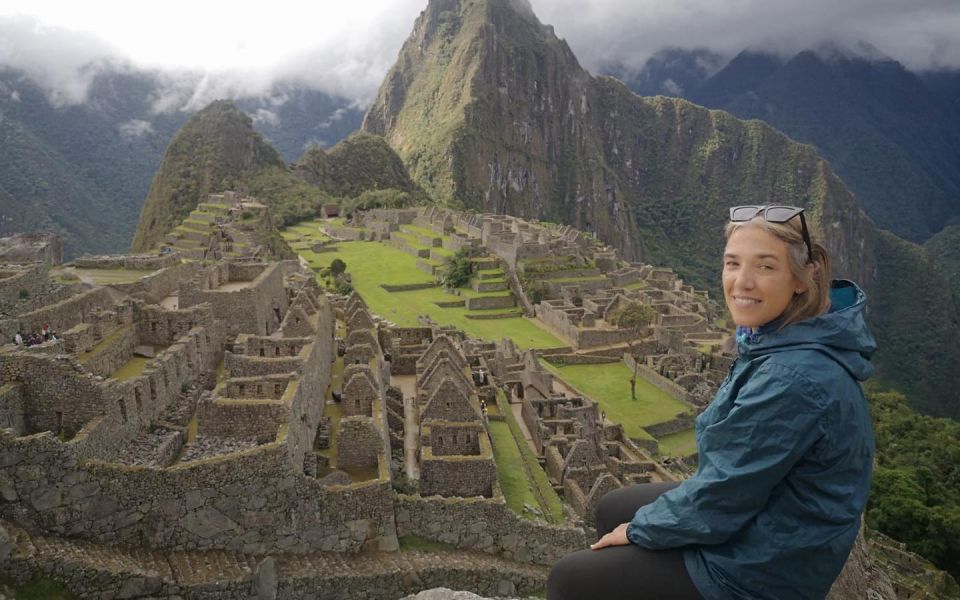
Day 3 is the payoff day. In the morning, at the time your guide confirms, you head to the bus station for a ride of about 30 minutes up to the Machu Picchu Sanctuary.
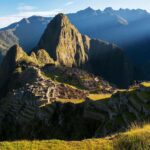
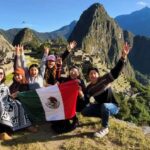
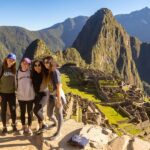
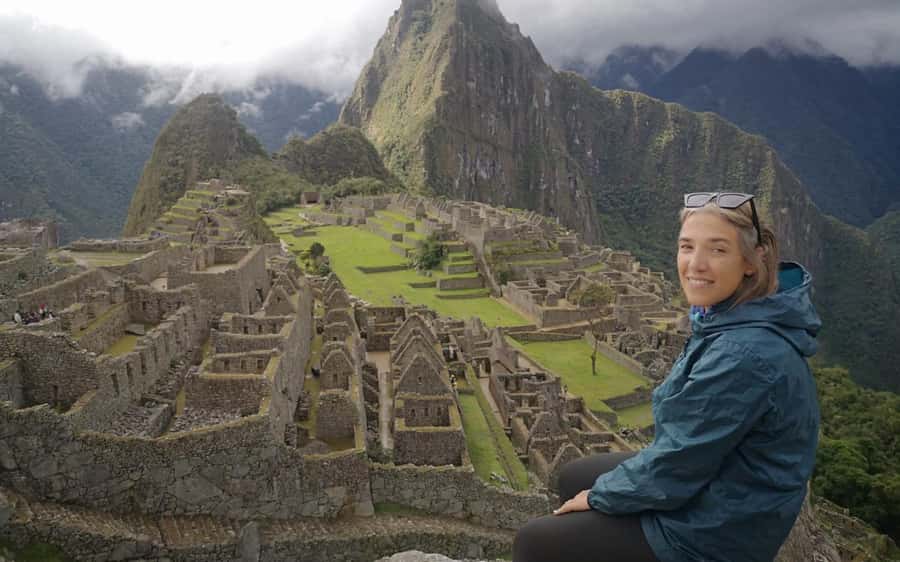
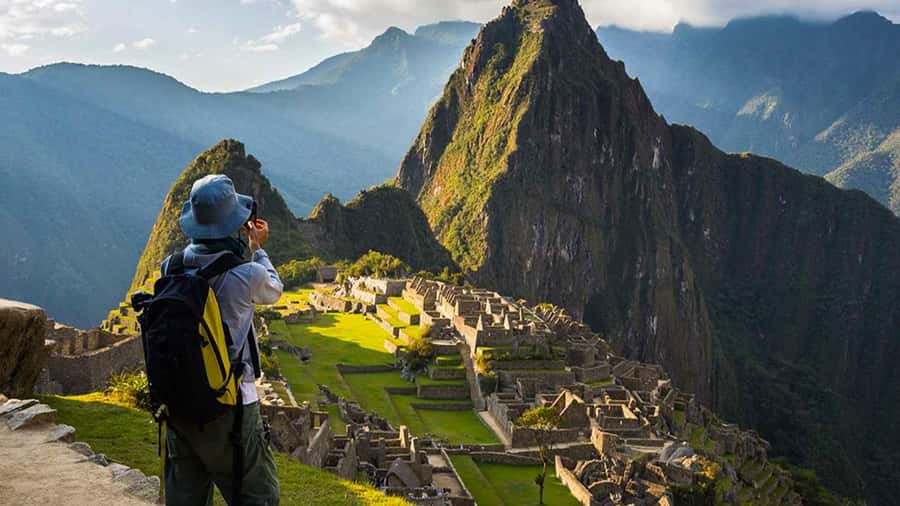
Then comes the guided citadel tour. You’ll enter and follow a guide who explains the key points of the complex. Expect stops that include the Temple of the Sun, the Intiwatana, the Sacred Plaza, the Temple of the Three Windows, and the Temple of the Condor.
That set of highlights is helpful because it maps your attention. Machu Picchu can feel like a maze if you’re just walking through. With a guide, you’re more likely to notice alignments, structures, and the reasons certain spaces were used.
After the guided visit, you return to Aguas Calientes by bus for free time. When it’s time to go, you board the train back to Ollantaytambo. Agency staff then transfers you back to Cusco by tourist transportation.
What to plan emotionally: You’ll go from a guided, information-heavy citadel tour into free time in Aguas Calientes. If you want snacks or a calm place to decompress, treat that free time as your buffer.
Logistics and gear: what will make your hike easier
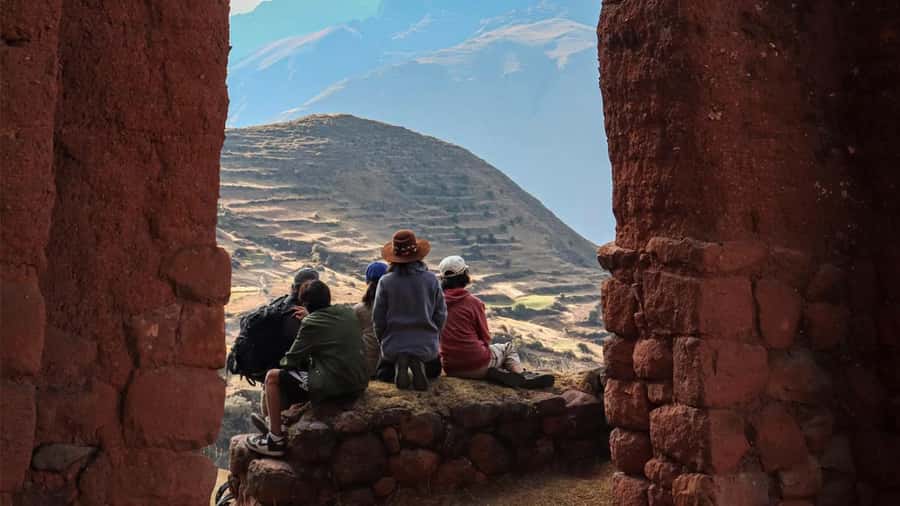
This tour includes a lot—more than the typical “guide plus tickets” setup—so your job is mostly prep and comfort.
What’s included that reduces stress
- A professional bilingual guide (English and Spanish)
- Hotel pickup in Cusco for the start of the trek
- Entrance tickets for Huchuy Qosqo and Machu Picchu
- Meals: 2 breakfasts, 2 lunches, 2 dinners (vegetarian option at no extra cost)
- 1 night in a lodge (Patabamba) and 1 night in a hotel (Aguas Calientes)
- Train and bus tickets around the Machu Picchu area
- Emergency oxygen bottle, first aid kit, and one horse in case of emergencies
- A tourist transport transfer related to the end of the trek (back toward Cusco)
So you can focus on the walk and the experience, not on figuring out transport links while you’re tired.
Gear you’ll want (and what’s missing)
You’ll need your own basics. The trip lists hiking shoes, sunscreen, sunglasses, camera, hiking pants, and personal medication, plus a passport or ID card. Trekking gear is suggested.
Two notable gaps:
- Sleeping bag is not included (you can rent)
- Trekking poles are not included (you can rent)
If you’re unsure about your comfort, renting poles can help, especially with long downhill sections.
Fitness reality check
The route requires great physical effort. Also, it’s enabled every day of the year, but starting times depend on availability. Translation: you’ll need to show up ready for a working trek schedule, not a relaxed stroll.
Price and value: does $490 make sense?
At $490 per person for 3 days, the pricing feels high on the surface. But this is one of those tours where you should break down what’s included rather than only the daily cost.
You’re paying for:
- A bilingual professional guide
- Archaeological entrance tickets (Huchuy Qosqo and Machu Picchu)
- Multiple meals (and one vegetarian option at no extra cost)
- Two overnights (lodge plus hotel)
- Train time tied to the Aguas Calientes connection
- Bus transportation up and down to Machu Picchu
- Several transfers in Cusco and around the train station
- Safety extras like emergency oxygen, first aid, and even a horse for emergencies
The only “real” omissions spelled out are the sleeping bag and trekking poles (both rentable) and specific meals: breakfast on the first day and lunch on the third day.
So the value question becomes simpler: if you’d otherwise pay for guide time, entry tickets, and the train/bus combo, this package can be efficient. If you hate structured days or know you’ll struggle with steep, long walking, then the price won’t feel worth it because you won’t enjoy the hike part.
One more balancing point from an excellent review: the service side matters here. The agency experience included helpful handling of luggage storage for several days, and the guide Jhordy was praised for being warm and full of curious facts. Those details are not guaranteed on every trip, but they hint at an operation that understands what trekkers need.
Who this trek is best for
This is ideal if you want Machu Picchu but you also care about the Andes experience around it. The tour is designed for people who enjoy the flora and fauna of the Peruvian Andes, and you’ll actually spend time hiking through areas with that feel.
It’s also a good match if you like guided context. The Day 3 Machu Picchu visit focuses on named sights, and Day 2 at Huchuyqosqo is guided with an explanation of what the terraces were used for.
It’s less ideal if:
- You want minimal physical strain
- You dislike long walking days (even with breaks and meals)
- You prefer independent pacing with no set group schedule
Should you book Huchuy Qosqo Trek to Machu Picchu?
If you’re set on seeing Machu Picchu, this trek is a strong choice because it adds meaning before you reach the citadel. You get two overnights, a community experience in Patabamba, and a guided archaeology day at Huchuyqosqo instead of only arriving at Machu Picchu like a single-day visitor.
I’d book it if you can handle a demanding trek and you’ll appreciate being led through the history and layout of both sites. I’d skip it if you’re aiming for gentle hiking, or if you don’t want to deal with a long walking schedule and downhill work on your knees.
If you’re comfortable with the effort, this is one of the better ways to make your Machu Picchu time feel earned rather than rushed.
FAQ
What’s the duration of the Huchuy Qosqo Trek to Machu Picchu?
The tour runs for 3 days.
What languages is the tour guide available in?
The guide is bilingual, with English and Spanish.
Are meals included in the price?
Yes. The tour includes 2 breakfasts, 2 lunches, and 2 dinners. A vegetarian meal option is available at no extra cost. Breakfast on the first day and lunch on the third day are not included.
Where do you stay overnight?
You’ll spend 1 night in a lodge during the trek and 1 night in a hotel in Aguas Calientes.
How do you get to Machu Picchu on Day 3?
You take a bus from Aguas Calientes to the Machu Picchu Sanctuary (about 30 minutes), then you return by bus after the guided tour. Train and transfers are included for the return toward Cusco.
Can I cancel for a refund?
Yes. You can cancel up to 24 hours in advance for a full refund. The tour also offers reserve now & pay later.