REVIEW · CUSCO
From Cusco: Rainbow Mountain Trek
Book on GetYourGuide →Operated by PVTravel · Bookable on GetYourGuide
Four in the morning, seven colors, zero excuses. This trek from Cusco to Rainbow Mountain (Vinicunca) is one of those rare trips where the payoff is immediate and the scenery does not let up.
I love two things most: the early-morning timing that gets you toward the viewpoint while the air is clearer, and the way the hike mixes big alpine views with real Andes moments like alpaca and llama sightings.
The main drawback is the altitude and the cold; you’ll be walking at elevations above 16,000 feet, and this tour is not a good match if you have breathing or heart issues.
In This Review
- Key things to know before you go
- Why Rainbow Mountain Is Worth the Cold Start in Cusco
- The Full Day Route: Hanchipacha, Quesiuno, and the Climb to Vinicunca
- Rainbow Mountain at 5,020 m: What You’re Actually Seeing
- The Return Hike and Lunch Back in Hanchipacha
- Guide, Group Size, and Why Pace Control Matters at Altitude
- Price and Value: Is $61 a Good Deal for Rainbow Mountain?
- Who Should Skip This Trek (Altitude Is Not Optional)
- Packing and Comfort Tips That Actually Help
- Should You Book the Cusco Rainbow Mountain Trek?
- FAQ
- What time is pickup in Cusco for the Rainbow Mountain Trek?
- How long does this tour take?
- Where do you start trekking after leaving Cusco?
- How high do you reach at Rainbow Mountain?
- How much time do you spend at Rainbow Mountain?
- Is the tour guided?
- Are breakfast and lunch included?
- What entrance fees should I plan for?
Key things to know before you go
- You start around 4:00 AM in Cusco, so plan your night for an early reset.
- Small group (up to 15) means the guide can actually manage pace and regroup you.
- Rainbow Mountain sits at 5,020 m with limited time on top depending on weather and speed.
- Comfort + poles matter: you’re walking uphill at altitude, and poles are included.
- Entrance fees are extra (30 soles, cash) unless your option includes them.
- Optional Red Valley may be possible for an additional 30 soles, if offered that day.
Why Rainbow Mountain Is Worth the Cold Start in Cusco
If you can handle a very early alarm, you’ll be rewarded. The best part of this day is that it’s built around getting you to the main viewpoint when visibility is usually better and the crowds haven’t fully kicked in. You’re in Cusco around 4:00 AM for pickup, then you’re quickly out of town and headed toward the Vilcanota mountain range.
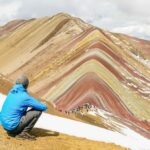
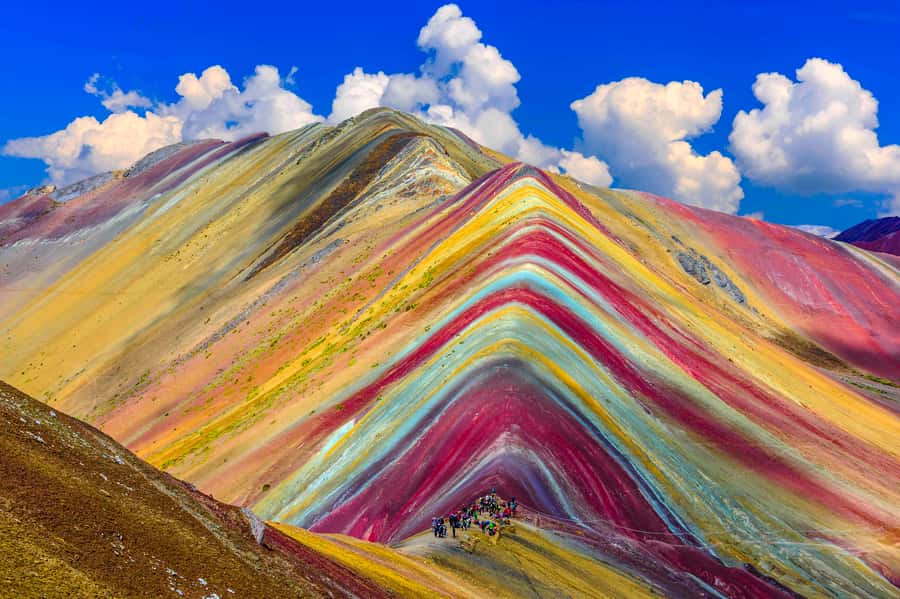
The other big reason I think this trek hits is that the “rainbow” look is not just a marketing trick. You’re seeing natural mineral coloring laid into the rock layers, showing up as bands of reds and other tones in the mountains around Vinicunca. It feels almost unreal until you’re standing there and the colors keep lining up the way the geology made them.
One thing to keep in mind: you’re not just taking a short walk. This is a long day with significant altitude exposure, so you’ll want to take the altitude seriously from the start, not as an afterthought.
You can also read our reviews of more hiking tours in Cusco

The Full Day Route: Hanchipacha, Quesiuno, and the Climb to Vinicunca
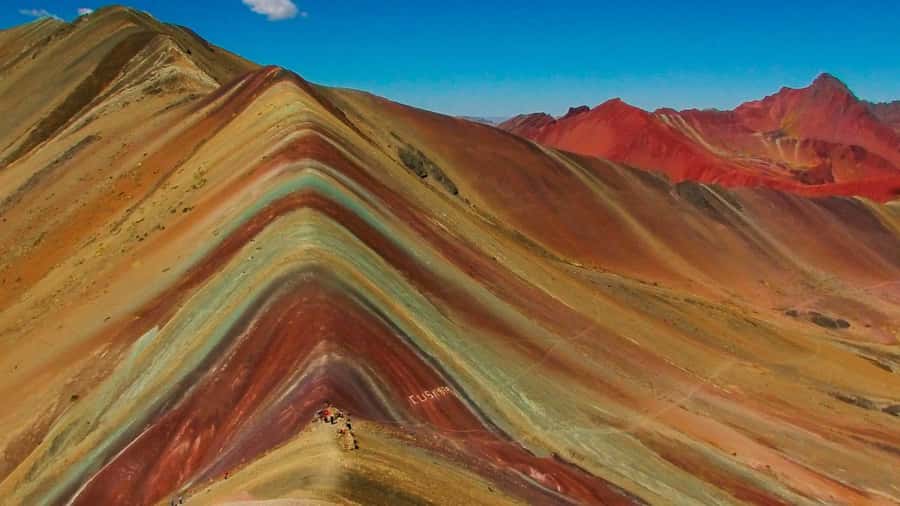
Your day starts with a pickup from your accommodation in central Cusco. If your place is outside the easy pickup zone or the streets are too narrow for transport, you’ll be given the closest meeting point available. Either way, you’re rolling out early.
After pickup, you travel for about three hours to the Hanchipacha community, where you stop for breakfast. This isn’t just a formality. At this hour and at high altitude later, food and warmth help you start the day with enough fuel to keep your breathing steady during the climb.
Then you continue by vehicle for around 15 minutes to the Quesiuno community at 4,326 m. This is where you transition from road to hiking. Getting dropped at a high start point is part of what makes the day long, but it also helps you reach the main goal without spending hours driving further.
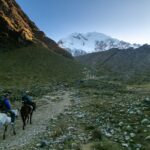
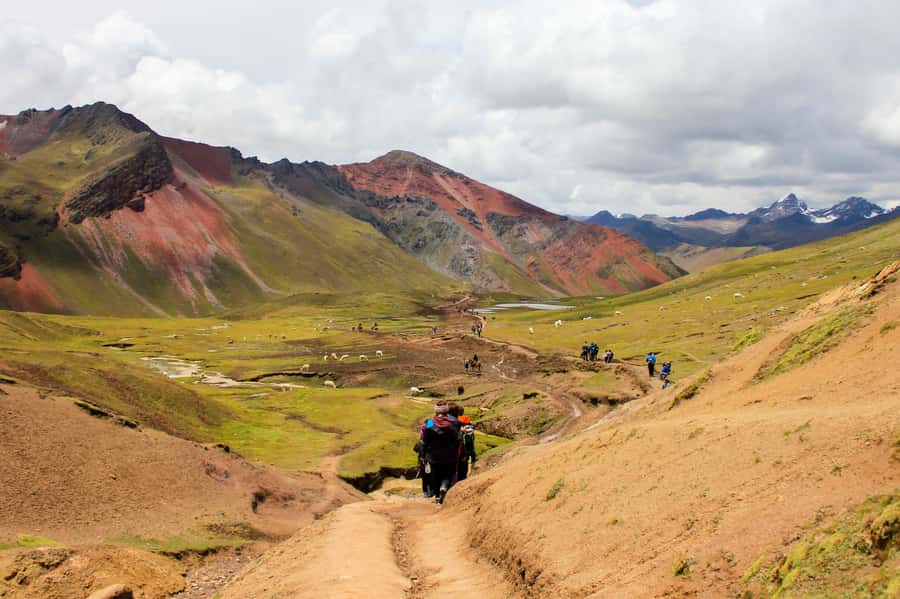
From Quesiuno, the trek is roughly over three hours of walking through the Andes countryside. This is where you’ll notice why small details matter on this route:
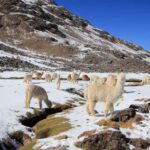
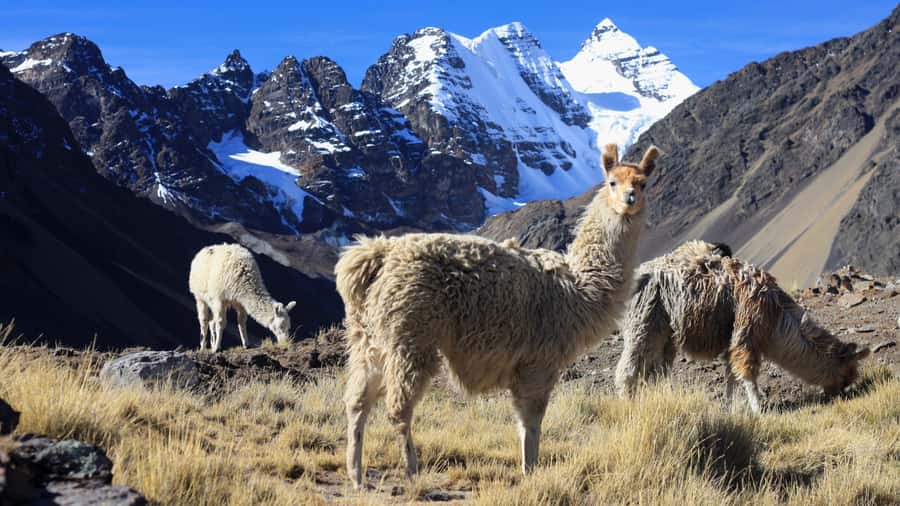
- You’ll pass through areas with alpaca and llama herds, adding that lived-in feeling to the hike.
- You’ll see the Ausangate area in the wider view, a reminder you’re in serious mountain country.
- You’ll move through regions with lots of red-toned rock and typical Andean houses scattered around the communities.
The pace here matters. A well-run group keeps everyone moving, but the guide also helps you find your rhythm at altitude. In earlier runs, guides like Alfredo have been praised for patient explanations and helping with photos, and guides like Jessy have been praised for translating and keeping everyone comfortable without rushing anyone.
Rainbow Mountain at 5,020 m: What You’re Actually Seeing
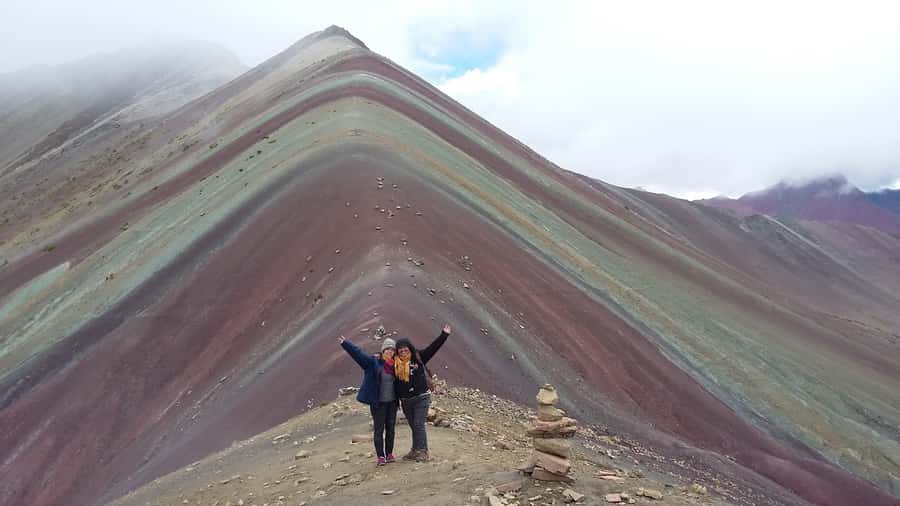
At about 5,020 m (16,466 feet), you reach the heart of the day: Rainbow Mountain / Vinicunca. Then you get a window to explore the area and take photographs. Depending on your trekking speed and the weather, you typically have 30 minutes to one hour here.
That time limit is real—so treat it like a mini photo session with a plan. You’ll want a few moments just to take it in, and then you can move around for angles and rock-color bands.
Here’s the useful part: the rainbow effect comes from sedimentary stones exposed by erosion, and the colors form what you see as seven tones in the rock layers. In other words, the “rainbow” is geology showing through. That makes the view more than just a pretty spot—it becomes a lesson you can see with your own eyes.
Also: weather can change quickly at this altitude. If the clouds roll in or the wind gets sharp, your time on top might shift. This is exactly why having a guide is helpful: they manage timing and keep the group safe so you don’t end up stretching your energy past the point where it’s enjoyable.
The Return Hike and Lunch Back in Hanchipacha
After your time at Rainbow Mountain, you head back. The return hike is about two hours, which sounds shorter than the climb because the uphill effort is usually the hardest part of the day. Still, altitude fatigue can hit fast, especially once your body realizes you’re going to descend and then later climb back in a different way—mentally.
You’ll then take transport back toward the Hanchipacha community, where you’ll have lunch. The included meals are a comfort after a long day. Just keep expectations realistic: while the food is part of the value, some people have noted it isn’t always the most varied.
If you’re sensitive to cold or your legs feel heavy, this is the moment to slow down and breathe. Lunch is where you reset. And if you’ve been moving slowly on purpose (a smart altitude strategy), you’ll likely appreciate not getting swept into a rushed pace.
Finally, you head back to Cusco and get dropped off at Plaza Regocijo, just a couple blocks from the Main Square. It’s a helpful end point: you can easily find a late lunch or warm drink afterward without trying to figure out transport from somewhere remote.
Guide, Group Size, and Why Pace Control Matters at Altitude
This tour runs as a small group, limited to 15 participants. That matters more than you might think. At high altitude, one fast walker can pull a group apart, and one very slow walker can get stressed. With a small group, the guide can actually keep an eye on everyone and adjust.
You also get a professional guide in English or Spanish and they’ll use a first-aid kit and oxygen for safety. That doesn’t mean you’ll need oxygen. But knowing it’s there helps you relax, and relaxation helps you breathe better.
In practice, the best guides do two things:
- They help you move at a pace that doesn’t spike your breath.
- They help you with the “human stuff” like explanations and photos.
That’s why the praise for guides like Alfredo (excellent explanations and patience) and Jessy (always attentive and helpful with translation) isn’t just nice to hear—it tells you what kind of day you’re likely to have. And when organization is tight, you usually experience fewer awkward delays and better timing at the viewpoint.
Price and Value: Is $61 a Good Deal for Rainbow Mountain?
For the cost—about $61 per person—this trek offers solid value when you look at what’s included. The tour covers the big logistics: pickup and drop-off, a guided hike, walking poles, plus breakfast and lunch. You also get safety gear like a first aid kit and oxygen.
Where the value gets tricky is what’s not included. You may still need to pay entrance fees of 30 Peruvian soles in cash. The tour also lists that entrances are included only if a certain option is selected. So before you go, check what’s covered in your booking and plan for cash just in case.
Also, drinks are not included beyond what’s specified for your meals. One review specifically flagged that beverages not being included can feel disappointing. If you’re the type who wants water or something warm during breaks, assume you’ll want to buy it or plan accordingly.
And yes, there are extra possibilities. Some people have had the chance to add Red Valley for an additional 30 soles (cash). If that’s important to you, ask ahead of time whether it’s offered on your exact day, and how it affects time at Vinicunca.
At the end of the day, I think this price makes sense if you want a guided, safety-minded, meal-included way to reach Vinicunca without spending hours coordinating transport yourself. If you’re traveling on a strict budget, the entrance fees and optional add-ons are the pieces to watch.
Who Should Skip This Trek (Altitude Is Not Optional)
This is the part you should take seriously. The tour clearly states that you’ll walk over 16,000 feet above sea level, and it advises that you spend some days in Cusco before going so your body can acclimate.
That acclimation point is not just a suggestion for comfort. At high altitude, it can be the difference between feeling strong and feeling miserable. Even if you’re athletic, altitude changes the rules.
This trek is not recommended for people with:
- asthma
- heart problems
- high blood pressure
And it’s listed as not suitable for wheelchair users.
If any of these apply, don’t gamble with a self-guided plan either. Instead, consider lower-altitude experiences in the Cusco area where you can still get mountains without the same risk level.
Also consider your overall fitness. You don’t need to be a mountaineer, but you do need to be reasonably fit and comfortable hiking for hours in cold conditions.
One practical option: the tour notes that horses can be rented for part of the trip. That doesn’t remove the altitude entirely, but it can help you manage the effort if your legs give out before your lungs do.
Packing and Comfort Tips That Actually Help
The tour asks for comfortable shoes and warm clothing. Don’t treat that lightly. Early morning at altitude can feel sharp, even if Cusco daytime sun is pleasant.
You also need to travel with no luggage or large bags. That’s a big hint that you should pack light and keep your day bag manageable.
Walking poles are included, which is great. Poles reduce stress on knees during descent and can help you keep balance on uneven ground.
Beyond the stated essentials, the best additional advice is basic altitude comfort: dress in layers, keep your head and hands warm, and don’t arrive underprepared for cold mornings. If you already know you get chilly easily, assume you’ll feel it on this trek.
Should You Book the Cusco Rainbow Mountain Trek?
If you want the classic Rainbow Mountain experience with a guide, small group feel, safety support, and meals included, this is a strong choice. The early start, the guided pace control, and the built-in time at 5,020 m are exactly what make the day work.
Book it if:
- you can handle an early morning
- you’re reasonably fit and can hike for several hours
- you plan to acclimate in Cusco first
- you want help with timing and photos rather than figuring it out alone
Skip it if:
- you have asthma, heart problems, or high blood pressure
- you’re worried altitude will be a major struggle
- you need lots of extra time at the top—because the viewpoint window is limited, and weather can tighten it further
If you do book, plan your day around altitude: take it slow, use the included poles, and treat your breath like your top priority. With that approach, the payoff is real—and it’s not just the colors. It’s the whole day of moving through Andes highlands toward a view you’ll remember long after the hike ends.
FAQ
What time is pickup in Cusco for the Rainbow Mountain Trek?
You’ll be collected at your accommodation in Cusco around 4:00 AM.
How long does this tour take?
The total duration is 16 hours.
Where do you start trekking after leaving Cusco?
You travel to the Quesiuno community at 4,326 meters (14,189 feet), then you start trekking from there.
How high do you reach at Rainbow Mountain?
Rainbow Mountain is reached at about 5,020 meters (16,466 feet).
How much time do you spend at Rainbow Mountain?
You typically have 30 minutes to one hour to explore and take photos, depending on your speed and the weather.
Is the tour guided?
Yes. You get a professional guide in English or Spanish.
Are breakfast and lunch included?
Yes. The tour includes a buffet breakfast and lunch.
What entrance fees should I plan for?
Entrance fees are 30 Peruvian soles paid in cash, unless your selected option includes them.