REVIEW · URUBAMBA
From Cusco: Chinchero, Moray, Maras and Ollantaytambo
Book on GetYourGuide →Operated by Midway Peru Adventures · Bookable on GetYourGuide
A Sacred Valley circuit in one long day. What makes this tour fun is the mix of Inca engineering and hands-on Andean culture, all timed for a smooth day trip from Cusco. You’ll also get a real payoff in views from Ollantaytambo at the end of the route. One thing to keep in mind: the big sites get limited time, so it’s more “see it well” than “linger forever.”
I especially like the way Chinchero connects archaeology with everyday craft. You’ll see the Incan ruins first, then learn how alpaca wool gets processed into textiles at an Andean center. Another highlight I like is the variety: Moray’s circular terraces, Maras salt extraction pools, and then fortress architecture in Ollantaytambo—each one feels like a different chapter of the same landscape. The possible drawback is simple: entrance tickets for Moray and the Maras salt mines are extra, and you’ll need cash for those.
You’re paying for guided context plus transportation, not a slow, self-guided day. If you’re the type who likes a tight route with clear explanations on the bus, you’ll probably enjoy it a lot. If you hate time limits or you’re trying to line things up perfectly with train schedules, plan carefully.
In This Review
- Key things I’d mark before you book
- Why this Sacred Valley day trip makes sense from Cusco
- Chinchero: Inca ruins, plus alpaca wool turned into textiles
- Moray’s circular terraces: the Inca agricultural laboratory idea
- Maras Salt Mines: thousands of evaporation pools to photograph
- Urubamba lunch: the midday reset at the heart of the valley
- Ollantaytambo fortress: the Sacred Valley finale at 3:30 pm
- Price and value: what $45 includes and what costs extra
- Tour timing and the one thing to watch: limited time per stop
- Who should book this, and who might prefer a different plan
- Should you book this Cusco-to–Sacred Valley day trip?
- FAQ
- How long is the tour?
- Where does the tour start and end?
- Is lunch included?
- Are entrance tickets included for Moray and the Maras salt mines?
- What sites will I visit?
- Is there a guided tour at each stop?
- What languages are available for the live guide?
- Can I cancel for free?
- Are drones allowed?
Key things I’d mark before you book
- Chinchero + textile learning: ruins first, then alpaca wool-to-textile processing
- Moray’s farming terraces: circular structures explained as an Inca agricultural laboratory
- Maras salt mines: photo-friendly salt extraction pools across about 3,500 sites
- Urubamba buffet lunch: a stop for a proper Andean meal at midday
- Ollantaytambo fortress views: the Sacred Valley finale with guided design details
- Time-boxed visits: four main attractions, so you move fairly quickly between them
Why this Sacred Valley day trip makes sense from Cusco
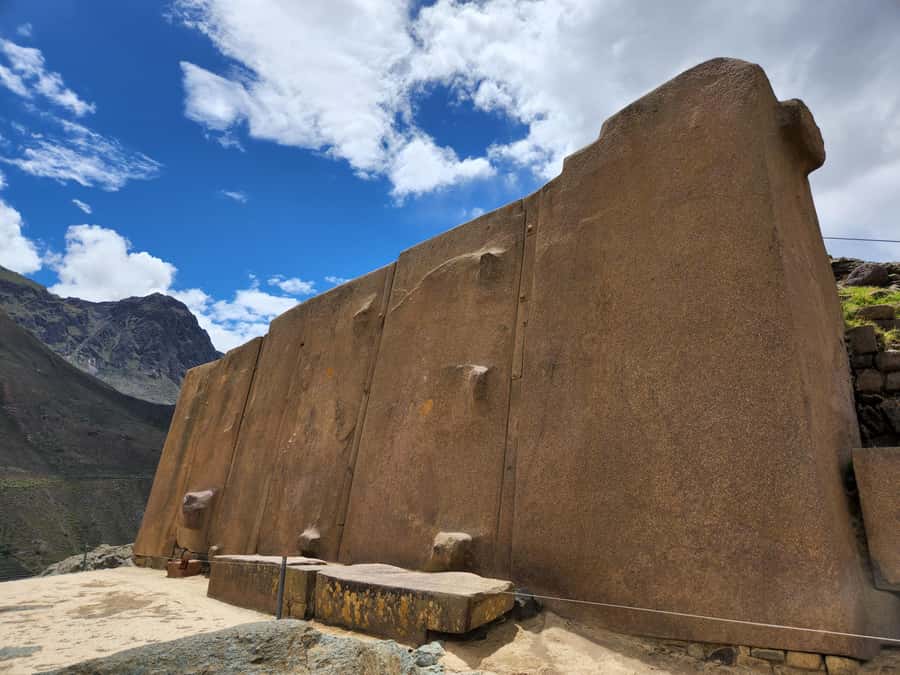
Cusco is high, busy, and full of history, but sometimes you want a day that stays focused. This route targets the Sacred Valley’s “greatest hits” without asking you to rent a car or stitch together multiple tickets and guides. The structure is straightforward: hotel pickup, bus between stops, guided site time, then a lunch break, then Ollantaytambo at the end.
What I like most is the pacing logic. You start with Chinchero, then head into the farming-science story of Moray, then move to the salt story at Maras, and finally end with Ollantaytambo’s fortress design. Even though each stop is shorter than a dedicated visit, the order helps you connect the dots between food, materials, and power.
The main consideration is that this tour is built for a 9-hour day with time caps. You’ll get guided explanations and photo chances, but you won’t have unlimited wandering time. Also, the tour ends at Ollantaytambo at 3:30 pm, which is great for some Machu Picchu planning—and tricky for others.
You can also read our reviews of more tours and experiences in Urubamba.

Chinchero: Inca ruins, plus alpaca wool turned into textiles
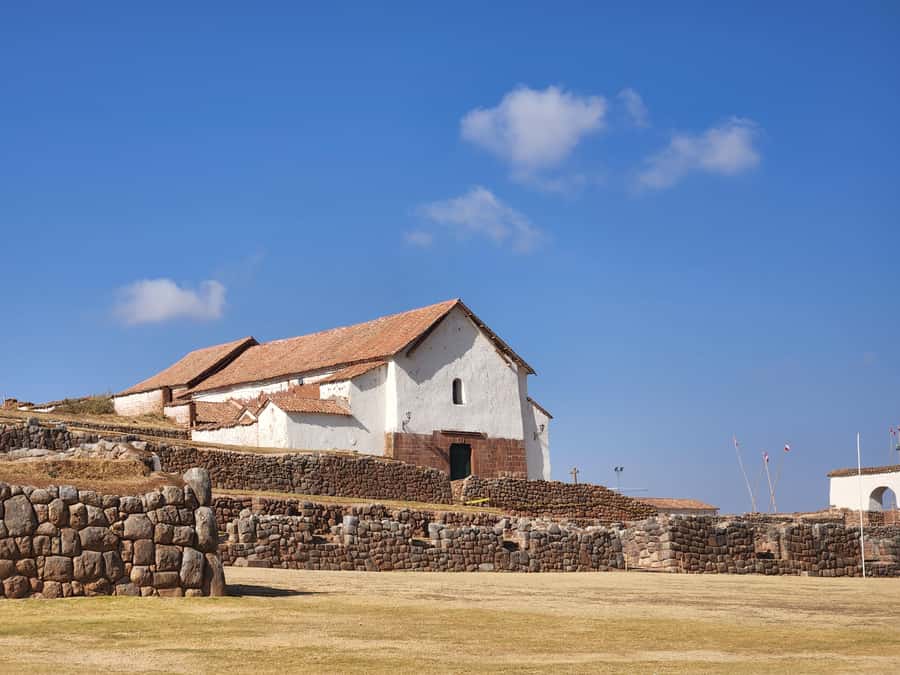
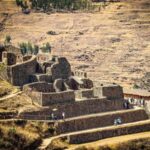
Chinchero is the best opening act on this tour because it mixes architecture with a living tradition. You’ll stop first in the Centro Arqueológico de Chinchero for a guided visit and photos. The key idea here is that you’re not just looking at stone—you’re getting context for how the Incas organized space and how later communities kept building their identity around craft.
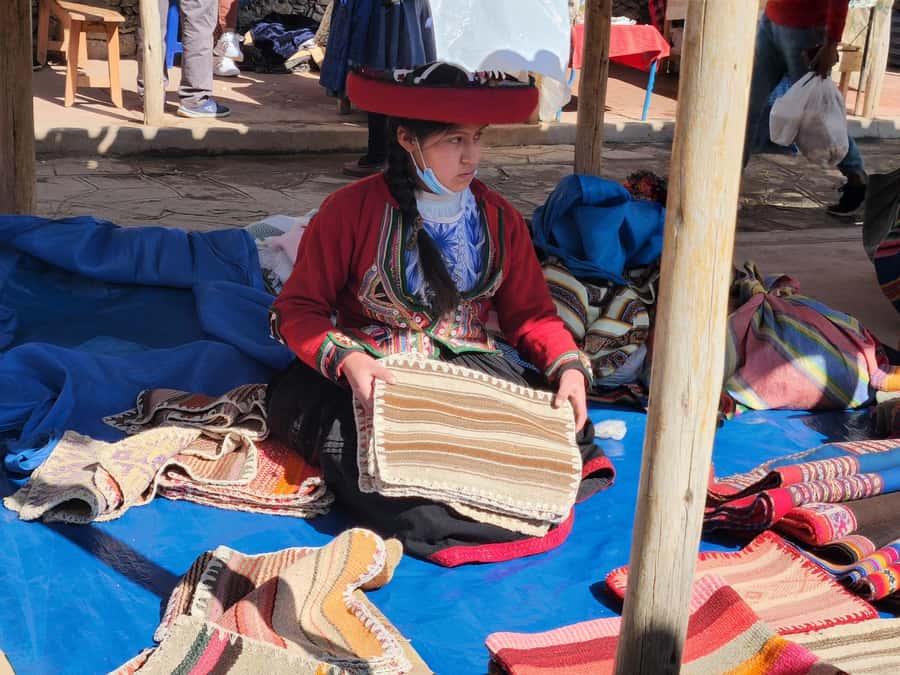
You then move to an Andean textile center, where you’ll learn about the process of making alpaca wool into textiles. This part matters because it translates a cultural topic you might otherwise only see as a souvenir into something practical. Even if you don’t plan to buy anything, you’ll come away understanding why the materials, dye choices, and techniques matter.
Timing is the tradeoff. You’ll have about 45 minutes at Chinchero for the archaeological portion plus the center stop, so come with a quick game plan. If textiles are your top interest, spend your extra energy during the wool processing segment—ask questions about how the wool is handled before it becomes yarn or fabric, and you’ll get more out of the limited window.
Moray’s circular terraces: the Inca agricultural laboratory idea
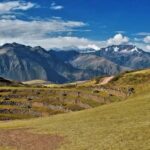
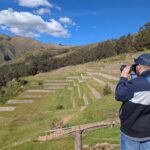
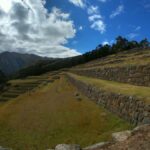
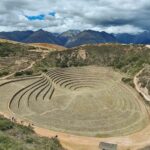
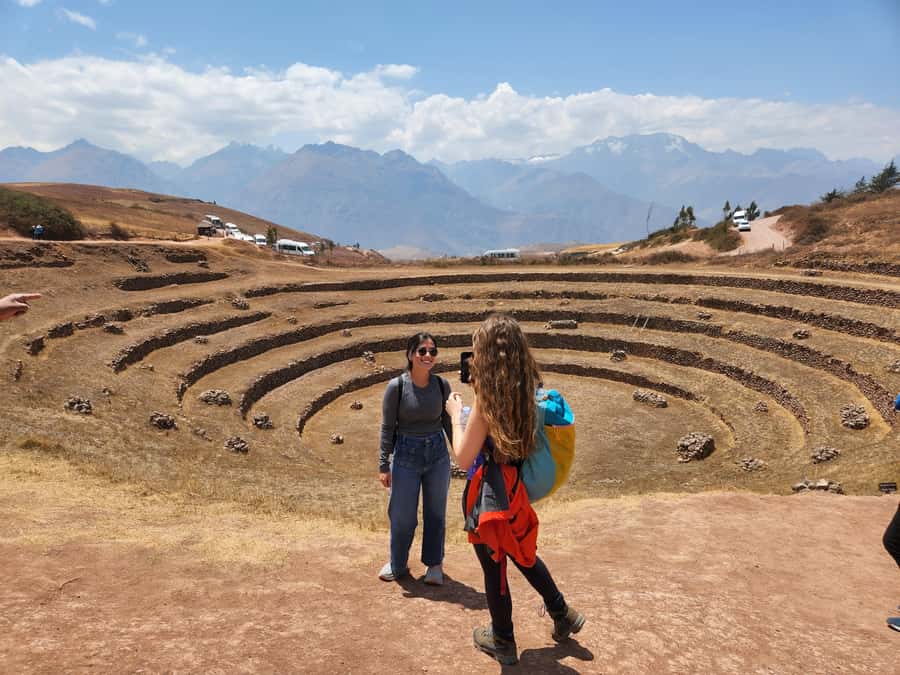
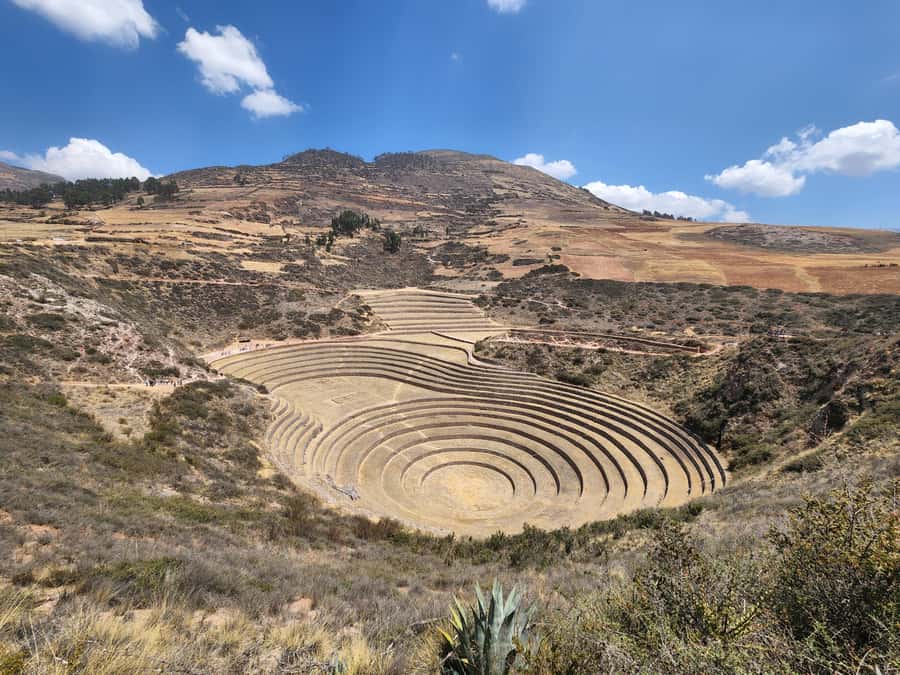
Next comes Moray, famous for its circular terraces that look almost futuristic. You’ll get a photo stop plus a guided walkthrough, with about 30 minutes dedicated to the visit. The reason Moray is so compelling is that it doesn’t feel like a typical ruin. It feels like an experiment—an organized attempt to control conditions for farming.
That’s what the guides focus on: the circular terraces were used as agricultural laboratories by the Inca. In practical terms, the design helped create different microclimates. So instead of thinking of it as “one garden,” you can think of it as a system for testing what grows where.
The time here is short, so don’t try to capture everything. Instead, pick the most interesting terrace views and let the guide’s explanation do the heavy lifting. If you love agronomy or you’re curious how ancient people mastered local climate challenges, Moray is the most “brainy” stop of the day.
Maras Salt Mines: thousands of evaporation pools to photograph
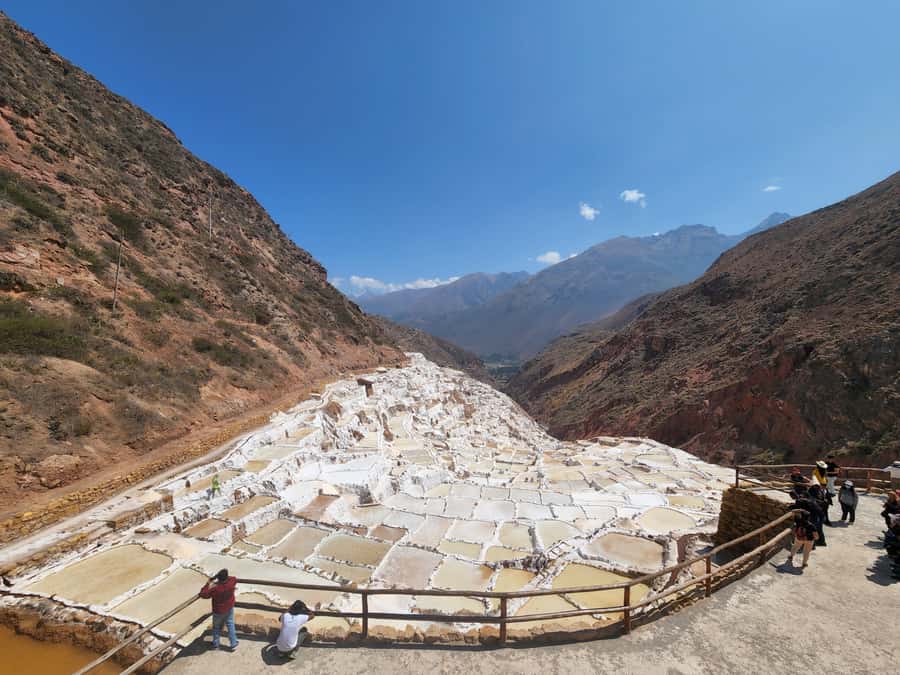
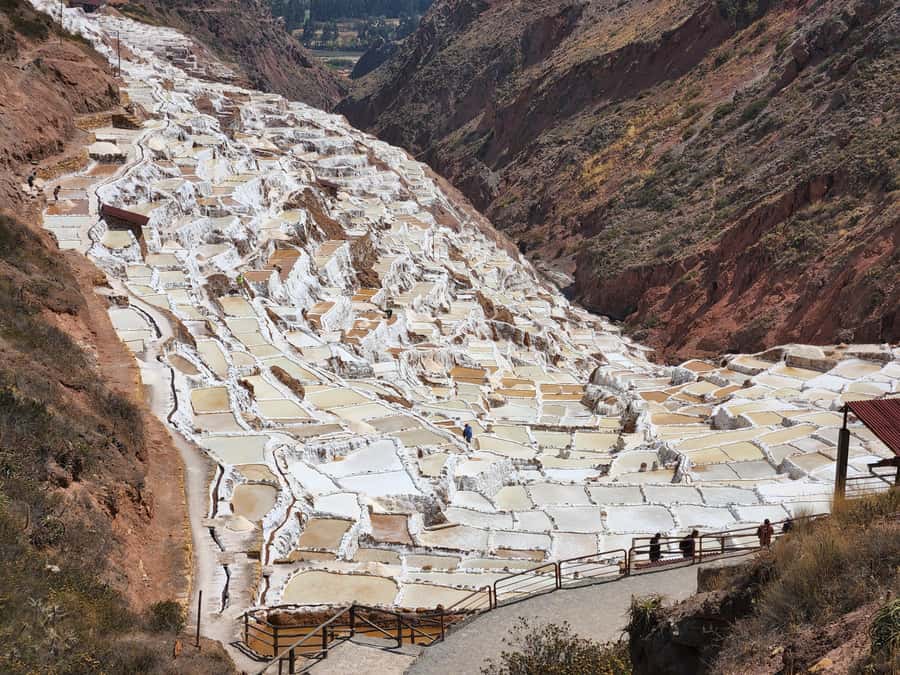
Maras is one of those places that makes your camera work overtime. You’ll head there after Moray with a short transfer, and you’ll spend about 30 minutes at the salt extraction area. This is where the tour shifts from agriculture-as-idea to resource extraction-as-industry.
The salt mines cover roughly 3,500 extraction sites. The guided explanation will walk you through the process, and you’ll get time for photos and videos. The photos are easy because the visuals are intense—small pools, strong colors depending on conditions, and a wide view back into the valley.
Here’s the practical part: Maras isn’t an endless walk, but you’ll want comfortable shoes and a little patience with uneven ground. Also remember that entrance tickets are not included. You’ll pay separately for the Maras salt mines (listed as 20.00 soles), so plan for cash or an easy payment method you can use that day.
If you’re sensitive to crowds or you dislike photo-hunting, you might feel a little rushed. But if you like documenting details and learning how everyday extraction worked, Maras is worth the stop.
Urubamba lunch: the midday reset at the heart of the valley
Around noon, the route brings you to Urubamba for lunch. You’ll stop there for about 45 minutes, which is just enough time to eat without feeling like you missed the tour’s momentum.
The lunch itself is a buffet described as an Andean spread. The main value isn’t fancy; it’s fuel and variety after a morning of walking and high-altitude driving. I’d treat this like a real reset. Eat something filling, sip water, and consider timing—don’t linger too long, because you still have the Ollantaytambo finale.
If you have dietary needs, you might find the options helpful, but the exact menu isn’t listed. So I recommend scanning the food quickly and choosing what looks familiar rather than waiting for perfect choices that may not be available.

Ollantaytambo fortress: the Sacred Valley finale at 3:30 pm
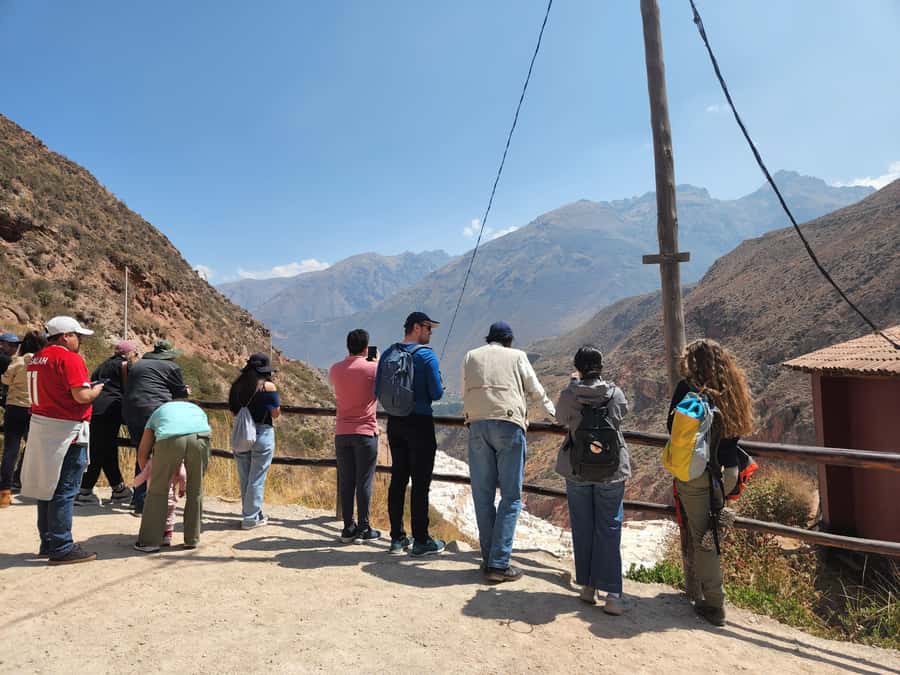
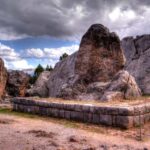
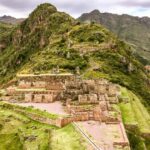
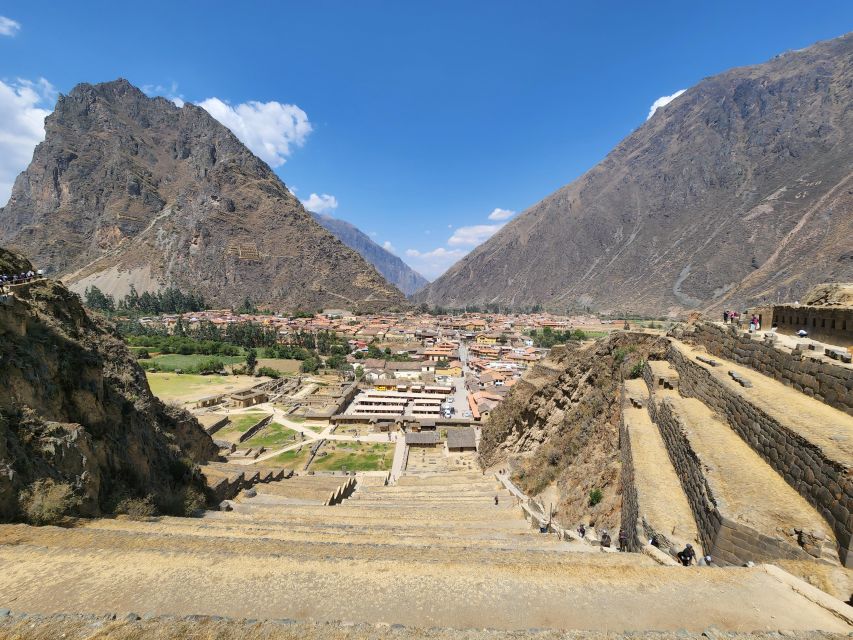
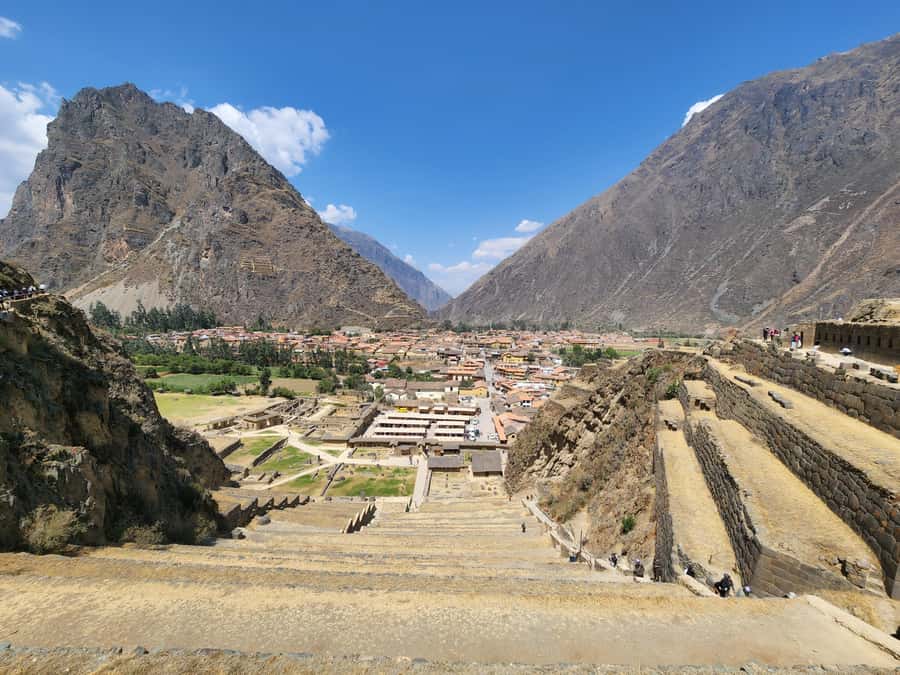
Ollantaytambo is where the day feels like it lands. You’ll arrive after a transfer and enjoy a photo stop plus a guided visit at the fortress. You’ll have about 45 minutes here, and this is the spot where fortress architecture, Inca design, and valley views come together.
What I like about the Ollantaytambo ending is that it gives you perspective. Earlier stops explained how the Incas worked with land and resources. Here, you get architecture tied to control and movement—stone built for a reason, not just aesthetics.
This tour ends at 3:30 pm in Ollantaytambo. From there, you have an option to stay in the main square or take the train to Aguas Calientes. This ending time can be ideal if you’re planning a Machu Picchu connection that same day. It can also be annoying if your train schedule demands waiting.
There’s also a timing note worth knowing: while your group stops at Ollantaytambo, the rest of the tour may continue onward to Pisac before returning to Cusco. That’s another reason the day can feel slightly different depending on which segment of the overall route you’re assigned to.
Price and value: what $45 includes and what costs extra
The headline price is $45 per person for a 9-hour guided day trip with transportation and hotel pickup in Cusco, plus a guided tour and buffet lunch. For the logistics alone—pickup, inter-stop driving, guides, and lunch—this is pretty solid value if you want convenience over planning.
But the two big extras are clear:
- Moray entrance ticket: 70.00 soles
- Maras salt mines entrance ticket: 20.00 soles
So the real cost is price + those admissions. If you compare this with paying for a private guide or building your own day using public transport, the savings can be meaningful, especially when you factor in time. On the flip side, if you already have a plan to visit those sites on separate days, you might prefer buying only what you need.
My practical advice: budget for the entrance fees in addition to the tour price. And keep a little extra cash, because it’s an easy way to avoid friction when you’re already on a tight schedule.
Tour timing and the one thing to watch: limited time per stop
Because the route hits four main attractions, each visit is time-boxed. You’ll get guided tours, but you’re not going to roam freely for long. The bus also gives information while you travel between points, which is great if you like structured explanations. It’s less great if you want long “slow travel” moments.
This matters most for two types of travelers:
1) You want to read every sign and climb every viewpoint. You’ll likely feel rushed.
2) You’re matching this day trip to a train timetable. Since the tour ends at 3:30 pm, you may end up waiting if your onward connection is later than that.
If your schedule is tight, I’d plan your next move around arriving in Ollantaytambo rather than assuming the day will naturally run long. Also, keep in mind that you’ll likely cover transfers in short segments between stops, with drive times like about 45 minutes early on and then shorter legs later.
Who should book this, and who might prefer a different plan
This tour fits best if you:
- want a guided introduction to the Sacred Valley’s main sights
- like a mix of ruins and practical learning (especially the alpaca wool textiles segment)
- enjoy photo opportunities with context rather than just self-guided snapshots
- need a day that works from Cusco without extra planning
It’s less ideal if you:
- dislike limited time at each location
- struggle with uneven ground at sites like Maras
- need a fully flexible schedule that can stretch longer if you fall behind
There’s also an explicit suitability note: it’s not suitable for people over 70. If that’s you, you’ll want to look for a gentler itinerary.
On the guide quality front, you may be lucky with a strong communicator. Names that show up in praised guiding include Miguel for clear English explanations and Richard for great energy. Even if you don’t get the same guide, the structure is meant to keep you informed during the ride.
Should you book this Cusco-to–Sacred Valley day trip?
If your goal is to see Chinchero, Moray, Maras, and Ollantaytambo in one guided day with a meal included, this tour is a good match. The value is strongest when you want transport + guide + lunch bundled, and when you’re comfortable with time-boxed visits.
I’d especially recommend it if textiles, farming design, and salt extraction interest you, because those topics are treated as more than just stops on a map. And the Ollantaytambo finish at 3:30 pm is a practical springboard for continuing toward Aguas Calientes.
Book it with one clear rule: plan around the end time and expect to pay entrance fees for Moray (70 soles) and Maras (20 soles) on top of the tour price. If that fits your day, you’ll likely come away feeling you got the Sacred Valley’s main stories without turning your holiday into a logistics project.
FAQ
How long is the tour?
The duration is 9 hours.
Where does the tour start and end?
It starts with hotel pickup in Cusco and finishes in Ollantaytambo (at 3:30 pm).
Is lunch included?
Yes. Lunch is an Andean buffet included in the tour.
Are entrance tickets included for Moray and the Maras salt mines?
No. Moray entrance is 70.00 soles, and the Maras salt mines entrance is 20.00 soles.
What sites will I visit?
You’ll visit Chinchero, Moray, the Maras Salt Mines, and Ollantaytambo.
Is there a guided tour at each stop?
Yes. Each main attraction includes a guided visit, plus photo time.
What languages are available for the live guide?
The tour guide is available in English and Spanish.
Can I cancel for free?
Yes. Free cancellation is available up to 24 hours in advance for a full refund.
Are drones allowed?
No, drones are not allowed.
If you want, tell me your train time from Ollantaytambo (or when you plan to reach Aguas Calientes), and I’ll help you sanity-check whether this 3:30 pm ending will feel smooth or stressful.