REVIEW · URUBAMBA
Sacred Valley Tour 1 Day
Book on GetYourGuide →Operated by 69 ExplorerPeru · Bookable on GetYourGuide
That first drive out of Cusco sets the tone. This 1-day Sacred Valley tour strings together Inca sites and living Andean culture in one long, well-paced day. You start with textiles in Chinchero, then hit the Maras Salt Mines, Moray terraces, Urubamba for lunch, and finish with Ollantaytambo and Pisac ruins and market.
I especially like the way the stops keep you moving: you’re not stuck in one place too long, so the day stays energetic. I also like that you get both history and real everyday detail, from weaving know-how to salt pans still in use. The main drawback to plan for is the altitude and the walking: it’s moderate, and you’ll be active at elevations that can feel high even if you move slowly.
In This Review
- Key Highlights You Should Know Before You Go
- A 1-Day Sacred Valley Route That Actually Makes Sense
- Meeting Point in Cusco and the Morning Setup
- Chinchero: Textiles, Terraces, and Andean Craft You Can See
- Maras Salt Mines: The Patchwork Photo Spot (and a Sun Strategy)
- Moray Terraces: Circular Design and the Inca Way of Testing
- Urubamba Lunch: A Buffet Break That Keeps Your Energy Up
- Ollantaytambo: Fortress Views and Terrace Climbing
- Pisac Ruins and Market: Where the Day Ends in Color
- Cost and Extras: What the $39 Covers (and What It Doesn’t)
- What the Guide Adds (Including the Auqui Factor)
- Altitude and Comfort: Moderate Means You Should Pace Yourself
- Best Fit: Who This Sacred Valley Day Trip Works For
- Should You Book This Sacred Valley Tour from Cusco?
- FAQ
- How long is the Sacred Valley 1-day tour from Cusco?
- What does the tour include?
- Are entrance fees included for the sites?
- Is lunch included, and what kind of food should I expect?
- Where do I meet the guide in Cusco?
- Is this tour suitable for everyone?
Key Highlights You Should Know Before You Go
- Chinchero textiles: watch local weaving techniques linked to the landscape and terraces
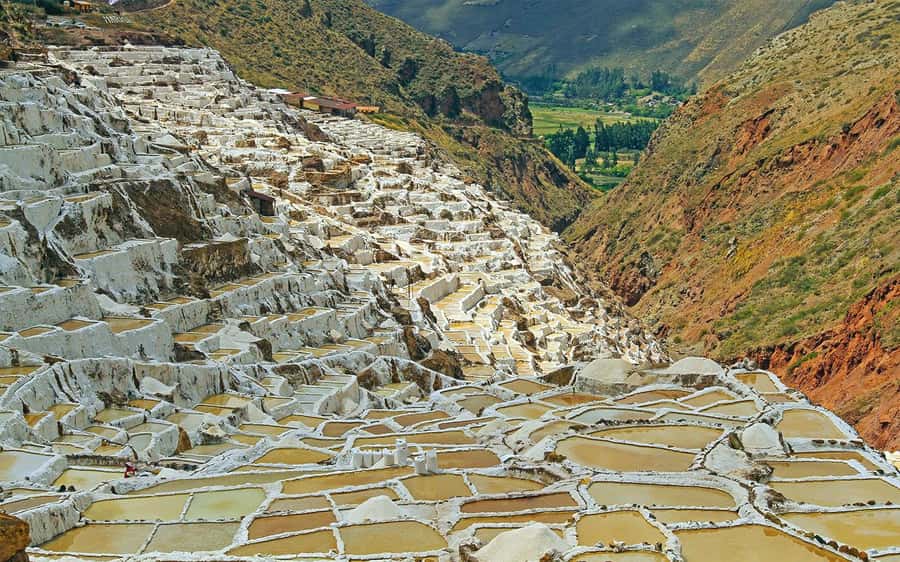
- Maras Salt Mines: the salt pans look like a geometric patchwork in bright sun
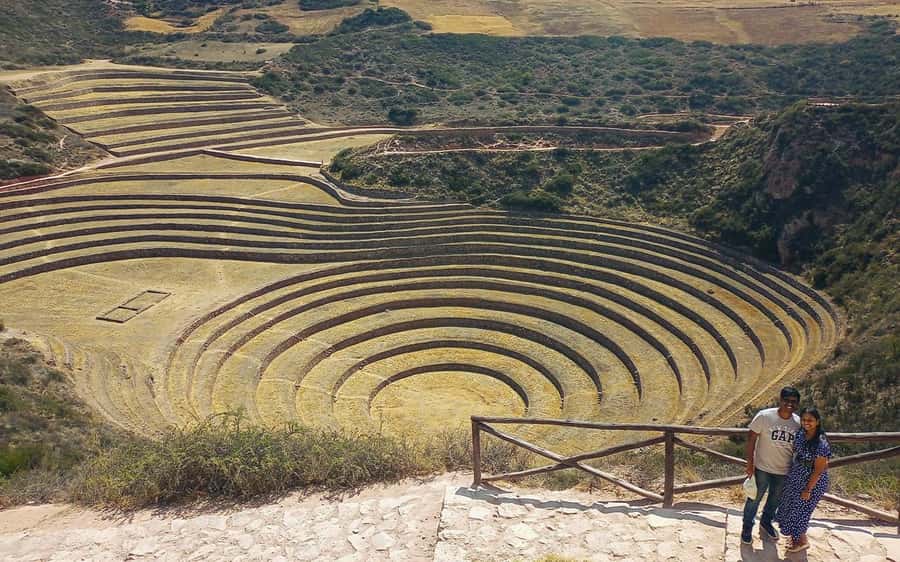
- Moray’s circular terraces: a close look at how the Incas used environment and design
- Ollantaytambo: a major fortress site with terrace views you’ll remember
- Pisac ruins and market: best mix of archaeology and colorful local shopping
A 1-Day Sacred Valley Route That Actually Makes Sense
A one-day Sacred Valley tour can feel rushed on paper. This route works better than most because it groups the sights in a logical sweep rather than sending you back and forth.
You’ll cover about 95 km round trip from Cusco and spend roughly 11 hours on the go. The tour climbs as high as about 3,700 meters at Chinchero and drops to around 2,792 meters at Urubamba. That means you should expect cool mornings, lighter air, and short stretches of walking at different elevations.
You can also read our reviews of more tours and experiences in Urubamba
Meeting Point in Cusco and the Morning Setup
You’ll meet your guide in Cusco with a red 69 Explorer jacket. It’s a small detail, but it helps you find the right group fast when the morning is busy.
This is a group experience with comfortable round-trip transportation. The big practical win is that you don’t have to figure out timing between sites or negotiate transport on your own. You’ll also have restroom and comfort stops along the way, plus chances to buy snacks or souvenirs.
A quick note on pacing: even though the tour is long, the day is built around several stops, not one long museum-style session. That’s why the itinerary can feel full without becoming a grind.
Chinchero: Textiles, Terraces, and Andean Craft You Can See
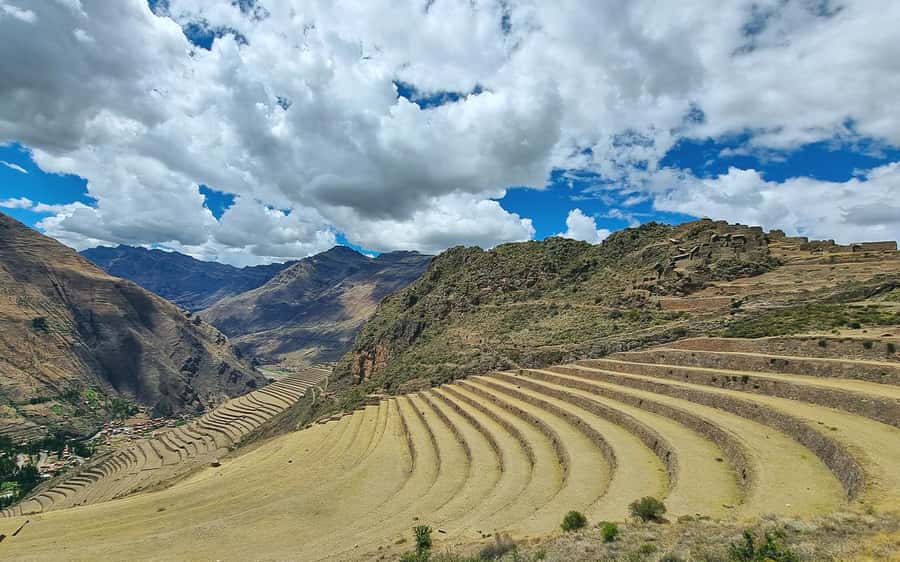
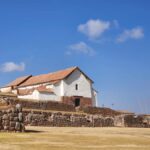
Chinchero is where the day turns from sightseeing into something more hands-on. You’ll visit a place known for intricate textile art, and you’ll see the terraces that shape local farming and village life.
Why I think Chinchero is worth the time: it gives you a context for what you’ll see later. Moray and Ollantaytambo are about engineering and survival. Chinchero shows the human side of that same story: people living with traditions that are still practiced today.
You’ll likely spend enough time to notice weaving technique and the way designs relate to Andean life. If you like photography, this stop can be a good one early while the light is still fresh.
Maras Salt Mines: The Patchwork Photo Spot (and a Sun Strategy)
Then you head to the Maras Salt Mines, a field of salt pans that have been used for a very long time. The view is basically geometry made by nature and work: small rectangular pools across the mountainside.
What you should plan for here is sun and glare. Salt reflects light hard, and the area can look brighter than you expect. Bring or use what the list suggests: goggles and insect repellent. Also, if you wear sunglasses, make sure they actually block well, not just stylishly.
The tour includes a guided visit to the salt mines, which helps you understand what you’re looking at rather than just walking around with no story. This stop is also one of the easiest places to understand why the Sacred Valley mattered for resources.
Moray Terraces: Circular Design and the Inca Way of Testing
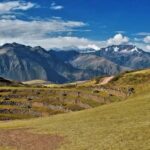
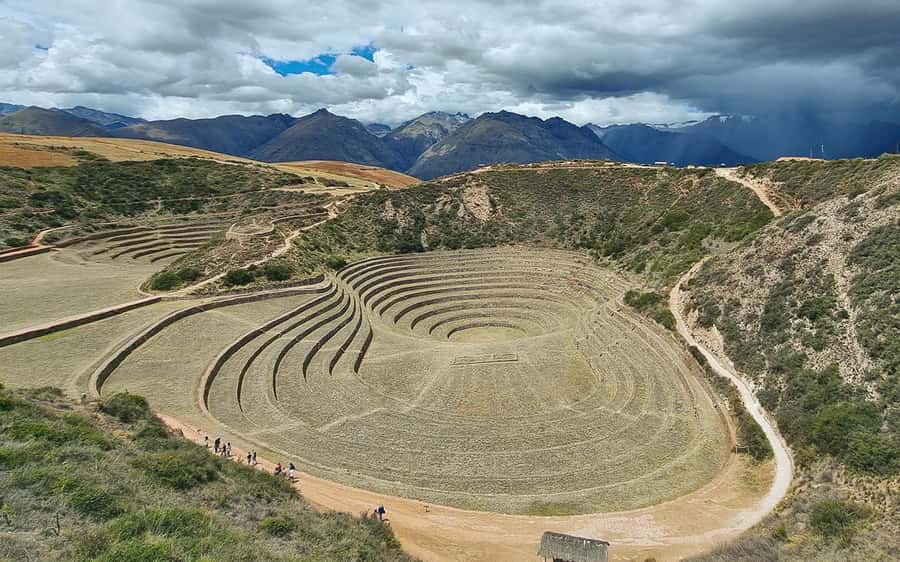
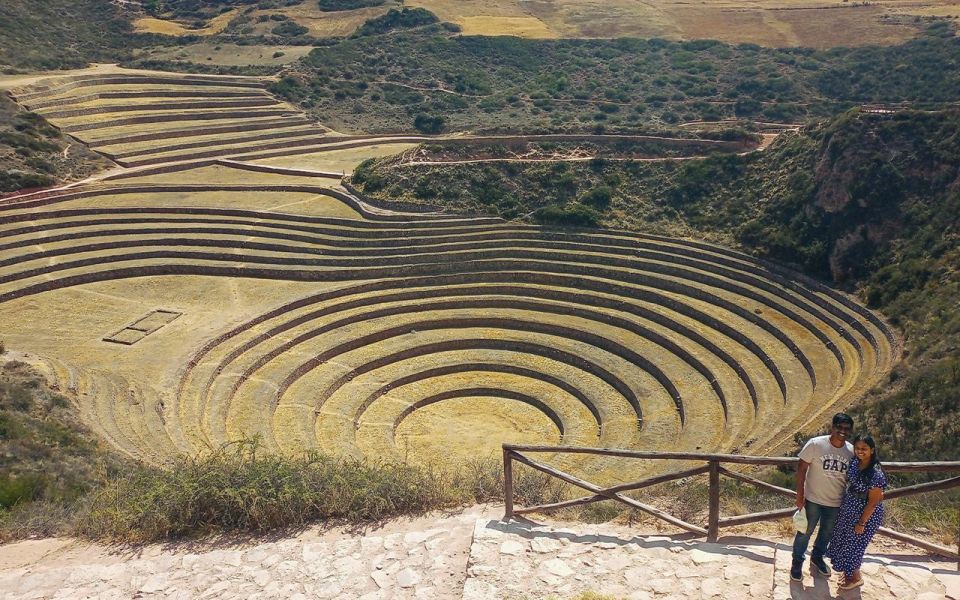
Next is Moray, famous for its circular terraces. These aren’t just dramatic ruins. They’re an agricultural experiment tied to the idea that climate and elevation can be used on purpose.
I like Moray because it’s not only about what’s left behind. It’s about the thinking behind it. Even if you’re not an archaeology expert, your guide can help you connect the terrace layout to how the Incas worked with their environment.
Walking here is usually manageable, but you’ll still be at altitude. Move slowly, take breaks when you need them, and keep your plan simple: look, listen, take photos, repeat.
Urubamba Lunch: A Buffet Break That Keeps Your Energy Up
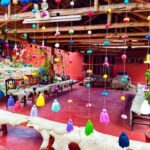
In Urubamba, you’ll stop for lunch with a buffet included. This matters more than people expect on a day like this. You’re out for about 10–11 hours, you’re active, and you’re eating at altitude. Having a proper lunch keeps you from turning the afternoon into a low-energy scramble.
The buffet is described as local with some international options, and it’s meant to work for different tastes and dietary requirements. Exact dishes aren’t guaranteed, but you should expect a mix that makes sense in the Sacred Valley.
Practical tip: choose what you can eat comfortably and keep water handy. The included lunch is your anchor meal, but the packing list suggests bringing food and drinks too—so if that helps you, do it.
Ollantaytambo: Fortress Views and Terrace Climbing
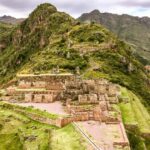
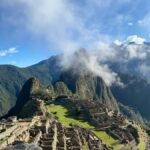
Ollantaytambo is often the emotional peak of the day, and this route treats it that way. The tour includes a guided visit to the Ollantaytambo fortress, including time to climb terraces and take in views.
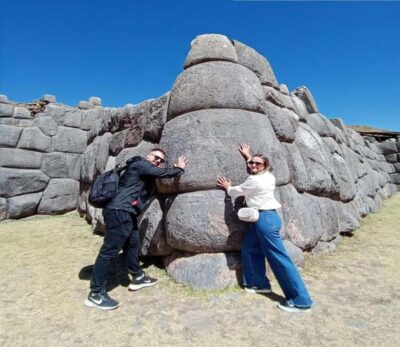
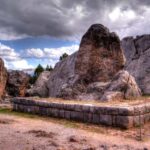
This is where you start seeing Inca town planning at full scale. The stonework feels solid and purposeful, and the location gives it a strong defensive logic. Your guide’s commentary helps you understand why the layout mattered.
Is there walking? Yes. You’ll climb terraces, and the slopes can be uneven. If your legs feel fine in the morning but start slowing by the afternoon, plan on Ollantaytambo being the place you notice it most.
If Pisac is the colorful finish, Ollantaytambo is the dramatic centerpiece.
Pisac Ruins and Market: Where the Day Ends in Color
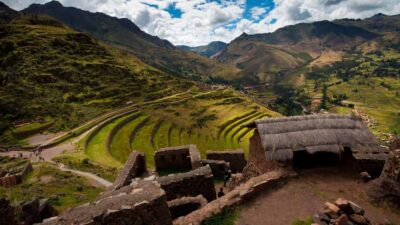
Your last major stop is Pisac, with both the market and the archaeological site. This is a great ending mix because you go from stone terraces to living local commerce.
You’ll have time to explore the ruins and then stroll through the market where artisans sell handcrafted goods. Even if you don’t buy anything, it’s one of the best chances in the day to slow down and look at everyday Andean style.
If the highlight for you is photography, Pisac can deliver. If the highlight is shopping, it can deliver too—just keep your cash ready and don’t feel pressured to buy. This is also a good place to pick up small items you can actually carry home.
Cost and Extras: What the $39 Covers (and What It Doesn’t)
At $39 per person for an 11-hour day with transport, guide, included lunch, and multiple guided site visits, this is strong value for Cusco. You’re not paying separately for every transfer between far-apart towns.
Here’s the catch: entrance fees are not included. You’ll need the Boleto Turístico for the sites. So your real day budget is your tour price plus the boleto cost.
Other things not included are personal expenses like souvenirs, extra snacks, and drinks beyond the included lunch, plus travel insurance. For many people, the bigger insurance need is common sense: altitude and long days can lead to small issues even when you feel fine.
What the Guide Adds (Including the Auqui Factor)
The tour is led by a professional bilingual guide fluent in English and Spanish. On top of that, you also get an audio guide in both languages.
In the material I saw, the guide named Auqui gets credit for explaining clearly. That fits the way this itinerary is built: each site needs context. Without commentary, you can still enjoy the scenery, but you miss the connections that make the route feel like one story.
So if you like understanding what you’re seeing, this format tends to work well.
Altitude and Comfort: Moderate Means You Should Pace Yourself
This is listed as moderate difficulty with some walking at high altitude. That doesn’t mean you need to be super fit. It does mean you should take it seriously.
Here’s what I’d do if you want a smoother day:
- Go slow at the first stops. Don’t race to see everything.
- Drink water early. Don’t wait until you feel off.
- Wear shoes that handle uneven ground and stone steps.
Also, the tour notes it’s not suitable for people with claustrophobia, non-swimmers, or epilepsy. The data doesn’t explain why for each category, so the safe move is to respect it and check with the operator if you have concerns.
Best Fit: Who This Sacred Valley Day Trip Works For
This tour works especially well if you want:
- A one-day hit list of Sacred Valley classics
- A guided explanation at each major site
- Easy logistics from Cusco, including comfortable transportation
- A day that ends with both ruins and a market experience
If you’re the type who loves long, slow wandering with lots of downtime, this might feel packed. But if you want momentum and a clear order to your day, this route is a practical choice.
It’s also a good option for first-timers who don’t have time to piece together multiple half-day tours.
Should You Book This Sacred Valley Tour from Cusco?
If you have limited time in Cusco and you want the most recognizable Sacred Valley stops in one day, I’d book this. The $39 price is hard to beat for the amount of guided time you get—plus lunch and round-trip transport.
I’d think twice only if you know you struggle with altitude walking. In that case, it’s not that you can’t go at all—it’s that you should choose your pace carefully and consider whether a shorter or more gradual plan would suit you better.
If you can handle a full-day pace, you’ll likely love how the day builds: textiles and culture in Chinchero, salt in Maras, experiments in Moray, a lunch reset in Urubamba, fortress walls in Ollantaytambo, then Pisac ruins and a market to close out the day.
FAQ
How long is the Sacred Valley 1-day tour from Cusco?
It lasts about 11 hours (listed as full day, approximately 10 hours, with availability for starting times).
What does the tour include?
It includes a professional bilingual guide (English and Spanish), round-trip transportation from a designated meeting point in Cusco, a buffet lunch, tours of Maras Salt Mines and Moray terraces, guided visit of Ollantaytambo, and visit to Pisac market and ruins. It also includes comfort stops, all transportation fees, and a group experience.
Are entrance fees included for the sites?
No. Entrance fees are not included, and you’ll need the Boleto Turístico.
Is lunch included, and what kind of food should I expect?
Yes. A buffet lunch is included, with local Peruvian cuisine and options intended to suit different tastes and dietary needs.
Where do I meet the guide in Cusco?
You’ll meet your guide with his red 69 Explorer jacket at the designated meeting point in Cusco.
Is this tour suitable for everyone?
It’s not suitable for people with claustrophobia, non-swimmers, or epilepsy. If you fit into any of those categories, you should avoid it based on the tour’s stated limitations.