REVIEW · CUSCO
Cusco: Pisac, Sacsayhuaman, Q’enqo, and Tambomachay Tour
Book on GetYourGuide →Operated by XPLORA AMERICA · Bookable on GetYourGuide
Six hours can still change how you see Cusco. This private route links Pisac’s market with the God of Water at Tambomachay, and the guide work adds context that makes the ruins feel human instead of just stone. I love starting in town first, so the day has local life before the archaeology, and I love the way the stops are paired with clear explanations about Inca culture and the Spanish conquest. One consideration: you’ll pay extra for site admission, and the walking can be tough if you have back issues.
You’re picked up from your hotel in Cusco’s historic center, then headed straight out toward the Sacred Valley before looping back to Cusco’s major ruins. The itinerary is efficient without feeling rushed at each stop, and you get a key photo moment at Taray Viewpoint before the stone-and-ritual sites near Cusco.
In This Review
- Key takeaways before you go
- Pisac market and archaeological park: start in town, then zoom out
- Taray Viewpoint: the Sacred Valley’s terrace logic in one stop
- Sacsayhuamán: ceremonial fort stonework above Cusco
- Q’enqo: a ritual site that feels purposeful, not random
- Tambomachay: worship of the God of Water
- Puka-Pukará viewpoint: an ancient tambo along Inca roads
- What the guide adds: Juan Carlos and Jessica as examples
- Price and admission fees: where the real cost lands
- Pace, walking, and comfort risks you can plan for
- Who should book this Sacred Valley and Cusco ruins loop
- Should you book it?
Key takeaways before you go
- Pisac first, ruins second: you see the market energy before you walk the archaeological park.
- Taray Viewpoint for terrace context: it helps you understand why the Sacred Valley layout mattered.
- Sacsayhuamán’s ceremonial scale: big stonework you can’t fully appreciate from a drive-by.
- Q’enqo and Tambomachay, paired: ritual spaces and water worship under one guide’s story.
- Puka-Pukará as a road-stop perspective: an ancient tambo/guard post view that widens the Inca-world lens.
- A standout guide can make or break it: strong guides in this circuit (Juan Carlos and Jessica) really sharpen what you see.
Pisac market and archaeological park: start in town, then zoom out
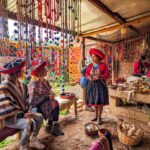
Pisac is the smart opener. You begin in the town area—walking along streets, spotting artisan stalls, and taking in the famous local market atmosphere. It’s the part of the day that gives you a feel for what still happens here, not just what happened centuries ago.
Then you transition into the Pisac archaeological park with a guided walk. What I like about this sequence is that it keeps you from treating ruins like isolated sculptures. You’re more likely to notice how agriculture, building, and daily life connect when you’ve just had market scenes fresh in your head.
If you’re the type who hates feeling stuck behind a group, here’s a practical tip: wear comfortable shoes and keep your camera handy, because you’ll want it at both the street level and in the park. And if the market is your goal, plan to linger briefly when the guide builds in walking time—don’t wait until you’re already leaving.
You can also read our reviews of more tours and experiences in Cusco.
Taray Viewpoint: the Sacred Valley’s terrace logic in one stop
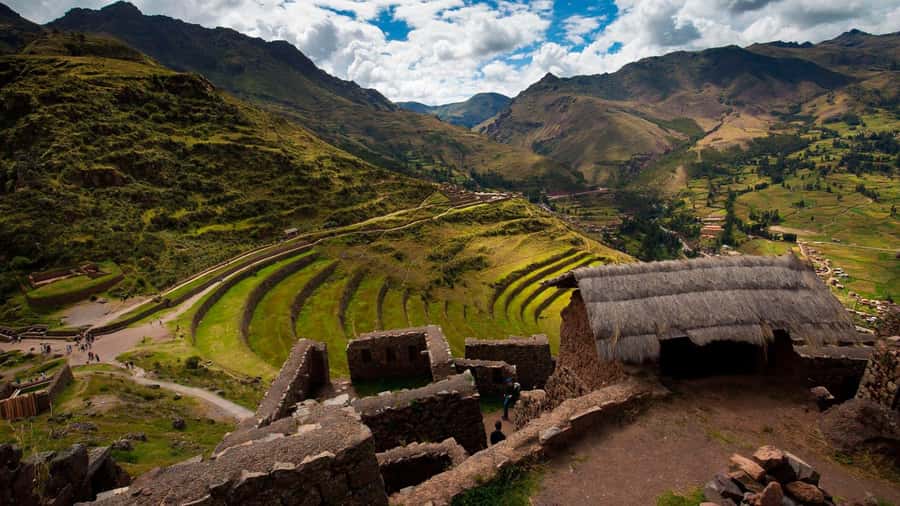
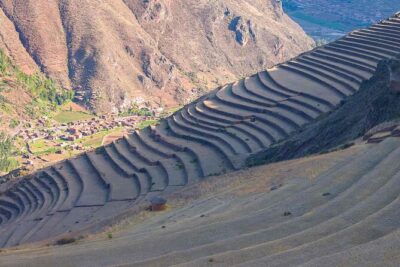
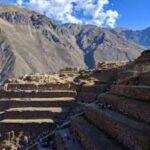
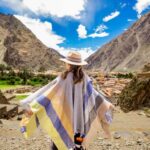
Taray Viewpoint is where the Sacred Valley changes from a blur of green and stone into something you can actually read. The highlight here is the panoramic view and the terraces—so many of them—that your brain starts asking why people built in this exact way.
This stop works best if you slow down for a few minutes and look for patterns instead of just taking photos. The terrace layout is the visual clue to an Inca-style mix of practicality and engineering, and it sets you up to better understand what you’ll see later in Cusco’s surrounding ruins.
It’s also a good moment to reset. After the Pisac area, a viewpoint stop helps break the day into sections—market, viewpoint, ruins—so the tour stays manageable in a 6-hour format.
Sacsayhuamán: ceremonial fort stonework above Cusco
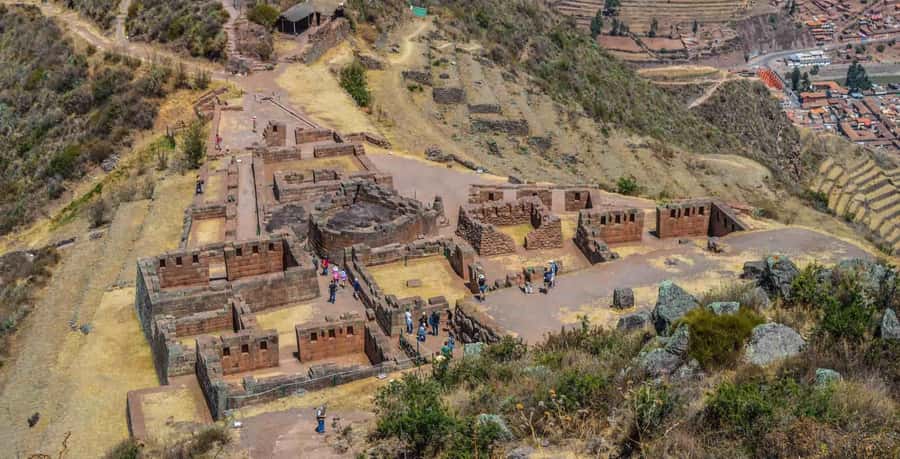
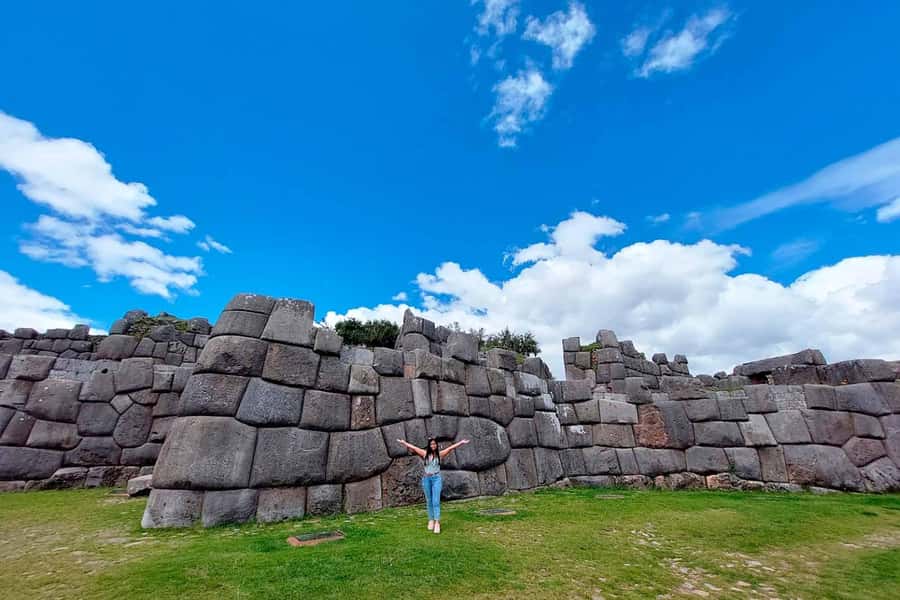
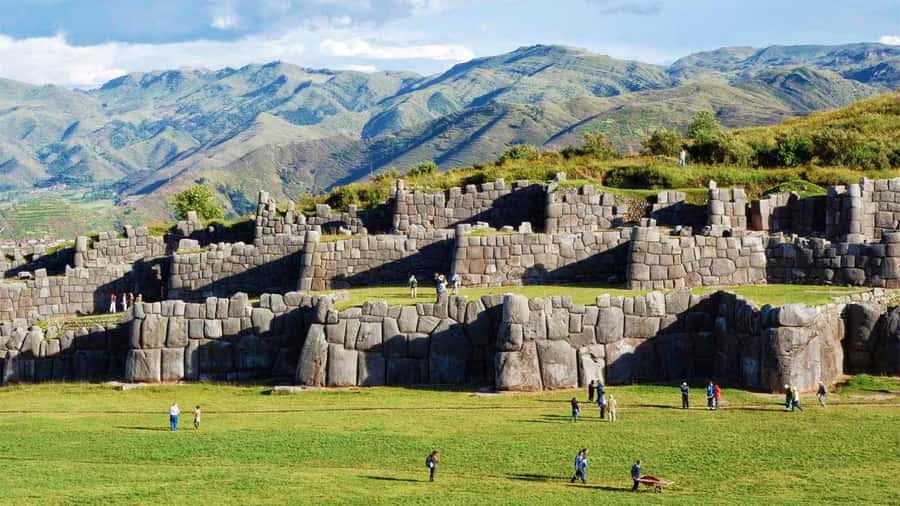
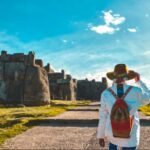
Sacsayhuamán is the first of the Cusco-area ruins. This ceremonial fort is known for its stone monuments, and the guided explanation is what helps you make sense of what you’re seeing at ground level.
I like this stop because it gives you a feeling for scale. Even if you’re not a big architecture person, the sheer mass and craftsmanship tend to grab your attention quickly. And when your guide frames it as a ceremonial site rather than just ruins, your eyes start catching details that you’d otherwise miss.
The tour also includes background on how Inca life connected with later Spanish conquest. That context matters here because it can change the way you interpret what survived, what changed, and why certain sites became reference points in the story of the region.
Q’enqo: a ritual site that feels purposeful, not random
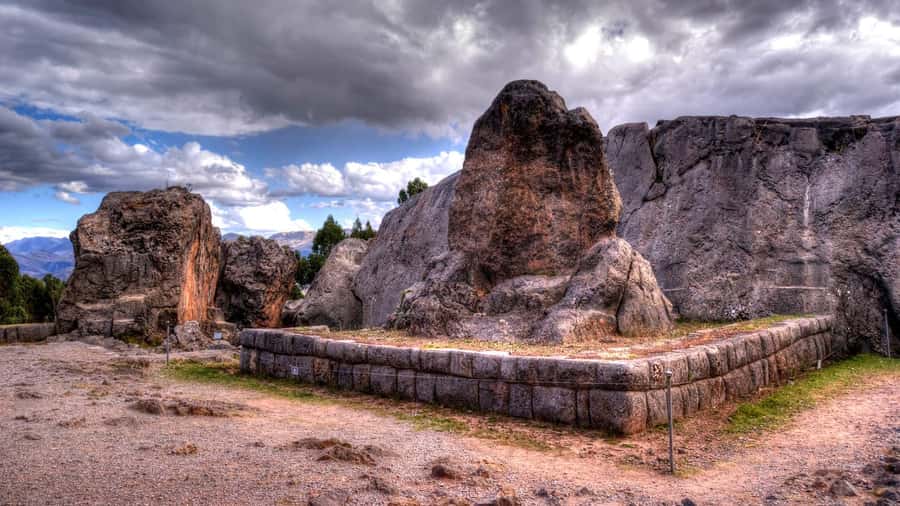
Q’enqo is where the tour turns from stone structure to ritual space. The key idea you’ll hear is that sacrifices once took place here. That single sentence is worth paying attention to, because it shifts your mindset the moment you arrive.
With the guide leading, you’re not just walking around an interesting formation—you’re learning why this kind of space existed and what it meant in Inca belief and practice. I especially appreciate how this stop adds variety to the day. After Pisac’s market and park walking, Sacsayhuamán’s ceremonial stone scale, Q’enqo’s ritual purpose brings the story into sharper focus.
If you like asking questions, this is a good place to do it. One of the strongest guide experiences in this circuit involved Juan Carlos, an archaeologist by training, who was known for clear, evidence-based explanations and for answering questions others couldn’t. If your guide has that style, you’ll probably get more out of Q’enqo than you expected.
Tambomachay: worship of the God of Water
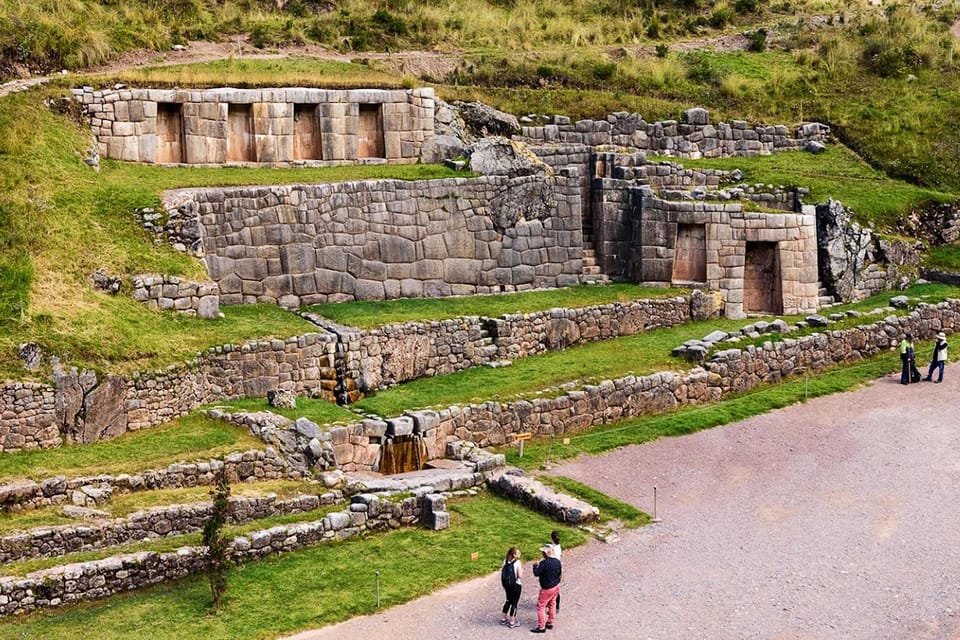
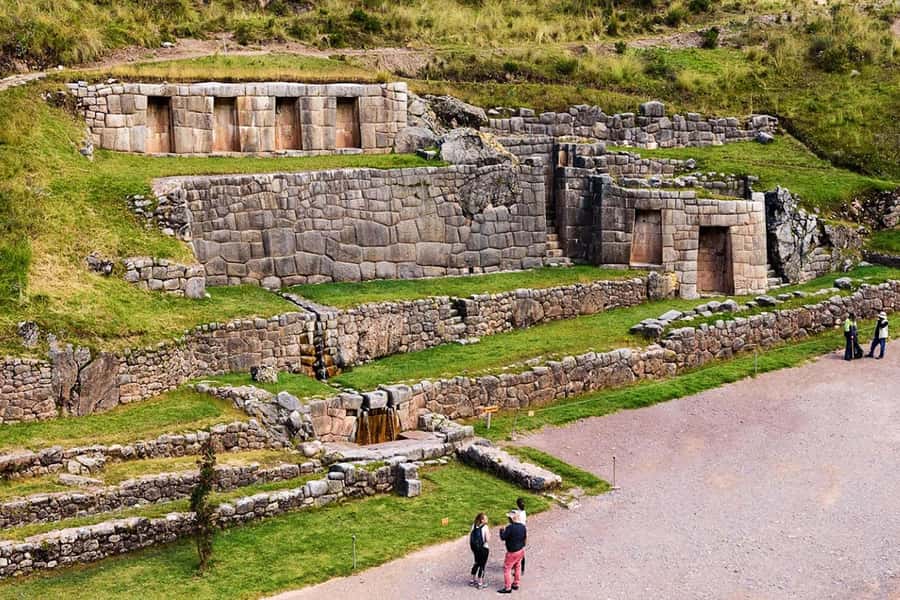
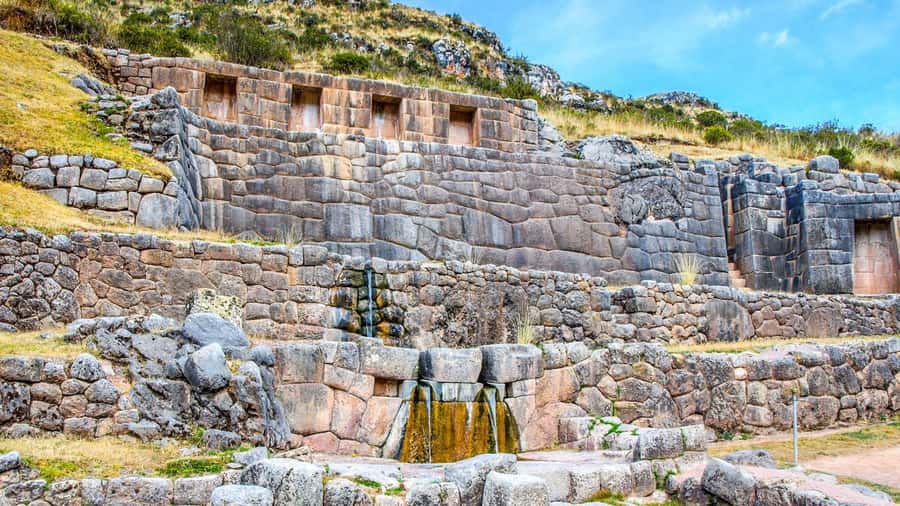
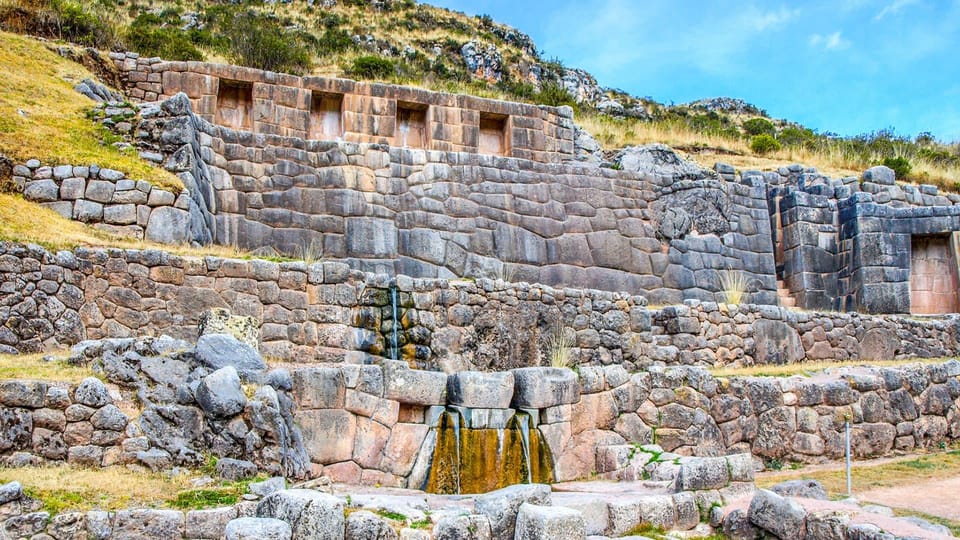
Tambomachay is the stop you’ll remember for its theme: worship connected to water. The tour describes it as a temple dedicated to worshipping the God of Water, and that framing makes the site feel less like a stop on a list and more like part of a system.
This is also where the tour’s sequencing shines. By the time you reach Tambomachay, you’ve seen terraces at Taray, ceremonial stone at Sacsayhuamán, and ritual purpose at Q’enqo. Tambomachay then rounds out the picture by emphasizing how Inca religious ideas tied into the essential resource of water.
Practical note: bring sunscreen and water. Cusco-region sunlight can be strong, and you’ll spend time moving between sites. Comfortable shoes matter again here too, since parts of these areas involve uneven ground and short stretches of uphill walking.
Puka-Pukará viewpoint: an ancient tambo along Inca roads
The final visual stop is Puka-Pukará, described as an ancient tambo (or guard post) along Inca roads. The tour route includes a panoramic view here, and that matters because it widens your lens beyond the ruins in front of you.
A tambo/guard post isn’t just a random building. Inca roads were about movement, supply, communication, and control, and this kind of site helps you connect the dots between monuments and the infrastructure that kept the empire functioning.
If you’re the kind of traveler who likes “how did they live and travel” questions, this is one of the better closing moments. It’s not only about what you saw—it’s about what those places implied about the wider network.
What the guide adds: Juan Carlos and Jessica as examples
A Sacred Valley and Cusco ruins day lives or dies by interpretation, not just transportation. This tour includes an English-speaking guide, and live guiding is offered in Spanish or English, so language should be workable as long as you communicate your preferences at pickup.
In the best examples from this experience, guides went beyond basic identification. Juan Carlos, for instance, is described as an archaeologist by training, and his explanations were clear and precise. The biggest value wasn’t just that he spoke well—it was that his approach was evidence-based and logical, which helped connect the sites into a coherent story.
Another strong example involved Jessica. In that case, she was praised as both great and kind, and she handled a hiccup that affected logistics out of her control. She still made sure the day kept moving in a helpful, solution-focused way.
So here’s my advice to you: if your guide’s style allows it, ask one or two questions on purpose. Q’enqo and Sacsayhuamán tend to reward that. When the guide can answer well, you’ll start seeing patterns between sites instead of treating them as separate stops.
Price and admission fees: where the real cost lands
The tour price is $77 per person for a total of 6 hours, including hotel pickup/drop-off, transport by car or minibus, and an English-speaking guide. That’s a fair rate for a guided circuit that hits multiple sites in one day.
But you should budget for archaeological site admission on top. The tour data lists admission fees as S/70 (US$18.70) per person for foreigners, and S/40 (US$10.70) for Peruvians. That means your all-in cost is likely closer to about $95–$96 per person for foreigners, before any extra meals or snacks.
Is it good value? Usually yes, if you want guided interpretation across several major stops. Without a guide, you’d likely spend more time guessing what you’re looking at. The cost feels more justified when the guide explains themes like ritual purpose, water worship, and how the Inca world shifted under Spanish conquest.
One more practical point: the tour includes private group service, which typically helps you get a smoother experience than big-van mass tours—though vehicle comfort can vary. One account noted the car or minibus wasn’t the most comfortable fit for four adults, so if you’re sensitive to seating, consider asking how many people will be in your vehicle.
Pace, walking, and comfort risks you can plan for
This is a 6-hour day, so plan for a “highlights” pace rather than a slow wander. You’ll visit Pisac’s town and market area, then the archaeological park, followed by Taray Viewpoint, Sacsayhuamán, Q’enqo, Tambomachay, and a panoramic stop at Puka-Pukará.
Walking is a real factor. The tour specifically isn’t suitable for people with back problems or wheelchair users, which is your clue that the ground and movement won’t be easy. Even if you’re generally fine, bring comfortable shoes and expect uneven surfaces and some uphill stretches.
Weather also matters. The tour notes varying weather conditions, so pack for sun and occasional cloud cover. If rain happens, your footing becomes the main issue, not your sightseeing.
Also, you’ll be outdoors most of the day. Bring water, sunscreen, and a hat, because the day is built around viewpoints and open-air ruins. And there’s a clear rule: smoking isn’t allowed during the tour.
Who should book this Sacred Valley and Cusco ruins loop
This tour is a strong fit if you want a single-day way to connect the dots between Cusco’s major ruins and the Sacred Valley. You’ll get Pisac’s market culture, a terrace panorama at Taray Viewpoint, and four major archaeological stops around Cusco—plus the Puka-Pukará road-stop viewpoint.
It’s especially good for:
- First-time Cusco visitors who want structure and guidance
- Travelers who like themes (ritual sites, water worship, Inca road logic)
- People who prefer hotel pickup and a private-group format
It’s not ideal if:
- Your back is sensitive or you need low-impact walking
- You use a wheelchair (this tour isn’t suitable)
- You want lots of free time alone at each site (this route is set up to cover multiple highlights)
Should you book it?
I’d book this tour if you want an organized 6-hour day that pairs market life with guided interpretation at some of the region’s most important ruins. The price is reasonable for the number of stops, and the extra admission fee is typical for archaeology-focused sightseeing.
I’d think twice if you’re worried about walking comfort or vehicle seating. The route is designed to move, and the sites demand real steps. If you’re careful with your footwear, pack water and sun protection, and ask your guide questions at the key ritual and ceremonial stops, this can turn a fast day into a surprisingly meaningful one.