REVIEW · CUSCO
Cusco: Pisac, Ollantaytambo, & Chinchero Sacred Valley Tour
Book on GetYourGuide →Operated by MPTC GETS · Bookable on GetYourGuide
A Sacred Valley day with real Inca scale. This tour strings together Pisac’s archaeological terraces, Ollantaytambo’s massive stonework, and Chinchero’s Inca-era connections, so you get a wide view of how this region worked. I especially liked the mix of big archaeological sights plus hands-on stops like an alpaca textile place, and the way the day keeps moving with photo breaks that fit real-world timing.
One thing to plan around: time is tight. If the morning pickup runs late or the group hits extra commercial stops, you can end up with less time where you actually want it most—one person even reported arriving after Chinchero was closed.
In This Review
- Key things to know before you go
- How the 12 Hours Flow: Cusco pickup to Calle Plateros drop-off
- Pisac Archaeological Park: terraces, photos, and that village market vibe
- Urubamba and the Vilcanota River: a lunch break that’s actually included
- Ollantaytambo’s Inca stone walls: the stop with the biggest wow-factor
- Chinchero: royal treasure ties, plus textiles you can understand by the time you leave
- Price and logistics: what $31 covers, and what to budget for tickets
- Guide setup and language: English/Spanish groups and the Jenni effect
- Timing risk: pickups, coach delays, and why the afternoon can feel rushed
- Photo and comfort tips for the Sacred Valley heat
- Who this tour fits best (and who should skip it)
- Should you book this Cusco: Pisac, Ollantaytambo, & Chinchero tour?
- FAQ
- What time does the tour pickup in Cusco?
- What’s included in the $31 per person price?
- Do I need to pay anything at the sites during the tour?
- How long is the tour?
- What language options do you get?
- What should I bring, and is it suitable for everyone?
Key things to know before you go
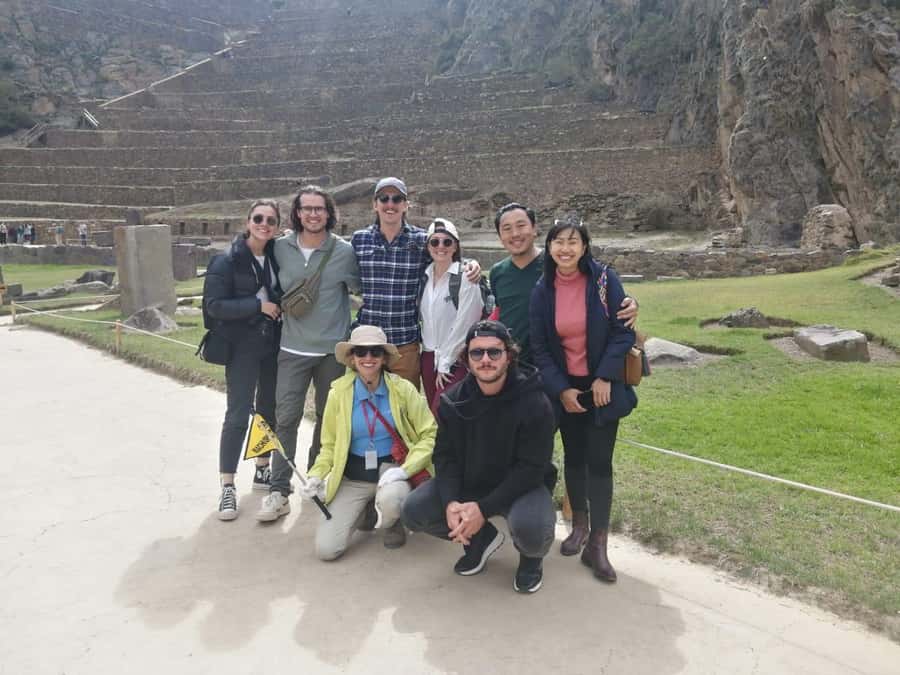
- Inca rock walls at Ollantaytambo: a walk-through town experience, not just a quick viewpoint.
- Textiles with an alpaca focus: a practical look at how the Sacred Valley connects craft and daily life.
- Pisac includes both ruins and a village market: you’ll see heritage plus local trade culture in the same stop.
- A buffet lunch in Urubamba: Peruvian dishes are included, so you’re not hunting for food mid-route.
- Chinchero can be time-sensitive: late departures can compress the Chinchero portion.
How the 12 Hours Flow: Cusco pickup to Calle Plateros drop-off
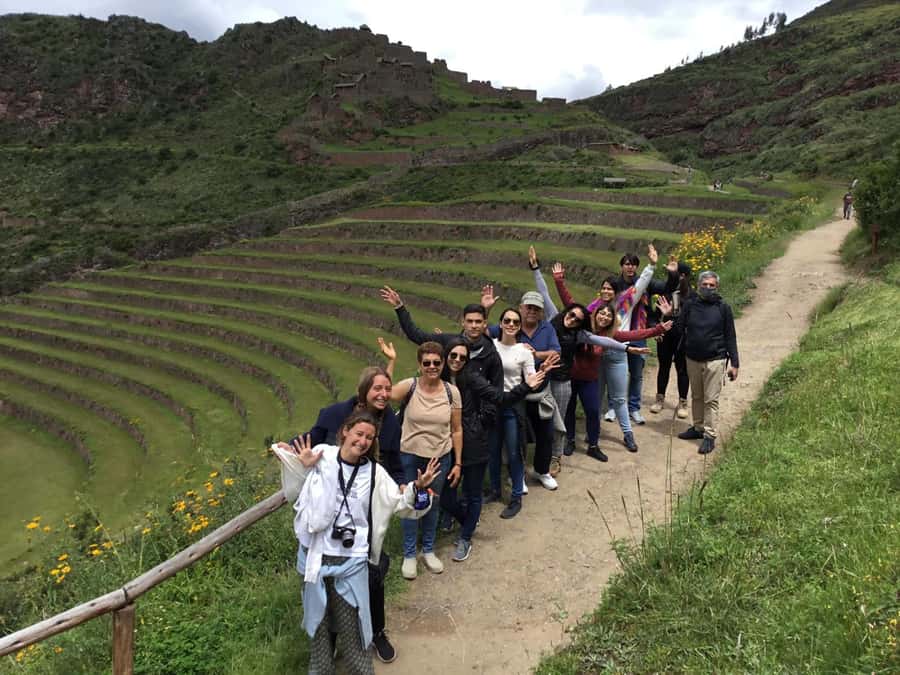
This is a full-day outing that starts with hotel pickup around 8:15 am in Cusco and finishes around 7:30 pm, with a drop-off near Calle Plateros. You’ll spend most of the day on a bus/coach, with multiple ride segments between stops. The upside is convenience: you don’t need to figure out transport, and the guide handles the routing.
The pace feels built for first-time visitors who want the “greatest hits” without burning days. The downside is you should expect a schedule that runs by the clock. The Sacred Valley sites are spread out, and a slow start in Cusco can ripple through the rest of the day.
Bring water and comfy shoes right from the start. The weather in the Sacred Valley can be hot, and rain is possible too, so you’ll want to be ready for shifting conditions while you’re walking on uneven ground.
You can also read our reviews of more tours and experiences in Cusco.
Pisac Archaeological Park: terraces, photos, and that village market vibe
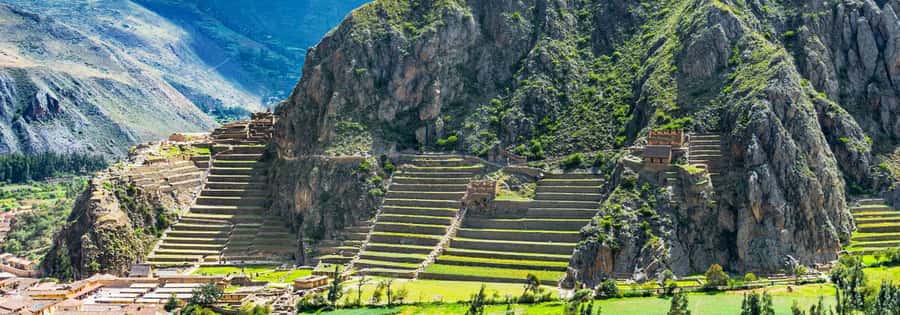
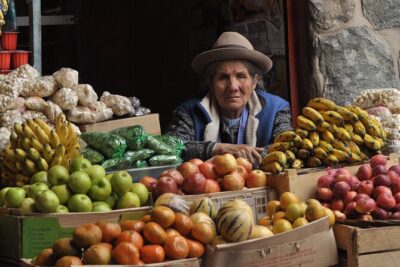
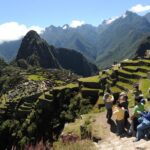
Pisac usually anchors the morning. You’re taken to the Pisac Archaeological Park, with a guided visit plus time for a photo stop. It’s also not just ruins—there’s time to check out the typical village market in Pisac, where you can watch local trade and crafts in action.
Here’s what I like about this stop for most people: the ruins make sense visually. Pisac’s terraces and stonework show how the Incas shaped the land for work and ceremony. And the market adds a “today” layer so you’re not just looking at rocks from a distance.
A practical note: the guided portion is about 50 minutes. That’s enough to get oriented and see the highlights, but it’s not a slow wander. If you love markets and want time to chat with vendors, you’ll have to be efficient with your shopping and photos. Hot sun + walking time + bargaining time can add up.
Urubamba and the Vilcanota River: a lunch break that’s actually included
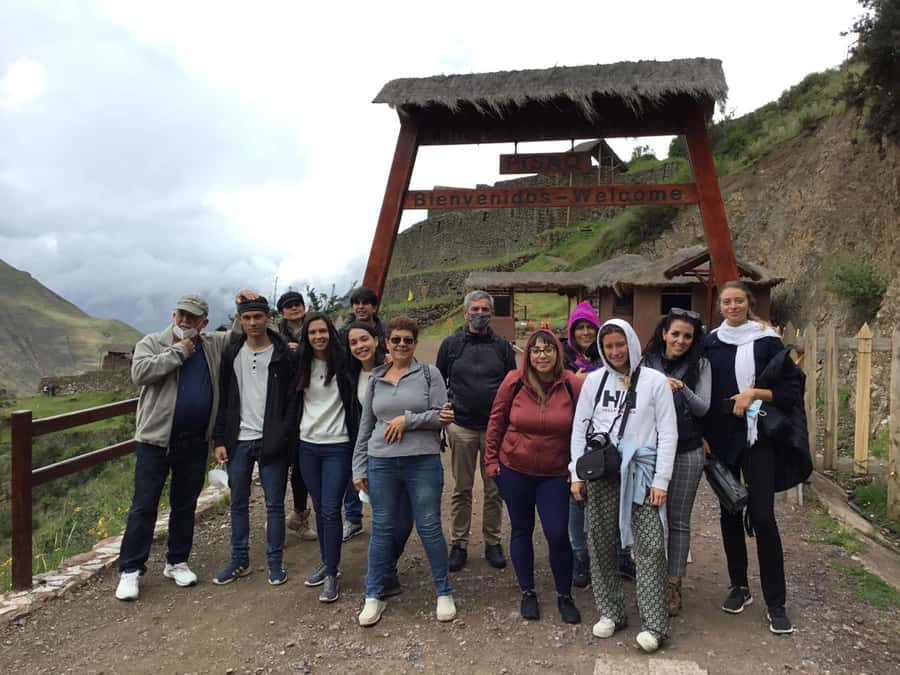
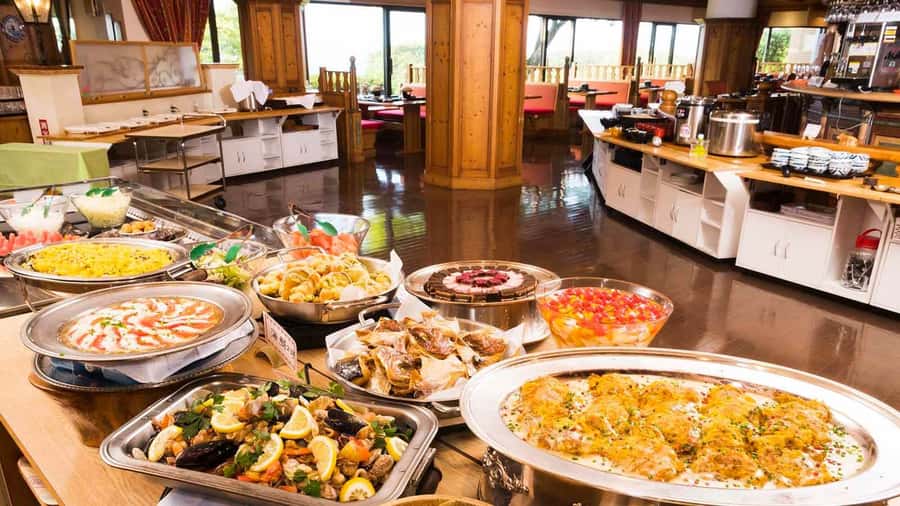
After Pisac, you head toward Urubamba, with a photo stop and a guided visit that lasts around 45 minutes. The day uses Urubamba as a breather zone, and it’s also where your buffet lunch happens (Peruvian dishes are included).
This is a smart structure for a tour like this. You’re already walking and climbing in the morning, and then the afternoon brings more major archaeological sites. A real meal matters here, because the Sacred Valley can make you underestimate how quickly you burn energy.
You’ll also get a view of the Vilcanota River from the area. I like having at least one stop where you can stand still for a moment, take photos, and just reset. If you tend to get travel-wobbly when you’re hungry, this lunch inclusion is a genuine value add.
Ollantaytambo’s Inca stone walls: the stop with the biggest wow-factor
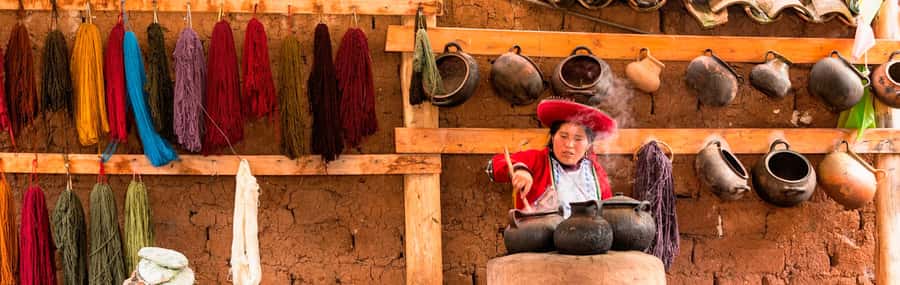
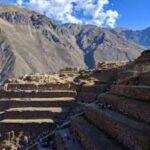
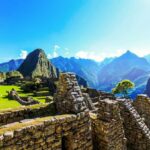
Ollantaytambo is often the highlight, and it’s easy to see why. You get to visit the Ollantaytambo Citadel, with a guided tour and time to walk through the town so you get a feel for it as a living place, not just an exhibit.
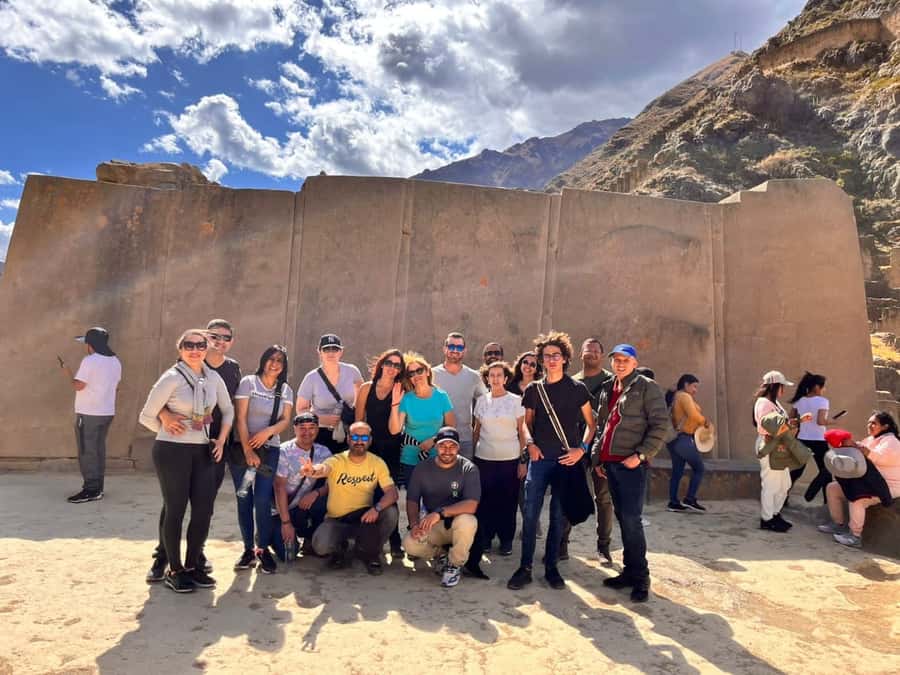
The most praised element here is the immense Inca rocks—the massive stonework that feels engineered, not merely impressive. The town-level walking helps too. You’re not only climbing up to ruins; you’re also seeing how people moved through a center that served religious, cultural, and archaeological purposes in the Inca Empire.
Expect about 50 minutes for the guided portion. That’s a decent amount for getting the main features, but again, you’re not doing a full-day independent exploration. Come in with a clear sense of what you want to photograph: big stone details, long sightlines, and town streets that give context to the fortress-like feeling.
Chinchero: royal treasure ties, plus textiles you can understand by the time you leave
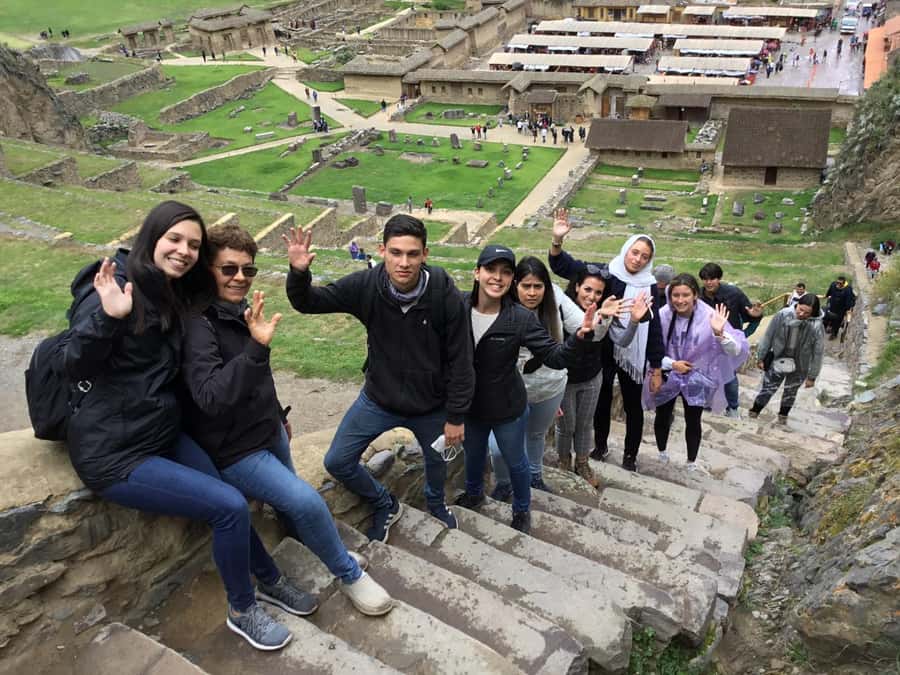
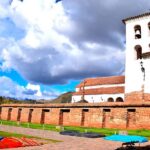
In the afternoon, the route brings you to Chinchero for the Centro Arqueológico de Chinchero. This stop includes a photo stop and a guided tour of about 50 minutes.
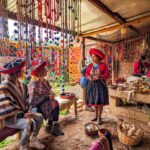
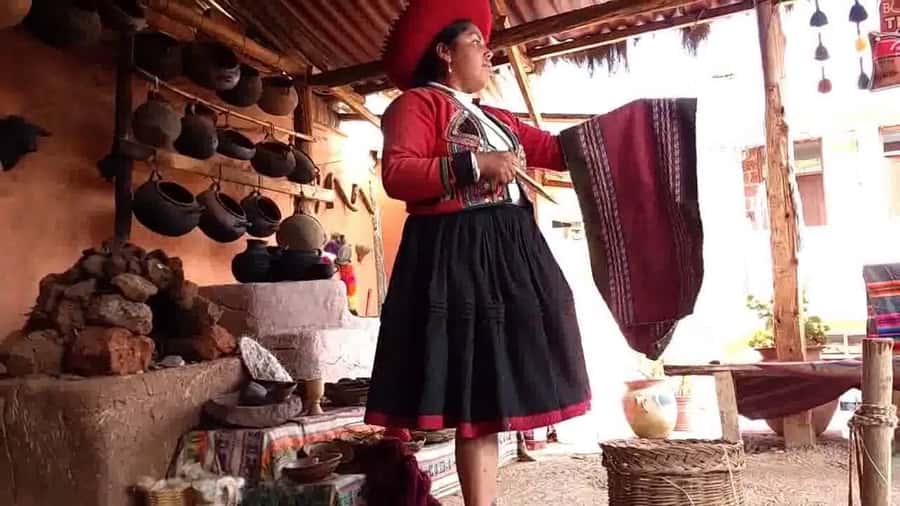
Chinchero’s appeal is that it connects archaeology with Inca-era stories tied to royal treasure linked to Tupac Inca Yupanqui. And in practical terms, it’s also where the tour’s “craft” element often clicks: you can learn how alpaca textiles connect to the region’s culture and economy, so the site doesn’t feel like a dead end.
Now for the reality check. The tour is timed, and at least one participant ended up missing part of the Chinchero experience because the schedule got pushed by multiple commercial stops and time pressure. That doesn’t mean Chinchero is bad—it means you should be proactive about time.
If Chinchero is your priority, plan to arrive with your questions ready for the guide, and avoid turning the free moments into long detours. A short, efficient visit can still be powerful here.

Price and logistics: what $31 covers, and what to budget for tickets
The tour price is listed at $31 per person, and that includes pickup, a Sacred Valley expert guide, group split by language (English or Spanish), all transport, and your buffet lunch. That’s a solid bundle for a full day, especially if you don’t want to coordinate buses yourself.
But there are site costs you pay on the day: the tourist ticket is 70 soles. Separately, entrance to the salt mines of Maras is listed as 10 soles, though that specific stop is not described in the main route details you were given.
So how do you value this? If you’re comfortable paying the 70 soles for the archaeological access, you’re mostly buying convenience, guiding, and transport for a long circuit. If you already planned to do these sites independently with timed entry tickets and local transit, then compare how much your time is worth. In a day like this, guided flow can be the difference between seeing the highlights and just commuting.
Guide setup and language: English/Spanish groups and the Jenni effect
You’ll travel with an expert guide and the group is separated in English or Spanish. That matters because site explanations in the right language can turn a wall of stones into something you can actually picture.
One name that came up in a positive way is Jenni. The takeaway I’d use for your planning: if your guide is strong, you’ll get more out of short guided windows like Pisac and Ollantaytambo. When the guide is good, you spend less time guessing what you’re looking at and more time noticing details.
If your Spanish or English is rusty, don’t panic. The guide format is still designed for your comfort, and the stops are structured so you can rely on the group pace while you watch and photograph.
Timing risk: pickups, coach delays, and why the afternoon can feel rushed
This is the logistical thing I’d underline. One review noted an issue with an early departure in Cusco that led to about an extra hour being spent on the road before reaching the route. That kind of delay can happen when multiple pickups are involved and the schedule has to catch up.
Here’s how that affects you as a decision-maker: if your tour is operating on a tight schedule and one part runs late, the later stops are the first to get compressed. That’s exactly why some people felt they didn’t get enough time at Chinchero.
My practical advice:
- Be ready for pickup timing. If you’re staying in a hotel farther from the main area, you may be given a specific meet address.
- Keep your expectations realistic for the final two stops. You can still have a good experience, but treat the day like a “highlights” itinerary, not an all-morning-all-afternoon slow museum day.
- Use the bus time to charge your camera batteries and get organized, because once you arrive, you’ll be moving quickly.
Photo and comfort tips for the Sacred Valley heat
The Sacred Valley is often hot, and rain can pop up. Even if the forecast looks fine, pack for surprises. You’ll do plenty of walking on uneven ground and you’ll want your footing to be reliable.
What to bring, based on the tour requirements:
- Passport or ID card (you’ll want it handy, especially for site-related checks)
- Comfortable shoes
- Water
- Your camera ready for souvenir-style photos
For photos, here’s what helps most: think in shot categories, not random snaps. For example, in Ollantaytambo, prioritize big stone textures and town context. At Pisac, mix wide views for the terraces with closer details for stonework. In Chinchero, aim for a couple of wide frames first so you’re not scrambling once time runs shorter.
Also: don’t wait until you’re tired to drink water. It’s easier to feel steady when you stay ahead of dehydration.
Who this tour fits best (and who should skip it)
This Sacred Valley circuit is best for:
- First-timers in Cusco who want Pisac + Ollantaytambo + Chinchero in one day
- People who prefer a guided route with transport handled
- Travelers who like a blend of ruins and culture, including textile-related stops
It’s not the best fit for:
- Anyone who struggles with long bus rides and walking (the tour isn’t suitable for wheelchair users)
- Pregnant travelers, per the tour’s stated limitations
If you’re the type who wants to linger for hours at one site, you may feel rushed. But if you’re willing to go for the highlights and keep moving, you’ll likely get your money’s worth in time saved and guidance received.
Should you book this Cusco: Pisac, Ollantaytambo, & Chinchero tour?
I’d book it if you’re short on time in Cusco and you want a guided, organized Sacred Valley day with the essential stops and an included Peruvian buffet lunch. The Inca scale at Ollantaytambo plus the combination of Pisac ruins and market makes this a practical “see a lot” option.
I’d hesitate if Chinchero is your absolute priority and you hate schedule risk. Because the day is long and timing can shift, you’ll want to be flexible about how much time you can spend there.
Overall, this tour is good value when you treat it like a highlights route: efficient, guided, and built to help you understand what you’re looking at—without you juggling transport or ticket logistics all day.
FAQ
What time does the tour pickup in Cusco?
Pickup is scheduled around 8:15 am from your hotel or a provided nearby meeting address.
What’s included in the $31 per person price?
It includes hotel pickup, an expert Sacred Valley guide, group separation by English or Spanish, all transport, and a tourist buffet lunch with Peruvian dishes.
Do I need to pay anything at the sites during the tour?
Yes. You’ll need to pay a tourist ticket of 70 soles on the day. Entrance to the salt mines of Maras is also listed as 10 soles and is not included.
How long is the tour?
The tour duration is listed as 12 hours, and it ends around 7:30 pm.
What language options do you get?
The live guide is available in English and Spanish, with the group separated by language.
What should I bring, and is it suitable for everyone?
Bring passport or ID, comfortable shoes, and water. It is not suitable for pregnant women or wheelchair users.