REVIEW · CUSCO
Cusco Sacred Valley and Machupicchu 4 Days
Book on Viator →Operated by Reserv Cusco · Bookable on Viator
Four days, two Inca icons, one smooth plan. This private tour keeps Cusco and the Sacred Valley sights tightly organized, and you also get complimentary Machu Picchu admission without the usual ticket-chaos headache. I also like the private guide feel—less rushing, more time to ask questions. The main catch: you start Machu Picchu day early (around 04:00) and you’ll be walking on uneven paths, so you’ll want solid energy and light legs.
Guides matter here. People have praised guides like Gabriel, Francisco, and Roger for clear explanations and for making the long day feel manageable, with logistics that run on time instead of on wishful thinking. The one real drawback to flag is that the schedule is tight, so you’re not really doing this as a slow, hang-out vacation in Cusco.
What you’re buying is a structured route with transfers, hotel pickup, and trained guiding across Cusco and the Sacred Valley—then a guided Machu Picchu visit with time to explore afterward. If you want flexibility beyond that plan, you may need to build in extra free time on either side.
In This Review
- Key Points at a Glance
- Why This 4-Day Cusco-to-Machu Picchu Plan Makes Sense
- Day 1 in Cusco: Koricancha, Santo Domingo, and the Stones of Sacsayhuaman
- Sacred Valley Day 2: Pisac Views, the Inka Market, and a Real Lunch Break
- Ollantaytambo Fortress: Narrow Streets and a Strategic Mindset
- Machu Picchu Full Day: 04:00 Start, Train via Ollantaytambo, and a Guided Circuit
- Price and Value: What $1,200 Covers (and Why It Can Be Worth It)
- Where the Logistics Feel Smooth (and Where You Still Need to Be Ready)
- Packing for Cusco Weather: Shoes, Rain Gear, Sunscreen, and Light Carry
- Hotel Base and Meals: What You’ll Get, What You’ll Need to Budget
- Who This Tour Fits Best
- Should You Book This Cusco Sacred Valley and Machu Picchu Tour?
- FAQ
- Does the Machu Picchu entrance fee come with the tour?
- What time does the Machu Picchu day start, and how do you get there?
- What Cusco sights are included on the first day?
- What meals are included during the 4 days?
- Is this tour private?
- What happens if the tour is canceled due to poor weather?
Key Points at a Glance
- Private tour setup means only your group participates, so the pace is yours
- Hotel pickup + all key transfers reduce the stress in Cusco’s busy streets
- Machu Picchu tickets are included, plus a guided circuit inside the site
- Sacred Valley day is built around Pisac + the Inka market, then Ollantaytambo
- A very early Machu Picchu departure helps you beat the day’s biggest bottlenecks
- Practical guidance on what to pack (shoes, rain gear, sunscreen, hat) for mountain weather
Why This 4-Day Cusco-to-Machu Picchu Plan Makes Sense
The biggest reason I like this itinerary is that it follows the logic of altitude and long travel days. You start with Cusco and the surrounding Inca sites, then move into the Sacred Valley, and you save Machu Picchu for its own full day with a clear departure timeline.
It’s also a smart way to avoid the most common “amateur logistics” problems: guessing transit times, scrambling for Machu Picchu tickets, and trying to coordinate multiple independent bookings while your day is already slipping away. Here, you get trained guiding plus the transfers that connect train, bus, and entrance timing.
There’s a trade-off. Because the plan is efficient, you won’t have big gaps to wander whenever you feel like it. Think of it as a guided circuit with room to breathe, not a totally free-form trip.
You can also read our reviews of more tours and experiences in Cusco

Day 1 in Cusco: Koricancha, Santo Domingo, and the Stones of Sacsayhuaman
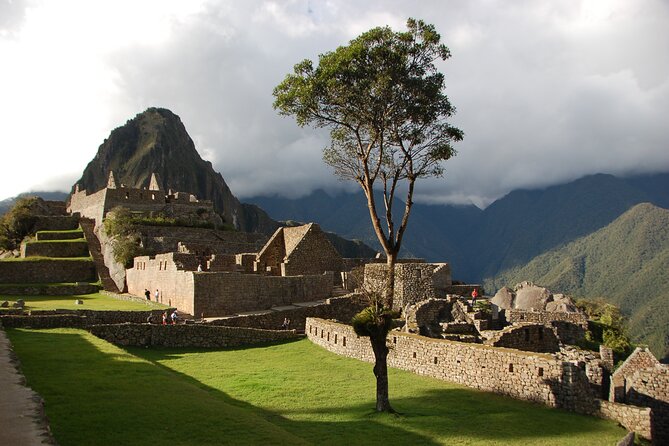
Your day starts with a Cusco welcome and airport-to-hotel drive if you arrive on the tour date. Then the city tour begins at 13:30, running until about 18:30, with hotel pickup in the afternoon. It’s a great first day because it gets you oriented without forcing a morning scramble after arrival.
The core stops are classic Cusco, and each one explains a different layer of the city:
- Koricancha (Temple of the Sun): This is where you can see how Inca spirituality and power were built into architecture.
- Palace and Convent of Santo Domingo: It helps you understand the Spanish-era overlay on top of earlier Inca sacred space.
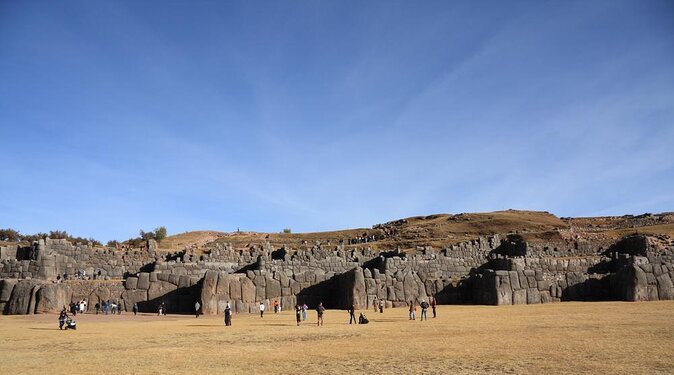
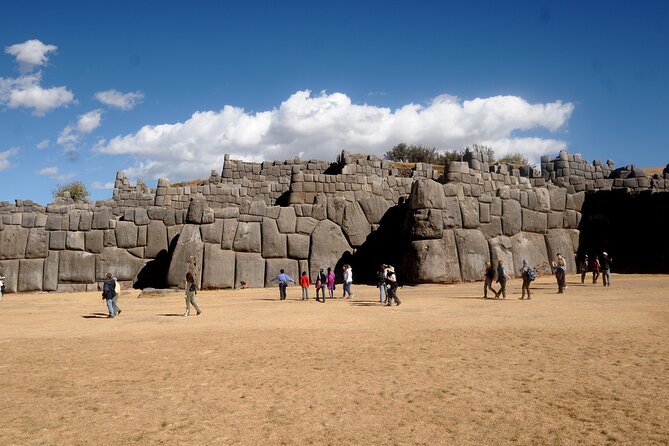
- Sacsayhuaman: Those massive stone walls are the showpiece, and the guide’s job is to explain how the design functioned, not just how it looks.
- Qenqo, Puca-Pucara, and Tambomachay: These add variety—ceremonial spaces, defensive-looking terraces, and water/ritual connections around the outskirts.
You’ll also have coca tea, a small but welcome detail after you’re settling into high altitude. It’s not magic, but it’s a good first ritual and helps you feel cared for right away.
The main consideration: afternoon timing means you’ll be doing more in a single stretch. If you arrive late or feel altitude-slow at first, take it easy during the morning, because the tour is set for you to go once it starts.
Sacred Valley Day 2: Pisac Views, the Inka Market, and a Real Lunch Break
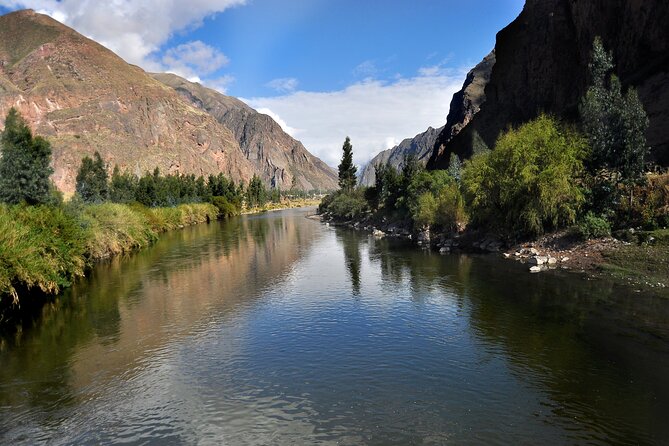
The Sacred Valley portion starts around 08:30, with hotel pickup in the morning. You travel over the Vilcanota River corridor, and the route is built around changing views—Pisac comes into focus as an old Inca city, not just a photo spot.
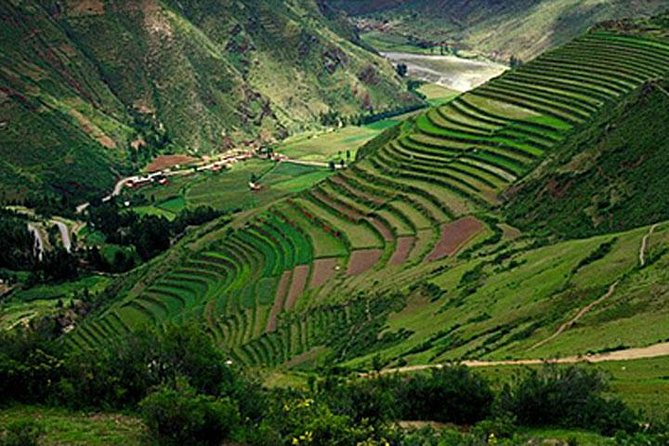
Pisac is where the day becomes both historic and human. You’ll stop in the area with a chance to visit the Inka market, where you can see everyday crafts and local trade. This is the part where you can actually talk with sellers, learn what’s being made now, and pick up souvenirs directly from the people working in the market.
Then you head toward Urubamba, along the Vilcanota borders, where your tour includes lunch at a restaurant in the Sacred Valley. A real sit-down meal is a big deal on an active day like this. Even if you don’t want to linger, it helps you keep your energy for the next leg.
What I’d watch for: bargaining expectations. The market can be fun, but keep it friendly and realistic. If you’re unsure about pricing, set a budget before you enter, then take your time comparing what you like.
Ollantaytambo Fortress: Narrow Streets and a Strategic Mindset
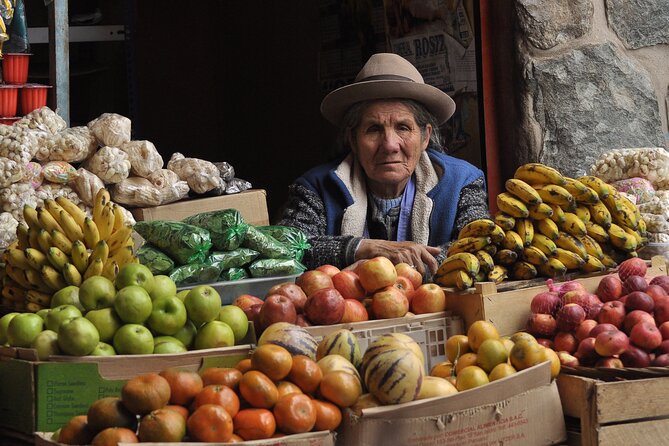
Later in the day you visit Ollantaytambo, described as a fortress and citadel guarding the valley entrance. What makes this stop click is how it blends the practical and the spiritual—built to defend, but also part of a bigger ceremonial and cultural system.
You get time to walk the narrow streets, which helps you understand it as a functioning town area, not just a monument. When a guide talks about how the Inca managed movement and threats through valleys, the place stops feeling like random ruins and starts feeling like a plan.
The tour keeps this day long but controlled: guided time, then enough walking to make it feel real, then back toward Cusco after. If you want the Sacred Valley to feel more than “a drive with stops,” this is the segment that delivers.
Machu Picchu Full Day: 04:00 Start, Train via Ollantaytambo, and a Guided Circuit
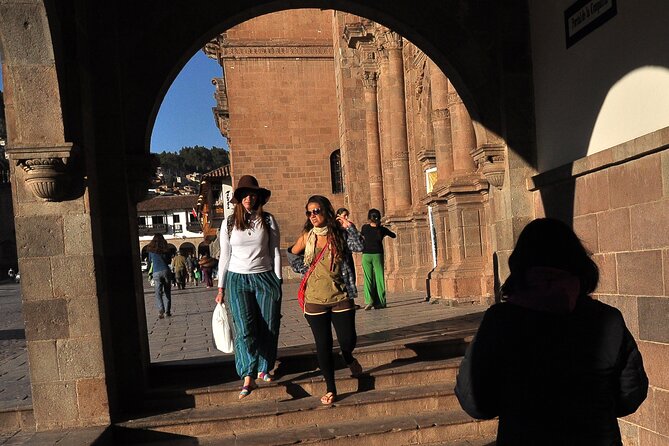
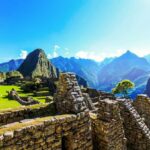
This is the day you came for, and the schedule reflects that. You’re picked up from your hotel around 04:00 and driven to the train station in Ollantaytambo. Then you take the train to Aguas Calientes.
A key practical detail: your guide meets you in Aguas Calientes and takes you to the bus station. The bus ride up is described as a zigzag path for about 30 minutes, which matches what you’ll feel when you arrive—steep, slow, and very worth it.
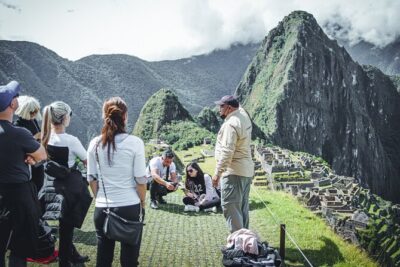
Once at Machu Picchu, there’s guided time right after entrance control. The guided tour runs around two hours and covers major areas such as:
- the main square
- the circular tower
- the sacred solar clock
- royal rooms
- the Temple of the Three Windows
- the cemeteries
After the guided portion, you get time to walk around the citadel on your own and to handle meals. The tour notes that you can eat in Aguas Calientes, and that dining at Santuary Lodge is an option but not included.
The biggest consideration is physical pace. Machu Picchu is not a sit-and-stare site. Even with a guide doing the explanation, you’ll be navigating uneven ground and stairs. If you’re the type who hates slipping on rocks, bring shoes you trust, and give yourself time between photo stops.
Also worth knowing: multiple guide experiences have been praised here, including Roger (called out as extremely competent and accommodating). Having a guide who explains what you’re seeing—without rushing—makes the difference between a checklist visit and a place you actually understand.


Price and Value: What $1,200 Covers (and Why It Can Be Worth It)
At $1,200 per person for roughly 4 days, this isn’t the cheapest way to do Cusco and Machu Picchu. But it’s also not trying to be budget-travel. The value comes from what’s bundled:
- 3 nights accommodation
- 3 breakfasts
- 1 lunch/buffet in the Sacred Valley
- Entrance tickets to Machu Picchu
- Official guide(s)
- Tour bus
- All transfers to hotel, airport, stations, and attractions
When you compare this to booking everything separately—hotel, airport or city transfers, trained guiding, and Machu Picchu tickets—the bundled approach often saves time and reduces the “who’s responsible for what” confusion. In a place where timing matters, saving a few headaches can be worth a lot.
What’s not included is also clear, and that’s important for budgeting:
- water or other drinks
- general meals beyond the listed included ones
So you’ll still spend money during the day, especially on water in the heat or sun. Plan for that, and you won’t feel surprised.
Where the Logistics Feel Smooth (and Where You Still Need to Be Ready)
This tour’s design is built around key transfers: hotel pickups, station coordination, and the chain from Cusco to train to bus to entrance. That’s the part you usually pay for when you hire a real operator rather than trying to DIY under pressure.
The guide-and-driver team aspect comes up strongly in positive feedback, and the theme is consistency: people describe punctual pickups, clear communication, and guides who answered questions patiently. Arturo is specifically mentioned as part of the organization and communication, which hints at a bigger point: you’re not left alone with maps and guesswork.
Still, you’re in the Andes. Even with smooth logistics, you’re the one doing the walking. Bring your patience for mountain travel times, and accept that the tour day starts when it starts.
Packing for Cusco Weather: Shoes, Rain Gear, Sunscreen, and Light Carry
The practical packing list matters because Cusco and Machu Picchu weather can shift fast. The tour recommends:
- light shoes or sneakers
- raincoat for rainy season
- long sleeves and long pants
- sunscreen and hats for sunny days
- binoculars (binoculares) if you like detail viewing
- sun glasses
- a light backpack per person
- medicines and personal items (including contact lens solution if relevant)
- camera/camcorder
I also suggest you keep a small amount of cash or euros/dollars on hand for small purchases. The tour notes having change can help.
Physical fitness: the plan is described as requiring moderate fitness. If you can handle stairs, uneven ground, and a long day, you’ll be fine.
Hotel Base and Meals: What You’ll Get, What You’ll Need to Budget
You’ll have 3 nights accommodation, plus 3 breakfasts at the hotel. In the Sacred Valley day, you’ll get one lunch/buffet.
For other meals, you’ll need to plan your own timing. The Machu Picchu day specifically gives you flexibility to eat in Aguas Calientes after the guided circuit. That’s helpful, because it means you’re not forced into one restaurant with limited choices.
And since water and drinks aren’t included, treat that as a budgeting line item. In the mountains, hydration is not optional.
Who This Tour Fits Best
This is a strong match if you want:
- a private tour experience without having to plan every transport link yourself
- guided context for Inca sites (not just wandering around)
- a structured plan that hits Cusco, Sacred Valley, and Machu Picchu in a tight window
It also works well for people who value organization. Several comments focus on communication and punctual timing, which matters when you’re juggling train schedules and entrance windows.
If you’re the type who wants full free time every day, you might feel “managed” rather than “exploring.” This route is designed for efficiency and good pacing, not for wandering with no structure.
Should You Book This Cusco Sacred Valley and Machu Picchu Tour?
If your goal is to see Cusco classics, get a solid Sacred Valley day, and visit Machu Picchu with a guided plan you can trust, I’d say yes—especially if you’re short on time and don’t want to fight logistics.
Book it if you appreciate:
- hotel pickup and transfers
- Machu Picchu tickets included
- trained explanations from guides like Gabriel, Francisco, and Roger
- a schedule that gets you to the big moments without last-minute scrambling
Skip it if:
- you want lots of unscheduled downtime
- you’re not comfortable with early mornings and a full long day on uneven ground
- you prefer fully DIY travel planning
For the right traveler, this is a clean way to get the headline sights with less stress and better context.
FAQ
Does the Machu Picchu entrance fee come with the tour?
Yes. Entrance tickets to Machu Picchu are included in the package price.
What time does the Machu Picchu day start, and how do you get there?
You’re picked up from your hotel around 04:00, then driven to the train station in Ollantaytambo. You take the train to Aguas Calientes, then use a bus to reach Machu Picchu (about a 30-minute zigzag ride), followed by a guided visit.
What Cusco sights are included on the first day?
The city tour covers Koricancha (Temple of the Sun) and the Palace and Convent of Santo Domingo, plus Sacsayhuaman, Qenqo, Puca-Pucara, and Tambomachay. The city tour runs from 13:30 to about 18:30.
What meals are included during the 4 days?
You’ll have 3 hotel breakfasts, and you’ll also have 1 lunch/buffet during the Sacred Valley day. Other meals are not included, and you’ll plan meals on your own (including after your Machu Picchu visit in Aguas Calientes).
Is this tour private?
Yes. It’s a private tour, and only your group participates.
What happens if the tour is canceled due to poor weather?
The experience requires good weather. If it’s canceled due to poor weather, you’ll be offered a different date or a full refund. For cancellations you initiate, the experience is described as non-refundable and not changeable for any reason.