REVIEW · CUSCO
Cusco: 4-Day Inca Trail to Machu Picchu with Accommodation
Book on GetYourGuide →Operated by Inkas Expeditions E.I..R.L. · Bookable on GetYourGuide
You trade the usual Cusco city shuffle for a fast-moving adventure toward Machu Picchu. This 4-day plan strings together altitude views, downhill biking, and real small-village time before the final citadel tour.
What I love most is the day-to-day variety: biking through cloud forest zones, plus a hands-on coffee-roasting session you’ll actually participate in. Another big plus is the small group feel (limited to 9), which makes the pacing feel human and the guide’s explanations easy to follow.
The one drawback to think about is effort and fit. You should be ready for long walking stretches and a very early Machu Picchu climb, and this trip isn’t suitable for pregnant travelers, wheelchair users, or people with back problems.
In This Review
- Key highlights at a glance
- Cusco to Machu Picchu: why this route feels different
- Day 1: 6:00 am pickup, Abra Málaga views, and a 50 km downhill bike run
- Day 2: Qhapaq Ñan walking, coffee roasting, and the Qellomayo-to-Santa Teresa pace
- Day 3: Hidroeléctrica lunch, the train tracks walk, and Aguas Calientes free time
- Day 4: 4:00 am climb to 2400 m, 2-hour guided Machu Picchu, then back to Cusco
- Guides make the difference (and names you’ll hear repeatedly)
- Where you sleep and what to expect from the accommodations
- Food on the trail: covered meals, plus real-world money tips
- Optional extras you might be offered (and how to budget them)
- Price and value: why $470 can make sense here
- Fitness and timing: who will enjoy this, and who might struggle
- What to bring so day 1 doesn’t feel miserable
- Should you book this 4-day Cusco to Machu Picchu experience?
- FAQ
- What time do you get picked up in Cusco?
- How big is the group?
- What’s included for meals and accommodations?
- Are Machu Picchu tickets included?
- Are the Cocalmayo thermal baths included?
- Do I need to buy transport up and down to Machu Picchu?
- What languages are the guides available in?
Key highlights at a glance
- Abra Málaga 50 km downhill bike ride: big views, real trail time, and safety gear included.
- Coffee roasting hands-on: you learn how it’s made, then you roast.
- Qhapaq Ñan section with viewpoints: plantation scenery and birdlife breaks along the way.
- Cocalmayo thermal baths option: a soothing payoff after a trekking day (tickets not included).
- Machu Picchu at 2400 m: an early uphill start plus a guided 2-hour tour of the key areas.
- Value-focused logistics: most meals, lodging nights, and Machu Picchu entry are covered.
Cusco to Machu Picchu: why this route feels different
If you only do the classic “walk all day” version of the Inca region, you miss how varied this part of Peru really is. This itinerary swaps some of that for a smart mix of walking, biking, and downtime, so you’re not just tired—you’re curious.
The other thing I like is that it doesn’t treat Machu Picchu like a separate planet. You spend days moving through the Sacred Valley, coffee and coca growing areas, and forest villages. By the time you reach Aguas Calientes and then the citadel, Machu Picchu feels like a destination you earned, not a ticket you scanned.
You can also read our reviews of more tours and experiences in Cusco

Day 1: 6:00 am pickup, Abra Málaga views, and a 50 km downhill bike run
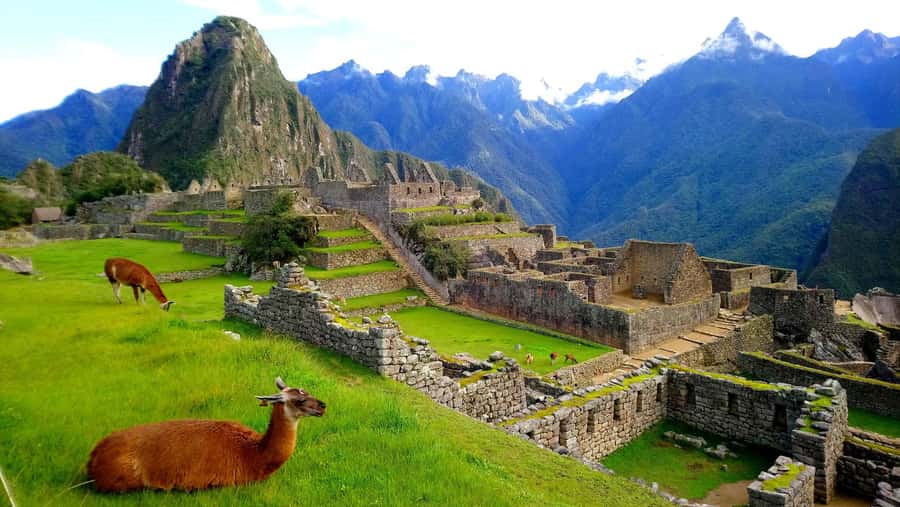
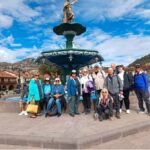
Your day starts early, with pickup from Cusco’s Plaza Mayor (Main Square) around 6:00 am. You’ll ride through Chinchero, Urubamba, and Ollantaytambo in the Sacred Valley. Even if you’ve seen pictures of the Sacred Valley, it’s a different experience from inside the bus window—patchwork farmland, changing altitudes, and the way the roads stitch towns together.
Then comes the real opener: Abra Málaga pass with views of Huacay Willca. After you get your biking gear—Kona bike plus elbow and knee pads, gloves, goggles, and a helmet—you begin a downhill journey through puna and cloud forest zones. The ride lasts about 3 hours and covers roughly 50 km.
What makes this day work (and why it’s often the favorite): the biking gives your legs a break while still letting you feel the Andes. You get motion, views, and momentum, and you’re arriving at ruins instead of just biking to a random stop. The ride ends near Huaman Marq’a ruins, then you shift from bike to the slower rhythm with a short van ride and walk down toward Santa María, where dinner and overnight time begin.
Sleep tonight happens in an eco-house in Pispitayoc, in the forest. This is the kind of stay that doesn’t aim to be fancy. It aims to be quiet, close to nature, and part of the trail story. In other words: you wake up ready for day two, not still wired from city noise.
Day 2: Qhapaq Ñan walking, coffee roasting, and the Qellomayo-to-Santa Teresa pace
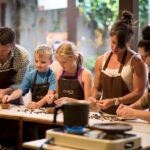
Day 2 starts with breakfast, and then you do something that sounds like a souvenir activity until you actually try it: coffee roasting. Your guide teaches you, and you participate—so by the time you’re sipping coffee later, you’ll understand the steps that get it there.
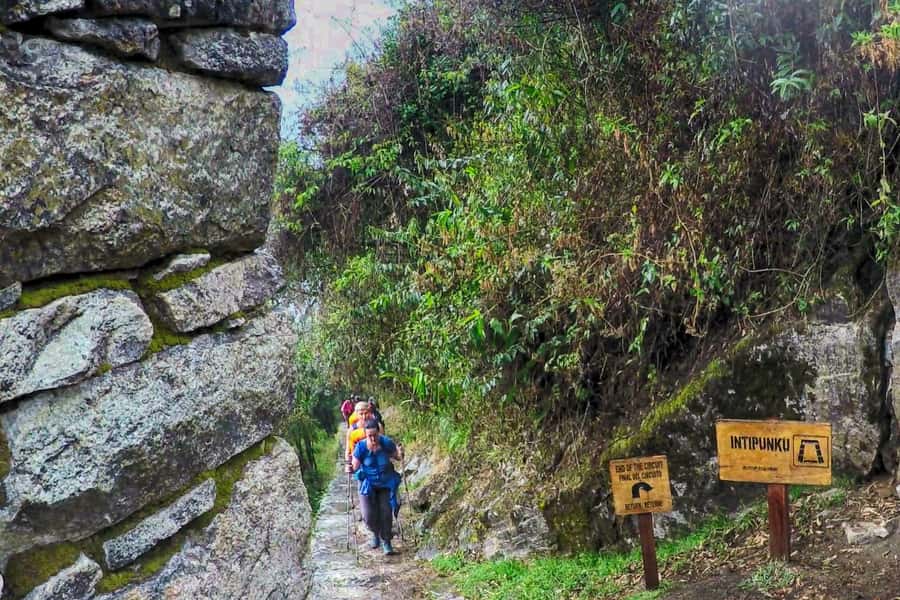
After that, the hiking follows part of the Qhapaq Ñan (the Inca road network). You’ll walk with changing scenery and plenty of plantation-side details. The route passes areas with coca, coffee, and fruit trees. You also get chances to spot different birds along the way, especially around viewpoint breaks.
At about 1750 meters, there’s the Huancarcasa viewpoint stop. This is one of the day’s resets: you catch panoramic views and get a breather before the trail continues. Then you descend to Qellomayo village at around 1200 meters for lunch.
The final leg to Santa Teresa is about 2 hours. You also have an optional detour to Cocalmayo thermal baths around 1450 meters. If you’re the type who likes to recover while seeing scenery, this is a great use of time. Just remember: the hot springs admission isn’t included, so have a little extra budget for it.
You arrive in Santa Teresa (about 1515 meters) for dinner and your second overnight stay. The vibe here matters. After a day of walking and learning, this is when you want warm food and a bed you can actually fall into.
Day 3: Hidroeléctrica lunch, the train tracks walk, and Aguas Calientes free time
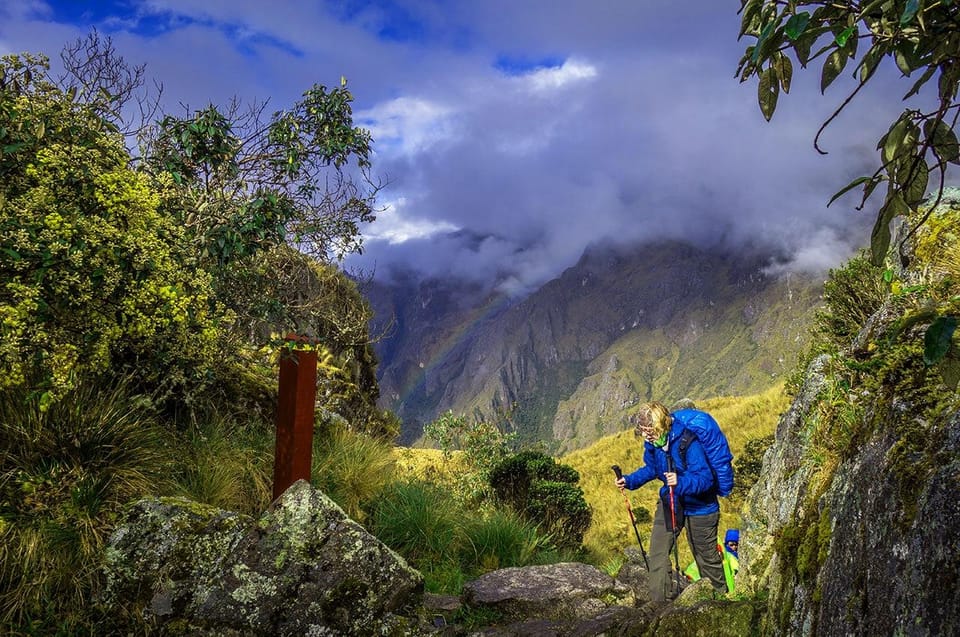
Santa Teresa breakfast kicks off day 3, then you head out into a mix of plantation terrain. The trek runs about 3 hours, again with coca and coffee in view. The day’s altitude change is noticeable: you reach Hidroeléctrica (around 1900 m), where lunch and a scheduled break take the pressure off.
From there, you follow the next stretch for about 3 hours along the train track corridor. It’s a practical walk—flatter than you might expect, steady, and built to bring you into Aguas Calientes (around 1950 m).
Once you arrive, the afternoon is yours. That’s not an accident. Aguas Calientes is small and tourist-focused, so having free time helps you reset, do laundry, wander for a little, and eat without feeling rushed. In the evening, you’ll gather with the group for dinner and a discussion about the upcoming Machu Picchu climb.
This day is also where you’ll feel the mental shift: you’re not “on the way” anymore. You’re in Machu Picchu mode. That means it’s worth sleeping well, even if your brain wants to stay awake and plan every photo angle.
Day 4: 4:00 am climb to 2400 m, 2-hour guided Machu Picchu, then back to Cusco
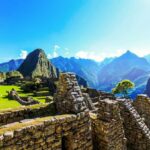
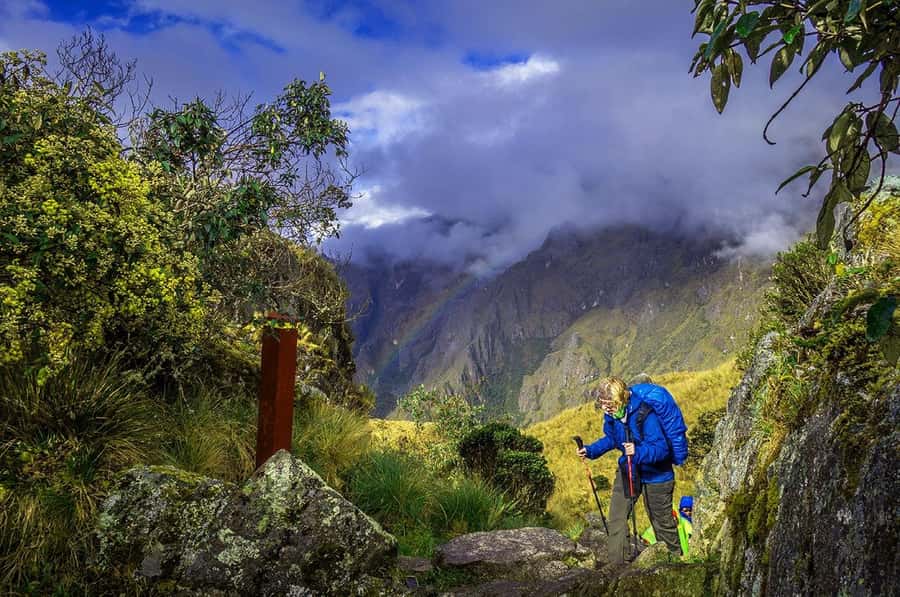
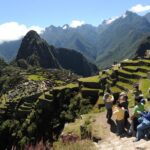
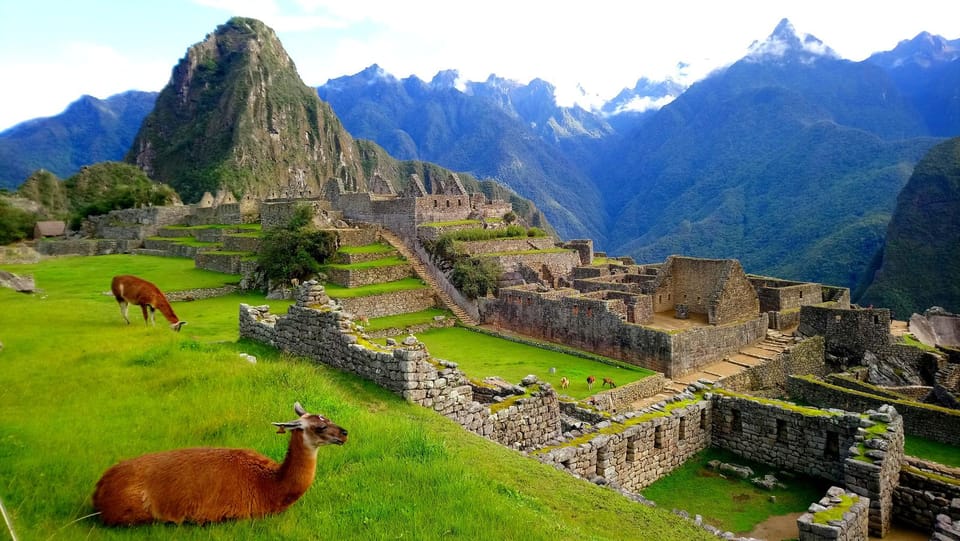
Day 4 starts at 4:00 am. You’ll hike up to Machu Picchu, reaching about 2400 meters, in roughly 1.5 hours. The timing is early for a reason: you want to beat the biggest crowds and let your first impressions land without squeezing your breath into a long line.
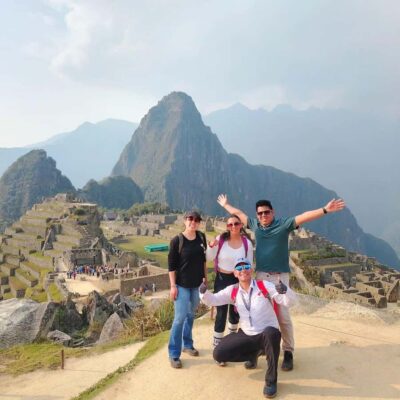
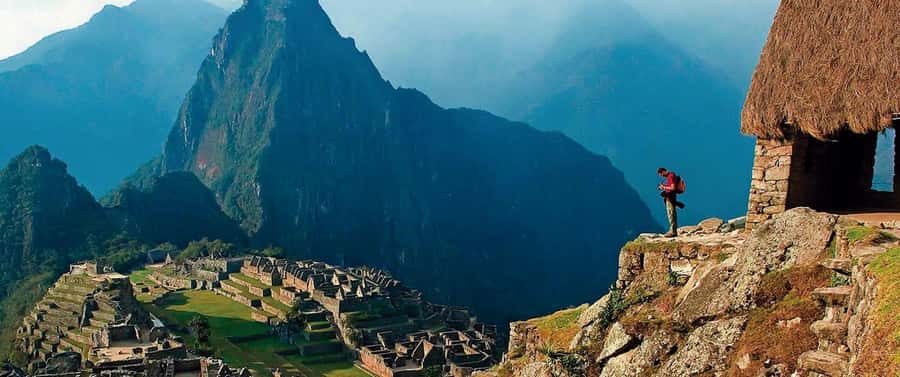
Once you arrive, you get a 2-hour guided tour covering the most significant parts of Machu Picchu. A good guide here matters a lot because the site is easy to admire and hard to fully understand on your own. Expect explanations that connect architecture, Inca thinking, and how the city works in the mountains. In past groups, guides such as Francis, Luis, Gerson, Amaru, Richard, and Guillermo have been singled out for making this experience feel personal and easy to follow.
After the guided portion, you’re on your own for exploration. This is where you can slow down: find viewpoints, linger by the places you liked most, and take your time walking the angles that feel right for your pace.
When you’re done, the logistics shift back into “get back down” mode. You return from Machu Picchu back to Aguas Calientes to collect belongings, then take the train to Ollantaytambo. A bus brings you back to Cusco, ending the service.
One note for your planning: the optional bus up/down to Machu Picchu isn’t included, so you’re mainly counting on walking and the core transport that is covered.
Guides make the difference (and names you’ll hear repeatedly)
This kind of trip can’t be run on good scenery alone. It needs a guide who can manage pace, answer questions, and keep the group moving safely.
In the experiences connected to this route, guides including Amaru, Francis, Luis, Gerson, Richard, Armando, and Gustavo come up often. The common thread is that they don’t just point at things. They explain what you’re looking at—whether it’s Inca culture, Andean nature, or the meaning behind small rituals you might encounter during the day.
Also, small-group size changes the feel. When you’re limited to 9 participants, you get more checking-in time. If someone slows down, the guide can actually adjust instead of racing the next schedule block.
Where you sleep and what to expect from the accommodations
This itinerary includes three different nights, each suited to the stage of the journey:
- Pispitayoc eco-house (forest stay) on night one
- Santa Teresa hostel on night two
- Aguas Calientes hostel on night three
I’d call these stays functional rather than luxury. The forest eco-house is the one that often feels most characterful. The closer you get to Machu Picchu, the more the accommodations trend toward basic. That’s not necessarily a dealbreaker—you’ll be tired, and you’ll likely prioritize hot showers and quiet over design details.
One practical thought: you’ll likely bring more enthusiasm than comfort expectations. That’s fine. The trade-off is you’re spending your time on real trail days and Machu Picchu, not in a hotel room.
Food on the trail: covered meals, plus real-world money tips
Meals are mostly handled for you: 3 breakfasts, 3 lunches, and 3 dinners are included across the days—though the first breakfast and the last lunch in Aguas Calientes are not included.
In other words, you shouldn’t arrive starving and you won’t spend every day negotiating meal stops. Guides also typically keep restaurant timing aligned with trek rhythm, which helps when the group is moving between towns at altitude.
Where you should plan for extra spending is mostly on the per-day incidentals: bottled water and add-on activities. Some stops you pass through can feel pricey for basic items, so bring cash and a small amount of flexibility. If you’re the type who hates running out, plan to carry your own refill strategy where possible. The itinerary does not promise water for every segment.
Optional extras you might be offered (and how to budget them)
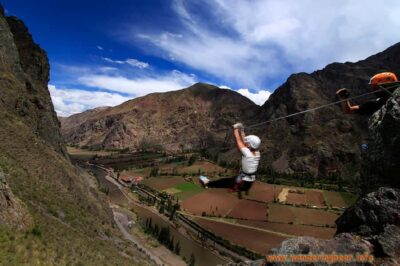
This route is built around a core set of included activities, but there are usually optional add-ons you can choose if you want more adrenaline. Based on experiences associated with this trip, people sometimes opt into ziplining and whitewater rafting for extra cost.
If you want them, treat them like add-ons you budget ahead of time. Also keep in mind that minor local fees can pop up for certain transfers tied to optional activities. Bringing a bit of cash helps you stay relaxed.
Price and value: why $470 can make sense here
At $470 per person for 4 days, you’re paying for more than a walking tour. You’re getting:
- guide support in English/Spanish
- pickup and return transport tied to Cusco and the main departure points
- a set of biking gear and a guided flow through multiple environments
- lodging nights in three separate towns
- most meals
- Machu Picchu entrance
- train back from Aguas Calientes to Ollantaytambo and the bus down to Cusco
The value comes from logistics. Machu Picchu entry and the timing around it is expensive and stressful to manage yourself—especially when you’re also coordinating lodging and getting down from the mountains. Here, the schedule is packaged so you’re not piecing together train times and ticket types while you’re already exhausted from trekking.
That said, you should budget for what isn’t included: Cocalmayo hot springs tickets, the bus up/down to Machu Picchu if you choose to use it, and your first breakfast/last lunch in Aguas Calientes.
Fitness and timing: who will enjoy this, and who might struggle
This is an active 4-day experience. The biking day is long and fast-moving, even if it’s downhill. The trekking days include viewpoint breaks and descents/ascents, and the Machu Picchu morning is a real early climb at altitude.
This trip is not suitable for pregnant travelers, wheelchair users, or people with back problems. If you have any chronic injuries, it’s worth being honest with yourself and your doctor before booking.
If you’re a regular walker and okay with early starts, you’ll likely enjoy it. Many people find the mix of biking and trekking helps prevent day-one burnout. You’re never hiking the entire time, but you still feel like you did something meaningful.
What to bring so day 1 doesn’t feel miserable
You’ll want the usual Peru trail basics, but also a few things that match the specifics of this route:
- Your passport or ID (a copy is accepted)
- A rain jacket is provided, but you’ll still want layers you can adjust
- Sunscreen and sun protection for the open areas around passes and viewpoints
- Comfortable day pack for water and personal items
- Cash for optional activities like thermal baths or zipline/rafting add-ons
Also: start adjusting your mindset early. The day 4 Machu Picchu climb is at 4:00 am. If you’re the kind of person who needs time to wake up slowly, plan that now.
Should you book this 4-day Cusco to Machu Picchu experience?
If you want Machu Picchu, but you also want the journey to be more than just hiking, I’d say yes. The Abra Málaga bike ride, the hands-on coffee roasting, and the small-group pace are exactly the combo that makes this route feel complete.
Book it if you:
- like a mixed itinerary (walking plus biking plus downtime)
- want most core logistics handled for you
- enjoy culture and nature stops, not only the final monument
Skip it or look for another option if:
- you need a very low-effort trip
- you have back issues, are pregnant, or need wheelchair accessibility
- you dislike early starts and uphill mornings
FAQ
What time do you get picked up in Cusco?
Pickup is from Cusco’s Main Square (Plaza Mayor de Cusco) at around 6:00 am on day 1. The guide will call your name and be wearing the agency jacket.
How big is the group?
The tour runs as a small group, limited to 9 participants.
What’s included for meals and accommodations?
The tour includes 3 breakfasts, 3 lunches, and 3 dinners, plus 3 nights of lodging: one eco-house night in Pispitayoc, one hostel night in Santa Teresa, and one hostel night in Aguas Calientes.
Are Machu Picchu tickets included?
Yes. Entrance tickets to Machu Picchu are included. The return train ticket from Aguas Calientes to Ollantaytambo is also included, along with the bus back to Cusco.
Are the Cocalmayo thermal baths included?
No. Access to the Cocalmayo hot springs is optional, and the tickets are not included.
Do I need to buy transport up and down to Machu Picchu?
The bus up and down to Machu Picchu is optional. If you use it, you’ll need to pay for it separately.
What languages are the guides available in?
The tour guide provides interpretation in English and Spanish (bilingual guide).
If you’d like, tell me your fitness level and whether you’re more into biking or pure hiking, and I’ll help you decide if this balance fits you best.