REVIEW · CUSCO
Choquequirao Trek 4 days and 3 nights
Book on Viator →Operated by TreXperience · Bookable on Viator
The first steep steps feel like a dare. This 4-day Choquequirao Trek (4 days and 3 nights) lets you reach the Inca lost city with a focused team and limited numbers, so the experience feels quieter than the usual big-crowd routes. What I like most: the round-trip transfers that start you fast in Cusco, and the fact your guide/chef/porter team handles the practical stuff while you just hike. One thing to think about: it’s a demanding route with long walking days and high points, so you’ll want a solid fitness base.
You leave Cusco early, then spend days dropping into and climbing out of the Apurimac area. You’ll camp along the way, wake up to sunrise views, and eventually get time at Choquequirao itself. The goal is simple: make the effort worth it, without turning the trek into a logistics project.
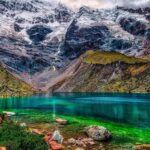
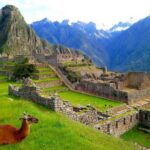
Most people come to Peru for the famous names. Choquequirao is the one that makes you feel like you earned it. The trek is challenging, yes. But the reward is the sense of space—huge views, dramatic canyon edges, and a ruins site that feels more personal once you’re there.
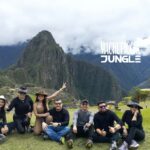
This particular version is built for comfort where it counts. You’ll have pick-up from your Cusco hotel (and your team will also coordinate from the airport as needed), a pre-departure briefing the night before at 6:00 pm, and an English-speaking guide to connect the scenery to what you’re seeing. Limited group size matters here too, because it changes the vibe. You’re not hiking “through” a crowd. You’re moving as a small unit.
At $698 per person, the cost can look steep at first glance. But it helps to break it down into what’s included and what that means on the trail:
- Round-trip transportation: you’re not arranging taxis, buses, or getting yourself back to Cusco.
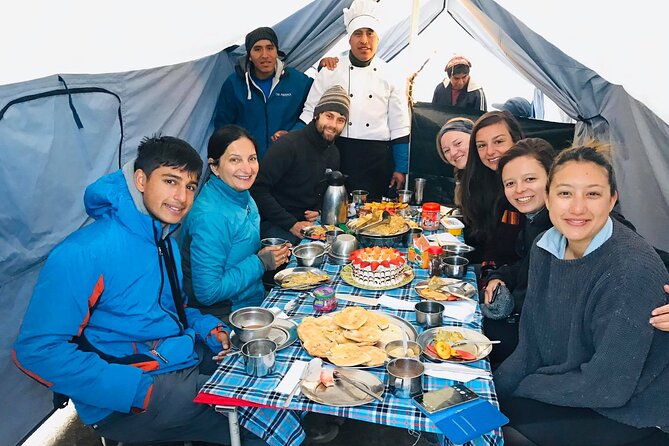
- Meals: breakfast and lunch each day, plus dinners. The trek also includes an on-trail chef who prepares meals.
- Camp support: you get a porter for personal items up to 7 kg, so your pack doesn’t turn into your entire day.
- Guided experience: you’re with professional English-speaking guides.
- Site access: admission tickets are included during the trek.
If you’ve ever tried to do a high-effort trek on your own, you’ll know how quickly costs pile up once you factor in permits, transfers, food, and gear. This package is priced like a real expedition setup, not like a bare-bones hike.
In This Review
- Day 1: Capuliyoc to Chiquiska, then Santa Rosa Camp
- Day 2: Marampata Area, More Descent, Santa Rosa to Camp
- Day 3: Choquequirao Citadel Day (Sunrise, Long Walk, Then Chiquiska Camp)
- Day 4: Capuliyoc Up-and-Over, Lunch, Then Saywite Rock
- Start time and how that changes your day
- Elevation and why “moderate” still feels real
- What you carry vs. what they carry
- Sleeping bag and trekking poles
- FAQ
- What time do we leave Cusco?
- How long is the trek and how many nights is it?
- What’s the highest elevation on this trek?
- What’s included in the price?
- Do I need to bring my own sleeping bag or trekking poles?
- Is vegetarian food available?
- Do I need a passport?
Day 1: Capuliyoc to Chiquiska, then Santa Rosa Camp
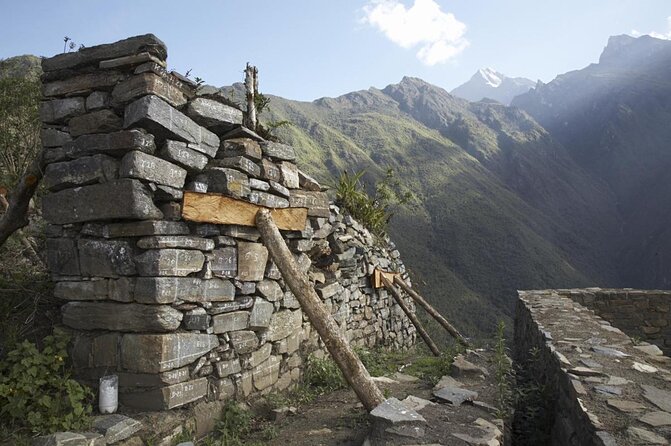
You start in Cusco between 4:30 am and 5:00 am. The early departure is not a gimmick—it gives you daylight and time to settle in before the long downhill section begins.
You drive across the Andes and reach Capuliyoc around 8:30 am, where you enjoy your first breakfast. From there, the trek begins with a downhill leg: about 4 hours downhill from roughly 9,550 ft (2,911 m) down to lunch at Chiquiska (about 1,893 m / 6,210 ft). This is the day you’ll notice the Apurimac canyon first—deep, dramatic, and different from the high Andes you left behind in Cusco.
After lunch, you continue down for another 2 hours to your first campsite at Santa Rosa (about 1,478 m / 4,849 ft). The hiking day is around 10.8 km / 6.7 miles with roughly 6 hours total walking time, and the difficulty is listed as moderate.
What it feels like: a “warm-up” that isn’t actually easy, because you’re adjusting to altitude drop and canyon terrain. But it’s a smart start. You’re getting big views early, and you’re not burning out on a long uphill on day one.
Day 2: Marampata Area, More Descent, Santa Rosa to Camp
Day 2 also starts with a 4:30 am–5:00 am departure from Cusco, arriving around 8:30 am. You begin at Capuliyoc with breakfast and then trek downhill again.
You’ll cover a similar main structure: down from Capuliyoc to Chiquiska for lunch, with canyon views on the way, then keep descending toward Santa Rosa for your second night. The plan lists the same core walking distance and elevation point structure: around 10.8 km / 6.7 miles, about 6 hours walking time, highest point around 2,911 m / 9,550 ft, and camp at 1,478 m / 4,849 ft.
Note the itinerary label for the day includes Marampata–Choquequirao. In plain terms: think of this day as “getting deeper” into the route where Choquequirao becomes your destination in both direction and mindset.
What it feels like: you’ll likely start to understand the rhythm of the trek—down to canyon, lunch break, keep moving, then settle into camp again. If day one taught you how your legs respond, day two is where you learn your pace.
You can also read our reviews of more hiking tours in Cusco

Day 3: Choquequirao Citadel Day (Sunrise, Long Walk, Then Chiquiska Camp)
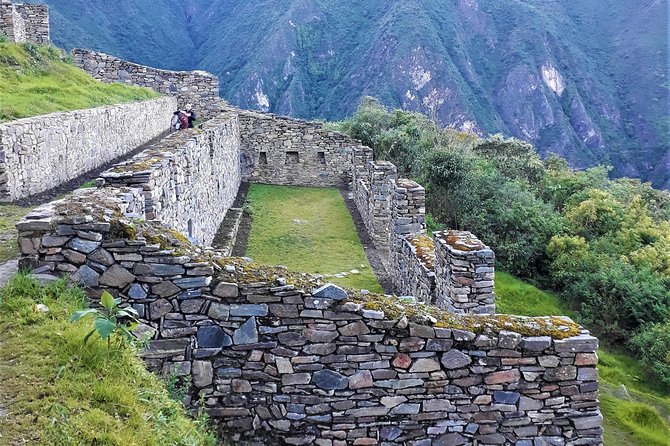
This is your big day. You wake up at the top viewpoint to watch the sunrise at the magic place—a moment that’s hard to replicate anywhere else, even if you’ve seen sunrise before.
After breakfast, you hike about 3 hours downhill to Santa Rosa for lunch (listed around 2,230 m / 7,300 ft). Then you continue: 2 hours downhill and 2 hours uphill before arriving at camp at Chiquiska (around 1,800 m / 5,905 ft).
The day’s distance is 8 km / 11.32 miles, with about 8 hours total hiking time. Highest elevation crossed is listed around 3,100 m / 9,300 ft. Difficulty remains moderate on paper, but this is the one day most people will feel most.
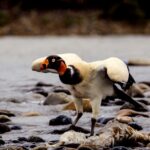
What makes it special: the plan sets you up to enjoy the area around camp with flowers, birds, and distant waterfalls. Even if you’re focused on the ruins, you’ll have time to enjoy the “in-between” moments—fresh air changing hour by hour, and that feeling of being in a place people don’t casually pass through.
Day 4: Capuliyoc Up-and-Over, Lunch, Then Saywite Rock
Final day equals payoff plus goodbyes. You get up, breakfast, then start your last 4-hour trek uphill to Capuliyoc for lunch. After that, you say goodbye to the team that carried you through the hard parts.
Then the route moves from “trail life” to “day trip” mode. You take private transportation to Saywite, described as a “mysterious rock.” You’ll have time to explore it before being dropped back in Cusco around 5 pm.
Walking time is listed around 8 hours total for about 8 km / 11.32 miles, with a highest elevation listed around 2,850 m / 9,407 ft.
What it feels like: you’ll finish with a tired-but-proud energy. Even if your legs are cooked, your brain will still be wired for photos, because you’ve earned a clean exit from the canyon trail.
This is one of those treks where your experience depends on more than your shoes.
Your team includes:
- An English-speaking guide
- A chef who prepares meals
- Porters (including a personal porter for your staff items up to 7 kg)
- Transportation handling
- A pre-departure briefing the night before at 6:00 pm
From real guide experience on this kind of trek, the difference is usually in pacing and calm. Names that stand out from past trips include Elias, Sebastian, and Gary as guides, plus support guides like Sergio. Chefs mentioned include Leandro, Balbino (called Chef Ratatouille), Oscar, Julio Cesar, Lucio, and Valvino. Horse/mule support has been described with Boris and porter teams who keep the camp running so you don’t have to think about it.
Why that matters for you: with a competent team, you get guidance when your body wants to slow down. You also eat better than you expect at altitude—real food, served cleanly, and often with variety. That’s not just comfort; it’s fuel for steep sections.
Meal expectations on treks are often low. Here, they’re clearly a point of pride.
This trek includes 4 breakfasts, 4 lunches, and 3 dinners, and your chef prepares them. Multiple past experiences highlight meals that feel fresh and varied (people specifically noted never eating the same meal twice). There’s also a vegetarian option, and you can note dietary needs at booking.
Practical tip: even when food is good, keep your hydration steady and treat lunch as a “charge-up,” not a snack. On a multi-day canyon trek, the temptation is to ration water because you’re busy walking. Don’t.
Start time and how that changes your day
A 4:30 am–5:00 am start means you’ll likely be picked up before dawn. If you hate early mornings, plan your evening in Cusco around it. Lay out clothes the night before. Use the briefing time to confirm what you’re carrying and what you’re leaving for the porter.
Elevation and why “moderate” still feels real
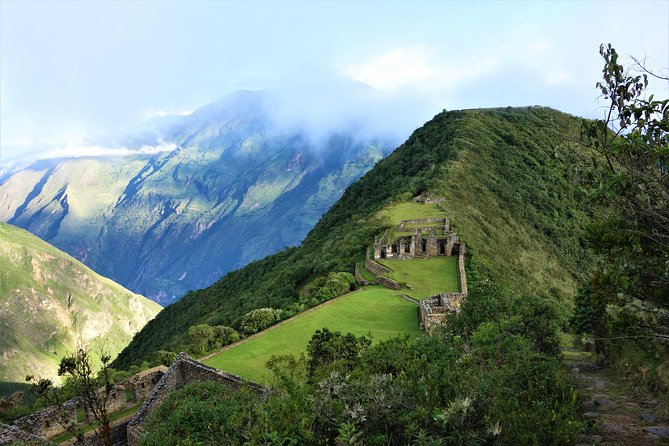
The highest point listed is around 3,100 m / 9,300 ft (with earlier references up to 2,911 m / 9,550 ft depending on the day). This is not the brutal high-altitude stretch you see on some Andes treks, but it’s enough to affect breathing and stamina.
On a hike like this, “moderate” usually means: you’re not doing constant steep climbing all day. Instead, you’re doing enough ups and downs to keep you working steadily. Your pacing matters more than your speed.
You can also read our reviews of more tours and experiences in Cusco

What you carry vs. what they carry
You’ll have a personal porter for up to 7 kg for your staff. That’s huge. It turns the trek from heavy-pack suffering into manageable hiking.
Still, you’ll likely want to bring a small daypack with essentials like water, layers, snacks, and sun protection.
Sleeping bag and trekking poles
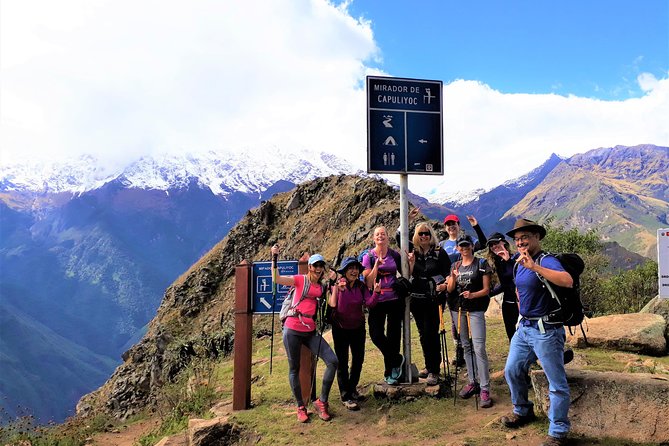
Sleeping gear is not included by default. Mattress, sleeping bag, and trekking poles are optional. The operator says they can offer guidance, so it’s worth asking early if you’re not sure what to rent in Cusco or what to bring from home.
This trek is built around two archaeological focus points:
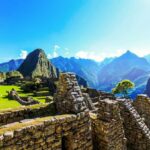
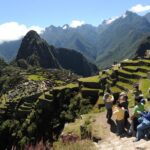
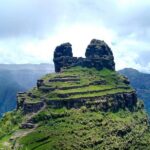
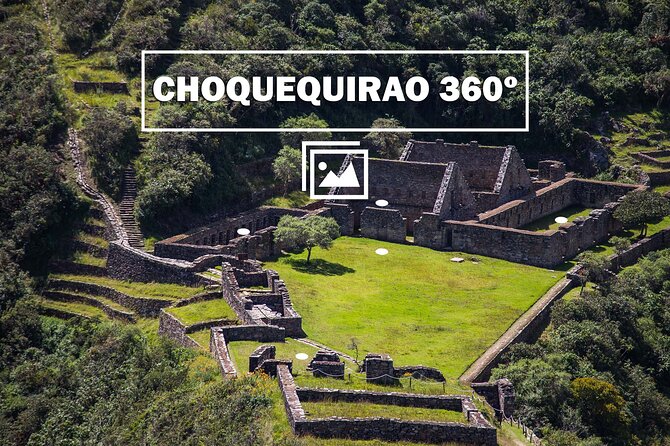
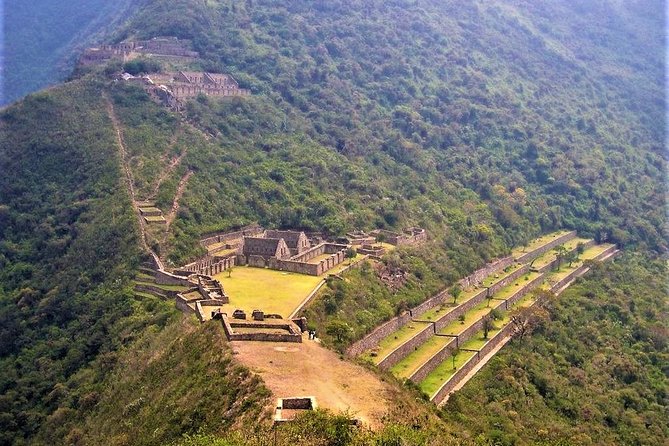
- Choquequirao Inca Citadel
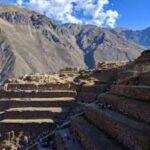
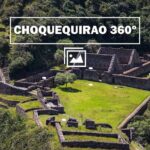
You’ll spend time near the citadel, including a sunrise moment on day three. That timing makes the ruins feel like part of the canyon’s rhythm, not just a stop on a checklist. Also, the trek’s structure is designed to get you there after the long descent effort, which usually makes people pay attention once they arrive.
- Saywite
On day four, you add Saywite after the uphill finish and lunch. You’ll have time to explore the rock site, then you’re back in Cusco by around 5 pm.
If you like ruins you can actually think about—rather than ruins you rush through—this structure fits well.
This trek is best for you if:
- You want a challenging but manageable multi-day hike.
- You value a small group and a strong team setup.
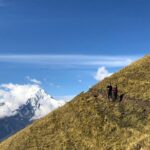
- You’re excited by being in the canyon zone with dramatic views of the Apurimac area.
- You prefer guided context, not just walking with a map.
It may not be the right fit if:
- You’re not comfortable hiking multiple long days with elevation changes.
- Early starts (4:30 am–5:00 am) will make you miserable.
- You want a totally car-comfortable experience. This is still a real trek.
I think you should book if you want Choquequirao in a way that feels structured, supported, and not overly chaotic. The biggest strengths for value are the included team (guide + chef + porter support), the meal setup, and the transportation that removes the planning headaches in Cusco.
If you’re choosing between “cheap” and “well-run,” this is the smarter bet. You’ll pay more, but the time saved and the comfort gained on the trail usually pay you back—especially after a long day down into the canyon and then out again.
If you’re the kind of traveler who enjoys earning the view, taking your time with a ruins site, and appreciating clean, hearty meals at altitude, this trek fits your style.
FAQ
What time do we leave Cusco?
Departure is scheduled between 4:30 am and 5:00 am each day, with drives arriving around 8:30 am at the start point for the hikes.
How long is the trek and how many nights is it?
It’s 4 days and 3 nights, with the walking spread across the four days and camping along the route.
What’s the highest elevation on this trek?
The highest elevation listed is about 3,100 m / 9,300 ft (and the itinerary references a high point around 2,911 m / 9,550 ft on earlier days).
What’s included in the price?
Included are round-trip transportation, a pre-departure briefing at 6:00 pm, a chef for meals, an English-speaking guide, pickup from your hotel (and coordination from the airport as needed), admission tickets, and breakfasts, lunches, and dinners. A porter carries personal items up to 7 kg.
Do I need to bring my own sleeping bag or trekking poles?
Mattress, sleeping bag, and trekking poles are not included. The operator says they can offer guidance on what to get or how to handle this.
Is vegetarian food available?
Yes. A vegetarian option is available if you advise the team at booking, along with any dietary requirements.
Do I need a passport?
Yes. A current valid passport is required on the day of travel, and passport details (name, number, expiry, country) are needed at booking.
If you tell me your hiking background (recent distances/elevation you’ve done) and whether you’re bringing trekking poles, I can help you sanity-check what to expect on your feet over the four days.