REVIEW · CUSCO
City Tour in Cusco & visit Museum South American Camelid
Book on Viator →Operated by Chullos Travel Peru · Bookable on Viator
Cusco is a city you feel in your bones. This half-day guided loop ties together Inca and Spanish Cusco with big-name ruins in a format that’s friendly to first-timers and altitude. You get a practical orientation fast, then hop between sites without wasting your energy.
What I really like is the focus on the places that shape how Cusco works—especially the Qorikancha area and the Sacsayhuamán viewpoints. The guide time is structured too, so you’re not just standing in the wind guessing what you’re looking at.
One thing to keep in mind: entrances are not included. If your Spanish/English expectations are high, also know guide quality can vary, so it helps to bring patience and ask questions if you miss a detail.
In This Review
- Key things I’d plan around
- Price and logistics: a cheap tour with one big caveat
- Meeting point near Plaza de Armas: your Cusco launchpad
- Stop 1: Plaza de Armas—how Cusco reboots itself daily
- Stop 2: Qorikancha (Temple of the Sun)—when ruins feel alive
- Stop 3: Sacsayhuamán—stone walls and big-air views
- Stops 4 and 5: Q’enqo and Puka Pukara—small sites with sharp purpose
- Q’enqo (about 30 minutes)
- Puka Pukara (about 30 minutes)
- Stop 6: Tambomachay—water temple vibes
- Is the South American Camelid Museum included?
- What the vehicle-and-walking mix really means
- Guide quality: why names matter in Cusco
- Altitude and pacing tips that actually help
- Who this tour is best for (and who should skip it)
- Should you book? My take
- FAQ
- How long is the Cusco city tour?
- Is this tour offered in the morning or afternoon?
- What’s included in the price?
- Are entrance tickets included for the archaeological sites?
- Where does the tour start and end?
- How many people are in the group?
- Is the guide bilingual?
- Which sites are on the route?
- Does this tour include the South American camelid museum?
- What are the cancellation terms?
Key things I’d plan around
- Bilingual guiding (English and Spanish) keeps the story moving even if your group has mixed comfort levels
- Max 15 travelers means it feels like a real tour, not a cattle ride
- Half-day route is efficient: a bit on foot, then mostly by air-conditioned van
- Entrance tickets aren’t included, so budget for site fees (often paid on arrival)
- Qorikancha + Sacsayhuamán are the heavy hitters on this route
- The experience title includes a South American camelid museum, so confirm where it fits in your day
Price and logistics: a cheap tour with one big caveat
At $11.70 per person for about 4 to 5 hours, this is priced like a smart budget play. You’re paying for a professional bilingual guide, an air-conditioned vehicle, and the info you’d otherwise piece together yourself. For Cusco, that can be the difference between seeing ruins and actually understanding why those stones matter.
Here’s the catch: entrance fees are not included. Cusco sites can add up quickly, especially if you start with the assumption that a “city tour” ticket covers everything. On top of that, one traveler specifically suggested carrying cash for a general/partial ticket plan: around 70 soles for the partial set that matches stops like Sacsayhuamán and other nearby sites, or 130 soles if you’re also planning a Sacred Valley day later. I’d treat that as a useful budgeting target, not a guarantee—confirm the exact fee logic when you’re there.
Also: the tour is designed to be flexible. You can choose a morning or afternoon slot, and it ends back at the meeting point near Plaza de Armas. That makes it easier to stack with other activities in Cusco without losing half your day.
You can also read our reviews of more city tours in Cusco
Meeting point near Plaza de Armas: your Cusco launchpad
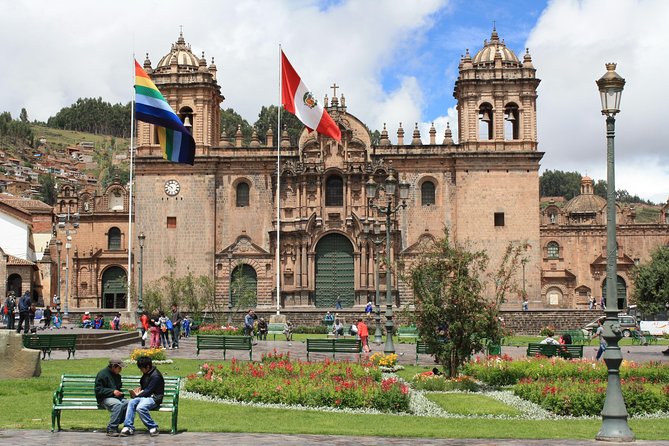
You start at Plaza de Armas de Cusco, with the meeting point listed at Del Medio 123. This is the best kind of start in a historic city: you’re already in the center, and you can orient yourself before the tour gets moving.
Practically, this helps on day one. Plaza de Armas is where most visitors end up anyway—so it’s easy to find, easy to regroup, and easy to grab a snack or water before you leave. The tour also has a clear finish: it returns you to the meeting point, so you’re not trapped across town at the end.
Timing-wise, plan like Cusco is real life. One review described a schedule change and confusion finding everyone. That doesn’t mean it will happen to you, but it’s a good reminder to arrive a bit early and double-check your exact pickup/meeting instructions after booking.
Stop 1: Plaza de Armas—how Cusco reboots itself daily
The tour kicks off with a look at Plaza de Armas. You’ll get an external description of the main square and, more importantly, a framing of how Cusco’s history plays out in the city you’re standing in.
Think of this stop as your mental map. Plaza de Armas is where the Spanish colonial city organizes itself, but it sits on top of deeper Inca rhythms. Even if you already walked through the square on your own, the guided explanation helps you connect the dots between streets, power, and the surrounding landmarks.
This is also the easiest moment to start asking questions. If you’re curious how the Incas used Cusco as a stage for ritual and governance, ask early—because the tour builds the story step by step from here.
Stop 2: Qorikancha (Temple of the Sun)—when ruins feel alive
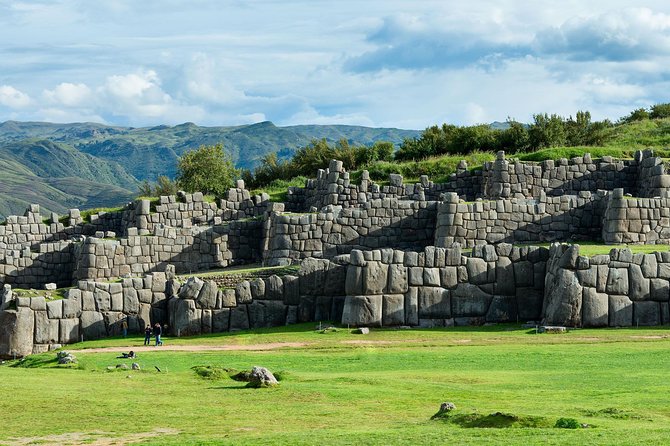
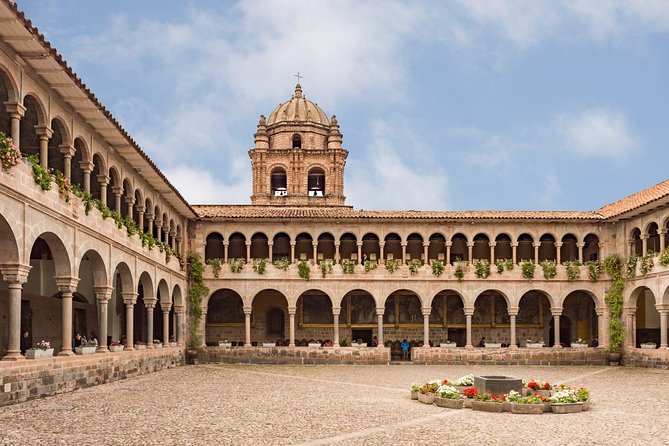
Next is Qorikancha, listed as both a museum and an archaeological site, with time set for the Temple of the Sun. This is one of the most important stops on the route for a simple reason: it’s a place where you can literally see layers of time.
You’ll spend about 45 minutes here. That’s enough to walk the space, take in the main elements, and listen to the guide’s explanation without feeling rushed. Since entrance is not included, you’ll want to budget for the ticket on site.
What I like about Qorikancha on a guided loop is how it sets up the rest of the itinerary. The guide’s Inca-versus-Spanish angle becomes clearer when you first see a sacred site that the Spanish era tried to reshape. After this stop, Sacsayhuamán doesn’t feel like just another ruin on a hill. It starts to feel like part of the same worldview.
Stop 3: Sacsayhuamán—stone walls and big-air views
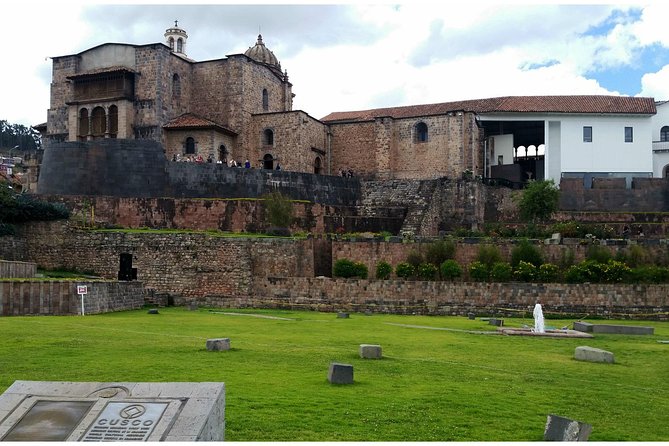
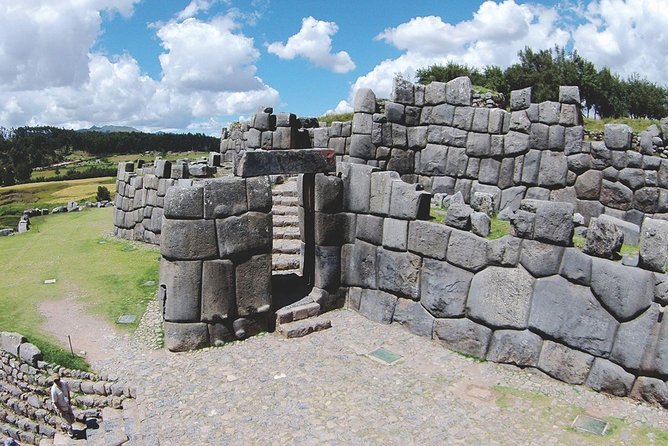
Then you head to Sacsayhuamán, with about 45 minutes on site. This is the destination most people picture when they think of dramatic Inca architecture around Cusco: the massive stonework, the strategic positioning, and the skyline views.
The tour format matters here. You’re not stuck walking long distances between ruins. The vehicle does the heavy lifting, and the guide structures your time once you arrive. That’s helpful in Cusco, where altitude can make an “easy walk” feel like a workout.
At Sacsayhuamán, I’d focus on two things while you’re there:
- How the stones fit together and how the site is laid out for sightlines
- What the guide explains about the role of Cusco’s Inca-era defenses and ceremonial functions
One review singled out a guide named Edwin for being excellent and a perfect “before Machu Picchu” lesson. Another praised Pavel for being punctual and for using the tour as a way to acclimatize. Whether your guide is Edwin, Pavel, or someone else, this stop is where you’ll likely get your biggest “aha” about Inca priorities.
You can also read our reviews of more museum experiences in Cusco
Stops 4 and 5: Q’enqo and Puka Pukara—small sites with sharp purpose
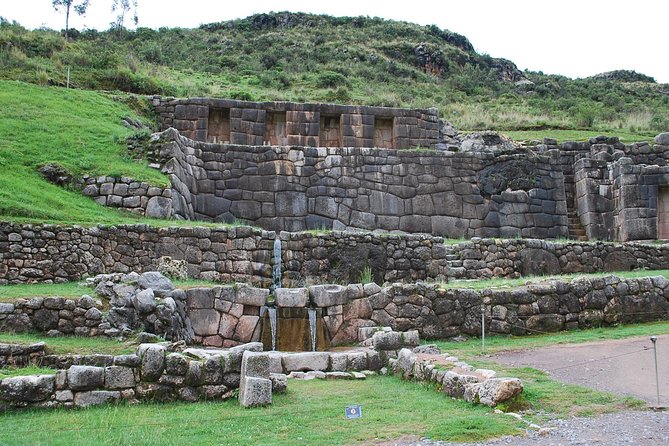
After the big energy of Sacsayhuamán, the tour moves to smaller archaeological stops.
Q’enqo (about 30 minutes)
Q’enqo gets around 30 minutes. It’s a place that rewards attention to detail. The guide’s job here is important: without context, it’s easy to see “rock shapes” and move on. With context, you start to understand why specific forms and alignments mattered.
Puka Pukara (about 30 minutes)
Then comes Puka Pukara, also about 30 minutes. Even though it’s not the most famous name on the route, it’s a good breather between stops. You get to keep learning without feeling like you’re constantly climbing.
These two stops work well back-to-back because they keep your momentum but don’t force all your effort into one exhausting location. On a half-day tour, that pacing is a real value.
Stop 6: Tambomachay—water temple vibes
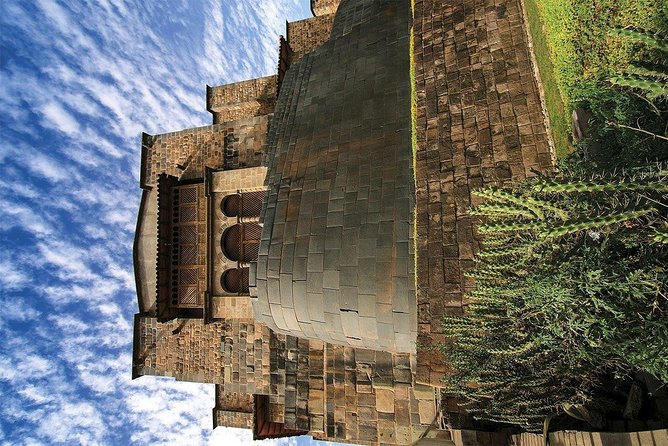
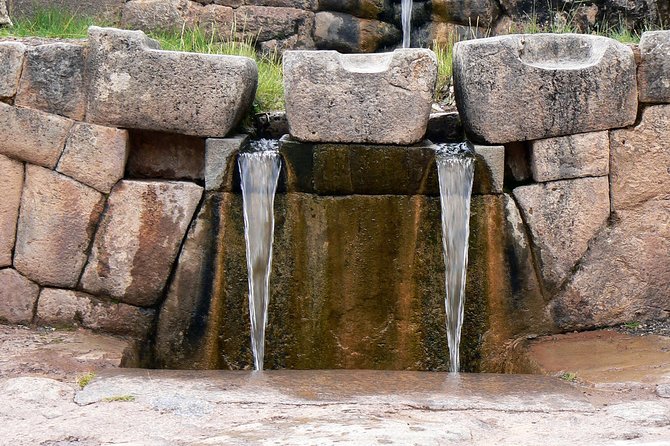
Finally, you’ll visit Tambomachay, described as a water temple, with about 30 minutes on site.
This stop is a nice shift in tone. After several stone-heavy places, Tambomachay’s focus on water and the way the site channels it makes the whole tour feel more varied. Even if you don’t catch every term, you’ll understand the gist quickly because the physical features do the teaching.
If you like your ruins to feel functional—not just scenic—this is where your brain clicks into place. It also helps to round out the day before you start back toward Plaza de Armas.
Is the South American Camelid Museum included?
Your booking title includes a Museum South American Camelid visit, but the schedule you’ll receive for this exact tour should show where that part lands. In the itinerary information provided here, the listed stops are Plaza de Armas, Qorikancha, Sacsayhuamán, Q’enqo, Puka Pukara, and Tambomachay.
So here’s the practical move: when you confirm your voucher, check the exact stop list for your time slot. If the camelid museum is part of your day, it may be added as a stop that doesn’t replace the main ruins—or it might shift timing slightly. Either way, don’t assume. Cusco tours can be flexible, and the only safe plan is the one printed on your ticket.
What the vehicle-and-walking mix really means
One thing this tour does well is efficiency. It’s essentially a bus tour with a measured amount of walking. One person noted that they visited one location on foot and were then bused to the different sites.
That’s good news if you’re:
- new to Cusco and still figuring out your altitude pace
- traveling with mixed mobility
- trying to see the big Cusco landmarks without turning the day into a hike marathon
But it also means you’re not going to get the deep, slow exploration you might find on a fully on-foot historical day. The trade is time for coverage. If you want maximum site-by-site detail, you’ll likely want a second, longer tour later. If you want orientation plus the key stops, this format is a strong fit.
Guide quality: why names matter in Cusco
Cusco guides can make or break the experience. In this case, the tour is set up as bilingual English and Spanish, and you’ll get a professional guide plus “all information” during the ride and at stops.
The name details from actual guides matter because they give you a hint about what to look for:
- Luis/Lucho was praised for being incredibly knowledgeable and a great fit if you want a clear Inca overview
- Regina was praised for explaining in both Spanish and English while keeping the group comfortable with the pace
- Edwin stood out for being excellent and for setting expectations well before Machu Picchu
- Pavel was praised for punctual timing and for helping with acclimatization
If you’re the type who asks follow-up questions, this tour can be a good platform. If you’re quiet and just want the big picture, it can still work well—just make peace with the idea that some explanations will land better depending on the guide’s English level.
Altitude and pacing tips that actually help
Cusco’s elevation is real. Even if the route is efficient, you’re still moving between levels and spending time at outdoor sites.
A few practical tips:
- Wear comfortable shoes that handle uneven stone
- Take water breaks when you can; don’t wait until you feel bad
- If you’re sensitive to altitude, plan this tour as a light day in your schedule
One review noted that the walking and climbing felt manageable for acclimatizing. That doesn’t mean it’s effortless, but it suggests the pacing can be friendly if you take it slow.
And since meals aren’t included, don’t arrive on empty. Grab a snack before you meet at Plaza de Armas so you can focus on the stories, not the growling stomach.
Who this tour is best for (and who should skip it)
This Cusco city tour is a great match if you want:
- a half-day orientation to Inca and Spanish Cusco
- the main archaeological sites around Cusco without committing to a full day
- bilingual narration and structured time at each stop
- an easy day between heavier travel plans
It might be less ideal if:
- you’re chasing museum-level detail at every site
- you prefer private tours where you control pacing and questions
- you want guaranteed inclusion of the camelid museum unless your voucher confirms it
Should you book? My take
If you’re spending limited time in Cusco and want the key sights connected by clear explanations, I’d book this. The price-to-time ratio is strong, and the route hits the most important anchor points like Qorikancha and Sacsayhuamán.
Just do one thing before you pay final attention: budget for entrance fees, and confirm whether the South American camelid museum is truly part of your exact schedule. If you get those two pieces right, this tour is a smart way to get oriented and set yourself up for deeper Cusco adventures afterward.
FAQ
How long is the Cusco city tour?
It runs about 4 to 5 hours.
Is this tour offered in the morning or afternoon?
Yes. You can choose a morning or afternoon tour to fit your schedule.
What’s included in the price?
You get a professional bilingual guide, an air-conditioned vehicle, and the information provided during the tour.
Are entrance tickets included for the archaeological sites?
No. Entrance tickets are not included.
Where does the tour start and end?
It starts at Plaza de Armas de Cusco (meeting point listed at Del Medio 123) and ends back at the meeting point.
How many people are in the group?
The tour has a maximum of 15 travelers.
Is the guide bilingual?
Yes. The tour is described as bilingual in English and Spanish.
Which sites are on the route?
The itinerary includes Plaza de Armas, Qorikancha (Temple of the Sun), Sacsayhuamán, Q’enqo, Puka Pukara, and Tambomachay.
Does this tour include the South American camelid museum?
The experience title includes a South American camelid museum, but the specific itinerary shown lists several Cusco stops. Check your voucher for how it fits into your day.
What are the cancellation terms?
You can cancel for a full refund if you cancel at least 24 hours before the experience’s start time.