Cusco can feel like a blur at first. This tour strings together five major Inca sites with clear guidance, so you start understanding how the city’s power worked. I love the stop-by-stop explanations that tie each place to Inca life, not just stonework. I also like that the route is run with private transportation and a small group feel. The one catch: most archaeology entrance fees are not included, so you should budget a bit more than the $32.
If you’re lucky, your guide will bring real energy. On this circuit, I’ve seen guides like Jhonny, Victor, Saul, and Jorge described as especially good at keeping the pacing friendly and the history understandable, and one group even had a silly inside joke about Richard saying hi to Johnny Walker.
The tradeoff for a smooth 5-hour intro is that you won’t linger for long at each stop. You’ll get a solid guided visit at every site, but you’ll still want to plan extra time elsewhere if one location really hooks you.
In This Review
- Key takeaways before you go
- A smart first-day loop through Cusco’s Inca power centers
- Meeting at Plaza de Armas and the 5-hour rhythm
- Qorikancha: Inca sun walls under Spanish ceilings
- Saqsayhuamán: giant carved stones and ceremony in the open air
- Q’enqo: ritual chambers carved into rock
- Puka Pucara: a red military fortress with defensive logic
- Tambomachay: the Baño del Inca and hydraulic engineering
- Price and tickets: what your $32 covers (and what it doesn’t)
- Guides, the oxygen ball, and how to get the most out of the day
- Should you book this Cusco city tour?
- FAQ
- How long is the City Tour Cusco?
- Where does the tour start and end?
- Which sites are included in the tour?
- Is the cost of archaeological entrances included in the $32 price?
- What is included in the tour price?
- How large is the group?
- When does the tour operate?
- What is the cancellation policy?
Key takeaways before you go
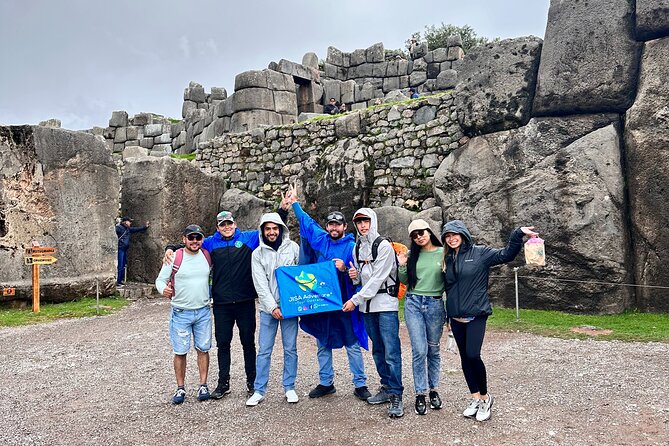
- Small group (max 12): enough space to hear the guide, without feeling like a herd.
- Five big sites in one loop: Qorikancha, Saqsayhuamán, Q’enqo, Puka Pucara, and Tambomachay.
- Guides like Jhonny and Victor: people highlight clear explanations and a fun, attentive vibe.
- Oxygen ball included: a comfort item that can help some people early in a Cusco trip.
- Start and end at Plaza de Armas: easy anchor point for first-day navigation.
- Tickets extra: entrance costs for the archaeological centers (and Qorikancha) aren’t bundled into the $32 price.
A smart first-day loop through Cusco’s Inca power centers
This is the kind of Cusco tour that helps you sort the story fast. Instead of seeing one site in isolation, you visit places that represent different sides of Inca life: religion, ceremony, fortification, and water rituals. The route also has a practical flow, moving you through the outskirts and back to the center without making your day feel like you’re stuck on the road.
What I like about this loop is how it teaches you to read what you’re looking at. At Qorikancha, you’re comparing Inca and Spanish building styles. At Saqsayhuamán, you’re looking at massive stone cutting and defensive planning. At Q’enqo and Puka Pucara, you’re seeing ritual spaces and a red military fortress. And at Tambomachay, you’re learning why water engineering mattered. It’s not “random sightseeing.” It’s a guided overview of the city’s old mindset.
One note: Cusco altitude can make your legs feel slower than usual. This itinerary is built around guided chunks—about an hour at most stops—so you’re not constantly deciding where to go next. That structure is a big help on Day 1.
You can also read our reviews of more city tours in Cusco
Meeting at Plaza de Armas and the 5-hour rhythm
The tour begins at Plaza de Armas (Cusco) and ends back there. That’s a blessing if you’re new in town, because you don’t have to solve transport logistics before or after. You also get private transportation, so you’re not jumping between buses or hunting for shared shuttles while you’re still figuring out the altitude.
Timing is straightforward. The overall duration is about 5 hours, and most stops include guided time of roughly an hour. Qorikancha is shorter (about 45 minutes), then you move to the fortress sites and ritual locations with short drives in between. That pacing usually feels right for a first tour: enough time to learn, not so long that you run out of energy.
Group size matters here. With a maximum of 12 travelers, you’re less likely to get lost in the back. The guide can usually keep attention on the key features and still answer quick questions.
What to consider: because it’s a “multiple stop” design, you’ll be walking and climbing in short bursts at several archaeological areas. If you’re dealing with limited mobility or you tire quickly at elevation, you may want to pace yourself and bring a realistic attitude: you’ll see a lot, but you won’t do “wandering for hours” at one spot.
Qorikancha: Inca sun walls under Spanish ceilings
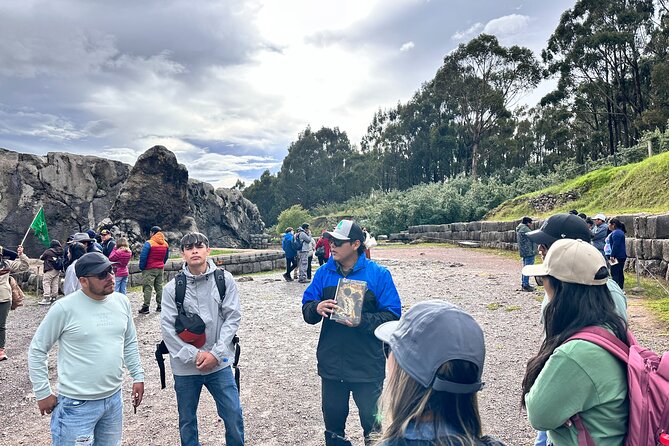
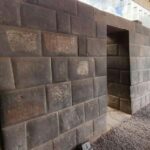
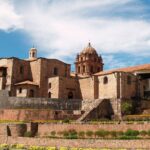
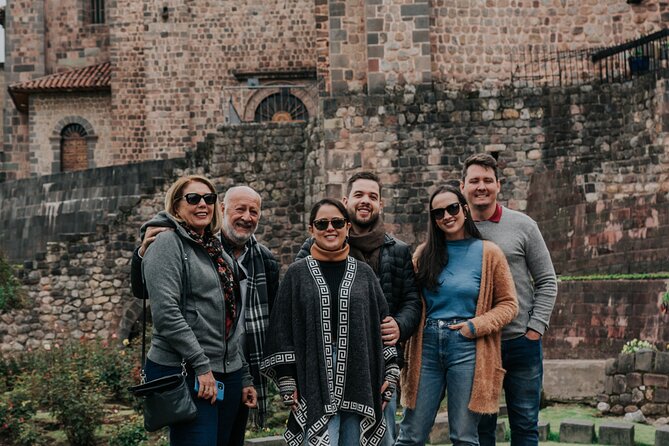
Your first stop is Qorikancha (Temple of the Sun). This is one of those Cusco places where the stones tell two stories at once. During the visit (about 45 minutes guided), you’ll see the fusion of Inca design and Spanish colonial architecture, and your guide should connect what you’re seeing to why the site mattered.
Why this stop works so well early in the day: it gives you a reference point for how Cusco’s sacred spaces changed over time. The Inca worldview and the later colonial overlay aren’t presented as separate chapters—they’re shown as layered history you can literally walk through.
You should also plan for the budget reality. Qorikancha entrance is not included in the base price, so you’ll need to pay on the spot. The tour package notes an additional $7 for Qorikancha. (More on ticket budgeting later.)
Practical tip: since this is your opening visit, it’s a good time to ask your guide to point out what to look for—stonework transitions, angles, and how the site’s layout supports its religious role. If you want photos, this is also where you’ll get the classic “before/after” architecture feeling.
Saqsayhuamán: giant carved stones and ceremony in the open air
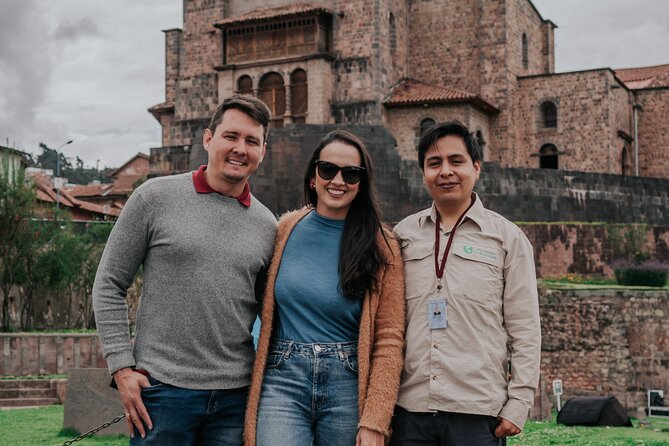
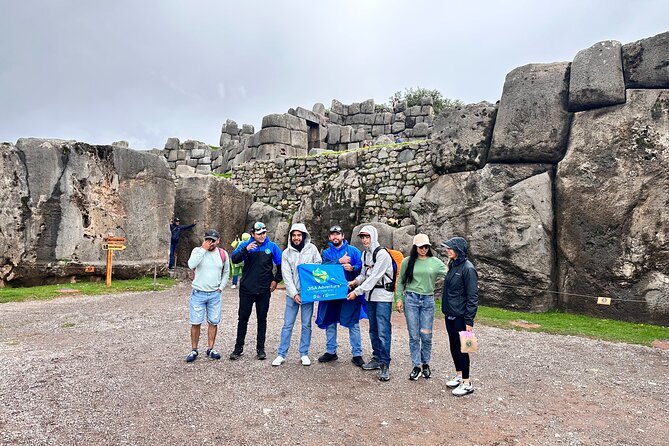
Next up is Saqsayhuamán, described as an impressive Inca fortress. You drive for about 20 minutes and then settle into about an hour of guided exploring.
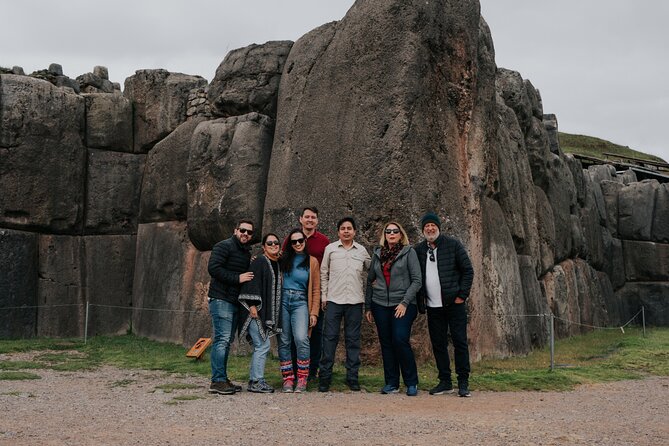
This is where the tour turns from “what it symbolizes” into “how it’s built.” You’ll look at enormous carved stones and imposing walls. The guide should explain Inca construction techniques and the site’s historical and ceremonial importance. Even if you’re not a stone nerd, you can feel why a fortress like this would matter: it’s massive, intentional, and clearly meant to project power.
A big bonus here is the sense of place. Fortresses on the hills around Cusco usually come with sweeping views, and that matches what people highlight as a standout part of this tour. If you’re prone to photos, this is one of your best chances to capture the scale.
Possible drawback: Saqsayhuamán involves uneven terrain and outdoor walking. If you’re coming in with a sore back, stiff knees, or you’re still adjusting to altitude, slow down early. The site is better when you take your time and let the guide show you how to look.
Q’enqo: ritual chambers carved into rock
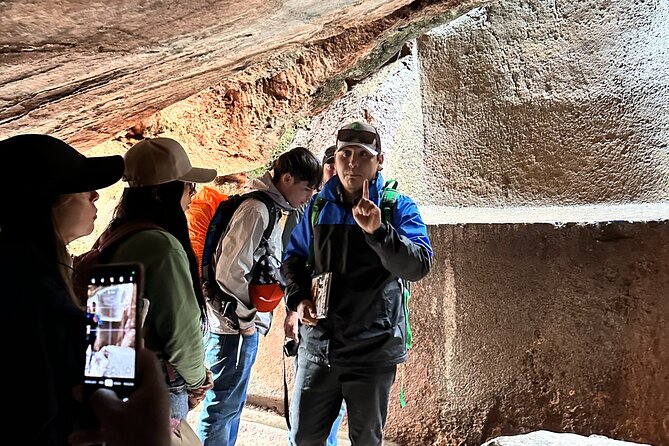
Then you head to Q’enqo, a ritual center on a rocky outcrop. The visit includes about one hour guided, and the focus is the “mysticism” of the place—especially the underground chambers and altars carved into the rock.
This stop is a reminder that Inca engineering wasn’t only about building walls or defenses. It also showed up in sacred design. Your guide should connect the site to Inca rituals and the worldview expressed through what people did there.
If you like places that feel slightly atmospheric, Q’enqo tends to hit that note. The form of the site—rock cut spaces and carved altars—makes it easier to understand that this wasn’t just decoration. It was a functional part of ceremonies.
Practical consideration: because this is rock-carved and partially enclosed, lighting conditions can vary. If you’re hoping for clear photos, follow your guide’s lead on where the best angles are, and don’t waste too much time hunting alone.


Puka Pucara: a red military fortress with defensive logic
After a short 15-minute drive, you reach Puka Pucara, a military fortress. Again, you’ll get about one hour guided, and the attention here is on function: the defensive and strategic purpose of the red construction during the Inca Empire.
What makes this stop useful on the same day as the ritual sites: it balances the story. You’ve already seen sacred space and ceremony. Now you’re seeing the side of the empire that planned for conflict and controlled territory.
You’ll likely get a clearer mental map of why the fortress locations around Cusco mattered once you’ve seen both the fortification logic (Saqsayhuamán) and this more specific defensive site (Puka Pucara). Think of it like two chapters of the same book: one broad and one focused.
This is also a good stop if you enjoy architecture that looks almost otherworldly due to color. The “red fortress” description isn’t just a marketing line—it’s visually memorable, and it gives your brain an easy handle for remembering where you are.
Tambomachay: the Baño del Inca and hydraulic engineering
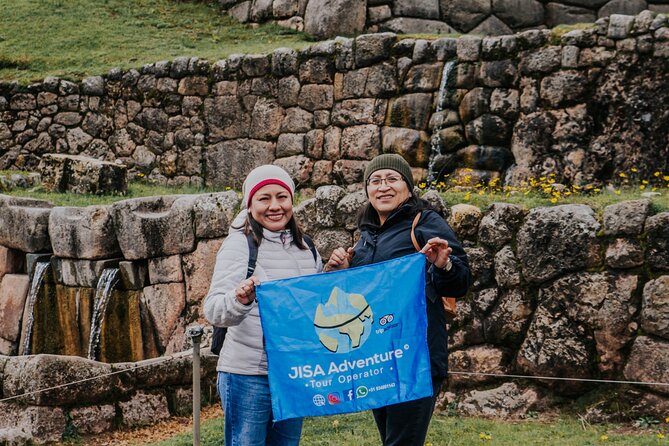
Your last stop is Tambomachay, also known as the Baño del Inca. Expect about an hour guided. This is the water and ceremony stop, tied to water worship and rituals.
Here, the value is in the details: you’ll appreciate the stone fountains and canals that demonstrate advanced Inca hydraulic engineering. Even if you don’t know the technical terms, the physical system makes the point. The Incas didn’t treat water as luck. They treated it as something you could design, shape, and control.
This stop tends to be a great “finish strong” moment because it slows the pace slightly. After forts and rock-cut ritual spaces, it’s refreshing to focus on water channels and the way stone was shaped to guide flow.
As with other sites, there’s walking involved, but it’s more about taking in the layout. When the guide connects the engineering to the spiritual role, the whole visit clicks.
Price and tickets: what your $32 covers (and what it doesn’t)
The base price is $32 per person, and what you’re really buying is the structure: official tourism guide plus private transportation plus an oxygen ball included in the tour package. That’s not nothing, especially in Cusco where logistics can eat up time.
But you should treat this as a guided circuit with additional ticket costs at the archaeological sites. The tour notes:
- Tourist Entrance: $25 (listed as a partial ticket for archaeological centers)
- Qorikancha entrance: $7
So a realistic budget might be close to the same order as the tour cost once you add entrances, plus tips. Tips aren’t required by the listing data, but they’re always part of the reality of guided travel.
How to think about the value:
- If you already have archaeological tickets and you just need transportation and a guide, this can be a great deal.
- If you still need to buy entrances, you’re paying for convenience and interpretation. The guide helps you understand what’s worth noticing instead of just taking photos and moving on.
In plain terms: the $32 is the service fee for a full morning-style introduction with transport and interpretation, not a “skip-the-gates” package.
Guides, the oxygen ball, and how to get the most out of the day
One of the biggest strengths of this tour is the guide experience. People specifically mention names like Jhonny and Victor, and also Saul, Jorge, and Elvis in connection with other tours. The common thread: guides are praised for explaining history well and keeping energy up without making it feel chaotic.
That matters because Cusco sites can be overwhelming. Stone walls look similar until someone points out what’s important. The best guides help you “see” the site in layers: layout, construction, purpose, and timing. On this route, that layered approach is basically the whole point.
About the oxygen ball: it’s included, which tells me the operator knows some people feel the altitude early. You should still listen to your body and take it slow, but having that comfort item in your tour kit can make the first hours easier.
Simple way to use the day smartly:
- Go easy in the first stop. Don’t sprint your photos.
- Let the guide lead your walking pace.
- If you feel winded, stop, breathe, and regroup before moving on.
- Ask one good question early. Your guide can often tailor explanations once they know what you care about.
Also, keep an eye on the day’s vibe. One group joke—Richard saying hi to Johnny Walker—shows how guides sometimes create a relaxed atmosphere. That’s a small detail, but it matters when you’re traveling at altitude and want your first-day sightseeing to feel like a conversation, not a lecture.
Should you book this Cusco city tour?
I’d book this if you want a first-day Cusco intro that covers the key Inca sites in one tight loop with private transportation and a small group size. It’s especially worth it if you like guided context—when you understand what you’re looking at, these places stop feeling like random ruins.
Skip it or pair it with more time elsewhere if:
- you hate walking at multiple archaeological sites in one day,
- you know you’ll want a longer, slower visit to just one stop,
- or you don’t want to deal with extra ticket costs on top of the $32.
If you’re planning your Cusco trip, this tour is a solid way to get oriented fast, then use the rest of your time to return to the site that grabbed you most.
FAQ
How long is the City Tour Cusco?
The tour lasts about 5 hours.
Where does the tour start and end?
It starts at Plaza de Armas, Cusco, and ends back at the same meeting point.
Which sites are included in the tour?
The route includes Qorikancha, Saqsayhuamán, Q’enqo, Puka Pucara, and Tambomachay.
Is the cost of archaeological entrances included in the $32 price?
No. The tour price does not include entrance fees. The tourist entrance is listed as $25, and Qorikancha entrance is $7.
What is included in the tour price?
Included items are an official tourism guide, private transportation, and an oxygen ball.
How large is the group?
The tour has a maximum of 12 travelers.
When does the tour operate?
The schedule lists opening hours Monday–Sunday from 12:00 AM to 6:00 PM, and it shows availability from 09/03/2023 to 12/08/2026.
What is the cancellation policy?
It is non-refundable and cannot be changed for any reason.