REVIEW · CUSCO
Classic Inca Trail 4 Days to Machu Picchu
Book on Viator →Operated by Vidal Expeditions · Bookable on Viator
Four days, one big Inca stairway. This trek strings together Llactapata, the famous Inca Trail passes, and a first sunrise-style view from Inti Punku (Sun Gate) before you spend real time inside Machu Picchu.
I love that the trip is guided all the way, with a professional bilingual guide giving explanations at the sites instead of just dropping you off. I also like the camp setup: porters and a cook handle the shared gear, and you get all your meals on the trail.
One consideration: the physical demand is real. Day 2 hits the highest pass at 4,216 meters, and you’ll also sleep at about 3,600 meters—so you’ll want solid cardio and respect for altitude.
In This Review
- Key things to know before you go
- What You Get for the $820 Price Tag
- Your Trekking Fitness Math: Passes, Time, and Altitude
- Day 1: Llactapata Archaeological Zone and That First Inca Setup
- Day 2: Inca Trail Day to the Highest Pass (4,216m)
- Day 3: Puyupatamarca, Cloud-Forest Vibes, and Machu Picchu Mountain Moments
- Day 4: Inti Punku (Sun Gate) to Machu Picchu, Then Back to Cusco
- Camping, Meals, and the Porters-and-Chef Advantage
- Group Size and Guide Style: What Changes with a Small Team
- Practical Packing Tips That Match What’s Actually Included
- Price, Value, and Booking Decisions That Won’t Surprise You
- Who This Trek Suits Best (and Who Should Rethink)
- Should You Book This Classic Inca Trail?
- FAQ
- What is the meeting point for this Inca Trail tour?
- How long is the trek, and when do you arrive back in Cusco?
- What’s the hardest day on the Classic Inca Trail?
- How high do you go during the trek?
- What’s included in the price?
- What is not included?
- How big is the group?
- What happens if weather is poor or the minimum number of travelers isn’t met?
Key things to know before you go
- Small-group pace (max 8 travelers) keeps the trail feeling personal, not crowded.
- Camping included (tent for 2 + basic sleeping pad), with porters and cook carrying shared equipment.
- A clear altitude “ladder”: highest pass 4,216m plus other passes close to 4,000m.
- Machu Picchu time is built in, starting with Sun Gate and followed by guided exploration.
- Meals are included for full days on trail; bottled water is not.
What You Get for the $820 Price Tag
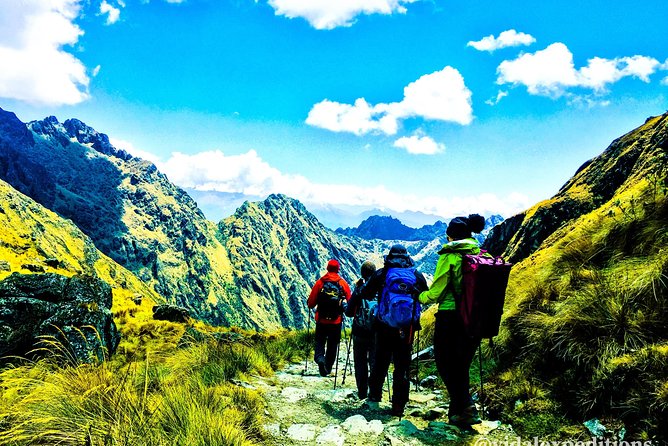
At $820 per person, this trek costs a bit more than “DIY hike” dreaming. But you’re paying for an organized, guided, permissioned route with camping, food, and the key transportation legs already handled.
The included package covers your Aguas Calientes–Ollantaytambo train, plus the bus back to Cusco, along with a professional bilingual guide for both the trek and Machu Picchu visit. On the trail, you get camping accommodation (tents for 2 and a basic sleeping pad) and logistics support from porters and a cook who carry the shared camping equipment.
You also get meals: 3 breakfasts, 3 lunches, and 3 dinners. Not included are Day 1 breakfast, Day 4 lunch, bottled water, a sleeping bag, and optional add-ons like an inflatable mattress.
You can also read our reviews of more tours and experiences in Cusco

Your Trekking Fitness Math: Passes, Time, and Altitude
This is not a casual stroll. The itinerary explicitly targets moderate fitness, and it has a built-in “hardest day” moment on Day 2.
The toughest climb is Day 2, with about 5 hours of hiking to the highest pass at 4,216 meters / 13,828 feet. After that you descend for a few hours to reach lunch and then camp. On Day 3 you’ll go again over high passes—3,960 meters and 3,660 meters—with gradual climbing and long stretches where the air feels thin.
Even your campsite altitude matters. The second night is around 3,600 meters (Pacaymayu), which means you’re hiking and sleeping in the same high-elevation world. If you’re the type who tends to get breathless easily, you’ll want to plan for a slower pace and good acclimatization.
Practical tip: arrive in Cusco a few days early if your schedule allows. One review-based lesson I’d take seriously is that a little acclimatization time can make the whole experience feel more controlled instead of rushed.
Day 1: Llactapata Archaeological Zone and That First Inca Setup
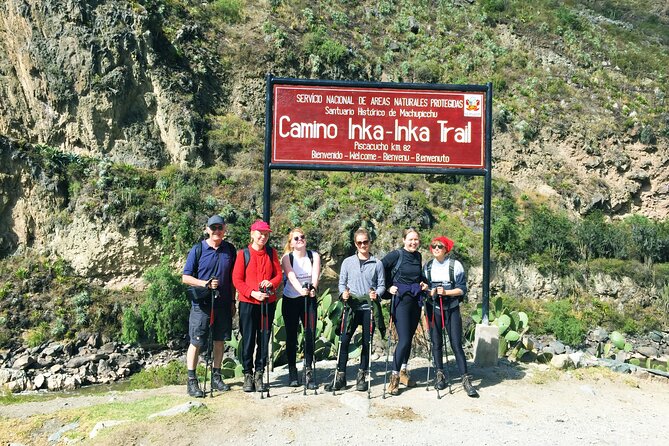
Day 1 starts with hotel pickup in Cusco and a drive to km 82. Once you clear the checkpoint, the trek begins with a hike to your first Inca archaeological stop.
At Llactapata, you’re not just passing through—you get time to explore and hear the story from your guide. This is a great day to let your body adjust. You’ll be moving, but you’re not yet grinding through the steepest pass of the trek.
You also get a lunch break after the initial site exploration. The day is designed to give you that early “this is real” Inca feeling—archaeology, explanations, and views—before the trail gets tougher.
Day 2: Inca Trail Day to the Highest Pass (4,216m)
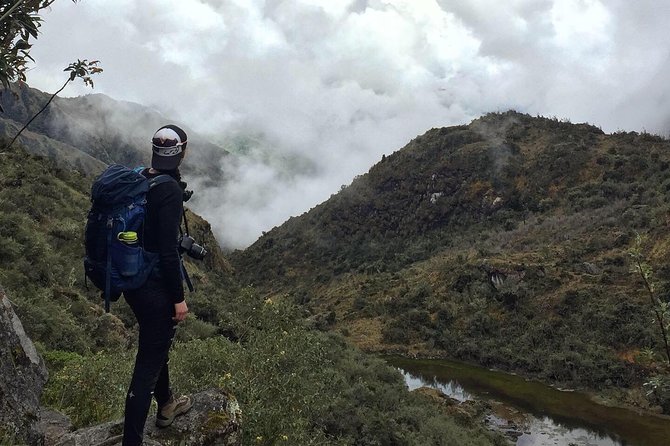
This is the day the itinerary flags as both the most challenging and the most incredible. Expect the climb to be steady, not a quick sprint. The walk to the summit takes about 5 hours, and it’s where altitude starts to matter most.
Once you reach the highest pass at 4,216 meters, you stop to rest and take in the views. Then the route becomes more forgiving as you descend for a few hours, reaching a lunch point and then your campsite.
After lunch, you settle in and enjoy some free time. The second night is around 3,600 meters (Pacaymayu), which is high enough that sleep might feel different. Bring a calm attitude here: it’s normal if your body feels “busy” at altitude.
Day 3: Puyupatamarca, Cloud-Forest Vibes, and Machu Picchu Mountain Moments
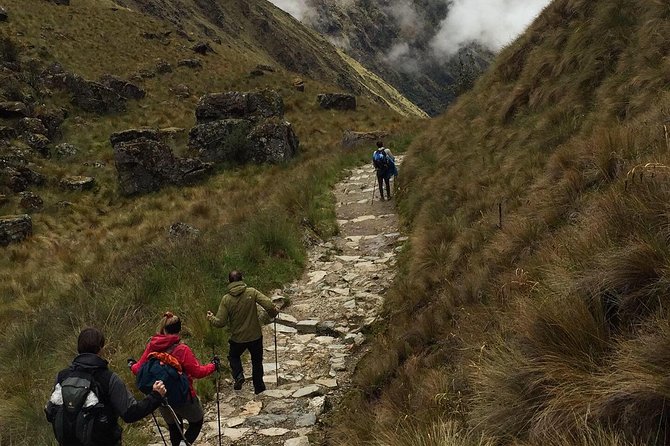
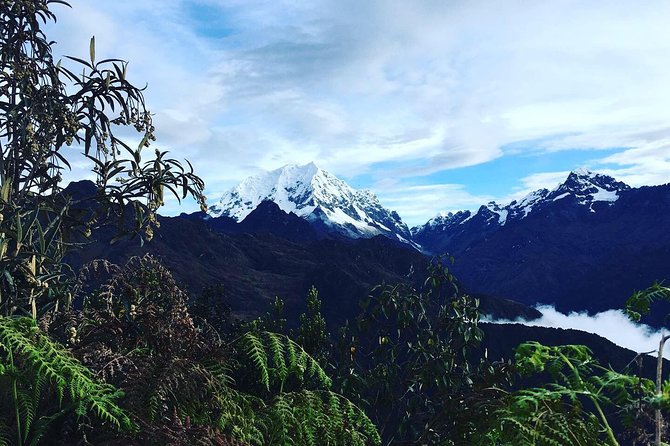
Day 3 is where the trek shifts from pure effort to a mix of beauty and anticipation. The morning route is described as combining high mountain hiking with cloud-forest atmosphere, so you should expect changing conditions and cooler air at elevation.
You start after breakfast and hike toward the next pass at 3,960 meters. There’s a down portion for lunch, and you’ll explore an Inca site along the morning way while your guide explains the history.
After lunch, you gradually climb toward the last pass at 3,660 meters. This is the moment the itinerary promises: from here you can see Machu Picchu Mountain. If you’ve ever pictured the approach to Machu Picchu, this is one of the “photo and goosebumps” points of the whole trek.
Then you descend for a couple hours to reach the campsite. In the afternoon, you visit other Inca sites with impressive views. Dinner includes a guided ceremony of thanks to the team, and you take another path toward the town in the evening flow.
You also have an extra site stop: Runkuracay. You’ll spend time there exploring and capturing photos after the guide shares history. This breaks up the day nicely and gives you a mental reset between altitude work and camp time.
Day 4: Inti Punku (Sun Gate) to Machu Picchu, Then Back to Cusco
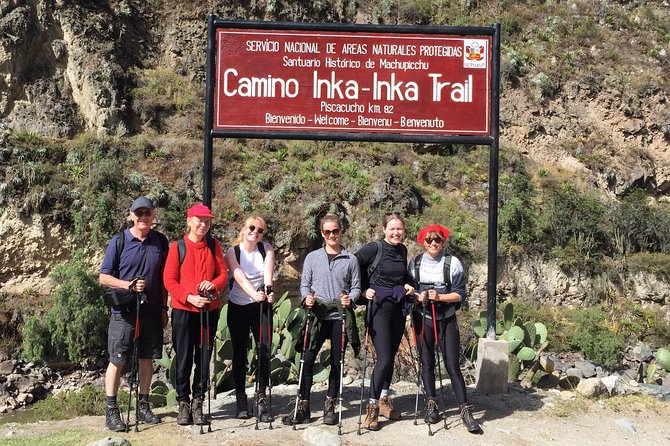
Your final day is built around arrival energy. You check the next control point and hike through dense high rain-forest toward Inti Punku (Sun Gate).
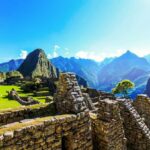
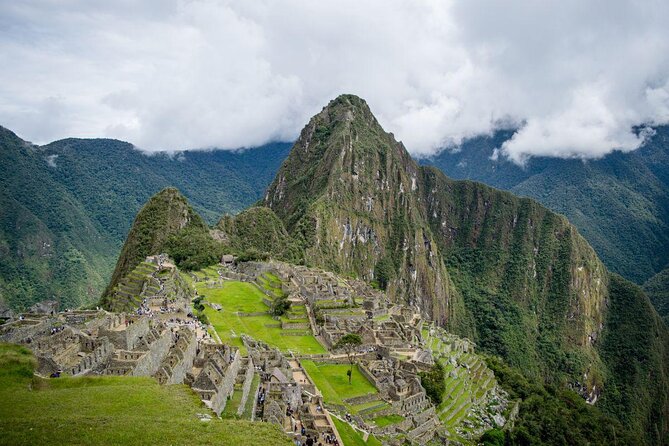
After a few hours, you reach the Sun Gate area and get that first view of Machu Picchu. You’ll have time for a snack and to take it in slowly, because this is where the whole trek pays off.
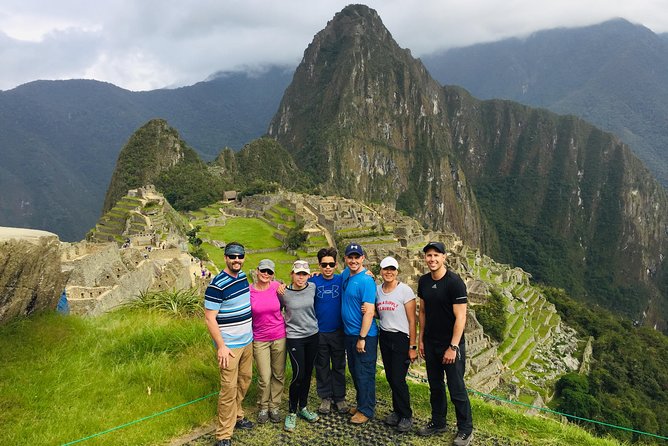
Then it’s down to Machu Picchu. You’ll get time to photograph from the classic spot, use restrooms, and even enjoy a coffee. After resting, you re-enter Machu Picchu for guided exploration of the standout areas.
You’ll also have a dedicated Machu Picchu visit block: about 3 hours at the Santuario Historico de Machu Picchu. After the final exploration, you leave Machu Picchu and head down to Aguas Calientes for lunch, then say goodbye to your guide.
In the afternoon, you take the included train to Ollantaytambo (2 hours). From there it’s a bus ride back to Cusco.
Camping, Meals, and the Porters-and-Chef Advantage
This trek is one of the classic “supported high-altitude camps” experiences. You don’t carry the shared camp gear because the porters and cook take care of it.
Your tent setup is included: a tent for two people plus a basic sleeping pad. You’ll get breakfasts, lunches, and dinners on the trail, which matters because you won’t want to hunt for food while your body is still processing altitude.
Meals are more than fuel, too. One of the strongest positive takeaways from reviews is the attention from the chef and team. There’s even a story of them baking a birthday cake for a guest—small detail, big morale boost when you’re tired and surrounded by mountains.
What’s not included: bottled water, Day 1 breakfast, and Day 4 lunch. Also, a sleeping bag is not included, so plan your cold-weather comfort in advance.
If you want extra comfort, there’s an optional add-on: an inflatable sleeping mattress for $15 USD for the trek. If you tend to sleep poorly on hard surfaces, this can be worth budgeting for.
Group Size and Guide Style: What Changes with a Small Team
This route runs with a maximum of 8 travelers, which keeps it from feeling like a train of trekkers. With a small group, it’s easier to move as a unit through checkpoints, site timing, and photo breaks.
The guide is bilingual and stays with you on both the trek and Machu Picchu portion. At each major site—Llactapata, Puyupatamarca-area stops, Runkuracay, Sun Gate, and Machu Picchu—you get history and context, not just time to look around.
One review-based detail I’d treat as a clue about quality: Vidal’s local experience living and working on the trail. That tends to show up in smoother planning and a calm approach when weather or trail conditions shift.
Practical Packing Tips That Match What’s Actually Included
Because the itinerary includes camping gear support, you can focus your packing on your personal comfort and essentials. Here’s the smart way to think about it using what’s included and what’s not:
- You’re responsible for a sleeping bag (not included) and any personal cold-weather layering.
- Bottled water isn’t included, so plan your water strategy for each day.
- Inflatable mattress is optional ($15 USD), but tents and sleeping pads are already part of the package.
- You’ll still want a rain plan, since Day 4 runs through dense high rain-forest and conditions on the trail can change fast.
For trekking footwear, prioritize comfort and traction over style. You’ll hike long enough that shoes should feel like a reliable tool, not a fashion compromise.
Also, keep your expectations realistic: Day 2’s pass is high and long. If you pack like it’s a day hike, you’ll feel punished by the end of it.
Price, Value, and Booking Decisions That Won’t Surprise You
This isn’t the cheapest way to do Machu Picchu by any stretch. But you’re also not paying for just a hike. You’re paying for:
- Guiding at the trail sites and at Machu Picchu
- Camping logistics (tents, sleeping pads, plus porters and cook for shared gear)
- Meals on most days
- Train and bus transfers back to Cusco
- Entry tickets included for the stops listed in the itinerary
If you want to reduce your mental load—permits, camp coordination, timing, and guided interpretation—this format is good value. The biggest “cost” you might miss in the price isn’t money; it’s energy. This trek asks for effort and altitude patience.
One more real-world note: this experience is non-refundable and can’t be changed for any reason. Weather can cause cancellation, and if that happens you’ll be offered a different date or a full refund, but the non-changeable rule is worth taking seriously when you book.
Who This Trek Suits Best (and Who Should Rethink)
This trek is a great fit if you:
- Have moderate physical fitness and can handle long hiking days
- Want a guided route that explains what you’re seeing
- Like the supported comfort of camping plus porters and cook
- Care about seeing Machu Picchu with time to explore, not just a quick photo stop
You might rethink it if you’re:
- Not comfortable with high altitude and the intensity of Day 2 to 4,216m
- Counting on a flexible schedule and can’t accept the non-refundable nature
- Traveling without key gear like a sleeping bag, since that’s not included
Should You Book This Classic Inca Trail?
I’d book if you want the classic arc: sites early, a hard high-pass day, a cloud-forest feeling on Day 3, and a Sun Gate first view that turns “Machu Picchu” from a name into a moment.
I’d pause if you’re unsure about altitude readiness. This trek can be absolutely unforgettable, but only if you respect the climbing and pace yourself.
If you’re ready to plan for effort, pack the essentials you’re missing (especially the sleeping bag), and show up with a calm attitude toward altitude, this is the kind of trip that pays you back every day.
FAQ
What is the meeting point for this Inca Trail tour?
The ticket redemption point is VIDAL EXPEDITIONS PERU, Urb, Santiago, Cusco 08007, Peru. It lists opening hours Monday–Friday from 9:00 AM to 8:00 PM.
How long is the trek, and when do you arrive back in Cusco?
The itinerary runs for about 4 days. On Day 4, you take the train from Aguas Calientes to Ollantaytambo and then a bus to Cusco in the afternoon.
What’s the hardest day on the Classic Inca Trail?
Day 2 is the most challenging. You hike about 5 hours to the highest pass at 4,216 meters, then descend for a few hours to lunch and your campsite.
How high do you go during the trek?
The highest pass is 4,216 meters. The itinerary also includes passes around 3,960 meters and 3,660 meters, and your second-night campsite is about 3,600 meters (Pacaymayu).
What’s included in the price?
Included are the train Aguas Calientes–Ollantaytambo, the bilingual guide on both trek and Machu Picchu tour, camping accommodation (tent for 2 and basic sleeping pad), porters and cook for shared camping equipment, and meals (3 breakfasts, 3 lunches, 3 dinners). Admission tickets for the listed sites are included.
What is not included?
Not included are Day 1 breakfast, Day 4 lunch, bottled water, tips, and a sleeping bag. An inflatable sleeping mattress is optional for $15 USD.
How big is the group?
The tour has a maximum of 8 travelers.
What happens if weather is poor or the minimum number of travelers isn’t met?
The experience requires good weather. If it’s canceled due to poor weather, you’ll be offered a different date or a full refund. If it’s canceled because the minimum number of travelers isn’t met, you’ll be offered a different date or a full refund.