REVIEW · CUSCO
Salkantay Trek Challenge – 3 Days / 2 Nights
Book on Viator →Operated by Salkantay Trekking · Bookable on Viator
Salkantay in just three days sounds wild. It turns the classic multi-day Andes challenge into a fast, high-altitude push to the Salkantay Pass and then a downhill trip toward the warm Amazon side, ending at Machu Picchu. I love how the itinerary stacks big moments (pass, cloud forest, Inca citadel) without making you spend a week on the trail.
What also wins me over is the amount handled for you: meals, camping setup, horses for your duffel (up to 5 kg), and Machu Picchu tickets plus the bus and train legs. One real consideration: this is intense. The first-day climb to altitude is demanding, and you’ll get less sleep than you want because early starts are baked in.
In This Review
- Key highlights at a glance
- Why this 3-day Salkantay version works
- The altitude reality check (and how to set yourself up)
- Day 1: Soraypampa, the Salkantay Pass, and the downhill into warmer air
- Day 2: Santa Teresa valley stroll, coffee hands-on, and the Urubamba river walk
- Day 3: Bus up to Machu Picchu, a structured guided visit, then train back
- Guides and the small details that actually matter
- What you truly get for $680: value vs. “nickel-and-dime” tours
- What’s not included (so you pack smart and avoid stress)
- Who should book this trek—and who should choose another option
- Should you book the Salkantay Trek Challenge?
- FAQ
- How long is the Salkantay Trek Challenge?
- Where does the trek start?
- What is the highest point on the trek?
- Do I get to sleep in both a camp and a hotel?
- Is Machu Picchu entrance included?
- How do you get to Machu Picchu on the final day?
- What train ride is included after Machu Picchu?
- What gear does the tour provide?
- Is it possible to adjust the trip or get a refund if I cancel?
Key highlights at a glance
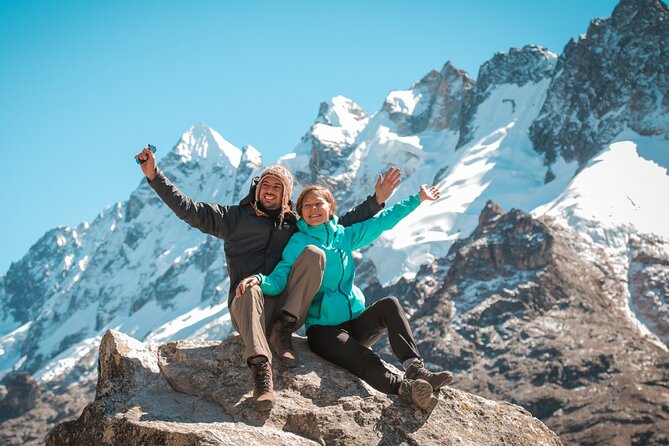
- Salkantay Pass access in 3 days: You still get that “we’re above the clouds” feeling, just faster.
- Two sleep styles: one night in a mountain hut/camp setting, one night in a hotel in Aguas Calientes.
- Machu Picchu guided circuit tour: included entry (Circuit 2 for some bookings), then a structured 2-hour visit.
- Horse support for your gear: only your pack is on you; your duffel rides.
- Safety system that sounds serious: first aid kit, oxygen supply, walkie talkies, and emergency satellite phones.
- Max group size of 12: small enough that the guide can actually manage pace and altitude.
Why this 3-day Salkantay version works
The appeal here is simple: you get the core Salkantay story in a tight schedule. Day 1 climbs to a high pass, Day 2 drops into warmer jungle country and reaches Aguas Calientes, and Day 3 hits Machu Picchu while the morning is still crisp and misty. If you’ve got limited vacation days, this is one of the most direct ways to reach Machu Picchu by trail.
I also like that this version doesn’t feel like a “cheap shortcut.” It’s still physically tough, and it’s still built around the real rhythm of Salkantay: altitude stress at the top, then a long downhill shift in air and temperature.
Where it can feel different from longer treks is the margin for recovery. You don’t have many “extra” hours to slow down, sit, and let your body adapt. So you’ll want to respect the plan from the start.
You can also read our reviews of more hiking tours in Cusco

The altitude reality check (and how to set yourself up)
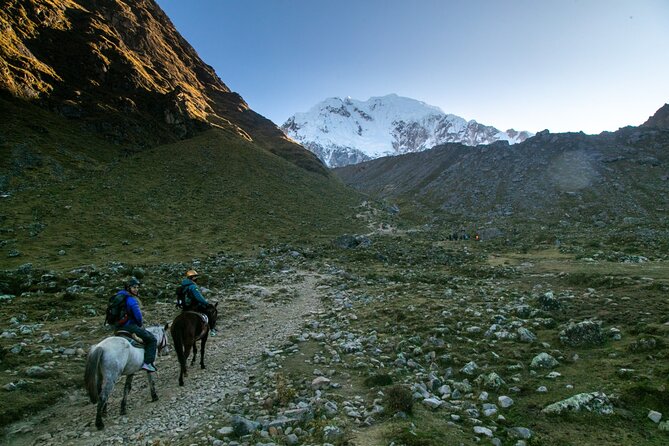
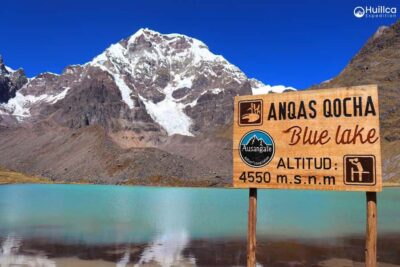
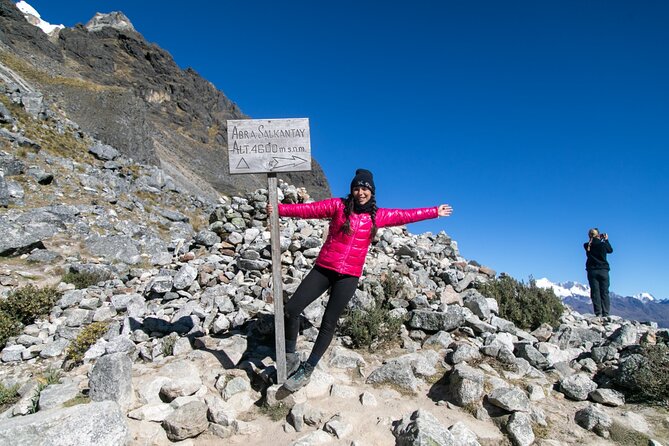
This itinerary starts very early in Cusco and drives you quickly up to high elevations. Your first major jump is to Soraypampa at 3,900 m (12,795 ft), then the big climb takes you toward Abra Salkantay at 4,630 m (15,190 ft). Day 1 ends around 2,950 m (9,678 ft).
Here’s the practical takeaway: altitude is the main opponent, not just the distance. Plan to arrive in Cusco at least two days early so you can adjust. That’s not a suggestion you should treat lightly. Many hikers discover that they can handle steep terrain, but altitude is a different kind of effort.
You’ll also want to go in with a hydration and snacking strategy. The tour includes water and trail snacks, but you’ll still feel better if you sip consistently and keep energy up during the pass push. One guide support theme I’ve seen echoed is that the team helps people make it safely through the hardest stretch. Still, your body decides the pace.
Day 1: Soraypampa, the Salkantay Pass, and the downhill into warmer air
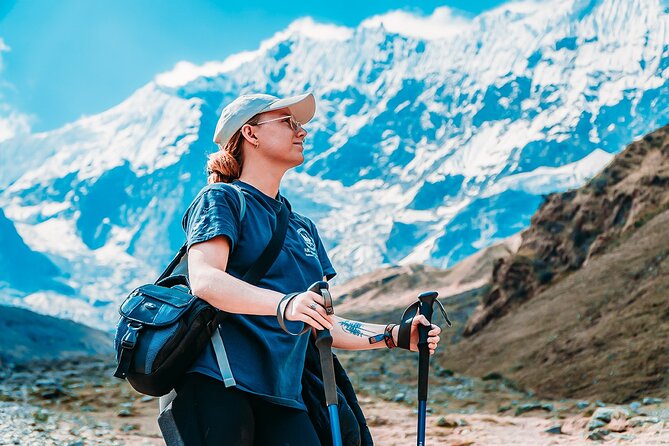
Day 1 begins with a pickup in Cusco around 2:30 a.m. You’ll head to Soraypampa and then move into a climb that follows the 7 Serpents Trail toward the Salkantay Pass. After breakfast, you’re essentially training your lungs for altitude before your legs fully warm up.
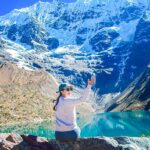
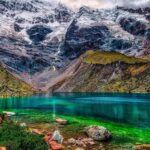
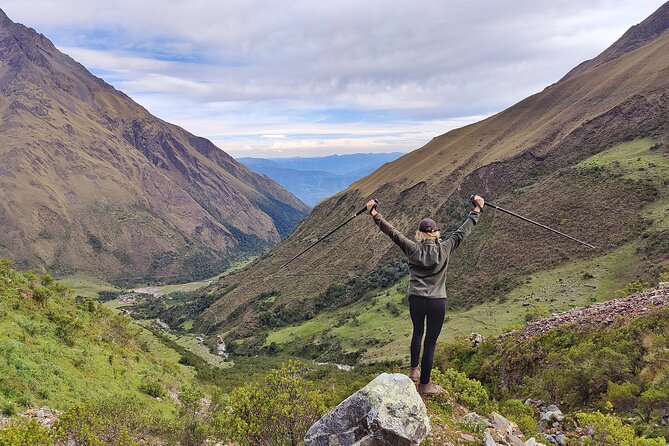
At the pass area, you’re surrounded by massive peaks and glaciers, and the view payoff is exactly why people come to Salkantay. But this is also where pacing matters most. If you sprint the climb, you’ll pay for it later in the descent.
After lunch in Wayracmachay, the day shifts. You descend into the high Amazon region, and the air becomes warmer. That temperature change is more than comfort. It helps you transition from “survival mode” (the pass) into “enjoy mode” (the scenery and walking).
You end the day at the Mountain Sky View camp (Collpapampa, 2,950 m). Dinner happens under the stars, which is great—just remember you’re going to be tired. Expect an early end to the day, but not deep rest, because the schedule keeps moving.
What to watch for on Day 1
- Altitude fatigue: even fit hikers can feel slow here.
- Cold to warm temperature swings: layers help you adjust without overheating or freezing.
- The long day: you’re outdoors for around 10 hours after moving into the climb.
Day 2: Santa Teresa valley stroll, coffee hands-on, and the Urubamba river walk
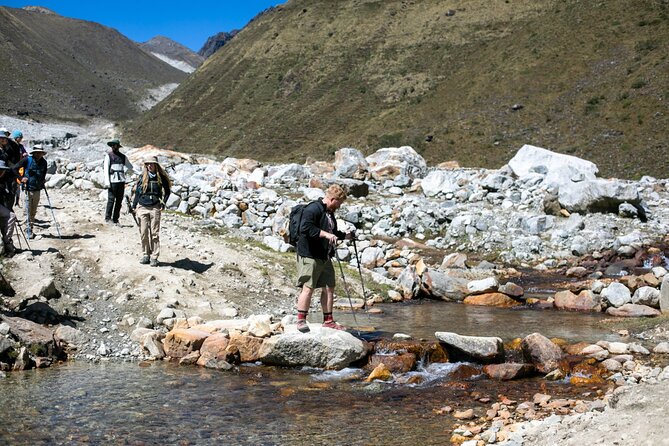
Day 2 starts with a homemade breakfast and a short hike through the Santa Teresa Valley. It’s not the same “lung-buster” feel as the pass day, but it’s a setup day. You’re building back rhythm after the first-day climb.
Then comes one of the more fun stops: Lucmabamba Coffee Experience. You walk through areas with waterfalls, orchids, and coffee plantations until you reach La Playa, where you’ll have lunch made with local products and get a demonstration of artisanal coffee making. Even if you’re not a coffee superfan, it breaks up the trek routine and gives you something to look forward to after a tough Day 1.
After lunch, you travel to Hidroelectrica. From there, you continue on foot along the Urubamba River, surrounded by tropical jungle for about 3 hours. This is where the whole route starts to feel like you’re crossing into another world: greener, wetter, and calmer underfoot than the high-altitude sections.
By evening, you arrive in Aguas Calientes. You rest in a comfortable hotel and share dinner with the group as you prep for Machu Picchu. If you’re sensitive to sleep disruption, plan ahead. This is the “big night before the big day” kind of situation, and your body still has altitude in its memory.
Day 3: Bus up to Machu Picchu, a structured guided visit, then train back
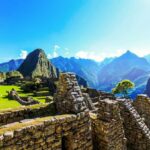
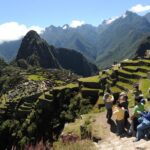
Day 3 starts early with a light breakfast, followed by a bus to Machu Picchu. As the bus climbs, you’ll go through mist of the cloud forest. The vibe is classic: quiet, damp air, and that sudden feeling that you’re walking into history—without needing to force it.
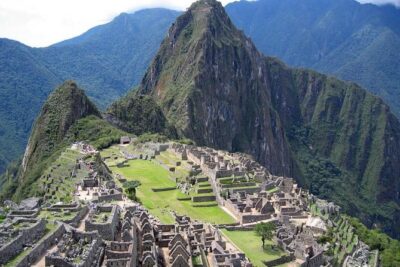
At Machu Picchu, you get a 2-hour guided tour of the Historic Sanctuary, focusing on temples, terraces, and sacred sites. The ticket system depends on timing: if you booked at least three months in advance, you’re typically assigned Circuit 2. If not, you may be assigned another circuit option (Circuit 3 first, or Circuit 1 when required). In plain terms, your entry route can vary, but the guided structure is part of what you’re paying for.
After the tour, you return to Aguas Calientes, have lunch there, then head back on a panoramic train to Ollantaytambo. Finally, private transportation brings you back to Cusco.
This “trail to citadel to rail” flow is a big part of the appeal. You don’t spend Day 3 figuring out logistics. You spend it being present.
You can also read our reviews of more tours and experiences in Cusco

Guides and the small details that actually matter
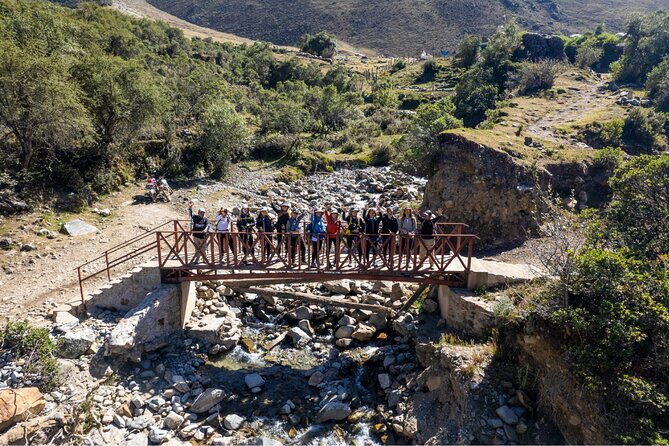
A trekking guide can make or break this kind of trip. In the guide stories I’ve seen, names like Marco, Guido, and Cesar Quispe come up with a similar pattern: they’re organized, they watch your pace, and they keep people calm during the hardest stretches.
Even if your guide’s personality differs, the tour is clearly designed around coordination:
- You travel with an experienced mountain guide.
- You get pre-departure briefing.
- Your duffel bag (up to 5 kg / 11 lb) is carried by horses, so you’re not lugging everything up high.
Safety is handled in a practical way too. You’ll carry a first aid kit, an oxygen supply, walkie talkies, and emergency satellite phones. That doesn’t mean you’ll have problems. It means the team expects that altitude and weather can be unpredictable.
And because the group is max 12 travelers, you’re less likely to feel lost or ignored. Small groups help on steep days because your guide can manage slower walkers without leaving everyone stuck.
What you truly get for $680: value vs. “nickel-and-dime” tours
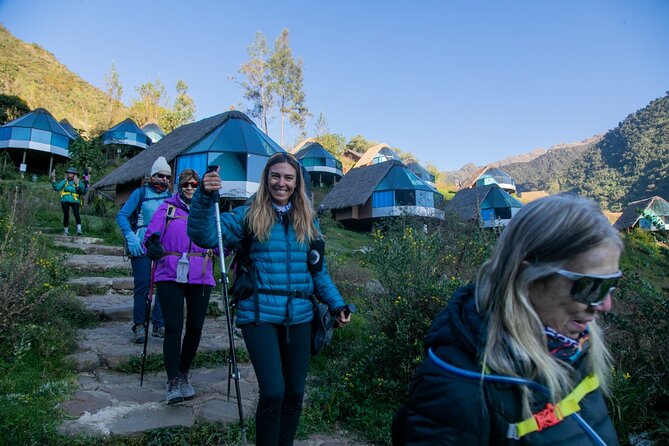
At $680 per person, this is not a budget trek. But it’s also not “pay extra for everything” style travel.
Here’s what makes it feel like value:
- Entrance fees for the Salkantay Trek are included.
- Machu Picchu admission is included (with circuit assigned based on booking timing).
- Transport legs are included: bus from Aguas Calientes to Machu Picchu, plus tourist class train from Aguas Calientes to Ollantaytambo.
- Two nights of accommodations are included: one night at Mountain Sky View and one night at a hotel in Aguas Calientes.
- Meals are covered: breakfast (3), lunch (2), dinner (2).
- Camping setup is handled for you, including dining room, kitchen, tables, and chairs.
- Gear support includes a sleeping bag and trekking poles, plus a rain poncho and backpack cover.
What’s not included is where you might get surprised:
- Any extra transport choices around Hidroelectrica/Aguas Calientes, if you pick options outside what’s covered.
- Meals on the last day (lunch is mentioned, but lunch/dinner on the last day isn’t fully included according to the details).
- Travel insurance (recommended).
- Tips (optional).
When you add up Machu Picchu admission plus the train and guided visit structure, the price starts to look less shocking. The biggest “hidden value” is that the trip runs on rails: transfers, equipment, food, and ticket rules are managed.
What’s not included (so you pack smart and avoid stress)
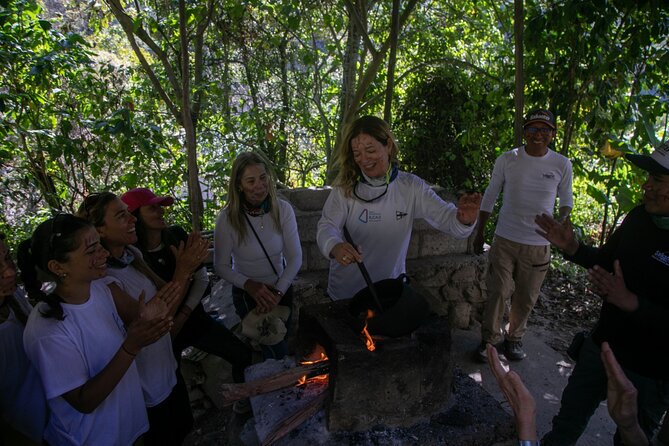
To keep this trip smooth, you’ll want to bring personal hiking clothing and gear. The tour includes key items like trekking poles, sleeping bag, poncho, and backpack cover, but you still need the basics that fit your body and habits.
Also note the optional parts:
- An optional train transfer Hidroelectrica – Aguas Calientes may be paid directly by you, depending on the situation.
- Optional return bus Machu Picchu – Aguas Calientes may also be paid directly on site.
If you hate uncertainty, you’ll appreciate having the included legs planned. If you’re flexible and willing to make an on-the-day choice, you can manage costs.
Finally, altitude emergencies are a reason travel insurance is worth it here, even though it isn’t included.
Who should book this trek—and who should choose another option
This trek is for people with strong physical fitness. The challenge isn’t only distance; it’s altitude plus steep walking patterns.
If you’re relatively new to trekking but you can handle stairs, hills, and a long day on your feet, you might find it doable with good pacing and preparation. The guides’ job is to keep you moving safely and organized through the hardest moments.
But if you lead a mostly sedentary lifestyle, this may feel punishing fast. Even when people finish, the intensity is real—and you’ll feel it.
Best fit:
- You want a short Salkantay route to Machu Picchu.
- You’re okay with early starts and limited sleep.
- You can handle altitude stress after arriving in Cusco early.
Should you book the Salkantay Trek Challenge?
I’d book it if you want the Salkantay experience and you can’t spare a full week. The value is strongest if you appreciate guided structure: ticket access, transport, meals, camping setup, and safety planning are all included.
Book timing matters. Machu Picchu spots sell out quickly, so plan at least three months in advance to improve your odds for the better circuit assignment. If you’re aiming for Circuit 2 specifically, that timing becomes even more important.
Also be honest with your fitness and altitude plan. Arrive in Cusco early, train your legs a bit, and don’t treat the pass like a casual walk.
If you want a big, memorable Andes-to-Inca day in a short time, this is one of the most direct ways to do it.
FAQ
How long is the Salkantay Trek Challenge?
The tour runs for about 3 days (approximately 2 nights).
Where does the trek start?
It starts with pickup in Cusco and travels to Soraypampa (around 3,900 m).
What is the highest point on the trek?
The route reaches Abra Salkantay, at about 4,630 m.
Do I get to sleep in both a camp and a hotel?
Yes. You spend one night at the Mountain Sky View camp area and one night in a hotel in Aguas Calientes.
Is Machu Picchu entrance included?
Yes. Machu Picchu entry is included, and the specific circuit depends on booking timing (Circuit 2 for bookings about three months ahead, with other circuit options if needed).
How do you get to Machu Picchu on the final day?
You take a bus from Aguas Calientes to Machu Picchu as part of the tour.
What train ride is included after Machu Picchu?
You take a tourist class train from Aguas Calientes to Ollantaytambo (Voyager or Expedition).
What gear does the tour provide?
The tour provides a sleeping bag and trekking poles, plus a backpack cover and rain poncho.
Is it possible to adjust the trip or get a refund if I cancel?
This experience is non-refundable and cannot be changed. If it’s canceled due to poor weather, you’re offered a different date or a full refund.