REVIEW · CUSCO
Sam’s Zip Line in Sacred Valley
Book on Viator →Operated by Sam's Zipline - Cusco · Bookable on Viator
There are days you feel like a bird. This one gives you a real Sacred Valley view from hill to hill while keeping safety very front and center. I especially like the Petzl-certified harness-and-helmet setup and how the guides pace the experience so you feel in control. One catch: no water or drinks are included, so plan ahead.
You’ll be zipping from the Racchi viewpoint in the Sacred Valley of the Incas, and it’s not just about speed. The setting connects you to the area around Racchi Ayllu, plus you get a small-group feel (max 12) with a guide team that’s friendly and patient. Sam runs the operation, and people often mention guides like Richard and Jonathan for clear instruction, plus upbeat energy.
The active part is about 1 hour, and you’ll come away with at least three pictures of you in the air. If you’re sensitive to height or you hate clambering between platforms, you’ll want to go with a calm mindset—some parts involve moving from line to line and timing your body right.
In This Review
- Key things to know before you fly
- Why the Racchi viewpoint zip line hits different over the Sacred Valley
- Safety-first setup: harness, helmet, gloves, and certified equipment
- How the day flows with private transport and a small group
- Ride format: four zip lines and a Tibetan bridge suspension
- Stop 1: Mercado de Artesanías—what it’s good for (and when to move fast)
- Stop 2: Complejo Arqueológico Chinchero—mixing flight with culture
- Photos and item storage: why the little logistics matter
- Equipment and comfort tips for first-timers
- Who should book this zip line in the Sacred Valley?
- Price and value: what $61.54 buys you in real terms
- Quick FAQ
- FAQ
- Where does the activity start and end?
- How long is the zip line experience?
- What’s included in the price?
- Is bottled water included?
- How many zip lines and what extra element are included?
- Is this suitable for kids?
- What’s the cancellation policy?
- Should you book Sam’s Zip Line in Sacred Valley?
Key things to know before you fly
- Four zip lines plus a Tibetan bridge (suspension): it’s not just one straight shot.
- Certified gear and safety process: harness, helmet, and gloves are provided, with equipment tied to Petzl certification.
- Balance practice before you go: you’ll handle a few fun obstacles so your body learns the rhythm.
- Your stuff stays handled: you can store personal items so you’re not juggling bags mid-flight.
- A photo set included: you get at least three images of you in the air.
Why the Racchi viewpoint zip line hits different over the Sacred Valley
Cusco-area zip lines can feel similar on paper—until you’re up there. What makes Sam’s Sacred Valley outing feel special is that it’s framed as a connection to the Racchi viewpoint and the community around Racchi Ayllu, not just a stand-alone thrill ride.
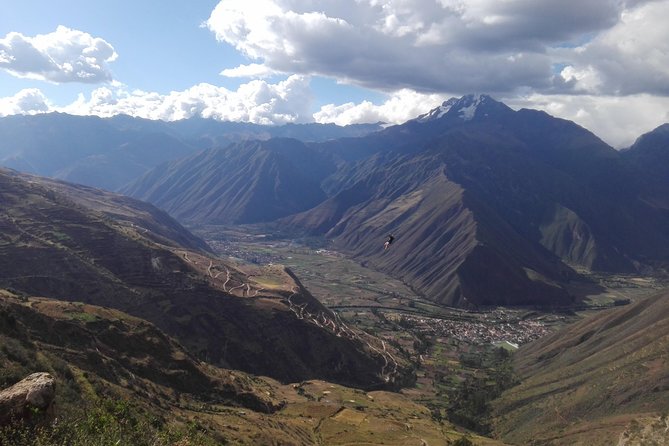
The views are the main reason you’ll remember it. You’re moving between hill to hill, and the valley opens up in wide angles as you switch between lines. Even if you’re not chasing adrenaline, you’re still doing something more active than looking out a bus window.
Another reason I like this format: they train your body for the ride. The experience includes a bit of balance practice using obstacles, which means you’re not launching into the first zip line fully cold. That matters if you’re traveling with kids, or if you haven’t done anything like this before.
The one thing to consider is mental stamina. Zipping is the fun part, but the in-between moments—climbing up, repositioning, and paying attention to instructions—are where people either feel confident or get tense. If you can stay focused and follow the guide’s timing, you’ll have a good time.
You can also read our reviews of more tours and experiences in Cusco.


Safety-first setup: harness, helmet, gloves, and certified equipment
Let’s talk safety in plain terms. You don’t show up and figure it out on the fly. You’ll be given a harness, helmet, and gloves for protection, and the team provides the structure you need to feel secure.
This operation also mentions validation by Civil Defense and other institutions that support adventure tourism. On the equipment side, the gear is stated to be certified by Petzl, which is a name you’ll recognize in rope-and-safety gear circles.
In real-world terms, that means the system is built around standards you can trust. It also means the staff can spend time on the briefing without rushing you into the first run.
Add in one more practical safety point: there’s a health agreement mentioned for unforeseen events. Nobody plans for problems, but knowing the operation has a plan helps a lot.
How the day flows with private transport and a small group
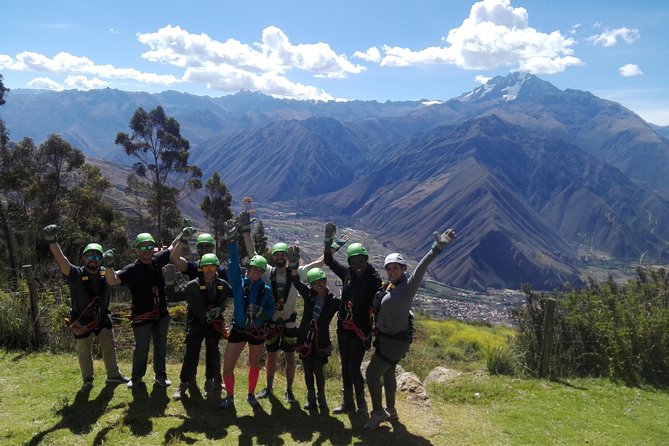
This is set up for a calm, non-chaotic outing. Price includes private transportation, and the group size is capped at 12 travelers, which makes the experience feel more personal than the bigger multi-bus style tours.
In the field, that small group size shows up in how the guides handle questions and how quickly they can help you adjust gear before you fly. In families, that’s a big deal: parents want their kids to be safe, and kids want to feel like they’re part of the action.
You’ll also find it’s easy to mix this with other Sacred Valley plans because it’s short on the activity side—zip time is about an hour—so it doesn’t crush your schedule.
Timing-wise, the activity window is 9:00 AM to 4:00 PM. You’ll want to pick a time that doesn’t leave you stressed about getting to other sites or catching transport later.
Ride format: four zip lines and a Tibetan bridge suspension
The core of this experience is the flight itself: 04 cables plus a Tibetan bridge (suspension). That extra structure is what gives you variety. A straight sequence can be thrilling, but a suspension bridge adds a different kind of “okay, I’m in the air” feeling, because you’re managing balance and attention while suspended.
You’ll do multiple zip lines in different positions, and some people specifically mention a ride position they call Superman, including that it can be done upside down. That’s the kind of detail you’ll appreciate if you’re the type who wants to try a distinct pose, not just slide down the line like a tube on vacation.
Don’t ignore the “practice obstacles” part either. The balance exercises prepare you for the movement patterns between platforms. It’s also a quick confidence builder: you learn the basic rhythm before you commit to the main zips.
The biggest physical challenge tends to be the “connecting” moment: climbing and shifting between lines. People of older age groups have said it felt safe, but they also noted that reduced air can make the climb-to-climb moments feel harder than expected. That’s normal at altitude, so pacing yourself is smart.
Stop 1: Mercado de Artesanías—what it’s good for (and when to move fast)
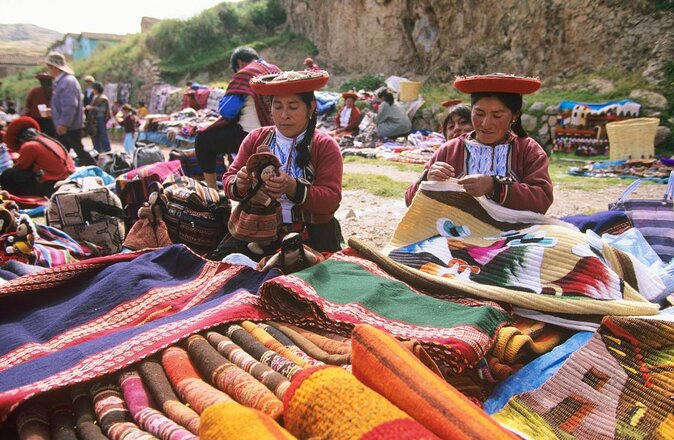
Your itinerary includes a stop at Mercado de Artesanías. This is a practical add-on: you get time to browse small crafts, textiles, and local goods before or around the main activity.
Here’s how I’d use this time:
- If you want a souvenir, this is the moment to buy. Once you’re harnessed up, shopping is not happening.
- If you get easily overwhelmed by markets, keep it short and focused. Pick one or two items you truly want, then move on.
A small caution: markets can eat time if you drift into full-on bargain mode. If you’re the type who likes to compare prices for 30 minutes per item, set a personal rule for yourself so you still arrive on time and calm for zip line prep.


Stop 2: Complejo Arqueológico Chinchero—mixing flight with culture
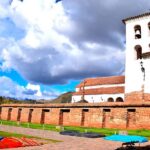
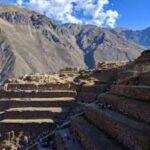
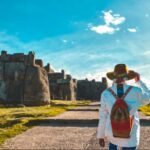
You’ll also visit Complejo Arqueológico Chinchero. This is the “pause for context” part of the day, which I genuinely like. After adrenaline and open air, it’s good to put the experience back into place—Sacred Valley geography and Inca-era sites are part of why people come to Cusco in the first place.
What to expect here is simpler than the flight: you’re switching from activity to walking and looking. Chinchero is a natural match for this kind of outing because it helps you remember you’re not just doing an adventure; you’re doing it in a region shaped by centuries of living culture.
The drawback is the usual one: plan for walking. If you’re rushing from the zip line to other sites, your legs might need a slower pace. Bring that in mind when you schedule the rest of your day.
Photos and item storage: why the little logistics matter
Some adventure activities take your money and then give you one blurry result. This one includes photo coverage with at least three pictures of you in the air. That’s not a full video package, but it’s enough to help you remember the feeling without relying on shaky phone footage.
Also useful: you can store personal items safely, so you don’t have to carry your phone, wallet, or camera into the platform chaos. That reduces stress, and less stress usually equals better flying.
If you like taking photos but hate holding a phone while you climb, you’ll appreciate this setup. It’s one of those “small” inclusions that makes the overall experience smoother.
Equipment and comfort tips for first-timers
The harness-and-helmet setup is provided, but comfort is still on you. Based on the way zip lines usually work (and what people experience between lines), do a few practical things:
- Wear secure footwear with grip. You’ll be moving on platforms and ladders.
- Dress for cool-and-windy moments. Even if Cusco is sunny, elevated air can feel sharp.
- Bring only what you truly need. Let your guide team handle the safe storage piece.
Gloves are provided, which helps a lot with grip. Helmet included also helps you relax—your brain knows you’re protected, so you don’t spend the whole ride thinking about impact.
One more comfort note: altitude can affect effort. If you feel winded, slow down. The guide instructions aren’t a race; they’re a path.
Who should book this zip line in the Sacred Valley?
This fits a wide range of people. The big message here is that most travelers can participate, and families have reported success with kids as young as 6 and 8. Guides have even ridden with children, which is exactly what you want to hear if you’re traveling with little ones and you want extra reassurance.
It also works for older adults. People aged in their 60s and early 70s have said they felt safe and enjoyed the ride, even with reduced air making the climbing transitions more challenging.
Who might think twice? If you have a serious fear of heights and you can’t calm down when standing on elevated platforms, you’ll need to assess your comfort before committing. The safety briefing and the guide support help, but the activity still includes suspended lines, a Tibetan bridge section, and moving between points.
If you’re the type who likes doing a high-impact activity without spending all day in transit or on foot, you’ll like the short activity window. If you’re the type who wants a pure “museum morning,” this is not that—this is hands-on.
Price and value: what $61.54 buys you in real terms
At $61.54 per person, this is positioned as a mid-range adventure. The value comes from what’s included, not just the ride count.
You get:
- Harness, helmet, and gloves (gear provided)
- Private transportation
- Storage for your personal items
- Photo coverage (at least three images in the air)
- The main activity over multiple cables plus a Tibetan bridge section
Compare that to “cheap” tours that make you bring your own gear or don’t capture photos, and this starts looking like a fair deal. You’re paying for both the experience and the safety-and-logistics support that lets you actually enjoy it.
If you’re traveling as a couple or a small group, the small-group cap (max 12) helps the per-person experience feel less rushed. If you’re traveling solo, you’ll still get a structured briefing and you won’t feel lost among a crowd.
Quick FAQ
FAQ
Where does the activity start and end?
The start is listed at Corongo AncashC4H2+VPW, Unnamed Road, Corongo 02218, Peru, and the activity ends back at the meeting point.
How long is the zip line experience?
The zip line activity is approximately 1 hour.
What’s included in the price?
Your price includes a harness, helmet, and gloves, private transportation, storage for personal items, and at least three pictures of you in the air.
Is bottled water included?
No. Bottled water (and any type of drink or food) is not included.
How many zip lines and what extra element are included?
The experience includes 04 cables plus a Tibetan bridge (suspension).
Is this suitable for kids?
Most travelers can participate, and families have reported great experiences with kids aged 6 and 8. Guides can also support kids during the activity.
What’s the cancellation policy?
Free cancellation is available. You can cancel up to 24 hours in advance for a full refund, and changes made less than 24 hours before the start time aren’t accepted.
Should you book Sam’s Zip Line in Sacred Valley?
If you want one of the best “activity for your effort” deals in the Cusco area, I’d book this. You get a certified, safety-forward setup, multiple flights with variety (including the suspension bridge), and photo coverage that saves you from scrambling for proof later.
Book it especially if:
- You’re craving a change of pace from walking tours.
- You like a smaller group and a guide team that gives clear, patient instruction.
- You want a fun way to see the Sacred Valley without spending the whole day in transit.
Skip it or think twice if you’re very nervous about heights or if you dislike the idea of moving between platforms during the ride. And whatever you do, plan for water on your own, because the activity doesn’t include drinks.
Bottom line: for one hour of flying, this is a smart, memorable way to experience the Sacred Valley above the ground.