REVIEW · CUSCO
Complete Sacred Valley Tour (Full Day)
Book on Viator →Operated by Machu Picchu Peru Cusco · Bookable on Viator
One day, four Inca stops, and a smooth pace. This Sacred Valley tour strings together Chinchero, Moray, Ollantaytambo, and Pisac with easy transport and a bilingual guide to translate the bigger story behind the stones. I like the small-group feel, with a cap listed at up to 12 people (and up to 15 on the activity info).
What I really enjoy is the combo of time in each place plus a proper meal in Urubamba—a buffet lunch that includes a vegan option. My one heads-up: the day is long (about 13 hours) and some site admissions are not included, so you’ll want to plan for extra ticket costs.
In This Review
- Key takeaways before you go
- How the Sacred Valley day runs from Cusco (and why the timing matters)
- Chinchero’s adobe streets, wool-dye demo, and the Inca–colonial mix
- Moray’s agricultural terraces: the drainage trick that kept farms working
- Ollantaytambo’s stone streets, water worship, and fortress logic
- Pisac: artisan market time, easy shopping, then the ruins walk
- Urubamba lunch: buffet comfort after the morning grind
- Price and entrance fees: what $38 buys you (and what it doesn’t)
- Guide Willy’s storytelling: why it matters more than you think
- What to watch for at each stop (so the day feels good)
- Who this Sacred Valley tour suits best
- Should you book this complete Sacred Valley tour?
- FAQ
- How long is the Complete Sacred Valley Tour?
- What time does the tour start and when is pickup?
- How many people are in the group?
- Does the tour include lunch?
- Is the tour guided in English and Spanish?
- Are entrance tickets included?
- What ticket should I plan for if I need site access?
- Is there any fee mentioned for Maras salt mines?
- What time do you return to Cusco?
- What is the cancellation policy?
- Is the tour suitable for most people?
Key takeaways before you go
- Small-group touring: maximum 12 highlighted, with the activity info listing up to 15
- Comfortable, all-inclusive transport: hotel pickup in Cusco and a full-day van schedule
- Four major Sacred Valley stops: Chinchero, Moray, Ollantaytambo, and Pisac in one day
- Built-in lunch in Urubamba: buffet style with a vegan option
- A storytelling guide helps you connect dots: especially when you’re with Willy, who blends Incas, spirituality, and modern science
How the Sacred Valley day runs from Cusco (and why the timing matters)
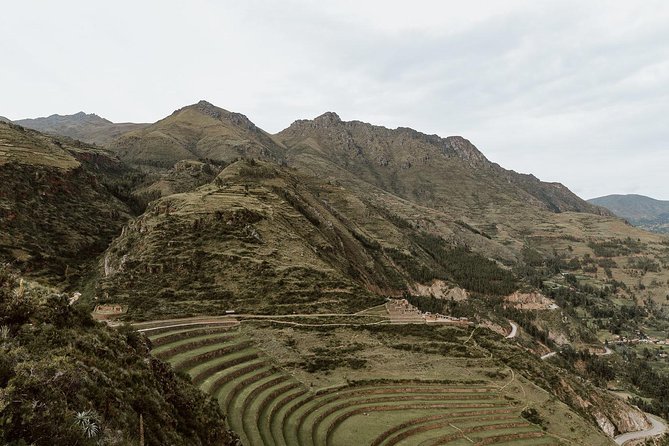
Pickup starts very early in the morning, around 6:00 a.m. from your Cusco hotel. The tour’s meeting time shows 7:00 a.m., so expect a schedule that still begins with that early hotel pickup vibe. Either way, you’re getting your first Sacred Valley views while most people are still buffering coffee.
The payoff is that you don’t lose the whole day chasing connections. You’ll ride between stops in the tour’s comfortable transportation, and the guide keeps the order logical: craft and culture first, then Inca engineering, then the stone-town feel, and finally the market + ruins.
This format works best if you want a first, clear look at the Sacred Valley without committing to a multi-day route. If you’re the type who likes to linger until your legs complain, the pacing may feel a bit scheduled—because it is.
You can also read our reviews of more tours and experiences in Cusco
Chinchero’s adobe streets, wool-dye demo, and the Inca–colonial mix
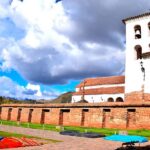
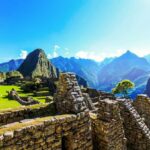
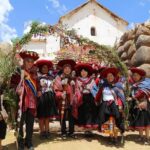
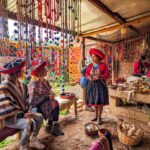
Chinchero is the first stop, with about one hour on site. The village setting is part of the charm: adobe homes, narrow cobbled lanes, and people in traditional dress. It’s the kind of place where the Inca legacy isn’t only in ruins—it shows up in everyday life and crafts.
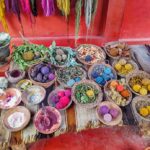
You’ll also have the chance (if you want) to see a wool washing and dyeing demonstration using native plants and minerals. That’s a small detail, but it helps you understand why the Incas cared about materials as much as monuments. Later on, when you see terraces and stone cities, you’ll feel the same theme: people designing their world to work with local resources.
Chinchero also includes the Inca archaeological area and a colonial temple. That blend is worth paying attention to. It’s not either-or—it’s how the region’s story layers over time, right in the same place.
Admission for Chinchero is not included, so you’ll likely want the relevant tickets ready in advance.
Moray’s agricultural terraces: the drainage trick that kept farms working
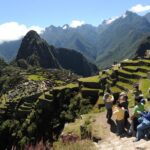
Next comes Moray, with about 45 minutes to explore. Moray is famous for its terraces, but what makes it stick in your memory is the purpose behind it: the Incas used it for agricultural experiments and seed cultivation.
Here’s the cool part you’ll be listening for during the explanation: the terraces had a drainage system at the bottom designed to avoid flooding during the rainy season. That’s not just a structural detail—it’s a clue to how the Incas solved practical problems with smart engineering.
In a short stop like this, you won’t have time to become a terracing expert. But you will get enough context to understand why these curved platforms weren’t just decorative. They were tools.
Moray admission is also not included, so this is another spot where planning for tickets helps.
Ollantaytambo’s stone streets, water worship, and fortress logic
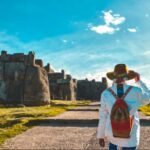
Ollantaytambo is the middle anchor of the day, with about one hour here. The town has a very “stone-meets-flowing-water” feeling. As you walk the narrow streets, you’ll hear water nearby, and the guide will help you imagine how the city functioned in Inca times.
What I like about this stop is how it gives you multiple layers at once:
- a preserved Inca-style urban layout with narrow lanes near streams
- an upper ceremonial center connected to water worship
- and a fortress area that protected access between the lower and upper valley
If you’re wondering why this place feels so built to defend and organize life, it’s because it was. It’s also one of the most intact examples of Inca town planning in the Sacred Valley.
Good news: admission is listed as free for this stop. That’s a nice value boost inside the day’s budget.
Pisac: artisan market time, easy shopping, then the ruins walk
Pisac is where the day turns more social and more flexible. You’ll have about one hour split between a lively artisan market and time to interact with the townsfolk and shop for handicrafts and souvenirs.
This part is simple but useful. The market gives you a feel for how people live now—so the ruins don’t feel like an isolated museum setting. Even if you’re not shopping, you’ll still likely enjoy watching the rhythm of local commerce and craft work.
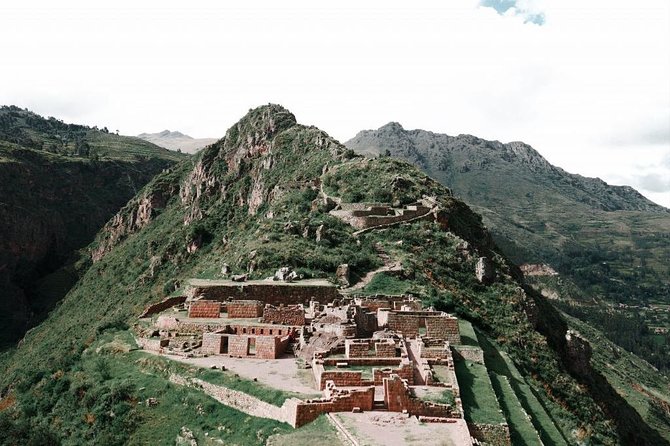
After the market, you’ll explore the Pisac ruins before heading back toward Cusco. Admission here is also listed as free, which again helps your overall costs.
Return to Cusco is scheduled for about 6:30–7:00 p.m.—a full, satisfying finish to a long day.

Urubamba lunch: buffet comfort after the morning grind
Lunch happens in Urubamba, and it’s included as a buffet. There’s a vegan option, which matters on a full-day tour like this—especially when you’re moving early to late.
A buffet in a place like Urubamba is practical. You can eat what you need without waiting for a complicated course order, and it gives you flexibility if you’ve got picky digestion or you just want fuel fast.
My practical suggestion: use this meal as a reset. Hydrate, slow down a bit, and give yourself a moment before the afternoon ruins and walking. One of the best ways to enjoy a packed day is to avoid arriving at the next stop already exhausted.
Price and entrance fees: what $38 buys you (and what it doesn’t)
At $38 per person for roughly 13 hours, the value comes from the stuff you’d otherwise pay for separately: the transport and guide, plus the lunch.
Here’s how that plays out in real life:
- You get transport all day, including the early hotel pickup and the inter-stop drives
- You get a bilingual guide (Spanish and English)
- You get lunch in Urubamba, including a vegan option
- Some key entries are marked as free (Ollantaytambo and Pisac)
What isn’t included can add up if you’re not ready:
- Chinchero and Moray admissions are not included
- The Boleto Turistico is listed as available in two options: 70 soles (partial) or 130 soles (full sites) valid for 10 days
- The Maras salt mines entrance fee is listed as 10 soles per person, though that specific site isn’t described as part of this day’s main stops
So the smart move is simple: before the tour, check which admissions you’ll use that week. If you’re doing more Sacred Valley sights around the same time, the higher Boleto Turistico might be the better deal. If this is your main Sacred Valley day, you may find you only need the lower tier—or you may just pay single-site admissions as required.
Either way, don’t wait until you’re standing at the door to calculate costs. Keep a rough ticket plan in your head so the day stays relaxed.
Guide Willy’s storytelling: why it matters more than you think
A lot of tours show you ruins. The best ones help you understand them. This tour’s guide work is a big reason it feels complete.
In the feedback I’ve seen about the guide, Willy is praised for more than facts. People talk about his humor, patience, and the way he shares Incas tales in a way that connects spirituality with everyday logic. The standout detail is how he doesn’t freeze the Incas in the past—he also ties the ideas to modern thinking, including science.
That matters because Sacred Valley can otherwise feel like a long checklist: terrace, temple, fortress, market. With the right framing, you start noticing patterns:
- engineering that solves water problems
- city planning that organizes access and worship
- crafts that show how people used local materials
If you’re the kind of person who likes to ask questions, a bilingual guide makes that easier too—Spanish and English are handled, so you’re not stuck guessing what’s important.
What to watch for at each stop (so the day feels good)
This is a full day, so your comfort depends on small choices.
At Chinchero, remember you may want to take in the wool-dye demonstration. If you’re curious, plan to slow down a little there, because it’s easy to rush when you’re thinking ahead to Moray.
At Moray, the site is short by design. Go in ready to listen for why the drainage system mattered. If you miss the explanation, Moray can feel like just another terrace complex.
At Ollantaytambo, give yourself permission to walk at your own rhythm through the stone lanes. The water sound is part of the experience, and it helps your brain “place” the city as a lived-in space.
At Pisac, use the market time intentionally. If you really want souvenirs, it’s the moment to shop. If you prefer photos and wandering, still spend a few minutes with the stalls so the ruins stop doesn’t feel disconnected.
Who this Sacred Valley tour suits best
This tour is a strong fit if:
- you want a single-day overview of Sacred Valley’s big highlights
- you like history that comes with practical context (agriculture, water, daily life)
- you want a small group experience instead of a giant bus
- you want lunch handled for you in Urubamba with a vegan option
It may be less ideal if you hate early mornings or you prefer to spend long, slow hours in fewer places. Here, you’ll see a lot, but you’ll also move on—because the point is to cover the full arc of the valley in one day.
Should you book this complete Sacred Valley tour?
I’d book it if you’re short on time in Cusco and you want the Sacred Valley to feel meaningful, not random. The mix of craft + engineering + town + ruins, paired with an included Urubamba buffet lunch and a guide who connects the dots, makes the $38 price feel reasonable.
I would pause before booking if you know you’ll struggle with a long day, or if you’re hoping for unlimited time at each stop. This is a smart overview, not a slow, deep study.
If you want one well-organized day that checks the right boxes, this tour is a solid pick.
FAQ
How long is the Complete Sacred Valley Tour?
It runs for approximately 13 hours.
What time does the tour start and when is pickup?
Pickup from your Cusco hotel is scheduled for around 6:00 a.m., and the meeting/start time is listed as 7:00 a.m.
How many people are in the group?
The highlights mention a maximum of 12 people, while the activity info lists a maximum of 15 travelers.
Does the tour include lunch?
Yes. Lunch is a buffet in Urubamba, and there is a vegan option.
Is the tour guided in English and Spanish?
Yes. The tour includes a bilingual guide in Spanish and English.
Are entrance tickets included?
Not all. Chinchero and Moray list admission as not included. Ollantaytambo and Pisac are listed as free.
What ticket should I plan for if I need site access?
A Boleto Turistico is listed as available: 70 soles for partial sites or 130 soles for full sites, valid for 10 days.
Is there any fee mentioned for Maras salt mines?
The entrance fee for the salt mines of Maras is listed as not included (10 soles per person).
What time do you return to Cusco?
You return to Cusco around 6:30–7:00 p.m.
What is the cancellation policy?
Free cancellation is available. You can cancel up to 24 hours in advance for a full refund.
Is the tour suitable for most people?
The information says most travelers can participate.