REVIEW · CUSCO
Salkantay Trek to Machu Picchu 5D/4N or 4D/3N by glamping
Book on GetYourGuide →Operated by Machu Picchu Expeditions Perú · Bookable on GetYourGuide
Humantay to Machu Picchu is the whole story. This Salkantay Trek with glamping gives you fewer-crowd mountain days, then lands you at Machu Picchu with a guided morning entry (Circuit 2B/6, 7). I also like the focus on fresh, chef-prepared meals that keep you fueled, plus the extras like a coffee tour and (optional) zipline. One thing to keep in mind is that this route is remote and high—so you’ll need solid fitness and realistic altitude expectations.
The other potential downside is budget math. Machu Picchu entrance, Humantay Lake, and hot springs costs are not included, so your final total can be higher than the headline price. If you don’t like surprises, plan for those add-ons early and pack smart.
In This Review
- Key takeaways before you go
- Why Salkantay Feels Like the Real Peru
- Glamping Camps: What Comfort Looks Like at Altitude
- Day 1: Cusco Pickup, Soraypampa, and Humantay Lake at 4,200m
- Day 2: Salkantay Pass (4,630m) and the Trail of the 7 Snakes
- Day 3: Santa Teresa Valley, Coffee Tour, Hot Springs, and Optional Zipline
- Day 4: Llactapata Ruins, Hidroeléctrica, and Aguas Calientes Reality
- Day 5: Guided Machu Picchu Circuit at 8:00am (Plus Optional Hikes)
- Meals and Snacks: This Is a Trek Food Story, Not Just a Walking Story
- Guides Matter: The Human Side of a Hard Route
- Price and Value: The Real Cost Breakdown
- Who Should Book This Trek (and Who Should Skip It)
- Should You Book This Salkantay Trek with Glamping?
- FAQ
- Is the Machu Picchu entrance ticket included?
- What time is the guided Machu Picchu tour?
- How many days is the trek?
- What accommodations are provided during the trek?
- Are meals included?
- Can I choose vegetarian or vegan meals?
- Is the hot springs visit included?
- Is a zipline included?
- How much luggage do horses carry?
- What should I bring for this trek?
Key takeaways before you go
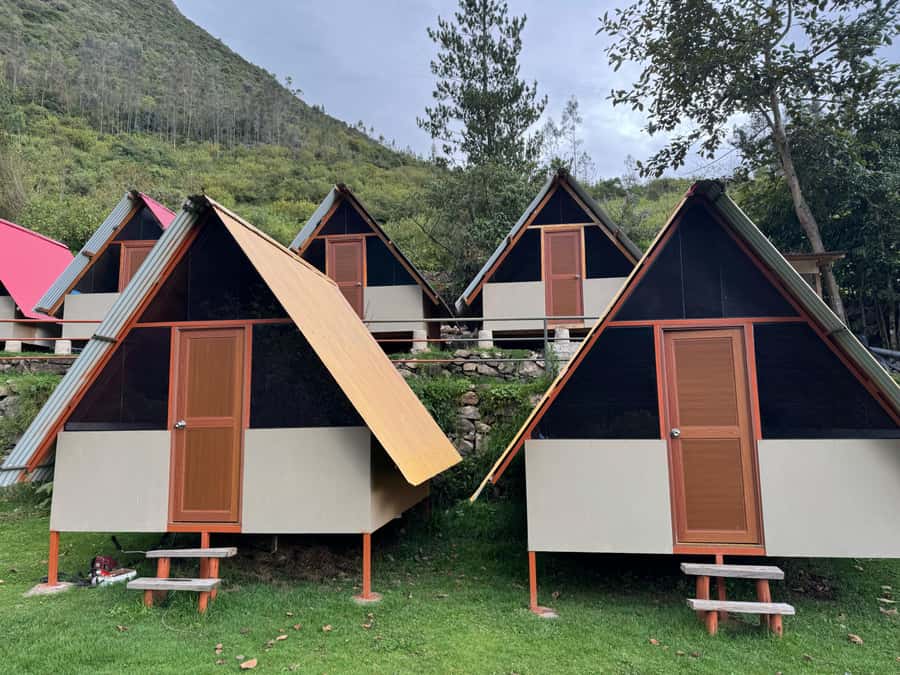
- Glamping style camps: glass-roof cabin, Sky Huts, and Jungle Domes with a personal pad and pillow
- Meals you’ll remember: mountain chefs cook multiple fresh meals daily, including lots of vegetarian/vegan options
- Fewer crowds than the Inca Trail: the remoteness is part of the appeal
- Two star hikes: Humantay Lake and the brutal-but-spectacular Salkantay Pass
- Coffee tour + hot springs + optional zipline: not just trekking, but full-day variety
- Guided Machu Picchu circuit at 8:00am: skip the ticket line and follow a set route
Why Salkantay Feels Like the Real Peru
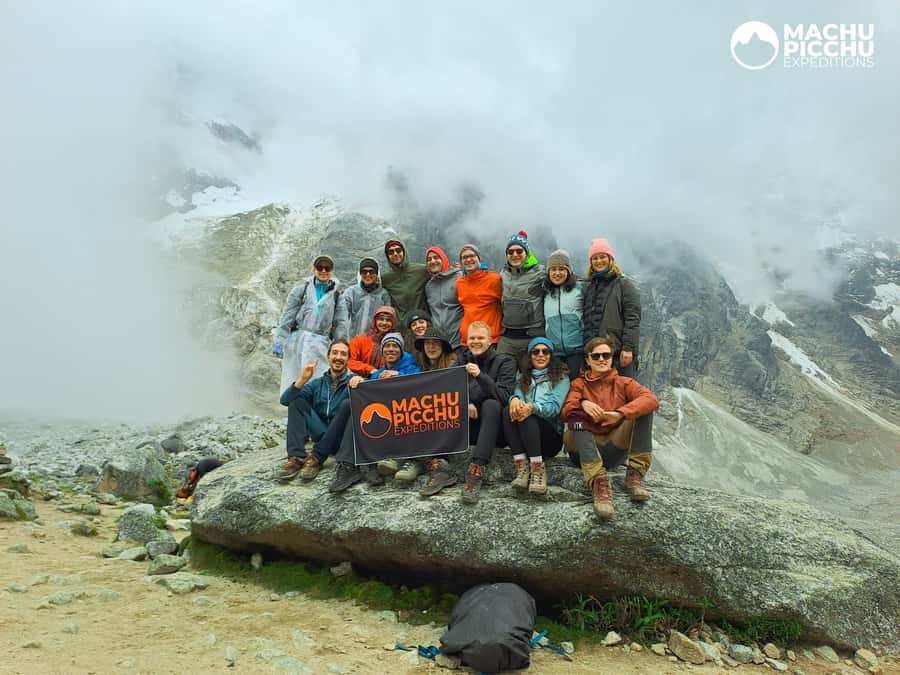
If you’re choosing between Salkantay and the Inca Trail, the big difference is crowd energy. Salkantay runs through rougher, more remote terrain, so you typically feel like you’re moving through space instead of passing through a parade. That matters. When you’re staring at Salkantay views near 6,271m, it’s nice not to be constantly dodging other groups.
You also get more variety in the itinerary than you might expect. Yes, you hike. But you also get Humantay Lake, a high mountain pass day, then the Santa Teresa Valley with hot springs and a coffee tour. Even if you’re the type who thinks Machu Picchu is the whole reason you came, this trek builds your “why” first.
You can also read our reviews of more hiking tours in Cusco

Glamping Camps: What Comfort Looks Like at Altitude
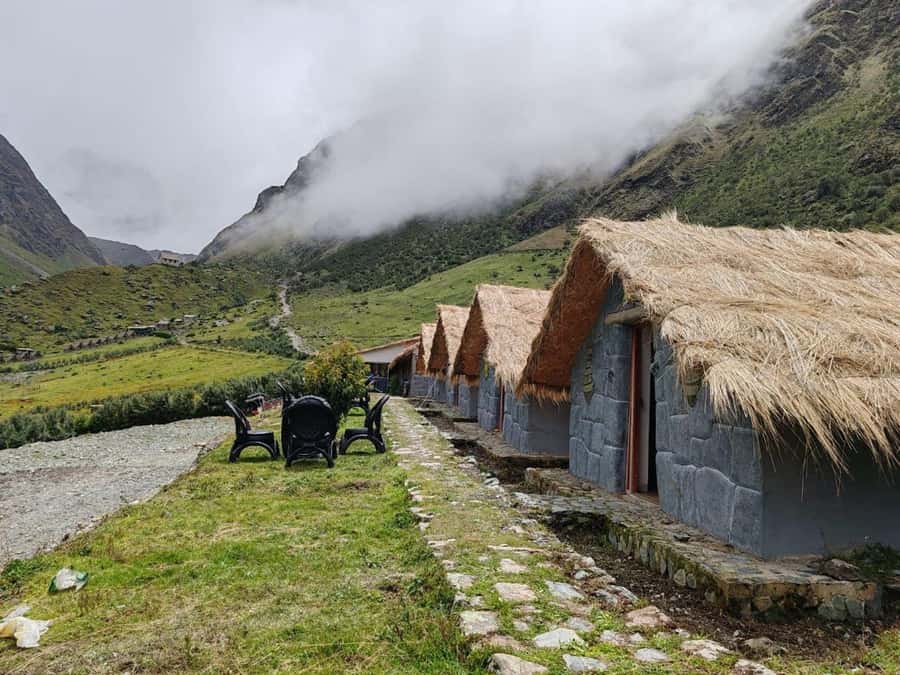
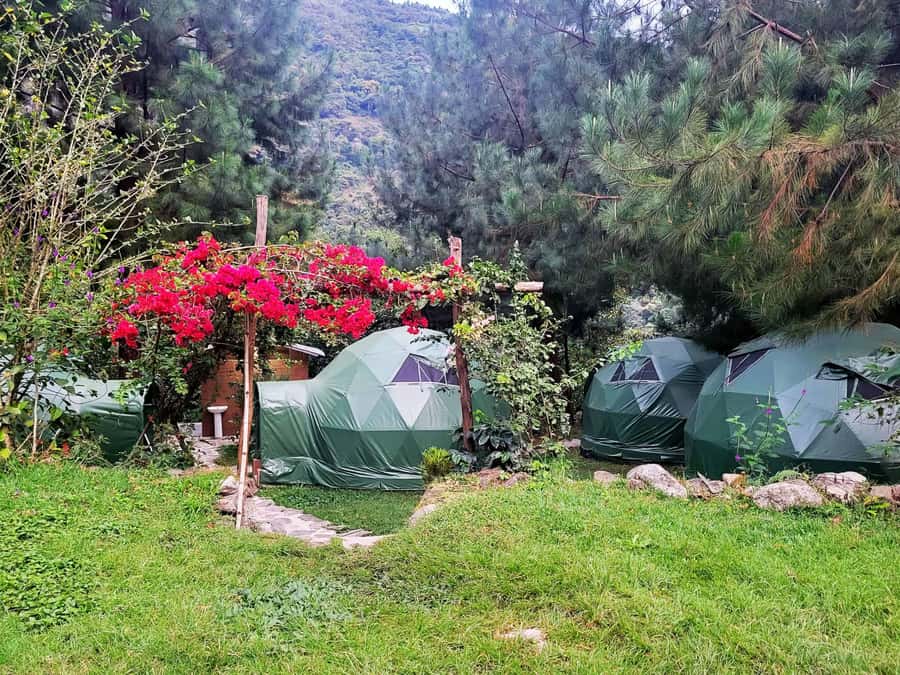
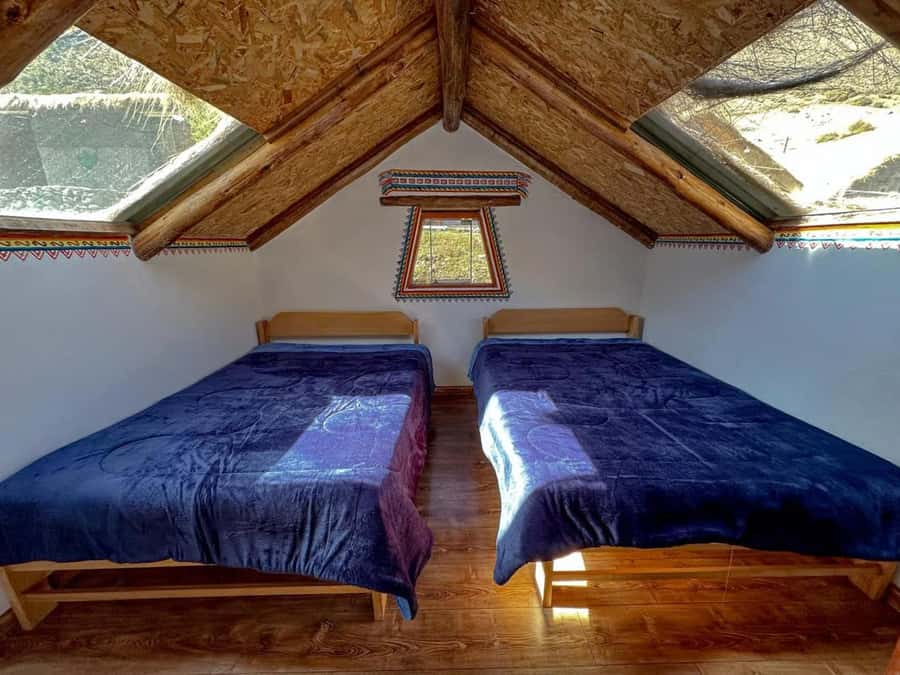
Calling these accommodations glamping isn’t marketing fluff. Day-to-day, they’re about being warm, sleeping better, and not spending every evening fighting to stay functional. You start with a cabin with a glass roof, then move into Sky Huts, and later sleep in Jungle Domes.
A few details matter for real life:
- You get a personal pad and pillow, so you’re not starting from zero each night.
- There’s free electricity in all camps for charging devices, which is huge when your phone battery starts dying after long, cold hikes.
- You get tea time every afternoon—popcorn, cookies, chocolate, and coffee—so you’re not just waiting around for dinner in the dark.
One practical note: hot showers cost extra in the later camps (PEN 10 from the 2nd and 3rd camp). That’s normal for remote trekking, but it’s good to know before you get your hopes up.
Day 1: Cusco Pickup, Soraypampa, and Humantay Lake at 4,200m
The schedule starts early. You’ll be picked up in Cusco’s historic center around 4 a.m., then transported and briefly rested before breakfast in Mollepata. From there, you hike from Challacancha to Soraypampa, where you settle into camp after lunch and rest.
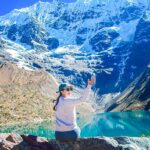
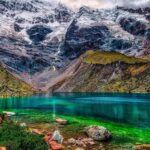
Then comes Humantay Lake. The trek climbs up to about 4,200m, and it’s the kind of view that makes your breath feel louder. You’ll have time back at camp for dinner and a sunset that’s usually calm and dramatic in equal measure.
What I like about Day 1 is the pacing. It’s not just “walk until you collapse.” You move into altitude gradually, then you earn the big lake moment without being rushed.
Day 2: Salkantay Pass (4,630m) and the Trail of the 7 Snakes
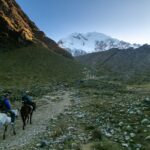
Day 2 is the day you respect. You wake up with coca tea, then breakfast, then start trekking toward Salkantay Pass at around 4,630m. The route includes the challenging Trail of the 7 Snakes, and once you reach the top, you’re rewarded with huge views of Salkantay itself (around 6,271m).
This is also where your trekking style matters. If you sprint early, altitude will punish you. If you walk steady, you’ll likely find the day more manageable than the hype suggests. Your guide and group pace are key here, so listen when they advise slowing down.
By late afternoon you reach Collpapampa (about 2,950m) for dinner and sleep. The altitude drops enough that you can finally feel your body exhale again.
Day 3: Santa Teresa Valley, Coffee Tour, Hot Springs, and Optional Zipline
This is the day the trek turns from pure mountain effort into something more playful. After tea and breakfast at camp, you head toward La Playa, walking through the Santa Teresa Valley. Lunch is at camp, and then you get choices.
Two highlights are built in:
- A coffee tour experience
- The option to visit Cocalmayo hot springs
If you want the active option, there’s also an optional zipline. You can book it with the tour team for $28 USD.
If you’d rather go slower, that’s fine too. You can use this day to recover while still feeling like you’re doing something fun and local. The domes at night help here: they feel like a cozy pause after long trail time.
One detail that’s easy to miss when you’re planning: this is when nature sounds start taking over. If you’re sensitive to noise or sleep changes, pack for it mentally and physically.
Day 4: Llactapata Ruins, Hidroeléctrica, and Aguas Calientes Reality
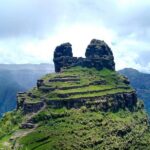
Day 4 starts with breakfast and then your final trek segment, including part of the Inca Trail. After about a two-hour uphill climb, you reach Llactapata (around 2,700m). It’s an archaeological site with views toward Machu Picchu, so it works like a teaser for what’s ahead.
Then you descend for about two hours, with glimpses of the citadel along the way. That descent is often where your legs start wondering why you chose this in the first place. Still, it’s memorable because it’s not just walking. It feels like you’re approaching something sacred in stages.
Lunch happens in Hidroeléctrica. After that, you arrive in Aguas Calientes and check into your 3-star hotel. Dinner is set for 7:00 p.m., and the evening has that pre-Machu Picchu energy—quiet focus, early sleep, chargers ready.
A small caution: one review noted the Aguas Calientes hotel was very loud and had no warm water. Hotels in this town can vary by room and season, so if hot water is non-negotiable for you, be prepared for the possibility and consider packing extra planning for cold showers.
Day 5: Guided Machu Picchu Circuit at 8:00am (Plus Optional Hikes)
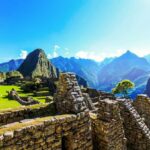
This is your big morning. You’ll visit Machu Picchu with a guided tour for about 1.5 hours. The entry is set to start at 8:00am, and the tour uses Circuit 2B/6 and 7.
You also get free time after the guided portion, and this is where you can choose your style:
- Hike Huayna Picchu (2,720m) if you want a steeper, higher experience
- Hike Machu Picchu Mountain (3,000m) for another big viewpoint challenge
- Visit Sun Gate (2,729m) if you want a classic approach vibe
- Or stick to the main circuit if you prefer a calmer pace
Because you’re going on a guided circuit, you’re less likely to feel lost. This is one reason the morning schedule feels worth it: you’re not wasting energy trying to figure out timing and routes while everyone’s moving.
Meals and Snacks: This Is a Trek Food Story, Not Just a Walking Story
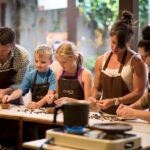
One of the most praised parts of this experience is the food. Multiple reviews highlight how good it is—fresh meals cooked daily by mountain chefs, not just basic camp calories. That shows up in the structure:
- 5 breakfasts
- 4 lunches
- 4 dinners
- 3 snacks
- Coca tea each morning
- Afternoon tea time: popcorn, cookies, chocolate, and coffee
Vegetarian and vegan options are available on request with no extra charge, which is a big deal on treks where some operators treat dietary needs like an afterthought. If you eat differently (or you just get tired of the same trekking meals), this is genuinely reassuring.
What I like as a reader is the practical angle: good food helps you trek better. At altitude, you don’t want to guess whether you’ll feel weak after dinner. You want predictable energy.
Guides Matter: The Human Side of a Hard Route
You’re only as good as the guidance on a trek this rugged. Here, the guide team is a standout theme, and names come up in reviews: Ruben is praised for an insightful approach and for keeping everything organized. Other guides mentioned include Roger and Reynaldo, described as helpful when problems came up, and Tupac and Nidia, praised for kindness and staying attentive to the group.
That matters on days like Salkantay Pass, where pacing, breathing reminders, and quick problem-solving can change how the day feels.
Also, this tour runs with an English/Spanish-speaking professional guide, and it’s limited to small groups (up to 15 participants). Smaller groups usually mean fewer bottlenecks on narrow parts of the route—and a calmer vibe at camp.
Price and Value: The Real Cost Breakdown
The listed price is $35 per person, but the value calculation depends on what you already have booked and what you still need to pay.
What’s not included, and you should budget for:
- Machu Picchu entrance (Circuit 2B/7 at 7:00am): about $45 USD, subject to official availability
- Humantay Lake entrance: PEN 20
- Hot springs entrance and transportation: PEN 10 + PEN 40
- Drinking water for bottles (bring a reusable bottle)
- Walking sticks rental: $10 USD
- Sleeping bag rental: $10 USD
- Zipline on Day 3: $28 USD (optional)
- Return transport from Hidroeléctrica back to Cusco by bus: $12 USD
- Optional train return adds $90 USD (train from Machu Picchu town to Ollantaytambo, then bus to Cusco)
Here’s the value logic: even with add-ons, you’re paying for a lot of “work done for you”—private transport to the trailhead, meals, chef service, camp setups, guides, safety gear (including first aid equipment, walkie-talkies, and an oxygen bottle), plus at least part of the Inca Trail segment and guided Machu Picchu entry.
If you already plan to book hot springs, get Machu Picchu tickets, and pay for your own logistics, this can be a strong bundle. If you hate surprise costs, check your budget before you fall in love with the headline number.
Who Should Book This Trek (and Who Should Skip It)
This isn’t a casual stroll. It’s a high-altitude trek with long hikes, steep climbing, and rugged sections.
Based on the provided suitability notes, it’s not for:
- pregnant women
- people with back problems
- mobility impairments or wheelchair users
- people with heart problems
- children under 18
- people with respiratory issues
- people with epilepsy
- people over 70
On the flip side, it fits best if you:
- want a less-crowded alternative to the Inca Trail
- like structured days with built-in stops and choices
- care about comfortable camping (not just a basic tent)
- can handle altitude and early mornings without drama
One more real-world tip: group mix can affect pacing. One review noted waiting time because the group included both younger and older participants. If you’re flexible and don’t mind a slightly uneven tempo, it won’t bother you. If you want speed and zero waiting, you might find it annoying.
Should You Book This Salkantay Trek with Glamping?
I think you should book if your priority is the combination: fewer crowds, high-altitude highlights, and a trek where the food and comfort aren’t an afterthought. The glamping camps, the chef cooking, and the built-in extras (coffee tour, optional hot springs, and zipline) make it feel like a full experience rather than only a hike checklist.
You might want to think twice if:
- you’re very sensitive to noise or cold showers (Aguas Calientes can be inconsistent)
- you dislike planning for extra tickets and fees
- you need a very predictable group pace with no waiting
If you go in knowing the trek is rugged and budgeting is required, this route has a way of making Machu Picchu feel earned instead of rushed.
FAQ
Is the Machu Picchu entrance ticket included?
No. The tour includes a guided Machu Picchu visit for Circuit 2B/6, 7, starting at 8:00 am, but the Machu Picchu entrance fee is not included. The ticket is listed as about $45 and depends on official availability.
What time is the guided Machu Picchu tour?
The guided Machu Picchu circuit is scheduled for 8:00 am.
How many days is the trek?
The itinerary runs 5 days and 4 nights (with the option of 5 days / 4N or 4 days / 3N by glamping).
What accommodations are provided during the trek?
You sleep in glamping-style options: a cabin with a glass roof on Day 1, Sky Huts on Day 2, and Domes on Day 3 nights along with further camp stays as described in the included package.
Are meals included?
Yes. You get 5 breakfasts, 4 lunches, 4 dinners, and 3 snacks, plus coca tea to wake up each morning and afternoon tea time (popcorn, cookies, chocolate, and coffee).
Can I choose vegetarian or vegan meals?
Yes. Vegetarian and vegan options are available on request with no additional charges.
Is the hot springs visit included?
The hot springs are optional, and the hot springs entrance ticket and transportation are not included. You would pay PEN 10 for entrance and PEN 40 for transportation.
Is a zipline included?
The zipline on Day 3 is optional and not included. You can book it with the team for $28 USD.
How much luggage do horses carry?
You receive a duffle bag to pack 6 kilos of your belongings, carried by horses during the trek.
What should I bring for this trek?
You’ll want warm clothing, hiking shoes, a hat, sunglasses, sunscreen (and biodegradable versions), gloves, a daypack, a reusable water bottle, swimwear and a towel, plus a sleeping bag if you’re not renting (and other trekking gear listed). A charged smartphone and power bank can also help.