REVIEW · CUSCO
Full-Day Excursion to Sacred Valley, Pisac and Ollantaytambo from Cusco
Book on Viator →Operated by MACHUPICCHU TOURIST CONNECTION · Bookable on Viator
A full day of Inca hits. This Cusco excursion strings together the Sacred Valley’s top stops with real context, not just quick photo breaks. I love the easy hotel pickup that starts your day with less stress, and I love the 30+ dish buffet lunch that actually fills you up. The trade-off is a whistle-stop pace, so several sites feel more like a highlight reel than a slow, lingering visit.
You also need to budget for entrance fees that aren’t included. Sacred Valley entry is 70 soles, and the salt mines at Salinas de Maras are 20 soles, with the Sacred Valley ticket purchased on the day at the first archaeological center. And while the group stays small (up to 20), this is still a long day in Peru, with moderate walking and some high-altitude patience required.
Logistics-wise, you’re picked up between 6:30 and 6:55 a.m., and you’re back in Cusco around 7:30 p.m. That’s about 13 hours total, so comfort matters. A few practical notes from real-world experiences: lunch is buffet-style but drinks may not be included, and the ride can feel tight if you’re sensitive to cramped seating.
In This Review
- Key Things That Make This Tour Worth Considering
- From Plaza de Armas to Pisac: How the Day Really Runs
- Sacred Valley of the Incas: Five Key Stops and the Entry-Fee Reality
- Chinchero: Inca Walls, Colonial Frescoes, One Hour of Contrast
- Moray’s Agricultural Platforms: Why the Inca Built in Layers
- Salinas de Maras Salt Mines: A Hill of Salt in 45 Minutes
- Urubamba Lunch Buffet: 30+ Dishes, and the Smart Eating Strategy
- Ollantaytambo: Fortress Power and a City Walk
- Pisac Archaeological Park: Astronomical Terraces on the Slopes
- Price and Value: What You Pay, What You Still Need to Budget
- Pace, Comfort, and the Reality of a 13-Hour Day
- Shopping Stops: When It Helps, When It Cuts Into Ruins
- What to Bring (So the Day Feels Easier)
- Should You Book This Sacred Valley Day Tour?
- FAQ
- How long is the Sacred Valley, Pisac and Ollantaytambo day trip?
- What time does pickup happen in Cusco?
- What is included in the price?
- Which entrance fees are not included?
- Where do we meet for the tour?
- Is free cancellation available?
Key Things That Make This Tour Worth Considering
- Hotel pickup from Cusco keeps your morning simple, with pickup between 6:30 and 6:55 a.m.
- Sacred Valley entry and Salinas entry are separate (70 soles and 20 soles), so bring cash in soles.
- Moray is included (ticket included) and gives you a rare look at Inca agricultural design.
- Urubamba lunch is a real buffet with 30+ Peruvian dishes, not a token meal.
- Small-group feel with a maximum of 20 people, so the guide can actually manage the day.
- You hit Pisac and Ollantaytambo in one day, which is great if your Cusco time is limited.
From Plaza de Armas to Pisac: How the Day Really Runs
This is a one-day drive-and-walk loop through the Sacred Valley, designed to compress a lot of “wow” into one schedule. You meet in central Cusco (Plaza de Armas) around 6:00 a.m., with pickup from your hotel between 6:30 and 6:55 a.m.
Expect the timeline to feel full. The Sacred Valley portion alone is about five hours, then you move through Chinchero, Moray, Maras, Urubamba for lunch, Ollantaytambo, and finally Pisac before returning to Cusco close to the main square around 7:30 p.m. If you like to take your time, plan to do some extra wandering on your own later that week.
This tour is also built for moderate physical fitness. You don’t need to be an athlete, but you should be comfortable with uneven ground, stairs, and walking during each stop. The good news: the timing is structured so you’re not stuck in one place too long.
You can also read our reviews of more tours and experiences in Cusco



Sacred Valley of the Incas: Five Key Stops and the Entry-Fee Reality
The day begins with your Sacred Valley of the Incas highlights. You’ll spend about five hours visiting the area’s most important sites, with history and cultural context built into the guide’s explanations.
One thing to know up front: the Sacred Valley entrance ticket costs 70 soles and is not included in the price. The ticket is purchased on the same day at the first archaeological center you visit, so you won’t be scrambling at the last minute if you come prepared.
Because this segment covers multiple places, you’ll get a sense of how the Inca connected agriculture, religion, and engineering across the valley. The downside is the trade-off you’re already aware of: several sites will feel like a fast walk through the main points. This is ideal for getting your bearings quickly, but it’s not ideal if you want to go deep at every ruin.
Chinchero: Inca Walls, Colonial Frescoes, One Hour of Contrast
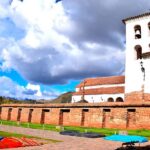
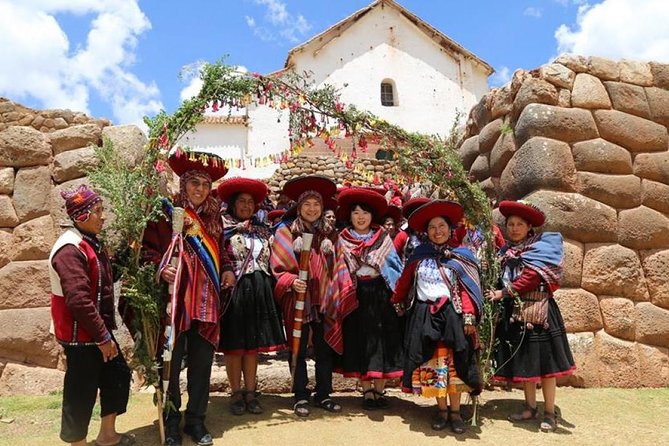
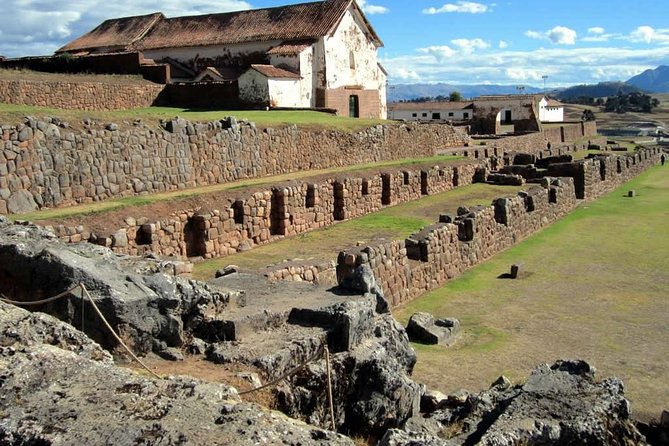
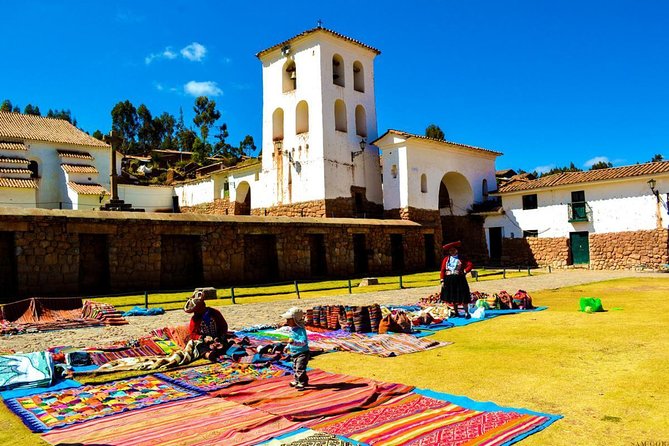
Next comes Chinchero, a stop that mixes Inca and colonial layers in a way you can actually see. You visit the remains tied to the royal treasury of Túpac Inca Yupanqui, then admire a well-preserved Inca wall in the main square.
There’s also a colonial temple built on top of older Inca foundations. The frescoes in the portico add color and detail, and the whole stop gives you a sharp look at how old structures got reused and reshaped after the Spanish arrived.
You’ll have about one hour here, which is enough to understand the big story without turning it into a long detour. If you enjoy architecture and how different periods leave their fingerprints on the same spot, this is a good one.
Moray’s Agricultural Platforms: Why the Inca Built in Layers
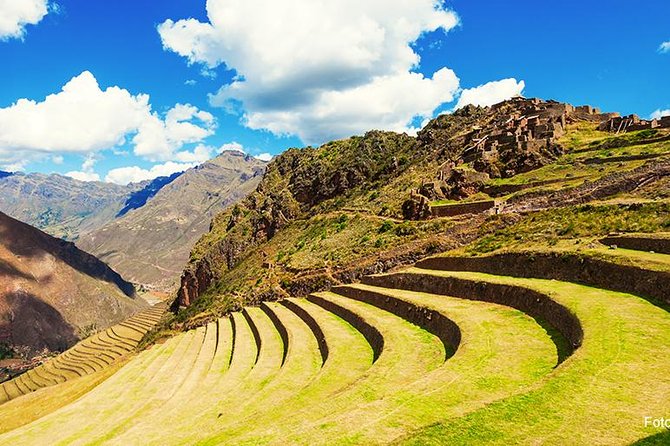
Moray is where the day gets more unusual. This place is dedicated to Inca agriculture, and you’ll see platforms arranged across different altitudinal levels.
The practical way to think about Moray is as an outdoor system for experimenting with growing conditions. Even in a short visit (about 45 minutes), it gives you a feel for the Inca’s focus on food production and environmental engineering.
Moray is also one of the stops where the entrance is included in your tour package. That’s a small but helpful bonus, because you won’t have to add another ticket cost in the middle of an already fee-heavy day.
Salinas de Maras Salt Mines: A Hill of Salt in 45 Minutes
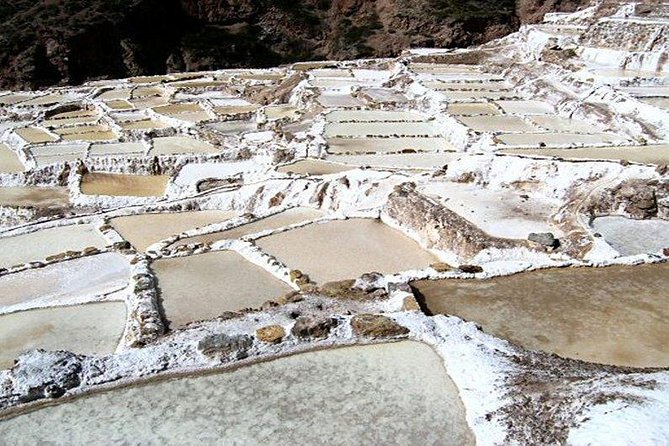
Then you move to Salinas de Maras, one of Peru’s most famous salt centers. The highlight here is the dense grid of salt deposits across the hillside, a striking sight even if you only have limited time.
You’ll get about 45 minutes at the salt mines, which is just enough to take in the scale and understand how salt extraction works. The ticket for this stop is not included, and it costs 20 soles, so factor that into your day budget.
This stop is visually dramatic, but it’s also a good reminder that the Sacred Valley isn’t only about ancient ruins. Salt production fed the region and helped supply broader markets. It’s one of those moments where the valley’s past and present connect.



Urubamba Lunch Buffet: 30+ Dishes, and the Smart Eating Strategy
Lunch happens in Urubamba at a tourist restaurant with a buffet that includes more than 30 varieties of typical dishes from the area. This is included in the tour, and it’s one of the strongest value points of the whole experience.
You’ll have about one hour, so you’ll want a strategy. Don’t spend your whole hour circling the same table. Start with a small tasting plate: something warm, something fresh, and something you’ve never tried. Then go back for seconds on the dishes you actually like.
A caution for picky eaters or vegetarian diners: while the buffet is big, options may not fit every dietary preference. If you eat a specific way, you might want to ask what’s vegetarian or check what’s available before loading your plate.
Also, while lunch is included, drinks aren’t clearly listed as part of the package. If you want bottled water or soda with your meal, plan to pay separately or bring what you can before you sit down.
Ollantaytambo: Fortress Power and a City Walk
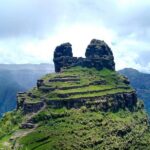
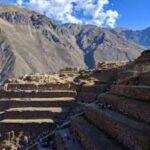
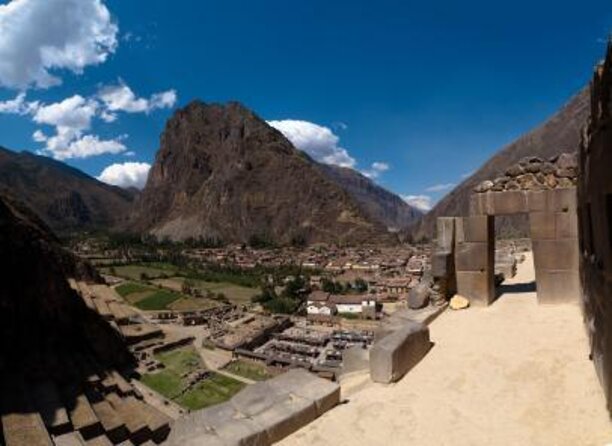
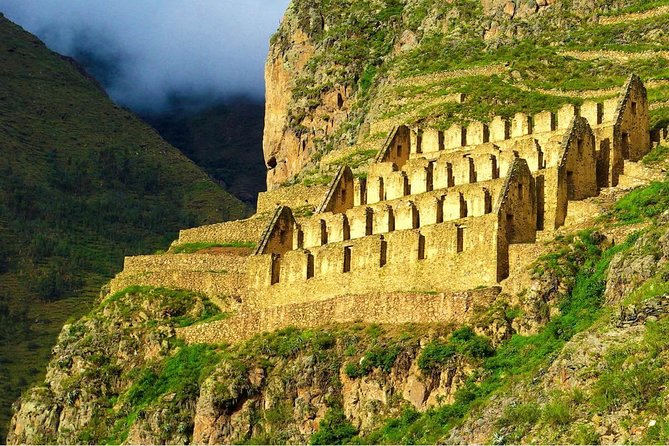
After lunch, you head to Ollantaytambo, starting with the Inca military fortress. This place was built to protect the entrance to the valley and defend against possible invasions coming from the jungle.
But the best part of Ollantaytambo for most people is the walk through the streets of the town area. You get a clearer sense of how this site functioned as a military, religious, and cultural hub during the Inca Empire.
Your time here is about 45 minutes, and the entrance ticket is listed as free as part of the tour. The quick walk helps you connect the fortress to daily life—stone defense above, civilization around it—and that’s an underrated value for a one-day schedule.
Pisac Archaeological Park: Astronomical Terraces on the Slopes
The final major stop is Pisac Archaeological Park, an Inca astronomical center. You’ll see groups of platforms and architectural structures spread across the mountain slopes and also at the top.
Pisac tends to impress because the site feels built to work with the terrain. Even with limited time (about 45 minutes), you’ll get the sense that the Inca were doing more than construction for decoration.
Admission for Pisac is not included, so you’ll likely need to pay another entrance fee during the day. After Pisac, you return to Cusco around 7:30 p.m., with transport dropping you close enough to the main square that you can grab a taxi or head out for dinner.
Price and Value: What You Pay, What You Still Need to Budget
At $47.90 per person, this tour is priced like a budget-friendly way to see a lot. The value comes from the things that are included: round-trip transportation, a professional guide, and that one-hour lunch buffet with 30+ dishes.
But the key word is “add-ons.” Entrance fees are not included for the Sacred Valley (70 soles) and Salinas de Maras (20 soles), and Pisac also lists admission as not included. Tips are also not included.
So, what does that mean for you? If you budget for the major fees in soles and you’re excited by a tight itinerary, the base price can feel like a bargain. If you prefer paying as little as possible on the day, or you’re hoping admission costs are included across the board, you may feel surprised by the totals at the ticket counter.
Pace, Comfort, and the Reality of a 13-Hour Day
This tour is fast by design. Several stops are under an hour, which means the guide has to keep things moving. That can be great if you want momentum and a packed highlight list. It can also feel rushed if you like to wander at your own pace.
Comfort is the other practical question. The route involves driving on windy valley roads and spending long stretches on the bus. A few people reported tight seating and a bumpy ride, so bring layers and plan to sit with the mindset that this is transportation, not a lounge.
You’ll be on your feet at each site for short stretches, so moderate physical fitness is the right expectation. If you get winded easily at altitude, take your time at the start of each stop and don’t treat the first steps like a sprint.
Shopping Stops: When It Helps, When It Cuts Into Ruins
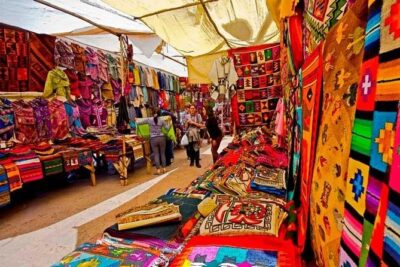
Some versions of the day include short stops at shops such as alpaca wool production and other retail points along the route. These can be interesting if you enjoy seeing how local crafts work, or if you want a souvenir with a story.
But they can also steal time from the main attractions if you’re there for ruins only. If you’re not a shopper, keep your expectations simple: your real goal is the sites—Sacred Valley, Moray, Maras, Ollantaytambo, and Pisac.
A good habit: ask the guide how long the stop will be before you enter. You’ll feel more in control, and you won’t end up frustrated when time moves quickly.
What to Bring (So the Day Feels Easier)
Since entrance fees aren’t included for major sites, come ready with cash in soles. Also, wear comfortable walking shoes with grip, because you’ll be stepping on uneven ground at archaeological areas.
For your body: plan for altitude and for a long day. Bring a light layer and something to protect your face from sun. For your plans: keep your schedule flexible afterward, because you’ll likely want an early dinner and a calm evening in Cusco.
One more practical thought: lunch is included, but the package doesn’t promise extras like drinks. If you like a specific beverage or want extra hydration, plan to purchase it on-site.
Should You Book This Sacred Valley Day Tour?
Book this tour if you want a smart introduction to the Sacred Valley in one shot. It’s especially good for first-timers in Cusco, people short on time, and anyone who wants the big Inca highlights—Moray, Maras salt, Ollantaytambo, and Pisac—without the hassle of planning transport between scattered sites.
Skip it if you want long stays at ruins, deep study, or a slow travel rhythm. The schedule is tight, and some days may include extra shop stops. Also, if you have strong dietary needs, you should be ready for a buffet that may not match every preference.
If you’re okay with a full day and you want value from an included guide and lunch, this is a solid way to get oriented fast.
FAQ
How long is the Sacred Valley, Pisac and Ollantaytambo day trip?
It runs for about 13 hours.
What time does pickup happen in Cusco?
Pickup is scheduled between 6:30 a.m. and 6:55 a.m.
What is included in the price?
Pickup from your hotel, round-trip transportation, a professional guide, a buffet lunch with 30+ typical Peruvian dishes, and permanent monitoring.
Which entrance fees are not included?
Sacred Valley entrance fees cost 70 soles, and Salinas de Maras salt mines entrance fees cost 20 soles. Pisac admission is also listed as not included.
Where do we meet for the tour?
The tour starts at Plaza de Armas in Cusco, Peru, and ends at Calle Plateros in Cusco.
Is free cancellation available?
Yes. You can cancel up to 24 hours in advance for a full refund.