REVIEW · CUSCO
From Cusco: Moray, Maras Salt Mines & Chinchero Weavers Half-Day
Book on Viator →Operated by Apu Ausangate Trek · Bookable on Viator
Moray, Maras, and Chinchero in one smooth day. You get three iconic Sacred Valley stops without committing to a full-day excursion, and the order is smart: textiles first, then Inca agriculture, then salt. I especially like the live Quechua weaving/color explanation in Chinchero, and I also love how Moray’s terraces make the Incas’ ideas feel practical, not just postcard-y.
The main drawback to plan around is that this tour packs a lot into about 6 to 7 hours, and there’s no included lunch stop. If you’re not into tight timing (or your group lands in a more crowded vehicle), you’ll want snacks ready and a patient mindset.
In This Review
- Key things to know before you go
- A tight Sacred Valley loop from Cusco (and why it works)
- Cusco pickup to Chinchero in the Andes: first stop, first culture
- Chinchero market and weaving: natural dyes, bartering, and what to photograph
- Moray terraces: an Inca greenhouse experiment you can walk through
- Maras Salt Mines: the sight, the salt story, and the “3,000 pools” reality
- The guide and group vibe: why the day feels smooth (or not)
- Transport and comfort: what to expect on the road
- What to pack (since lunch isn’t included)
- Price and value: cheap tour fee, paid entries at the top sites
- Should you book this Cusco half-day to Moray and Maras?
- FAQ
- How long is the half-day tour?
- What time do they pick you up from Cusco?
- Where do you get dropped off at the end?
- What sites are included in the route?
- Are tickets included for Moray and the salt mines?
- Is Chinchero admission included?
- Is lunch included?
- What group size is this tour?
- Do I need good weather for the tour?
Key things to know before you go
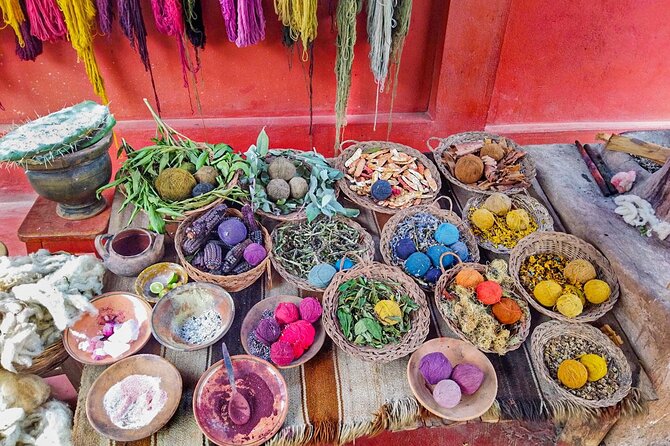
- Chinchero weaving demos use natural plant dyes, not just a showroom.
- Moray terraces look like an Inca science project, with multiple growing levels in one “bowl.”
- Maras salt mines are thousands of pools tied to hot-spring water and a dry-season rhythm.
- You’ll ride with a bilingual guide (English/Spanish) and get context, not just read-your-own-signs.
- The day is structured, so being on time matters for keeping the schedule.
- Moray and Maras admissions cost extra, so budget for tickets.
A tight Sacred Valley loop from Cusco (and why it works)
This is a classic Cusco add-on: pickup from your hotel between 8:20 and 8:40 am, then a loop through the Sacred Valley that brings you back around 3:15 pm near Plaza de Armas. In other words, it’s long enough to feel like you left town, but not so long that you lose your whole afternoon.
You also avoid the common Sacred Valley problem: the slow, piecemeal approach. Here, you hit Chinchero, Moray, and Maras Salt Mines in one day, which is great if you’re juggling altitude, tours, or an onward flight.
Altitude is part of the deal. Chinchero sits at about 3,762 meters, and Moray is around 3,450 meters. If you’re still acclimating, take it steady early on and drink water from stop to stop.
You can also read our reviews of more tours and experiences in Cusco

Cusco pickup to Chinchero in the Andes: first stop, first culture
The day starts with a simple hotel pickup and a direct ride toward Chinchero. The drive gives you the Andes scenery you want, but it also does something practical: it gets you moving before crowds build at each site.
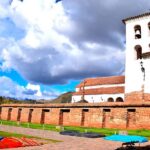
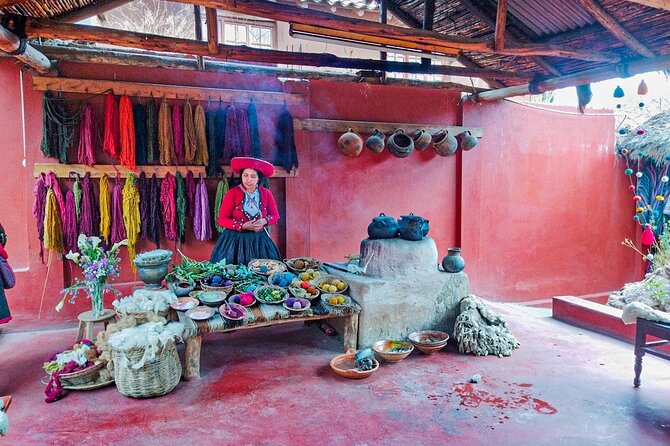
Once you arrive, Chinchero isn’t just a viewpoint stop. You’re there for a traditional market feel and an actual weaving workshop presence. You’ll see people practicing Quechua tradition, and that matters because you’re not only learning about the craft in theory—you’re watching it happen.
One note: the stop is described as visiting part of the town plus an Andean textile center. So yes, there’s culture and technique, but it’s also organized like a “structured encounter,” which can be great for first-timers and less great if you hate sales pressure.
Chinchero market and weaving: natural dyes, bartering, and what to photograph
Chinchero usually feels like the most “human” stop on this route. You’ll get time around the traditional market where locals barter. Even if you don’t buy anything, it’s a good snapshot of how people connect goods, prices, and relationships rather than treating shopping as a simple transaction.
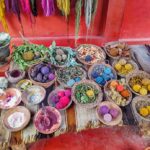
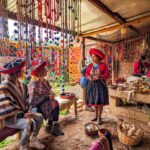
Then comes the weaving workshop experience, where the emphasis is on the how: how color gets pulled from natural plants, and how the craft fits into daily life and culture. This is the portion many people love most because it turns textiles into something you can understand quickly—thread, dye, pattern, and meaning.
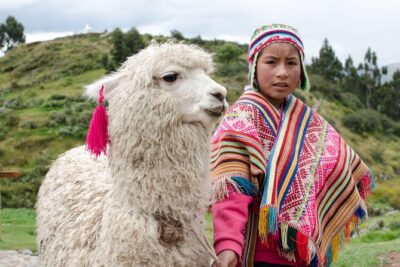
If you’re into photos, this is the place to plan for them. People described taking pictures dressed in Andean clothing, and your time here is set up to make that easy.
The trade-off is that Chinchero can also feel a bit sales-forward. One helpful way to handle this: decide your budget first, and don’t let a quick demo pressure you into buying. The workshop explanations are often the real prize, not the receipt.
Moray terraces: an Inca greenhouse experiment you can walk through
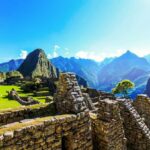
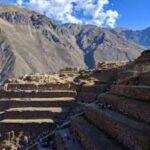
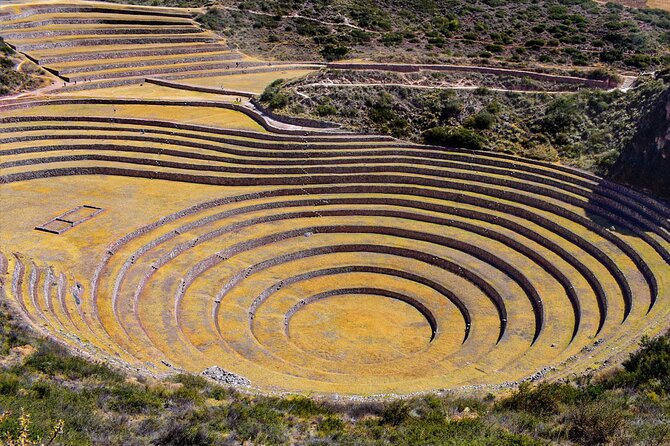
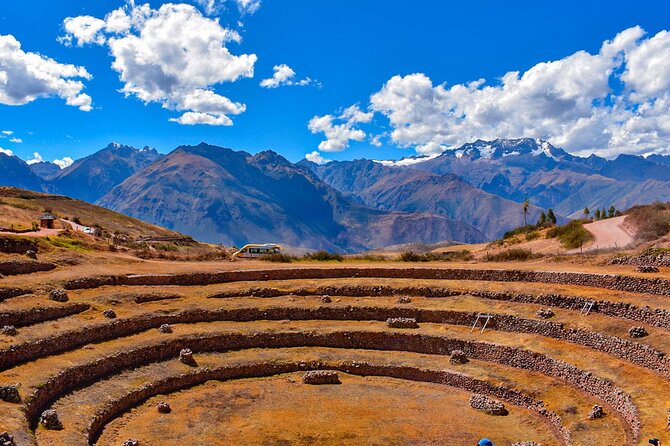
Moray is what turns this tour from “scenic day trip” into “how did they think of that?” The agricultural terraces are carved into a huge bowl shape, with different levels and a complex irrigation system that helped create microclimates.
It’s believed the Incas used Moray like a growing test site—experimenting with what could thrive at higher altitudes. The idea is simple but impressive: different terrace levels could support different crops, even when the altitude would normally be challenging.
When you’re there, try to look at it from a systems angle. The terraces aren’t just stairs; they’re a designed environment with water management. That’s why it feels like a natural science lab from centuries ago.
Moray’s admission isn’t included, so plan extra budget here. The upside is that many visitors feel it’s worth paying for: the terraces are striking, and the setting against the Andes views makes the whole place feel bigger than a quick stop.
Maras Salt Mines: the sight, the salt story, and the “3,000 pools” reality
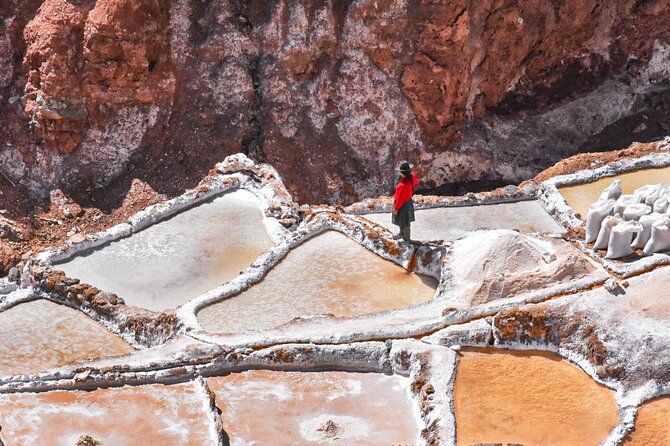
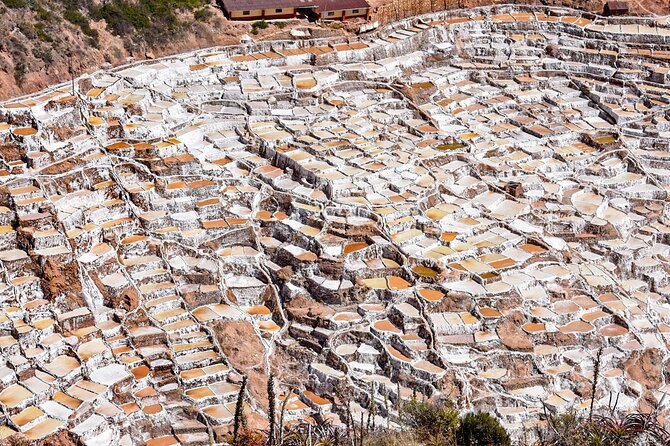
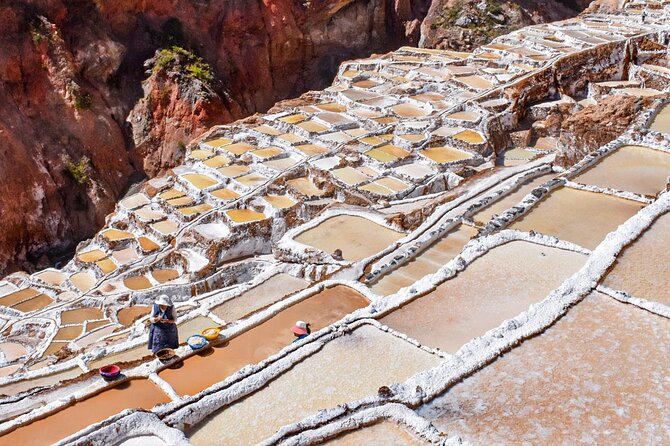
Then you roll into Salineras and the Maras Salt Mines, a place that looks almost unreal at first glance. The mine consists of about 3,000 small pools, fed by water connected to natural hot springs.
Here’s what makes it memorable: the process is tied to timing. During the dry season, workers fill the pools with salt water roughly every three days. After evaporation, salt is collected and processed—ground, treated with iodine, and packaged for regional markets.
Moray gives you the Inca “test environment” idea. Maras gives you the community “work environment” idea, still running today after pre-Inca origins. That continuity is part of why people call the salt mines huge and impressive: it’s not just a museum of salt, it’s an active production landscape.
Maras’ entrance fee also isn’t included. Many people find that once you see the scale in person, the ticket feels like paying for access to something that would be hard to grasp from photos alone.


The guide and group vibe: why the day feels smooth (or not)
A huge part of this tour’s value is the guide. Reviews highlight guides who tell stories and explain what you’re seeing with energy. Names that came up include Felipe and Eddie, and other guides like Manuel and Julio were also mentioned for switching between languages and sharing history and daily life context.
This matters because Sacred Valley sites can feel repetitive if you only get facts. A good guide helps you connect the dots: agriculture at Moray, production at Maras, and tradition/technique at Chinchero.
Group size is capped at 16 travelers, which is usually a good sign for comfort and pacing. Still, one review called out a cramped feeling in a mini bus when it’s full. If you’re sensitive to long rides, pick seats with the most legroom you can, and assume the “packed vehicle” risk is real on popular days.
Pacing is also schedule-driven. A few people noted that the timeline can feel stressful when you have to keep moving and everyone is on time at each stop. That’s not a dealbreaker, but it’s a good reason to build in a little buffer: go to the restroom early, stay ready, and don’t wander off between check-ins.
Transport and comfort: what to expect on the road
The tour includes hotel pickup and transportation, and most feedback points to safe, well-handled driving. A lot of reviews praised drivers like Jesus for navigating confidently through the day.
Comfort seems to vary more than the sightseeing. If you land in a crowded vehicle, you may feel it by the time you reach the last stop. That’s one reason to plan snacks and water: when you’re a little more comfortable in your body, the full-day feel becomes more pleasant.
Also keep in mind that you’re riding between three high-altitude points. Even if you don’t notice altitude in the car, it adds up once you start walking and taking photos.
What to pack (since lunch isn’t included)
This is where I’d be practical. Lunch and breakfast are not included, so plan to eat before pickup or carry enough for later. Even if the tour feels like a “half-day,” you’ll still be out long enough that hunger can turn sightseeing sour.
Bring:
- Water (and keep sipping, not chugging once).
- Snacks for the ride and between stops.
- A layer you can handle at altitude (mornings and shade can feel chilly).
- Sun protection: hat and sunscreen.
- Cash or a card for the entrances you’ll pay on-site (Moray and Maras).
Some guides may also offer small tastes, and one review mentioned coca leaves being shared to try. You can’t rely on that happening every time, but it’s a reminder that the day can include small cultural moments beyond the formal stops.
Price and value: cheap tour fee, paid entries at the top sites
The base price listed is $15.20 per person, and it includes pickup, transportation, and a bilingual guide. That’s a strong deal for getting out of Cusco and into the Sacred Valley without arranging everything yourself.
But remember: Moray and Maras Salt Mines have separate admission fees. Moray is listed at $19 (or 70 soles), and Salt Mines at $6 (or 20 soles). Chinchero’s admission is listed as free.
So your real budget is the tour price plus two ticket costs. If you do the math, it can land in the “still reasonable for a guided Sacred Valley day” range, especially because you’re paying for access to two of the most famous sites plus the guide’s explanation.
For value, the key question is simple: do you want both Moray and Maras today? If yes, this route usually makes sense. If you only care about one, then paying separate entrances might feel less efficient.
Should you book this Cusco half-day to Moray and Maras?
Book it if:
- You have limited time and want major Sacred Valley highlights in one run.
- You care about agriculture and production stories, not just ruins.
- You like a structured day with a guide who explains what you’re seeing (many reviews specifically praise the storytelling and clarity).
- You want the Chinchero weaving and dye piece, especially if you enjoy traditional craft.
Skip or rethink it if:
- You strongly prefer long, relaxed meals with lots of downtime. There’s no lunch included, and the day can feel full.
- You don’t like craft stops that include selling. Chinchero can be more sales-focused than you’d like, even though the technique demonstrations can be genuinely interesting.
- You’re sensitive to tight schedules and vehicle comfort when groups are at capacity.
Bottom line: this is a smart choice for first-time Sacred Valley visitors who want a high-impact day. Just come prepared for a packed itinerary, carry snacks, and treat the ticket extras at Moray and Maras as part of the plan.
FAQ
How long is the half-day tour?
It runs about 6 to 7 hours.
What time do they pick you up from Cusco?
Pickup is between 8:20 am and 8:40 am from your hotel.
Where do you get dropped off at the end?
You return around 3:15 pm near Plaza de Armas. Hotel drop-off is not included.
What sites are included in the route?
You visit Chinchero, Moray, and the Maras Salt Mines, with Cusco as the start and end point.
Are tickets included for Moray and the salt mines?
No. Moray admission is listed as $19 (or 70 soles), and Salt Mines admission is $6 (or 20 soles).
Is Chinchero admission included?
Yes. Chinchero’s admission ticket is listed as free.
Is lunch included?
No. Breakfast and lunch are not included.
What group size is this tour?
It has a maximum of 16 travelers.
Do I need good weather for the tour?
Yes. The experience requires good weather. If it’s canceled due to poor weather, you’ll be offered a different date or a full refund.
If you want, tell me your travel dates and whether you’re acclimated to altitude yet, and I’ll suggest the best pacing strategy (and how early you should eat before pickup).