REVIEW · CUSCO
Sacsayhuaman Temple, Tambomachay and Puca Pucara Half-Day Tour
Book on Viator →Operated by VIPAC Travel · Bookable on Viator
Skip long lines and see four ruins fast. This half-day circuit packs Sacsayhuamán, Q’enqo, Puca Pucara, and Tambomachay into one clean route, with air-conditioned minivan transport and hotel pickup so you’re not juggling rides on high-altitude roads.
Two things I really like: prebooked admission means less waiting around, and the early start helps you enjoy Sacsayhuamán before the crowds turn it into a moving queue. One watch-out: the day can feel time-crunched at the smaller stops, and there may be a textile-shop stop that can steal time if you’re not into shopping.
In This Review
- Key things to know before you go
- The real value: four Inca sites without the taxi math
- Starting at 8:00 am: getting Sacsayhuamán before it fills up
- Q’enqo’s rock shrine: amazing, but access may be limited
- Puca Pucara: the red fortress and its water features
- Tambomachay and the sacred springs idea
- The pacing reality check: when the day feels short
- Shopping stops: worth it for textiles, annoying if you came for ruins
- Logistics that actually matter in Cusco
- Transportation and comfort
- Group size
- Timing and meeting start
- Rain and footing
- Price and value: is $69 a good deal?
- Who should book this half-day Inca circuit
- Should you book Sacsayhuamán, Q’enqo, Puca Pucara, and Tambomachay?
- FAQ
- What is the duration of the Sacsayhuaman Temple, Tambomachay and Puca Pucara half-day tour?
- What time does the tour start?
- How much does it cost per person?
- Is hotel pickup and drop-off included?
- Is admission included, and are tickets prebooked?
- Which sites are visited on this tour?
- Is Q’enqo fully accessible during the tour?
- Is there a guide?
- How large is the group?
- What is the cancellation policy?
Key things to know before you go
- Prebooked admission tickets: you should skip the longest line moments.
- Small group size (max 14): it stays friendly instead of chaotic.
- Early timing at 8:00 am: better light and fewer people at the big viewpoints.
- Sacsayhuamán gets the most time: plan to linger at the fortress terraces.
- Q’enqo access can be limited: the rock shrine area may not be open right now.
- A short shopping stop may happen: decide in advance how you’ll handle it.
The real value: four Inca sites without the taxi math
This tour is built for people who want the Cusco-area Inca highlights but don’t want to spend half a day coordinating transportation. With pickup from your hotel and an A/C minivan that moves you site to site, you get a smoother flow than trying to hop between ruins on your own, especially if you’re new to the altitude and the timing.
The $69 price is mostly about convenience plus guide time. You’re not paying just for a bus ride. You’re paying for someone to connect the stones you’re seeing with what the Inca believed they meant, and for the prebooked park admission that reduces waiting. The tour is also capped at 14 people, which matters in places like Sacsayhuamán where timing and foot traffic can get messy.
The big trade-off is pace. This is billed as an around three-hour experience, so don’t expect leisurely wandering at every stop. If you like to take your time at one site, you’ll probably end up treating the other three like quick hits.
You can also read our reviews of more tours and experiences in Cusco

Starting at 8:00 am: getting Sacsayhuamán before it fills up
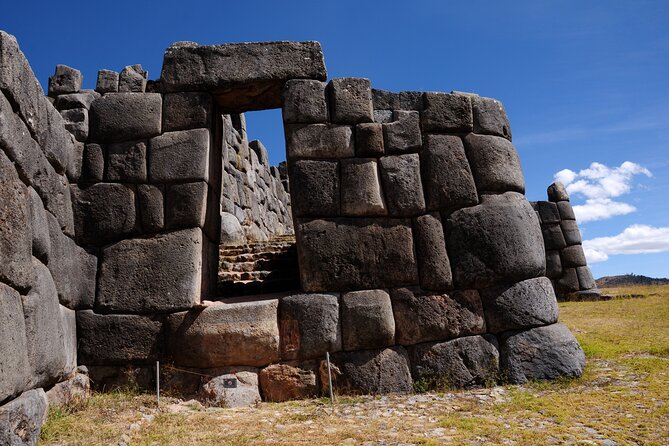
Your morning begins at 8:00 am, with transport from your Cusco hotel toward the ruins. Most of the time, Sacsayhuamán is where the day pays off most, and the schedule reflects that.
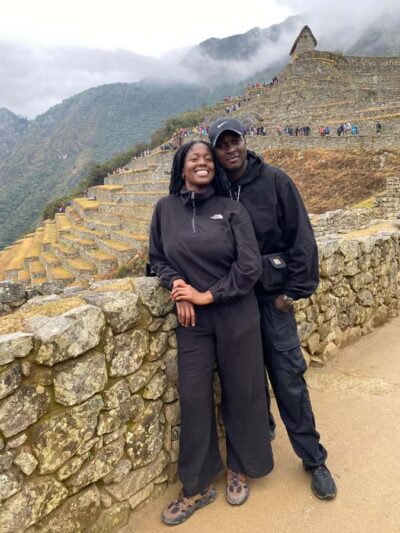
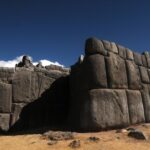
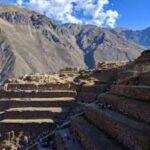
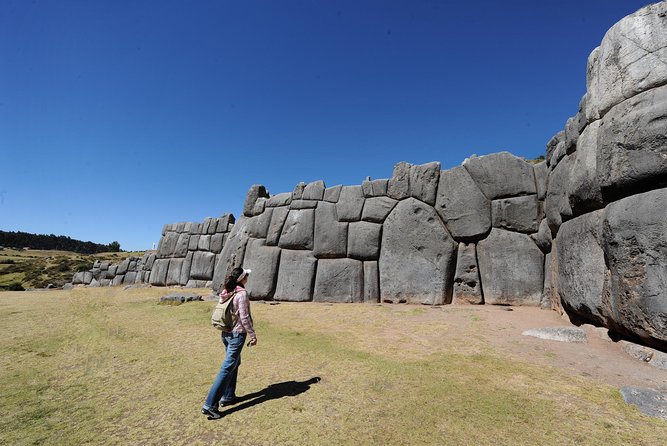
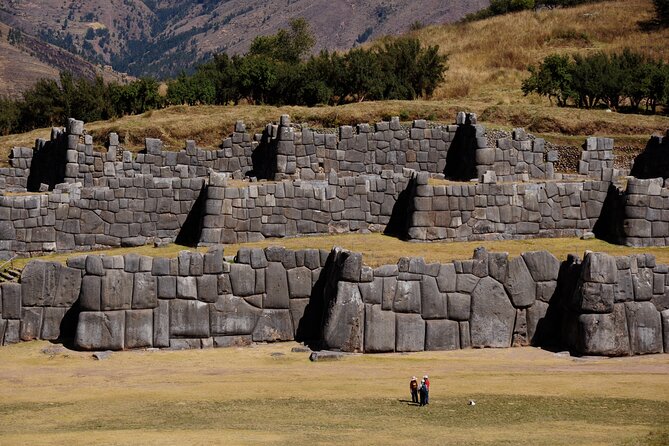
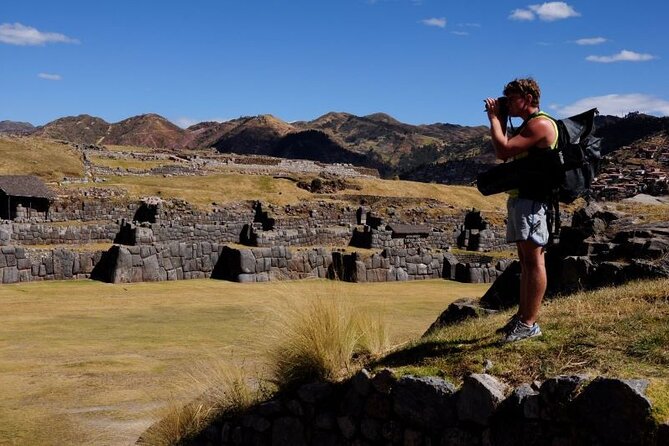
At the site, you’ll walk through an Inca citadel with three levels of terraces and massive stonework. It’s the kind of place where your brain wants to zoom out and ask: how did they move and fit those blocks? That question is part of the fun. Take a slow turn at the viewpoints, too, because the angle over Cusco is one of the best reasons to come early.
What to look for as you walk:
- Large stone terraces and fortress walls laid out to feel part of the ground
- Carvings and shapes associated with animals, used to symbolize different layers of the Inca world
- The way pathways and stone alignments guide your movement through the site
Practical tip: plan for sun and altitude. Even in the dry season, strong UV can sneak up on you. One common mistake in Cusco is forgetting sunscreen and a hat because the morning feels cool at pickup. Wear layers you can peel off later, and bring something for sun protection.
Q’enqo’s rock shrine: amazing, but access may be limited
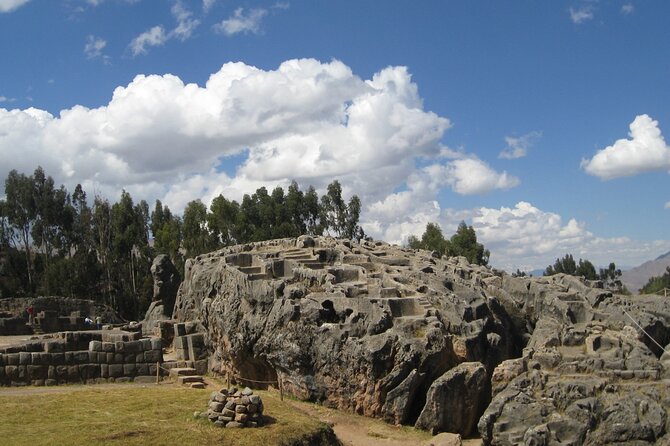
Next is Q’enqo, a carved-rock ceremonial complex. This is one of those ruins where the shape of the stone tells you it wasn’t meant to be “just architecture.” Q’enqo is known for a rock-embedded altar area associated with Inca ritual life, and the layout includes winding passages and a central ceremonial space.
Here’s the key caution: the tour information notes that the site area may not be accessible right now for closure reasons. In that case, you may get less of the internal walk and more of the outside panoramas, including a top “labyrinth” view.
How to make this stop work for you:
- If you’re hoping to see the altar area closely, double-check on the day what’s open.
- Even without full access, you can still get the value from the stone carvings and the overall ceremonial design.
Time here is brief. Even on days with good conditions, Q’enqo is unlikely to feel like a long, slow museum visit. Think of it as a short stop that gives context for how the Incas used space for ceremonies.
Puca Pucara: the red fortress and its water features
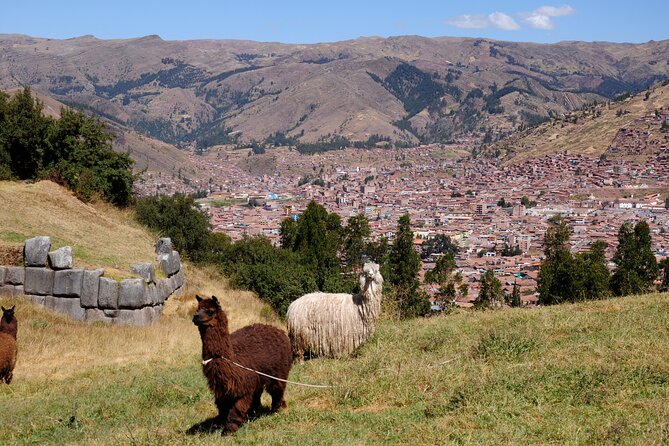
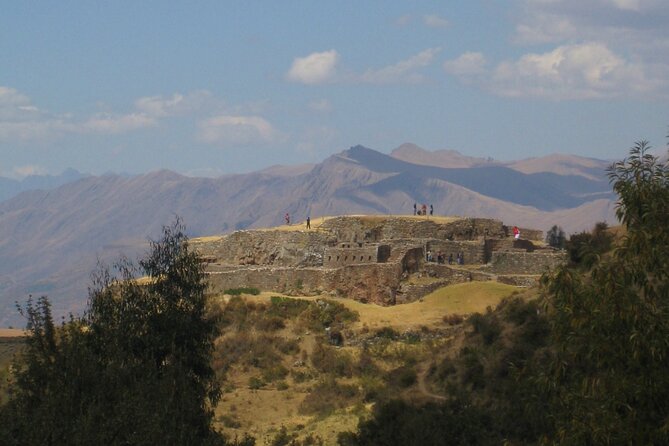
Then you’ll head to Puca Pucara, which means red fortress. The vibe here is different from Sacsayhuamán. It’s more of a hilltop military and lookout site, tied to defense and observation over the Cusco area.
You’ll see:
- Stone walls and defensive structures
- Water-related features, including aqueduct-style elements and channels
- A sense of how the Inca controlled movement and monitored the area
This is also a stop where timing matters. Many people want more than the short window they get, and that’s understandable. Puca Pucara can feel slightly “over fast” compared to the fortress terraces of Sacsayhuamán. If you’re the type who wants close-up photos and extra time at one angle, you’ll want to move with purpose.
That said, if you’re happy with a solid overview, it’s a satisfying final contrast before the day shifts back toward Tambomachay.
Tambomachay and the sacred springs idea
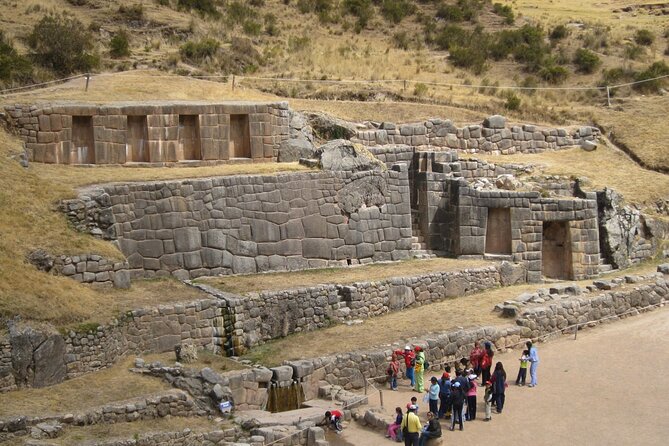
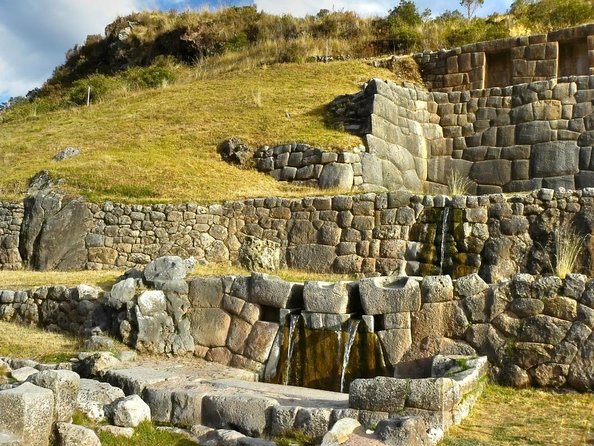
Your last archaeological stop is Tambomachay, known for natural spring water fed through channels and the idea that the springs were sacred. The concept tied to the water in Inca view is part of why this stop is more than just “pretty fountains.”
At Tambomachay, expect:
- An explanation of the water channels and how water was guided through stone
- Architectural details that show Inca engineering thinking about water as a life force
- A calm rhythm compared with the more fortress-like energy of the earlier sites
Time is still limited, but Tambomachay is a good way to end because it’s easier to absorb. You’re not trying to figure out massive block placement while standing in the dust. You can focus on the flow of water and the layout the Inca designed to manage it.



The pacing reality check: when the day feels short
The tour’s structure can work beautifully if the guide keeps a steady tempo. But there’s also a known risk with half-day schedules: the smaller stops can get rushed, leaving you with the sense that you saw the name of the place, not the place itself.
You’ll notice this pattern in how different people describe their experience. Some guides manage to balance explanation with time to look, while others move quickly. This doesn’t mean the sites aren’t spectacular. It means you should arrive with the right expectations:
- Sacsayhuamán is the main event
- Q’enqo, Puca Pucara, and Tambomachay are usually short “overview” stops
A second pacing issue is the optional-feeling shopping moment. The tour can include a textile or alpaca-goods stop, and if you’re not interested, it can feel like time taken away from ruins. I’d treat that stop as a “plan for it, don’t count on it” moment. If you care about textiles, it can be interesting. If you don’t, politely decide in advance how much time you’ll spend before you ask to move along.
Shopping stops: worth it for textiles, annoying if you came for ruins
This tour may include a store focused on alpaca wear and related goods. Some people find it helpful for learning differences between wool types and how to spot quality. Others feel the pitch is too pushy and that it costs too much time right before you’d rather stay at the archaeological site.
Here’s how I’d handle it:
- If you want to buy, go in knowing it can be a sales environment. Ask what the fiber content is and compare options nearby later.
- If you don’t want to buy, set a personal time limit. You’re on a timetable, and there’s no prize for staying through a hard sell.
Also, keep your receipts and payment method in mind. One account described a card markup headache. I can’t tell you how it will work on your day, but it’s smart to be ready for the reality of payment policies when you’re buying souvenirs.
Logistics that actually matter in Cusco
Transportation and comfort
You’ll use an air-conditioned minivan with hotel pickup and drop-off. That’s a practical win. Cusco-area drives can be bumpy, and you don’t want to arrive at your first ruin already exhausted.
One important detail: some hotels are in places where vehicles can’t enter. In that case, pickup may happen at an accessible meeting point. It’s worth checking your exact pickup instructions the day before.
Group size
With a maximum of 14 travelers, the tour stays manageable. You’ll likely still be sharing space on stairways and viewpoints, but you’re less likely to feel like you’re in a school field trip.
Timing and meeting start
The tour starts at 8:00 am. If you book through a platform that lists a different start time than what you receive in your confirmation, don’t shrug it off. Get the real start time from the operator and then plan to be ready early. A rushed start can turn a half-day tour into a sprint.
Rain and footing
If you’re visiting in rainy season, expect slippery steps and rocks. The ruins involve uneven ground, and you don’t want to be negotiating that in wet sandals. Wear grippy shoes and take your time on any steps.
Price and value: is $69 a good deal?
For $69 per person, the biggest “value items” are:
- Guide service in live bilingual Spanish and English
- Hotel pickup and drop-off by A/C minivan
- Prebooked tickets that help you avoid waiting
- Admission that covers Sacsayhuamán Park for the listed archaeological sites
If you were to do this by taxi on your own, you’d likely spend extra time figuring out routes and bargaining for multiple site stops. You’d also need to manage timing so you don’t end up paying for a long driver day with little structure. This tour gives you a framework and a shared rhythm.
When $69 may feel expensive: if you don’t enjoy being moved on a schedule, or if you end up feeling that most of your time went to places you didn’t care about as much. This is why I recommend Sacsayhuamán-focused travelers treat the other three sites as bonus stops.
Who should book this half-day Inca circuit
This tour is a good fit if you:
- Have limited time in Cusco and want the main nearby Inca sites without planning
- Like guided context so the stones make sense, not just look impressive
- Prefer a smaller group (up to 14) and early morning starts
- Want an easy add-on to a bigger trip like Machu Picchu, with time left for lunch and city wandering
It’s not the best fit if you:
- Want hours at every ruin to soak in details
- Hate shopping stops and feel strongly about skipping them entirely
- Prefer to roam at your own pace with no schedule pressure
Should you book Sacsayhuamán, Q’enqo, Puca Pucara, and Tambomachay?
I’d book it if your top priority is getting the big Cusco-area Inca hits in a short window, with less logistics stress. The early timing and prebooked admission are real advantages, and Sacsayhuamán is strong enough that it can justify the whole day even if the smaller stops are quicker than you’d like.
I’d reconsider if you’re hoping for a slow, deep archaeological experience at each stop. This is a half-day circuit. It’s meant to cover ground. If you want a more personal pace, you might decide to spend extra time at Sacsayhuamán and handle the other sites separately.
If you do book, come with a simple game plan: aim to linger at the Sacsayhuamán terraces and viewpoints, keep expectations realistic for the shorter stops, and decide ahead of time what you’ll do if a textile or souvenir stop appears.
FAQ
What is the duration of the Sacsayhuaman Temple, Tambomachay and Puca Pucara half-day tour?
The tour is listed at about 3 hours.
What time does the tour start?
The start time is 8:00 am.
How much does it cost per person?
The price is $69.00 per person.
Is hotel pickup and drop-off included?
Yes. Pickup and drop-off are included, and some hotels may not be accessible by vehicle.
Is admission included, and are tickets prebooked?
Yes. Admission tickets are prebooked, and the tour includes passport admission tickets for Archaeological Sacsayhuaman Park covering the four archaeological sites.
Which sites are visited on this tour?
You’ll visit Sacsayhuaman, Q’enqo, Puca Pucara, and Tambomachay.
Is Q’enqo fully accessible during the tour?
The tour information states that Q’enqo is not accessible right now for COVID reasons, so access may be limited.
Is there a guide?
Yes. You get a live bilingual Spanish and English guide.
How large is the group?
The tour has a maximum group size of 14 travelers.
What is the cancellation policy?
Free cancellation is available. You can cancel up to 24 hours in advance for a full refund.