REVIEW · LIMA
From Lima: Discover the Ancient Sites Caral & Bandurria
Book on GetYourGuide →Operated by Inca Trilogy Tours S.A.C · Bookable on GetYourGuide
Caral and Bandurria feel like time travel on a single itinerary. I love the small group size, which keeps questions from getting lost, and I love how the English-speaking guide connects the ruins to everyday life in ancient Peru. The early start is real, but the payoff is that you’ll see two sites that most people only ever read about.
The main consideration is simply timing: you’ll be up early (pickup at 6:00 am) and you’re looking at a long day in the sun, with return to Lima around 8:00 pm.
In This Review
- Key things I’d plan for
- The Big Picture: Why Caral and Bandurria Work as a Pair
- 6:00 AM Pickup and the Northbound Drive from Lima
- Caral: Pyramids, Temples, and 5,000+ Year-Old Astronomical Centers
- Lunch Break in the Supe Valley (And How to Use It)
- Bandurria and the Wetlands of Paradise: A Very Old Fishing Village
- The Pacific Viewpoint: Where the Day Lands
- Price and Logistics: Does $300 Feel Fair?
- Guides and Drivers: The Human Touch That Makes Ruins Make Sense
- What to Bring for a Sun-Heavy Archaeology Day
- Who This Tour Suits Best (And Who Might Feel Miserable)
- Should You Book This Caral & Bandurria Tour?
- FAQ
- How long is the Caral and Bandurria tour from Lima?
- What is the meeting and pickup time in Lima?
- What time will I return to Lima?
- Is lunch included?
- What entrance fees are covered?
- What language is the tour guide?
- How large is the group?
- What does the tour cost?
- Do I need to bring anything?
Key things I’d plan for
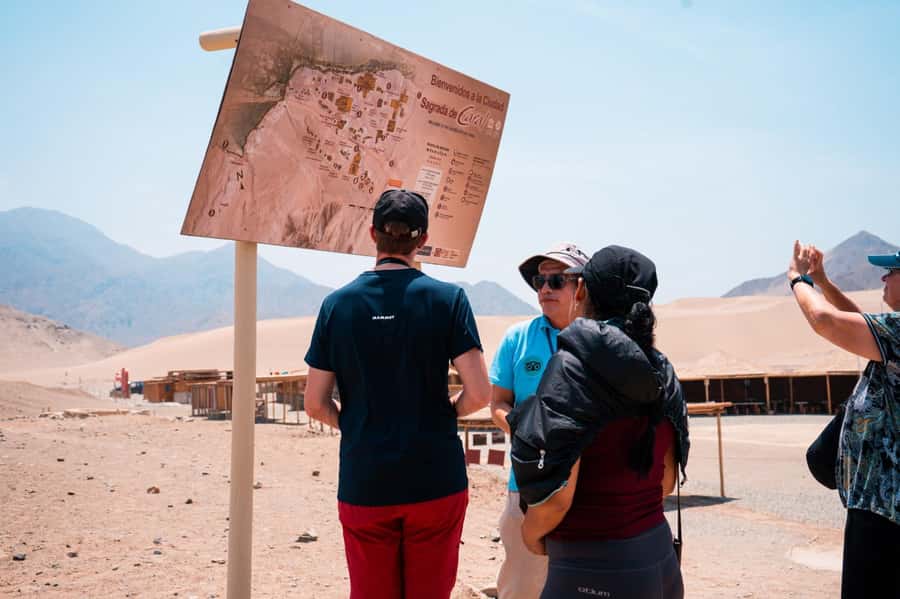
- Small group (up to 14): Easier pace and more time for your questions.
- Caral’s sacred-city remains: Pyramids, temples, and astronomical centers over 5,000 years old.
- Bandurria + Wetlands of Paradise area: A fishing village setting with ruins plus Pacific views.
- Included lunch after Caral: A planned break so you’re not rushing hungry.
- Sun exposure all day: Comfortable clothes and water matter more than you think.
- English live guide: Explanations are built into the stops, not tacked on later.
The Big Picture: Why Caral and Bandurria Work as a Pair
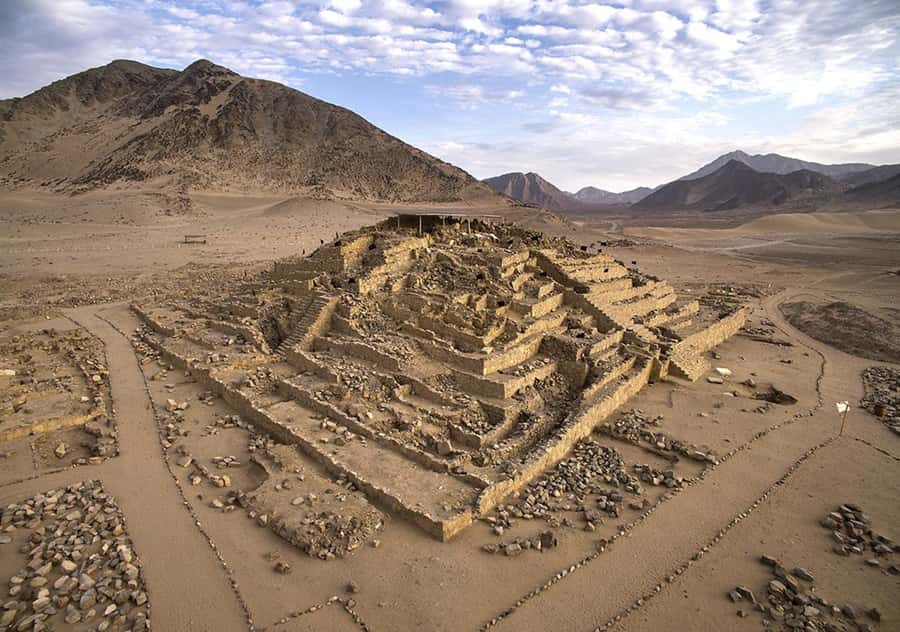
This tour is built around two ancient worlds that feel different on the ground, but related in their layout and purpose. Caral is the star of the day: a sacred city in Peru’s Supe Valley with pyramids, temples, and astronomical centers more than five thousand years old. Bandurria shifts the focus to daily life and place-making, showing a very old fishing village and its archaeological complex near the Wetlands of Paradise, topped off with a wide view toward the Pacific.
What makes this pairing especially valuable is that you’re not just walking among stone. You’re learning why these sites were organized the way they were—first on the scale of a ceremonial center, then on the scale of a coastal community. If you’re the kind of traveler who enjoys “how did people live here?” questions, you’ll get a lot out of that back-and-forth.
You should also know the tour runs long. You’re out for about 15 hours, with a big chunk of the day spent north of Lima. That’s not a deal-breaker, but it’s the price of seeing the real sites instead of a quick photo stop.
You can also read our reviews of more tours and experiences in Lima.


6:00 AM Pickup and the Northbound Drive from Lima
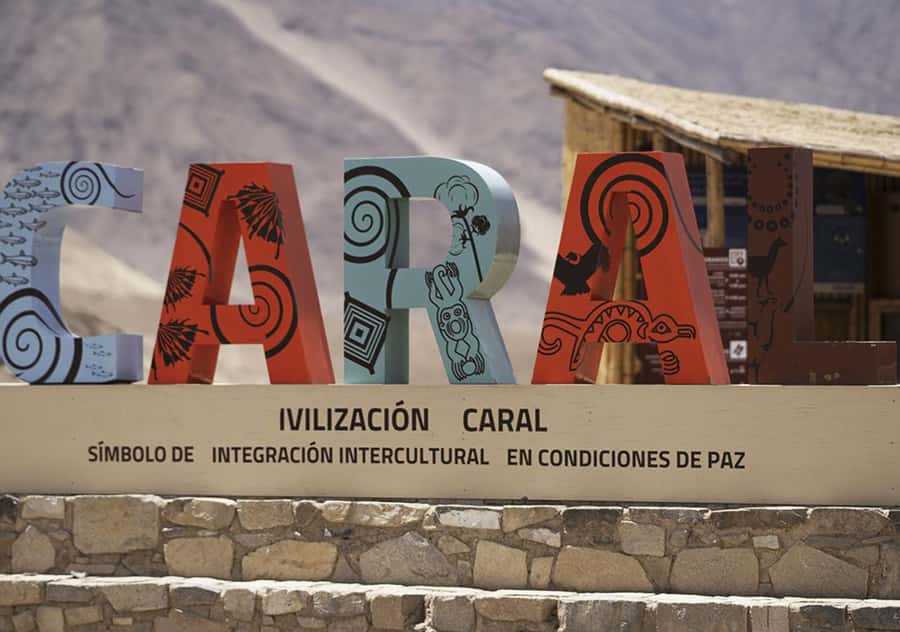
The day starts with pickup from main hotels in Lima Province at 6:00 am. You’ll want to be ready 10 minutes early at reception, since the group leaves promptly. From there, you head north toward the Supe Valley archaeological area—an early start that makes sense because you’re visiting places that sit under strong daylight and heat.
During the drive, this is where a good transport setup matters. You get air-conditioned tourist transport, and the group is kept small (limited to 14 participants). In practical terms, that means you can settle in, cool down a bit, and arrive with enough energy to actually enjoy what you’ll see.
One more note: the tour is described as happening in the sun. So even though the transportation is comfortable, your time outside is not. If you’re sensitive to heat, you’ll feel it more during the mid-day hours at the sites.
Caral: Pyramids, Temples, and 5,000+ Year-Old Astronomical Centers
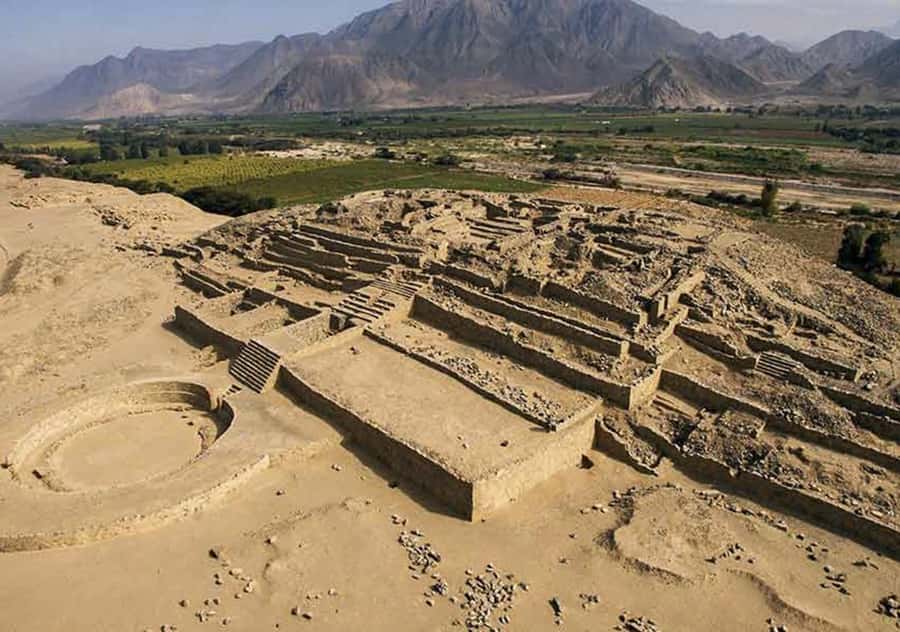
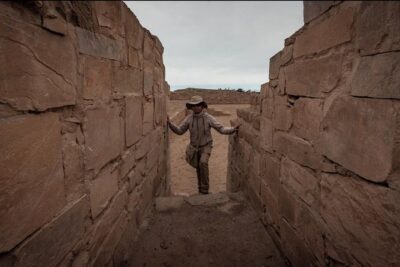
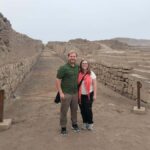
Caral is where the morning energy comes from. You’ll arrive at the archaeological site and see the ruins of this sacred city—part of one of the first cities of the Americas. The key details you’ll want to keep in mind while you walk the area: this isn’t a “single monument.” It’s a complex of structures, including pyramids, temples, and astronomical centers.
The guide’s job here is crucial, because Caral can look like scattered remnants if you’re not given the interpretive map. With an experienced guide, you learn how the site fits into the broader story of the Supe Valley being described as a cradle of Andean civilization. You’re also told Caral is considered the third oldest place with human settlement in the world, behind Mesopotamia and Egypt. Whether or not you compare timelines with a stopwatch, the point lands: you’re standing in an early, organized society.
How I’d approach the ruins if you want to get more from your visit:
- Take the guide’s explanation first, then walk again with those ideas in mind.
- Look for patterns in how built space is arranged.
- Pay attention to how astronomical centers are discussed. Even without technical details, the emphasis changes what you notice.
This is one of the few days from Lima where you get that “wait, people were building this then?” feeling in a very physical way.
Lunch Break in the Supe Valley (And How to Use It)
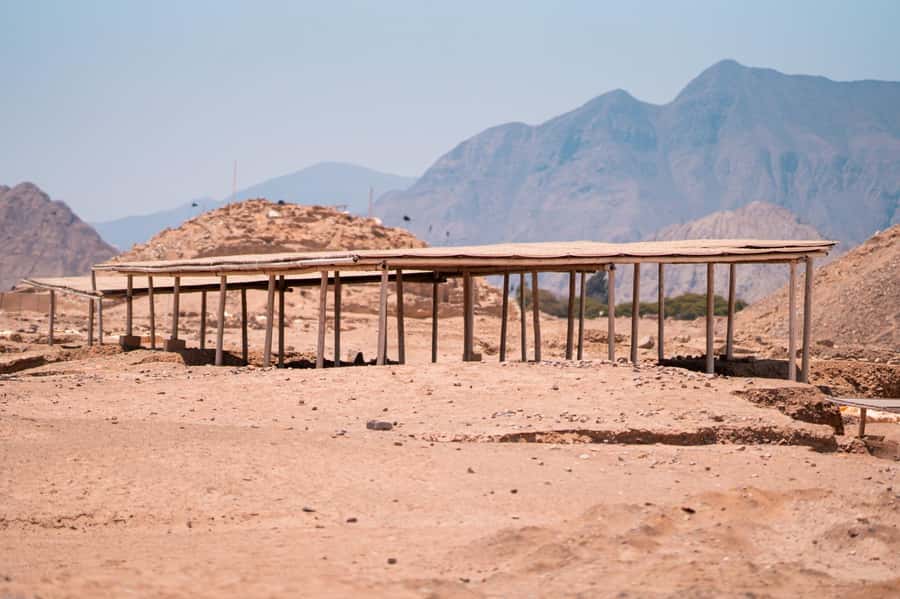
After learning about Caral, you get about one hour of free time to enjoy lunch. Lunch is included in the price, but drinks are not. That’s one of those details that sounds boring until you’re hungry and thirsty in the sun. Bring cash (it’s recommended) so you’re covered if you want something to drink, and bring water where possible.
The timing here is smart: you’ve had the most intense site learning in the morning, then you step away. Use the break to cool down and refuel instead of rushing straight into Bandurria with the same energy. You’ll feel better once you start walking again.
Bandurria and the Wetlands of Paradise: A Very Old Fishing Village
Once lunch is done, you head toward the archaeological complex of Bandurria in the wetlands area. Bandurria is described as an old fishing village, and it carries a different tone than Caral. You’re still dealing with ancient buildings, but the story feels closer to people who were tied to water and daily harvests.
At Bandurria, you’ll see pyramids, mounds, and circular areas. The connection back to Caral is built into the experience: those circular areas are described as similar to those at Caral. That matters because it suggests repeating cultural or architectural choices across a wider region.
Bandurria is also where the Wetlands of Paradise setting comes into play. Even if you’re not focused on the environment itself, the setting helps you understand why settlements would cluster where they can. Then comes the best “reward moment” of the day.



The Pacific Viewpoint: Where the Day Lands
After finishing the archaeological complex, you approach a natural viewpoint. This is your chance to step back from the ruins and take in a panoramic view of the Pacific Ocean and the Albufera Paraíso.
This stop works because it changes how you’ll remember the day. The ruins are the anchor, but the view gives context. You start thinking about the coastline as a resource, a route, and a horizon. It’s the kind of moment that turns the morning’s architecture into a lived geography.
Try to give yourself at least a few minutes without constantly looking through your camera screen. It’s easy to rush the viewpoint because the main walking is behind you. Don’t. The view is part of the point.
Price and Logistics: Does $300 Feel Fair?
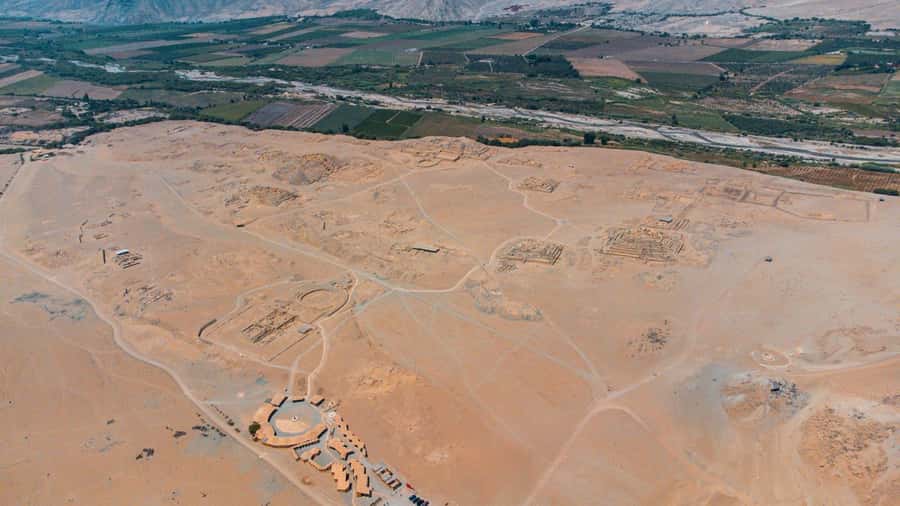
The tour costs $300 per person and lasts about 15 hours. On paper, that might sound steep for a day trip. In practice, it’s more defensible when you look at what you’re paying for: entrance tickets to both Caral and Bandurria, lunch, air-conditioned transport, and an official English guide.
Here’s how I’d judge the value for your own budget:
- Two major sites in one outing: You’re not paying separately for each place.
- Guide interpretation included: Caral and Bandurria both benefit from explanation, and this tour is built around that.
- Time and transport cost: You’re traveling north from Lima for a long day, and you’re transported with AC.
- Small group: Limited to 14, which usually means less chaos at the sites.
Your cost isn’t just “getting there.” You’re also paying for the day’s structure—especially the guided learning that makes the ruins meaningful instead of just old stones.
The only real value risk is if you’re expecting a lazy tour. This is a full-day schedule with lots of walking in bright conditions and a very early start.
Guides and Drivers: The Human Touch That Makes Ruins Make Sense
The most consistently praised part of this experience is the human factor: guides who explain clearly and drivers who keep things smooth. In recent groups, English-speaking guides like Roxanne and Noemí have been singled out for strong, detailed explanations, and drivers such as Benji/Benyi have been described as friendly and thoughtful.
You might not get the exact same team, but the pattern matters. You’re not just being herded from one spot to another. The guide is doing the heavy lifting—translating the site layout into something you can picture.
If you care about explanations, arrive with a curious mindset. Ask simple questions like what a specific area was used for, or how the site’s layout connects to timing and ceremony. In a group capped at 14, you’re more likely to get an actual answer than a quick nod.
What to Bring for a Sun-Heavy Archaeology Day
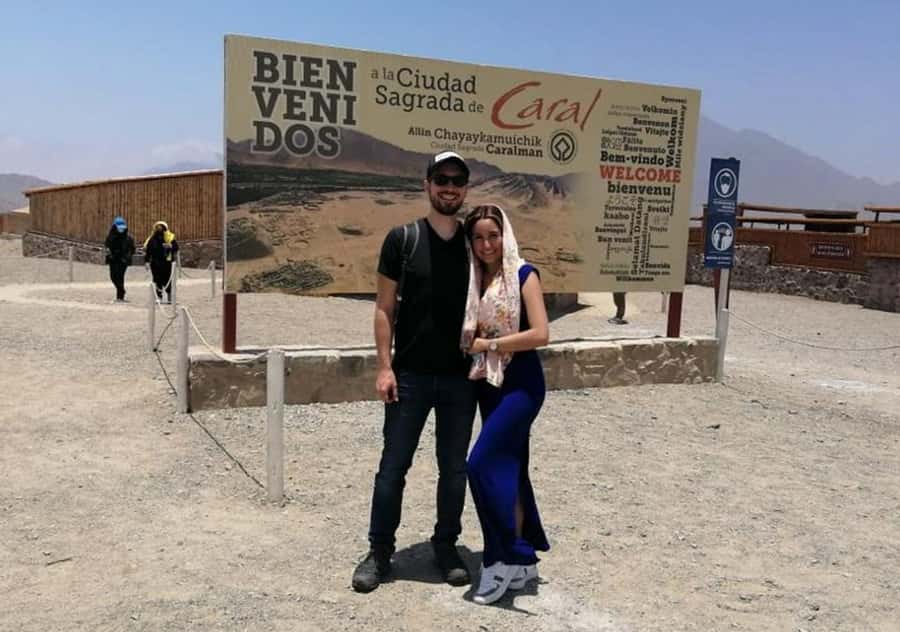
This is one of those tours where packing lightly can backfire, because you’re outdoors for a long time. What you should bring is pretty straightforward—and it’s listed for a reason:
- Water
- Comfortable clothes
- Weather-appropriate clothing
- Camera
- Cash (drinks aren’t included)
- ID card (a copy is accepted)
Also remember: baby carriages are not allowed. If you’re traveling with anyone needing mobility assistance, plan carefully and consider whether this is a good fit for your group.
Who This Tour Suits Best (And Who Might Feel Miserable)
This day trip is a strong match for:
- First-timers to Peru’s ancient sites who want a “big picture” overview.
- People who enjoy guided archaeology explanations.
- Travelers who like structured days with limited group size and clear stops.
It may not be the best match if:
- You’re easily worn down by early mornings and long drives.
- You dislike heat or sun exposure and don’t want to manage it actively.
- You’re looking for a short, relaxed outing. This is 15 hours.
And there’s a clear note: it is not suitable for people over 95 years.
Should You Book This Caral & Bandurria Tour?
I’d book it if you want one day from Lima that hits both the “ceremonial and ancient” side (Caral) and the “everyday place, fishing village, and coast” side (Bandurria). The included lunch, entrance tickets, and official English guide help justify the $300 price, especially when the group is limited to 14 and the driving + explanations are part of the package.
You should think twice if you hate long sun exposure or you’re hoping for a short schedule. The day runs from 6:00 am until about 8:00 pm, and you’ll want your stamina to match.
If your goal is to leave Lima having seen two of Peru’s older archaeological stories in a guided, organized way, this is a solid choice.
FAQ
How long is the Caral and Bandurria tour from Lima?
The tour lasts about 15 hours.
What is the meeting and pickup time in Lima?
Pickup is from main hotels at 6:00 am, and you should wait at the hotel reception 10 minutes before the scheduled time.
What time will I return to Lima?
You’ll be dropped back at the same pickup location at approximately 8:00 pm.
Is lunch included?
Yes. Lunch is included. Drinks are not included.
What entrance fees are covered?
Entrance tickets to Caral and Bandurria are included.
What language is the tour guide?
The live tour guide is English.
How large is the group?
It’s a small group limited to 14 participants.
What does the tour cost?
The price is $300 per person.
Do I need to bring anything?
Bring a camera, water, comfortable clothes, weather-appropriate clothing, cash, and an ID card (a copy is accepted).