REVIEW · CUSCO
Sacred Valley with Peru Vip : Pisac, Ollantaytambo and Chinchero
Book on Viator →Operated by Peru Vip - Day Tours · Bookable on Viator
Ruins, llamas, and stonework in one long day. I like how this private Sacred Valley route strings together four different kinds of stops, from the South American camelids at Awana Kancha to major Inca towns at Pisac, Ollantaytambo, and Chinchero. Two big wins for me are that you get entrance tickets for the archaeological sites and reserve included, and that lunch is handled so you’re not hunting for food between steep viewpoints.
One thing to plan for: the day runs about 9.5 hours and includes some tougher walking at certain ruins, so bring good shoes and don’t try to race your own breath in the higher places.
In This Review
- Key highlights to know before you go
- What this Sacred Valley day is really good at
- Pickup, transport, and the “nothing extra to organize” factor
- Awana Kancha: camelids before the crowds and cliffs
- Pisac archaeological park: a fortified Inca city on a control hill
- Ollantaytambo: preserved streets, a Sun Temple, and a fortress above town
- Chinchero: Inca walls, the church on top, and niches that matter
- Lunch in the Sacred Valley: why it’s a big part of the value
- Your guide: friendly, fast with facts, and tuned to the height
- Pace, walking, and how to show up prepared
- Price and logistics: is $299 per person a smart deal?
- Should you book this Sacred Valley with Peru Vip?
- FAQ
- What is the duration of the Sacred Valley tour?
- How much does the tour cost?
- What are the main stops on the tour?
- Is hotel pickup included?
- Are entrance tickets included for the sites?
- Is lunch included?
- Is the tour private?
- Is oxygen provided during the tour?
- What’s the cancellation policy and weather requirement?
Key highlights to know before you go
- Camelid reserve first: see llamas, alpacas, and vicuñas in a reserve setting before the ruins.
- Inca engineering at full volume: Pisac’s fitted stonework and Ollantaytambo’s fortress terraces.
- Ollantaytambo still feels lived-in: houses, streets, and canals preserved from Tahuantinsuyo days.
- Chinchero blends Inca and today: Inca stone walls right beside the church and Sunday fair square.
- Private guide pace + photo time: guides (often named Willie or Wilbert) are praised for adjusting the tempo and making room for individual photos.
- Altitude support included: oxygen balloon and a first aid kit are part of the package.
What this Sacred Valley day is really good at
Sacred Valley tours can get generic fast: bus, photo stop, quick talk, repeat. This one is built like a steady day of “show and explain,” with enough time at each place that the sites start to make sense as you move through them.
The best part is the mix of what you’re seeing. You’re not only looking at ruins. You’re also watching how Inca power played out across space—control points, fortified towns, and ritual sites—plus you get a calm, animal-focused start at Awana Kancha. If you’ve got limited time around Cusco, this is a tidy way to pack the main hitters without feeling like you’re constantly asking where to go next.
And because it’s private, the day feels more adjustable. You’re not getting dragged along by a group that’s slower or faster than you are.
You can also read our reviews of more tours and experiences in Cusco
Pickup, transport, and the “nothing extra to organize” factor
The logistics here matter more than people think. You’re picked up from your hotel, then you ride in private transport with transfers handled, and you get a professional guide in your required language. Entrance tickets and lunch are included, so you’re not juggling cash, lines, or deciding where to eat while your energy is already draining.
From a value standpoint, $299 per person can sound like a lot until you add up what this day would usually cost on your own: transport, guide time, multiple site entrances, and a proper lunch stop. Here, you’re paying for a single package that covers those moving parts.
One practical note: because the route includes several longer stops, you’ll want to dress for changing weather. Cusco-region days can start crisp and shift fast as you climb and move between sites.
Awana Kancha: camelids before the crowds and cliffs
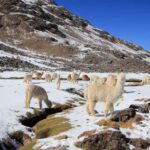
I love opening the day with Awana Kancha because it resets your brain. Before you start staring at stone walls built centuries ago, you get something simple and human-sized: a camelid reserve where you can see llamas, alpacas, and vicuñas.
Why this matters: the reserve setting gives you a clearer view of the animals than a quick roadside glance. You’re not just checking a box. You’re learning what these animals are like in a living environment—how they stand, move, and interact—before the tour shifts back into history and architecture.
It’s also a good warm-up for altitude management. Even if you’re eager for ruins, taking the first hour lightly helps your body settle into the day.
Pisac archaeological park: a fortified Inca city on a control hill
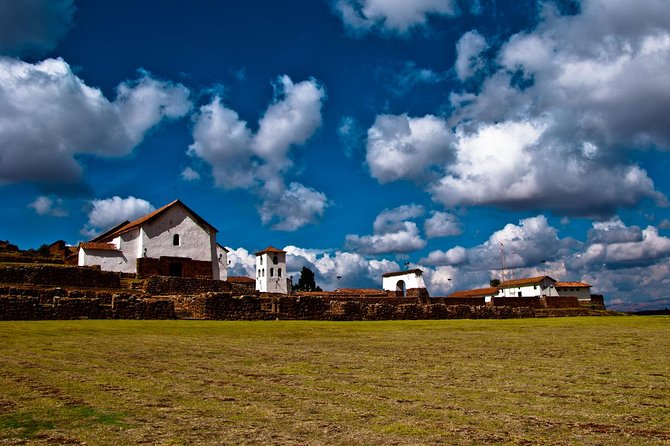
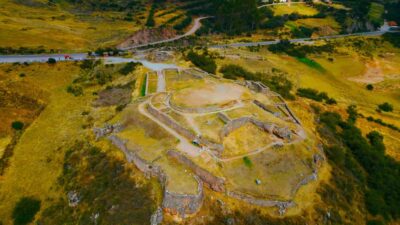
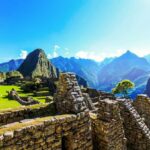
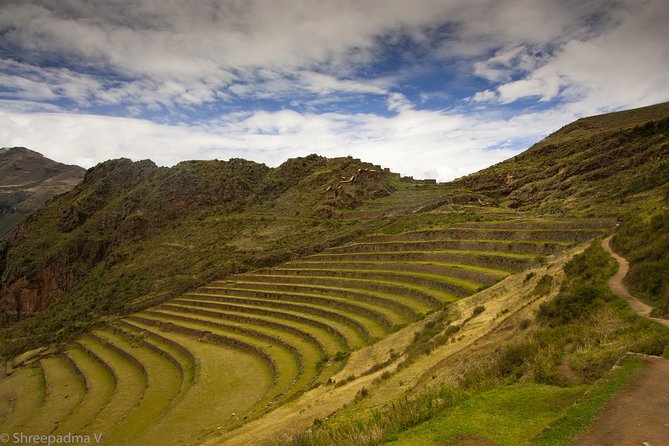
Pisac is the kind of place where the setting helps you understand the strategy. The site sits high—about 2,972 meters—near the town of Pisac, and it’s described as a fortified city with both urban and religious uses.
The story that’s told here focuses on control and defense. The location is presented as strategic for security, including protection by height from possible attacks from groups the Inca were in conflict with. Even if you ignore the historical backstory, the physical layout makes sense: when a settlement is built on a mountain near a town, it naturally becomes a lookout and a stronghold.
What I like most is the way Pisac shows Inca stone craftsmanship. The description notes that many walls are built with carved stones that fit closely together, so mortar wasn’t needed. You can literally see the precision in the joints when you slow down and look at corners and edges.
Potential drawback: Pisac can involve more uphill walking than people expect. If you’re planning to take photos, build in extra time at viewpoints. Trying to sprint between spots here can leave you winded and less able to enjoy the details.
Ollantaytambo: preserved streets, a Sun Temple, and a fortress above town

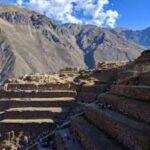
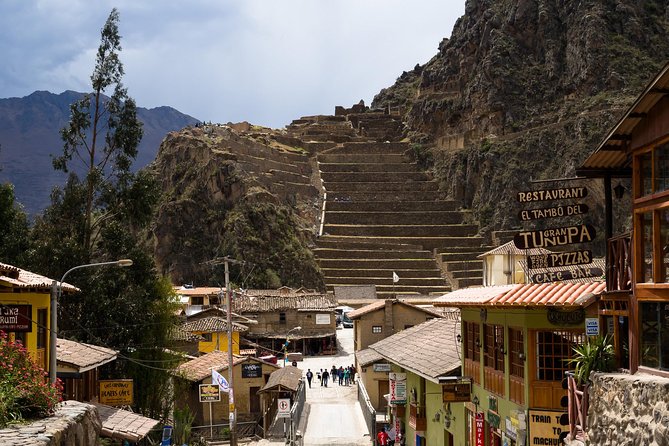
Ollantaytambo is often the emotional center of Sacred Valley days, and this route gives you the full, immersive version. This is presented as an Inca town where you can still see houses, streets, and canals as they were during Tahuantinsuyo.
The big-name elements are hard to miss. You’ll visit areas tied to the Temple of the Sun, plus prominent structures such as the Mañaracay (Royal Hall), the Incahuatana, and the Princess Baths. The fortress section sits above the town, protected by terraced stonework designed to defend the valley from potential invasions coming from jungle regions.
Here’s what you should pay attention to as you walk: the way the site is layered. You’re moving through spaces that feel like they served practical daily life below, then shifting up into defensive and ritual areas. That “town to stronghold” feeling is part of why Ollantaytambo stays memorable.
If you’re a history-and-architecture person, you’ll like that the north area around Hanan Huacaypata Square is described as one of the best preserved, with 15 blocks of mansions on carved stone walls. It’s not just one monument. It’s an entire built environment.
Walking note: expect uneven stone and steps. The tour is still worth it, but it’s not a gentle stroll. One review pointed out that some sections are strenuous; I’d treat that as a fair warning, not a dealbreaker.
Chinchero: Inca walls, the church on top, and niches that matter
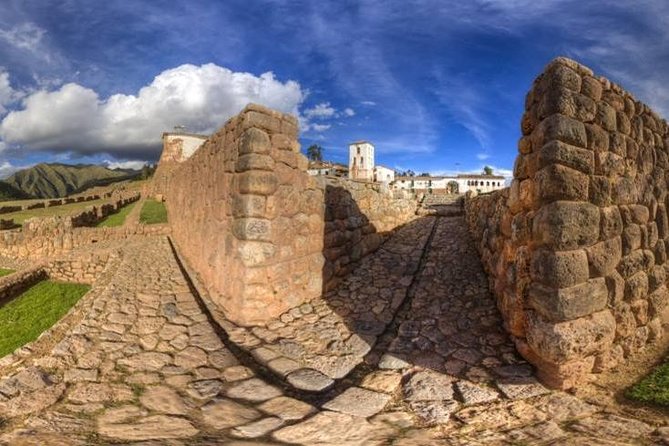
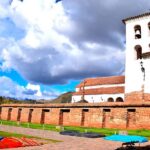
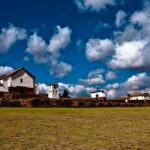
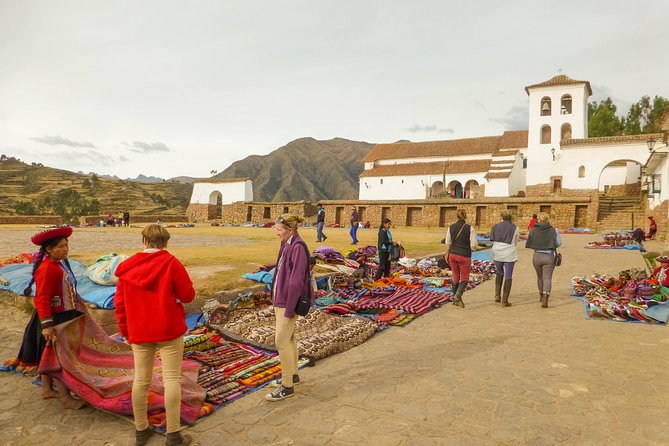
Chinchero feels different from Pisac and Ollantaytambo because it connects more directly with today. The main square is where Sunday fairs happen, and the tour focuses on how the current church area connects to an earlier Inca urban center.
The Inca engineering here is very specific. You’ll see strong retaining walls shaped by large stone blocks, along with rooms described as having windows, niches, doors, and access points. It’s a reminder that Inca sites weren’t only ceremonial—they were built for real life, storage, and movement.
One detail I found especially useful for making sense of the place is the Inca wall on the eastern side of the square, described as having 12 niches, each about 2 meters high and 1.5 meters wide. Those niches aren’t random decoration in the description; they’re part of how the architecture is organized, serving as part of the containment and defining a second space acting like an atrium in front of the church.
Then there are the three shrines mentioned: Titiqaqa, Pumaqaqa, and Chincana. The tour describes them as enormous limestone outcrops carefully carved into practical forms like seats, stairways, cupboards, and canals. Even without a deep background, it’s the kind of detail that makes the site feel “designed” rather than just “ruined.”
Practical note: Chinchero’s structure can also mean more stops for looking and photographing architectural features. If you like details (stone cuts, niche sizes, wall angles), this is a great place to slow down.
Lunch in the Sacred Valley: why it’s a big part of the value
Lunch is included as a buffet in a top restaurant in the Sacred Valley. That matters because your day is otherwise stacked with timed stops and walking. A proper lunch keeps you from getting stuck later in the day with limited options, long waits, or poor choices.
Try to eat like someone who wants to keep moving: not too heavy, not too spicy if you’re prone to stomach issues at altitude. And do use the meal time to hydrate. You’ll cover a lot of ground in 9.5 hours, even if you don’t consider the day a full hike.
Your guide: friendly, fast with facts, and tuned to the height
This is a guide-led day, and you feel it. Guides are credited with being friendly and very comfortable with the story of the sites. Some departures are noted as being led by people named Willie, Wilbur, or Wilbert. Those same guides are also praised for practical things: adjusting the visit pace to altitude and building in time for individual photos.
One fair caution: the way history is explained can repeat across stops. If you like totally different storytelling angles at each site, you might notice the same themes coming up again while you move from Pisac to Ollantaytambo to Chinchero. Still, the trade-off is that the message stays consistent, and after a few hours you start to see the bigger picture more clearly.
If you want to get more out of the guide, ask one simple question at each stop, like what part of the site was defensive versus ritual, or how daily life was organized. Your guide should be able to connect the architecture to how the Inca lived and ruled.
Pace, walking, and how to show up prepared
This tour isn’t just sitting in a vehicle and snapping pictures. You’ll be on foot in multiple archaeological zones, and at least some sections can be strenuous. The good news is that the tour is private and the guide can adjust tempo.
Here’s how I’d prepare so the day feels enjoyable, not punishing:
- Wear comfortable shoes with solid grip for stone steps and uneven surfaces.
- Bring a light layer for wind and shade changes, especially if you’re traveling in cooler months.
- Plan to take breaks when you feel your breathing change. Don’t wait until you’re struggling.
- Use water and snacks if you normally need them. (Lunch is included, but there isn’t extra food listed for between stops.)
Altitude support is also built in. The package includes an oxygen balloon, plus a first aid kit. That’s not magic, but it’s reassuring, and it can make a difference if you’re sensitive to altitude.
Price and logistics: is $299 per person a smart deal?
At $299 per person for about 9.5 hours, the price makes sense if you value organization and coverage. You’re paying for:
- hotel pickup and private transport
- a professional guide
- entrance tickets for Pisaq, Ollantaytambo, and Chinchero
- entrance tickets for the camelid reserve
- lunch at a Sacred Valley restaurant
- oxygen balloon and a first aid kit
If you were to do this DIY, the toughest pieces are usually guide time and the cost of multiple site tickets plus transport. You’d also spend extra time figuring out schedules, meeting points, and where to stop for lunch without wasting your day.
The main “cost” isn’t money. It’s your energy. If you’re not comfortable with steep stone walking, you may end up spending more time resting than enjoying. But if you are ready for a full day, you’re getting a lot for the price.
Also, this route is typically booked well in advance (an average booking window of about 65 days). If your dates are fixed, don’t leave it to the last minute.
Should you book this Sacred Valley with Peru Vip?
I’d book it if you want one well-run day that covers the most important Sacred Valley stops in a logical flow, with tickets and lunch handled so you can focus on the experience. The camelid reserve start is a smart touch, and the combination of Pisac plus Ollantaytambo plus Chinchero gives you both Inca power and real architectural detail.
Skip or reconsider if your limits are very strict with walking. This isn’t presented as a lightweight stroll. Bring sturdy shoes and be ready to take it at a slower pace than you might on a flat city day.
If you enjoy photos, you should also like this setup: guides are praised for timing the day so you can get individual shots without constantly being rushed.
Bottom line: for a first Sacred Valley trip or a time-crunched visit from Cusco, this is a solid way to see a lot without turning your day into logistics.
FAQ
What is the duration of the Sacred Valley tour?
It runs about 9 hours 30 minutes.
How much does the tour cost?
The price is $299.00 per person.
What are the main stops on the tour?
You’ll visit Awana Kancha (camelid reserve), Pisac archaeological park, Ollantaytambo archaeological park, and Chinchero archaeological complex.
Is hotel pickup included?
Yes, pickup is included from your hotel.
Are entrance tickets included for the sites?
Yes. Entrance tickets for Pisaq, Ollantaytambo, and Chinchero are included, along with tickets to the camelid reserve.
Is lunch included?
Yes. Lunch is included as a buffet at a restaurant in the Sacred Valley.
Is the tour private?
Yes. It’s a private tour/activity, and only your group participates.
Is oxygen provided during the tour?
Yes. An oxygen balloon is included, along with a first aid kit.
What’s the cancellation policy and weather requirement?
You can cancel for a full refund if you cancel at least 24 hours in advance. The experience requires good weather; if it’s canceled due to poor weather, you’ll be offered a different date or a full refund.
If you want, tell me your travel month and how comfortable you are with uphill walking, and I’ll help you decide if this is the right day plan for your pace.