REVIEW · CUSCO
Sacred Valley of the Incas Tour with Moray & the Salt Mines
Book on Viator →Operated by Machu Picchu Tours · Bookable on Viator
Nine hours, six Inca stops, one solid plan. This Sacred Valley day brings Moray’s terraces and the salt mines at Maras into the same trip, with a local guide keeping it meaningful rather than just scenic. I like how the day mixes big archaeological sights with everyday places like the Urubamba lunch stop and Chinchero’s textile culture, while still moving at a steady pace.
You’ll start around 7:00 am from the Cusco area and ride in a small group (up to 9). I also like that lunch is included, so you’re not stuck hunting for food after your first ruins. One possible drawback: it’s a packed day, so if you want long, slow stays everywhere, you may feel rushed between stops.
In This Review
- Key highlights worth planning for
- Cusco to the Sacred Valley: a 7:00 am start that works
- Pisac and Taray viewpoint: hilltop ruins plus real market energy
- Urubamba lunch: a needed pause before the big ruins
- Ollantaytambo: town planning you can feel in your feet
- Moray: circular terraces as an Inca agricultural experiment
- Maras salt mines: solar evaporation, generation after generation
- Chinchero: Andean textiles and a church tied to Pachacutec
- Price and value: what $99 gets you, plus the site fees
- Pace, shopping stops, and how to make the day feel right
- Who should book this Sacred Valley day trip
- Should you book this Sacred Valley tour?
- FAQ
- How long is the Sacred Valley tour?
- What time does the tour start?
- Where do I meet for the tour?
- Is lunch included?
- Are entrance tickets included in the price?
- What sites are included in the day?
- How big is the group?
- Is the guide bilingual?
- Is free cancellation available?
Key highlights worth planning for
- Small group size (max 9 travelers) keeps questions from getting lost.
- Licensed, bilingual guidance helps you connect the sites instead of treating them like photos.
- Urubamba buffet lunch gives you real fuel mid-day.
- Moray’s circular terraces are explained as an Inca “agricultural lab.”
- Maras salt mines focus on the traditional solar evaporation method.
- Chinchero textiles and Pachacutec links bring culture into the final stretch.
Cusco to the Sacred Valley: a 7:00 am start that works
This is a full-day tour, roughly 9 hours, built for early travel. The pick-up is scheduled for 7:00 am in the Cusco area (with the meeting point listed at Plaza Regocijo). You’ll head out in roundtrip transport, and you’re not sharing the day with a huge busload, since the group caps at 9.
The “why” of starting early is simple: you beat the later crowds at the major sights, and you reduce the stress of getting your bearings in a high-elevation region before the day gets busy. If you’ve been in Cusco for more than a day, you’ll recognize the rhythm—this trip is designed to feel like a sequence, not a scramble.
One more practical note: site entrances cost extra. I’d plan for that morning-of so you aren’t juggling money right when you arrive.
You can also read our reviews of more tours and experiences in Cusco.
Pisac and Taray viewpoint: hilltop ruins plus real market energy
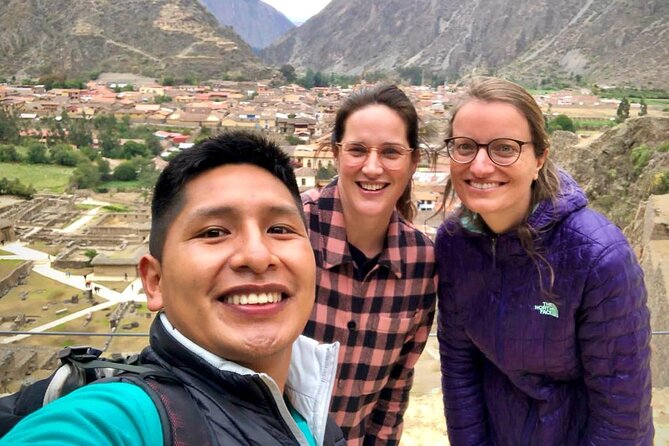
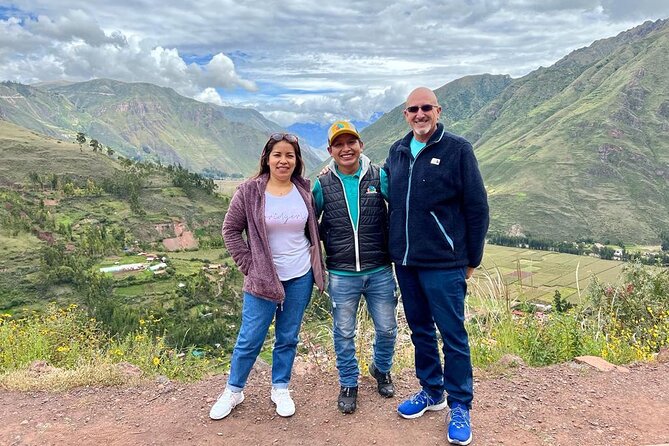
First stop is Pisac, with a quick viewpoint stop in Taray on the way. That Taray stop matters because it gives you the valley context fast. From there you can see the Urubamba River threading through villages, and it helps you understand why the Inca chose these strategic elevations.
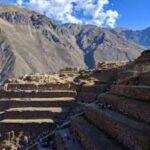
Pisac itself is a classic hilltop complex overlooking the village. You’ll drive up to the main entrance, then get a guided walk through the ruins. The best part here is the “set-up” your guide provides: how the site worked and what to look for as you move around. It’s not just where to stand for pictures; it’s why the place was built the way it was.
After the ruins, you’ll head down to the main plaza. On weekends, the cobblestone lanes can turn into a lively craft-and-stall scene. Even if it’s not a weekend, the plaza stop feels like a change of pace from the stone-and-view phase of the morning.
Practical tip: Pisac is a place where you’ll want comfortable shoes. The day includes multiple stops, and even short walks add up when you’re also climbing and descending.
Urubamba lunch: a needed pause before the big ruins
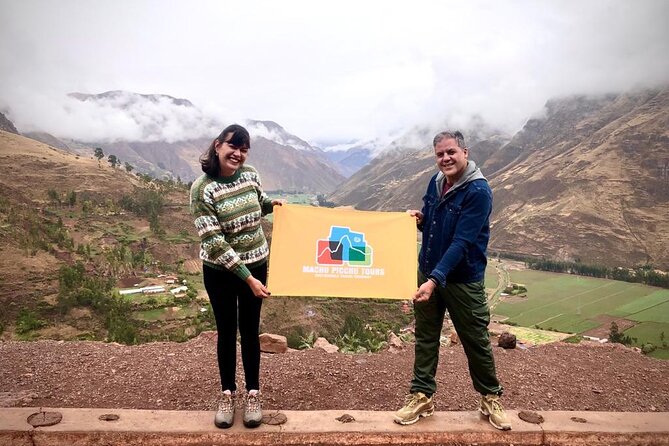
Once you’ve had your fill of Pisac, you drive to Urubamba for lunch. Urubamba is described as the lowest part of the Sacred Valley, which you’ll feel when you shift from higher altitudes and views into a more relaxed, valley-floor vibe.
Lunch is a buffet at a local restaurant. The value here is that you get a planned meal included in the tour price, so you can keep your momentum without spending time figuring out where to eat. It’s also timed to reset you before the next anchor stop.
I like lunch in Urubamba because it acts like a buffer. If you’ve already been to a couple Inca sites that day, food is where you actually catch up and recharge your brain for the next layer of explanations.
If you’re picky about dietary needs, the data you have doesn’t specify options. In that case, it’s smart to plan for a flexible buffet meal and bring any essentials you rely on (especially if you’re sensitive to timing).
Ollantaytambo: town planning you can feel in your feet
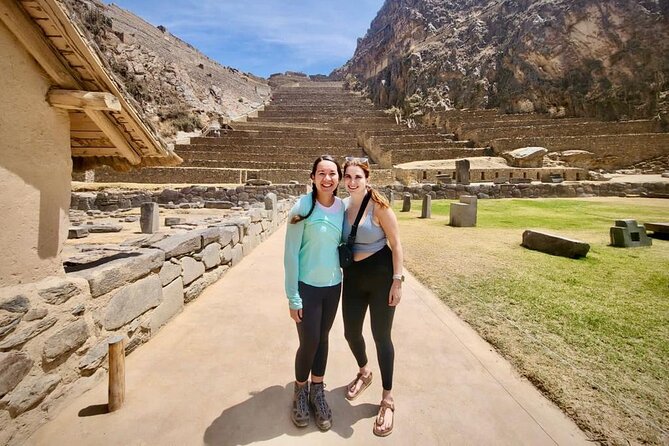
Ollantaytambo is the stop that often changes how people think about the Inca. This is described as one of the most prominent Inca-era sites, and the focus isn’t only on ruins—it’s on Inca town planning and how the place still functions as a village.
You’ll spend time here walking through a historic settlement area that’s described as one of the oldest and continuously inhabited places from the Inca empire. The village is also sandwiched between two Inca ruins, which makes the whole area feel like an engineered “frame” around daily life rather than isolated monuments.
The other key detail: Ollantaytambo is a boarding point for trains to Machu Picchu and the Inca Trail. Even if your trip plans don’t include those connections right now, it helps to know you’re visiting a hub. It gives the place extra meaning beyond “yet another ruin stop.”
Timing consideration: in a day like this, your time is limited. So when you arrive, pick what you want from this stop—views, town layout, photo corners, or learning the guide’s interpretation—and don’t try to do everything at once.
Moray: circular terraces as an Inca agricultural experiment
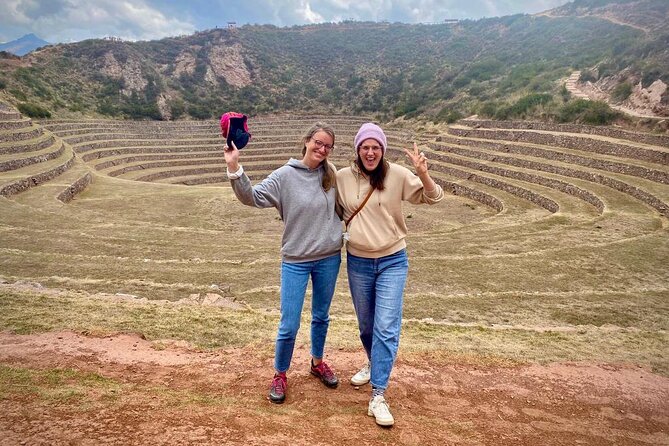
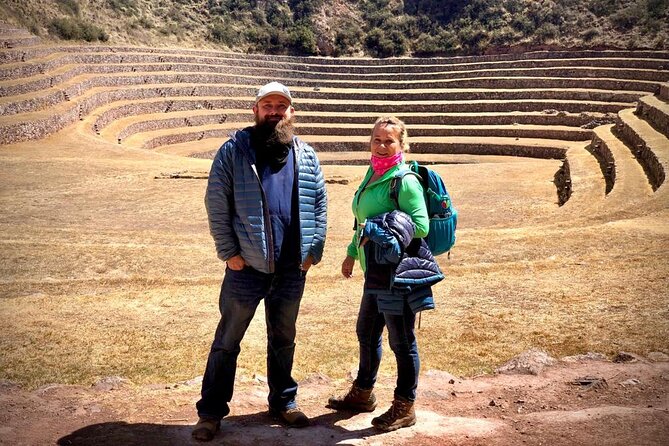
After Ollantaytambo, you go to Moray, the place that turns Inca engineering into a kind of science story. Moray is famous for its circular agricultural terraces. The guide explains how it acted as an agricultural laboratory for the Incas.
Here’s the big idea: each level of the terraces has a different temperature, and the Incas used the site to determine which weather conditions worked best for growing crops. It’s one thing to hear that “the Inca were good farmers,” and another to see a site that’s structured like a testing ground.
Moray also has its own practical detail: admission is not included. So budget for it alongside the other archaeological entrance fees.
If you like places where you can connect architecture to real-world function—food, climate, and testing—Moray is a highlight worth paying attention to. Go slow on this one. The whole point is noticing the shape and how it would affect temperature and growing conditions.


Maras salt mines: solar evaporation, generation after generation
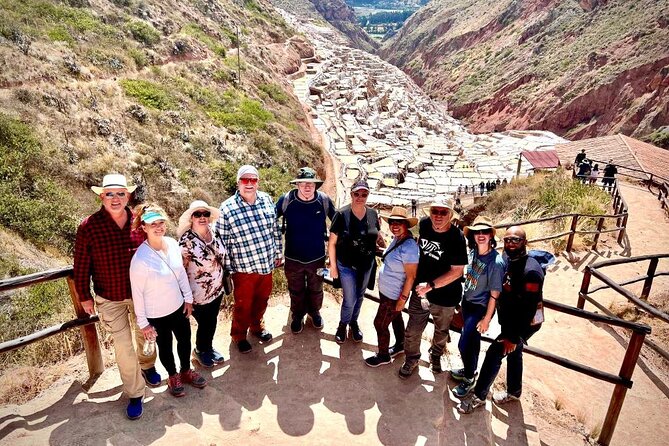
Next comes Maras, known for its salt mines. The most useful thing to know before you go is that this isn’t presented as a quick “look and leave” spot. It’s tied to ongoing traditional salt farming, passed down over generations.
You’ll get an explanation of the solar evaporation method used to produce the salt. That matters because it changes how you view what you’re seeing. Instead of thinking of the mines as a tourist spectacle, you can treat it like a working landscape shaped by sunlight, water, and careful timing.
Admission here is separate as well. The data lists an extra entrance fee for Maras (not included with the main archaeological entrance ticket), so make sure you’re ready for that on the day.
How much time you get can feel short, since the tour keeps moving. But even a shorter visit can be memorable if you pay attention to your guide’s explanation of how the process works and why the site looks the way it does.
Chinchero: Andean textiles and a church tied to Pachacutec
Chinchero is the final cultural stop, and it adds something different from ruins. It’s presented as a textile area, and it’s also described as a serene village that some tourists overlook.
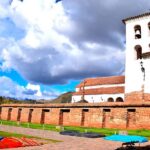
The big anchor here is the whitewashed church, which is described as having been a royal palace of Incan emperor Pachacutec. That connection is a helpful bridge between time periods: you see how the Inca world left long shadows, even as later layers of culture arrived.
Chinchero is also described as having fertile soil, with Pachacutec-era farming terraces and water channels that show Inca engineering. That ties the day together: Pisac and Ollantaytambo show built settlement and power; Moray shows a controlled farming experiment; Maras shows production in action; and Chinchero closes with farming and textiles as daily culture.
The text emphasizes that water channels are a testament to how the Inca managed agriculture. When you’re tired by the end of the day, this is still worth slowing down for. The engineering details are small, but the idea is big.
Price and value: what $99 gets you, plus the site fees
The tour price is $99 per person for a day that runs about 9 hours. What’s included is the stuff that usually costs you time or planning headaches: roundtrip transport and a bilingual local tour guide, plus a buffet lunch in Urubamba.
What’s not included is the entrance cost for archaeological sites and Maras. The data lists archaeological entrance tickets around USD 20 (70 soles per person), plus Maras entrance (PEN 10 per person). Exact totals can vary based on what you need to pay for that day, but the key point is: the advertised price covers the guided experience and transportation, not the ticketing.
So is it good value? In my view, yes—especially if you’re the type who wants a guide to translate what you’re seeing. With a group capped at 9 and lunch included, you’re buying convenience and context, not just transportation.
If you already have all site tickets organized and you prefer independent exploring with no fixed schedule, a self-guided approach might feel cheaper. But if you want someone to connect the dots across multiple stops, the included guide and transport are what you’re really paying for.
Pace, shopping stops, and how to make the day feel right
This is a “see a lot in one day” route. That can be a win if you like momentum and you’re okay with shorter visits. It’s also a point to watch if you want long time per site.
One thing to keep in mind: some parts of the day can feel connected to shops or sales, especially in the cobblestone plaza atmosphere near craft sellers. That doesn’t have to ruin anything, but it can change the vibe if you came only for archaeology and cultural explanations.
My advice: decide in advance what you want to buy (if anything), and when you want to say no. If your goal is pure sightseeing, keep your focus on the guide’s facts and the site layout. If you want textiles, Chinchero is the place to shop with more context, since that’s the stop built around Andean textiles.
On the human side, the guide experience can make or break a packed day. In examples tied to this tour, guides such as Julio are described as kind and patient, taking time for questions. Others, like Adolfo, are described as energetic and helpful. When you’re squeezed into a day like this, having that explanation-and-attitude style matters.
And yes, your driver matters too. Smooth driving helps on routes that include winding valley roads and frequent stops. In a past example connected to this tour, a driver named Luis is described as on the ball and safety-minded.
Who should book this Sacred Valley day trip
This fits you best if:
- You want a guided overview of the Sacred Valley without building a transport puzzle yourself.
- You like seeing multiple “types” of Inca legacy in one run: settlement planning, agriculture, production, and textiles.
- You appreciate small-group days (max 9) where your questions can actually get answered.
Consider something else if:
- You want lots of downtime between sites.
- You’re sensitive to extra sales-focused stops or prefer a strictly archaeology-focused itinerary.
- You’re traveling with limited stamina and need longer stays with fewer transfers.
Should you book this Sacred Valley tour?
If you want an efficient, guide-led day that hits the big Sacred Valley themes—ruins, living culture, and real agricultural stories—this is a solid choice. The combination of Pisac, Ollantaytambo, Moray, and Maras covers different sides of Inca life, and the included lunch makes it practical for a 9-hour schedule.
Book it if you’re ready for a full day and you’ll use the guide time to get the most out of each stop. Skip it if you want slow travel and lots of free time, or if you already know you’ll hate any shopping-adjacent moments.
FAQ
How long is the Sacred Valley tour?
It runs about 9 hours (approx.).
What time does the tour start?
Pickup is scheduled for 7:00 am.
Where do I meet for the tour?
The meeting point is listed at Plaza Regocijo in Cusco, near Cusco’s main square (Plaza de Armas). Pickup is described as from your hotel in Cusco at 7:00 am.
Is lunch included?
Yes. You get a complimentary buffet lunch in Urubamba.
Are entrance tickets included in the price?
No. Entrance tickets to archaeological sites are not included (listed as around USD 20 / 70 Soles per person), and Maras has a separate entrance fee.
What sites are included in the day?
You’ll visit Pisac, Urubamba (for lunch), Ollantaytambo, Moray, Maras salt mines, and Chinchero, then return to Cusco.
How big is the group?
The tour has a maximum of 9 travelers.
Is the guide bilingual?
Yes. The tour includes a bi-lingual local tour guide.
Is free cancellation available?
Yes. You can cancel for a full refund if you cancel at least 24 hours before the experience start time.