REVIEW · CUSCO
Sacred Valley (VIP) – Full Day Trip
Book on Viator →Operated by Peru Amazon Trips · Bookable on Viator
If you want Inca sights without adding another day in transit, this route works. The day links Chinchero, Moray, Maras, Ollantaytambo, and Pisac in one long loop, with a guide who explains how the landscape and stonework were planned.
I especially like the chance to see the Sacred Valley’s “how it worked” side, from irrigation terraces at Moray to the stone precision at Pisac. I also like that the Urubamba buffet lunch includes a vegan option, so the day’s not only sightseeing calories.
One possible drawback: it’s a pack-it-in tour, and you’ll want cash for extra admissions. You need a Partial Tourist Ticket (plus salt mine entry), so read the fine print before you assume everything’s included.
In This Review
- Key things to know before you go
- What You’re Really Paying For: Sacred Valley VIP Value
- Getting Picked Up in Cusco and Surviving a 12-Hour Loop
- Chinchero: Mud-Brick Andean Life and a Sunday-Market Mood
- Moray’s Circular Terraces: The Inca Crop Lab
- Maras Salt Mines: Photo Ops, Adobe Churches, and Salt Pools
- Ollantaytambo: Fortress Toughness and the Water Temple
- Pisac: Intihuatana’s June Solstice Sun and a Legend in Stone
- Lunch in Urubamba: Vegan-Friendly Fuel That Actually Helps
- Guides, Bilingual Explanations, and the Real Feel of the Day
- Shopping Stops and Upsells: How to Keep It Authentic
- Who This Tour Fits Best (and Who Should Skip It)
- Should You Book the Sacred Valley VIP Day Trip?
- FAQ
- How long is the Sacred Valley VIP full day trip?
- What is the price per person?
- Is pickup from Cusco included, and where does it happen?
- Do I need tickets or extra payments during the tour?
- What admissions are included at the sites?
- Is lunch included, and is there a vegan option?
- What sites are included in the itinerary?
- What language will the guide use?
- How many people are in the group?
- What is the cancellation policy?
Key things to know before you go
- Hotel pickup is included in Cusco, but not from private residences.
- You must buy the Partial Tourist Ticket at an extra charge (PEN 70 per person).
- Bring extra cash for Maras salt mine admissions (PEN 20 per person).
- Time is tight at each stop, so wear shoes built for steps and quick walking.
- The guide is bilingual (English/Spanish), and past guides like Richard, Irving, Jhonnatan, and Warner have been praised for pacing and enthusiasm.
- Max group size is 19, which helps keep the day moving without feeling like a parade.
What You’re Really Paying For: Sacred Valley VIP Value
At $55 per person, this tour is priced like a “time-saver.” You’re not just buying bus time—you’re buying a single-day plan that hits five major Sacred Valley stops. If you only have one day from Cusco, that’s where the value shows up fast.
The catch is simple: the headline price does not cover every site. You’ll pay for a Partial Tourist Ticket (PEN 70) and separate salt mine admissions for Maras (PEN 20). So the real cost is that $55 plus those on-the-ground fees.
Still, when you compare that to doing these stops on your own (transport + guide + site tickets), the math often works out in favor of the organized plan—especially if you want a guide who can explain what you’re looking at while you’re standing there.
You can also read our reviews of more tours and experiences in Cusco
Getting Picked Up in Cusco and Surviving a 12-Hour Loop
This is a 12-hour day trip, so plan it like a full-day commitment, not an “easy outing.” You’ll have stops in the Sacred Valley, plus a buffer lunch in Urubamba, and then more sites after that.
Pickup is included from Cusco hotels. If you’re staying in a private residence or a rental where pickup isn’t offered, you may need to meet elsewhere. On tours like this, that detail matters.
Also, the day involves walking on uneven ground and a lot of steps. One of the most consistent points from past experiences is that the itinerary can feel fast—more Reader’s Digest than slow museum stroll. If you know you get tired on stairs or hills, build in extra rest during lunch.
Finally, the group size is capped at 19 travelers. That’s a sweet spot for a day like this, but I’d still keep an eye on your final headcount when you meet the guide. On at least one occasion, the group situation didn’t match the advertised limit, and that’s exactly the kind of thing that can affect pacing.
Chinchero: Mud-Brick Andean Life and a Sunday-Market Mood
Chinchero sits high at 3,765 meters, about 30 km from Cusco. That altitude alone gives you big views—especially with the Vilcabamba range and Salkantay’s snow-capped peak showing on the western horizon.
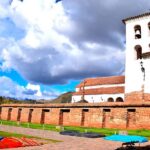
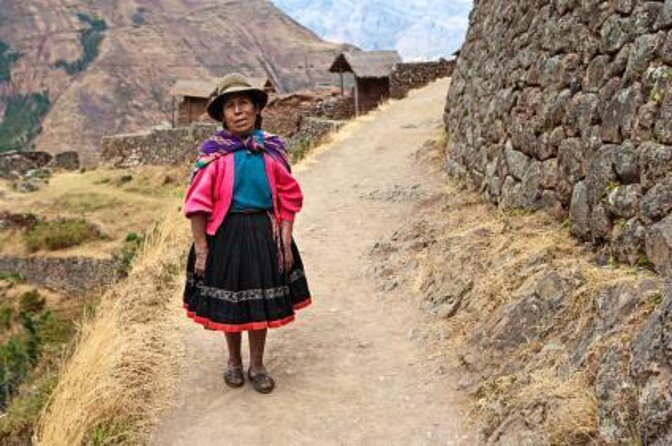
What I like about Chinchero is that it doesn’t feel like a pure open-air museum. You’re in a small Andean village with mud-brick (adobe) houses where people still run daily life in traditional dress. The Inca-era footprint is real too: in the main plaza you’ll see a massive stone wall with ten trapezoidal niches, a strong remnant of an Inca presence. The terraces and agricultural systems nearby are also part of the “they actually used the land” story.
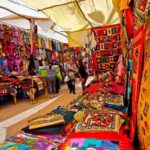
Chinchero’s top tourist magnet is its colorful Sunday market, and it’s described as less tourist-oriented than the bigger market at Pisac. Practically, that means you can sometimes get a more local feel—though keep your expectations realistic: it’s still a market in a high-visibility region.
Time here is about one hour, so treat it as a viewpoint + photo stop plus a quick cultural walk, not a long browse.
Moray’s Circular Terraces: The Inca Crop Lab
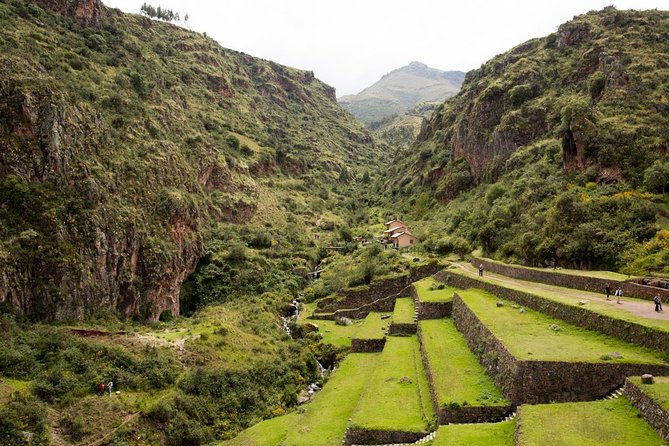
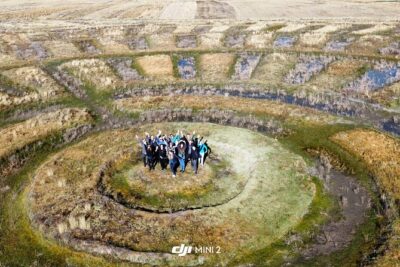
Moray is one of the Sacred Valley stops where the architecture basically teaches you science. The headline feature is the series of circular agricultural terraces, built with retaining walls and connected to an irrigation system. These terraces create different growing conditions, acting like a micro-climate experiment—often described as an Inca crop lab.
The depth is striking: up to 330 feet. And the position matters too—Moray sits roughly 4.5 miles from Maras and 39 miles from Cusco, so you’re seeing how the Inca system worked across the region, not just at one landmark site.
At Moray you’ll usually get fast guided context: why circular designs, how irrigation turns water into reliable farming, and why microclimates matter when crops need specific conditions. The visit is about 45 minutes, which is enough to understand the big idea and get photos—less time than you’d want if you like wandering slowly.
One thing to be honest about: the stop can feel “concept first, stroll second.” If you’re hoping for a long, quiet exploration, this tour’s pace might frustrate you a bit.
Maras Salt Mines: Photo Ops, Adobe Churches, and Salt Pools
Maras is famous for the salt mines, often called the salt pools of Maras. This is one of those places where the terrain becomes the show: the view stretches out in a grid of small pools across the hillsides, and it’s a strong camera target.
This stop is also a good activity match if you like walking a bit or moving at your own pace. The route in this area is described as connecting the salt mines with the villages of Tarabamba and Pichingoto, and there’s also a trail connection that fits hikers and mountain bikers.
Don’t miss the nearby Sanctuary of Tiobamaba, a colonial adobe church known for paintings like The Last Supper. It’s a nice contrast: Inca agricultural planning outside, colonial religious art inside.
Time here is about 45 minutes, and remember there’s an additional fee for the salt mines: PEN 20 per person. This is why I’d keep cash on hand before you start the day.
If you’re the kind of traveler who gets annoyed by souvenir stops, you might want to pace yourself here too. The salt mine area is about views and photos, not shopping—so focus on the pools, then let the end-of-day commercial moments pass you by.
You can also read our reviews of more tours and experiences in Cusco


Ollantaytambo: Fortress Toughness and the Water Temple
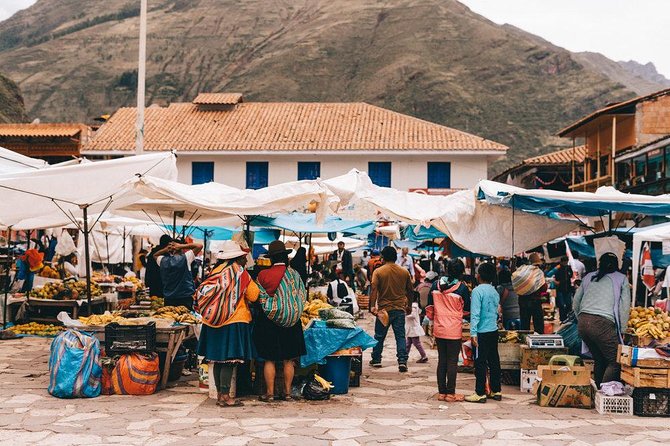
Ollantaytambo sits at a high altitude and gives you a dramatic Sacred Valley backdrop. The setting is Urubamba province, with the town described at 9,160 feet. That elevation can make the day feel more intense—another reason to hydrate and move steadily.
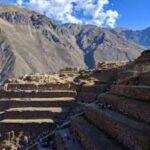
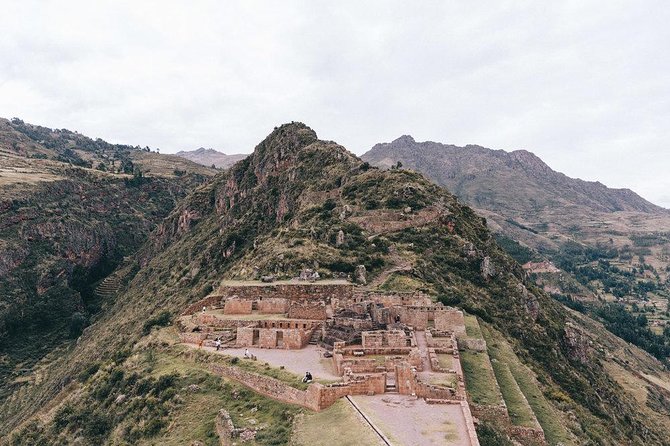
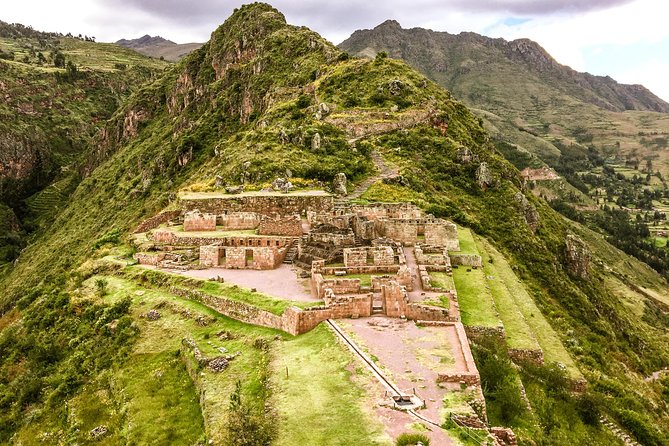
The two big draws are the ceremonial temple in worship of water and the fortress that guarded the valley entrance against invasions. The water temple includes terraces layered one above another, and you climb a steep stairway to see it up close. That’s one of the reasons this stop keeps popping up in feedback as a highlight: it’s visually impressive, and it feels meaningful because you’re physically scaling the site.
Then there’s the fortress itself: a stone colossus built between mountains to protect the valley. If you like stonework and defensive planning, you’ll appreciate how the natural terrain is part of the architecture.
Ollantaytambo also includes the Temple of Inti (sun god), the baths of the Ñustas, funerary Cachiccata towers, and steep tiered terraces on a hillside. You’ll also hear about the mountain called Pinculluna or Tunupa, with remnants of Inca structures that may have functioned as a storehouse for food.
A practical note: this is about one hour of visit time. With so many pieces to see, you’ll want to pick what you’re most curious about—temple terraces versus fortress views—rather than trying to absorb every wall equally.
Pisac: Intihuatana’s June Solstice Sun and a Legend in Stone
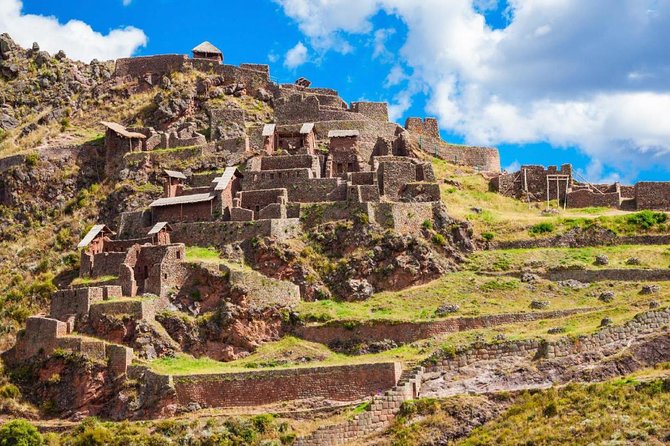
Pisac is the Sacred Valley stop that most strongly connects astronomy, ritual, and storytelling. If you want to understand how the Incas used stone not just to build, but to measure time, this is the place.
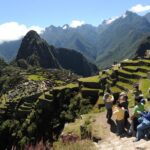
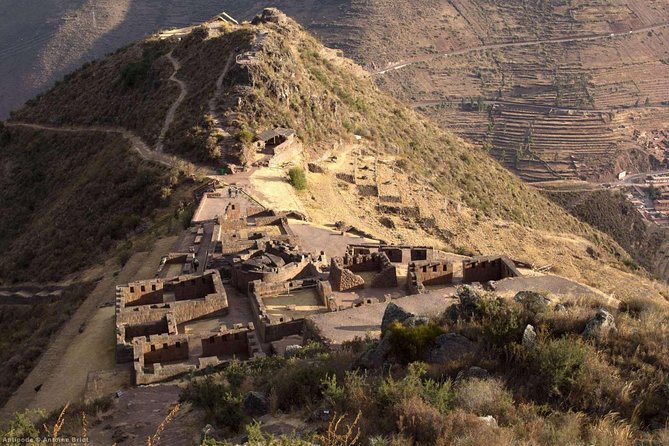
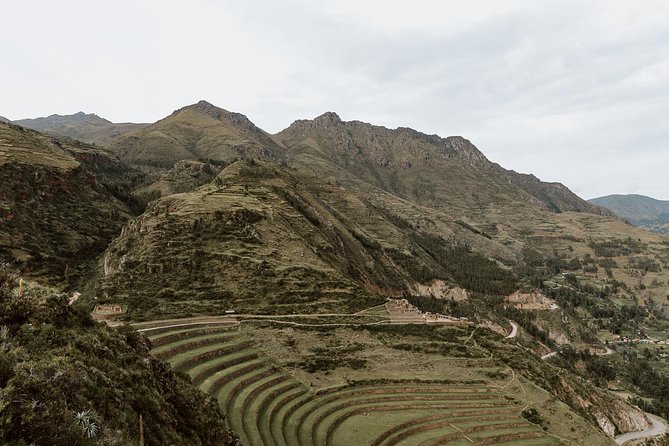
The architecture here is built from stone blocks with careful proportions and jointing. The area is described as including terraces, ceremonial rooms, palaces, and connected walls and towers. The overall complex can feel like it was planned as a system, not random construction.
A key highlight is Intihuatana, often translated as the Sundial. It’s one of Pisac’s most important ceremonial and religious sites, and it’s located at the top so you can see the whole valley. The guide explanation you’ll likely hear ties it to astronomical observation, including alignment with the sunrise around the June Solstice.
Another section is La ciudad de las torres (the City of the Towers). It’s believed these developments served as water channels, and about 20 towers are described along the edges of the mountain.
Then there’s the story element: Ñusta Encantada (Enchanted Princess), a rocky complex shaped like a woman carrying saddlebags. The local legend adds drama—Inca princess imagery, a prince tasked with building a bridge in one night, and the moment someone turns to look, leading to both being turned into stone. It’s the kind of myth that makes the stone shapes easier to remember later.
Pisac is a one-hour stop in this itinerary. That’s enough to see the main pieces, but not enough to linger at every angle. If you’re a photo-first person, you’ll do well here; if you want a slow lecture and time for winding paths, this tour’s pace could feel limiting.
Lunch in Urubamba: Vegan-Friendly Fuel That Actually Helps
Urubamba lunch is included, and it’s a buffer buffet. This is a practical win in a long day like this: you’re not just eating; you’re resetting your energy before the afternoon sites.
The buffet includes a vegan option, which is more than just a token side dish. Since this tour has multiple active stops, having a reliable meal you can eat without stress makes a big difference.
I’d also treat lunch like a hydration checkpoint. Even if you don’t feel tired, altitude and a long schedule can sneak up. You’ll enjoy the rest of the day more if you slow down slightly and eat like it matters.
Guides, Bilingual Explanations, and the Real Feel of the Day
A big part of what makes this tour work is the guide. Past experiences include guides such as Richard, Irving, Jhonnatan, and Warner, and the consistent praise is about being bilingual and enthusiastic while keeping things on time.
Bilingual guiding (English/Spanish) matters more than it sounds. If you’re the type who likes clear explanations and not guessing, you’ll benefit from having the guide switch languages smoothly while still keeping the group moving.
That said, the pacing is a real factor. Several feedback points focus on a rushed tempo. You’ll likely experience quick walks between stops, and you’ll see plenty—but you won’t feel like you’re stretching out in each place. Plan for a highlight tour, not a deep study day.
Shopping Stops and Upsells: How to Keep It Authentic
Here’s where this tour can feel either fun or annoying: commercial stops. Some past experiences mention visits to places like an alpaca processing business, plus end-of-day shopping moments such as salt or silver stops, including jewelry. The upsell tone is not always subtle.
My advice is simple: decide in advance what you will and won’t buy. If you like crafts, give yourself permission to shop. If you’d rather use the time for sites and photos, treat shopping stops as restroom-and-stretch moments and keep your wallet closed.
This is also why I recommend bringing a small amount of cash for required admissions, plus an amount you’re comfortable spending on optional souvenirs. When you separate the two in your head, you avoid the stress of thinking everything costs extra.
If you’re sensitive to being pressured, you may want to arrive mentally prepared for the reality of these stops in tourist regions.
Who This Tour Fits Best (and Who Should Skip It)
This is a strong fit if you:
- Want to see the Sacred Valley in one day instead of splitting it into two.
- Like structured touring with a guide who explains what you’re looking at.
- Can handle stairs and quick walking without needing a long free-exploration window.
- Appreciate a mix of village life (Chinchero), archaeological engineering (Moray), and major Inca sites (Ollantaytambo, Pisac).
It may be less ideal if you:
- Want a slow pace with lots of time per stop.
- Don’t like the feeling of being taken to retail-oriented stops.
- Are very particular about group size matching the advertised cap.
If you’re traveling with limited time, though, this tour earns its place. It’s built to give you a snapshot of the region’s most famous Inca-era highlights.
Should You Book the Sacred Valley VIP Day Trip?
I’d book this tour if your priority is efficiency: you have one day, you want the big names, and you’re okay with a busy schedule. The combination of Chinchero’s village atmosphere, Moray’s terrace “science,” Maras salt pools, and the heavy-hitter stone sites at Ollantaytambo and Pisac makes for a solid full-day story.
Before you confirm, do two things. First, plan for the extra fees: PEN 70 for the Partial Tourist Ticket and PEN 20 for Maras salt mines. Second, mentally accept that the day can feel rushed and that shopping stops may show up—so decide how you’ll handle them.
If that sounds like your style, this Sacred Valley day trip is a practical way to get a lot of meaning into one long day.
FAQ
How long is the Sacred Valley VIP full day trip?
It runs for approximately 12 hours.
What is the price per person?
The price is $55.00 per person.
Is pickup from Cusco included, and where does it happen?
Cusco hotel pickup is included, but pickup is not included from private residences.
Do I need tickets or extra payments during the tour?
Yes. You’ll need to purchase a Partial Tourist Ticket for an additional charge of PEN 70 per person. You’ll also pay an entrance fee for the salt mines of Maras (PEN 20 per person).
What admissions are included at the sites?
The tour includes guided access, but the Partial Tourist Ticket is not included in the price, and salt mine admissions are also listed as not included.
Is lunch included, and is there a vegan option?
Yes. Lunch is a buffet in Urubamba and it includes a vegan option.
What sites are included in the itinerary?
The tour stops include Chinchero, Moray, Maras salt mines, Ollantaytambo, and Pisac.
What language will the guide use?
The guide is bilingual, with English and Spanish.
How many people are in the group?
The tour has a maximum of 19 travelers.
What is the cancellation policy?
Cancellation is free if you cancel up to 24 hours in advance for a full refund. If you cancel less than 24 hours before the start time, the amount paid is not refunded.