REVIEW · CUSCO
Sacred Valley – Pisac and Ollantaytambo day tour
Book on Viator →Operated by Machupicchu Latin America · Bookable on Viator
Cusco to the Sacred Valley in one smooth day. This is a focused route that strings together Pisac and Ollantaytambo with quick hits for panoramic views, local markets, and native Andean camelids along the way. It’s priced to fit a budget, but run in a way that still feels personal because the group stays small.
I especially like the animal stop at Manos De La Comunidad, where you can meet llamas, alpacas, and even vicuñas up close. I also like the way the tour handles the big-ticket ruins: you get guided context at Pisac and then a real feel for Inca resistance at Ollantaytambo, not just a quick drive-by.
One consideration: admission fees and lunch depend on which option you pick, and the day includes at least one craft or shop-style stop where you might spend more time than you want. If you’re trying to avoid shopping moments, you’ll need to be clear about it early.
In This Review
- Key things to know before you go
- Cusco hotel pickup and a smart Sacred Valley rhythm
- Manos De La Comunidad: animal rescue and the Andes’ camelid cast
- Taray viewpoint photos without the time sink
- Pisac ruins: terraces, ceremonies, and a real sense of Inca engineering
- Pisac market stop: a good pause, not a time-waster
- Urubamba lunch: where you should check your package math
- Weaving demonstration: what you’ll learn from the dye and loom
- Ollantaytambo: fortress walls, terraces, and the best timing for Machu Picchu trains
- The train-station option: a big win for your Machu Picchu plan
- Price and upgrades: how to judge value in the Sacred Valley
- Tips to make the day feel easier on your feet and head
- How guide style affects the day
- Should you book Sacred Valley: Pisac and Ollantaytambo in one day?
- FAQ
- What time does the tour start and when do I return to Cusco?
- Does the tour include hotel pickup and drop-off?
- Are meals included?
- Which parts of the itinerary require admission fees?
- If I’m going to Machu Picchu, can the tour end at the train station?
- Do I need a passport for this tour?
Key things to know before you go
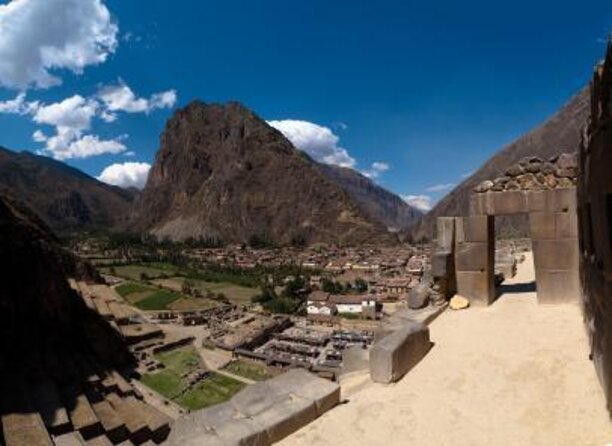
- Manos De La Comunidad camelids stop: admission-free time to meet alpacas, llamas, and vicuñas
- Taray viewpoint: a short photo window with big Sacred Valley views
- Pisac Inca site with an agri-terrace focus: temples, channels, carvings, and dramatic panoramas
- Pisac market time: a practical slice of daily life plus optional souvenirs
- Weaving and dye demonstration: you’ll see how colors and textiles connect to Andean tradition
- Ollantaytambo train-station drop-off option: plan your Machu Picchu day without added stress
Cusco hotel pickup and a smart Sacred Valley rhythm
This day tour runs about 9 hours from the Cusco area, with pickup starting around 7:00 AM (and breakfast at your hotel suggested before you go). You’ll return to your hotel area around 6:00 PM, so you still have your evening free.
A neat detail is the drive itself. You’ll pass notable Inca-era sights like Saqsaywaman and Tambomachay as you head toward the Sacred Valley. It’s not just transportation; it’s the tour getting you in the right mindset early.
Group size is kept reasonable. The tour notes a maximum of 15 travelers, and the walking component is capped even lower (max 10). That matters. In Cusco, your day can feel like a stampede if the group is large. Here, the smaller numbers make it easier to ask questions, slow down for photos, or just catch your breath.
For altitude, the schedule is practical. The stops are frequent enough that you’re not stuck for long periods, and you’re not doing a full-on hike all day. Still, Ollantaytambo can involve climbing and uneven ground—so comfortable shoes matter more than fancy ones.
You can also read our reviews of more tours and experiences in Cusco.



Manos De La Comunidad: animal rescue and the Andes’ camelid cast
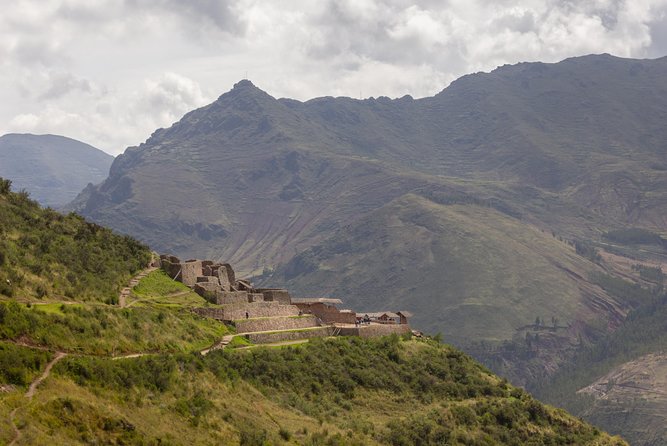
The day kicks off with a stop at Manos De La Comunidad around 8:00 AM. This is an animal rescue center where you can interact with native camelids, including alpacas, llamas, and vicuñas. Admission is listed as free, and the visit is about 30 minutes.
Here’s why this stop works well in a Sacred Valley itinerary: it gives you a living, everyday connection to the region. Before you tackle stonework and terraces, you’re reminded that this landscape was never just scenery. Camelids are part of how people historically lived and farmed at high elevation.
Practical tip: if you want photos, take them early. After you watch the animals for a bit, you may want to shift from selfies to questions—like how they’re cared for and what the rescue supports locally. The tour format gives you time to do both.
If you come in hoping for purely historical content, this stop can feel like a detour. But for most people, it becomes the emotional anchor of the day—especially if you’re traveling with kids or you simply like the idea of spending time somewhere that does real community work.
Taray viewpoint photos without the time sink
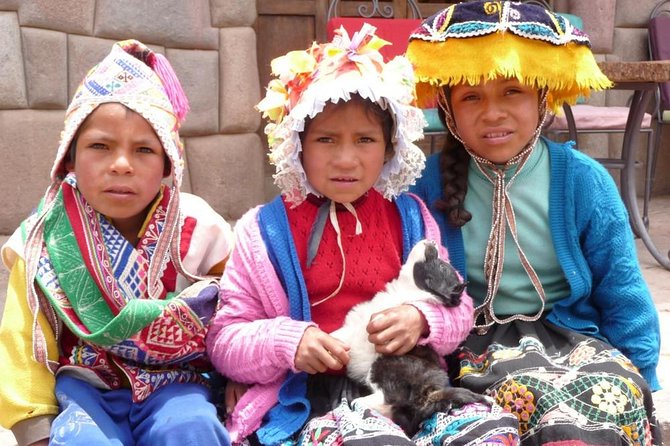
Next up, you’ll head to Mirador Taray (around 8:50 AM). It’s only 15 minutes, but it’s one of those stops you’ll remember because the viewpoints are the quick-hit reward for the drive.
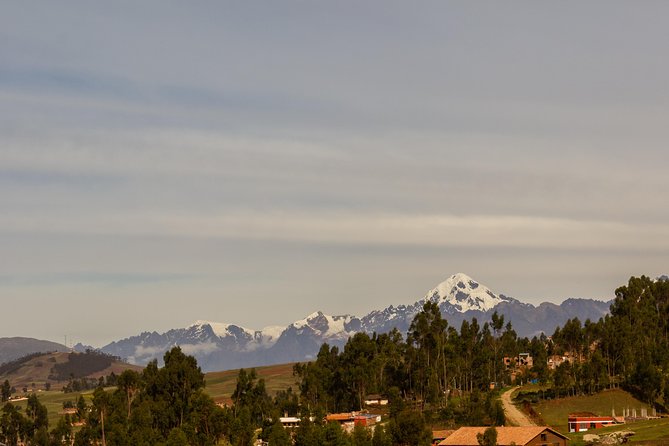
This is the classic Sacred Valley moment: wide, layered views with ridges and valley geometry that helps everything click once you later see Inca terraces and fortifications. Even if your feet are tired from the morning, you’ll get a small window to reset your eyes.
If the group is busy, you’ll still get enough time for your main photos. The trick is to keep your camera ready and don’t wait for perfect light. In the mountains, light changes quickly and the day moves on.
Pisac ruins: terraces, ceremonies, and a real sense of Inca engineering
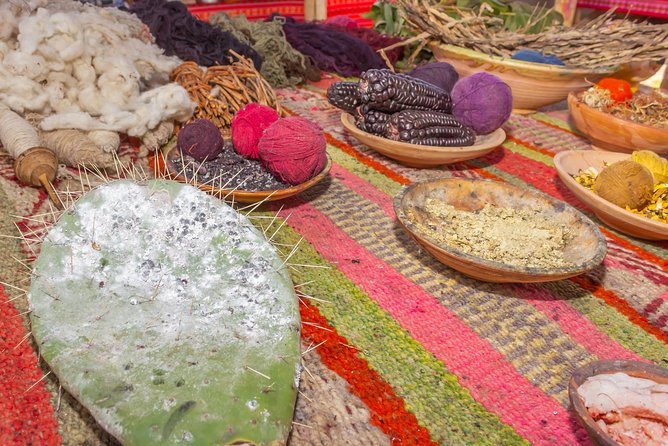
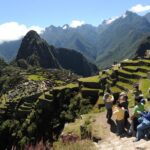
Around 9:30 AM, you arrive at the Pisac Archaeological Park. The tour highlights what makes this site special: impressive agricultural terraces and a well-preserved ceremonial center, including the Temple of the Sun.
You’ll also get to see features that feel very Inca-specific: altars, channels, carvings, and even tunnels and caves. The guided element matters here. Stone can look like stone until someone explains why it was built and how it worked in a high-altitude farming system.
Timing note: the visit is listed at about 30 minutes. That’s not a long wandering session. The upside is that the day stays manageable. The downside is that you won’t have hours to roam every corner like you would on a slower solo visit.
Also, admission is listed as not included in the base plan (it depends on what option you book). So plan to either pay on-site in Peruvian Sols or confirm what your package includes. One practical detail that can trip people up: site tickets may require local currency, not dollars.
Pisac market stop: a good pause, not a time-waster
At about 10:30 AM, you’ll stop in Pisac for the market. This is your chance to look at local handicrafts and souvenirs, with a bit of time to browse at your own pace. It’s also an easy way to break up the ruins portion with something more everyday.
The market stop is also where you can calibrate your priorities. If you love textiles, you’ll likely notice details quickly. If you’re more focused on architecture, you can keep browsing light and just buy something small if you see it.
One helpful approach: set a budget in your head before you start walking. That way, shopping moments don’t steal your attention from the historic parts you came for.



Urubamba lunch: where you should check your package math
After Pisac, you head toward Urubamba for lunch, with a drive that’s about one hour from the Pisac area. The lunch slot is around 12:00 PM, and it’s listed as a buffet-style stop where you’d pay on your own in the standard setup.
Why this matters for value: the tour advertises an upgrade option that can include lunch and attraction admission, but the base price doesn’t automatically mean you’ll get both. If you’re the type who hates surprise costs, compare the options before you book.
From actual travelers’ experiences with this kind of day tour, the lunch and admission math can feel “close enough” or it can feel “why did I pay for that twice,” depending on your package. So do the quick check:
- What exactly is included in your ticket option (admission fees, lunch, or both)?
- Are you paying for lunch as a buffet, or could you skip it and eat elsewhere?
- If you’re trying to keep costs down, confirm you won’t be forced into overpriced stops later.
Lunch is about an hour, so it’s not a long meal where you can ignore timing. If you have a train plan later (common with Machu Picchu), eating efficiently helps keep the rest of the afternoon smooth.
Weaving demonstration: what you’ll learn from the dye and loom
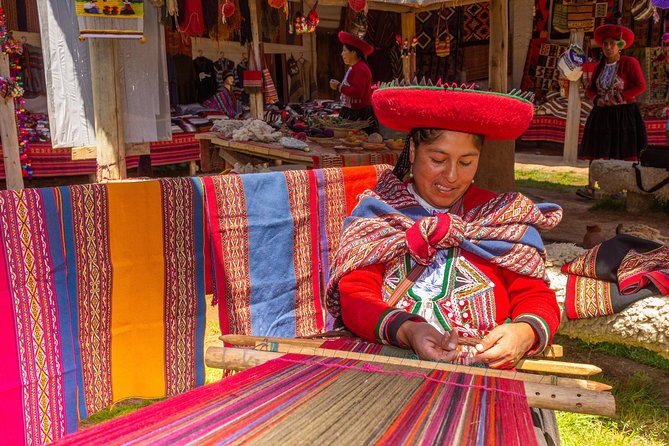
Between lunch and Ollantaytambo, the tour includes a visit to a local weaving house with a demonstration on dyeing and weaving techniques. This is one of the places where the tour balances culture with hands-on education.
The best part of weaving demos is not that you’re buying something—it’s that you’re learning the logic behind the colors and patterns. Andean textile traditions are basically a communication system. Even in a short demo, the visual repetition helps make that idea stick.
You may also see how local production links to community income. In many Sacred Valley towns, weaving isn’t a tourist-only hobby. It’s livelihoods and identity.
If you’re concerned about shopping, take the demo as the priority and treat purchases as optional. You can watch the process, ask questions, and then decide what (if anything) you want to carry home.
Ollantaytambo: fortress walls, terraces, and the best timing for Machu Picchu trains
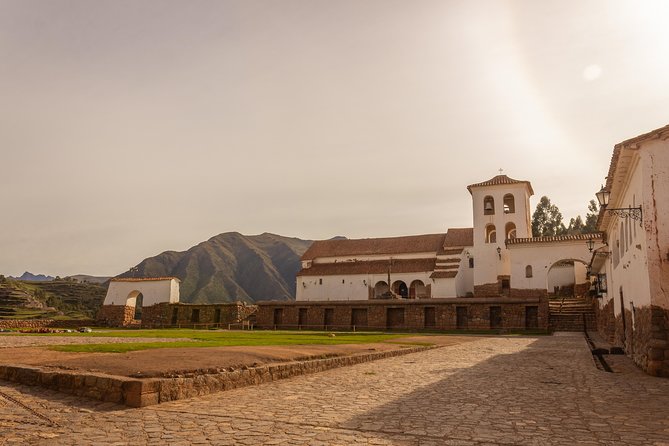
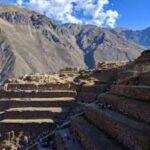
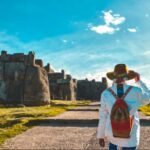
The day’s main dramatic climax is Ollantaytambo, starting around 1:30 PM in the itinerary. This site is described as an Inca fortress, religious sanctuary, and living city, known for massive stone architecture and extensive agricultural terraces.
It’s also a history lesson in stone. The tour frames Ollantaytambo as part of Inca resistance against the Spanish conquistadors, which adds weight to why the place feels so strategic—not just pretty.
Expect a bit of exertion. Many people feel the climb here more than at Pisac, and the terrain can be uneven. If you want a smoother experience, take your time on ascents and plan on photos as short breaks rather than long detours.
The train-station option: a big win for your Machu Picchu plan
One of the tour’s most practical features is the ability to end at the Ollantaytambo train station at 3:00 PM or 4:00 PM. The tour also states it can end at the station for trains from 15:37 onward, which helps you avoid stressful last-minute timing.
If you’re taking a train to Aguas Calientes (Machupicchu pueblo), this is worth serious attention. Machu Picchu days live and die by schedules. Getting dropped at the station means you’re not scrambling with directions or waiting around for transport.
Even if you’re not going to Machu Picchu, Ollantaytambo remains a top Sacred Valley stop. It’s one of the rare places where the city layout and stone mass feel like they’re still talking to you.
Price and upgrades: how to judge value in the Sacred Valley

At $29 per person, this tour is aimed squarely at value. The included basics—hotel pickup/drop-off, transport, an English-speaking guide, and one bottle of water—are what make the low price work.
But Sacred Valley day trips often add costs through admission fees, meals, and optional inclusions. This tour clearly supports multiple booking options:
- Some versions keep attraction admission and lunch out of the price
- Some versions offer an all-inclusive upgrade with admission and lunch
So here’s the “don’t get tricked” advice: don’t compare only the headline price. Compare your total with admission and lunch.
If you like numbers, here’s a real-world way to do it: one traveler noted that the VIP-style upgrade they tested felt overpriced because the tour still only covered Ollantaytambo for the paid admissions, and lunch was a buffet that they considered similar to paying out-of-pocket. That doesn’t mean every upgrade is a rip-off, but it does mean you should verify:
- Which sites are covered by the included admission
- Whether Pisac and Ollantaytambo both have their entries handled
- Whether lunch is included in the price and what meal type you’re actually getting
Shopping stops are also a value factor. A weaving demo may feel educational. A jewelry stop can feel like a tax on your time and wallet if it runs long or feels too sales-focused for your style. The key is to treat these moments as optional and decide quickly.
Tips to make the day feel easier on your feet and head
This is a full day, even at a “short and sweet” pace. A few practical moves make a big difference:
- Wear grippy shoes for Ollantaytambo and Pisac. Stone steps and uneven ground can be slick if it rained.
- Bring sunscreen and a layer. Morning sun can feel warm, and temps can swing quickly once you’re in the valley.
- Carry small bills in soles for admissions or any items you choose to buy. Some tickets and purchases can be easier with local currency.
- Use the animal stop strategically: if you want hands-on moments with alpacas or llamas, go early in the visit window.
- For photos, don’t wait for a perfect second. The route moves; the viewpoints are time-limited.
How guide style affects the day
The guide is a big part of why this tour tends to score well. Names like Luis, Gary, Fabrizio, Bernardo, René, Flor, and Michael show up in past groups, and their strengths are similar: history with real examples, plus an ability to keep things moving without turning it into a race.
If you get a guide who likes to talk (the best ones do), you’ll get extra context on Quechua language, Inca architecture, and why certain terraces and systems mattered. If you prefer quiet pacing, you can ask to slow down and focus on your own photo priorities.
Should you book Sacred Valley: Pisac and Ollantaytambo in one day?
Book it if you want a first-time-friendly Sacred Valley day that hits the big ruins, adds local market flavor, includes an animal rescue stop, and gives you a practical pathway to Machu Picchu trains. It’s also a good pick if you’re short on time in Cusco but still want more than one historic site.
Skip or adjust if shopping moments will annoy you. This route can include optional craft or shop visits, and a minority of people feel those parts take time they’d rather spend on ruins or viewpoints. If that’s you, bring a plan: watch the demo, then politely pass on purchases and focus your energy on Pisac and Ollantaytambo.
If you do book, choose your ticket option carefully. The best value comes from matching what’s included—admission and lunch—to what you personally would pay anyway.
FAQ
What time does the tour start and when do I return to Cusco?
Pickup is set for around 7:00 AM, with a suggested breakfast around 6:30 AM. You typically return to your hotel area around 6:00 PM.
Does the tour include hotel pickup and drop-off?
Yes. Cusco hotel pickup and drop-off are included.
Are meals included?
Breakfast, lunch, and dinner are not included in the standard description. Some booking options may include lunch depending on the package you choose.
Which parts of the itinerary require admission fees?
Admission for some stops is marked as free (like the animal rescue center and the Taray viewpoint). Other major sites, including Pisac and Ollantaytambo, are listed as not included for admission unless you choose an option that includes attraction entry.
If I’m going to Machu Picchu, can the tour end at the train station?
Yes. The tour offers an option to end at the Ollantaytambo train station at 3:00 PM or 4:00 PM, and it states it can be arranged so you can take trains from 15:37 onward.
Do I need a passport for this tour?
Yes. A current valid passport is required on the day of travel.