REVIEW · CUSCO
Sacred Valley of the Incas – Pisaq, Ollantaytambo and Chinchero
Book on Viator →Operated by Eco Tour Cusco · Bookable on Viator
Morning in Cusco can feel like a warm-up lap for something bigger. This Sacred Valley route is a fast, high-impact day that mixes major Inca sites with a working village stop, all with a guide and included lunch. I like how the schedule gives you enough time to enjoy each place instead of rushing every corner.
What I really love is the combo of Pisac’s viewpoint and archaeological walk plus the switch to daily life in Chinchero at high altitude. The main drawback is the ticket reality: entrance fees aren’t baked into the tour price, and at least one key stop (Pisac) requires cash in soles on the day.
In This Review
- Key things to know before you go
- Why this Sacred Valley route works in one long day
- Morning pickup from Cusco and the road to Pisac
- Pisac: viewpoints, ruins, and the craft market you can browse for real
- The one payment detail you shouldn’t ignore
- Lunch in Urubamba: a needed reset at Sacred Valley altitude
- Ollantaytambo: Inca engineering with a village-town feel
- Entrance tickets here aren’t included
- What you should pay attention to
- Chinchero above 3,800 meters: textiles and a real village stop
- Price and value: what $48 gets you, and what it doesn’t
- Weather reality and how to keep the day from feeling fragile
- Practical notes for a smoother day with Eco Tour Cusco
- Should you book this Sacred Valley tour?
- FAQ
- What are the main stops on this Sacred Valley trip?
- How long is the tour?
- Is lunch included?
- Do I need to pay entrance tickets?
- What happens if the weather is bad?
- Where do I meet and where does the tour end?
Key things to know before you go
- Group size is capped at 16, so this stays friendly instead of chaotic.
- Pickup is early (7:30 to 7:50), so plan to be ready before you think you need to.
- Pisac entry involves a tourist ticket you pay for on the spot with cash in soles.
- You get lunch (a buffet in Urubamba), which matters on a long altitude day.
- Weather can affect the schedule, so pack for clouds and cool air.
Why this Sacred Valley route works in one long day
This trip is built for people who want the Sacred Valley highlights without committing to a multi-day plan. You hit three different vibes: Inca stone and views at Pisac, the famous complex and village feel at Ollantaytambo, then textiles and everyday culture in Chinchero. The result is a day that feels varied instead of repetitive.
You also get a practical rhythm. You start early in Cusco, move through the valley with a guide, and you end back in central Cusco. That matters if you’re trying to fit Sacred Valley into a tight itinerary around Machu Picchu planning or acclimation.
And it’s not just sightseeing. The stops are arranged so you’re not only looking at ruins—you’re seeing how the region’s crafts and communities still function. Even if you don’t care about textiles, Chinchero adds texture to the day that the big sites can’t.
You can also read our reviews of more tours and experiences in Cusco.


Morning pickup from Cusco and the road to Pisac
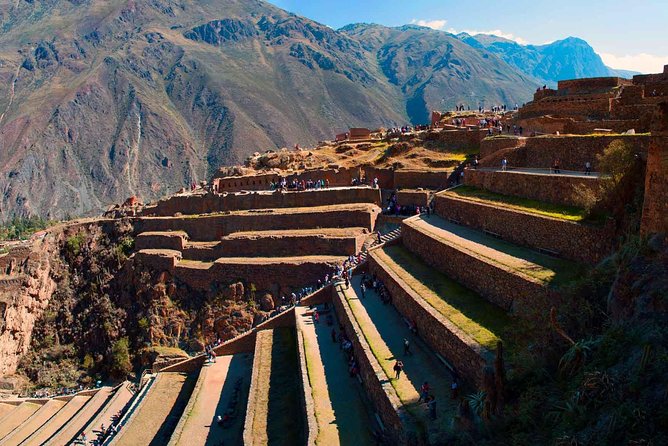
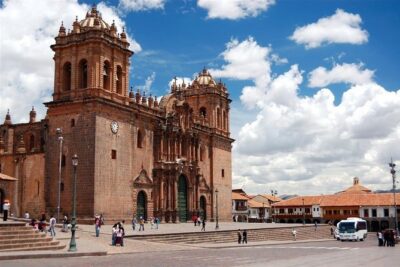
The day starts with pickup from your hotel area between 7:30 and 7:50. The meeting point is listed as Plaza de Armas, and you’ll be transported out to Pisac for the first major visit.
That early departure is doing real work for you. First, it helps you beat the later crowds that build as the morning turns into the mid-day surge. Second, it gives you more daylight time to enjoy the viewpoints and walkways at elevation. Sacred Valley days can feel longer than the clock says, so starting on time keeps the energy from draining.
Here’s how I’d set yourself up for success: be ready before pickup. If the driver is late, this is the kind of day where you don’t want to waste time figuring things out from scratch. One caution I noticed from past experiences: there has been at least one account of a person being left waiting in the lobby with no communication past pickup time. Your best defense is simple—be visible at the pickup spot, keep your phone ready, and confirm your pickup details the day before.
Pisac: viewpoints, ruins, and the craft market you can browse for real
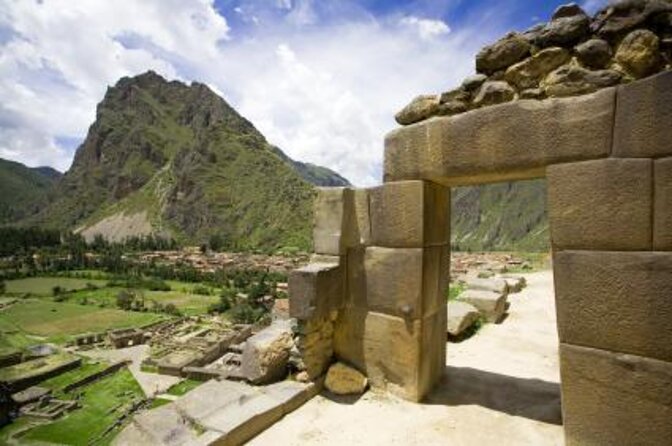
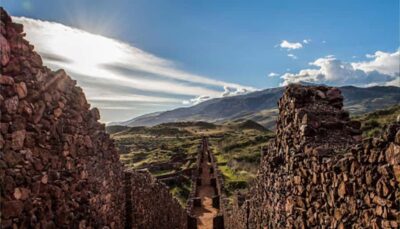
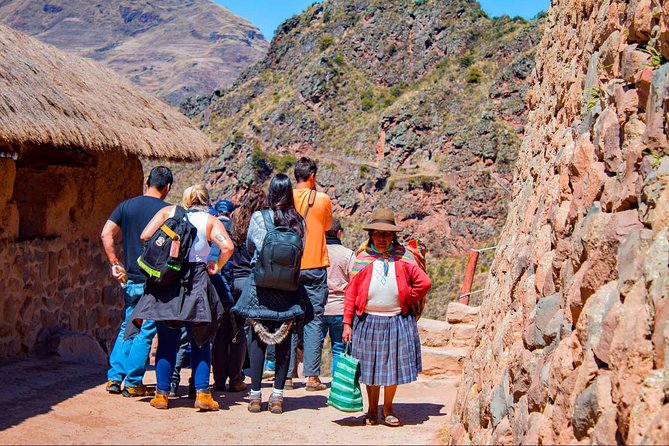
Pisac is usually the stop people remember most, and this itinerary leans into that. Before you even get deep into the site, you enjoy scenic Andean views and a stop at the Taray viewpoint. That viewpoint break is more than a photo op. It’s a mental warm-up that shows you how the valley sits against the mountains, so the ruins start to make sense as part of a bigger system.
Then you tour Pisac’s ancient archaeological site with a guide, plus you have time for the craft market. This is where I think the trip earns its value. You’re not stuck only with stones. You can ask questions, watch how people sell and work, and pick up small, practical souvenirs if you want them—without turning it into a frantic shopping mission.
The one payment detail you shouldn’t ignore
Pisac entry is handled with a tourist ticket. You’ll pay for it with cash in soles, and the process is described as buying it before or in the same place. The tour price doesn’t include entrance tickets, so bring the right cash mindset for this part.
If you like stress-free travel, treat this as your checklist item:
- Bring enough cash in Peruvian soles for the Pisac ticket.
- Keep it accessible so you’re not scrambling right when you reach the entrance area.
This way, you keep your momentum and avoid losing time at the exact moment your morning is still fresh.
Lunch in Urubamba: a needed reset at Sacred Valley altitude
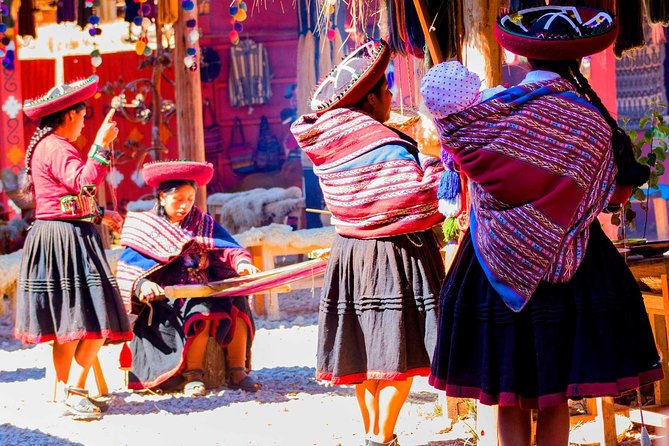
After Pisac, you head toward Urubamba for lunch, and a buffet lunch is included. On an 11-hour day, this is one of those quietly important details. When you’re at altitude and walking, you burn calories faster than you expect, and a solid meal keeps your focus sharp for the afternoon stops.
You’ll feel the difference most on the second half. After lunch, you’re heading into Ollantaytambo, and then up to Chinchero. If you skip the meal or eat lightly, it tends to show up later as fatigue or slower pacing.
I’d use lunch like a reset button:
- Eat something filling, not just a snack.
- Drink water.
- Give yourself a few minutes to stand up, breathe, and regroup before you board again.



Ollantaytambo: Inca engineering with a village-town feel
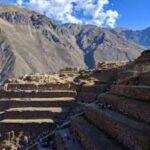
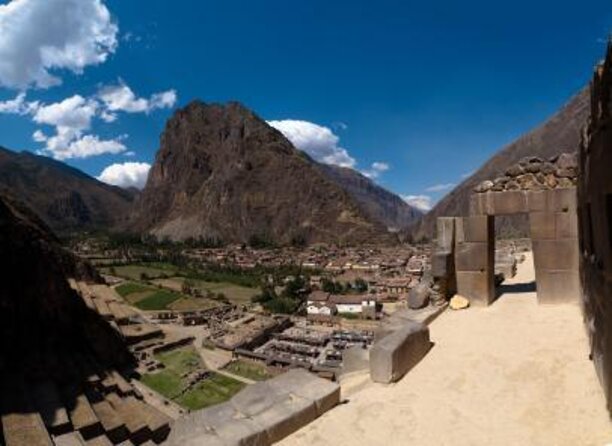
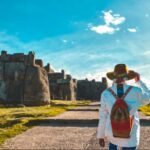
Ollantaytambo is next, and it’s a strong change of pace after Pisac. You’ll explore the archaeological complex and also get a sense of why the area feels so picturesque as a living town, not just a monument.
This stop runs about 1 hour 30 minutes, which is a realistic window for the essentials. You’ll have time to see the key structures and understand the general logic of the place with your guide. You won’t feel like you’re sprinting, but you also won’t get stuck in a long, slow drift that kills the rest of the day.
Entrance tickets here aren’t included
For Ollantaytambo, the admission is listed as not included, so you’ll need to plan for ticket costs separately. I like having this expectation upfront because it keeps your timing smooth. You won’t be surprised right at the gates when you’re ready to start walking.
What you should pay attention to
Even without turning into a full-time archaeologist, you can get a lot out of your time here by focusing on:
- How the stonework follows the slope
- The way spaces are organized for movement
- How the setting supports the town around it
A guided stop makes that easier, because you’re not trying to guess meanings from your own assumptions.
Chinchero above 3,800 meters: textiles and a real village stop
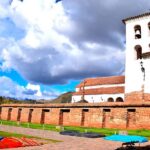
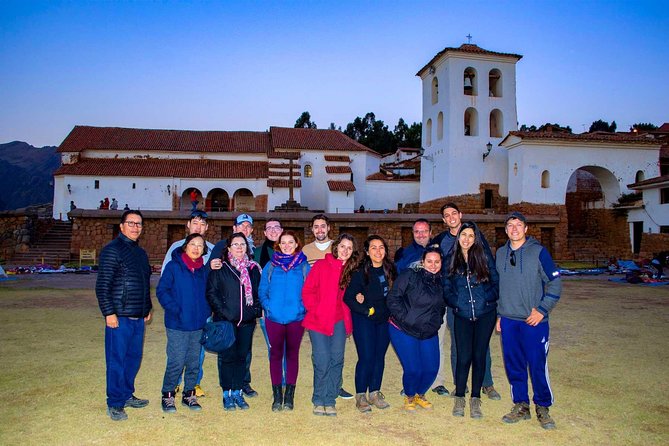
Chinchero is your final stop, and it’s a smart way to land the day. You’re finishing in a traditional Andean village known for textile production, and you get stunning scenery while you’re there, at over 3,800 meters above sea level.
Time here is about 1 hour 30 minutes, and that’s enough to see what Chinchero is about without feeling like you’ve only checked in and left. Textile-focused stops can sometimes feel like a lecture, but with village context, you’re more likely to see how the work connects to daily life.
The altitude is the practical consideration. If you’ve been okay in Cusco and the ride to the valley, you’ll probably be fine. Still, slow down. Short breaths and steady walking beat forcing pace. Take a moment before you start asking questions or browsing if you feel out of sync.
For Chinchero, admission is marked as free in the tour info, which is a nice cost control point if you’re watching your budget for entrance fees.
Price and value: what $48 gets you, and what it doesn’t
At $48 per person, this tour can be good value—mainly because the big logistics are handled. You get group transport, a guide, and lunch. For a full day that touches three major places, that structure helps you avoid the toughest part of Sacred Valley travel: figuring out transportation and timing across multiple stops.
Where the math changes is entrances. The tour price doesn’t include ticket costs. You’ll pay Pisac using the tourist ticket process (cash in soles). Ollantaytambo also lists admission as not included. Chinchero is listed as free for admission, but you should still treat the day as a “tour + pay a few tickets” plan.
If you’re comparing options, this is how I’d judge value for you:
- If you hate planning and want a day with fewer moving parts, this looks like a solid deal.
- If you already plan to use public transport or hire a private driver, you might find cheaper on paper options—but you’ll trade away the guide explanation and timing convenience.
Also note the popularity signal: this tour is often booked about 86 days in advance. If you’re traveling during peak season or have limited flexibility, booking early is a smart move.
Weather reality and how to keep the day from feeling fragile
This experience requires good weather. That matters in the Sacred Valley because cloud cover, rain, or mist can change what you can actually enjoy at viewpoints. The good news is the tour plan includes a safety valve: if it’s canceled due to poor weather, you’ll be offered a different date or a full refund.
You can’t control the weather. You can control your readiness. Pack layers for cool air and bring a way to protect yourself from light rain or mist. Comfortable shoes also matter, because these sites involve walking on uneven ground.
If weather is questionable, I’d keep your expectations flexible. The day is structured for the best case, but it’s still a worthwhile route even when conditions are mixed—if you’re prepared to slow down and focus on the human-scale experiences (like the crafts) as much as the views.
Practical notes for a smoother day with Eco Tour Cusco
This is a group tour with a maximum of 16 travelers, which is the sweet spot for me. Big enough to feel lively, small enough that you can still hear the guide and move as a group without constant bottlenecks.
Meeting is Plaza de Armas, and the tour ends at Plaza Regocijo. That end point is helpful because it keeps you closer to central Cusco, which can make it easier to grab dinner or continue your schedule afterward.
One more practical point: confirmation is received at booking, and the tour says most travelers can participate. That likely means it’s not limited to serious hikers, but you should still expect a full day at altitude with walking at archaeological sites.
Finally, since there’s at least one documented issue about pickup communication, I’d treat the pickup day like a checklist day:
- Confirm pickup details the evening before
- Arrive at your pickup location a bit early
- Keep your phone charged and ready for contact
It’s not paranoia. It’s just how you protect a day that you can’t easily replace.
Should you book this Sacred Valley tour?
Book this tour if you want a guided, all-day Sacred Valley overview that covers Pisac, Ollantaytambo, and Chinchero without you having to micromanage transport. The included lunch and the fact that the group stays small-ish (16 max) make it a comfortable option for most visitors.
Skip or consider alternatives if:
- You hate dealing with entrance tickets paid separately, especially if you don’t want to carry cash in soles.
- You’re extremely sensitive to schedule changes and can’t handle a possible weather-based reroute or refund.
If you’re an independent traveler who likes authenticity and order at the same time, this route is a strong way to spend your time in Cusco’s Sacred Valley orbit.
FAQ
What are the main stops on this Sacred Valley trip?
The tour visits Pisac, the Archaeological Park Ollantaytambo, and Chinchero.
How long is the tour?
It runs for about 11 hours.
Is lunch included?
Yes. A buffet lunch is included after the Pisac stop, in the Urubamba area.
Do I need to pay entrance tickets?
Yes. Entrance tickets are not included. Pisac requires a tourist ticket that you pay for with cash in soles on the day. Ollantaytambo admission is listed as not included. Chinchero is listed as free for admission in the tour info.
What happens if the weather is bad?
The tour requires good weather. If it’s canceled due to poor weather, you’ll be offered a different date or a full refund.
Where do I meet and where does the tour end?
You start at Plaza de Armas in Cusco and end at Plaza Regocijo in Cusco.